

Facing high import taxes in Ethiopia's building boom? The wrong steel inflates costs. Smart material selection is key to saving your budget and ensuring project success.
For Ethiopia's dry inland infrastructure projects, 201 stainless steel wire is the top strategic choice. By optimizing its alloy composition, it provides necessary strength and corrosion resistance at a much lower cost. This effectively balances performance with the economic reality of local import duties.
It was Sunday evening, and I was in my office organizing our order plan for Ethiopia for the coming week. The speed of urban expansion there is incredible right now. With that growth comes a huge demand for building materials that offer the best possible value for money. As someone who has been in the metal industry for almost a decade, I always stress one simple fact to my clients: while we might have favorable export terms from China, the import taxes in your country are a real cost you have to face. This is why our focus next week is on sharing how our 201 stainless steel wire provides stable performance in Ethiopia's dry inland environment. This isn't just theory. We have the data to prove it. Let’s break down how we found the perfect balance between price and performance for Africa's infrastructure needs.
Why 201 Stainless Steel Wire Remains the Top Choice Under New Trade Insights?
Worried if cost-effective 201 stainless steel is reliable enough? Doubts about its long-term performance can derail a project. Let’s look at why it actually excels in specific environments.
201 stainless steel is ideal for Ethiopia's dry inland areas because it offers sufficient corrosion resistance without the high cost of 304 grade. Our optimized alloy balances strength and durability. This directly addresses the need for high-performance materials that also fit local import tax structures and budget limits.
As a procurement manager, you know the price you see on a supplier's sheet isn't the final cost. The real cost lands in your warehouse after shipping and, most importantly, local import taxes. This is a major factor for our clients in Ethiopia. When a material's base cost is high, the import duties make it even more expensive. This is the main problem with using a material like 304 stainless steel. It’s a fantastic material, but its high nickel content makes it expensive. For a project in a coastal or highly corrosive environment, that cost is justified. But for the dry, inland climate where much of Ethiopia's construction is happening, it's simply overkill. You are paying for a level of corrosion resistance that you just don't need.
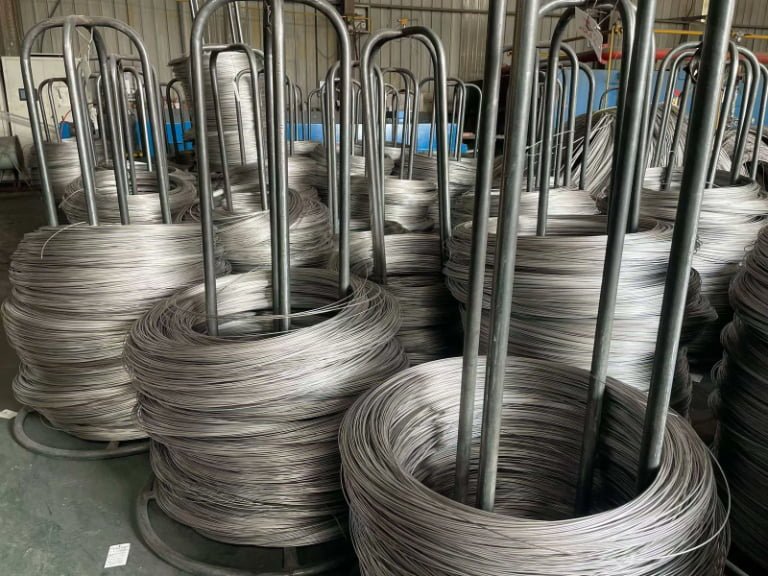
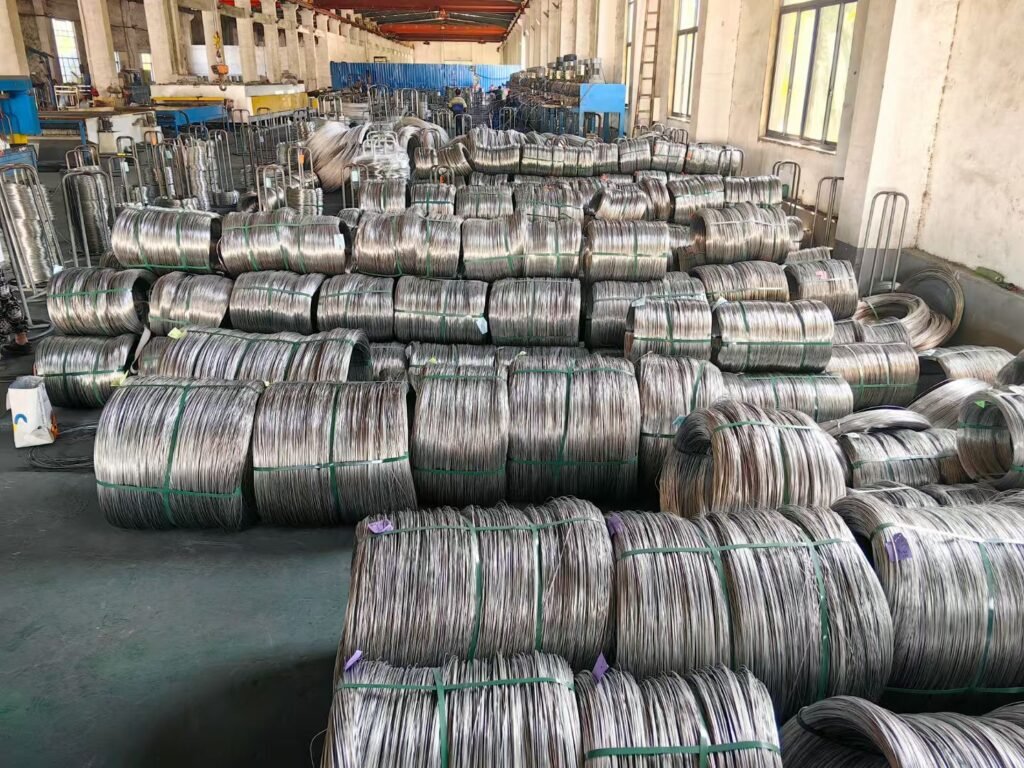
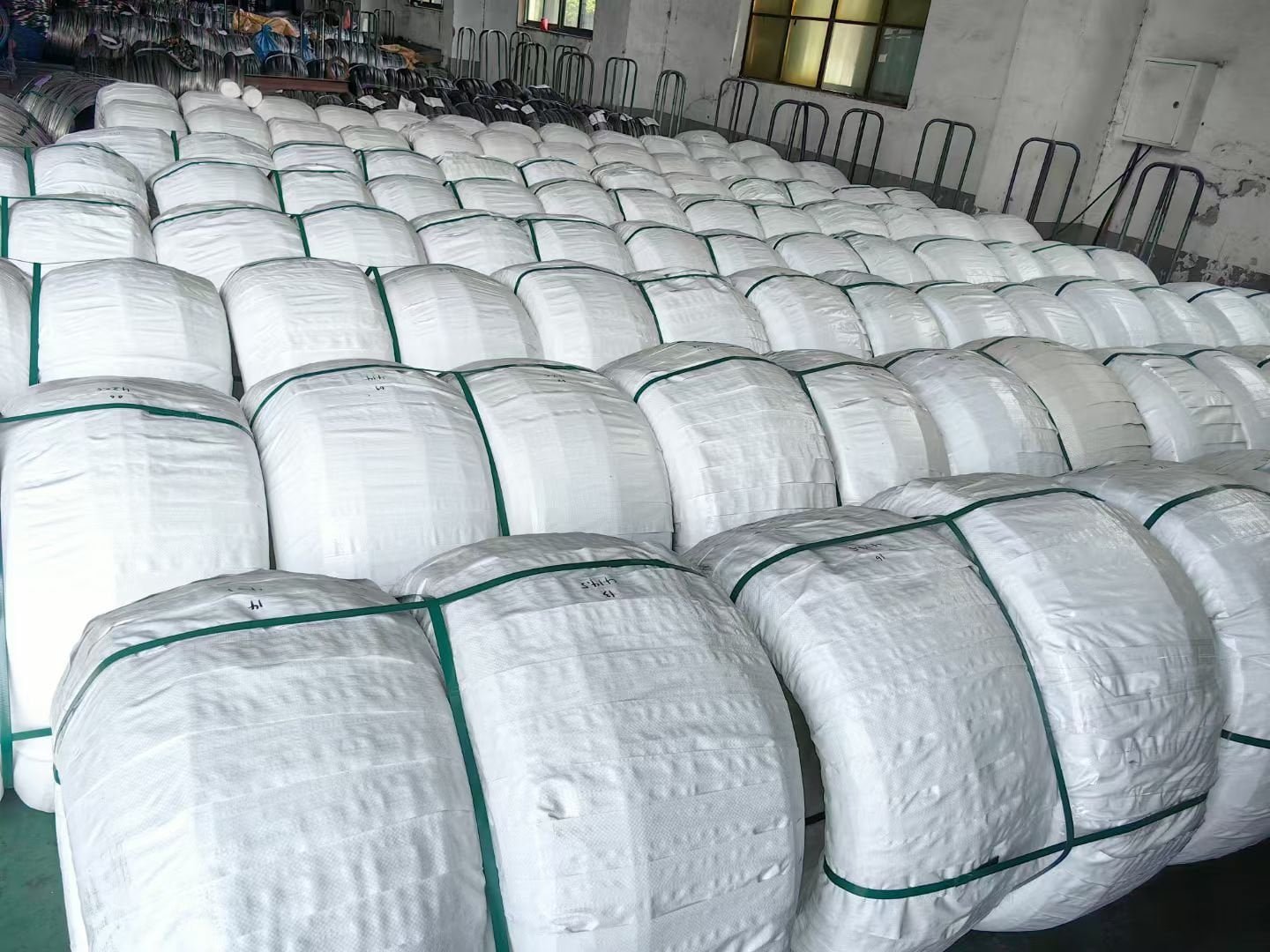
This is where 201 stainless steel becomes the smart, strategic choice. With our family's 20 years of manufacturing experience, we've developed an optimized 201 stainless steel grade. We carefully adjust the manganese and nitrogen ratios in the alloy. This process maintains a strong austenitic structure while using far less of the expensive nickel. The result is a wire that has excellent tensile strength for construction, but at a fraction of the cost. It provides more than enough protection against atmospheric corrosion in an inland climate. This is how we help clients meet their project specifications without destroying their budget.
Let's look at a simple breakdown:
| Feature | Our Optimized 201 Stainless Steel | Standard 304 Stainless Steel |
|---|---|---|
| Base Material Cost | Lower (less nickel) | Higher (more nickel & chromium) |
| Landed Cost in Ethiopia | Significantly lower after import duties | Can become too expensive for many projects |
| Corrosion Resistance | Excellent for dry, inland environments | Over-specified for this type of climate |
| Tensile Strength | High, optimized for construction needs | Also high, but at a much higher cost |
| Best For | Cost-sensitive infrastructure projects | Coastal areas or chemical exposure |
Conclusion
For Ethiopia's infrastructure boom, our optimized 201 stainless steel wire is the perfect balance of price and performance, navigating local taxes to ensure your project’s success and profitability.
FAQ
Q: What is the main focus for Ethiopia's construction market next week? A: We will focus on showcasing the technical advantages and cost-savings of using our 201 stainless steel wire for new urban expansion projects.
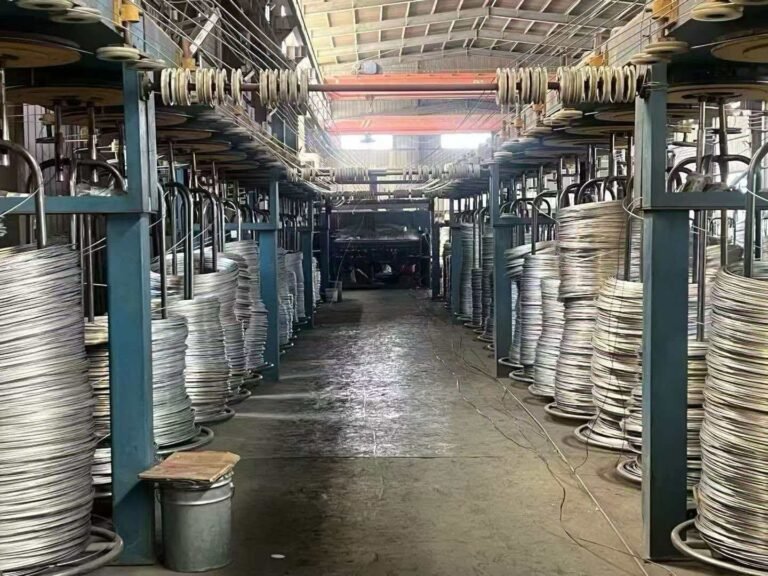
Q: How does your factory prepare for the peak construction season in Africa? A: We pre-allocate raw materials and optimize our drawing lines to ensure a steady supply of high-tensile 201 wire for our priority markets.
Q: Why choose your factory's 201 wire for Ethiopian inland projects? A: Our 20-year production history ensures a stable chemical composition that resists oxidation in inland climates while reducing total project expenditure.