


Choosing the wrong wire leads to product failure and unhappy customers. Imagine your products rusting or breaking, damaging your reputation. Understanding the difference between 201 and 204 wire is key.
204 stainless steel wire offers better corrosion resistance and flexibility than 201 wire. This is because it contains more copper and nickel, making it a more durable choice for demanding applications where moisture or bending is a factor.
This difference isn't just on paper. A long-time client of mine recently faced this exact choice, and his experience shows why picking the right wire matters so much. Let's dig deeper into what makes these two materials different and see how he made the right decision for his project.
How does corrosion resistance differ between 201 and 204 stainless steel wire?
Worried your metal products will rust in damp conditions? This can ruin your project. The right wire choice prevents this common and costly problem, ensuring your products last.
204 stainless steel wire has much better corrosion resistance than 201 wire. Its higher copper content helps it withstand humid and mildly acidic environments where 201 would typically start showing rust.
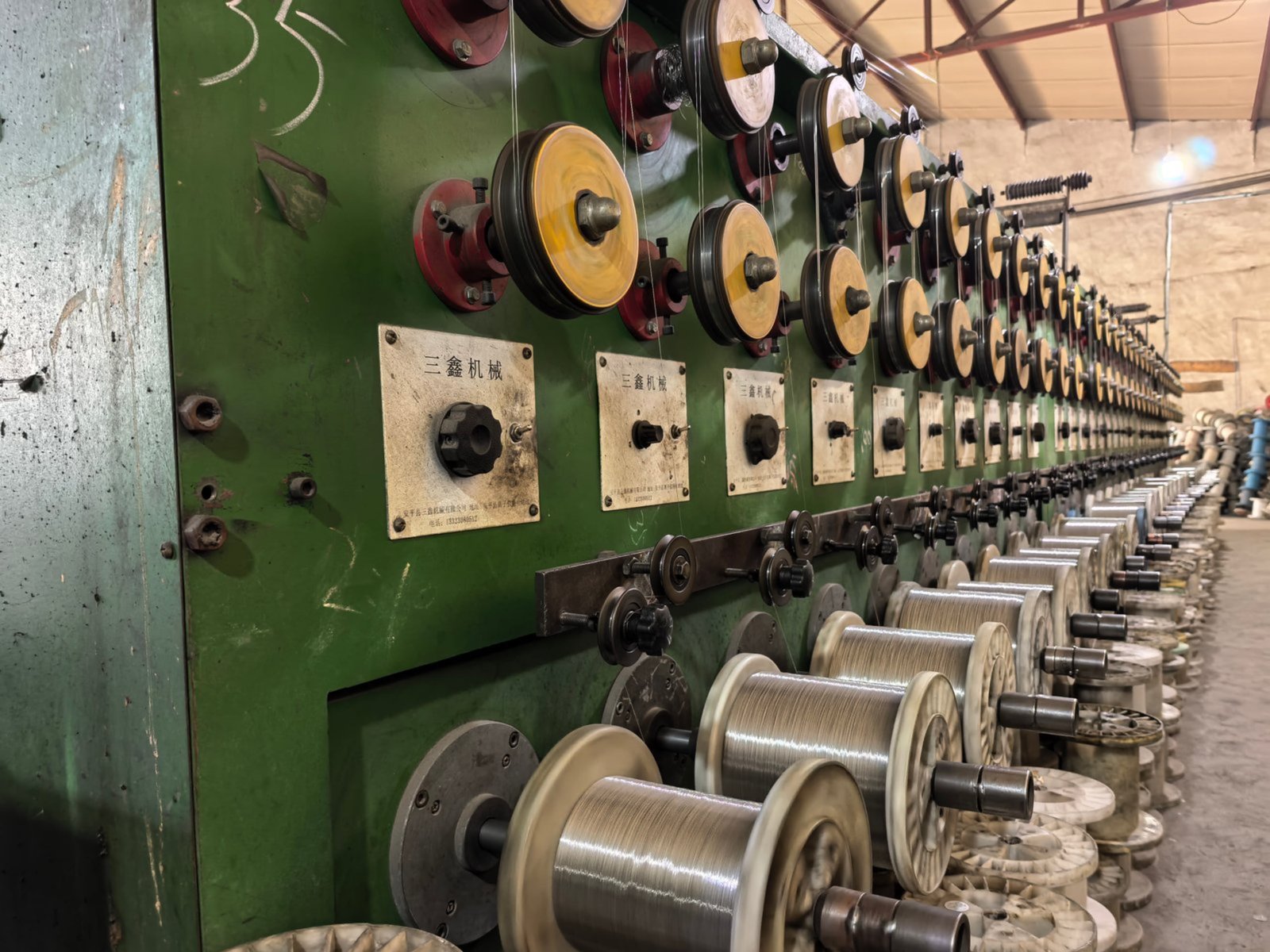
I have a client from the Middle East who always used 201 wire for his products. He got a new order that required better durability. He wasn't sure if 201 was good enough, so he asked for my advice. I suggested he test both 201 and 204 wire samples. He placed both wires in a slightly acidic, humid environment at his factory. After a few days, the 201 wire showed visible rust spots. The 204 wire, however, looked almost perfect. This simple test proved that 204 was the better choice. The main reason for this is the chemical makeup. 201 steel has less nickel and more manganese, while 204 steel adds copper to the mix. This small change makes a big difference in fighting rust.
| Element | 201 Stainless Steel | 204 Stainless Steel | Impact |
|---|---|---|---|
| Nickel (Ni) | Lower (3.5-5.5%) | Slightly Higher | Improves overall corrosion resistance |
| Manganese (Mn) | Higher (5.5-7.5%) | Lower | Used to replace some nickel, but reduces corrosion resistance |
| Copper (Cu) | Minimal | Higher (2.0-4.0%) | Significantly improves resistance to corrosion and acids |
Which wire is more flexible, 201 or 204 stainless steel?
Does your manufacturing process involve bending or forming wire? Using a brittle wire can lead to cracks and product failure. You need a wire that can be shaped without breaking.
204 stainless steel wire is more flexible and easier to form than 201 wire. The copper in its composition not only fights rust but also makes the steel less prone to work hardening.
My client’s new product also needed some flexibility. As part of his test, he bent both wire samples multiple times. He noticed that the 201 wire started to show very fine cracks at the bend point. It became brittle after being worked. In contrast, the 204 wire handled the repeated bending without any signs of cracking or stress. This is because the copper in 204 wire makes it more ductile. It stays flexible even as you shape it. This property is crucial for products that have complex shapes or need to be deep-drawn. 201 wire hardens much faster when you work it, which makes it less suitable for these kinds of applications. For my client, seeing this difference firsthand made the decision easy. The 204 wire could be formed into the required shape without risking product integrity.
| Property | 201 Stainless Steel | 204 Stainless Steel | Why it Matters |
|---|---|---|---|
| Ductility | Lower | Higher | Higher ductility means it can be stretched or bent without breaking. |
| Work Hardening | High Rate | Lower Rate | A lower rate means it stays soft and workable for longer during forming. |
| Typical Use Case | Simple forms, structural parts | Complex shapes, deep-drawn parts | Choose based on how much shaping your product requires. |
When should you choose 201 wire over 204 wire?
Are you trying to manage project costs without giving up quality? Choosing a material that is too specialized can inflate your budget. You need to match the material to your application's needs.
You should choose 201 stainless steel wire for cost-sensitive projects in dry, indoor environments. It is a great choice when high corrosion resistance and flexibility are not the top priorities.
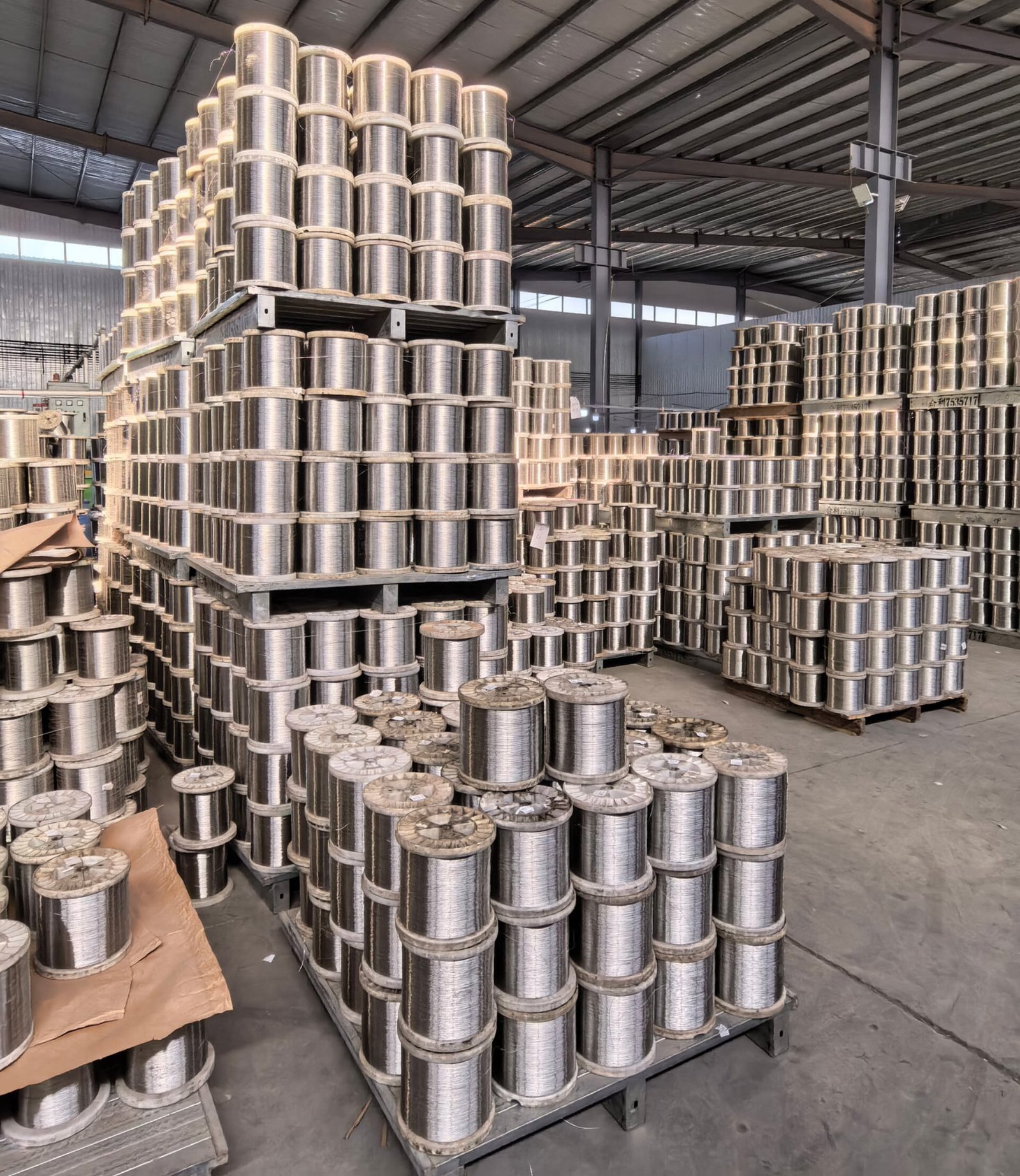
Before this new project, my client had been using 201 wire successfully for years. Why? Because it was the perfect fit for his standard products. These were everyday items used indoors, not exposed to harsh weather or moisture. For things like decorative baskets, simple kitchen utensil handles, and indoor trim, 201 wire provides enough strength and a good finish at a much lower cost. The main reason 201 is more economical is that it uses less nickel, which is an expensive metal. So, if your product doesn't need the extra corrosion resistance or formability of 204, using 201 is a smart way to manage your budget. It’s all about picking the right tool for the job. You don't always need the most advanced material if a standard one works perfectly and saves you money.
| Factor | 201 Stainless Steel | 204 Stainless Steel | Recommendation |
|---|---|---|---|
| Cost | Lower | Higher | Choose 201 for budget-focused projects. |
| Ideal Environment | Dry, indoor | Humid, outdoor, mildly acidic | Match the environment to the material's resistance. |
| Best Applications | Decorative items, kitchenware, indoor trim | Automotive parts, food equipment, complex shapes | Pick based on the product's function and environment. |
Conclusion
Choosing between 201 and 204 wire depends on your product's use. 204 offers superior corrosion resistance and flexibility, while 201 is a cost-effective choice for less demanding environments.