


Choosing the right stainless steel wire feels complicated. You need it to last, but you also have a budget. Making the wrong choice can lead to rust and costly replacements.
Yes, 316 stainless steel is the most expensive of the three. This is because it contains molybdenum, an element that gives it superior resistance to rust, especially from salt. 304 is the mid-range option, while 201 is the most affordable but least corrosion-resistant choice.
But the price tag only tells part of the story. The real question is not just about cost, but about value for your specific project. I remember a client, a small builder in the UAE, who was renovating an old market. He was stuck on this exact problem. He needed to be smart about his costs but also ensure the renovation would last. I walked him through the options, and it completely changed his approach. Let's break it down just like I did for him.
Why Is 201 Stainless Steel Wire the Cheapest Option?
You need a budget-friendly material for an indoor project. But you are worried that a cheap option will look and feel cheap. 201 stainless steel is perfect if used correctly.
201 stainless steel is cheaper because it uses less expensive manganese instead of a large amount of nickel in its formula. This brings the cost down but also reduces its ability to fight rust, making it best for dry, indoor jobs.
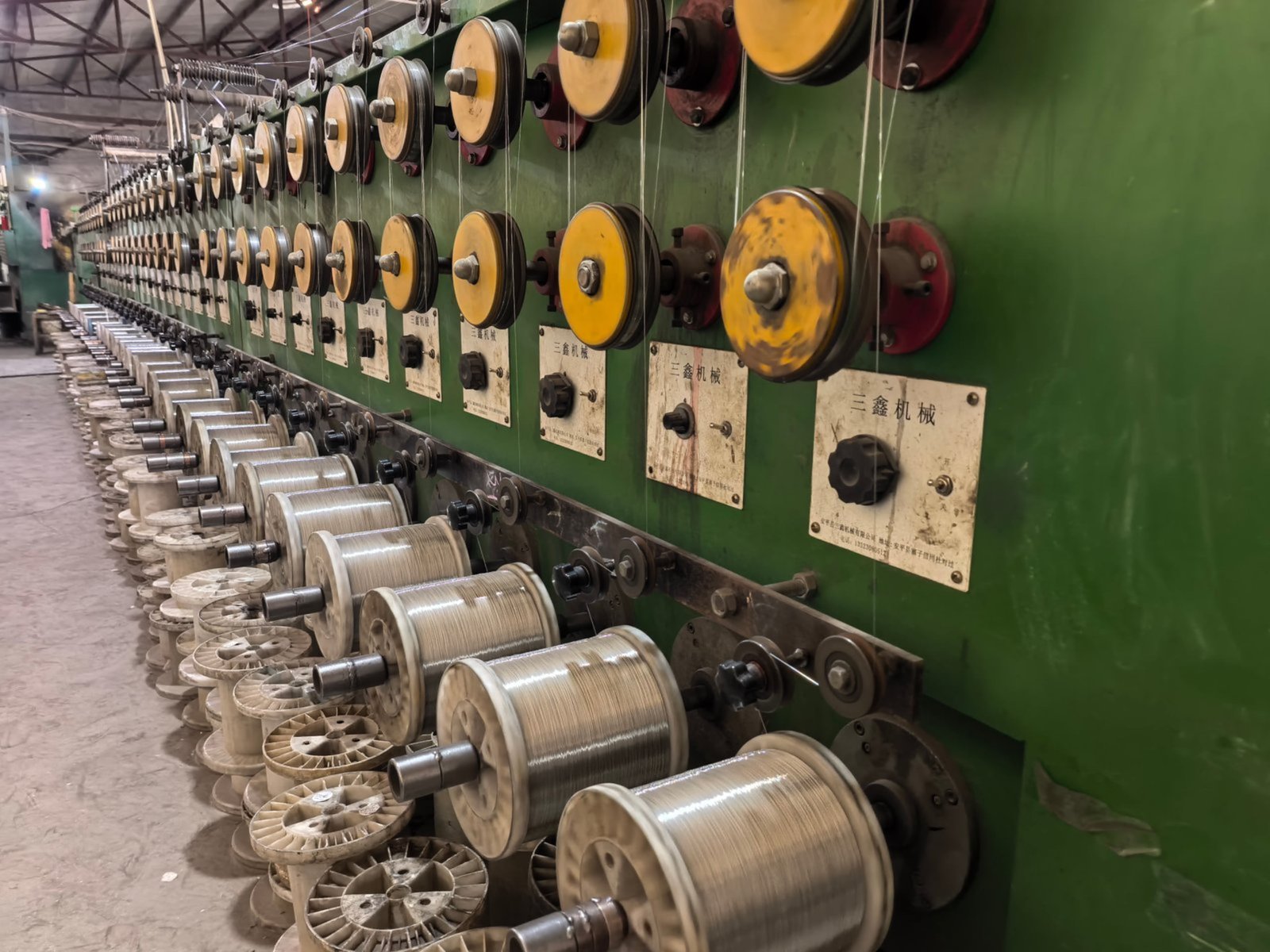
The key to understanding 201 is its chemical makeup. Standard stainless steels like 304 rely on nickel for strength and rust resistance. Nickel is an expensive metal. To create a more affordable alternative, manufacturers developed the 200 series. They substituted much of the nickel with manganese and nitrogen. This was a clever way to keep the steel strong while significantly cutting material costs.
However, this change has a downside. Manganese is not as effective as nickel at preventing corrosion, especially from chlorides like salt or even heavy humidity. So, if you use 201 wire outdoors, particularly in a coastal or industrial area, you will see rust spots appear relatively quickly. This is why it's strictly an indoor-grade material for decorative purposes, simple shelving, or other applications where it will stay dry and clean. For my client in the UAE, I explained that 201 was a great choice for the indoor stalls, away from the sea breeze. It saved him money where high performance wasn't needed.
Key Differences at a Glance
| Feature | 201 Stainless Steel | 304 Stainless Steel | 316 Stainless Steel |
|---|---|---|---|
| Key Elements | High Manganese, Low Nickel | Chromium, Nickel | Chromium, Nickel, Molybdenum |
| Corrosion Resistance | Low | Good | Excellent |
| Best Environment | Indoor, Dry | General Indoor/Outdoor | Marine, Industrial, Harsh |
| Relative Cost | $ | $$ | $$$ |
When Is 304 Stainless Steel the Smartest All-Around Choice?
You are looking for a reliable, go-to stainless steel for a general project. But you do not want to overpay for extreme features that you will never use.
304 stainless steel is the world's most popular stainless steel for a reason. It offers great corrosion resistance for most situations and is much more affordable than 316. This makes it a versatile and smart choice for everything from kitchen sinks to outdoor railings.
You have probably heard 304 called "18/8" stainless steel. This name comes from its typical composition: 18% chromium and 8% nickel. The chromium is what makes it "stainless" by forming a passive, invisible layer on the surface that protects the iron in the steel from oxidizing, or rusting. The nickel enhances this corrosion resistance and also makes the steel tough and easy to shape and weld. This balance of properties at a reasonable price point has made 304 the workhorse of the industry. It's used in everything from household appliances and food equipment to architectural panels and wire mesh for general fencing.
So, when is it the right choice? It's perfect for most outdoor applications as long as they are not in a highly corrosive environment. This is exactly what I advised the builder in the UAE for the main market areas. These sections were outdoors but were far enough from the coast that salty air was not a constant issue. Using 304 gave him the durability he needed against rain and general humidity without the premium cost of 316. It was the perfect balance of performance and budget for the bulk of his project.
Is 316 Stainless Steel Worth the Higher Price?
Your project is in a tough spot. Maybe it is near the ocean, or in a factory with chemicals. You are worried about rust causing a failure.
Yes, 316 stainless steel is absolutely worth the higher price when you need the best possible protection against rust. Its secret weapon is molybdenum, an element that fights off corrosion from salt and other harsh chemicals. It is essential for projects where failure is not an option.
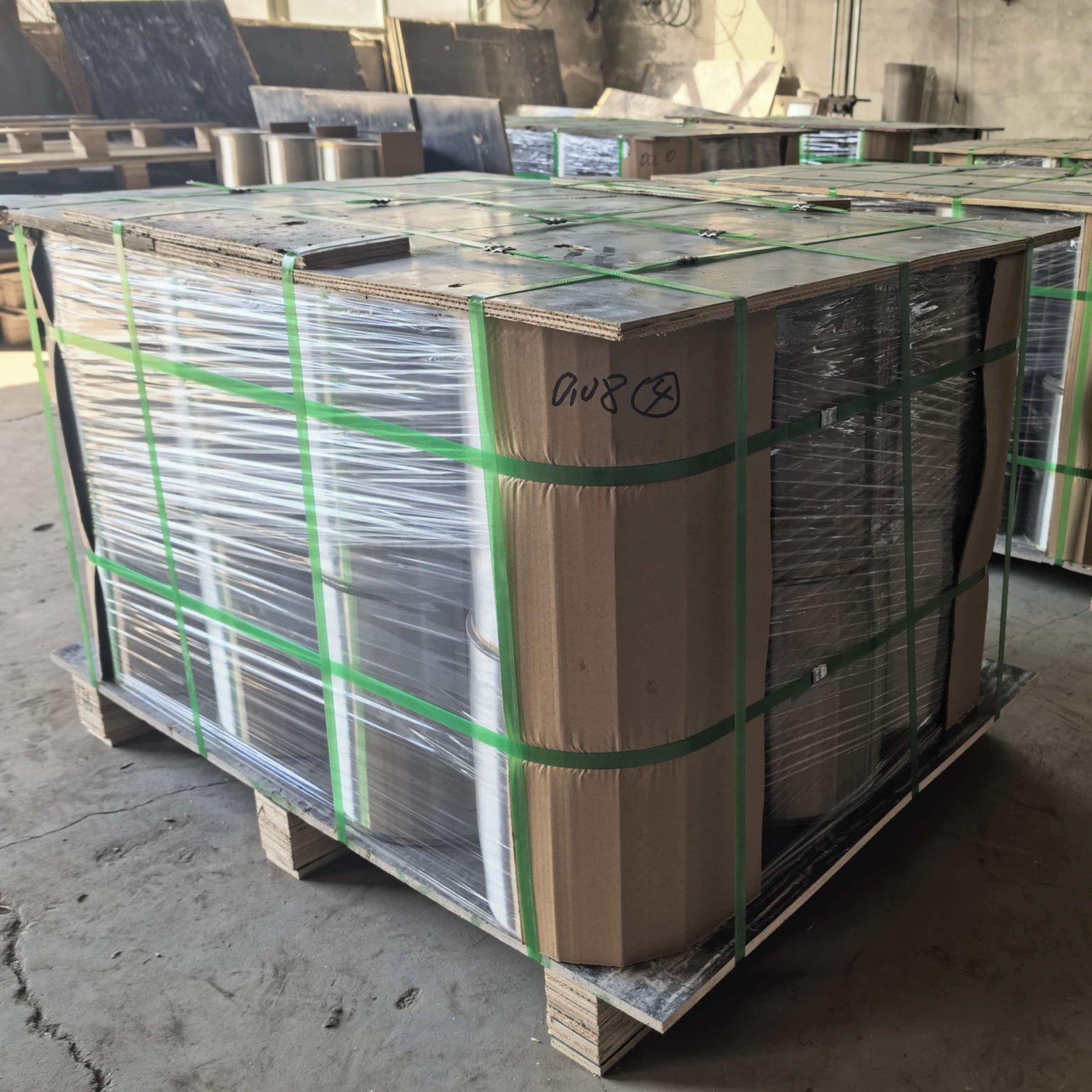
The big difference between 304 and 316 is a single, powerful ingredient: molybdenum. We add about 2-3% molybdenum to the mix to create 316 steel. This element dramatically increases its resistance to corrosion, especially against chlorides. Chlorides are the arch-nemesis of stainless steel. They are found in seawater, de-icing salts, and many industrial chemicals. While 304 can eventually fail in these environments, 316 holds strong. This makes it the only real choice for marine applications like boat fittings, coastal architecture, and equipment used in chemical processing plants. It is also the standard for medical implants and high-purity food processing equipment because it is so resistant and clean.
For the market renovation in the UAE, there was a small section of the project right on the waterfront, constantly sprayed by salty sea mist. For this area, I told the builder that using anything other than 316 would be a mistake. He would save a little money now but would be paying to replace rusted parts in just a few years. He understood that the higher upfront cost of 316 was a long-term investment in quality and durability. It gave him peace of mind.
Conclusion
Choosing between 201, 304, and 316 is about matching the material to the job. Don't just look at the price. Consider the environment to make the smartest, most cost-effective decision.