


Struggling to choose between 201, 304, and 316 stainless steel wire? A wrong choice costs money and quality. Let's find the best, most cost-effective option for you.
Generally, 316 stainless steel wire is the most expensive, followed by 304, with 201 being the most affordable. This price difference comes from their chemical composition, especially nickel and molybdenum content, which dictates their corrosion resistance and suitability for various applications.
It's not just about the price tag. The real question is which one is right for your project. I remember a client from Tanzania who was starting a jewelry business. He was stuck on this exact problem. His story really shows how making the right choice can make or break a project. Let's dive into the details so you can make an informed decision, just like he did.
Why is 201 Stainless Steel Wire the Cheapest Option?
Need an affordable stainless steel wire but worry about quality? Choosing a cheap option can feel risky. Let's see why 201 is often a smart, budget-friendly choice for many projects.
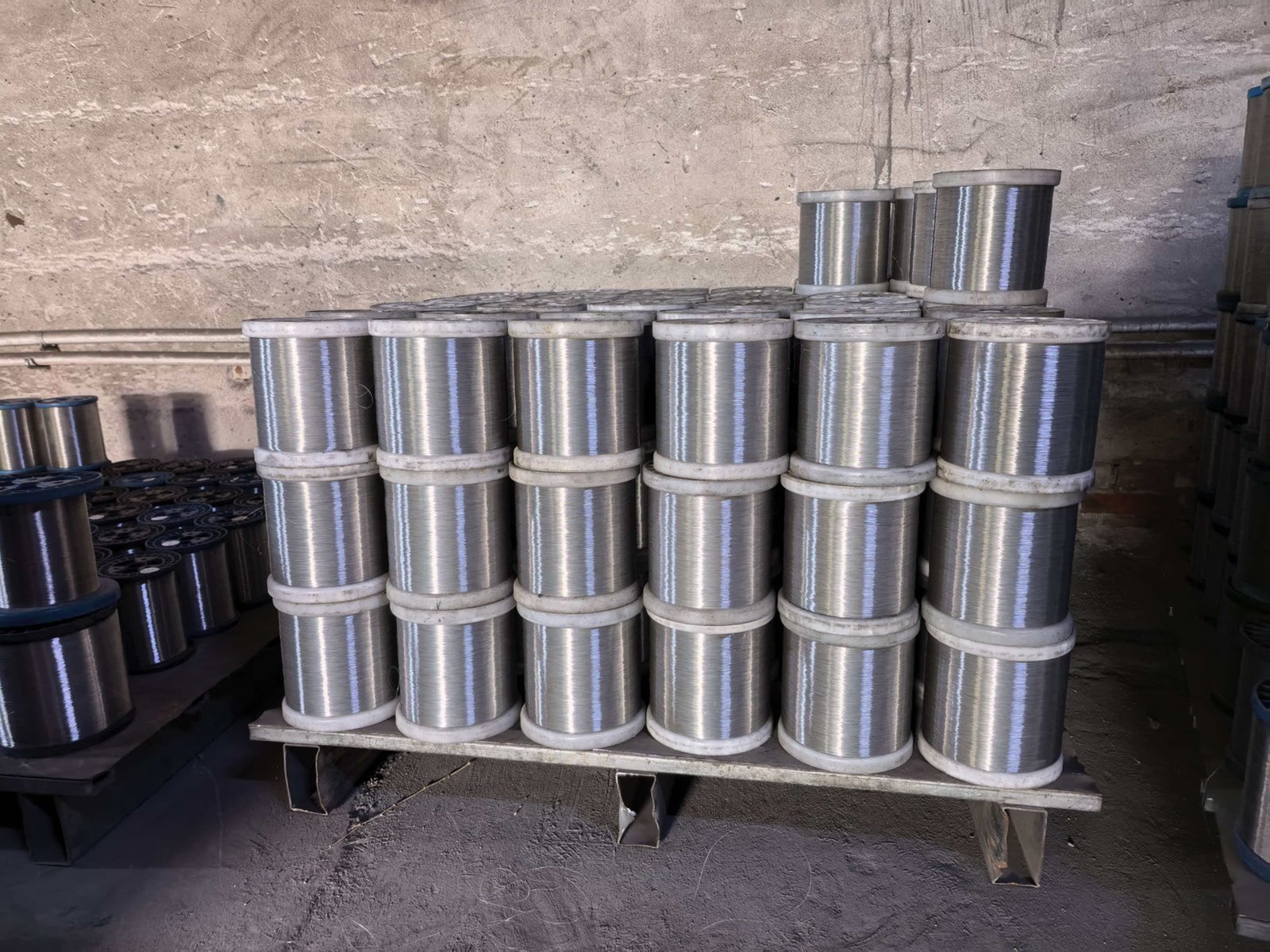
201 stainless steel wire is the cheapest because it uses manganese and nitrogen to replace some of the expensive nickel. This makes it a cost-effective choice for general-purpose applications where extreme corrosion resistance isn't needed, like decorative items or indoor fixtures.
Composition and Cost
The secret to 201's low price is its chemical makeup. Traditional stainless steels like 304 rely heavily on nickel for strength and corrosion resistance. Nickel is a volatile commodity, and its price can drive up material costs significantly. Grade 201 was developed to be a lower-cost alternative. It substitutes a large portion of the nickel with more affordable elements like manganese and nitrogen. This smart substitution keeps the material strong and gives it some corrosion resistance without the high price tag of its cousins. It's a great example of value engineering in materials science.
Best Applications for 201
Because of its properties, 201 stainless steel is perfect for applications where appearance and strength are needed, but the environment isn't overly harsh. Think about indoor decorative items, kitchen utensils, window trim, and automotive parts that aren't exposed to road salt. For my Tanzanian client making metal jewelry, 201 was the perfect fit. The jewelry wouldn't be exposed to corrosive chemicals or saltwater, so the high resistance of 316 was unnecessary overkill. He got the metallic look and durability he needed at a price that made sense for his new business.
| Feature | 201 Stainless Steel | 304 Stainless Steel | 316 Stainless Steel |
|---|---|---|---|
| Cost | Low | Medium | High |
| Corrosion Resistance | Fair | Good | Excellent |
| Key Element | Manganese | Nickel | Molybdenum |
What Makes 304 Stainless Steel a Popular Mid-Range Choice?
Looking for a reliable, all-around stainless steel? You don't want to overspend on features you don't need, but you definitely can't compromise on basic performance and durability.
304 stainless steel offers an excellent balance of cost, corrosion resistance, and workability. Its higher nickel content makes it much more resistant to corrosion than 201, making it perfect for kitchen equipment, architectural elements, and general industrial use where durability is key.
The "18/8" Standard
You might hear 304 stainless steel called "18/8" steel. This name comes from its typical composition: about 18% chromium and 8% nickel. This specific blend is what makes it so popular and versatile. The chromium provides a protective layer on the surface that resists rust and oxidation. The nickel enhances its durability and makes it easy to form and weld. This combination has proven so effective that it has become the workhorse of the stainless steel industry. It's the go-to material for a huge range of products because it simply works well in so many situations without being overly expensive.
Price vs. Performance
Grade 304 sits in a sweet spot. It costs more than 201 because of its higher nickel content, but that extra cost buys you significantly better performance. It resists corrosion from most oxidizing acids and can withstand the daily wear and tear of a busy kitchen or an outdoor railing. It’s not as tough as 316 in salty or chemical-rich environments, but for most everyday applications, it is more than enough. This balance makes it a very smart financial choice. You pay for the durability you need without paying a premium for extreme-environment protection that your project might not require.
Why is 316 Stainless Steel Worth the Higher Price?
Are you working on a project in a harsh environment? Worried about salt spray, harsh chemicals, or extreme temperatures causing rust and failure? Using the wrong material can be a costly mistake.
316 stainless steel is the most expensive because it contains molybdenum. This special addition gives it superior corrosion resistance, especially against chlorides and industrial chemicals. It's the best choice for marine applications, medical implants, and chemical processing where failure is not an option.
The Power of Molybdenum
The key difference between 304 and 316 stainless steel is one simple but powerful element: molybdenum. We add about 2-3% of it to the mix to create 316 steel. This element makes a huge difference. Specifically, it gives the steel incredible resistance to "pitting corrosion," which is a type of localized rust that can create small holes in the metal. This is especially important in environments with high levels of chlorides, like coastal areas with salt spray or facilities that use de-icing salts. While 304 might eventually show signs of rust in these conditions, 316 holds up remarkably well.
Marine-Grade and Medical Applications
Because of its toughness against salt, 316 is often called "marine-grade" stainless steel. It is the standard material for boat fittings, deck hardware, and any metal components used on or near the ocean. But its use goes far beyond that. Its superior corrosion resistance and hygienic properties also make it essential for medical and pharmaceutical applications. Surgical instruments, medical implants, and equipment for making medicines are all made from 316 or its variants (like 316L). In these critical applications, the higher cost of 316 is a small price to pay for the safety, reliability, and longevity it provides. You simply cannot afford for the material to fail.
How Can Choosing the Right Supplier Save You More Than Just Money?
So now you know the differences between the materials. But are you sure you are getting the best overall deal for your project? Choosing a supplier is just as important as choosing the material.
A knowledgeable supplier does more than just sell you wire. They provide a complete solution. By understanding your specific needs and local market conditions, they can recommend the most cost-effective material and even help you navigate import policies, saving you time and money.
A Partner, Not Just a Seller
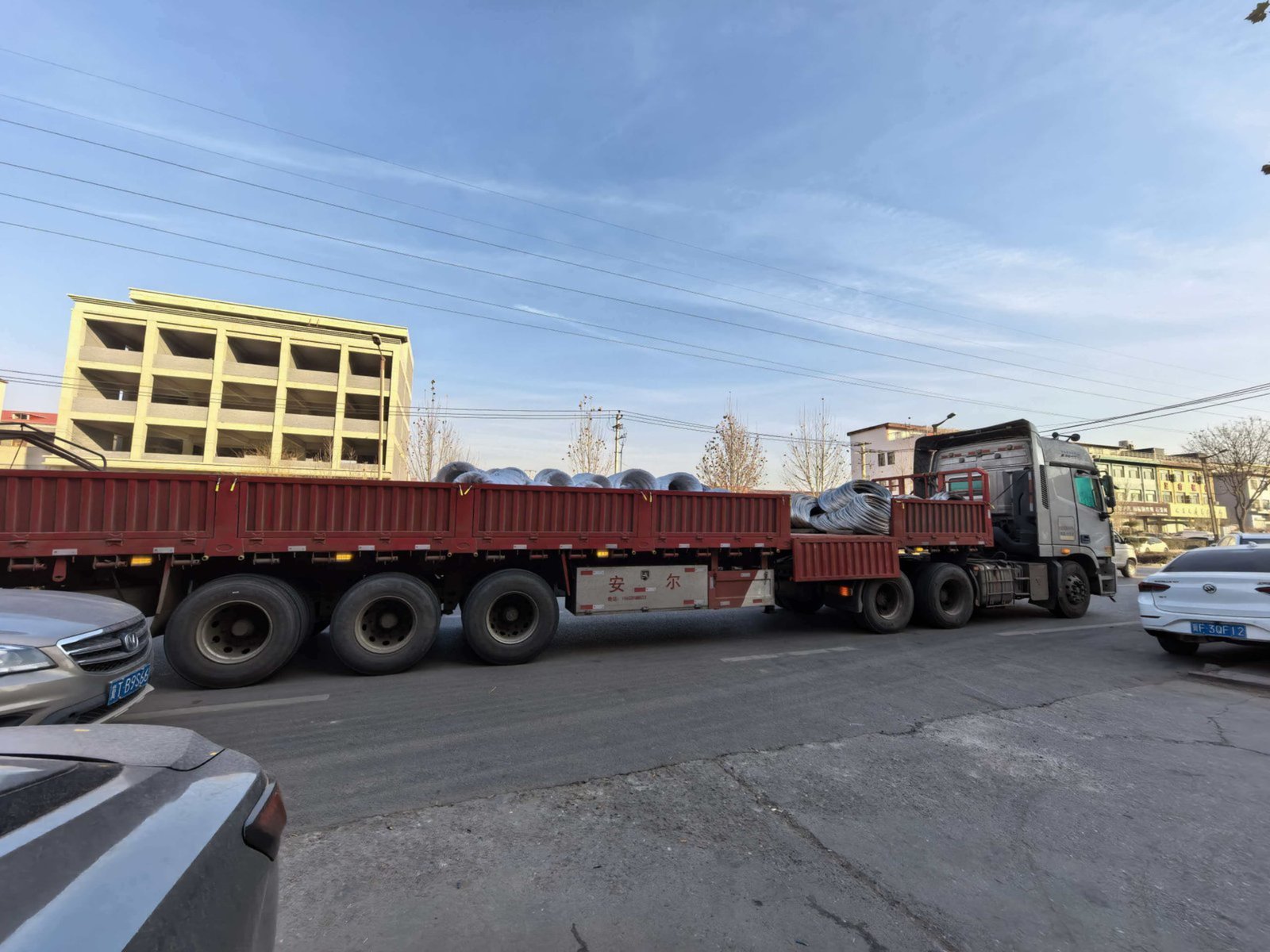
Let's go back to my client from Tanzania. After listening to his plan to make jewelry, I knew he didn't need the expensive 316 grade. I recommended 201 stainless steel wire. It was strong, looked great, and had enough corrosion resistance for his products, all at a much lower cost. But we didn't stop there. I knew that my client's country, Tanzania, has a special trade agreement with China. Many goods imported from China are duty-free. I explained that by choosing 201 wire, he would not only save on the material cost but also on import taxes. This made his project much more profitable.
The Value of Experience
This is the value a good supplier brings. We have over 25 years of experience not just making wire mesh, but also shipping it all over the world. We understand the products, but we also understand logistics, customs, and international trade policies. This knowledge helped my client make a smarter business decision. He was very grateful, and his initial order was a success. He was happy with the product quality and the final cost. Now, he is a long-term partner. This experience showed me again that our job is to help our clients succeed. Providing the right product, at the right price, with the right advice, is how we build trust and lasting relationships.
Conclusion
In short, 316 is the priciest, 304 is the middle ground, and 201 is the most affordable. Always choose based on your project's needs, not just the price tag.