


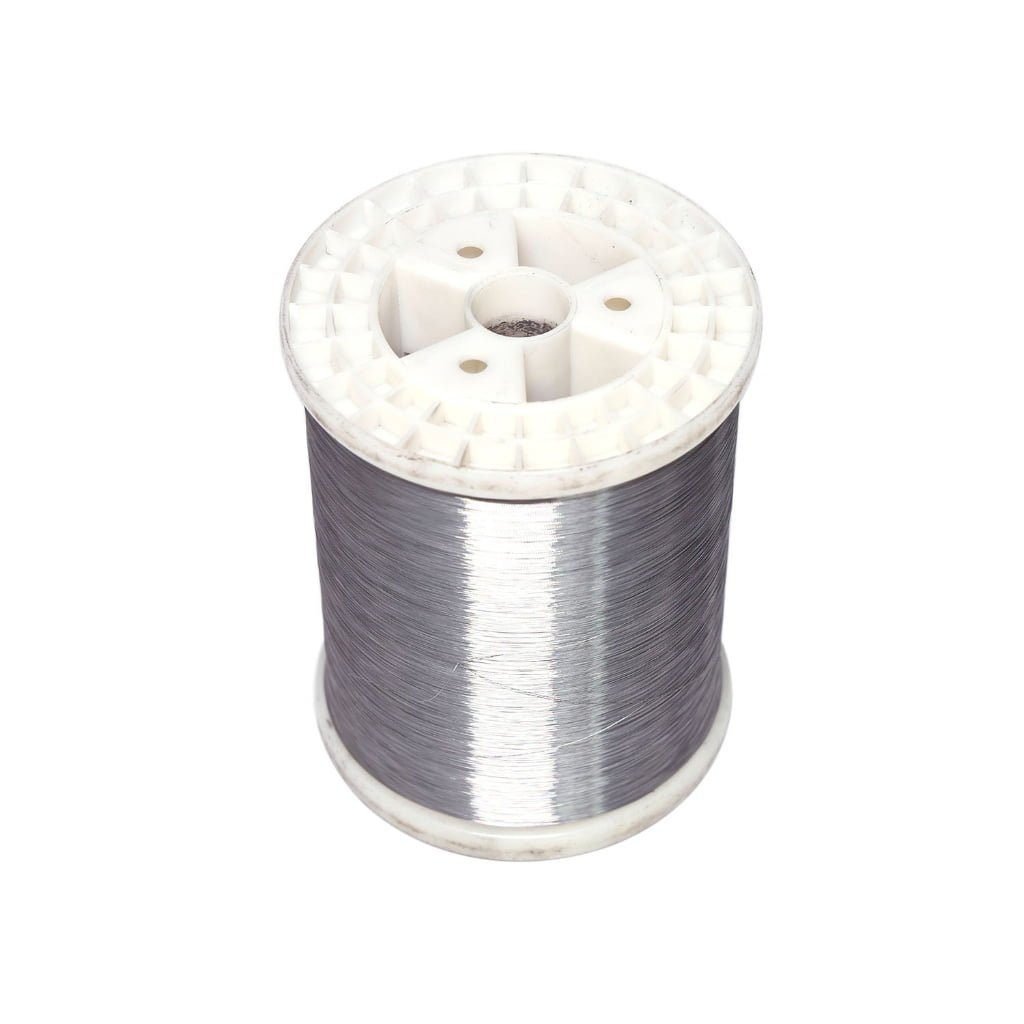
Worried about your metal products rusting? Choosing the wrong stainless steel can lead to costly failures. Let's compare 201 and 304 wire to find the right solution for you.
Yes, 304 stainless steel can rust, but it is much more resistant than 201 stainless steel wire. Due to its higher nickel and chromium content, 304 forms a stronger protective layer, making it ideal for more corrosive environments where 201 might fail.
This question always reminds me of a client I worked with from Ghana. He runs a company that makes outdoor equipment. He was using 201 stainless steel wire but was concerned because some of his products were being used in very corrosive areas. He asked if 304 stainless steel would be a better choice and how it compared. His question led us to do a deep dive and run some tests. I want to share what we found with you, because it gives a very clear answer.
What makes 201 stainless steel wire a cost-effective choice?
Need a reliable material without breaking the budget? Many projects don't require extreme corrosion resistance. Choosing an over-specified material means you're wasting money, but 201 wire offers a great balance.
201 stainless steel wire is a cost-effective option because it uses less nickel, a pricey element, and more manganese. This makes it strong and durable for general use in low-corrosion environments, offering great performance for its price point and saving you money on materials.
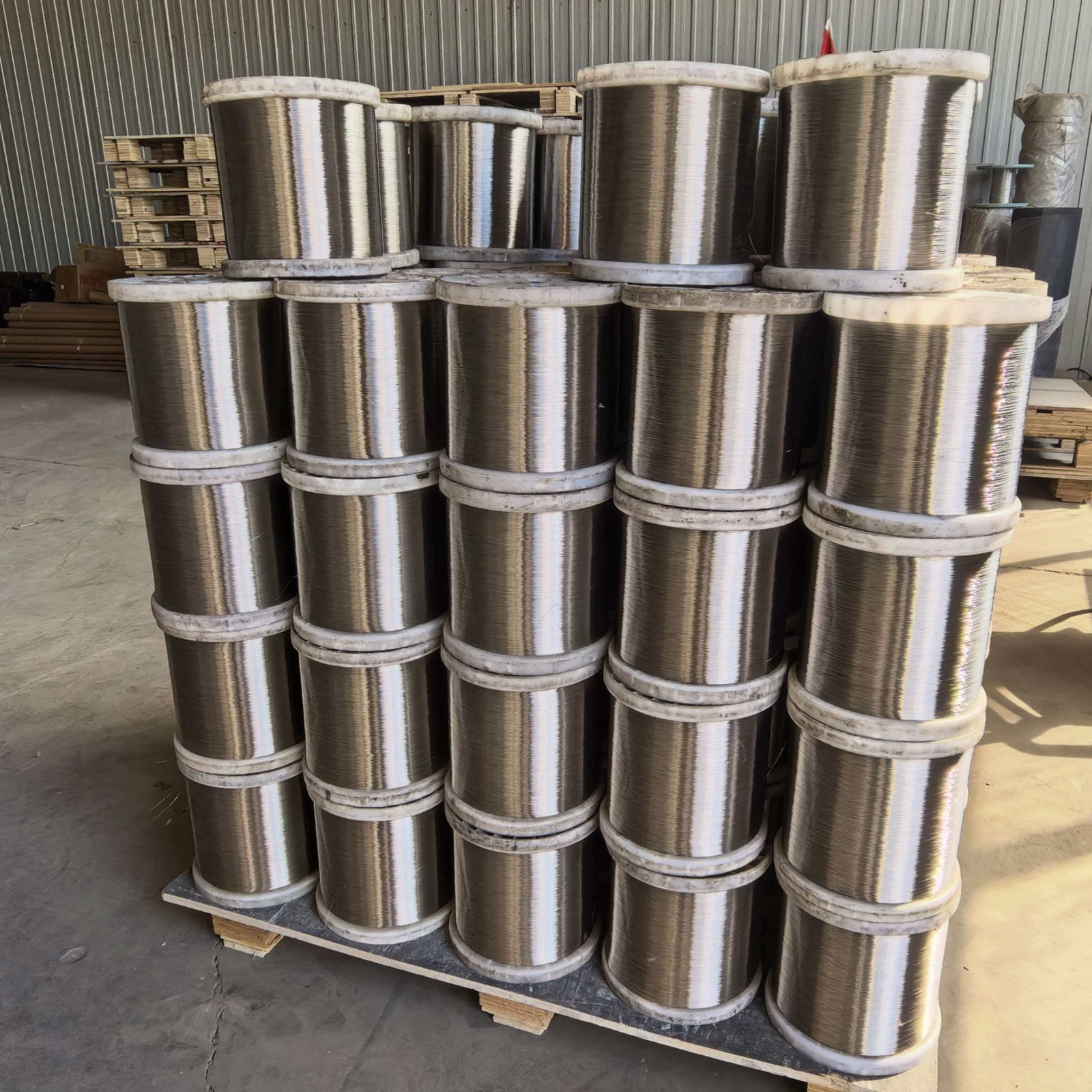
The main reason 201 stainless steel is cheaper is its chemical makeup. It contains less nickel and more manganese compared to 304. Nickel is an expensive metal, so reducing its content significantly lowers the material cost. This makes 201 wire an excellent choice for large-scale projects where the budget is a primary concern. For my client in Ghana, his products sold in dry, inland areas did not need the extra protection of 304. Using 201 wire for those products was the smart financial move. It provided enough rust resistance for that environment and kept his manufacturing costs down. It is important to understand that 201 is not a "bad" material. It is strong, easy to work with, and perfect for many applications. You just need to use it in the right place.
Key Differences: 201 vs. 304
| Feature | 201 Stainless Steel | 304 Stainless Steel |
|---|---|---|
| Key Elements | Lower Nickel, Higher Manganese | Higher Nickel, Higher Chromium |
| Cost | Lower | Higher |
| Best For | General, low-corrosion environments | Corrosive, humid environments |
Why is 304 stainless steel wire better for harsh environments?
Are your products exposed to rain, humidity, or salt? Standard materials can quickly fail in these conditions. This leads to customer complaints and replacements, damaging your brand's reputation for quality.
304 stainless steel wire is superior in harsh environments because it contains more nickel and chromium. These elements create a tough, self-repairing passive film on the surface. This film blocks rust-causing elements like oxygen and moisture, ensuring long-term durability where 201 wire would corrode.
When we tested the wires for our Ghanaian client, this difference became very clear. We created a test environment that simulated a high-humidity, high-salt atmosphere, much like a coastal area. After some time, the 201 stainless steel wire samples started showing small rust spots. The 304 wire samples, however, remained clean and bright for much longer. This is because the higher chromium and nickel content in 304 create a very stable and dense protective oxide layer. This layer is passive, meaning it doesn't react with the environment. Even if it gets scratched, it quickly reforms and continues to protect the steel underneath. For my client's products that were sold near the coast, 304 was the only logical choice. It provided the long-term durability his customers expected. While 304 is not completely "rust-proof" in the most extreme conditions, its performance is far superior to 201 in any challenging environment.
How do you choose between 201 and 304 stainless steel wire?
Feeling confused about which material to order? Making the wrong choice can either waste your budget or compromise your product's quality. This decision feels like a gamble you can't afford.
Choose based on two key factors: the end-use environment and your budget. For dry, indoor, or low-corrosion settings, 201 wire is a smart, cost-saving choice. For outdoor, humid, coastal, or corrosive applications, investing in 304 wire is necessary to guarantee durability and prevent rust.
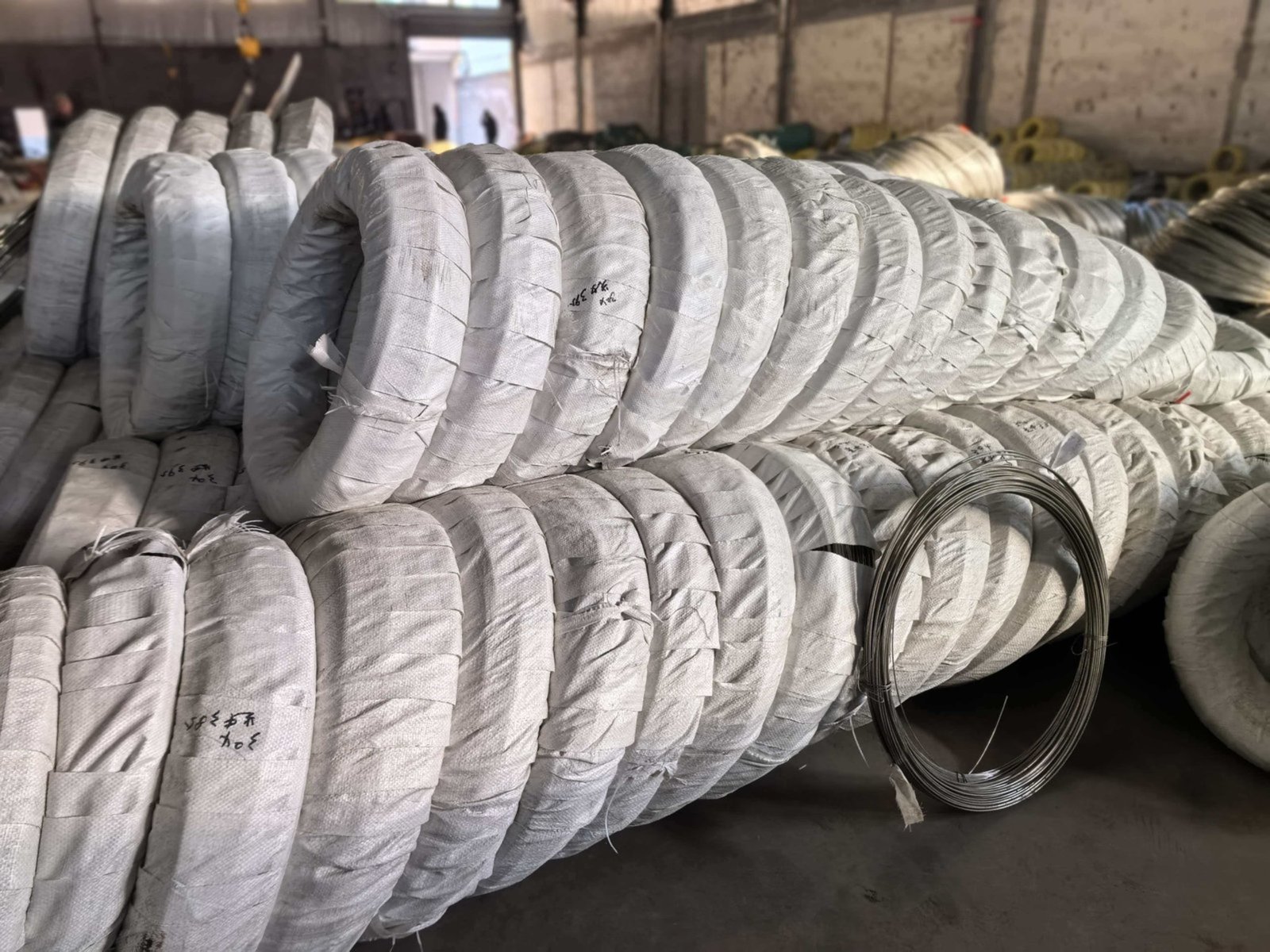
Making the right choice is a simple, logical process. We walked our client from Ghana through this, and it helped him optimize his business. Here is how we break it down.
First, Assess the Environment
Where will your final product be used? Will it be indoors in a controlled climate? Or will it be outdoors, exposed to rain, humidity, and temperature changes? Is it near the coast where it will be hit by salt spray? For indoor or dry-climate applications, 201 stainless steel is usually sufficient. For anything outdoor, humid, or near the coast, 304 is a much safer bet.
Second, Consider Your Total Cost
201 stainless steel wire is cheaper to buy. This is a simple fact. But you must think about the total cost of ownership. If you use 201 in a coastal area, your product will likely rust. This will lead to customer complaints, returns, and damage to your brand. The cost of replacing a failed product is always higher than the initial savings from using a cheaper material. Investing in 304 from the start is a form of insurance against failure.
Third, Think Beyond Material Price
For my Ghanaian client, we provided more than just a price list. We informed him about China's duty-free import policies for many African countries. This meant his total landed cost, including shipping and customs, would be lower when buying from us. This information reduced the financial gap between 201 and 304, making it an easier decision to upgrade the material for his coastal products. We believe in being partners, not just suppliers.
Conclusion
Choosing between 201 and 304 stainless steel is about matching the material to its environment. We can help you find the perfect, cost-effective solution for your specific needs.