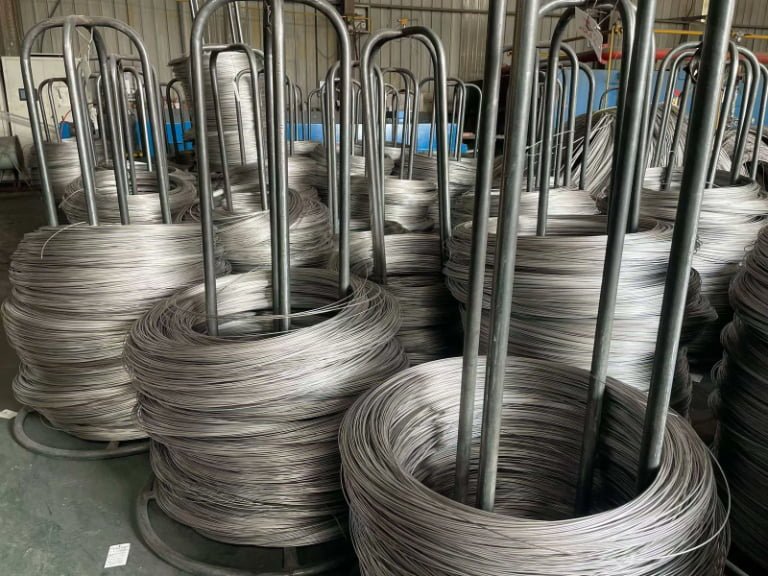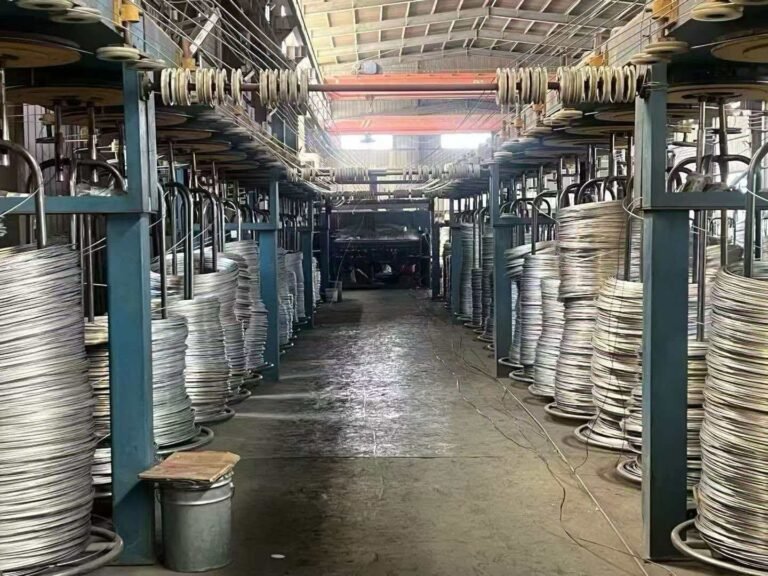



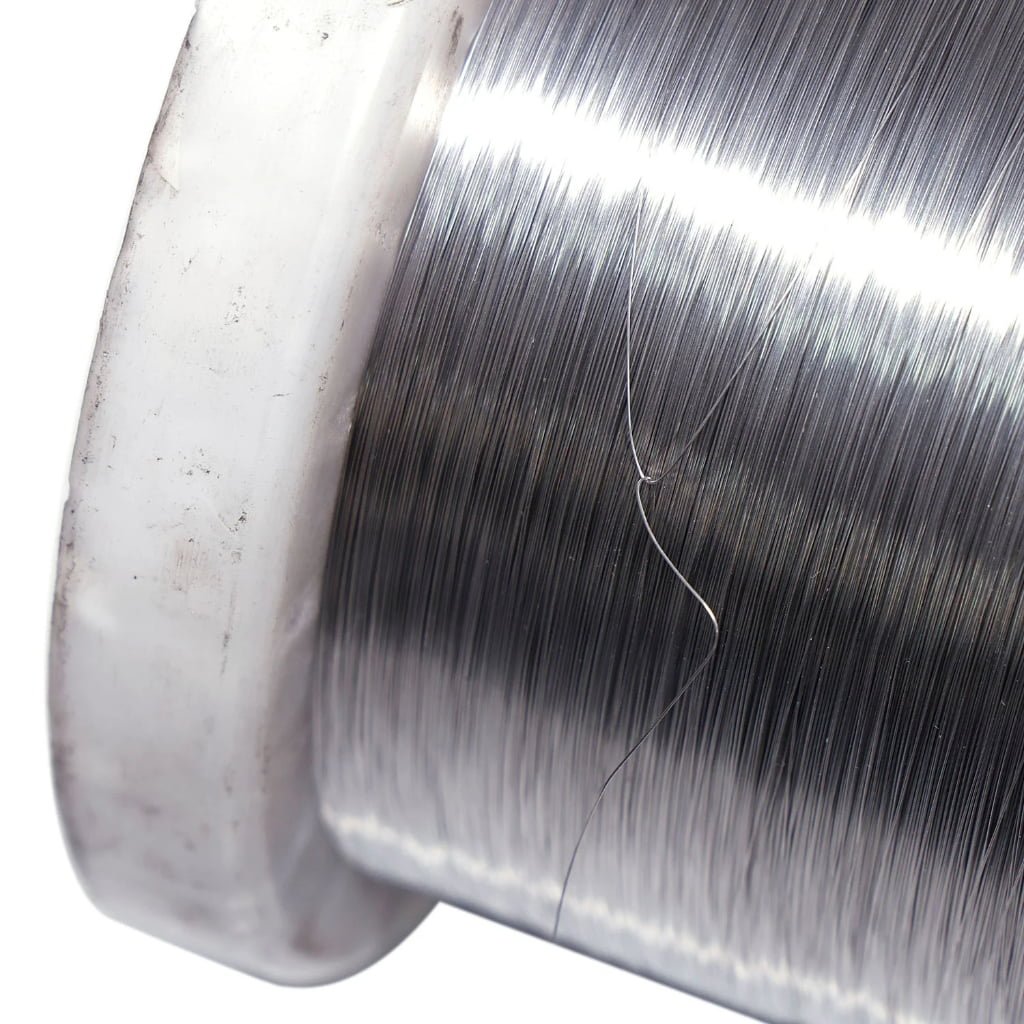
Choosing the wrong stainless steel can lead to rust and wasted money. A project failure from corrosion is a costly mistake you want to avoid, but understanding the differences helps you pick wisely.
For high-corrosion areas like the coast, use 316. For general outdoor use, 304 is great. For dry, indoor projects on a tight budget, 201 stainless steel wire is a smart, cost-effective choice that meets basic needs without overspending.
I remember a client from Malaysia who faced this exact dilemma. His story perfectly shows why the right choice isn't always the most expensive one. It's about matching the material to the environment. Let's break down when you should use each type of stainless steel, so you can make the best decision for your own project.
When is Budget-Friendly 201 Stainless Steel the Smartest Choice?
Your project budget is tight, but you still want the look of stainless steel. Overspending on high-grade steel for a simple indoor job eats into your profits, creating a real problem.
Use 201 stainless steel wire for indoor, dry environments where corrosion isn't a major concern. It’s perfect for decorative items, indoor display racks, and general fabrication where cost is the main factor and exposure to moisture is minimal.
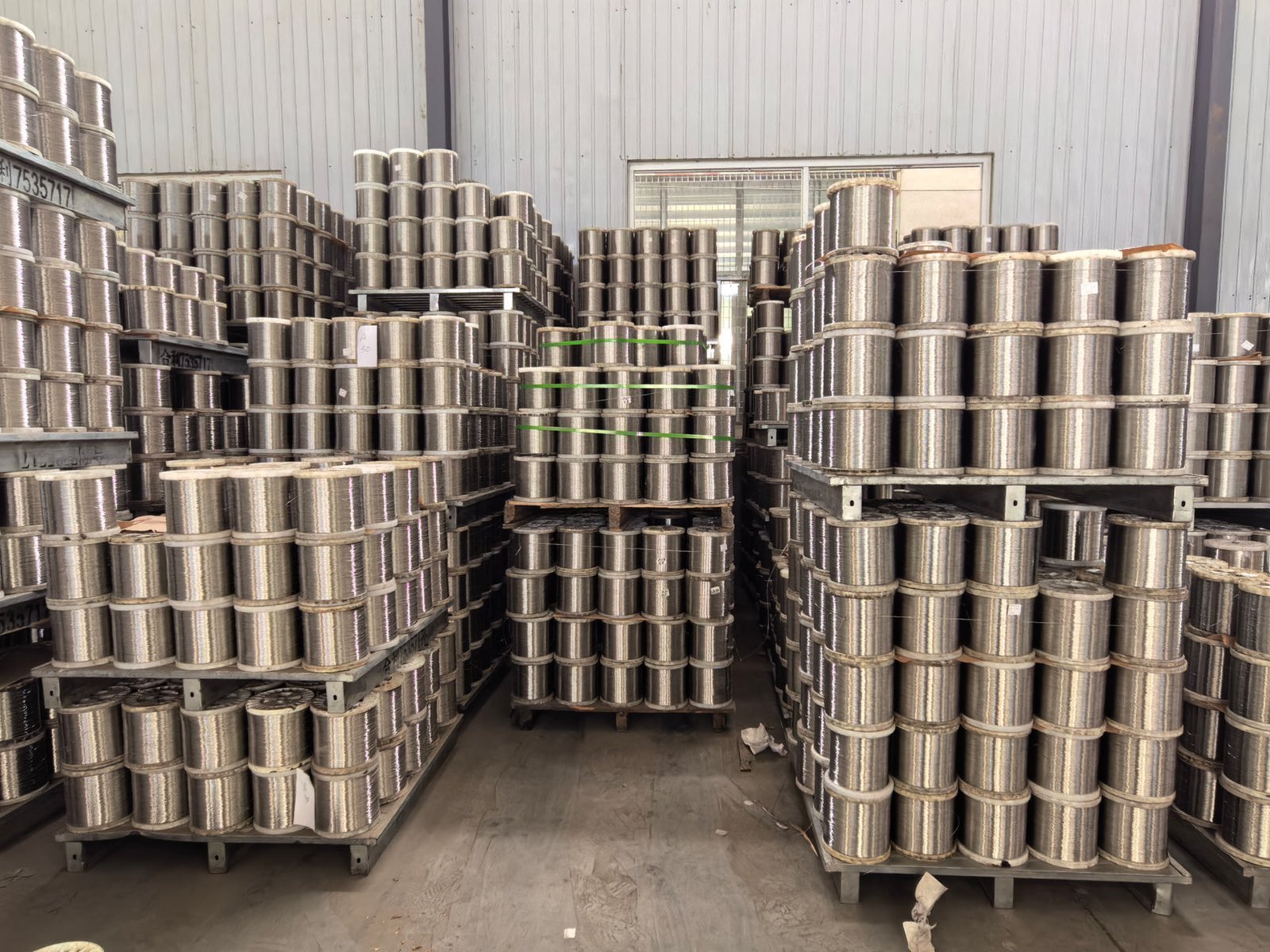
We once worked with a client from Malaysia who ran a metal fabrication business. He was sourcing wire for several projects and was stuck between 201, 304, and 316 stainless steel. Some of his projects were in the city center, which had a pretty standard urban environment. For these, he was making things like indoor display racks and simple decorative fixtures. We explained that 201 stainless steel was his best bet here. Its lower nickel content makes it less corrosion-resistant than 304 or 316, but that's not a problem in a dry, indoor setting. For him, using 201 wire meant he could deliver the sleek look of stainless steel while keeping his costs low. This allowed him to be more competitive. It's a classic case of not over-engineering. Why pay for corrosion resistance you simply don't need?
201 Stainless Steel at a Glance
| Feature | 201 Stainless Steel |
|---|---|
| Best For | Indoor, dry environments |
| Corrosion Resistance | Low |
| Cost | Most affordable |
| Example Use | Decorative items, indoor racks |
Is 304 Stainless Steel the Best All-Around Option for General Use?
You need a reliable wire for a typical outdoor project, but you're unsure if it will rust. Seeing rust spots on your new outdoor handrail is frustrating and looks completely unprofessional.
Yes, 304 stainless steel is a versatile and widely used "workhorse" grade. It contains 18% chromium and 8% nickel, giving it good resistance to rust in common humid or wet environments. It's ideal for kitchen equipment, architectural paneling, and general outdoor railings.
While 201 was great for our client's indoor city projects, what about something more exposed to the elements? Let's say he had another project for outdoor handrails on a residential building. It wasn't near the coast, but it was still exposed to rain and humidity. This is where 304 stainless steel shines. I often call it the "go-to" material for general purposes. The 18% chromium and 8% nickel content gives it a solid defense against everyday corrosion. We've supplied 304 wire for countless projects like this, from balcony railings to garden fixtures. It holds up beautifully in typical outdoor settings. For any non-coastal outdoor jobs, 304 provides that necessary extra protection against moisture without the premium cost of 316. It strikes a fantastic balance between performance and price for a huge range of applications.
304 Stainless Steel at a Glance
| Feature | 304 Stainless Steel |
|---|---|
| Best For | General purpose, outdoor use |
| Corrosion Resistance | Good |
| Cost | Mid-range |
| Example Use | Kitchen sinks, outdoor railings |
Why Should I Pay More for 316 Stainless Steel Wire?
Your project is in a harsh, corrosive environment like the coast or a chemical plant. Using the wrong steel in these conditions could lead to rapid deterioration and a total project failure.
You should pay more for 316 stainless steel when your project demands the highest level of corrosion resistance. The added molybdenum makes it perfect for marine environments, chemical processing equipment, and medical applications where chlorides and acids are present.
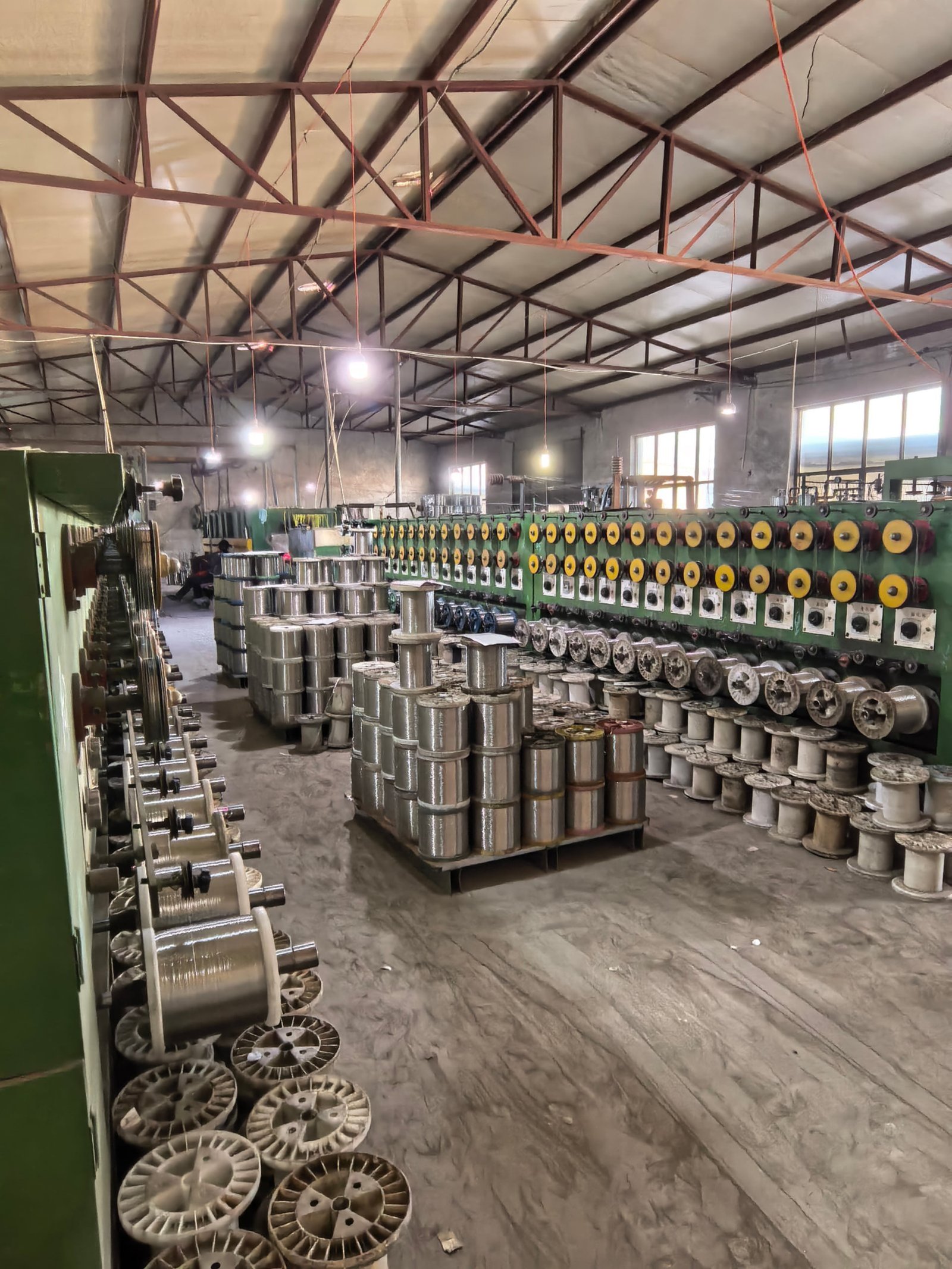
Now we get to the heart of our Malaysian client's problem. A big part of his work was for buildings located right by the sea. This changes everything. Salty air from the ocean is extremely corrosive. Using 201 or even 304 in this environment would be a disaster waiting to happen. The salt would quickly attack the steel, leading to rust and structural weakness. This is exactly why we recommended 316 stainless steel wire for his coastal projects. The key difference is an element called molybdenum. This addition dramatically boosts the steel's resistance to chlorides, like the salt found in sea spray. Although 316 costs more upfront, it guarantees long-term durability. It saves a fortune on future repairs or replacements. The client understood immediately. For these high-stakes projects, the higher investment in 316 wasn't just a choice; it was a necessity for quality and safety.
316 Stainless Steel at a Glance
| Feature | 316 Stainless Steel |
|---|---|
| Best For | Harsh, corrosive environments |
| Corrosion Resistance | Excellent (Chloride resistant) |
| Cost | Premium |
| Example Use | Coastal structures, boat fittings |
Conclusion
Choosing the right stainless steel isn't about the best grade, but the right grade for your specific budget and environment. Analyze your needs, and you'll make a cost-effective choice.