


Choosing the right binding wire is critical for construction safety. A poor choice can lead to rust and weakness, compromising the entire structure and causing expensive problems later on.
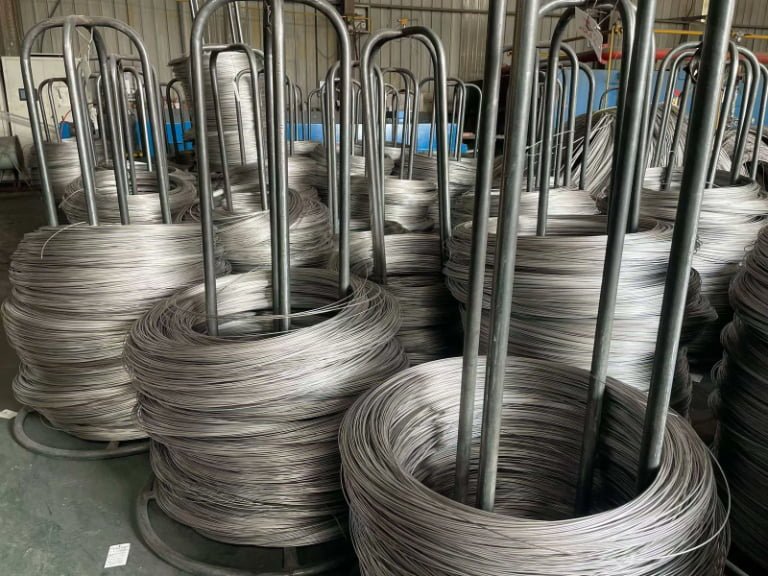
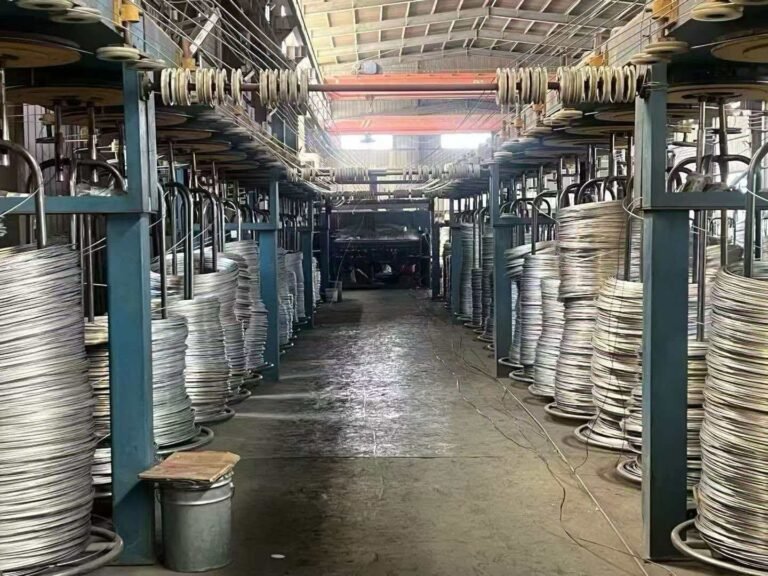
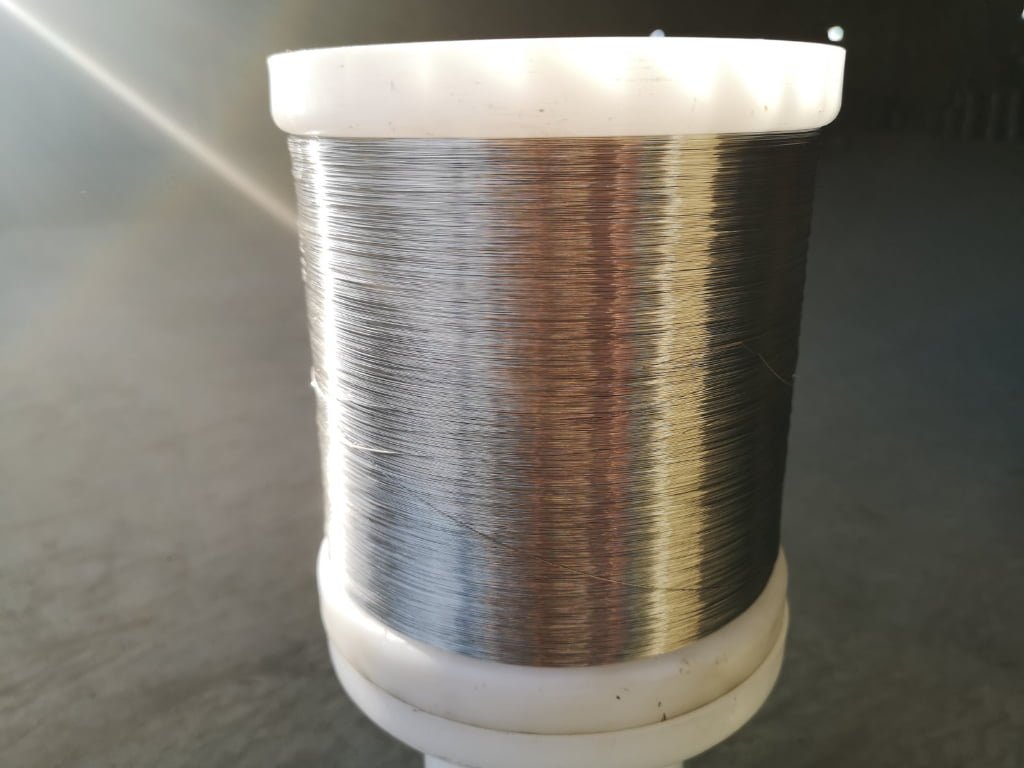
201 stainless steel wire is a reliable choice for many binding jobs in civil construction. It is commonly used to tie rebar, secure pipes, and fasten scaffolding. Its good strength and moderate corrosion resistance help ensure the building's long-term structural integrity.
I remember a project that really highlighted the value of this material. We worked closely with a large construction company from the Middle East. They were building a massive residential complex and needed a huge amount of wire for all kinds of binding tasks. They chose our 201 pure stainless steel wire, but they had some questions at first. This experience taught us a lot about its practical applications and how to build trust with our clients. It all starts with understanding their concerns.
Why Did the Middle Eastern Builder Initially Doubt 201 Stainless Steel Wire?
Choosing a new material for a big project is stressful. You worry about it failing. The risk of rust or weakness feels very real, and nobody wants to be responsible for that.
The builder was concerned that 201 stainless steel might not have enough long-term corrosion resistance and strength. They were building in a challenging climate and feared the wire could compromise the structure over time.
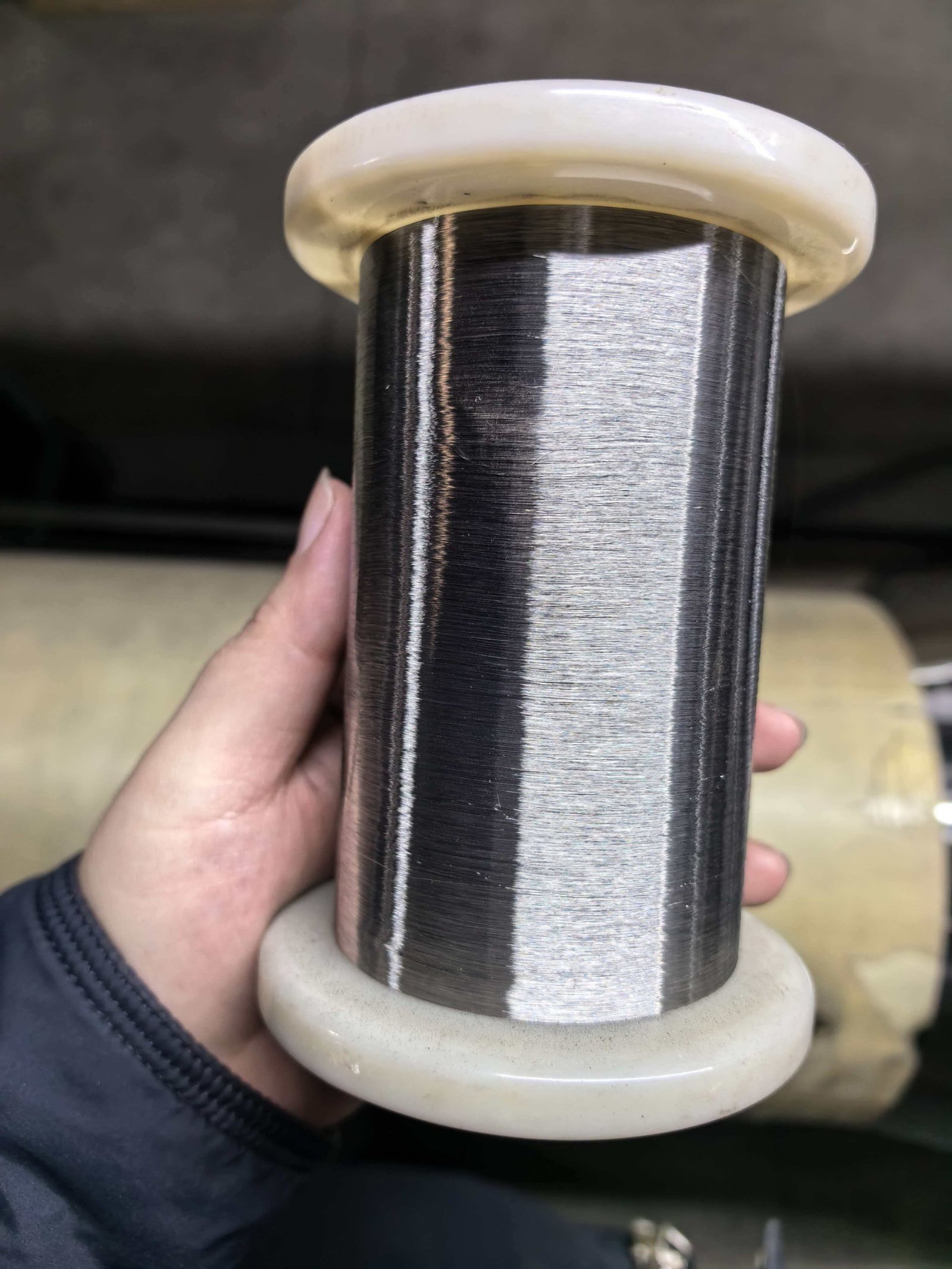
When our client first approached us, their main concern was durability. In the world of stainless steel, grades like 304 and 316 are famous for their excellent corrosion resistance. Grade 201 is known as a more cost-effective alternative because it uses manganese instead of a high amount of expensive nickel. This creates a common perception that 201 is a "lesser" grade. The builder was worried that in the humid and hot climate of the Middle East, the wire might rust within the concrete over the decades, weakening the bonds it was meant to secure.
To address their concerns, we didn't just tell them it was good enough. We showed them the proof. We provided a full technical package with detailed specification sheets and third-party lab test reports. This data clearly demonstrated the wire's capabilities.
| Property | 201 Stainless Steel | Standard Carbon Steel | 304 Stainless Steel |
|---|---|---|---|
| Tensile Strength | High (≥520 MPa) | Low-Medium | High (≥515 MPa) |
| Corrosion Resistance | Good | Poor (Rusts easily) | Excellent |
| Cost | Moderate | Low | High |
The reports showed that our 201 wire had a high tensile strength, which was more than enough for tying rebar. We also provided results from our 96-hour salt spray tests. These tests showed that while it wasn't as resistant as 304, it was vastly superior to the galvanized steel wire they had used before. This concrete data gave them the confidence they needed to move forward with us.
What Are the Specific Binding Applications for 201 Wire in Construction?
Are you sure you are using binding wire correctly? Using it in the wrong way can create weak spots in your building. It is very important to know the right use for each wire.
On this project, 201 stainless steel wire was mainly used to tie rebar together, creating a stable reinforcement cage before pouring concrete. It was also used to fasten pipes and electrical conduits to walls, preventing movement.
During the project, our team visited the site to offer support. It was amazing to see how our wire was being used everywhere. The most important job was tying rebar. Before concrete is poured, workers create a steel skeleton, or cage, using reinforcing bars. Our 201 wire was used at every intersection to tie the bars together tightly. The wire needed to be strong enough to hold the heavy bars in place and flexible enough for workers to twist and tie it quickly. Using stainless steel wire here also prevents galvanic corrosion, which can happen when two different metals touch. This small detail adds years to the structure's life.
We also saw our wire used to secure utilities. Plumbers and electricians were using it to strap pipes and electrical conduits firmly against walls or to overhead supports. This is a simple but critical step. It stops the pipes from vibrating, which can cause noise and leaks over time. A secure fastening also protects these systems from damage during the rest of the construction process. The wire's strength ensured that once a pipe was tied down, it stayed put.
| Application Area | Purpose of Binding | Key Wire Properties Needed |
|---|---|---|
| Rebar Tying | Create a stable reinforcement skeleton for concrete. | High Tensile Strength, Ductility |
| Pipe Fastening | Secure plumbing and conduits to prevent movement. | Good Strength, Corrosion Resistance |
| Scaffolding | Tie components of temporary structures together. | Strength, Reusability |
| Mesh for Plaster | Attach wire mesh to walls for plaster adhesion. | Flexibility, Corrosion Resistance |
The versatility of the 201 wire was clear. Its balance of strength, workability, and resistance made it the go-to material for almost every general binding task on the site.
How Did 201 Stainless Steel Wire Perform in the Long Run?
Are you afraid your building materials will not last? The fear of early rust and failure is a big worry for any contractor. A material failure can ruin your reputation and lead to disaster.
The builder reported that the 201 stainless steel wire performed perfectly. It kept its strength, holding everything securely. It also showed no major signs of rust, confirming its reliability for long-term structural integrity.
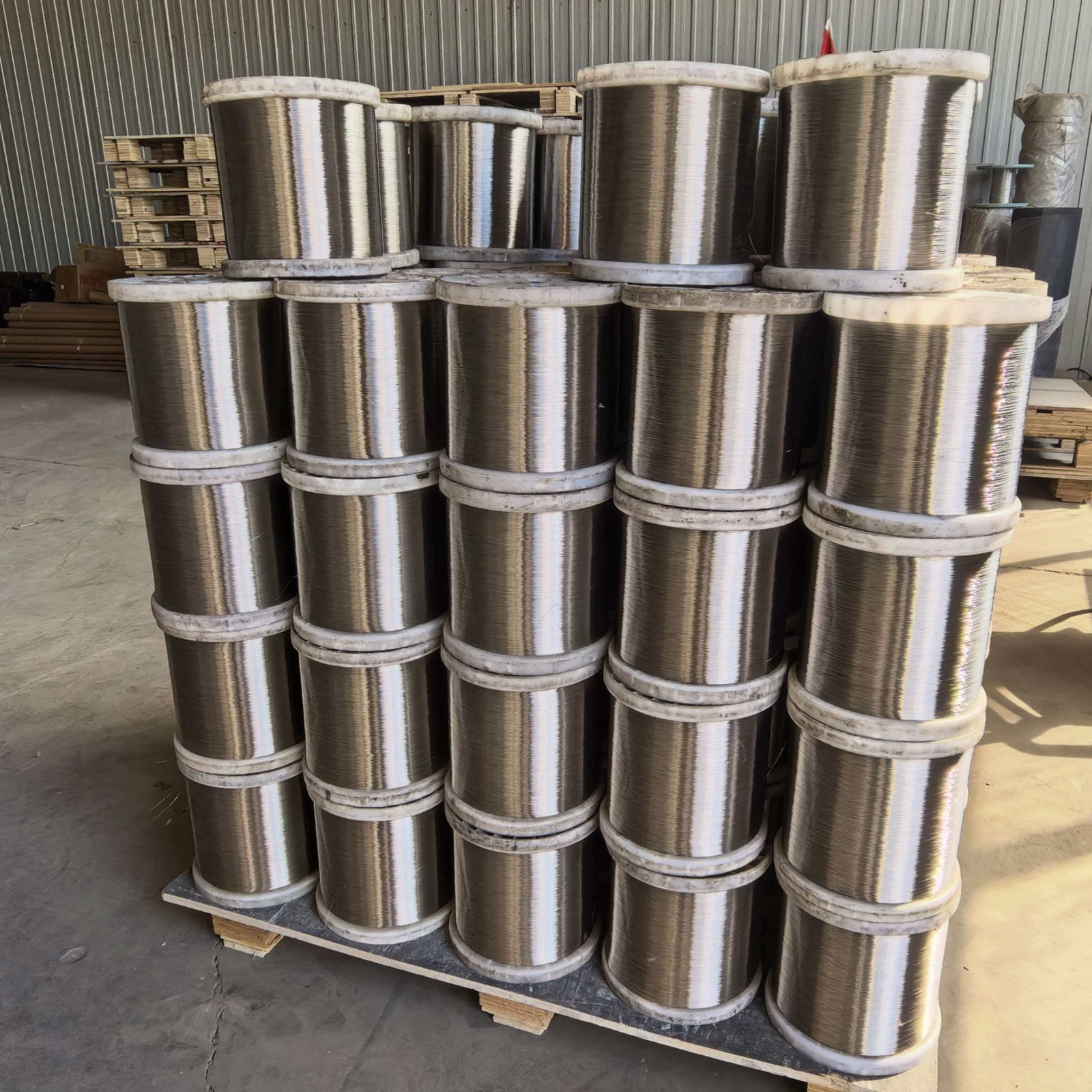
The best news came about a year after the project was completed. The site manager called us to order more material for a new project. He also gave us feedback on the residential complex. He was extremely happy with the performance of the 201 stainless steel wire. He said that during their final inspections and even a year into the building's life, there were no issues at all related to the bindings. The rebar cages were solid, and none of the secured pipes or conduits had shifted. This was the real-world proof we were looking for.
The strength of the wire was never in question. Its high tensile strength meant that it didn't stretch or snap under the immense pressure of the concrete pour. All the rebar stayed exactly where it was supposed to, which is critical for the building's strength. For the corrosion resistance, the performance was excellent for the application. Because most of the wire was embedded inside the concrete, it was protected from direct exposure to rain and air. In this environment, 201's natural resistance was more than enough to prevent rust. It proved to be the perfect choice, providing the necessary performance without the higher cost of 316-grade steel. This project showed that making a smart material choice is about matching the right product to the specific environment and application, not just about buying the most expensive option.
Conclusion
Our experience proves that 201 stainless steel wire is a strong, reliable, and smart choice for binding tasks in civil construction, ensuring both quality and long-term stability.