


Tempted by low quotes but worried about hidden risks? Unstable prices can ruin your budget and project plans. A stable pricing partner is the key to predictable costs and success.
Stable pricing offers predictability for your financial planning and protects you from sudden cost increases. It builds a foundation of trust and ensures consistent product quality, which is far more valuable than a temporary low price that often comes with hidden compromises.
I've been in this business for over 25 years, and I've seen many trends come and go. But one truth always remains: how you price your products says a lot about the kind of partner you want to be. A cheap, one-time offer might win a single order, but it rarely builds a lasting relationship. I want to share a story that shows why we believe so strongly in fair, stable pricing. It’s a lesson that has shaped how we do business and helped us build partnerships that last for years.
What risks do you face with a surprisingly low quotation?
Found a quote that seems too good to be true? It often is. Hidden costs, poor quality, and future price hikes can follow. You need to understand these risks to protect your business.
A surprisingly low quote often hides serious risks like compromised material quality, inconsistent production, and unexpected price increases on future orders. This can disrupt your supply chain and damage both your budget and your reputation.
When a price seems disconnected from the market reality, it's a major red flag. In my experience, suppliers have to make up for that low price somewhere, and it's usually at the customer's expense. To truly understand the danger, you have to look beyond the initial number on the quotation.
The Hidden Costs of a Low Bid
A low price is often achieved by cutting corners. This might mean using substandard raw materials that don't meet international standards like RoHS or REACH. For example, a supplier might use a lower-grade stainless steel that looks fine at first but corrodes quickly. We insist on inspecting all incoming materials for chemical composition and mechanical properties. Another area for cuts is quality control. A low-cost operator might skip crucial steps like in-process inspections or final performance testing. This leads to inconsistent products, where one batch is good and the next is unusable. These quality issues result in higher costs for you down the line, including production delays, product recalls, and a damaged reputation with your own customers.
The Bait-and-Switch Tactic
Another common issue is the "bait-and-switch." A supplier offers an incredibly low price to get the first order and secure your business. You feel like you got a great deal. But when you place your second or third order, the price suddenly jumps up. The supplier might blame rising material costs or other excuses, but the real reason is that the initial price was never sustainable. They were losing money just to get you in the door. Now that you're dependent on them, they raise the price to a profitable level, or even higher. This tactic completely destroys any ability you have to forecast your costs and manage your budget effectively. It turns the supplier relationship into a constant, stressful negotiation instead of a stable partnership.
| Feature | The "Too Good to Be True" Low Quote | The Stable, Fair Quote |
|---|---|---|
| Initial Cost | Very low, highly attractive | Reasonable, based on market value |
| Product Quality | Often compromised, inconsistent | Consistent, meets specifications |
| Future Pricing | Likely to increase sharply | Predictable, stable over time |
| Supplier Reliability | Low, high risk of disruption | High, builds a trusted partnership |
| Long-Term Value | Poor, leads to higher total cost | Excellent, ensures budget stability |
How does stable pricing build a stronger partnership with your supplier?
Tired of constantly renegotiating prices with suppliers? This uncertainty makes planning difficult and erodes trust. A partner who offers stable pricing builds a solid foundation for growth and mutual success.
Stable pricing creates a partnership based on trust and transparency. It allows for accurate budget forecasting, simplifies procurement, and lets both sides focus on quality and long-term goals instead of short-term price battles.
The best business relationships aren't just transactions; they are true partnerships. Both sides need to feel secure and respected. Price stability is a huge part of that. When a customer knows what to expect from us, they can plan their own business with confidence. This builds a level of trust that a one-time low price can never achieve.
A Real-World Example from the Middle East
A few years ago, we started working with a new client from the Middle East. They were sourcing materials and, naturally, they sent out inquiries to many suppliers. A lot of factories came back with very attractive, low prices to win the initial order. We didn't do that. We provided a quote based on our actual costs, our quality processes, and a reasonable profit margin. Our price was stable and fair. At first, the client was tempted by the lower offers from our competitors. But over time, they started having problems. Some of those low-cost suppliers delivered products with quality issues. Others suddenly increased their prices on subsequent orders. All along, our price and our high quality remained consistent. The client quickly realized that our stable pricing was a huge benefit. It allowed them to plan their costs accurately and avoid the risks of price volatility. That client is now one of our most loyal long-term partners, and their order volume increases every year.
The Pillars of a Trustworthy Partnership
This experience reinforced what we already knew. A strong partnership is built on pillars of trust, predictability, and shared goals. When pricing is stable, it removes a major point of friction. We no longer have to spend our energy haggling over every order. Instead, we can focus our conversations on more important things, like improving product design, optimizing logistics, or planning for future demand. The client trusts that we are not trying to maximize our profit on every single transaction. They know we are invested in their success for the long term. This creates an open and honest relationship where we can work together to solve problems and grow both of our businesses. It’s a win-win situation.
How can you identify a supplier committed to long-term value?
How do you tell a reliable supplier from one just after a quick sale? Choosing the wrong one can lead to project delays and unexpected expenses. Look for key signs of a true partner.
A reliable supplier provides transparent pricing based on clear cost structures. They invest in quality control, offer detailed test reports, and are willing to discuss long-term agreements. Their focus is on mutual success.
Finding the right supplier is about looking beyond the price. You need to evaluate their entire operation and their business philosophy. A supplier focused on long-term value will operate very differently from one focused on short-term sales. Here are a few things I recommend looking for.
What to Look For in a Supplier's Quote
A trustworthy supplier isn't afraid to explain their pricing. Their quote should be clear and professional. They should be able to break down the costs associated with raw materials, manufacturing processes, and quality assurance. Ask them questions about their pricing model. Do they hedge against material price fluctuations? Are they open to discussing long-term pricing agreements? A supplier who is evasive or can't justify their price is a red flag. In our factory, we welcome these conversations. We want our customers to understand that our price reflects the quality of our materials, the precision of our automated production lines, and the diligence of our experienced QC staff. Transparency is the first step toward building trust.
Beyond the Price Tag: Key Indicators of Reliability
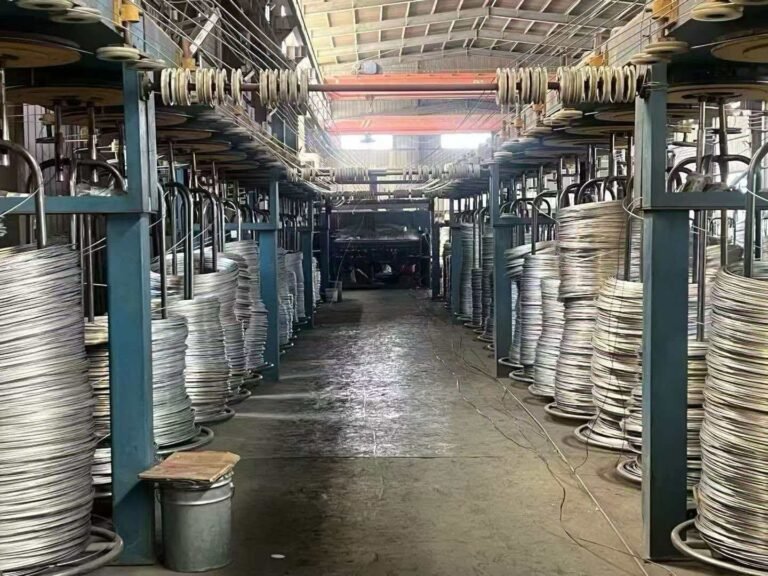
Look for evidence of a commitment to quality. Does the supplier have certifications like ISO 9001? Can they provide detailed performance test reports, like salt spray tests for corrosion resistance or tensile strength data? A serious supplier invests in these systems and is proud to share the results. They should also be open about their production process. We encourage our long-term partners to understand our capabilities, from automatic cold drawing to ultrasonic cleaning. A good partner is also communicative and responsive. They provide samples quickly and keep you updated on your production schedule. They see your success as their success because they know that a happy customer is a repeat customer. This partnership mindset is the ultimate indicator of a supplier committed to long-term value.
Conclusion
A stable price is more than a number. It's a promise of reliability, consistent quality, and a true partnership that supports your business's long-term growth and stability.