


Worried about rebar and pipes shifting in your construction project? This can compromise structural integrity and lead to costly rework. Using 201 stainless steel wire offers a reliable binding solution.
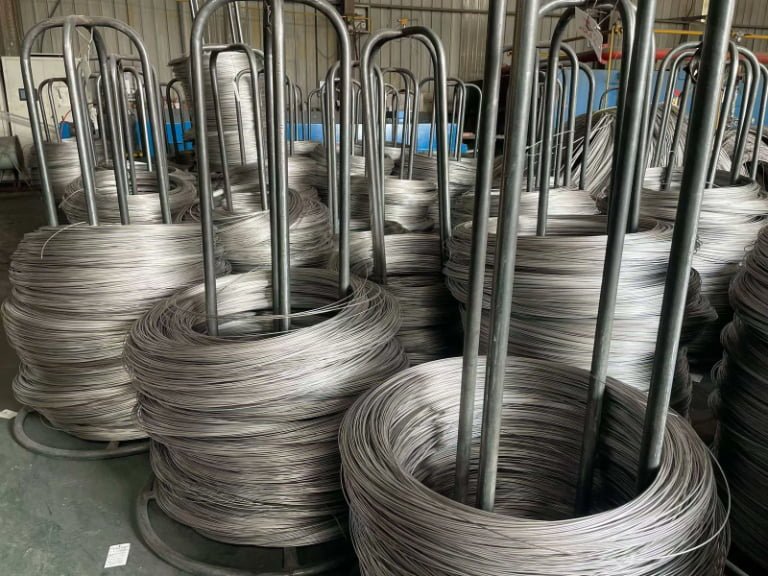
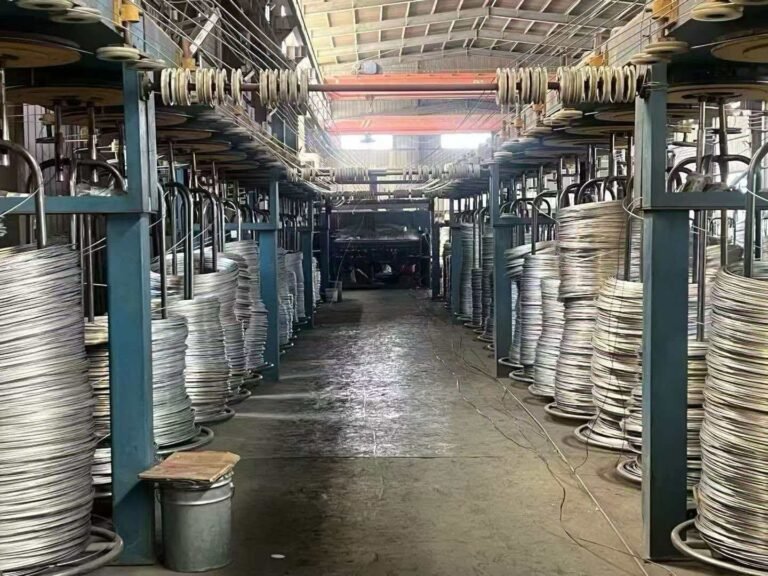
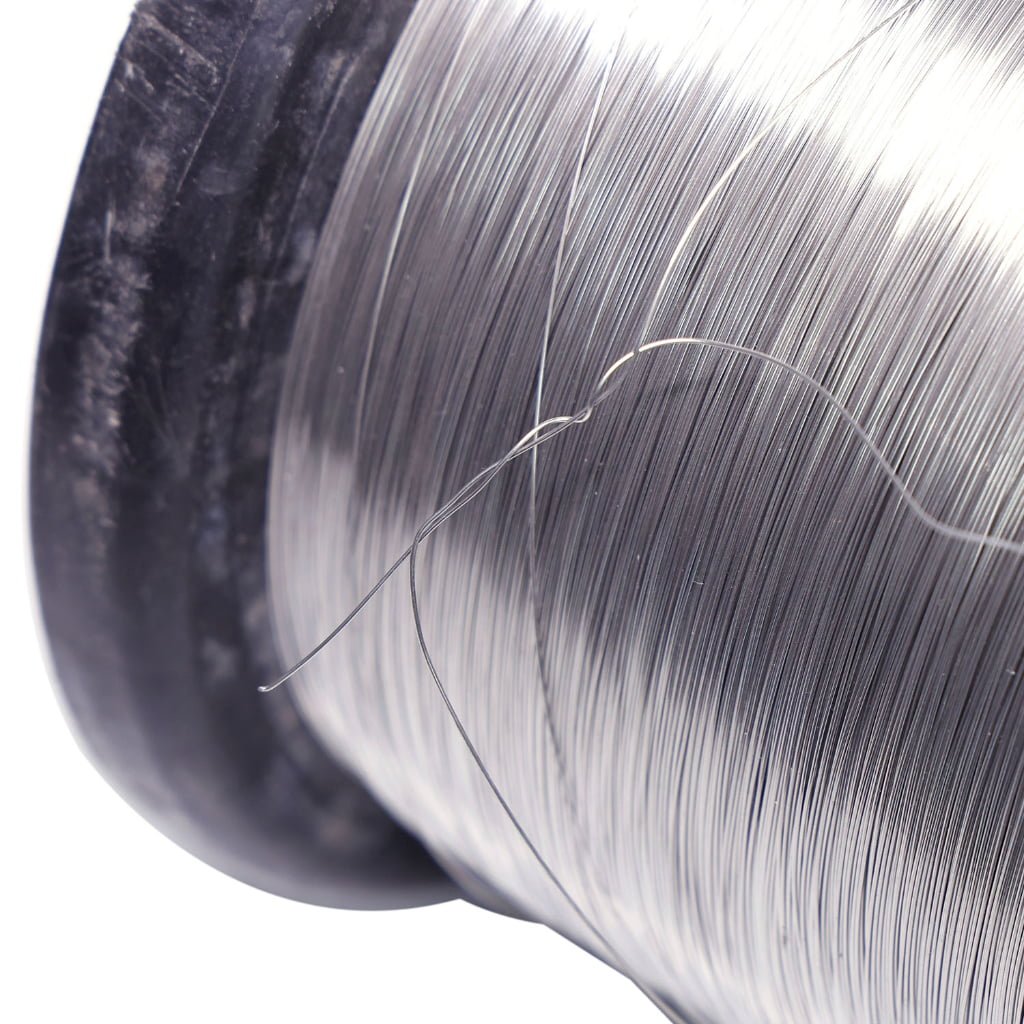
201 stainless steel wire is commonly used for binding rebar to create a stable framework and for securing pipes to prevent movement. Its good strength and corrosion resistance make it a cost-effective choice for ensuring structural integrity in residential buildings.
This all sounds good on paper, but you might wonder how it performs in a real-world project. I remember a partnership that really showed me the power of this material. We worked closely with a builder from the Middle East on a large residential project, and their experience highlights why 201 wire is a smart choice. Let's get into the details of how it worked for them.
What makes 201 wire a reliable choice for binding rebar?
Afraid your building's steel framework isn't strong enough? Loose rebar can lead to serious structural weaknesses and safety hazards down the line. Using 201 wire for binding ensures a tight, secure hold.
201 stainless steel wire provides excellent tensile strength to securely bind re-enforcing bars (rebar). This creates a rigid and stable steel skeleton before concrete is poured, preventing shifts and ensuring the structural integrity of foundations, columns, and beams.
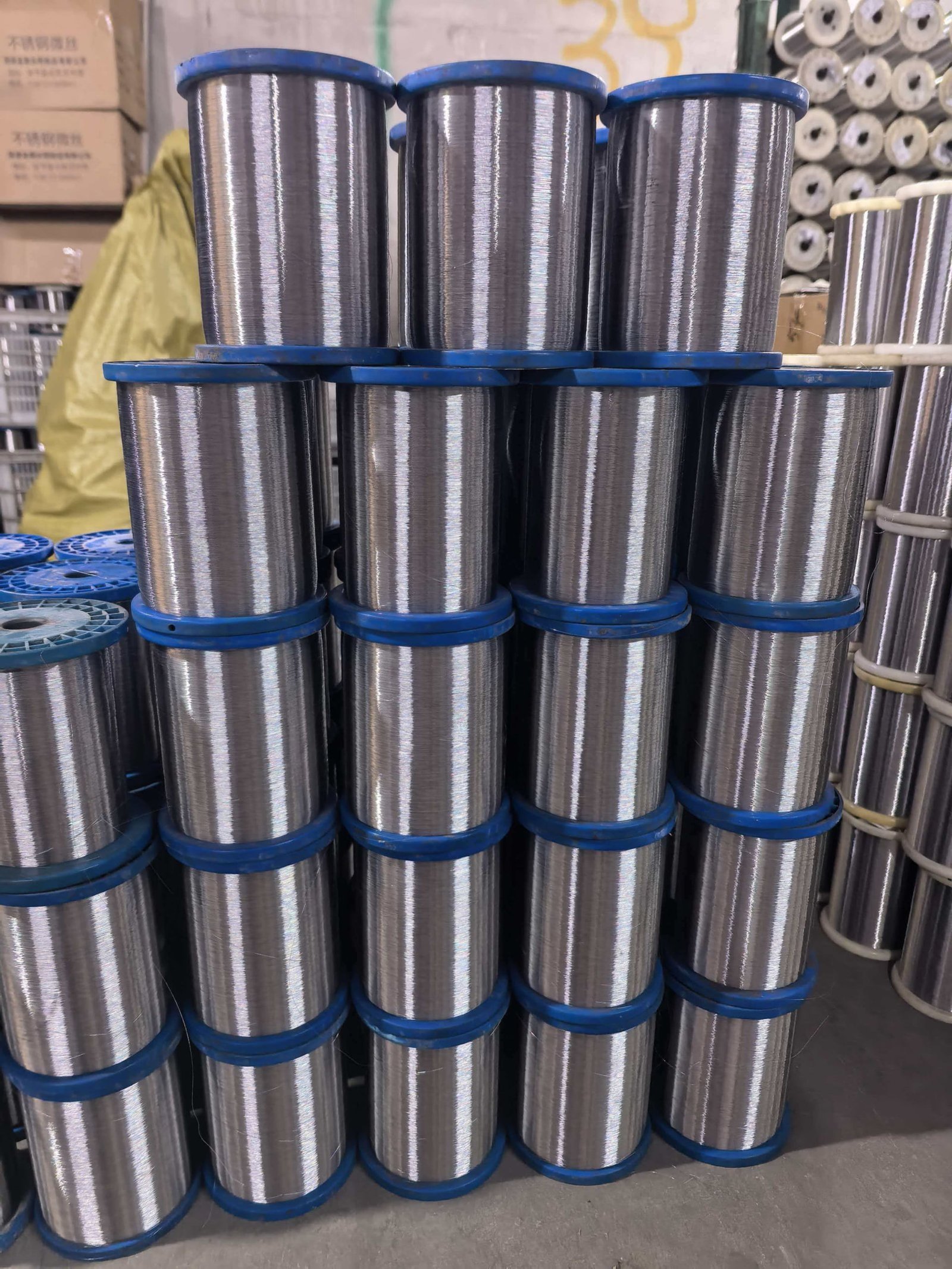
When we started working with the builder from the Middle East, they had some doubts. They were concerned if 201 stainless steel wire had enough strength for such a big residential project. To address their concerns, we didn't just give them promises. We provided detailed product specifications and official test reports. These documents clearly showed the wire's impressive strength. Our technicians even visited the site to offer guidance. They saw the construction crew using our wire extensively to tie the rebar grid. This binding work is critical. It holds the entire steel skeleton in place while the concrete is poured, making sure the building's frame is solid and stable from the very beginning. The builder was quickly convinced.
Key Properties for Rebar Binding
| Property | Specification | Benefit for Construction |
|---|---|---|
| Tensile Strength | ≥450MPa | Strong enough to hold heavy rebar without snapping. |
| Diameter | Customizable | Ensures a consistent and tight tie every time. |
| Formability | Good | Easy for workers to handle and twist for a secure fit. |
How does 201 wire perform when securing pipes and conduits?
Are rattling pipes and loose conduits a concern in your build? This can cause noise, damage, and major maintenance headaches later on. 201 wire offers a simple, strong solution to fix them in place.
For securing pipes and electrical conduits, 201 stainless steel wire is used to tightly fasten them to walls or support brackets. Its flexibility allows for easy application, while its strength prevents sagging, vibration, and displacement, ensuring long-term stability.
The builder's other main concern was corrosion. The climate in their region could be harsh, and they worried about rust over the long term. This was a valid point. During our on-site visits, we saw their teams using the 201 wire for more than just rebar. They also used it to firmly attach plumbing pipes and electrical conduits to walls and structural supports. This prevents any movement or vibration that could cause problems later. We had already provided them with our 96-hour salt spray test results, which demonstrated the wire's good corrosion resistance. The project's success would be the ultimate test. Securing these systems properly is essential for the building's functionality, and using a material that resists rust in hidden spaces is key to avoiding future repairs.
Benefits in Pipe and Conduit Installation
| Feature | Application Benefit |
|---|---|
| Corrosion Resistance | Resists rust in damp areas like utility shafts. |
| Flexibility | Easy to wrap and tighten around various pipe sizes. |
| High Strength | Securely holds heavy pipes without stretching or breaking. |
Was the builder satisfied with the long-term performance?
Choosing the right construction material can feel like a gamble. A wrong choice can lead to component failure and damage your company's reputation. Our client's feedback confirms the long-term reliability of 201 wire.
Yes, the builder was highly satisfied. After the project was completed and in use, they reported that the 201 stainless steel wire performed exceptionally well. It maintained its strength and showed no significant signs of corrosion.
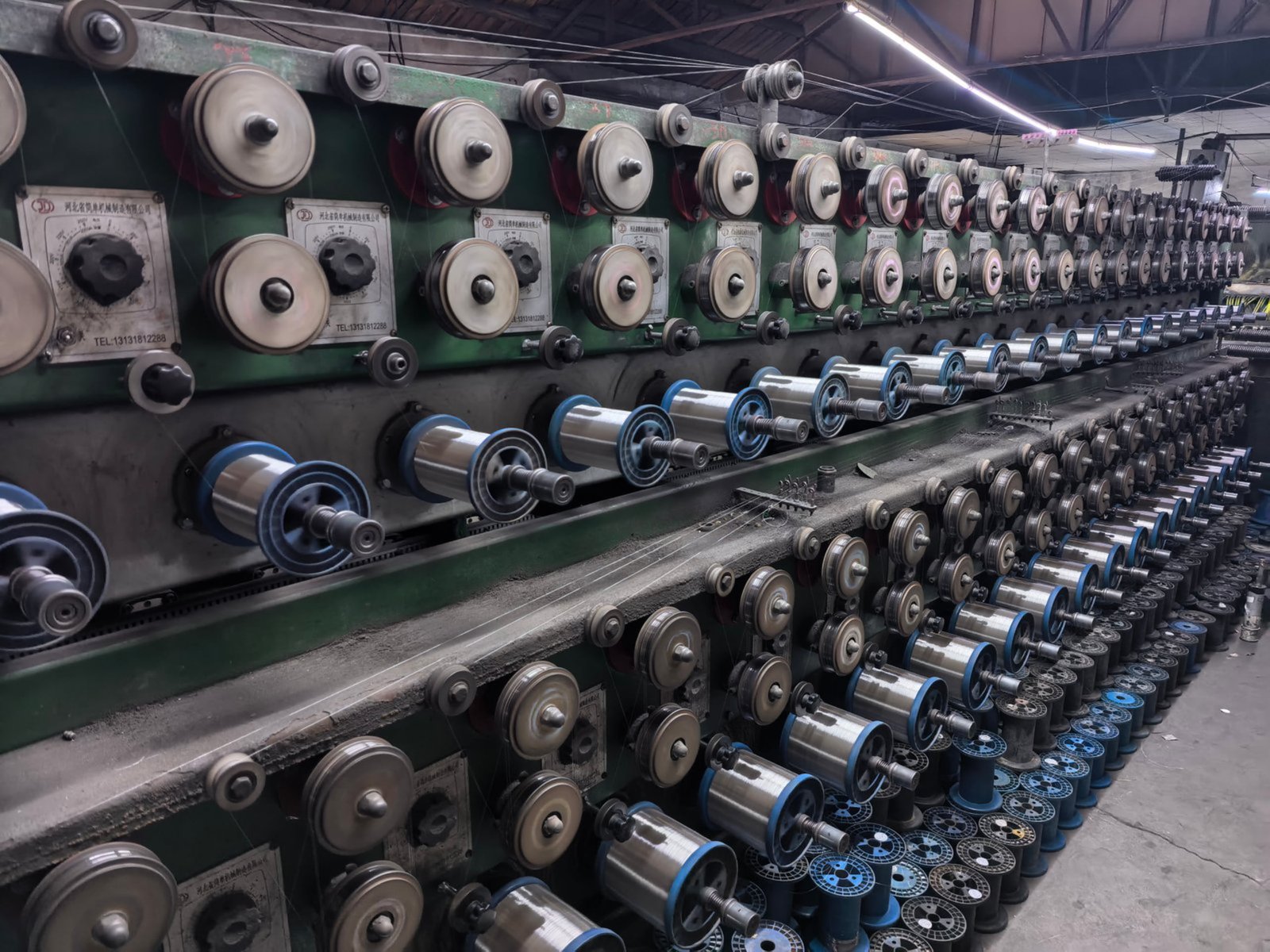
After the residential complex was finished and people had moved in, we followed up with the builder. Their feedback was fantastic. They told us the 201 stainless steel wire had performed perfectly. All the bindings, for both the rebar and the pipes, were holding strong. More importantly, even with the local climate, there were no signs of rust or degradation. Their initial worries about strength and corrosion were completely gone. This experience proved that our product not only met their standards but also helped them deliver a higher-quality, more stable building. This partnership was a great example of how providing a reliable product, backed by clear data and technical support, builds lasting trust. It confirmed for us that 201 wire is a dependable workhorse for civil construction.
Project Outcome Summary
| Aspect | Result |
|---|---|
| Initial Concern | Strength & Corrosion Resistance of 201 Wire |
| Our Action | Provided test reports & on-site support |
| Application | Rebar Framework & Pipe/Conduit Binding |
| Final Feedback | Excellent performance, no rust, improved building quality |
Conclusion
In summary, 201 stainless steel wire is a strong, reliable, and cost-effective choice for essential binding tasks in civil construction, ensuring the long-term structural integrity of any project.