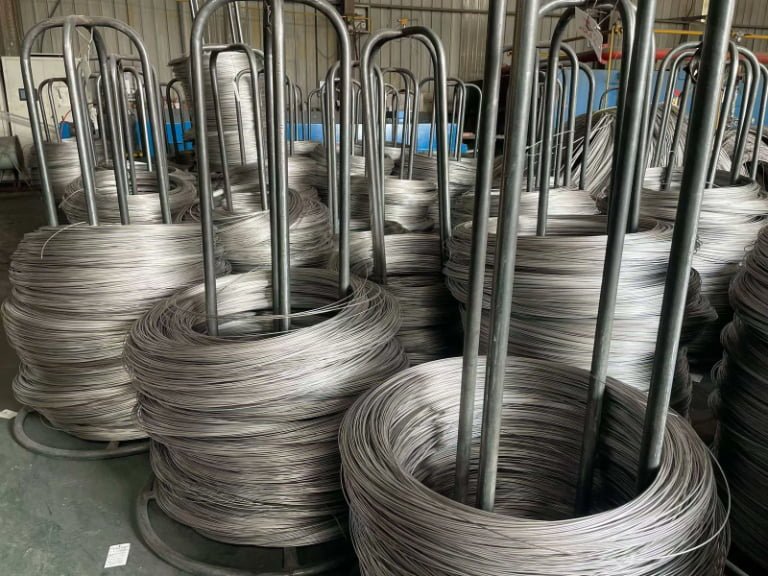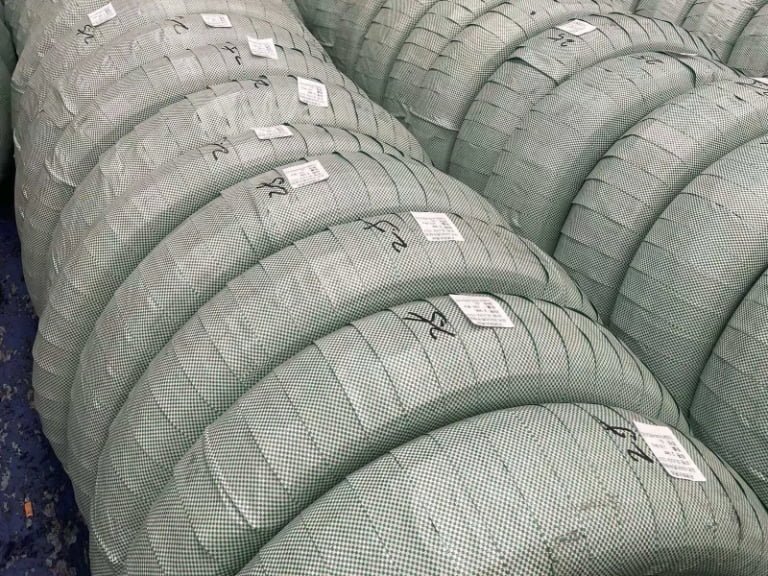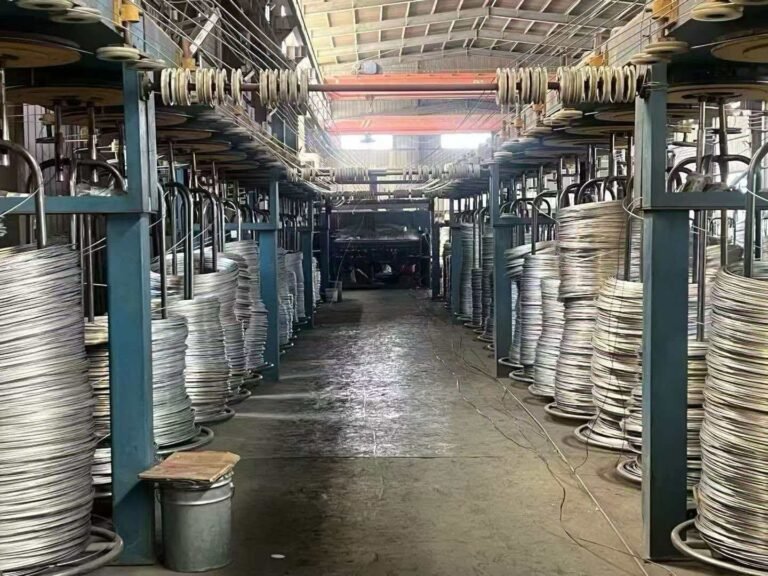



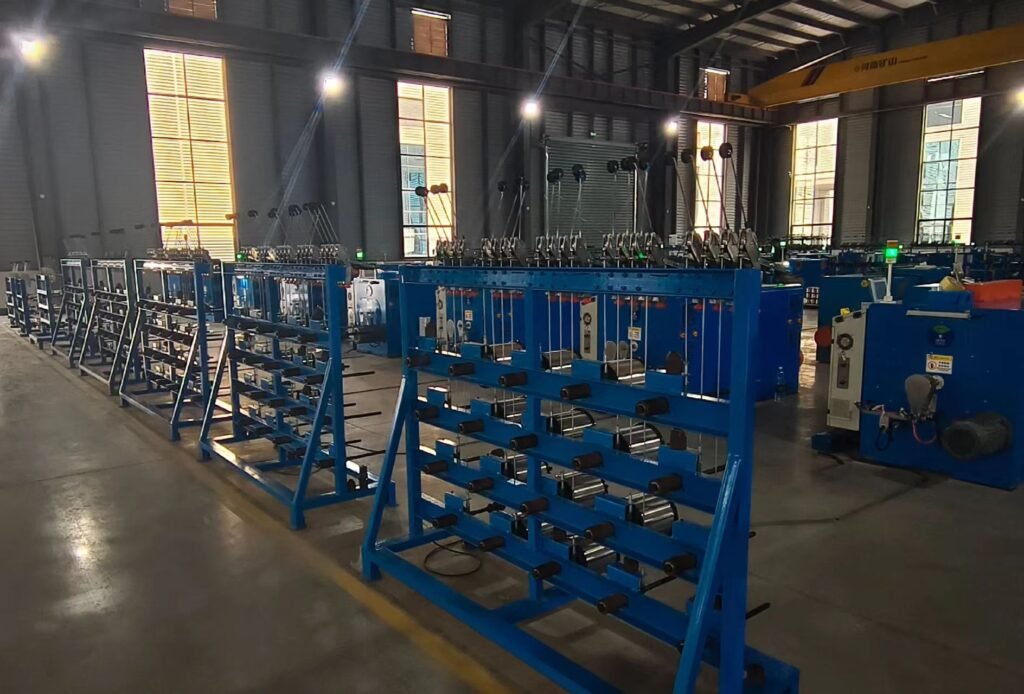
Struggling with weak binding wires on your construction site? Poor materials can compromise safety and lead to future repairs. 201 stainless steel wire offers the strength you need.
201 stainless steel wire is an excellent choice for civil construction binding. It's used to securely fasten rebar skeletons, anchor pipes and conduits, and support scaffolding. Its high tensile strength and moderate corrosion resistance ensure structural stability and long-term reliability in various building applications.
I remember a project that really highlighted the value of this material. We were working with a large construction firm from the Middle East. They were building a massive residential complex and needed a reliable binding wire for literally thousands of applications on site. At first, they were hesitant about 201 stainless steel, questioning if it was strong enough and if it would hold up to the local climate. We sent them spec sheets and test reports, but the real proof came when we saw it in action. What we discovered on-site changed everything. Let's look closer at how this simple wire plays such a huge role in building stability.
Why is 201 stainless steel wire a reliable choice for rebar binding?
Concerned about the stability of your concrete structures? Rebar shifting during a concrete pour can compromise safety and strength. 201 stainless steel wire ensures a rigid, secure framework.
201 stainless steel wire is reliable for rebar binding due to its high tensile strength, which prevents slippage under pressure. It's also flexible enough for workers to tie knots securely and quickly. This combination ensures the steel reinforcement cage remains perfectly in place during concrete pouring.
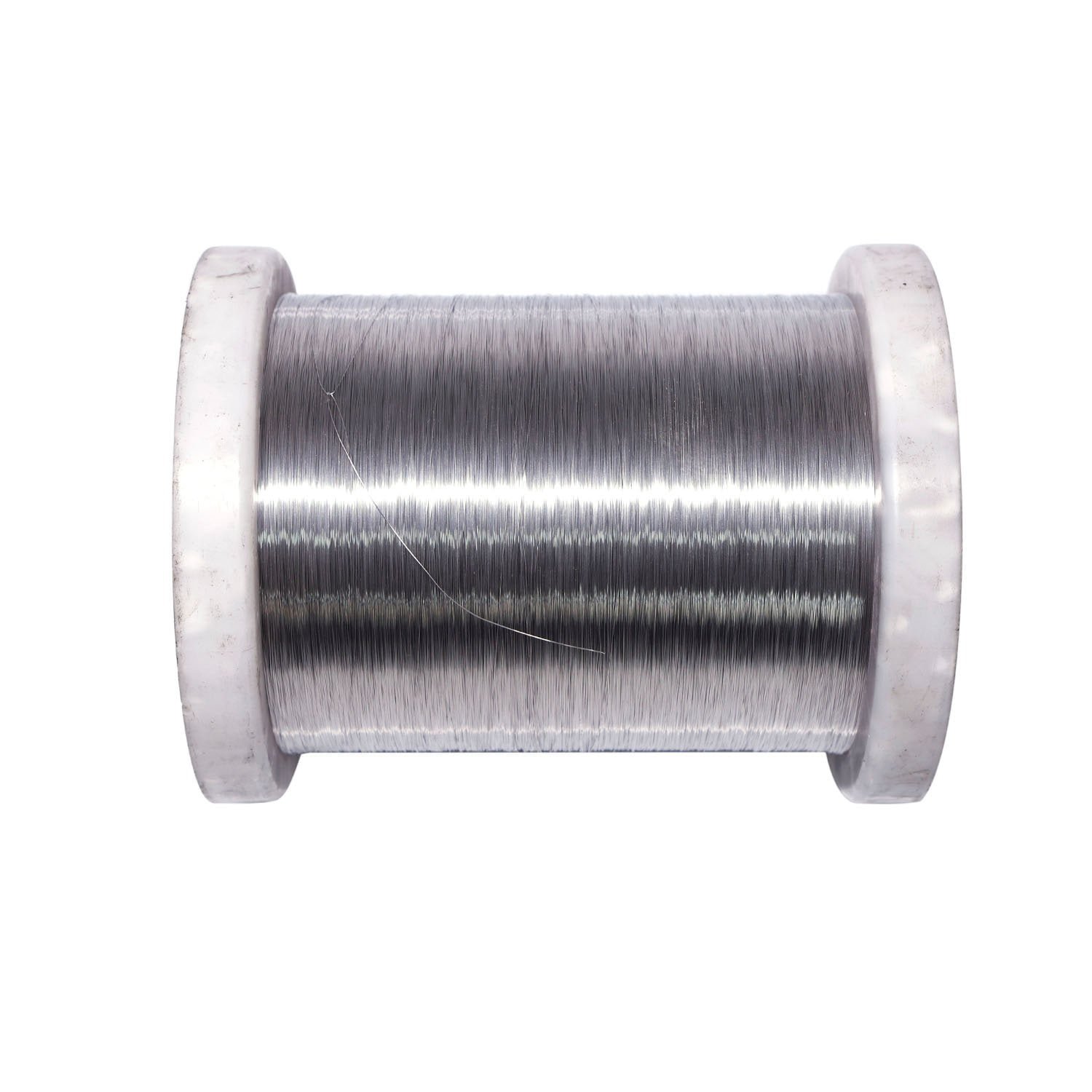
When our team visited the construction site in the Middle East, the first thing we noticed was how the workers were using our 201 wire. They were meticulously tying the rebar for the foundation and columns. The strength of the wire was absolutely critical here. It had to hold heavy steel bars together without stretching or snapping under the immense weight of wet concrete. Our wire, with a tensile strength over 450MPa, provided that security.
The Perfect Balance of Strength and Workability
The workers told us they liked our wire because it was easy to handle. We provided it in a specific temper that was pliable enough to twist tightly with their tools, but it never broke. This is a key factor on a busy construction site where speed and safety are paramount. A weak or brittle wire would slow them down and create hazards. Every coil of wire we deliver has a consistent diameter and temper, which means the workers don't have to adjust their techniques. This consistency, ensured by our ISO 9001 certified process, directly translates to faster, more reliable work on the ground.
Let's compare it to a common alternative:
| Property | 201 Stainless Steel Wire | Galvanized Iron Wire |
|---|---|---|
| Tensile Strength | High (≥450MPa) | Low to Medium |
| Corrosion Resistance | Good | Fair (Coating can scratch) |
| Workability | Excellent | Good |
| Long-term Stability | Excellent (No rust bleed) | Poor (Can rust and stain concrete) |
This balance makes it an ideal material for ensuring the core structure of a building is sound from the very beginning.
How does 201 stainless steel wire secure plumbing and electrical systems?
Worried about loose pipes or conduits inside your walls? Vibrations and shifting can cause damage and costly repairs later. 201 stainless steel wire anchors them securely for good.
201 stainless steel wire is used to strap plumbing pipes, electrical conduits, and HVAC ducts to walls, ceilings, and support brackets. Its strength prevents sagging and movement, while its corrosion resistance protects it from moisture often present around pipes, ensuring a long-lasting and stable installation.
Beyond the main structure, another critical application we saw on the residential project was securing utilities. The builders were running hundreds of meters of plumbing and electrical conduits throughout the buildings. They needed a simple, strong way to fix them in place before the walls were closed up. A failure here could mean a burst pipe or a loose wire inside a finished wall, leading to catastrophic damage.
A Versatile Solution for Hidden Infrastructure
Our 201 stainless steel wire was the perfect tool. Workers used it to tie water pipes to wall studs and hang electrical conduits from ceiling joists. This prevented any rattling or shifting that could lead to leaks or electrical faults over time. The builder was initially concerned about potential corrosion from condensation around cold water pipes. However, the inherent properties of 201 stainless steel provided enough protection for this indoor application, far outlasting standard steel ties. In many regions, building codes now specify the use of corrosion-resistant fasteners for critical systems. Using 201 stainless steel wire helps our clients meet these regulations easily, avoiding potential inspection failures and ensuring the final build is compliant and safe for occupants.
Here are the common areas where it's indispensable:
- Plumbing: Securing PVC, copper, and steel pipes without chemical reactions.
- Electrical: Bundling wires and anchoring metal or PVC conduits.
- HVAC: Supporting flexible or rigid ductwork against vibration.
This simple step of securely binding these systems is vital for the building's long-term functionality and safety.
What makes 201 stainless steel wire suitable for challenging climates?
Concerned your binding materials will rust and fail in a humid or coastal climate? Corrosion can weaken a building's core over time. 201 stainless steel wire offers reliable resistance.
201 stainless steel contains chromium and manganese, which create a passive layer that resists rust and corrosion. While not as resistant as 304 or 316 grades, it provides excellent durability for general construction in moderately corrosive environments, like high humidity or urban settings.
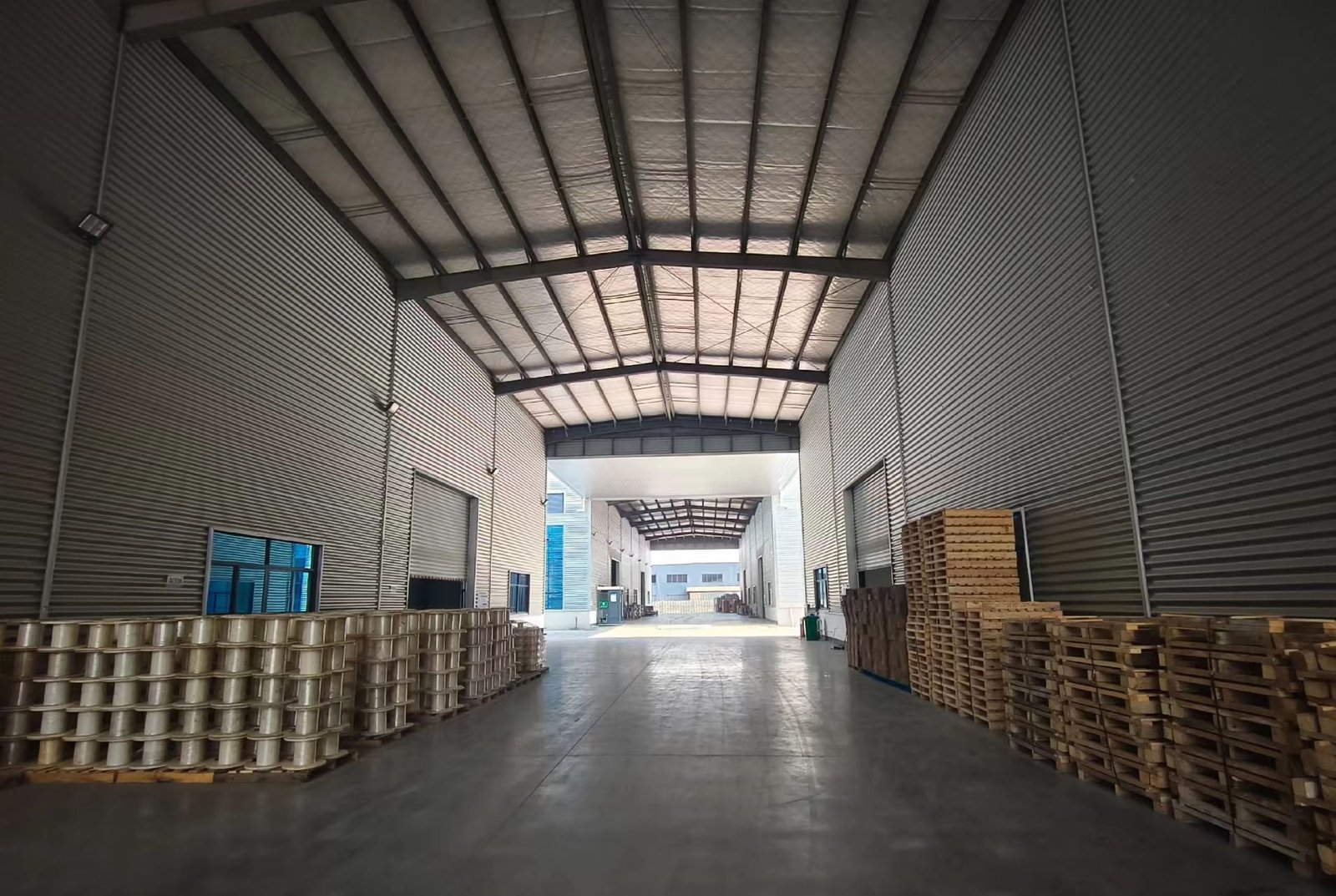
The biggest concern our Middle Eastern client had was long-term durability. The climate there can be very demanding, with high humidity and fluctuating temperatures. They were worried that a standard carbon steel wire would rust within a few years, especially in areas exposed to moisture. Rust isn't just ugly; it expands and can crack the surrounding concrete, a phenomenon known as "rust bleed." This was a valid point, and it’s where 201 stainless steel really proves its worth.
Performance Under Pressure
After the project was completed, we followed up with the builder about six months later. They reported that the 201 wire was performing perfectly. There were no signs of rust or degradation, even on the rebar ties near the foundation where moisture levels could be higher. This is because the chromium (around 16-18%) and manganese in 201 stainless steel form a tough, invisible, self-healing protective oxide layer. While the initial cost of 201 stainless steel wire might be slightly higher than basic galvanized wire, the long-term value is undeniable. The client understood that they were eliminating the future cost of repairs related to corrosion. It's a classic case of 'invest a little more now to save a lot later,' which is a smart strategy for any large-scale construction project.
Here’s how it stands up to environmental factors:
- Humidity: The passive layer blocks moisture from reacting with the iron in the steel.
- Temperature Changes: It maintains its strength and doesn't become brittle in heat or cold.
- Urban Pollution: It resists mild chemical exposure found in city air.
This reliability gave the builder immense confidence, confirming that their buildings were not just strong today, but built to last for decades.
Conclusion
In summary, 201 stainless steel wire is a strong, reliable, and corrosion-resistant choice for essential binding tasks in civil construction, ensuring long-term structural integrity and safety.