


leading paragraph: Are you worried about weak binding materials compromising your construction project? The wrong wire can lead to long-term structural failure. 201 stainless steel wire offers a strong, reliable solution.
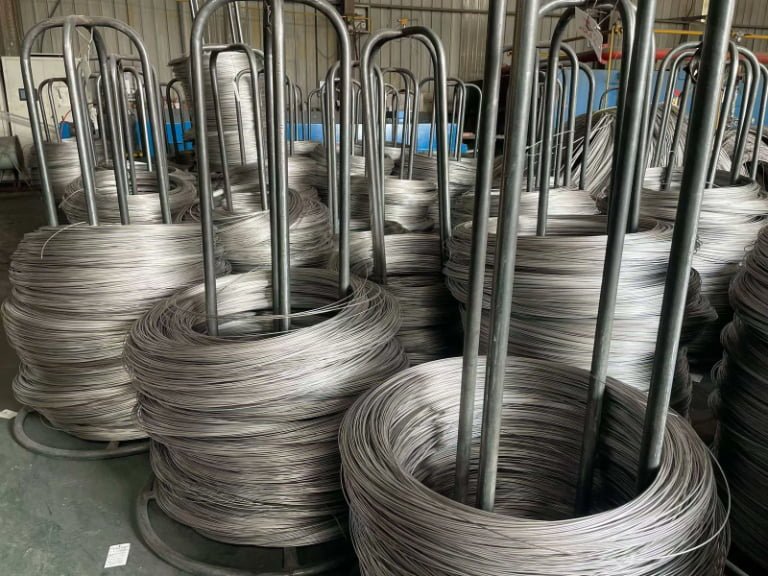
snippet paragraph: 201 stainless steel wire secures construction projects by providing high-tensile strength for binding structural elements like rebar. Its corrosion resistance also ensures long-term stability and integrity, preventing rust and degradation even in challenging climates. This makes it a reliable choice for critical fastening tasks.
Transition Paragraph: These features sound great on paper, but how do they perform in a real-world, large-scale project? I remember a specific case that perfectly illustrates the value of this material. We worked with a construction company in the Middle East on a major residential building project. Their story shows exactly why this wire is so dependable. Let me share how it all unfolded.
Is 201 Stainless Steel Wire Strong Enough for Rebar Binding?
leading paragraph: Builders often question if a specific wire can handle the immense pressure of holding rebar. A weak binding could risk the entire structure. The right data proves its capability.
snippet paragraph: Yes, 201 stainless steel wire is strong enough for rebar binding. With a typical tensile strength of over 450MPa, it provides the necessary force to hold steel bars securely in place. This ensures the reinforced concrete framework maintains its designed shape and structural integrity during and after pouring.
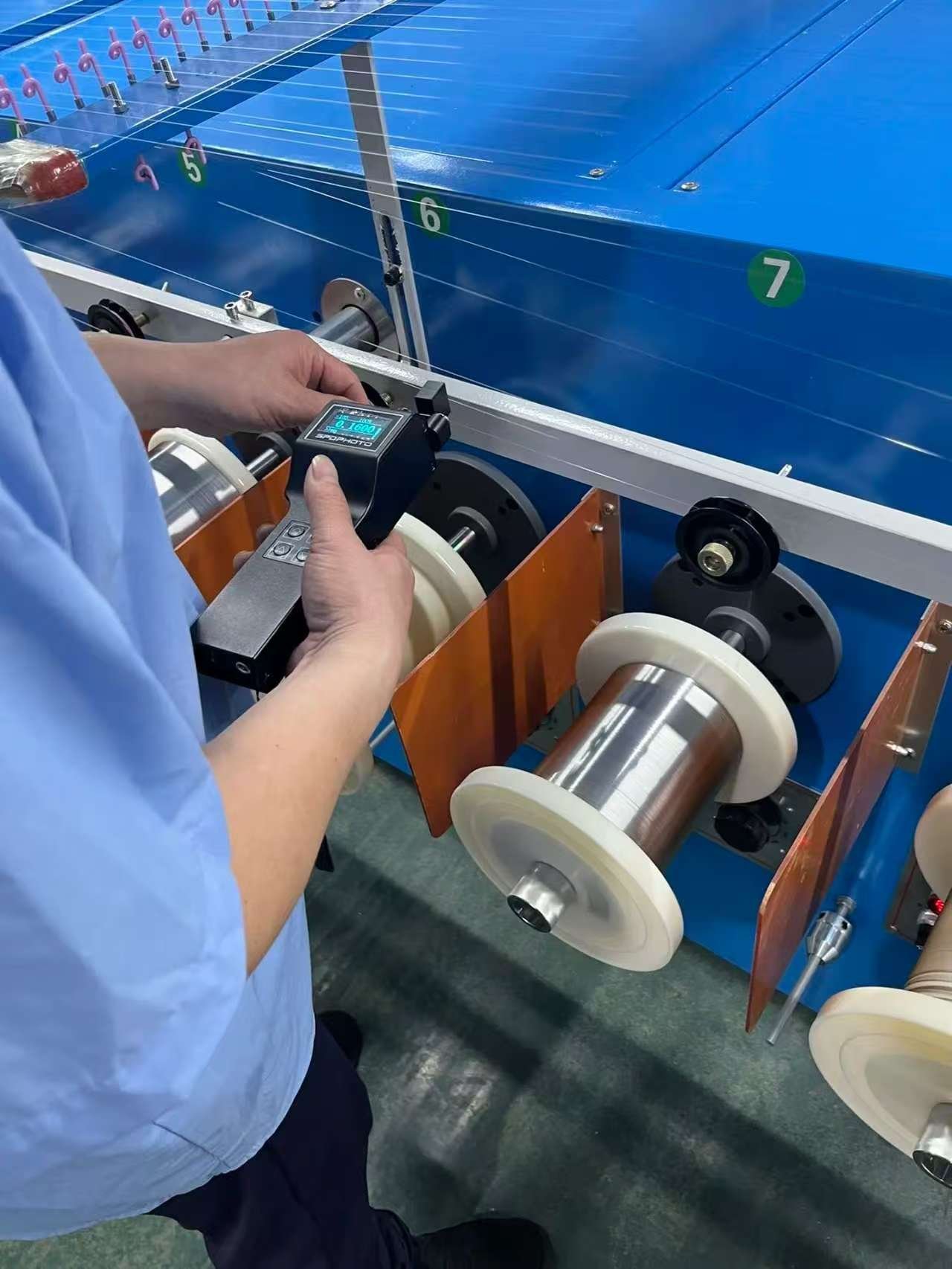
Dive deeper Paragraph: When we first started talking with the contractor from the Middle East, they had this exact concern. Their project was a large residential complex, and the structural integrity of the concrete frame was their top priority. They were hesitant about using 201 stainless steel wire, worrying it might not be strong enough for the job. To address their concerns, we didn't just give them assurances. We provided concrete proof. We sent them our detailed product specification sheets and full test reports. These documents showed the wire's mechanical properties clearly.
| Property | Standard Requirement | Our 201 SS Wire Performance |
|---|---|---|
| Tensile Strength | ≥ 400 MPa | ≥ 450 MPa |
| Diameter Tolerance | ±0.05mm | ±0.01mm |
| Elongation | > 15% | > 20% |
Our technical team even visited the site to provide guidance. They saw the workers using our wire to tie the rebar grid together. The wire was flexible enough to be twisted tightly but strong enough to hold everything in place without snapping. This direct application demonstrated its reliability far better than any report could.
Will 201 Stainless Steel Wire Rust in Tough Climates?
leading paragraph: Outdoor construction materials are constantly exposed to harsh weather. Rust isn't just ugly; it can weaken critical connections and stain surrounding concrete. This is a serious concern for builders.
snippet paragraph: 201 stainless steel wire offers good corrosion resistance in many environments. While not as resistant as 316 grade, it holds up well against atmospheric corrosion, making it suitable for construction in regions with moderate humidity and rainfall. It prevents rust that could compromise binding strength over time.
Dive deeper Paragraph: The project in the Middle East was in an area with a complex climate. There were periods of high humidity and occasional rain. The builder knew that any corrosion on the binding wires could lead to long-term problems. It could weaken the rebar structure and cause rust stains to bleed through the concrete, ruining the building's appearance. We explained that 201 stainless steel contains chromium and nickel, which form a protective layer against rust. To prove this, we shared results from our 96-hour salt spray tests. This test simulates accelerated corrosion, and our wire passed easily, showing minimal to no signs of rust. After the project was completed, the builder gave us feedback months later. They confirmed that the wire showed no visible corrosion, even on parts that were exposed. This was the ultimate confirmation. The wire not only provided the necessary strength but also delivered the durability needed to ensure the building would last for decades without issues.
What Other Binding Jobs Can 201 Stainless Steel Wire Handle in Construction?
leading paragraph: A construction site needs countless things tied down securely. Using different wires for every task is inefficient and adds complexity. A single, versatile wire simplifies the entire process.
snippet paragraph: Beyond rebar, 201 stainless steel wire is excellent for many other construction tasks. It is used to secure plumbing pipes, electrical conduits, and HVAC ducting to walls or supports. It's also great for bundling materials, fixing temporary fencing, and securing insulation.
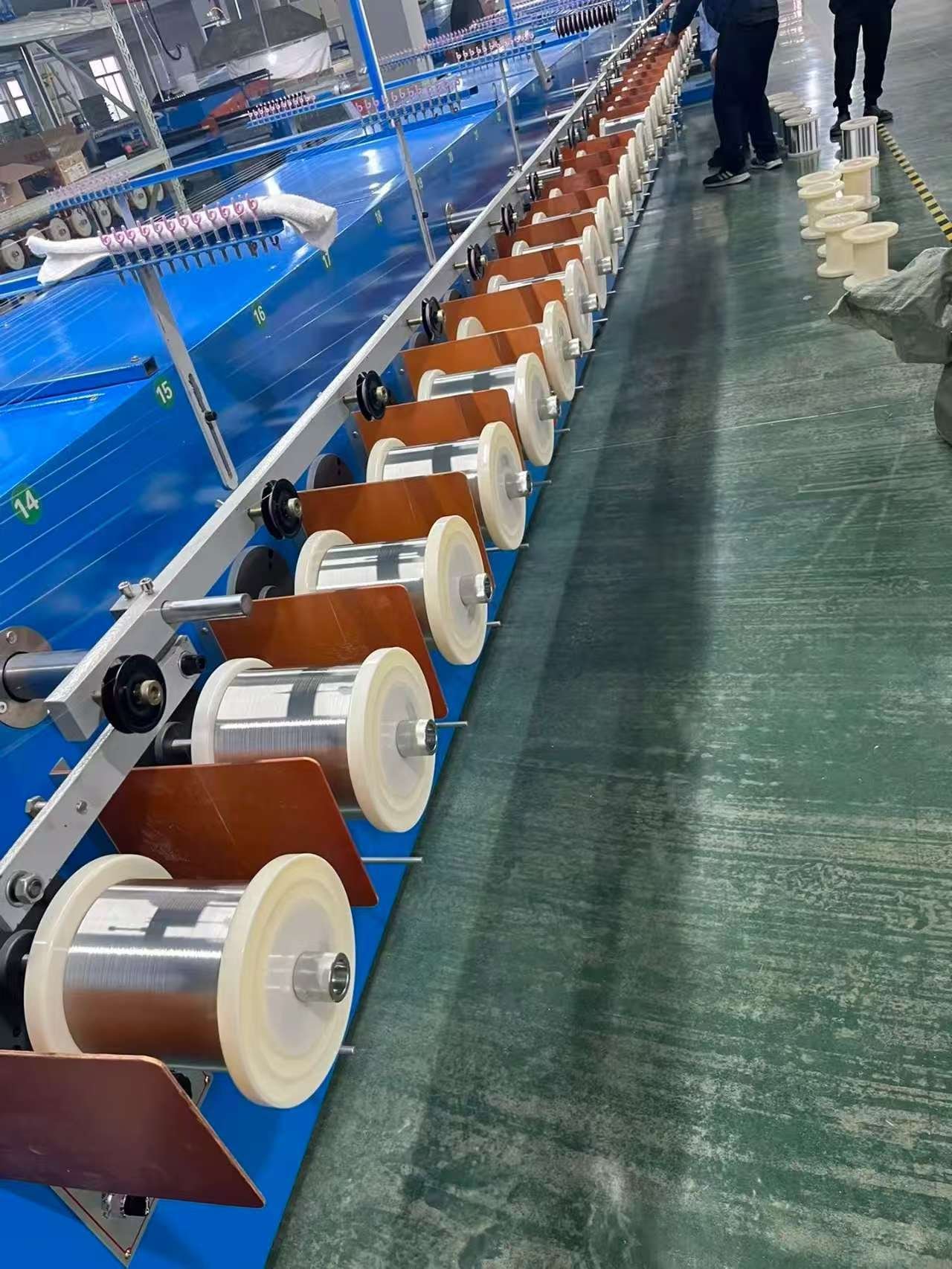
Dive deeper Paragraph: During our team's visit to the Middle East site, they observed that the workers were using our 201 wire for much more than just rebar. Its versatility became a huge asset for the project. For example, they used it to fasten water pipes and electrical conduits firmly against walls and ceiling supports. This was critical because it prevented any rattling, vibration, or shifting that could lead to damage later on. The wire's strength ensured a tight, permanent hold. They also used it for bundling materials like timber and steel rods for easier transport around the massive site. The contractor told us this versatility was a major benefit. Instead of ordering and stocking several different types of binding wire, they could rely on one product for multiple applications.
Here are some common uses we saw:
- Structural: Tying rebar cages.
- Mechanical: Securing pipes and conduits.
- General: Bundling materials for transport.
- Temporary: Fixing scaffolding components or safety netting.
This simplified their procurement process and reduced waste, saving them both time and money.
Conclusion
201 stainless steel wire is a proven, reliable material for construction. It provides the essential strength, corrosion resistance, and versatility needed to secure projects for the long term.