


Struggling with weak, rust-prone binding wires on your construction site? This can compromise structural integrity and lead to costly rework. Discover how 201 stainless steel wire offers a strong, reliable solution.
201 stainless steel wire is ideal for construction binding. It's used to securely fasten rebar, fix pipes, and bundle materials. Its high strength and good corrosion resistance ensure the long-term stability and safety of building structures, making it a cost-effective and dependable choice for contractors.
I remember a project that really showed us the power of this material. A client from the Middle East was building a large residential complex and needed a reliable binding wire. They were hesitant at first, but what happened next convinced them, and it might convince you too. Let's look at why this wire is so effective.
Why Is 201 Stainless Steel Wire Strong Enough for Rebar Tying?
Worried your binding wire might snap under the pressure of heavy rebar? A weak tie can cause structural shifts, risking safety and project timelines. 201 stainless steel wire provides the high tensile strength needed.
201 stainless steel wire is strong enough for rebar tying due to its high tensile strength, typically over 450 MPa. This allows it to hold steel bars firmly in place during concrete pouring, preventing movement and ensuring the structural integrity of the frame remains intact.
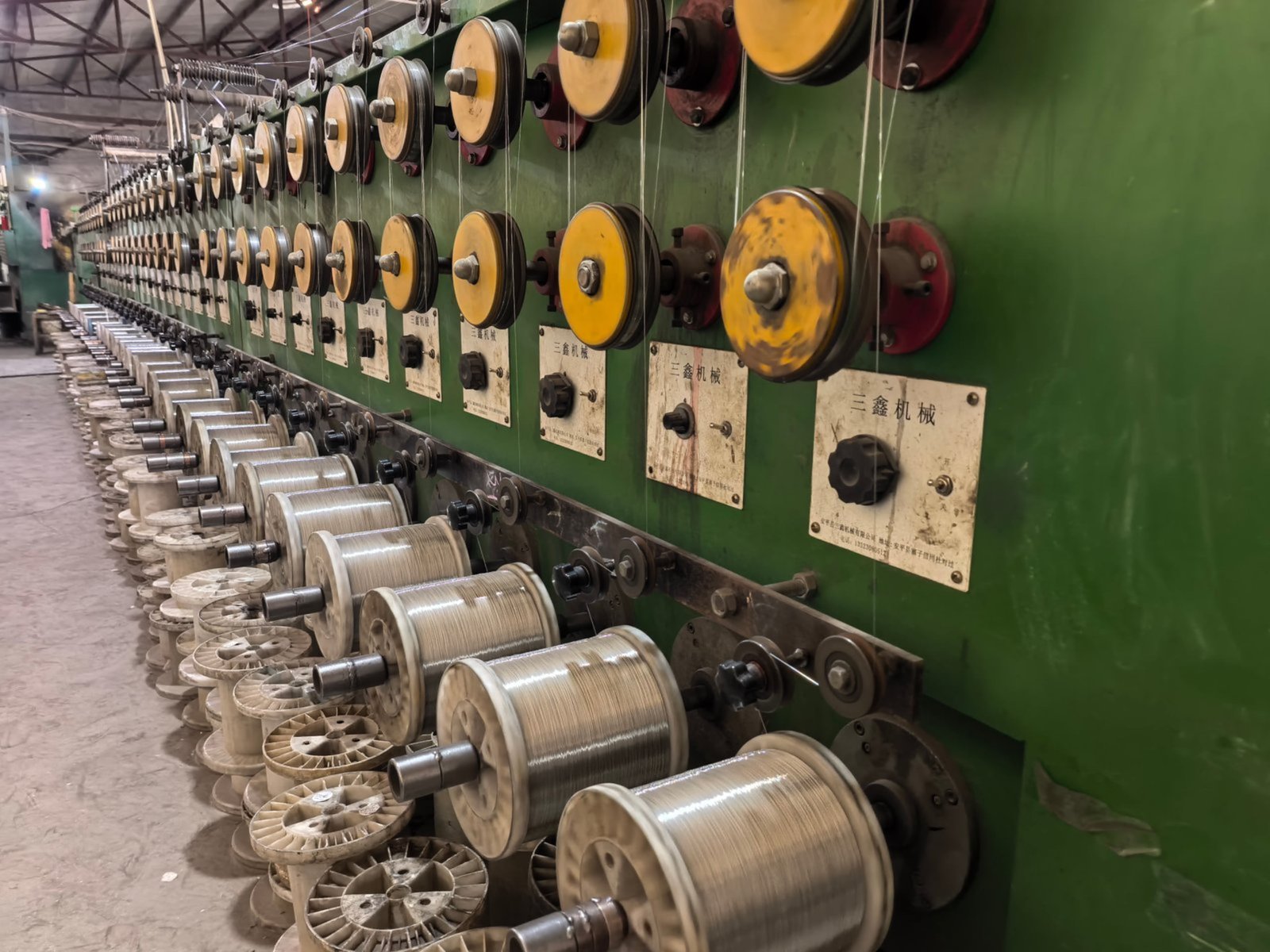
I'll break down what makes this wire so strong. It's not just about the material itself, but how we process it. The key is in the manufacturing process.
The Science of Strength
Our 201 stainless steel wire goes through a process called cold drawing. This process hardens the wire and increases its tensile strength. We control this process very carefully to make sure every meter of wire meets strict standards. For our Middle Eastern client, their main concern was whether the wire could handle the heavy rebar framework. We showed them test reports demonstrating a tensile strength well above the required minimum. They saw that the wire wouldn't just hold; it would secure the rebar grid tightly. This is critical before pouring concrete. This strength prevents any shifting that could weaken the final structure.
Performance Under Load
Let's compare its performance with other common binding materials.
| Material | Typical Tensile Strength | Corrosion Resistance | Cost |
|---|---|---|---|
| 201 SS Wire | ≥450MPa | Good | Moderate |
| Galvanized Iron Wire | ~350MPa | Fair | Low |
| Black Annealed Wire | ~300MPa | Poor | Very Low |
As you can see, 201 stainless steel wire offers a superior balance of strength and durability. This makes it a reliable choice for critical structural applications.
Can 201 Stainless Steel Wire Really Resist Corrosion in Humid Climates?
Tired of seeing rust stains from binding wires bleeding through your concrete? This corrosion not only looks bad but also weakens the binding over time. 201 stainless steel offers effective corrosion resistance for long-term durability.
Yes, 201 stainless steel wire offers good corrosion resistance in many environments, including humid climates. Its chromium and manganese content creates a protective layer that effectively prevents rust in typical civil construction applications, ensuring longevity.
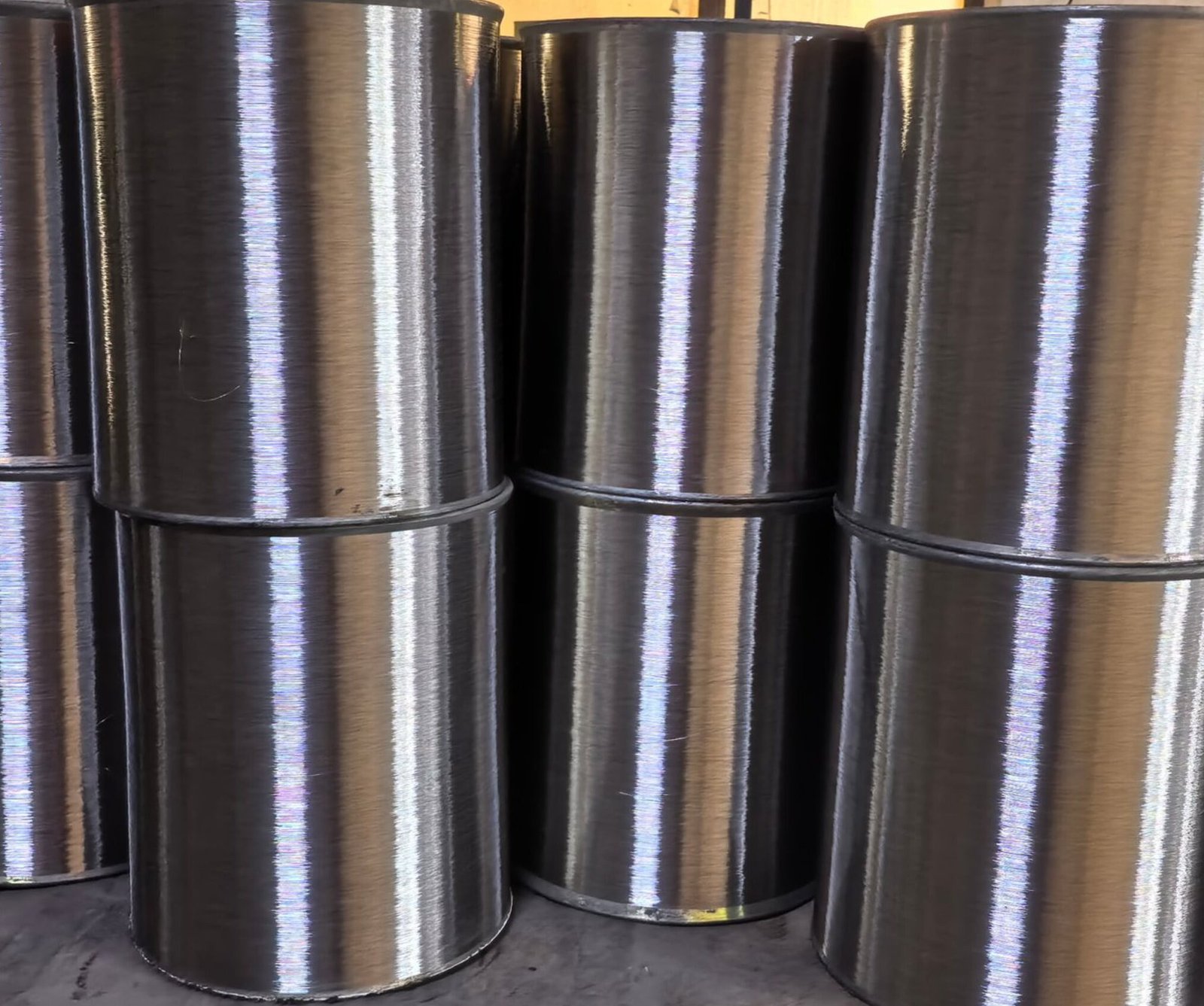
The construction project I mentioned was in the Middle East, where the climate can be surprisingly humid. The client was rightly concerned about long-term rust. Rust isn't just ugly; it's a sign that the wire is weakening.
How It Fights Rust
The secret is in the chemical makeup of 201 stainless steel. It contains chromium, which reacts with oxygen in the air. This forms a thin, invisible layer on the wire's surface. This layer is passive, and it protects the steel underneath from moisture and other corrosive elements. When our client saw the results from our 96-hour salt spray tests, they were convinced. The wire showed minimal to no signs of corrosion. This proved it could stand up to their local weather.
On-Site Proof
During the construction, our technicians saw the wire being used to fasten plumbing and electrical conduits. These are areas where moisture can collect. After the project was completed, the builder reported back months later. He told us there were no signs of rust, even in the most exposed areas. This real-world result confirmed what our lab tests showed. 201 stainless steel wire is a dependable choice for preventing corrosion.
How Versatile is 201 Stainless Steel Wire on a Construction Site?
Do you need to buy multiple types of wire for different tasks? This complicates inventory and increases costs for your construction project. 201 stainless steel wire is a versatile, all-in-one solution for many binding needs.
201 stainless steel wire is extremely versatile on a construction site. Beyond tying rebar, it's used for securing scaffolding, bundling materials, fastening mesh for plastering, and fixing pipes. Its flexibility and strength make it a go-to material for countless tasks.
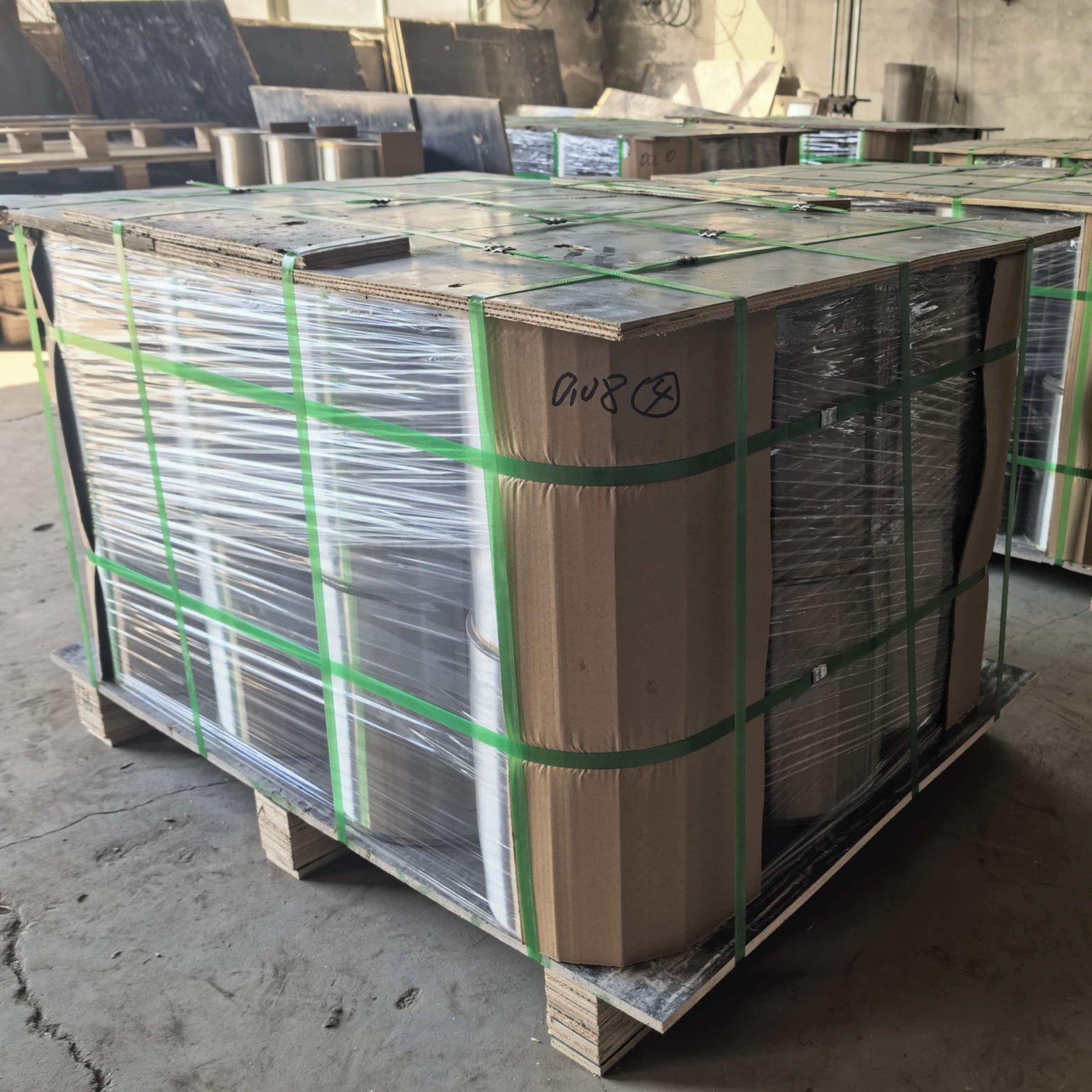
When our team was on-site with the Middle Eastern construction crew, we saw firsthand just how many different jobs this one type of wire could do. It simplified their entire workflow. They didn't need to switch between different spools of wire for different tasks.
A Multi-Purpose Tool
The workers used it for everything. In the morning, they were tying the main steel reinforcement grid. In the afternoon, the same wire was used to secure water pipes against a concrete wall. This prevented any vibration or movement. We even saw them using it to bundle shorter pieces of rebar for easy lifting by crane. This versatility is a huge advantage. It means you can order one product in bulk and know it will cover most of your binding needs.
Key Applications
Here’s a quick list of common uses we observed:
| Application Area | Specific Task | Benefit of 201 SS Wire |
|---|---|---|
| Structural | Tying Rebar Grid | High strength ensures stability |
| Plumbing/HVAC | Securing Pipes & Ducts | Corrosion resistance prevents rust stains |
| General Site | Bundling Materials | Strong and easy to handle |
| Finishing | Fixing Plaster Mesh | Holds mesh flat for a smooth finish |
This ability to perform well in so many different roles makes 201 stainless steel wire a very cost-effective and efficient material for any large-scale construction project.
What Makes 201 Stainless Steel Wire a Cost-Effective Choice for Large Projects?
Are material costs for large projects eating into your profit margins? Choosing cheap, low-quality wire can lead to expensive failures and repairs later. 201 stainless steel wire offers a perfect balance of performance and price.
201 stainless steel wire is cost-effective because it provides the necessary strength and corrosion resistance without the higher price of 304 or 316 grades. Its durability reduces the need for future maintenance, leading to a lower total cost of ownership.
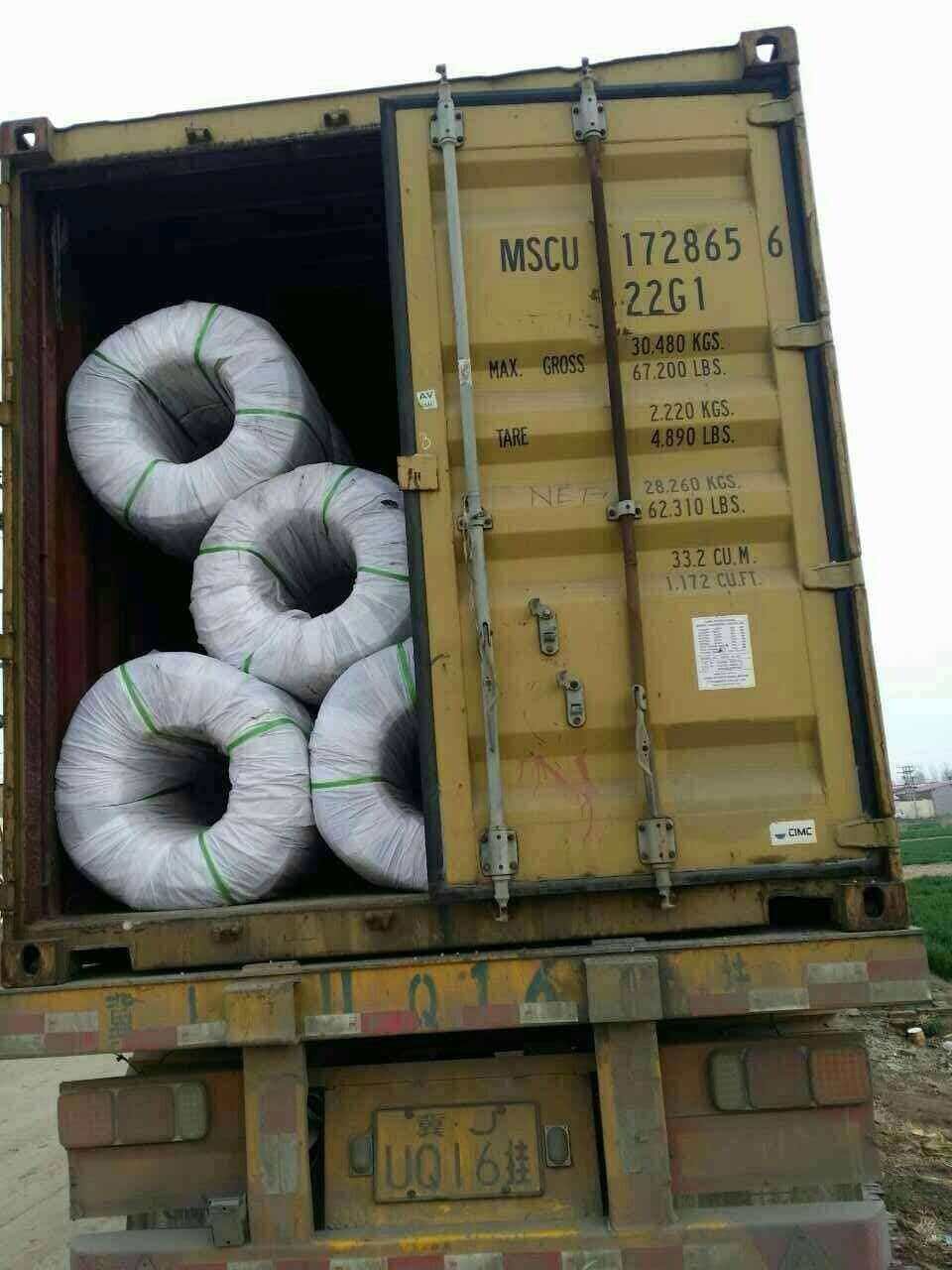
Let's talk about the bottom line. For any large project, budget is king. Our client in the Middle East was managing a massive residential build, and every dollar counted. They initially considered cheaper options like galvanized wire.
Balancing Cost and Quality
We had an honest conversation about the total cost. While galvanized wire has a lower upfront price, it doesn't last. In a few years, it can rust and fail, especially inside a concrete wall. Repairing that is incredibly expensive. 201 stainless steel sits in a sweet spot. It's more affordable than higher grades like 316 but offers significantly better reliability than cheaper alternatives. By choosing 201, our client made a smart investment. They paid a little more upfront to avoid huge potential costs down the road.
Long-Term Value
The real value comes from peace of mind. The builder knew the bindings holding the structure together would not be a weak point. This reliability improves the overall quality of the building and enhances the builder's reputation. When they told us how well the wire performed, it was clear they made the right financial decision. It was an investment in the building's long-term stability.
Conclusion
201 stainless steel wire is a strong, corrosion-resistant, and versatile choice. It provides long-term reliability and great value for any civil construction project.