


When choosing between galvanized and black annealed binding wire for construction projects in Zambia, understanding the differences in corrosion resistance and workability is essential. Those considering galvanized binding wire for Zambia should evaluate their project timeline and exposure conditions before making a decision.
You're standing in a Lusaka hardware shop, staring at two spools of binding wire. One is shiny silver, the other matte black. The black wire feels softer in your hands, and it's $60 cheaper per ton. Your foreman insists black annealed wire is easier to twist. But you've heard stories about rust ruining construction projects during rainy season. Which binding wire should you choose for your Zambian building site?
Here's the truth: galvanized binding wire offers superior rust resistance for Zambia's five-month rainy season, while black annealed wire provides better workability at lower cost for indoor or short-term applications. Your choice depends on exposure conditions, project timeline, and budget constraints. For most outdoor structural work in Zambia, galvanized wire delivers better long-term value despite the higher initial cost.
This isn't just about picking the cheaper option. I've worked with contractors across Lusaka, Ndola, and Kitwe who learned this lesson the hard way. Let me walk you through exactly what makes these two types of binding wire different, and how to make the right choice for your specific project.
What Makes Galvanized Binding Wire Different from Black Annealed Wire?
The confusion between these two wires starts with misunderstanding their manufacturing process. Many Zambian contractors think they're the same base product with different coatings. That's only half the story.
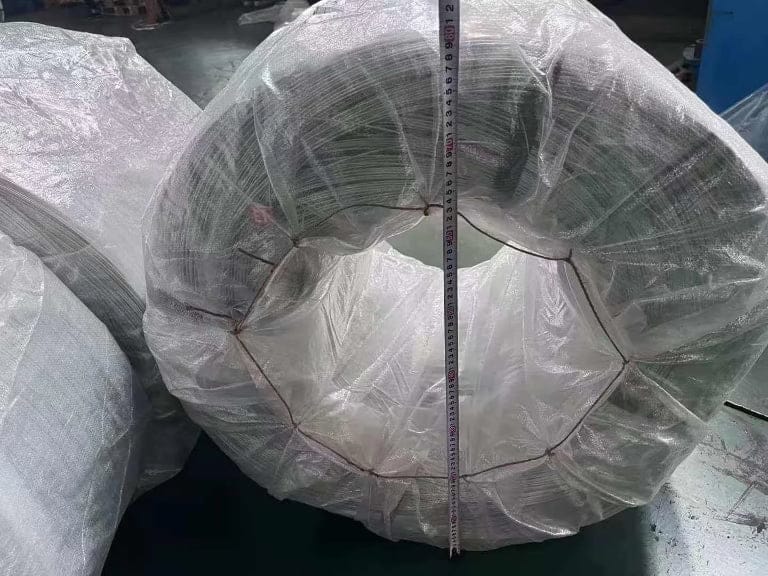
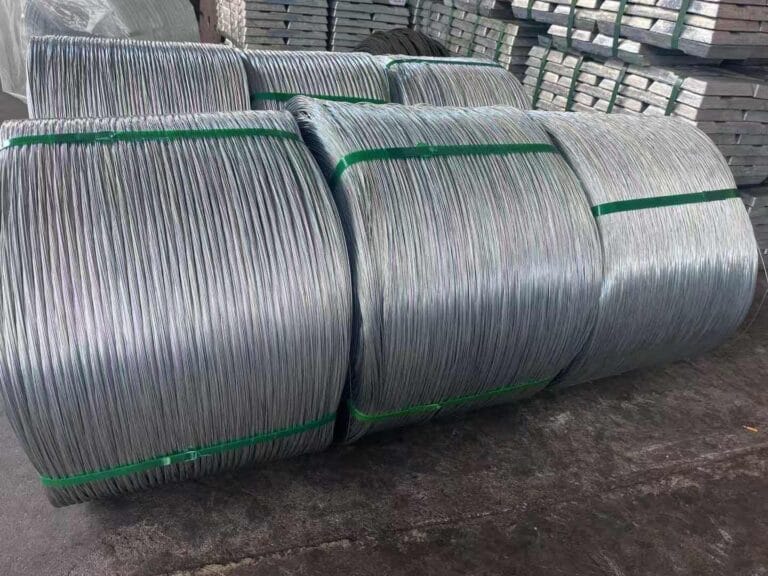
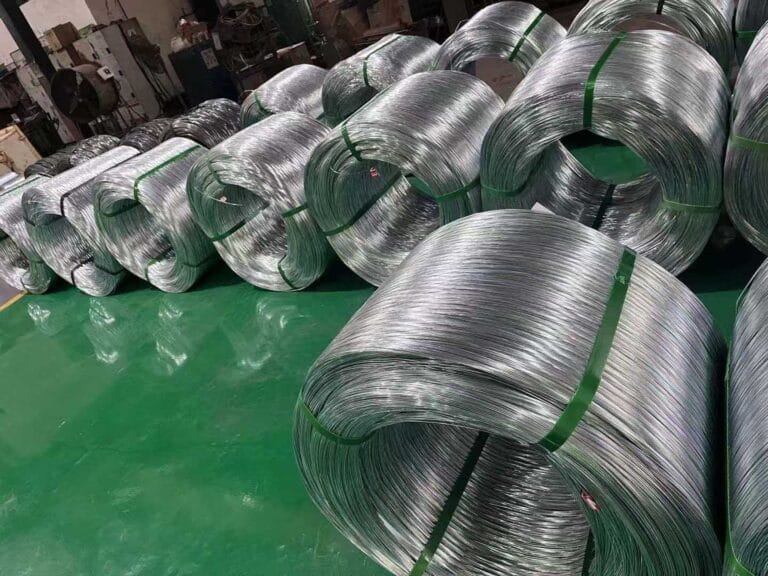
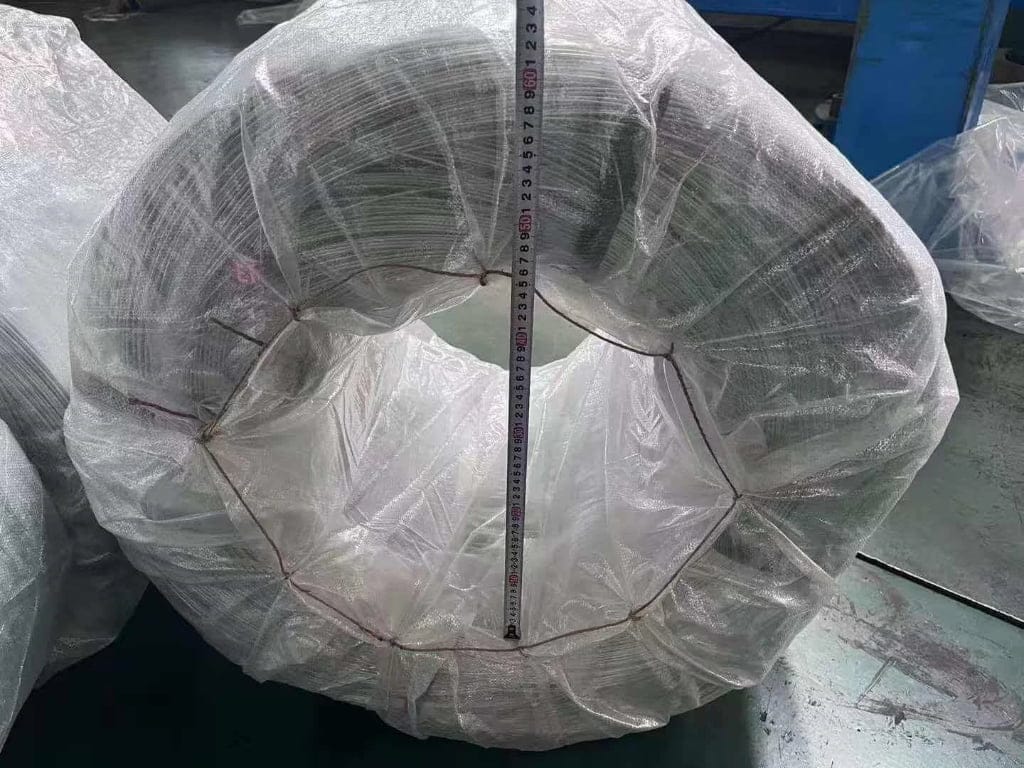
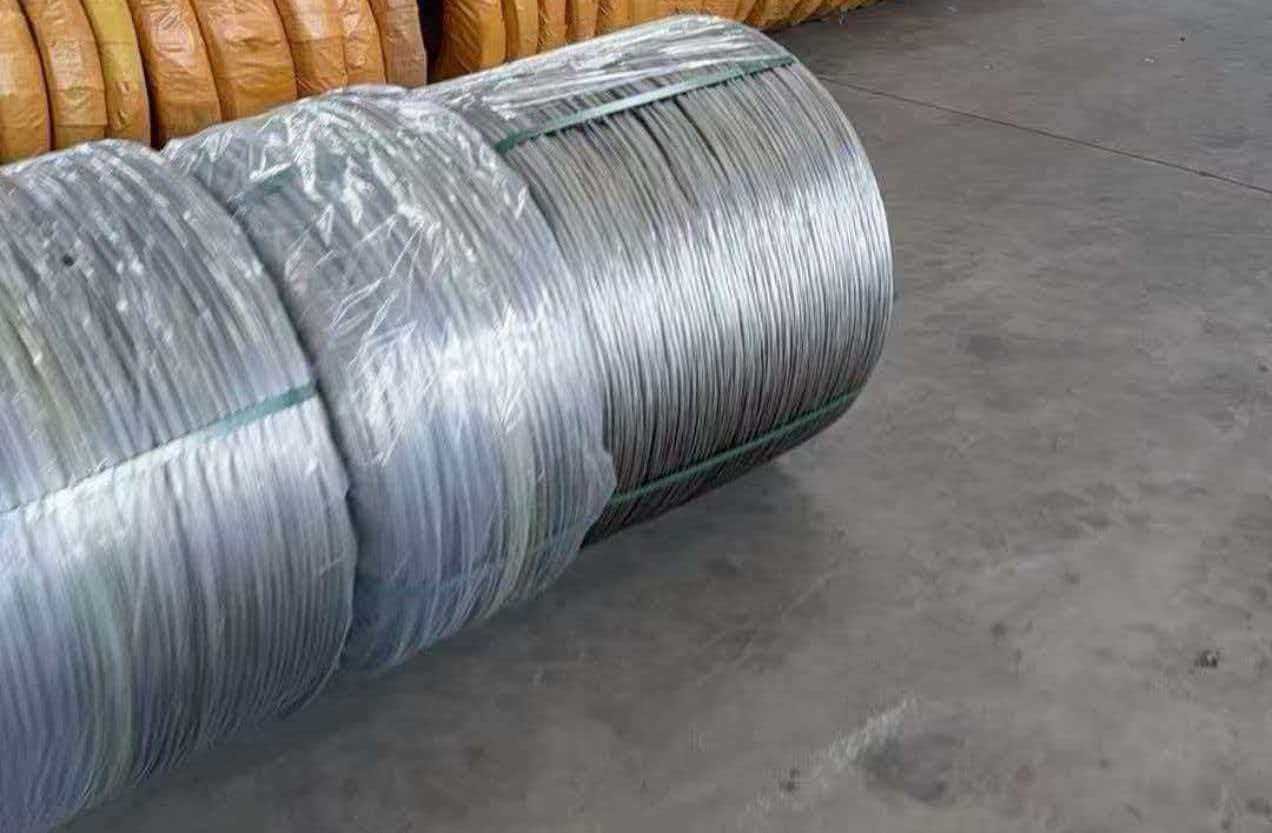
Galvanized binding wire undergoes zinc coating after drawing, creating a protective metallic layer that shields the steel core from moisture and oxygen. Black annealed wire goes through a heat treatment process that softens the metal structure without adding any protective coating, leaving bare steel exposed to the elements.
The Manufacturing Journey: Why They Feel So Different
Let me break down what actually happens in the factory. Both wires start as steel wire rod, typically made from low-carbon steel. But they take completely different paths:
Galvanized binding wire production:
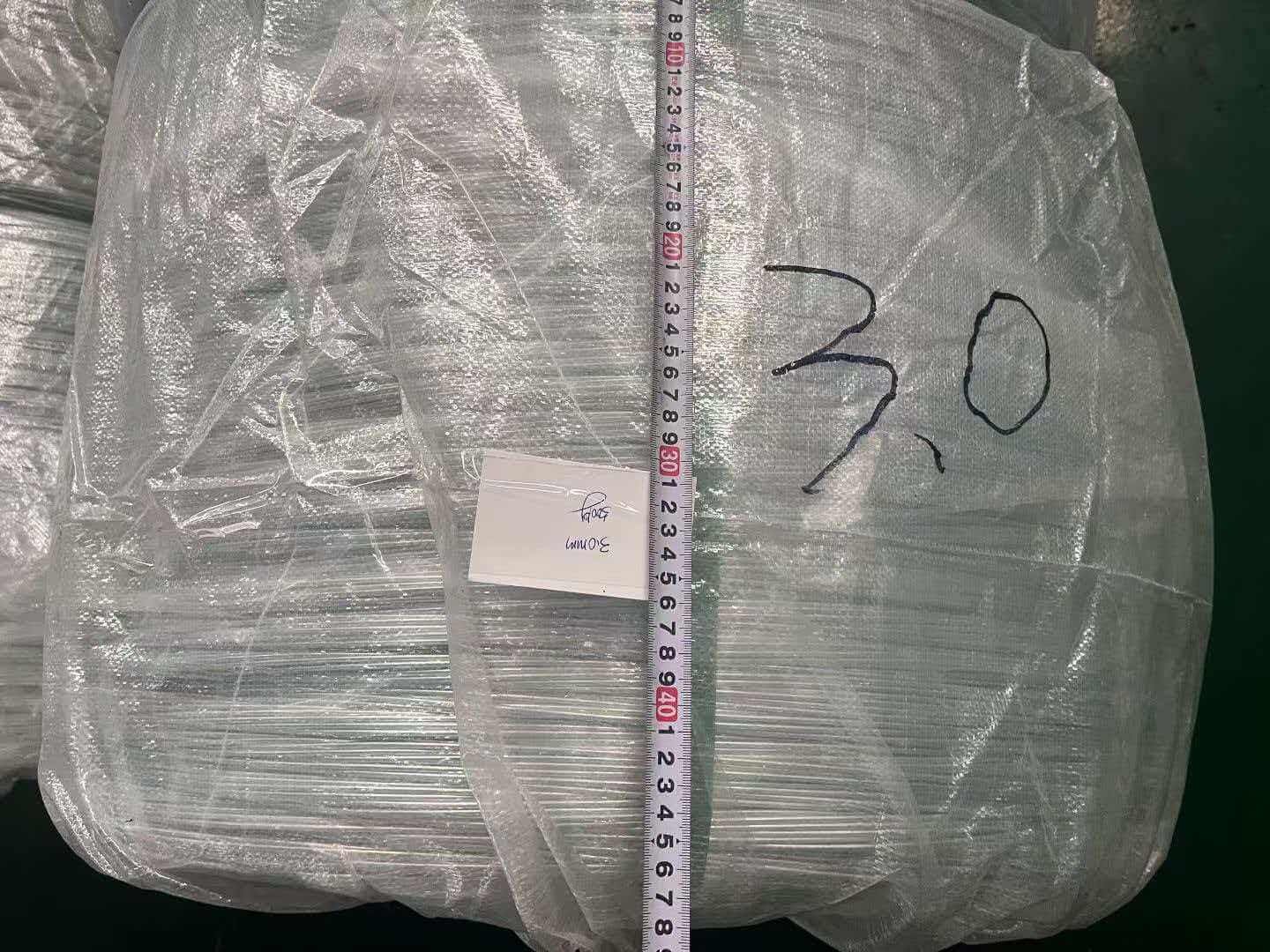
- Steel wire rod gets drawn down to required diameter (typically 0.7mm to 1.6mm for binding applications)
- Wire passes through zinc bath at approximately 450°C
- Zinc atoms bond to steel surface, creating layers of zinc-iron alloy
- Final zinc coating thickness: 20-60 grams per square meter
- Result: harder surface, bright silver appearance, stiff handling
Black annealed wire production:
- Steel wire rod gets drawn to diameter
- Wire enters annealing furnace at 600-750°C in controlled atmosphere
- Heat treatment recrystallizes the metal structure, relieving internal stress
- Controlled cooling makes the wire softer and more ductile
- No protective coating applied
- Result: darker surface (iron oxide forms naturally), soft and flexible handling
I remember visiting our partner factory in Hebei Province last year. The production manager showed me two spools fresh off the line. The galvanized wire literally sparkled under the workshop lights, while the black annealed wire had a dull, charcoal-gray finish. When I tried bending them, the galvanized wire required noticeably more force. The black wire twisted almost like soft aluminum.
This manufacturing difference creates the fundamental trade-off you face on every Zambian construction site: protection versus workability.
Chemical Composition and Surface Protection
Here's what really matters for your project timeline:
| Property | Galvanized Binding Wire | Black Annealed Wire |
|---|---|---|
| Core material | Low-carbon steel (0.05-0.07% carbon) | Low-carbon steel (0.05-0.07% carbon) |
| Surface protection | Zinc coating (99% pure zinc) | None (bare steel with oxide layer) |
| Rust resistance | 6-24 months depending on zinc thickness | Starts rusting within days in humid conditions |
| Tensile strength | 350-550 Megapascals (MPa) | 300-450 MPa |
| Elongation | 8-12% | 15-25% |
| Flexibility | Moderate (requires tools for tight twists) | High (can be twisted by hand) |
The zinc coating on galvanized wire doesn't just sit on the surface. When steel dips into molten zinc, a metallurgical bond forms. The outermost layer is pure zinc, but underneath are zinc-iron alloy layers. This creates a sacrificial barrier—zinc corrodes before the steel does. Even if you scratch the surface, the surrounding zinc continues protecting the exposed steel through electrochemical action.
Black annealed wire has no such protection. The dark color comes from a thin iron oxide layer that forms during cooling. This oxide provides zero corrosion resistance. The moment moisture touches the surface, rust begins spreading.
In August 2025, I had a contractor in Lusaka face exactly this dilemma. He was building a six-story commercial building. Galvanized wire cost him $60 more per ton than black annealed wire. His workers preferred black wire—said it was softer, easier on their hands. The rainy season had just ended, but humidity stayed high.
I asked him: "How long will those wires sit in your storage yard before use?" He said probably two months for the upper floors. I explained that in Lusaka's climate—five months of rain every year—black annealed wire would develop rust spots within weeks. Once rusted wire gets tied into concrete, that corrosion continues inside the structure. It's not a $60 problem; it's a structural integrity problem.
He split his order: black annealed wire for interior dry areas, galvanized wire for all outdoor rebar work. A year later, he called me. The galvanized batch showed zero rust even on the final spools. The black annealed wire? Those last few tons stored through early rainy season developed surface rust as predicted. Now his standard spec calls for galvanized binding wire unless clients specifically request otherwise.
How Does Zambia's Climate Affect Your Binding Wire Choice?
Zambia isn't a uniform climate zone. What works in Livingstone might fail in Mansa. Your binding wire decision needs to account for where you're building and when.
Zambia experiences a tropical climate with distinct wet and dry seasons. The rainy season spans November to April with 800-1400mm annual rainfall depending on region. Relative humidity during rainy season regularly exceeds 70%, creating ideal conditions for steel corrosion. Black annealed wire exposed to these conditions develops visible rust within 10-21 days, while galvanized wire maintains surface integrity for 6-12 months.
Regional Climate Variations Across Zambia
Not all Zambian provinces face the same corrosion risk. Let me show you the numbers:
Northern Region (Kasama, Mansa, Mbala):
- Annual rainfall: 1200-1400mm
- Rainy season: November to April (6 months)
- Average humidity during rainy season: 75-85%
- Corrosion risk: Very High
- Recommendation: Galvanized wire mandatory for any outdoor or semi-exposed applications
Central Region (Lusaka, Kabwe, Mumbwa):
- Annual rainfall: 800-1000mm
- Rainy season: November to March (5 months)
- Average humidity during rainy season: 65-75%
- Corrosion risk: High
- Recommendation: Galvanized wire for outdoor work, black annealed acceptable for interior if used within 4 weeks
Southern Region (Livingstone, Choma, Monze):
- Annual rainfall: 600-800mm
- Rainy season: November to March (4-5 months)
- Average humidity during rainy season: 60-70%
- Corrosion risk: Moderate to High
- Recommendation: Galvanized preferred for outdoor, black annealed acceptable for fast-turnover interior work
Copperbelt (Ndola, Kitwe, Chingola):
- Annual rainfall: 1100-1300mm
- Rainy season: November to April (6 months)
- Average humidity during rainy season: 70-80%
- Additional factor: Industrial pollution accelerates corrosion
- Corrosion risk: Very High
- Recommendation: Galvanized wire strongly recommended for all applications
I worked with a contractor in Ndola who insisted black annealed wire worked fine because he'd used it for years. His projects were mostly residential houses with quick turnover. When he landed a contract for a shopping complex with 8-month construction timeline spanning two rainy seasons, the black annealed wire became a nightmare. Wire stored in his yard turned orange with rust. Wire already tied in outdoor columns showed rust stains bleeding into fresh concrete.
The Storage Factor: When Good Wire Goes Bad
Here's what most contractors underestimate: storage time matters as much as application environment. Even if you're building indoors, your binding wire sits in a storage yard first. In Zambia, that yard is likely:
- Partially covered at best
- Exposed to morning dew even in dry season
- Subject to humidity from nearby vegetation
- Lacking climate control
I've seen this pattern repeatedly:
Week 1-2: Black annealed wire looks fine, maybe slight color darkening
Week 3-4: First rust spots appear on exposed surfaces
Week 5-8: Rust spreads across entire coil surface, especially outer layers
Week 9+: Wire becomes difficult to handle, leaves rust stains on workers' hands, breaks more easily when twisted
Galvanized wire timeline:
Month 1-3: No visible change, maintains silver appearance
Month 4-6: Very slight dulling of zinc surface, no rust
Month 7-9: Minor white corrosion (zinc oxide) may appear in extremely humid storage
Month 10-12: Zinc coating still providing protection, wire remains functional
The cost difference—that $60 per ton—suddenly looks different when you factor in:
- Wire wastage from rust damage
- Labor time cleaning rusty wire
- Concrete staining requiring remediation
- Potential structural concerns if heavily rusted wire used
- Reordering costs for replacement wire
Project Timeline Alignment
Your construction schedule should drive your wire selection. Here's my practical framework:
Use black annealed wire when:
- Project duration: less than 6 weeks from wire delivery to final use
- Season: Dry season (May to October) with covered storage
- Application: Interior work in climate-controlled or protected environment
- Usage: High daily consumption (minimal storage time)
- Budget: Extremely tight with experienced crew that can work fast
Use galvanized wire when:
- Project duration: more than 6 weeks or spanning rainy season
- Season: Any season with outdoor storage or rainy season overlap
- Application: Outdoor structural work, foundations, columns, beams
- Usage: Intermittent or variable consumption requiring longer storage
- Budget: Moderate with preference for reliability over cost
Consider mixed approach when:
- Large project with both interior and exterior work
- Clear separation between dry-area and wet-area applications
- Crew experienced enough to manage two wire types without confusion
- Storage facilities allow segregated climate protection
That Lusaka contractor I mentioned? His mixed approach worked because he could clearly separate applications. Interior wall ties: black annealed wire. Exterior column ties, beam ties, foundation work: galvanized wire. His crew understood the distinction. The cost savings from using cheaper wire where appropriate offset the slight complexity of managing two products.
Which Binding Wire Works Better for Different Construction Applications?
Not every tie point on your construction site faces the same stress or exposure. The rebar cage in your foundation sees different conditions than the wall ties in your fifth-floor apartment. Let's match wire types to actual jobsite scenarios.
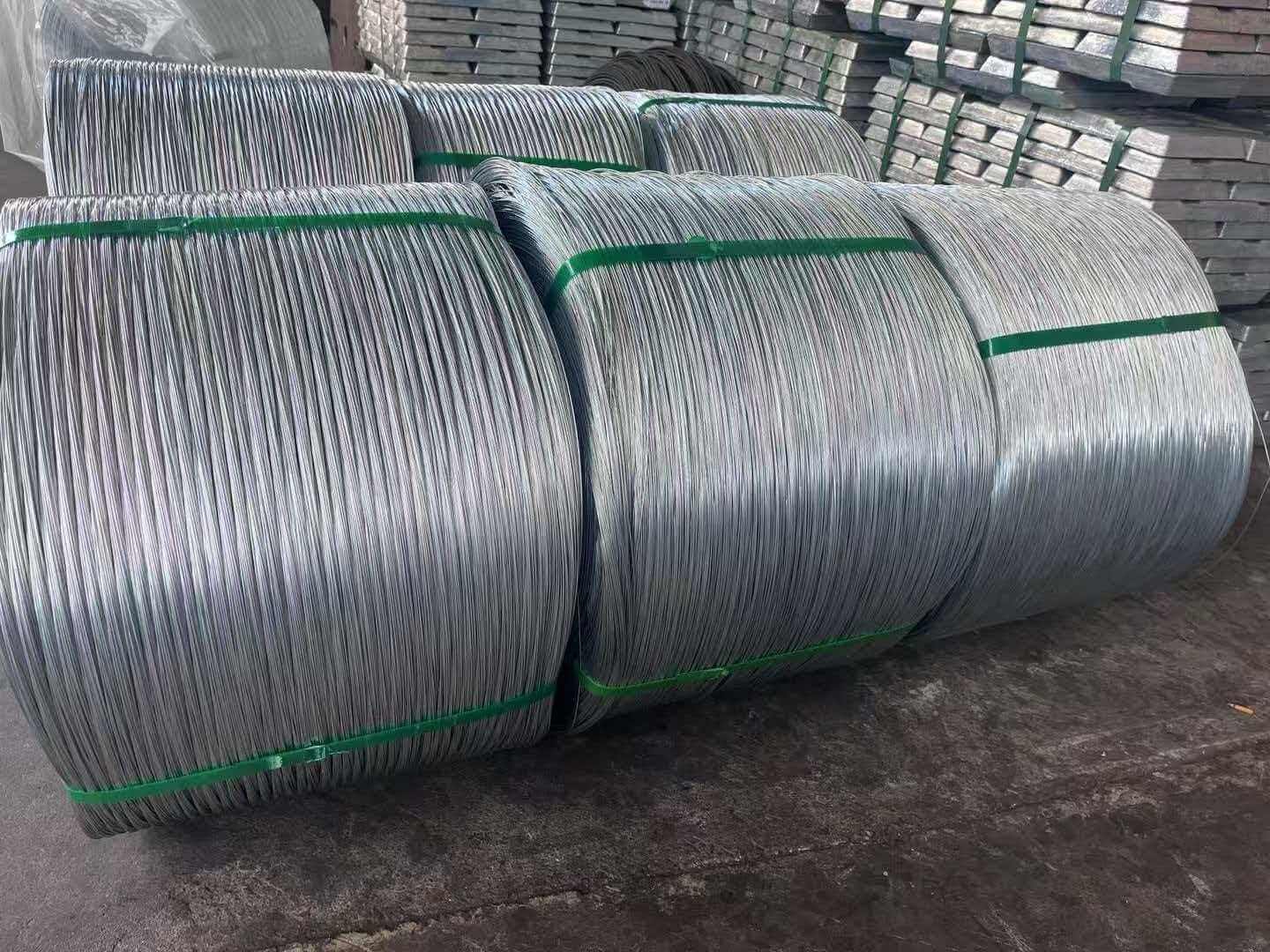
Foundation and below-grade work demands galvanized binding wire due to permanent moisture exposure and concrete chemistry. Structural frame elements (columns and beams) benefit from galvanized wire's superior tensile strength and rust resistance. Interior non-structural ties can use black annealed wire when construction timeline permits quick turnover. Temporary formwork ties work well with black annealed wire in dry season conditions.
Foundation Work: Why Galvanized Wire Is Non-Negotiable
Your foundation sits in the most hostile environment on the entire construction site. Let me explain why skimping on wire quality here creates problems you'll never see until it's too late.
Underground moisture exposure: Zambian soils vary from sandy in the south to clay-heavy in the north. Regardless of soil type, moisture is present year-round below grade. Even during dry season, soil moisture content remains high enough to trigger corrosion on unprotected steel. Clay soils hold more water and create more aggressive corrosion conditions.
Concrete alkalinity factor: Fresh concrete has a pH between 12-13. This high alkalinity initially protects steel through passivation—a thin protective oxide layer forms on the steel surface. However, black annealed wire lacks the zinc barrier. If any section of wire gets exposed to moisture before concrete fully cures (which happens frequently during foundation pours), rust begins immediately. That rust never stops spreading, even after concrete hardens around it.
Foundation-specific challenges in Zambia:
- Groundwater levels rise during rainy season
- Poor site drainage on many plots
- Concrete curing during rainy season introduces excess water
- Foundation excavations often sit partially filled with water before pour
- Workers tie rebar in wet conditions
I spoke with a structural engineer in Kitwe who investigated foundation failure in a three-year-old building. Core samples showed significant rust on binding wire within the concrete. The developer had used black annealed wire to save money. Three years of moisture exposure through hairline cracks and incomplete concrete cover caused the wire to rust completely through in several locations. The rebar cage had lost positional integrity—some bars had shifted up to 20mm from design position.
Foundation wire specifications I recommend:
- Diameter: 1.2mm minimum (provides adequate strength without being too stiff)
- Zinc coating: minimum 40g/m² (thicker coating for longer protection)
- Application: all foundation rebar ties, pile cages, raft foundations, retaining walls
- Cost premium: worth every ngwee for 50+ year design life
Structural Frame: Columns and Beams
Your building's vertical and horizontal structural elements carry loads. The binding wire holds rebar in position during concrete pour. This isn't permanent reinforcement, but positioning matters for structural performance.
Why galvanized wire makes sense here:
Exposure during construction: Column and beam rebar cages often sit exposed for weeks. In Lusaka or Ndola, that means multiple rain showers before concrete pour. Black annealed wire develops rust that stains fresh concrete and weakens the tie points.
Concrete cover requirements: Zambian building codes typically require 25-40mm concrete cover for structural elements. If binding wire rusts and expands (rust occupies 2-3x the volume of steel), it can create pressure on surrounding concrete, causing spalling and cracks. Galvanized wire prevents this rust expansion issue.
Load during pour: Concrete pour creates substantial pressure on rebar cages. Workers often overload buckets or pump too quickly. The binding wire experiences temporary stress. Galvanized wire's higher tensile strength handles this better than softened annealed wire.
Quality assurance: Many Zambian projects require inspection before concrete pour. Inspectors flag visible rust on structural elements. Galvanized wire passes inspection without delays or remediation costs.
I remember a project in Lusaka where the contractor tied all the column cages with black annealed wire on Friday. Heavy rain Saturday night. Monday morning, the entire site looked like someone had splashed orange paint everywhere—rust stains on fresh concrete surfaces below, rust-coated wire on all the cages. The project engineer refused to approve the pour until they either cleaned or replaced the wire. The "savings" from using cheaper wire cost three days of schedule delay and two days of labor to clean rust off hundreds of tie points.
Beam-specific considerations:
- Beam bottom bars often have less concrete cover than top bars
- Moisture from floor slabs above can migrate down
- Beam sides may face exterior exposure
- Longer beam spans mean more rebar, more ties, more rust risk with cheap wire
Slab Work: The Hybrid Opportunity
Floor slabs present an interesting case. The work happens fast, concrete cover is usually adequate, and much of the slab sits interior to the building envelope. This is where a smart contractor can optimize costs.
Interior slabs (appropriate for black annealed wire when):
- Construction speed: slab tied and poured within 1-2 weeks
- Storage: wire delivered shortly before use
- Season: dry season work
- Environment: building envelope already weathertight
- Cover: minimum 25mm cover maintained
Exterior slabs and balconies (require galvanized wire):
- Permanent outdoor exposure
- Thinner concrete cover typical in balconies
- Drainage issues can create standing water
- Temperature fluctuations cause condensation
We provide full MTC (Mill Test Certificate) and Certificate of Origin with every shipment. We offer a full range of construction binding wire for African projects, including galvanized iron wire, black annealed iron wire, and 201 stainless steel wire, with mix container loading supported. If you are sourcing construction binding wire for Zambia or any African market, we are happy to provide a specification-based quotation. Contact us via WhatsApp: +86 15383180672.
FAQ: Galvanized vs. Black Annealed Binding Wire for Zambia
Q1: How long does black annealed binding wire take to rust in Zambia's rainy season?
A1: Black annealed wire develops visible rust within 10-21 days when exposed to Zambia's rainy season conditions (humidity above 70%, temperatures 20-30°C). After 6-8 weeks of outdoor exposure, rust typically covers the entire surface and begins compromising wire integrity. By comparison, properly galvanized wire with 40-60g/m² zinc coating maintains surface integrity for 6-12 months under the same conditions. The difference is even more pronounced in high-humidity areas like the Copperbelt and Northern Province.
Q2: Is black annealed wire ever acceptable for construction in Zambia?
A2: Yes, but with conditions. Black annealed wire works well for interior work where it will be used within 2-4 weeks of delivery, during dry season construction (May-October), and in projects with fast material turnover. It's also suitable for temporary formwork ties and non-structural applications where moisture exposure is minimal. However, for any outdoor structural work, foundation work, or projects spanning multiple months or the rainy season, galvanized wire is strongly recommended.
Q3: What's the actual cost difference between galvanized and black annealed binding wire in Zambia?
A3: Galvanized binding wire typically costs $60-80 more per ton than black annealed wire in the Zambian market. On a typical 20-ton container, this represents a $1,200-1,600 premium. However, this premium is offset by: reduced wire wastage from rust (up to 10% of black annealed wire can become unusable during rainy season storage), lower labor costs (rusty wire is harder to handle and breaks more frequently), eliminated remediation costs for concrete staining, and faster inspection approval. For most structural applications, the total cost of ownership favors galvanized wire.
Q4: How does Zambia's regional climate affect the galvanized vs. black annealed decision?
A4: Zambia's climate varies significantly by region. Northern Province (Kasama, Mansa) and the Copperbelt (Ndola, Kitwe) receive 1100-1400mm annual rainfall with 6-month rainy seasons — galvanized wire is strongly recommended for all applications here. Central Province (Lusaka, Kabwe) receives 800-1000mm rainfall with 5-month rainy seasons — galvanized preferred for outdoor work, black annealed acceptable for interior fast-turnover work. Southern Province (Livingstone, Choma) receives 600-800mm rainfall — black annealed can work for interior dry-season projects, but galvanized remains preferred for all structural work.
Q5: Can I mix galvanized and black annealed wire on the same construction project?
A5: Yes, and this is often the most cost-effective approach for large projects. Use galvanized wire for all below-grade foundation work, exterior columns and beams, balconies, and any rebar that will remain exposed to weather before concrete pour. Use black annealed wire for interior wall ties, interior slab work, and temporary formwork — but only if these areas will be tied and poured within 2-4 weeks. Ensure your crew can clearly distinguish between the two wire types and understand which application requires which product. The cost savings from using black annealed where appropriate can significantly reduce overall material costs without compromising structural integrity.