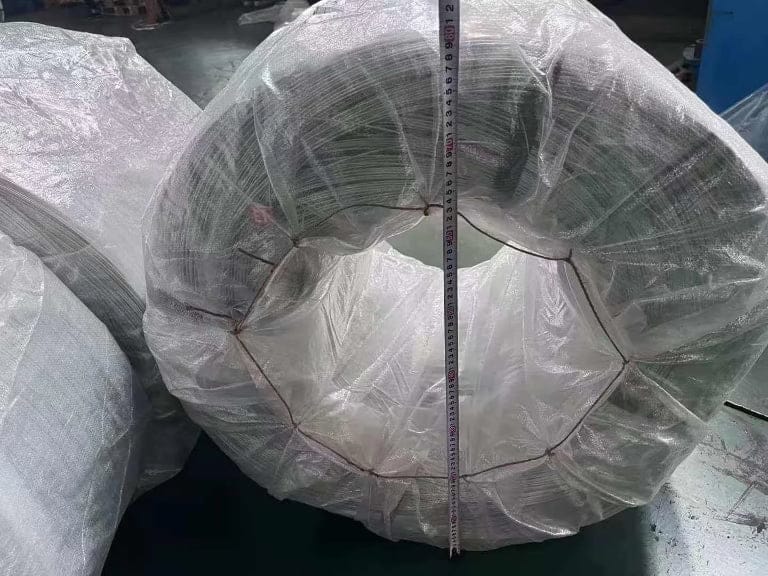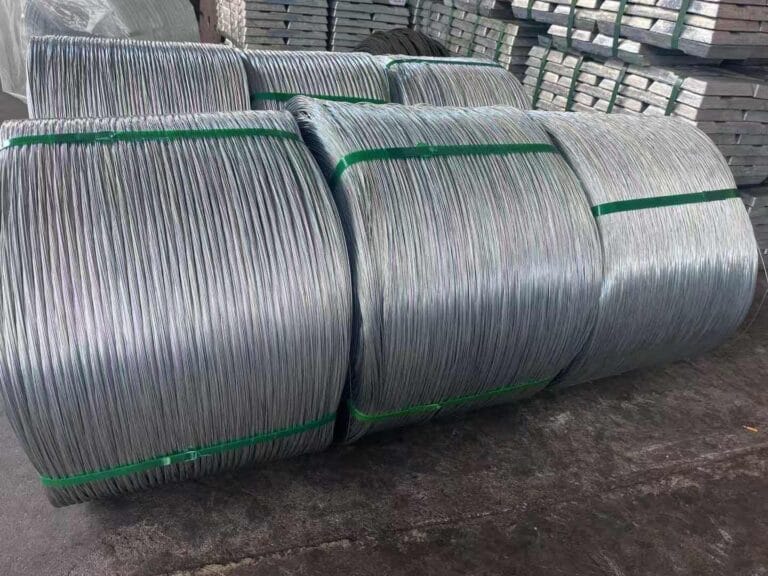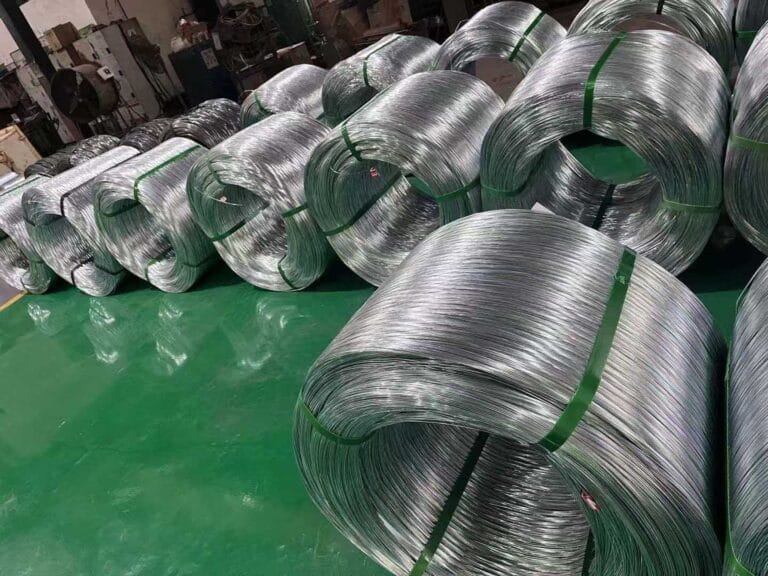



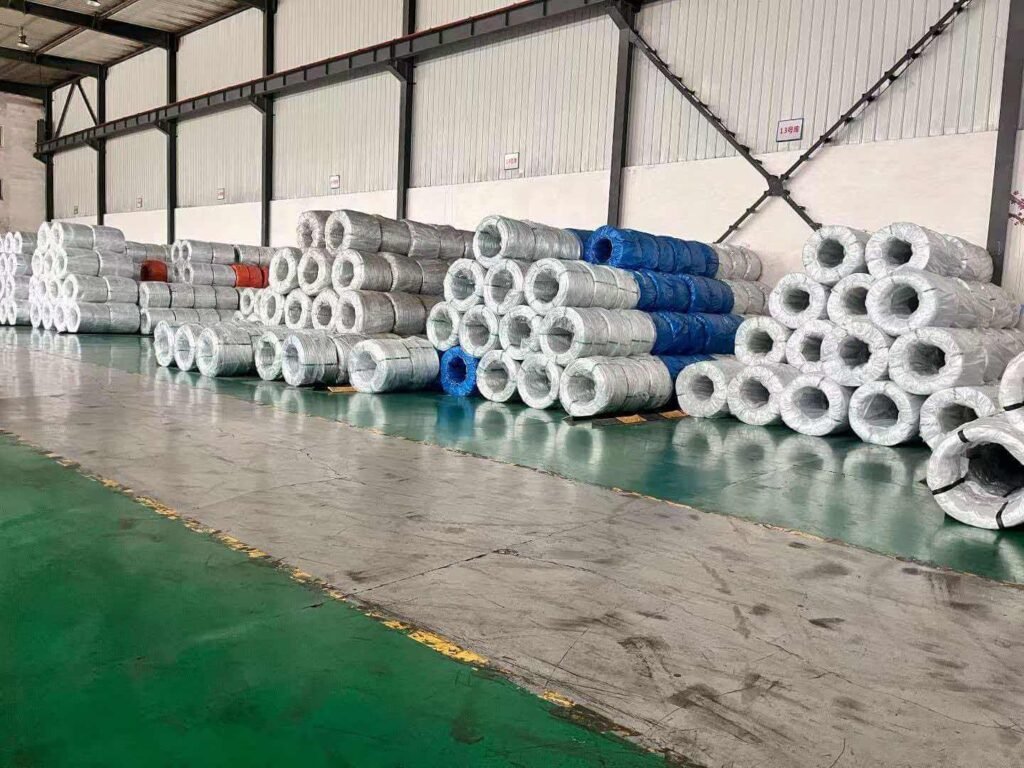
Shipping binding wire to Zambia through Dar es Salaam requires precise document preparation and route planning. Importers looking for reliable galvanized binding wire for Zambia need to understand the full logistics process before shipping.
I'll never forget the panicked WhatsApp message I received from Joseph last October: "Brother, my container is stuck at Dar port for five days already. Customs says documents don't match. What should I do?" After helping dozens of Zambian importers navigate the Dar es Salaam to Lusaka route over the years, I've seen every possible clearance nightmare. The truth is, most delays aren't about regulations — they're about preparation. Let me show you exactly how to avoid the costly mistakes that trap 60% of first-time importers on this route.
The Dar es Salaam to Lusaka corridor is Zambia's most critical import gateway, handling approximately 35% of the country's containerized cargo. Success depends on three critical factors: precise customs documentation alignment between Chinese suppliers and Tanzanian clearance agents, coordinated transit permits across two border posts (Kasumbalesa or Nakonde), and strategic timing of document submission at least 72 hours before vessel arrival. Importers who master this triangular coordination process reduce clearance time from 7-10 days to 48-72 hours, cutting logistics costs by 30-40% compared to amateur approaches.
Most Zambian importers choose the Dar es Salaam route because it offers lower port handling fees than South African alternatives and shorter inland distances compared to Mombasa. But what they don't realize until the first shipment is that the "simple" 1,850-kilometer journey involves four distinct checkpoints where your cargo can get stuck for days. I'm going to walk you through each stage with the exact documents, timing strategies, and insider tactics that separate smooth operators from perpetual problem-solvers.
Why Do Most Zambian Importers Choose Dar es Salaam Port?
Every month I get emails from new importers asking: "Should I ship through Dar, Durban, or Mombasa?" The answer isn't what logistics companies want you to hear.
Dar es Salaam offers Zambian importers three decisive advantages: 25-30% lower total landed costs compared to Durban (factoring in port fees, transit time, and inland freight), fewer bureaucratic clearance layers than Kenya's multi-agency verification system, and established inland trucking networks with competitive rates ranging from $2,200-$2,800 per 40ft container to Lusaka. For construction materials and industrial goods under 25 tons, Dar consistently outperforms alternative routes on both speed and cost.
The Real Cost Breakdown Nobody Shows You
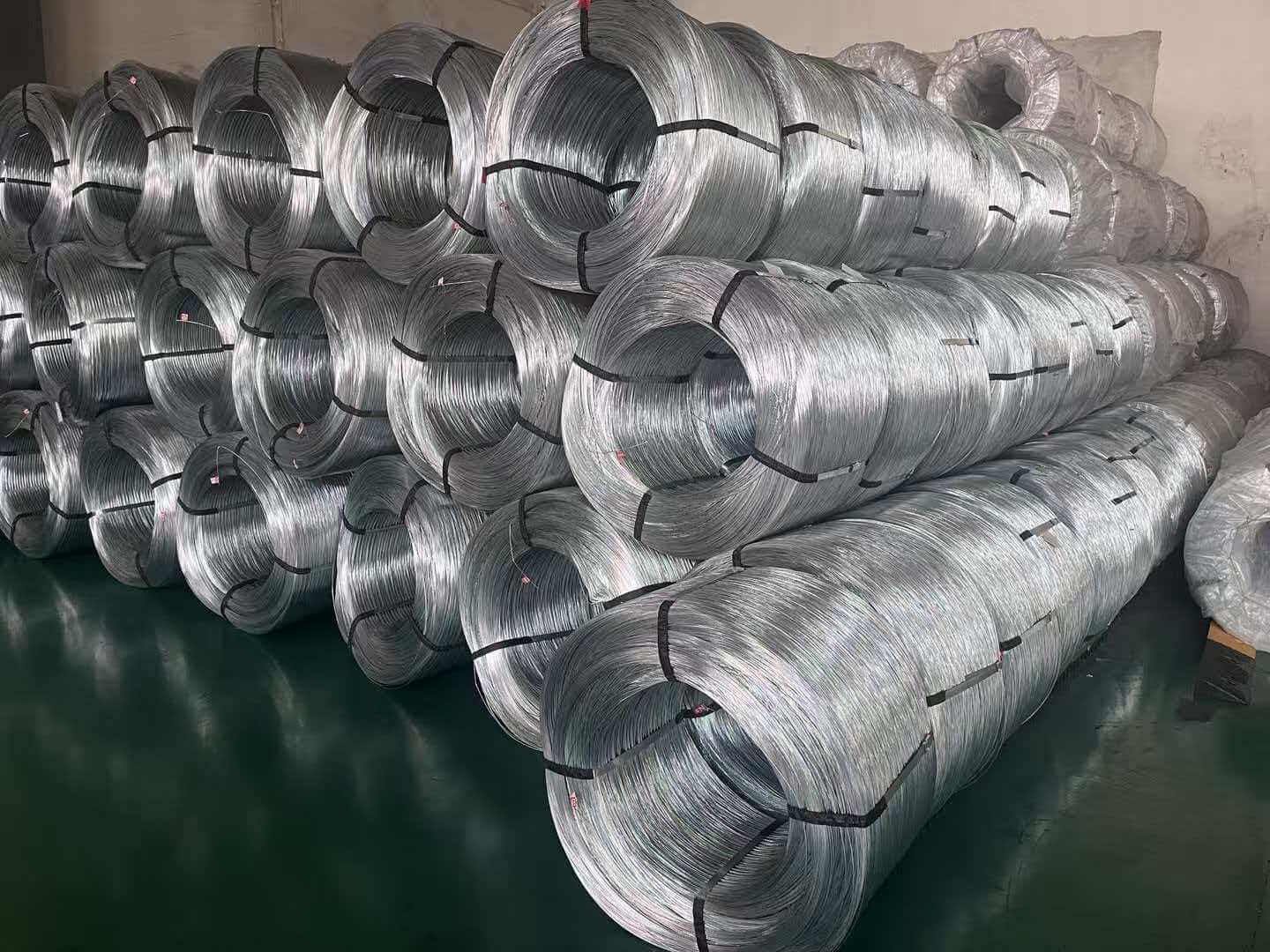
Let me break down actual numbers from a client's October 2024 shipment — 20 tons of galvanized binding wire in a 40ft container:
| Cost Item | Dar es Salaam Route | Durban Route | Mombasa Route |
|---|---|---|---|
| Sea Freight (Tianjin to Port) | $1,850 | $2,100 | $1,950 |
| Port Handling Fees | $320 | $580 | $450 |
| Customs Clearance | $280 | $420 | $380 |
| Inland Transport to Lusaka | $2,500 | $3,200 | $2,900 |
| Border Processing Fees | $150 | $180 | $220 |
| Transit Insurance | $180 | $240 | $210 |
| Total Landed Cost | $5,280 | $6,720 | $6,110 |
The $1,440 difference between Dar and Durban might not sound huge, but multiply that across 12 shipments per year and you're talking about saving $17,280 — enough to cover three additional containers of inventory.
Transit Time Reality Check
Port-to-warehouse transit time matters more than most importers realize. Here's what actually happens on the ground:
Dar es Salaam to Lusaka: 5-7 days total (2-3 days port clearance + 3-4 days road transit)
Durban to Lusaka: 10-14 days total (4-5 days port clearance + 6-9 days road transit through Zimbabwe)
Mombasa to Lusaka: 8-12 days total (3-4 days port clearance + 5-8 days transit through Uganda or Tanzania)
When you're importing construction materials for an active project site, every extra week of transit time means potential demurrage charges, project delays, and angry contractors. Last March, one of my clients saved his entire project timeline by switching from Durban to Dar — the five-day difference meant his materials arrived exactly when the foundation work finished.
The Single Landlord Clearance Advantage
Here's something logistics brokers won't tell you: Tanzania operates a Single Window System for customs clearance called TANCIS (Tanzania Customs Integrated System). This means:
- One digital platform for all clearance documents
- Real-time status tracking from vessel arrival to cargo release
- Integrated payment processing for duties and taxes
- Automated risk profiling that speeds up low-risk cargo
Compare this to South Africa's multi-agency clearance process where you might need separate approvals from SARS (revenue service), SABS (standards bureau), and DAFF (agriculture department) depending on your cargo type. Each additional agency adds 1-2 days to your clearance timeline.
Kenya's system is similar to Tanzania's in theory, but their mandatory Pre-Export Verification of Conformity (PVoC) adds an extra layer of complexity and cost for Chinese suppliers. Tanzania has no such requirement for most construction materials.
What Documents Do You Need for Smooth Customs Clearance?
This is where 80% of first-time importers fail. Let me tell you about Joseph's nightmare that I mentioned earlier.
Successful Dar es Salaam clearance requires perfect alignment across seven core documents: Bill of Lading (B/L) with exact cargo descriptions, Commercial Invoice with Harmonized System (HS) codes matching customs declarations, Packing List detailing individual package weights and dimensions, Certificate of Origin (Form E for China-Tanzania preferential duty), Mill Test Certificate (MTC) for metal products, Insurance Certificate covering Cost, Insurance, and Freight (CIF) value plus 10%, and Import Declaration Form (IDF) pre-filed through TANCIS at least 72 hours before vessel arrival. Any mismatch between these documents triggers manual inspection and 3-7 day delays.

The Document Verification Checklist I Give Every Client
After helping importers fix hundreds of clearance issues, I created this verification protocol. Go through it before your supplier ships:
Commercial Invoice Must Include:
- Exact HS Code for your product (for binding wire: 7217.10.90)
- Product description matching Bill of Lading exactly
- Unit price, quantity, and total FOB/CIF value
- Incoterms clearly stated (CIF Dar es Salaam)
- Supplier's full company name, address, and contact
- Your full company name and Lusaka address
- Bank details for both parties
Critical mistake to avoid: Never let your Chinese supplier use vague descriptions like "wire products" or "metal materials." Tanzanian customs wants specific terminology: "Galvanized Iron Wire, 3.0mm diameter, for construction binding purpose."
Bill of Lading Verification Points:
- Consignee name exactly matching your business registration
- Port of discharge: "Dar es Salaam, Tanzania"
- Marks and numbers matching packing list
- Gross weight matching invoice (customs cross-checks these)
- No "Freight Collect" unless you've arranged with forwarder
I once saw a container delayed five days because the B/L said "Joseph Trading Ltd" but the invoice said "J. Trading Limited" — technically the same company, but customs systems flagged it as a discrepancy requiring manual review.
Certificate of Origin Requirements:
Tanzania offers preferential duty rates under the China-Tanzania Trade Agreement for qualifying products. Your Chinese supplier should apply for Form E Certificate of Origin through their local CCPIT office.
For binding wire, this can reduce your import duty from 25% to 10% — a massive saving on a $15,000 shipment (saving $2,250 in duty alone).
Requirements for Form E:
- Goods must be manufactured in China (not imported and re-exported)
- At least 40% value-added content from China
- Certificate issued within 30 days of shipment
- Original certificate sent via courier, copy attached to invoice
The Material Test Certificate (MTC) Nobody Tells You About
For metal products like binding wire, steel mesh, or angle iron, Zambian construction sites increasingly require Material Test Certificates from the manufacturer. While Tanzania customs might not ask for this, having it ready prevents three problems:
- Tanzanian random inspections sometimes request material specs for metal goods
- Your Lusaka customers will ask for it before accepting delivery
- Future disputes become easier to resolve with documented specifications
A proper MTC should include:
- Chemical composition (carbon, manganese, silicon content)
- Mechanical properties (tensile strength, elongation rate)
- Manufacturing batch number
- Factory quality control manager's signature and stamp
My factory provides this automatically with every shipment. If your supplier hesitates or says "we don't usually provide this," find a different supplier. It's a red flag they're sourcing from traders rather than manufacturing directly.
The 72-Hour Pre-Filing Rule That Saves 3-5 Days
Here's an insider technique that separates professional importers from amateurs: pre-file your Import Declaration Form through TANCIS before the vessel arrives.
Most importers wait until they receive the original Bill of Lading (which arrives 3-5 days after the vessel) before starting clearance. Smart importers use the "telex release" method:
- Ask your Chinese supplier to request "telex release" from the shipping line
- Get scanned copies of B/L, invoice, packing list emailed immediately upon vessel departure
- Send these to your Dar es Salaam clearing agent within 48 hours
- Agent pre-files IDF in TANCIS system while vessel is sailing
- When vessel arrives, your cargo is already in the customs queue
This technique has saved my clients an average of 3.5 days clearance time. On high-volume routes like Tianjin to Dar (28-30 day voyage), you have plenty of time to organize this.
Insurance Certificate Compliance Details
Tanzania customs requires the insurance certificate to show CIF value + 10% coverage. Many Chinese suppliers provide basic insurance at CIF value only, which technically doesn't meet requirements.
When requesting the insurance certificate from your supplier, specify:
- Coverage amount: [Your cargo value] × 1.10
- Coverage scope: "All risks" (not just "WPA" - With Particular Average)
- Beneficiary: Your company name matching invoice
- Clause reference: Institute Cargo Clauses (A) 2009 version
One more detail: if your supplier ships "FOB" terms, you need to arrange insurance separately. Most Zambian importers prefer CIF terms to avoid this complication, even if it costs slightly more upfront.
How Long Does Customs Clearance Actually Take at Dar es Salaam?
Let me be direct: if someone promises you 24-hour clearance, they're either lying or inexperienced. Real-world timelines depend on preparation quality, not magic connections.
Standard customs clearance at Dar es Salaam port takes 48-72 hours for properly documented cargo with pre-filed declarations, 5-7 days for shipments with minor document discrepancies requiring amendments, or 10-14 days for problematic cases involving physical inspection mandates, valuation disputes, or missing certificates. The key variable isn't customs efficiency — it's your documentation accuracy and advance preparation.
Hour-by-Hour Breakdown of Optimal Clearance Process
Let me walk you through what happens when everything goes right (based on a client's September 2024 shipment that cleared in 52 hours):
Day 1 - Vessel Arrival (Hour 0-24)
- Hour 0: Vessel berths at Dar es Salaam port
- Hour 2-4: Port authority issues "Notice of Arrival" to clearing agent
- Hour 6-8: Agent lodges Import Declaration Form (IDF) in TANCIS if not pre-filed
- Hour 10-12: TANCIS system performs automated risk assessment
- Hour 14-16: Customs assigns duty assessment based on HS code and declared value
- Hour 18-20: Agent pays assessed duties and taxes via TANCIS online payment
- Hour 22-24: System generates "Release Order" for low-risk cargo
Day 2 - Documentation Verification (Hour 24-48)
- Hour 26-28: Port authority verifies Release Order against cargo manifest
- Hour 30-32: Agent presents physical documents to customs examination office
- Hour 34-38: Customs officer stamps documents (if no issues flagged)
- Hour 40-44: Port authority issues "Cargo Release Note"
- Hour 46-48: Agent arranges container lifting and gate-out procedures
Day 3 - Physical Release (Hour 48-72)
- Hour 50-56: Container moved from vessel to customs examination area
- Hour 58-64: Final gate-out inspection (seal verification, container condition check)
- Hour 66-72: Truck picks up container, begins transit to Zambia border
That's the ideal scenario with pre-filed documents and zero discrepancies. Now let me show you what adds delays:
Common Delay Triggers and Time Penalties
| Issue Type | Additional Time | How to Prevent |
|---|---|---|
| HS Code Mismatch (invoice vs. declaration) | +3-5 days | Verify HS code with agent before shipment |
| Valuation Query (price significantly below market) | +5-7 days | Provide comparable pricing evidence upfront |
| Missing Certificate of Origin | +7-10 days | DHL original certificate in parallel with sea shipment |
| Physical Inspection Mandate (random or risk-triggered) | +2-4 days | Accurate product descriptions reduce risk profiling |
| Wrong Consignee Details (name mismatch) | +4-6 days | Triple-check all company names match exactly |
| Insurance Value Shortfall | +2-3 days | Confirm CIF+10% coverage before vessel departure |
The most expensive delay I've seen was a 21-day clearance nightmare caused by the supplier declaring a $12,000 shipment as "$8,000 to save duty." Customs flagged it for valuation review, demanded proof of actual transaction value, and imposed penalties. The importer paid $2,400 in demurrage charges plus the corrected duty amount.
Lesson: Never, ever undervalue your cargo. Tanzania customs has sophisticated databases showing typical market prices for thousands of products. If your declared value is 20% below normal range, you're triggering automatic review.
The Physical Inspection Reality
About 15-20% of containers get selected for physical inspection at Dar port, either randomly or due to risk profiling. If your container is selected, here's what happens:
- Customs officer opens container at examination shed
- Officer counts packages and verifies against packing list
- Officer inspects sample items for compliance with description
- Officer measures/weighs samples to verify invoice accuracy
- Officer takes photos for file documentation
- Officer prepares examination report
This process adds 2-4 days and costs an additional $150-250 in examination fees. You can't avoid random selection, but you can reduce risk-based selection by:
- Declaring accurate HS codes
- Providing clear, specific product descriptions
- Including all required certificates with initial submission
- Using established clearing agents with good compliance history
One of my long-term clients has shipped 47 containers through Dar and only been inspected twice — both times random. His secret? Obsessive documentation accuracy and the same reliable clearing agent for three years.
Which Border Crossing Is Faster: Nakonde or Tunduma?
Most Zambian importers assume all border posts are equally painful. They're wrong. Border selection can save or waste two full days of transit time.
For Lusaka-bound cargo, the Nakonde/Tunduma border post offers 30-40% faster processing than Kasumbalesa, with average transit time of 4-6 hours for trucks with complete paperwork versus 8-12 hours at Kasumbalesa's congested checkpoints. The Nakonde route also provides better road conditions on the Zambian side, reducing wear on trucks and speeding up delivery times.
Nakonde vs. Kasumbalesa Comparison
| Factor | Nakonde/Tunduma | Kasumbalesa |
|---|---|---|
| Border Crossing Time | 4-6 hours | 8-12 hours |
| Road Condition (TZ side) | Good | Moderate |
| Road Condition (ZM side) | Good | Fair |
| Distance to Lusaka | 920 km | 980 km |
| Common Cargo Type | General cargo, construction materials | Copper exports, heavy industrial |
| Truck Congestion | Moderate | Heavy |
| Weekend Processing | Limited | Very limited |
We use Nakonde for all our binding wire shipments unless the client specifically requests otherwise. The extra 60 km distance is more than offset by faster border processing and better roads.
We provide full MTC (Mill Test Certificate) and Certificate of Origin with every shipment. We offer a full range of construction binding wire for African projects, including galvanized iron wire, black annealed iron wire, and 201 stainless steel wire, with mix container loading supported. If you are sourcing construction binding wire for Zambia or any African market, we are happy to provide a specification-based quotation. Contact us via WhatsApp: +86 15383180672.
FAQ: Dar es Salaam to Lusaka Shipping and Customs
Q1: What documents do I need to ship binding wire from China through Dar es Salaam to Zambia?
A1: You need seven core documents: Bill of Lading with exact cargo descriptions, Commercial Invoice with correct HS code (7217.10.90), Packing List detailing weights and dimensions, Certificate of Origin (Form E for preferential duty), Mill Test Certificate for metal products, Insurance Certificate covering CIF+10%, and Import Declaration Form pre-filed through TANCIS at least 72 hours before vessel arrival. Any mismatch between these documents triggers manual inspection and 3-7 day delays.
Q2: How long does customs clearance take at Dar es Salaam port for binding wire?
A2: Properly documented shipments with pre-filed declarations clear in 48-72 hours. Shipments with minor document discrepancies require 5-7 days. Problematic cases involving physical inspection mandates, valuation disputes, or missing certificates can take 10-14 days. The key variable isn't customs efficiency — it's your documentation accuracy and advance preparation.
Q3: What are the total logistics costs for shipping binding wire from Dar es Salaam to Lusaka?
A3: Complete logistics costs for a 20-ton container (40ft) typically range from $2,200-$2,800 for inland trucking, plus $320 port handling fees, $280 customs clearance, $150 border processing, and $180 transit insurance. Total Dar es Salaam to Lusaka logistics costs average $3,200-$3,800 per container for a 20-ton load of binding wire.
Q4: Which border crossing should I use for binding wire shipments to Lusaka?
A4: Nakonde/Tunduma border post offers 30-40% faster processing than Kasumbalesa, with average transit time of 4-6 hours versus 8-12 hours. The Nakonde route also provides better road conditions on the Zambian side. We recommend Nakonde for all general cargo and construction material shipments to Lusaka, while Kasumbalesa is better suited for copper exports and heavy industrial cargo.