

Building in Ethiopia is expensive. High import taxes and logistics costs make budgets tight. A smart material choice can save your project from these pressures.
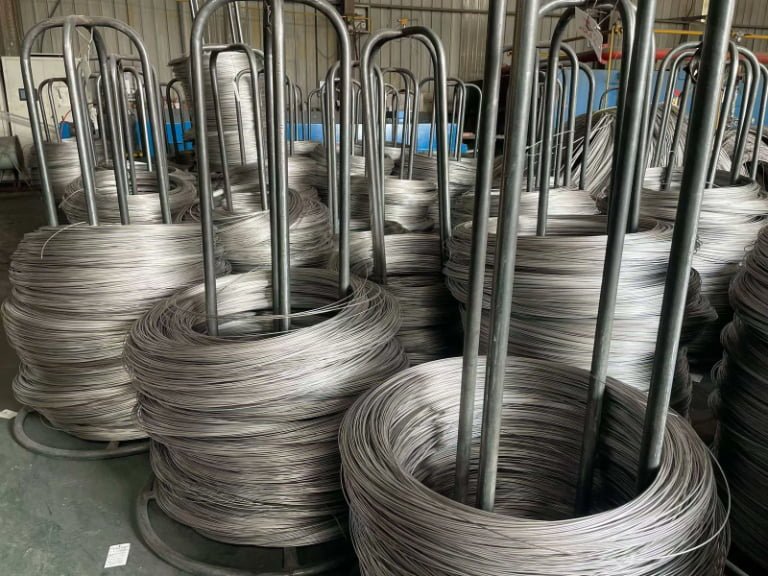
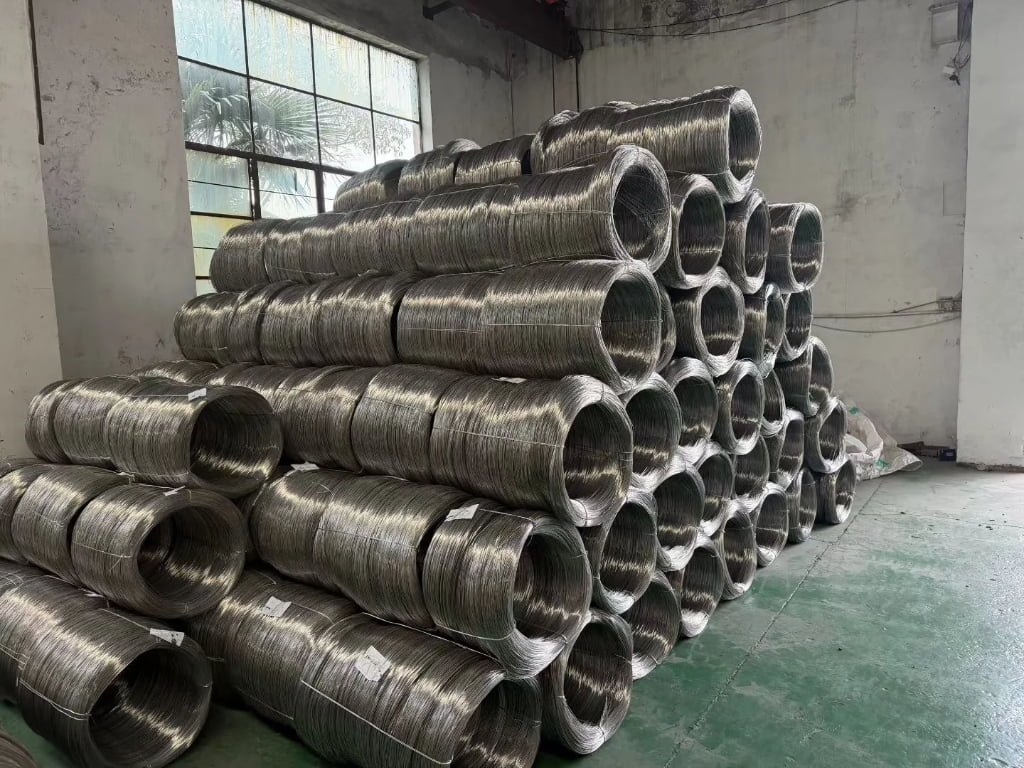
201 stainless steel wire is the best choice for Ethiopia. It has the right strength and corrosion resistance for the local dry climate. Most importantly, its low cost helps balance high import taxes and makes big projects affordable.
Last week, I got a call from a contractor in Addis Ababa. He was working on the city's massive expansion and needed a lot of fencing material. His story shows a common problem in fast-growing markets. And it shows how the right advice can lead to a great solution. This experience really highlights the challenges and opportunities in places like Ethiopia.
How can you support high-growth infrastructure with cost-effective stainless steel solutions?
Fast urban growth needs strong, reliable materials. But your budget is tight and the best materials seem too expensive. Smart material selection is the only way forward.
You can support infrastructure growth by choosing materials like 201 stainless steel wire. It has the strength you need for fencing and reinforcement. And its lower cost compared to 304 or 316 grade steel makes your project possible without sacrificing quality.
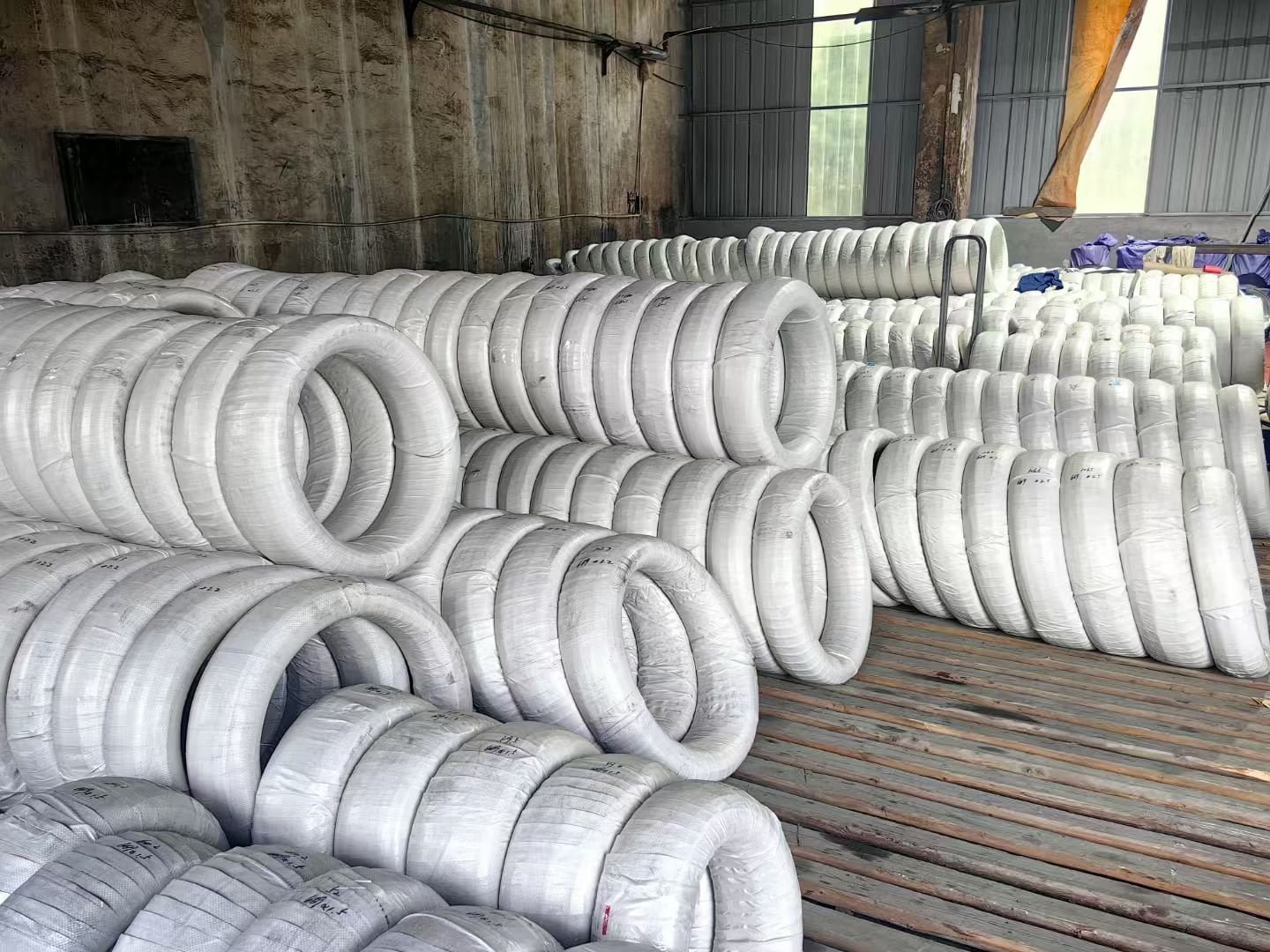
The contractor from Addis Ababa was facing a big challenge. He told me, "I need thousands of meters of mesh for new city barriers. But Ethiopia is a landlocked country. Shipping is already very costly. Then, the government adds import taxes on top of that. My budget is stretched thin. I need a material that is strong, but I can't afford the most expensive options." This is a story I hear all the time from project managers in developing nations. They are stuck between needing quality infrastructure and dealing with the reality of tight finances.
Understanding the Local Context: Climate and Cost
I immediately thought of our 201 stainless steel wire. When selecting a material, you have to look at the local environment. Addis Ababa has a relatively dry, inland climate. It doesn't have the salty, humid air of a coastal city. This means you don't need the extreme, and expensive, corrosion resistance of marine-grade 316 steel. The good corrosion resistance of 201 stainless steel is more than enough.
Why 201 Stainless Steel is the Right Fit
What 201 steel does have is very high tensile strength. This makes it perfect for applications like municipal fencing and security barriers. The real game-changer, however, is the price. The cost savings on the material itself are significant. For this contractor, those savings could directly cancel out a large portion of his import tax and logistics burden. It made his project financially possible.
Material Properties Comparison
To make it clear for him, I broke it down in a simple table.
| Feature | 201 Stainless Steel | 304 Stainless Steel | 316 Stainless Steel |
|---|---|---|---|
| Cost | Low | Medium | High |
| Corrosion Resistance | Good (for dry climates) | Very Good | Excellent (for marine/chemical) |
| Tensile Strength | High | Good | Good |
| Best Use in Ethiopia | Fencing, Reinforcement | Over-specified, costly | Unnecessary, very costly |
This comparison showed him that choosing 201 wasn't a compromise on quality. It was a strategic decision based on his specific needs and environment.
What makes a supplier reliable for large-scale international projects?
Choosing a supplier from overseas feels like a big risk. You worry about getting bad quality or late deliveries. A true partner shows you clear signs of trust.
A reliable supplier understands your project's needs. They offer custom options and have proof of their quality, like ISO 9001 certification. They also make communication and shipping easy. This turns a simple purchase into a real partnership for success.
After I explained the benefits of 201 steel, the contractor asked the next logical question: "That sounds good, but why should I trust your factory to deliver?" It's a fair question that I'm always happy to answer. Sourcing from a new supplier thousands of miles away requires a leap of faith. That faith has to be built on a foundation of trust and proven capability.
Beyond Price: The Value of Experience
I told him about my family's business, Anping XF Wire Mesh. We have been manufacturing wire and mesh products for over 25 years. This isn't just a job for us; it's our family's legacy. We aren’t just traders. We are a factory. We are an OEM/ODM partner for major global brands, so we are experts at meeting very specific project requirements. Our experience means we've seen almost every type of project and can anticipate problems before they happen.
Our Commitment to Quality and Customization
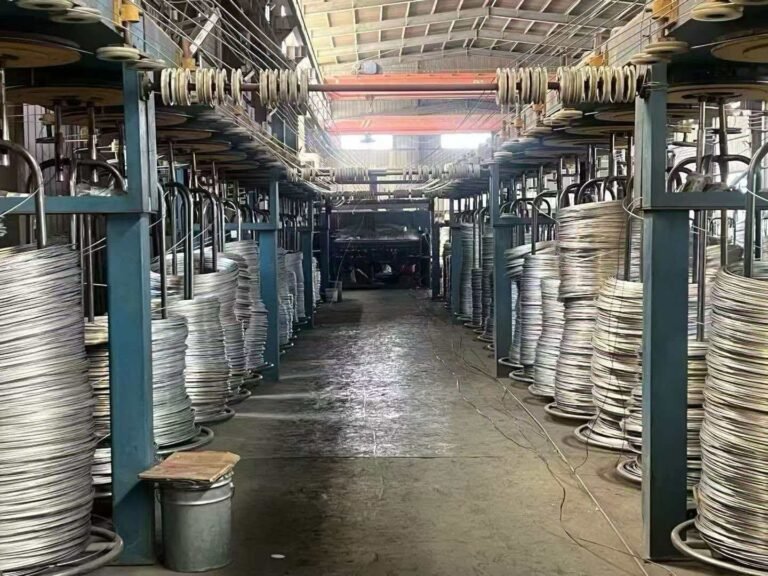
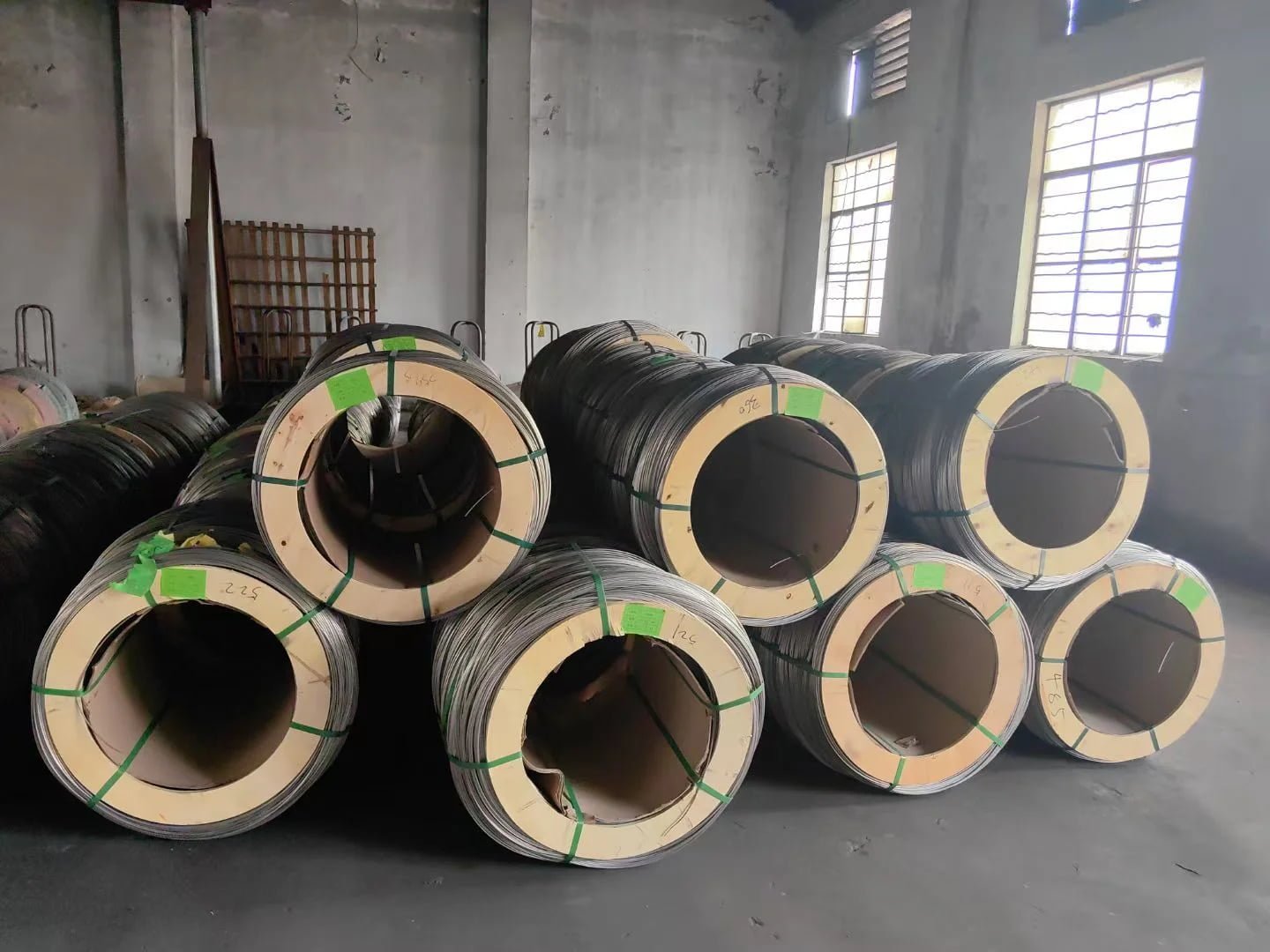
I explained our process. From the moment we receive raw materials, we test them for chemical composition and mechanical properties. Our 10 automated production lines are each supervised by a QC expert with over eight years of experience. This ensures every single meter of wire meets our strict standards, like a diameter tolerance of just ±0.01mm. This commitment is why we hold ISO 9001, CE, and other international certifications. For his fencing project, we could provide the exact wire diameter, tensile strength, and coil weight he needed, not just what we had in stock.
From Consultation to Container: A Seamless Process
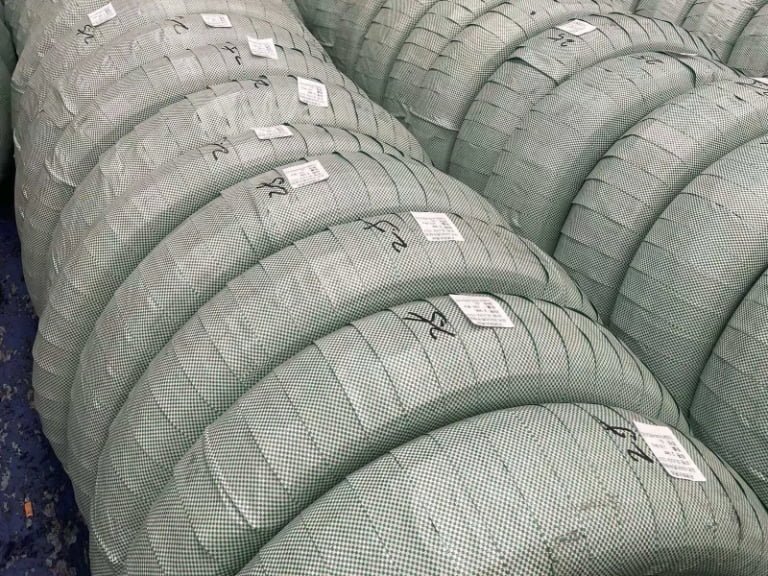
The final piece of the puzzle was our service. We provided detailed technical sheets and test reports. We confirmed we could produce a sample within days for his approval. He was pleased that we understood the entire process, from production to moisture-proof packaging for the long journey to a landlocked country. He felt confident in our ability to deliver. He decided to start with a trial order of one container. We are now preparing that shipment for its journey to help build the new Addis Ababa.
Conclusion
The Addis Ababa story shows a simple truth. The right material, like 201 stainless steel, and a reliable supplier make any large-scale construction project possible, even with tough budgets.
FAQ
Q: Why is 201 stainless steel wire preferred for infrastructure in Ethiopia? A: Given Ethiopia's inland climate, 201 wire offers sufficient corrosion resistance and high tensile strength at a much lower cost than 304, making it ideal for large-scale urban expansion.
Q: Does Ethiopia provide tax exemptions for Chinese building materials? A: While China implements zero-tariff exports, Ethiopia still levies import taxes on stainless steel wire and other construction materials according to local regulations.
Q: How does the durability of 201 wire compare in dry inland environments? A: In inland areas like Addis Ababa, 201 stainless steel wire performs excellently, maintaining structural integrity for years without the premium price of 304 or 316.