


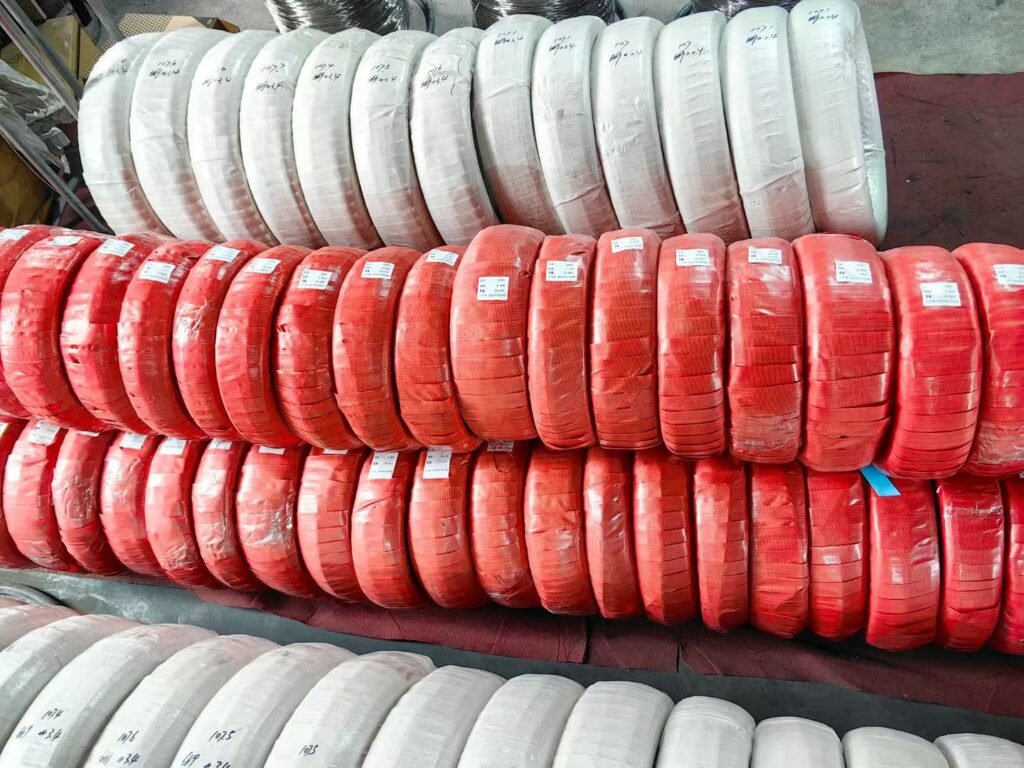
Struggling with tight budgets for your infrastructure project? High costs for materials like 304 steel can be a major headache. But there's a smarter, more cost-effective solution available.
For many African infrastructure projects, 201 stainless steel wire offers the perfect balance of performance and cost. It provides sufficient strength and corrosion resistance for dry, inland environments while being significantly cheaper than 304, saving huge amounts on large-scale purchases.
That's the short answer. But I know that as a project manager or procurement director, you need more than just a quick summary. You need hard data and real-world examples. Recently, new clients from Ethiopia and Tanzania have been asking me the same thing: "If 304 is so well-known, why are you strongly recommending 201 for our 2026 projects?" Let's break down the reasons why choosing the right material is more important than choosing the most famous one.
How Can You Balance High Performance and Budget in Emerging Markets?
Need materials that perform well without breaking your budget? Rising costs and import tariffs make every choice critical. Let's look at how to pick the perfect material for the job.
The key is "suitability." For dry or inland African regions, 201 stainless steel offers enough corrosion resistance and strength for applications like fencing or structural ties. This avoids over-engineering with expensive 304 steel, directly optimizing your budget without sacrificing necessary performance.
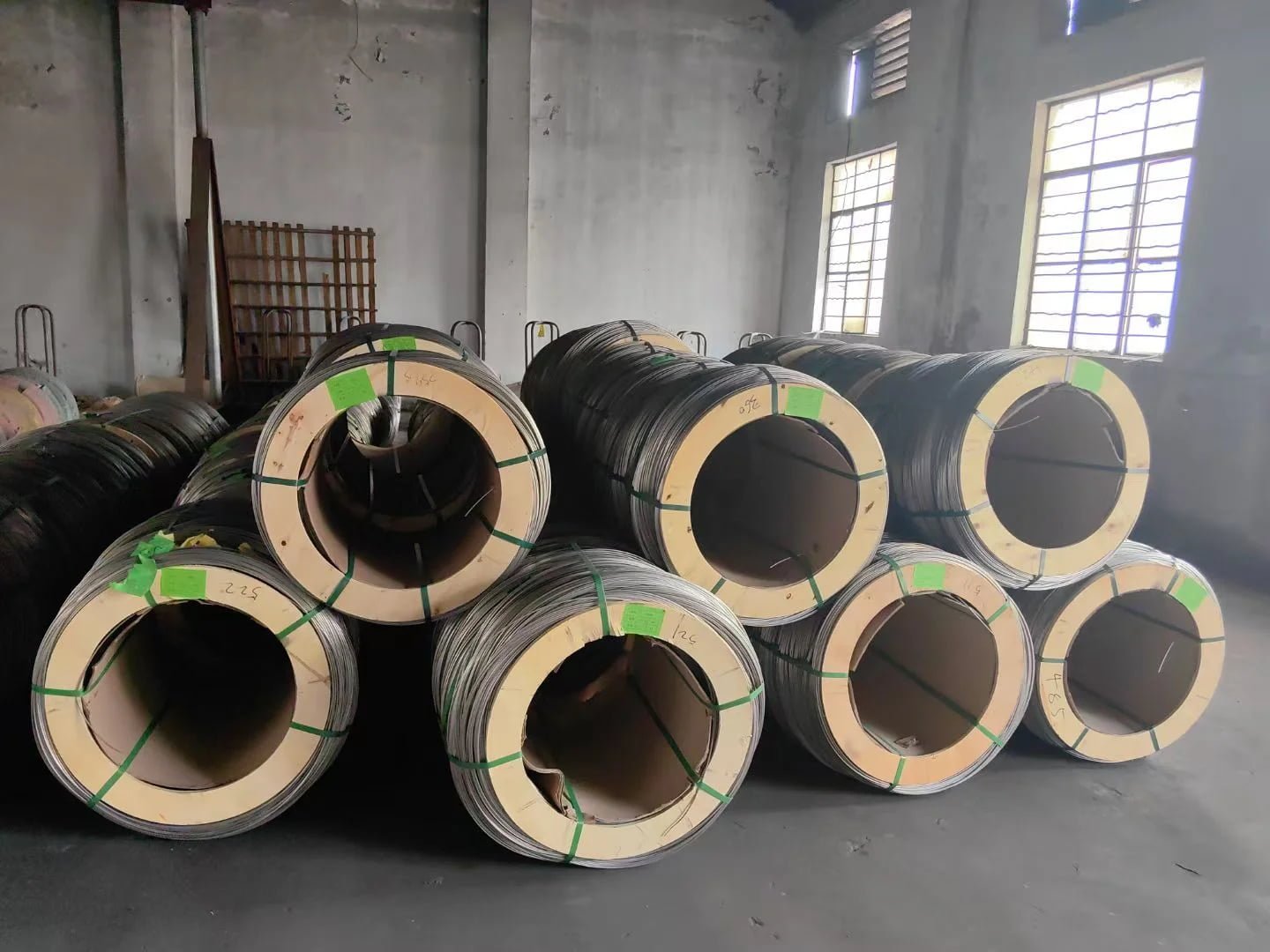
As someone whose family has been in this business for over 25 years, my answer is always about finding the right fit for the specific job. In many emerging markets across Africa, governments and contractors face a tough challenge. They need to build durable infrastructure, but import tariffs on building materials can add a huge cost to large projects. This makes smart budget control a top priority. While 304 stainless steel is famous for its incredible corrosion resistance, it's often an unnecessary expense for projects in dry, inland regions. You're paying for a level of performance you don't actually need.
201 vs. 304: A Practical Cost-Benefit Analysis
The 201 grade provides excellent tensile strength and good resistance to atmospheric corrosion. For applications like road barriers, gabion mesh for soil retention, or general-purpose binding wire, it's more than strong enough. This is especially true in environments that aren't near the coast or subject to heavy, corrosive industrial pollution.
Let me share a real story to make this clear. I was working with a procurement director for a large infrastructure company in Nigeria. His project involved installing hundreds of kilometers of road fencing. Initially, he specified 304 wire. After discussing the project's location and service life requirements, I suggested he consider our factory-tested 201 wire. He was hesitant, but the numbers were convincing. For his multi-ton order, switching from 304 to 201 reduced his initial material cost by nearly 30%. That saving allowed him to allocate more funds to other critical parts of the project. His fences are still projected to meet the required 10+ year service life with no issues. This is a perfect example of choosing what's right, not just what's most expensive.
Here's a simple breakdown to guide your decision:
| Feature | 201 Stainless Steel | 304 Stainless Steel |
|---|---|---|
| Unit Cost | More Affordable (saves ~20-30%) | Higher Price |
| Corrosion Resistance | Good: Ideal for inland, dry climates | Excellent: Necessary for coastal, humid, or corrosive areas |
| Tensile Strength | High (meets infrastructure standards) | High (often exceeds standard needs) |
| Common Use Cases | Road fencing, gabion mesh, structural ties | Marine hardware, chemical plants, food processing |
We don't just push products. We provide hard data and real-world results so you can make the most cost-effective choice for your project.
What Guarantees the Quality and Lifespan of 201 Stainless Steel Wire?
Worried that a more affordable steel might fail you? Material failure is a huge risk, leading to costly repairs. Let's explore the quality assurances that guarantee long-term performance.
Reputable manufacturers guarantee 201 steel quality through rigorous testing. This includes checking chemical composition, meeting tensile strength standards (≥450MPa), and passing salt spray tests. With proper manufacturing and quality control, 201 wire delivers reliable performance for its intended applications.
This is a very important question, and one I take seriously. As a second-generation factory owner and a mother, I know that trust and reliability are everything. "Cost-effective" should never mean "low quality." A material failure not only costs money to fix but can also damage a company's hard-earned reputation. That's why at our ISO 9001 certified facility, every spool of 201 stainless steel wire undergoes a multi-stage quality control process that we've perfected over 25 years.
From Raw Material to Reliable Product
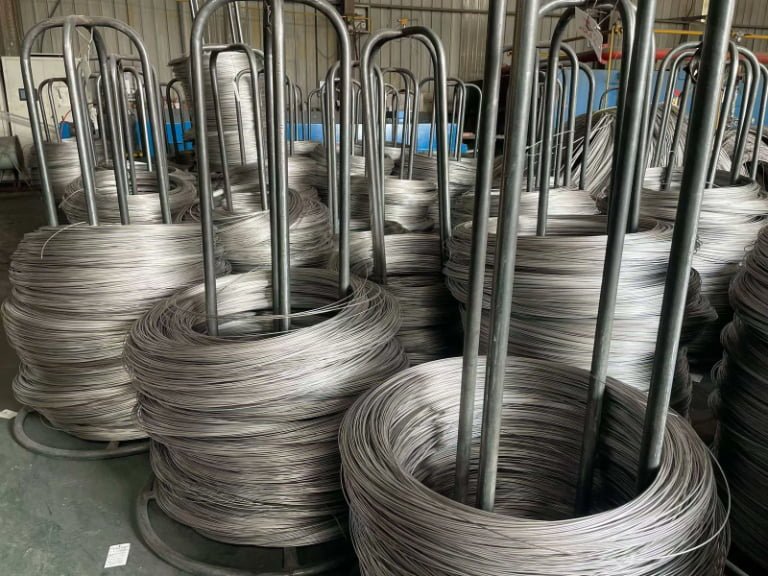
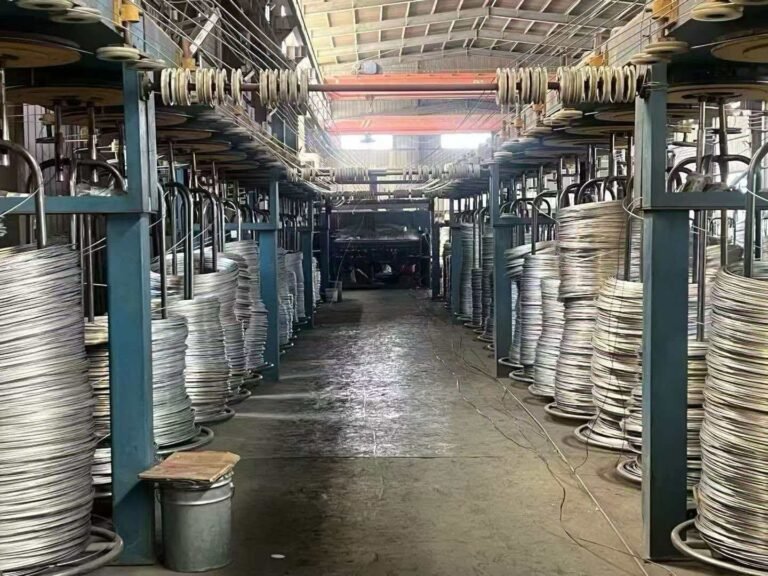
Our process guarantees quality from the very beginning. It starts with a strict inspection of all incoming raw materials to verify their chemical composition against international standards like RoHS and REACH. This ensures we're starting with the right foundation. Then, the wire moves to our 10 automated production lines. Processes like automatic cold drawing and precision annealing are supervised by QC staff with over 8 years of experience. This allows us to maintain an incredibly tight diameter tolerance of ±0.01mm, ensuring uniformity across your entire order.
The real proof, however, is in the performance testing. Here’s how we ensure our 201 wire is ready for your project:
| QC Stage | Key Checks & Standards | Why It Matters for You |
|---|---|---|
| 1. Incoming Materials | Chemical composition analysis | Guarantees the base material is authentic and compliant. |
| 2. In-Production | Automated lines maintain ±0.01mm diameter | Ensures product consistency for smooth use in your machinery. |
| 3. Performance Testing | Tensile Strength (≥450MPa), 96h Salt Spray Test | Verifies the wire is strong enough and resists corrosion as promised. |
| 4. Final Inspection | 100% check on key specs + ISO 2859 sampling | Confirms the final batch meets all your requirements before shipping. |
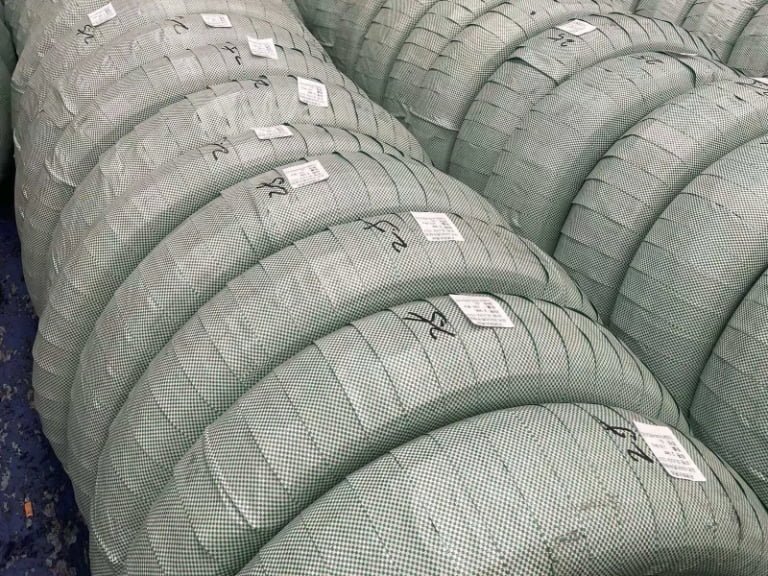
| 5. Packaging | Moisture-proof & anti-rust wrapping | Protects your investment during international shipping and storage. |
Having certifications like ISO 9001 and CE isn't just about paperwork. It means our processes are verified, and our products are approved for major markets in Europe and America. This gives you confidence that the material will be accepted for your project, no matter how strict the standards. When you choose our 201 wire, you're not just buying a product; you're getting a guarantee of quality.
Conclusion
In conclusion, choosing 201 stainless steel for African infrastructure is a smart, data-backed decision that balances performance and budget, ensuring your project's long-term success without overspending.
FAQ
Q: Is 201 stainless steel wire durable enough for the African climate? A: Yes, it is ideal for non-coastal infrastructure projects in countries like Ethiopia and Uganda where high humidity is not the primary concern.
Q: Why prioritize 201 over 304 for infrastructure? A: It offers the best balance of structural strength and cost, especially when managing local import duties in African markets.
Q: What is the typical lifespan of 201 wire in these regions? A: When used for road fencing or construction binding, it provides stable performance for over a decade.