


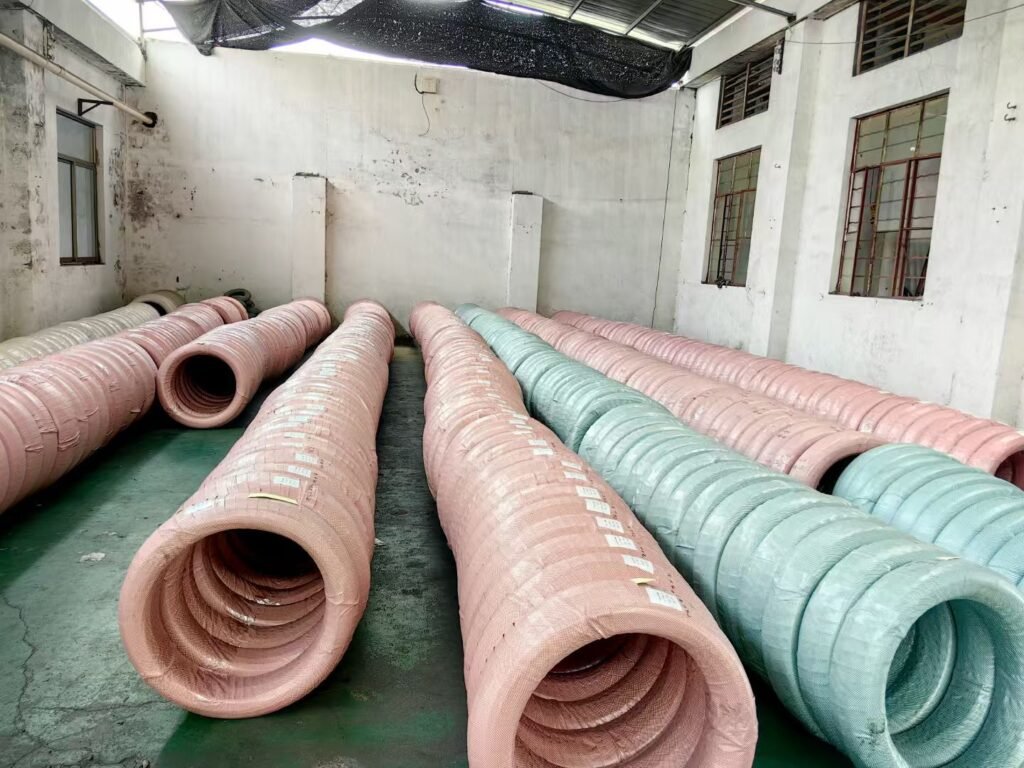
Struggling to choose the right stainless steel for your project in Africa? The wrong choice can be costly. The answer isn't about price, but about a material's specific chemical makeup.
Optimized 201 stainless steel wire is a top choice for many African projects. By carefully managing its trace elements, we achieve high tensile strength at a lower cost. This makes it ideal for infrastructure where strength is critical and budgets are tight.
I've been in the stainless steel wire business for over a decade. A question I get all the time from clients in Africa is, "What's the real difference between 201 and 304 stainless steel?" Instead of giving a vague answer, I prefer to show them the Material Test Certificate (MTC). The numbers don't lie. Once they see the data and understand the science behind it, they see why our 201 wire isn't just a cheaper option, but a smarter one for their specific needs. Let's look at why this is the case.
How does optimizing manganese and nitrogen create high tensile strength and cost efficiency?
You need strong wire for a large-scale project, but high-grade steel is eating your budget. You worry that cutting costs means compromising on safety and durability. But what if you could get the required strength without the high price tag?
By scientifically increasing the manganese and nitrogen content in 201 stainless steel, we can lower the amount of expensive nickel while boosting the wire's tensile strength. This provides a strong, reliable, and cost-effective solution for major projects.
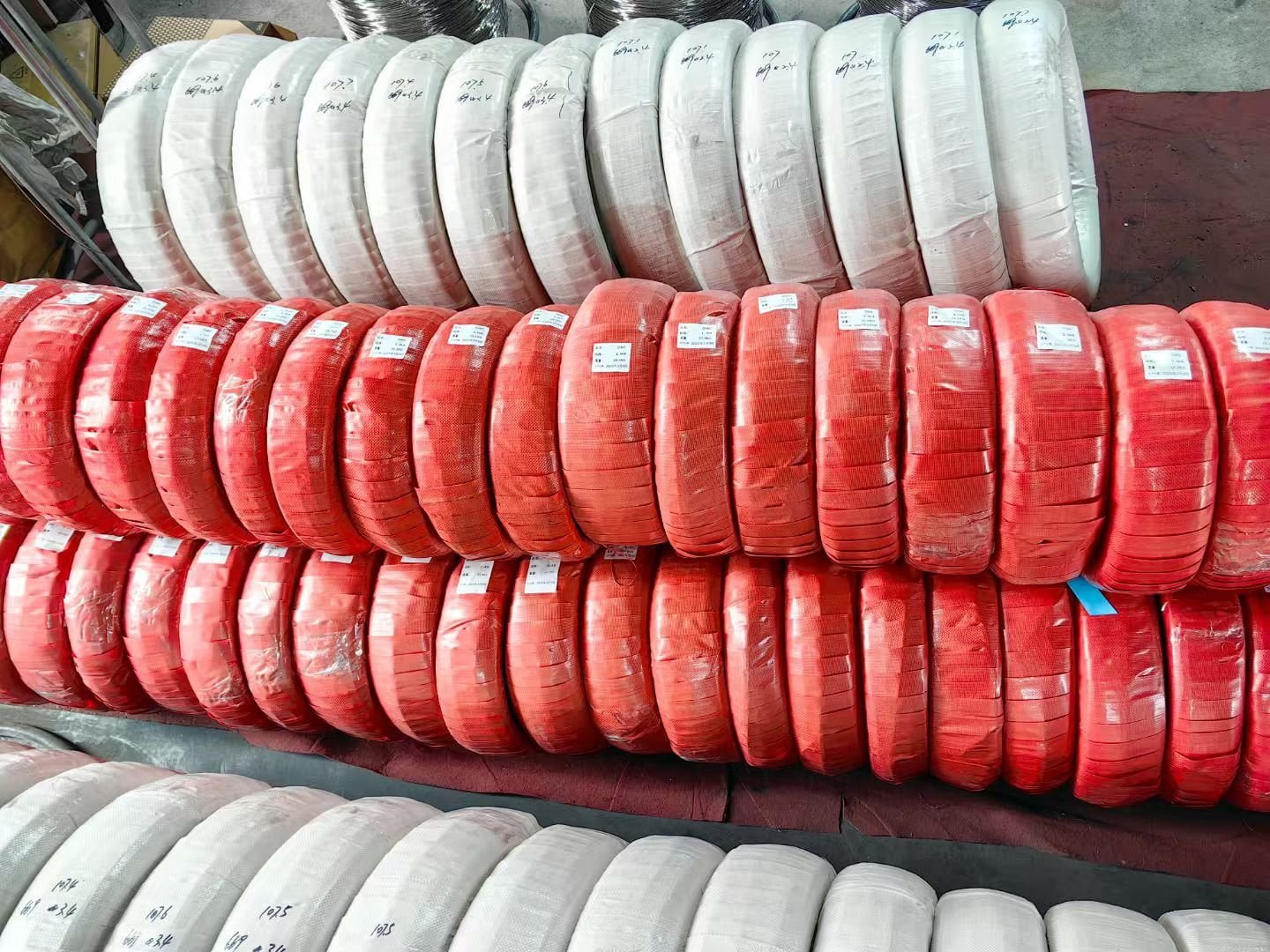
In my family's factory, we've perfected this process over many years. It's about precision control. Understanding how these elements work together is the key to producing a superior 201 stainless steel wire that performs exceptionally well for specific applications. Many of my clients are surprised to learn that the secret to strength isn't just about using the most expensive materials. It’s about smart chemistry. For many projects in Africa, from long-distance power line supports to large industrial fences, this optimized 201 wire is the perfect fit. It provides the structural integrity needed for the job while freeing up a significant portion of the material budget. This data-driven approach consistently turns skeptical clients into long-term partners because it offers real, measurable value.
The Role of Nickel (Ni) vs. Manganese (Mn)
Traditionally, nickel is the star player in stainless steel grades like 304. It's excellent for creating a stable austenitic structure. This structure makes the steel non-magnetic and highly resistant to corrosion. The problem is, nickel is a commodity, and its price can be very high and volatile. This is where manganese comes in. In our 201 stainless steel, manganese acts as a substitute for a portion of the nickel. It also helps form that important austenitic structure but at a much lower cost. This allows us to produce a wire that maintains good formability and toughness without the premium price of high-nickel alloys.
| Element | Typical 201 SS | Typical 304 SS |
|---|---|---|
| Nickel (Ni) | 3.5% - 5.5% | 8.0% - 10.5% |
| Manganese (Mn) | 5.5% - 7.5% | < 2.0% |
| Chromium (Cr) | 16.0% - 18.0% | 18.0% - 20.0% |
Nitrogen (N): The Secret Strength Booster
Here is the real secret to our high-performance 201 wire: nitrogen. While we substitute some nickel with manganese, we also add a precise amount of nitrogen to the alloy. Nitrogen is a powerful element. It significantly increases the tensile strength and hardness of the steel. It does this by strengthening the austenitic structure that manganese helps to form. The result is a wire with a tensile strength that can meet or even exceed the requirements for many applications where 304 was once the only choice. For a client working on a large agricultural fencing project in a semi-arid region, our 201 wire provided the necessary strength to withstand tension and potential impacts, all while saving them nearly 30% on material costs.
The Cost-Performance Sweet Spot for Africa
Now, let's connect this to the real world. Many parts of Africa have dry or semi-arid climates. In these environments, the extreme corrosion resistance offered by the high nickel and chromium content in 304 stainless steel is often overkill. The primary requirements are high tensile strength for structural stability and an affordable price point to make large-scale projects feasible. Our optimized 201 stainless steel hits this cost-performance sweet spot perfectly. It delivers the mechanical strength needed for security fencing, support cables, and construction mesh. At the same time, it offers adequate corrosion resistance for the climate. This is why I always tell my clients: don't choose the most famous material; choose the most suitable one. This practical, data-backed approach ensures you get a product that is engineered for your environment and your budget.
Conclusion
Understanding the chemistry of stainless steel helps you make the smartest choice. For many projects across Africa, an optimized 201 wire offers the best balance of strength, performance, and cost.
FAQ
Q: What is the main chemical difference between 201 and 304 stainless steel wire? A: 201 replaces much of the Nickel found in 304 with Manganese and Nitrogen. This reduces the cost while increasing the tensile strength, making it ideal for structural use.
Q: Does the high Manganese content in 201 wire affect its performance in Africa? A: Not negatively. In fact, the higher Manganese and Nitrogen levels provide 201 with superior hardness and strength, which is highly beneficial for heavy-duty fencing in regional infrastructure projects.
Q: How does the trace element control in your factory ensure quality? A: With over 20 years of production experience, we strictly control the Carbon and Chromium levels to ensure that our 201 wire maintains a stable surface finish and reliable mechanical properties for export.