


For Uganda importers new to direct sourcing from China, the journey from order confirmation to warehouse delivery can seem complex. But broken down into clear steps, the process is predictable and manageable. Here is a complete guide based on a Kampala importer's first successful shipment.
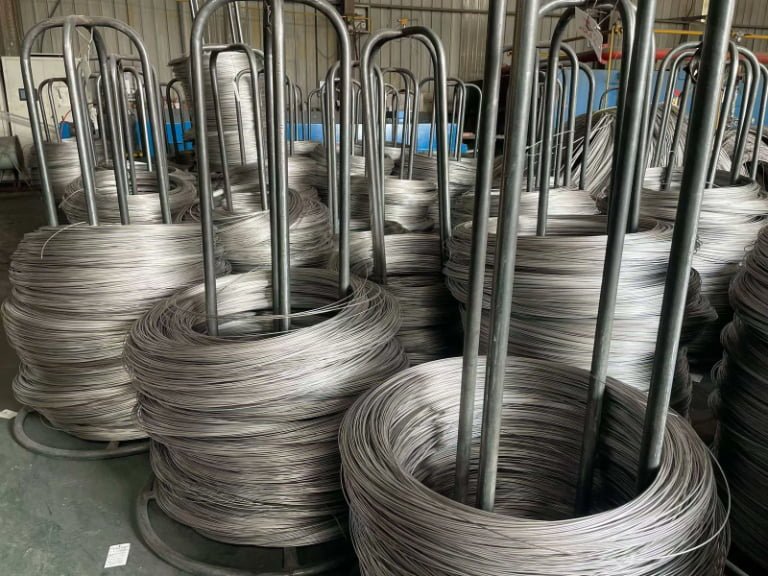
Nakato switched from Kenyan middlemen to factory-direct sourcing earlier this year. Buyers like her, who need a clear process and reliable factory support for their first Uganda shipment, can find detailed specifications and ordering information on our product page: https://mfgwiremesh.com/metal-wire/201-stainless-steel-wire/.
Worried about importing directly from China to Uganda? The process can seem complex and risky. I will guide you through five simple steps to ensure a smooth and profitable delivery.
To import 201 stainless steel wire to Uganda, you must first confirm your product specifications and place the order. Then, prepare the necessary shipping documents, manage sea freight to Mombasa, arrange for bonded inland transit to Kampala, and finally, inspect the goods upon arrival. This direct process can save you up to 15% in costs.
A client of mine, Nakato, an importer in Kampala, recently decided to make this change. She had been buying from a middleman in Kenya for years. She was tired of the extra costs but was scared of managing the whole import process herself. I told her not to worry. We have sent countless containers to Uganda. I broke down the entire journey into five clear stages for her. Now, she is successfully importing directly and saving a lot of money. I want to share those same five steps with you today.
How Do You Confirm Your Order and Specifications Correctly?
Ordering the wrong product is a costly mistake. You can waste weeks of time and thousands of dollars. Here’s how you can get your order right from the very beginning.
Clearly list each type of wire you need, including its diameter, intended use, and the quantity in kilograms. Then, send this detailed list to your supplier. For common sizes, like 2.0mm tying wire and 1.5mm fencing wire, we often have stock ready to go, which means we can prepare your order in just 3-7 days.

When Nakato first contacted me, she needed wire for residential projects around Kampala. Her main products were 2.0mm wire for tying rebar and 1.5mm wire for making fences. I asked her to create a simple list of exactly what she needed. This clarity is the first and most important step. It removes any guesswork and makes sure you get the exact product for your customers.
Creating a Clear Order Sheet
You don't need a fancy form. A simple table in an email works perfectly. It helps us, the manufacturer, understand your needs precisely and prepare your order quickly. If you order standard specifications that we keep in stock, we can get your container loaded and ready for the port in less than a week.
Here is an example of the clear order sheet Nakato sent me:
| Product Description | Diameter | Application | Quantity (kg) |
|---|---|---|---|
| 201 Stainless Steel Wire | 2.0 mm | Rebar Tying | 12,000 |
| 201 Stainless Steel Wire | 1.5 mm | Fencing | 13,000 |
This simple format ensures there are no misunderstandings. It forms the basis of our production plan and your commercial invoice, making everything that follows much smoother.
What Documents Are Needed for a Smooth Customs Clearance?
Customs delays can destroy your timeline and your profits. A single error on a document can hold up your goods for weeks. Here is the essential paperwork you must prepare correctly.
You need to provide your company's registration information and your importer code. We, the factory, will then prepare the Commercial Invoice, Packing List, Bill of Lading, and Certificate of Origin. It is critical that all company names and addresses match perfectly across these documents to avoid any problems with customs in Uganda.
Nakato told me that her old middleman never showed her these documents. She was surprised to learn how straightforward the process was. Once she sent us her business details, our team prepared all the necessary paperwork. This is a standard part of our service. We make sure every detail is correct so that your shipment doesn't get stuck.
The Four Key Documents for Import
Each document has a specific job in the import process. Understanding them helps you see why accuracy is so important.
| Document | Purpose | Who Prepares It |
|---|---|---|
| Commercial Invoice | States the value of the goods for customs and payment. | The Factory (Seller) |
| Packing List | Details the contents of the shipment, including weight and volume. | The Factory (Seller) |
| Bill of Lading (B/L) | Acts as a receipt for the goods and a contract for transport. | The Shipping Company |
| Certificate of Origin | Certifies the country where the goods were made. | The Factory (Seller) |
Why Consistency is Everything
The most common reason for customs delays is inconsistent information. For example, if your company name is spelled slightly differently on the Bill of Lading than it is on the Commercial Invoice, it raises a red flag for customs officials. We double-check that your company name, address, and tax information are identical on all documents before the container ever leaves our factory.
How Is Your Stainless Steel Wire Protected During Sea Shipping?
Your wire will travel thousands of miles across the ocean. Are you worried about rust and moisture damage? I understand. Proper packaging is the only way to guarantee your product arrives in perfect condition.
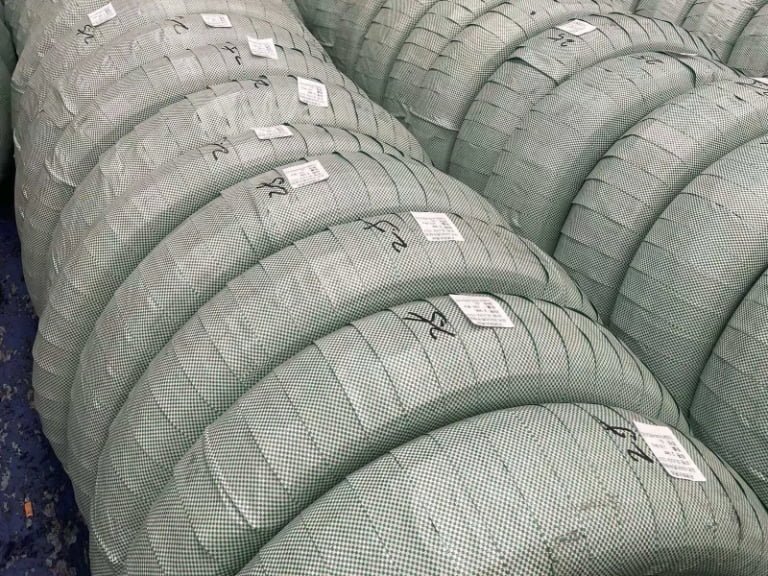
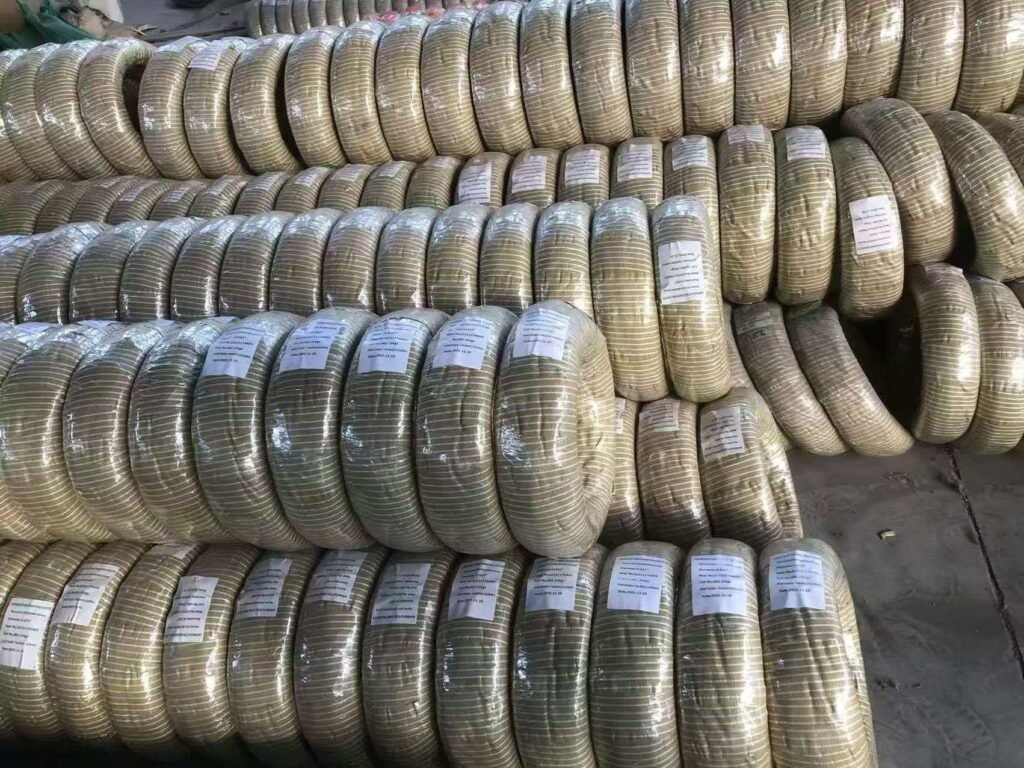
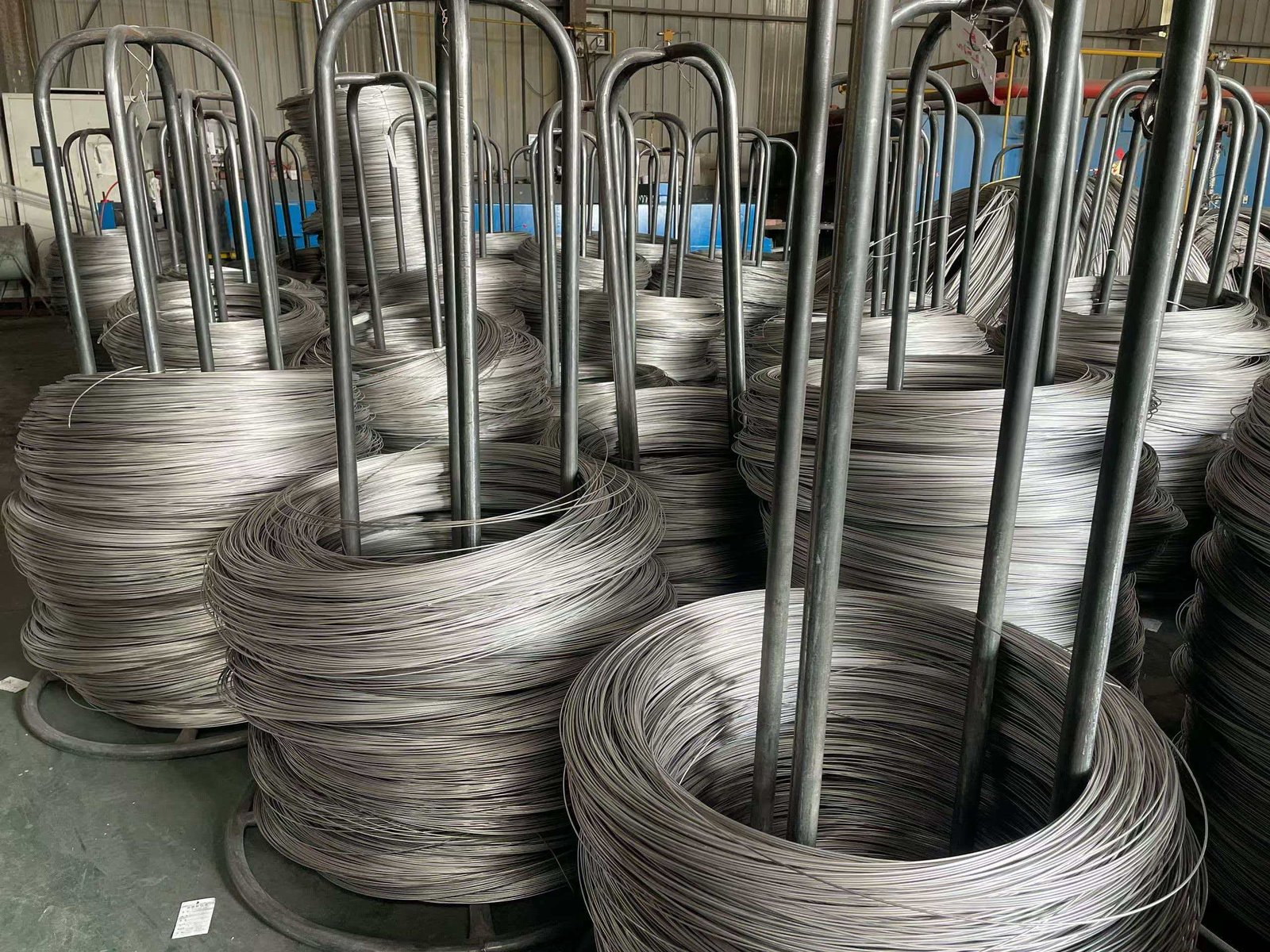
We use a special three-layer moisture-proof packaging system. First, we apply a layer of waterproof paper directly to the wire coil. Next, we seal the entire coil in a tight plastic film. Finally, we place it inside a durable woven bag. For extra protection, we stack these bags on a pallet and wrap it all with stretch film.
The journey from Tianjin Port in China to Mombasa Port in Kenya takes about 18 days. Nakato was concerned that the sea air would corrode her wire. I assured her that our packaging is designed specifically for this long journey. Even if the container sits at the port for a few extra days, the wire inside will remain clean, dry, and free of rust.
Our Multi-Layer Packaging Protocol
Each layer of our packaging serves a specific purpose in protecting your investment. Think of it as armor for your steel wire.
| Packaging Layer | Material | Purpose |
|---|---|---|
| Layer 1: Inner Wrap | Waterproof Paper | Sticks to the wire surface to block initial moisture. |
| Layer 2: Seal | Plastic Film | Creates an airtight barrier against humidity and salty air. |
| Layer 3: Outer Shell | Woven PP Bag | Protects against tears, dirt, and physical damage during handling. |
| Layer 4: Palletizing | Wooden Pallet & Stretch Film | Secures multiple coils together for easy and safe transport, adding a final layer of protection. |
This robust system means that when you open the container in Kampala, the wire you receive is in the same perfect condition it was in when it left our factory.
How Do You Manage Inland Transit and Customs in Uganda?
Your container has arrived safely in Mombasa, but the journey is not over. Getting your goods from the port to Kampala efficiently is the next critical step. Here is the smartest way to do it.
The best method is called bonded transit. Your container is sealed at Mombasa port and then transported directly by truck to a Uganda Revenue Authority (URA) bonded warehouse in Kampala. You clear customs there, not at the busy coastal port. This inland truck journey usually takes about 10 to 12 days.
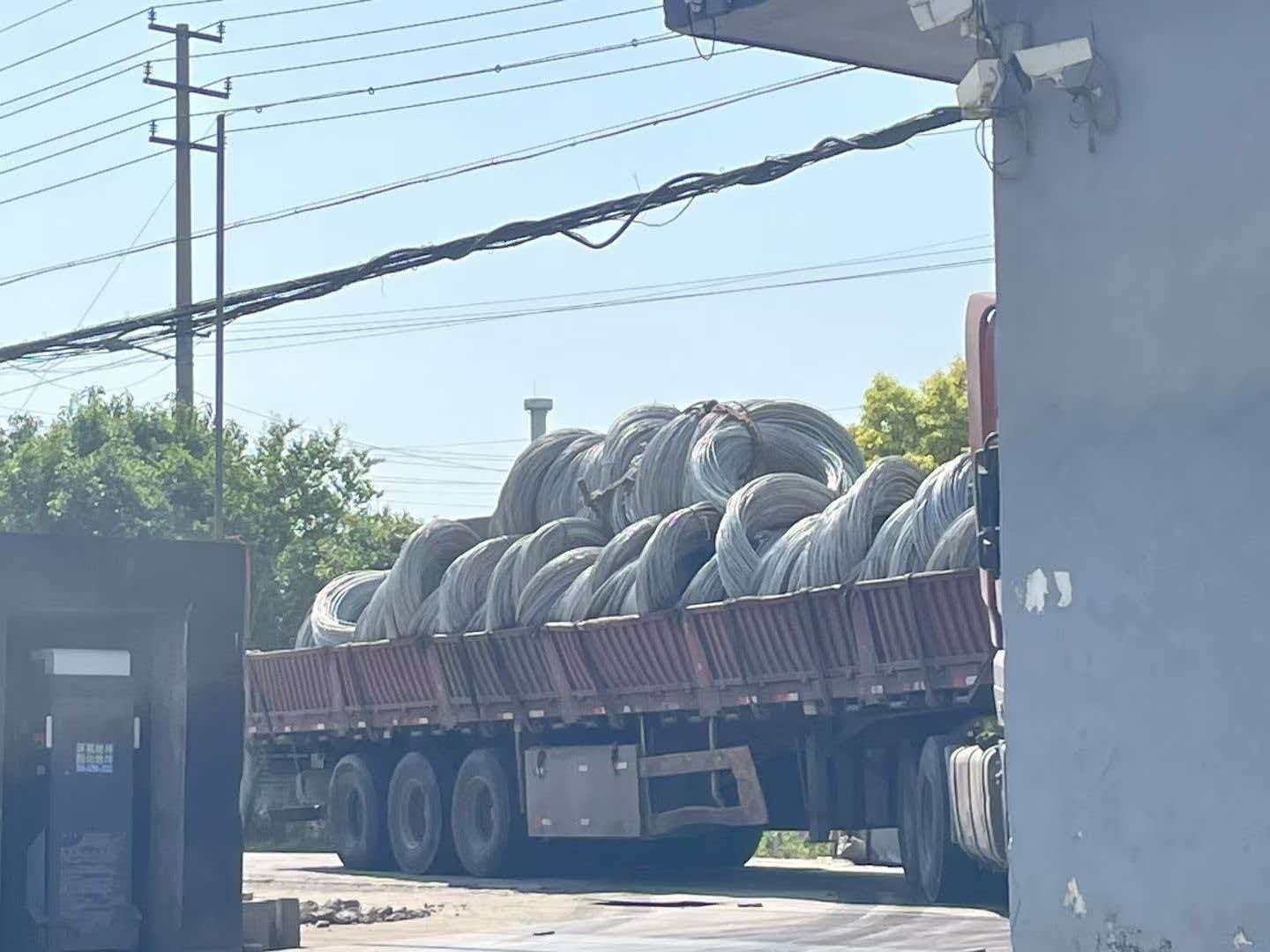
For Nakato's shipment, she chose this bonded transit option. It's a very common and efficient route. Her clearing agent in Kampala received the electronic copies of the shipping documents from us three days before the ship was scheduled to arrive in Mombasa. This allowed the agent to file a pre-declaration with customs. This simple action speeds up the entire process once the container physically arrives.
The Smart Way: Bonded Transit Explained
Clearing customs at Mombasa can be slow because it's one of the busiest ports in East Africa. Bonded transit allows you to move your sealed container directly to a less congested, inland customs facility. This saves time and reduces the risk of storage fees at the port. Your goods remain secure under a customs seal until they reach Kampala.
Working with Your Clearing Agent
Your clearing agent is your most important partner in Uganda. They handle the local paperwork and communication with the URA. By providing them with the documents early, they can get a head start on the clearance process. The timeline looks like this:
| Step | Location | Action | Duration |
|---|---|---|---|
| 1 | At Sea | Agent receives e-docs & pre-declares. | 3 days before arrival |
| 2 | Mombasa Port | Container is offloaded & sealed for transit. | 1-2 days |
| 3 | Road Transit | Truck travels from Mombasa to Kampala. | 10-12 days |
| 4 | Kampala URA Warehouse | Container arrives for final customs clearance. | 1 day |
What Happens After Your Shipment Arrives in Kampala?
The truck carrying your container has finally reached the bonded warehouse in your city. You're on the home stretch. What are the final steps to get the wire into your own warehouse?
Once your container is at the Kampala bonded warehouse, it will be opened for a final customs inspection. After the officials verify the contents against your paperwork, they will release the shipment. You can then arrange for a local truck to pick up the goods and deliver them to your personal warehouse, often on the same day.
This was the final step for Nakato. Her goods were inspected and released by the URA, and by that afternoon, the wire was in her own warehouse, ready to be sold to her customers. She couldn't believe how smooth the final stage was. The entire process, from placing the order to having the goods in her hand, was faster and cheaper than her old method.
Calculating Your Total Time and Savings
Let's look at Nakato's first order as a real-world example. She was used to waiting over 40 days when buying from a middleman. By importing directly, she cut that down significantly.
| Process Stage | Duration (Days) | Cumulative Days |
|---|---|---|
| Order Prep & Loading | 5 | 5 |
| Sea Freight (Tianjin to Mombasa) | 18 | 23 |
| Inland Transit (Mombasa to Kampala) | 12 | 35 |
Her first direct shipment took just 35 days. That was a full week faster than she was used to. More importantly, by cutting out the middleman, she saved nearly 15% on her cost per ton. This saving went directly to her bottom line, making her business more competitive. A week after her first delivery, she sent me her second order, ready to do it all again.
Conclusion
Sourcing directly from a Chinese factory is not as hard as it seems. By following these five steps, you can control the process, save money, and get your products faster.
Nakato's first direct shipment arrived in 35 days and saved her nearly 15 percent on per-ton cost. Read more Uganda sourcing stories on our blog https://mfgwiremesh.com/blog/ or reach out via https://mfgwiremesh.com/contact/.
If you are sourcing 201 stainless steel wire for Uganda, Kenya, or Tanzania, we are happy to provide a specification-based quotation. Contact us via WhatsApp: +86 15383180672.
FAQ:
Q1: What is the complete timeline from order to delivery for Uganda shipments? A1: The timeline breaks down into five stages. Order confirmation and container preparation takes 3 to 7 days for standard specifications. Ocean freight from Tianjin Port to Mombasa takes approximately 18 days. Bonded transit and inland trucking from Mombasa to Kampala takes 10 to 12 days. Customs clearance at the URA bonded warehouse can be completed within one day if all documentation is pre-submitted. Nakato's first shipment reached her Kampala warehouse in 35 days total, which was actually one week faster than her previous orders through Kenyan middlemen.
Q2: How much can Uganda importers save by sourcing factory-direct instead of through Kenyan middlemen? A2: Nakato saved approximately 15 percent on per-ton cost by switching from Kenyan middlemen to factory-direct sourcing. The savings come from eliminating intermediary markups, not from shipping cost differences. She also gained full visibility into the documentation and logistics process, which had previously been handled entirely by the middleman.
Q3: What packaging protects the wire during the long journey to Kampala? A3: We use triple-layer moisture-proof packaging designed for the full Mombasa-to-Kampala route. Waterproof paper wraps the wire surface directly, sealed plastic film forms the second layer, and a woven polypropylene bag provides the tough outer protection. Each pallet is then stretch-wrapped. This protects against humidity at Mombasa port, potential rain during the inland truck journey, and handling at border crossings.