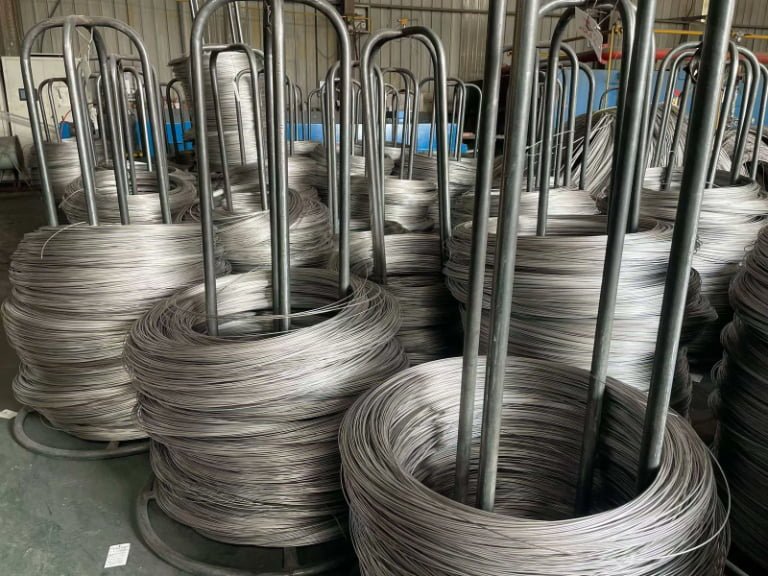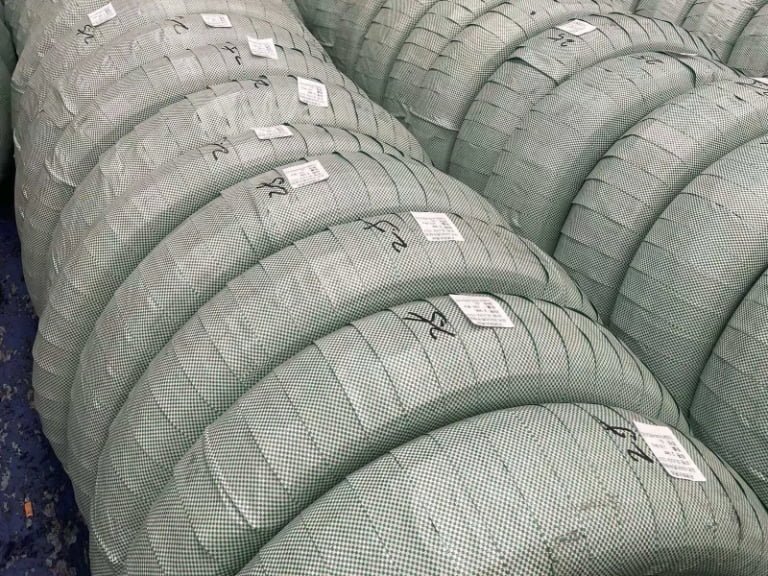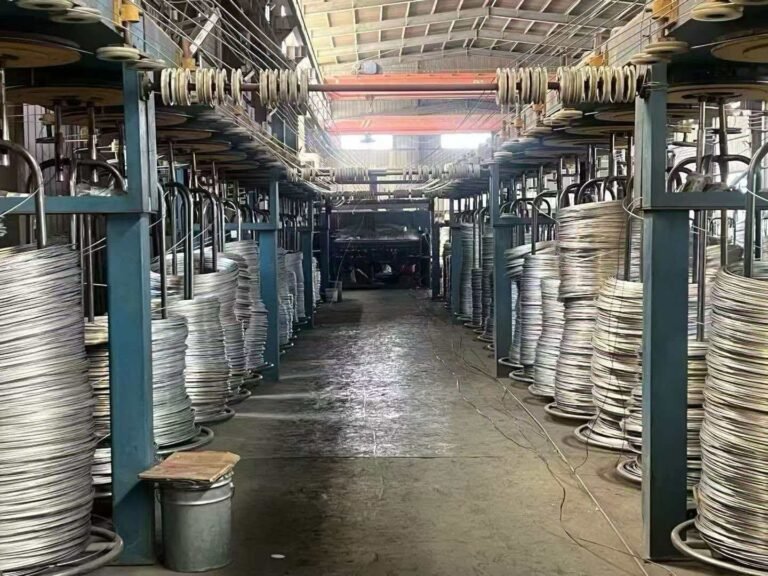



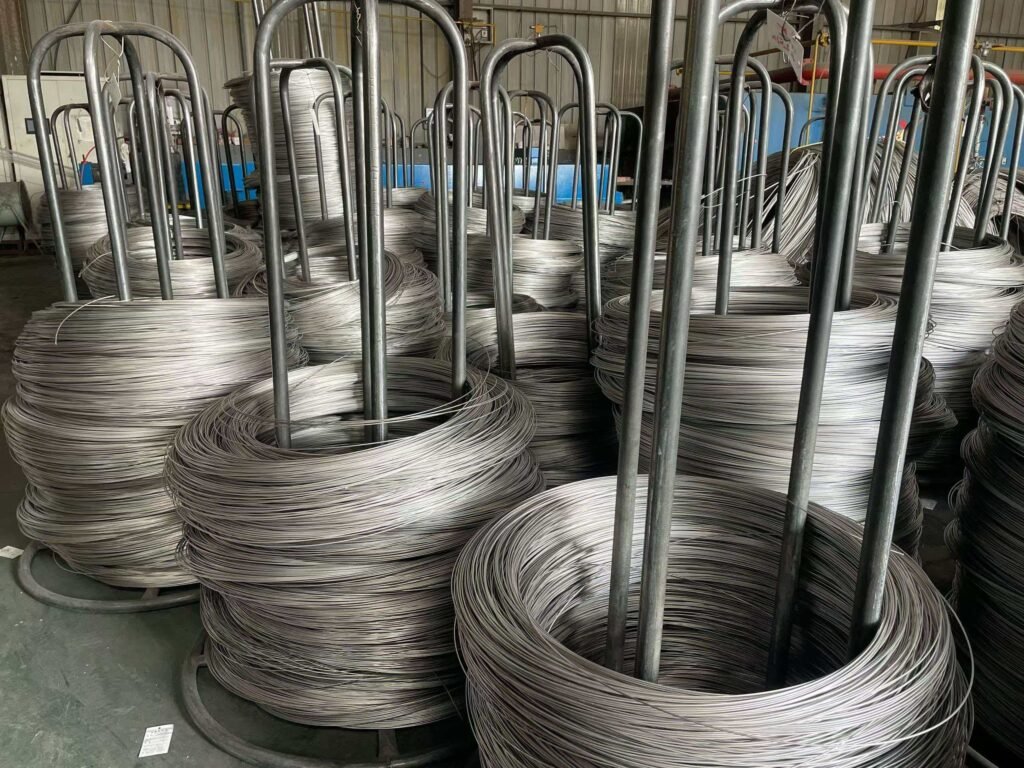
Kenya importers who switch from local agents to factory-direct sourcing often discover that the price difference is only one part of the benefit. Specification transparency, delivery predictability, and long-term competitiveness all improve when you deal directly with the manufacturer. Here are three reasons to consider bypassing middlemen, based on a Nairobi importer's experience.
Achieng spent four years buying through local agents before contacting our factory. Buyers like her, who want direct access to factory test reports, reliable delivery timelines, and transparent pricing, can find everything they need on our product page: https://mfgwiremesh.com/metal-wire/201-stainless-steel-wire/.
Paying too much for materials in Kenya? Middlemen eat your profits and cause delays, but sourcing directly from a factory gives you control and a much better price.
Bypassing middlemen for 201 stainless steel wire in Kenya provides three key benefits. You get transparent specifications with full documentation, controllable lead times with clear timelines, and a significant price advantage that can lower your costs by nearly 18%, boosting your market competitiveness.
I want to share a story about a client of mine, Achieng. She's a building materials supplier in Nairobi. For years, she bought 201 stainless steel wire from a local agent. She thought it was easy. But then she started losing business because her prices were too high. She found us on LinkedIn and discovered the agent was charging her 18% more than our factory price. She called it her "tuition fee." But I told her the benefits of buying direct go way beyond just the price. Let’s look at the three main reasons she now buys directly from my factory.
Is Your Supplier Hiding Technical Specifications?
Are you struggling to get proper documents from your supplier? This can make you lose important bids and leave you guessing about the quality of what you're buying.
Yes, middlemen often hide factory test reports and material origins. Sourcing directly from the factory gives you full transparency. This includes chemical composition and tensile strength reports, which are now essential for winning tenders with large contractors in Kenya.
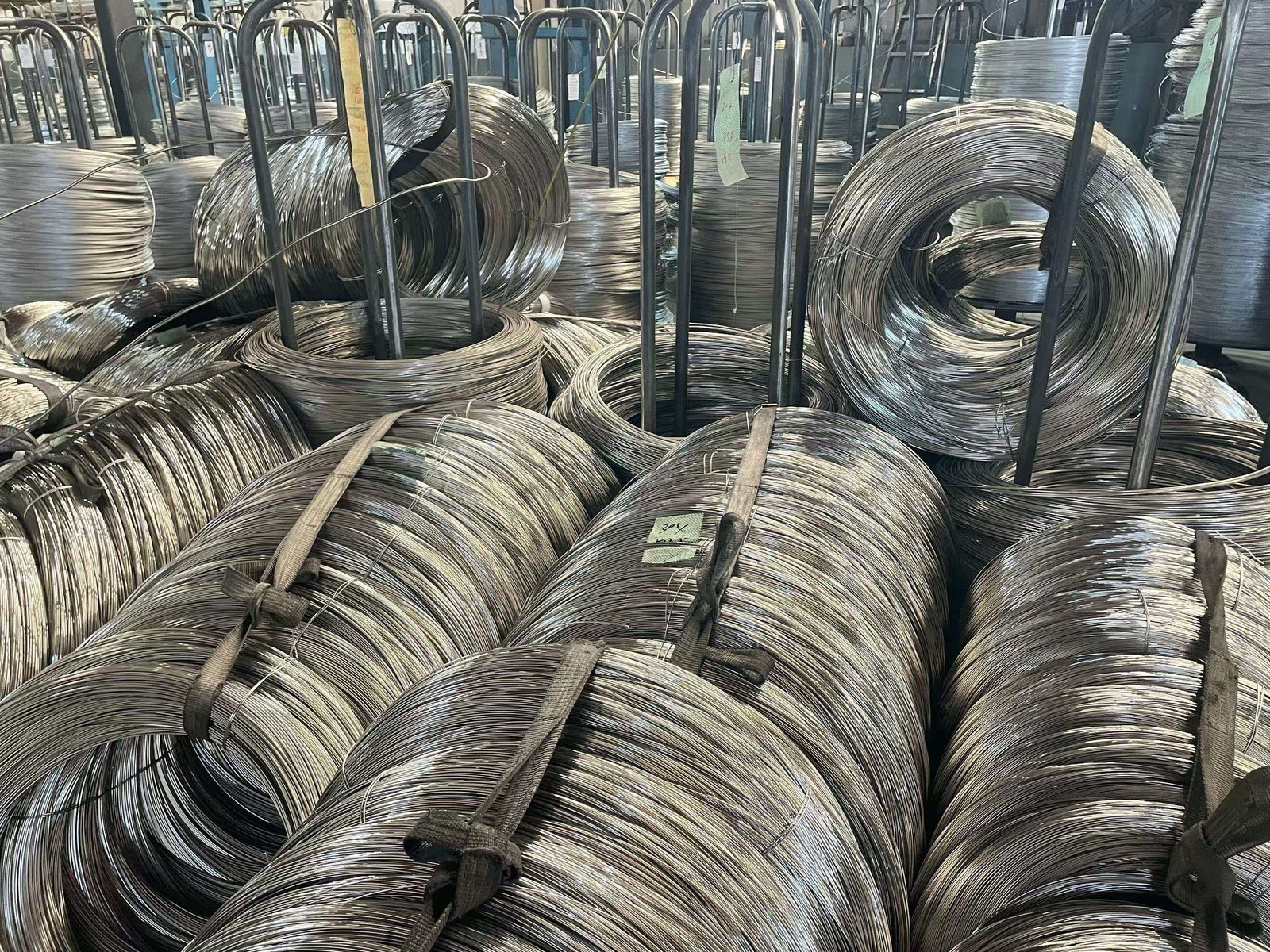
Achieng told me she could never get a straight answer from her agent. When she asked for a factory test report or the material's origin, the agent would give vague answers. This became a big problem. She told me she lost two tenders with major construction contractors because they demanded these documents, and she couldn't provide them. When you buy directly from a factory like ours, that problem disappears. We provide a full Mill Test Certificate with every single shipment. This isn't just a piece of paper; it's proof of quality.
Why Documentation Is Your Proof of Quality
For your customers, especially large contractors, these documents are not optional. They need to verify that the materials meet project specifications and local building standards. Without them, you look unprofessional, and they take on a huge risk. The certificate shows them everything they need to know.
Agent vs. Factory: A Transparency Showdown
Let's break down what you get, and what you don't.
| Feature | Sourcing from a Local Agent | Sourcing Directly from Our Factory |
|---|---|---|
| Mill Test Certificate | Often unavailable or a generic copy. | A unique certificate for your specific batch. |
| Chemical Composition | "It's standard 201 grade." | Detailed report of elements like Chromium and Nickel. |
| Mechanical Properties | "It's strong enough." | Specific tensile strength data (e.g., ≥450MPa). |
| Traceability | Almost impossible to trace back. | Full traceability to the exact production batch and date. |
For Achieng, having these documents meant she could finally compete for the best projects with confidence.
Are Unpredictable Lead Times Hurting Your Business?
Tired of hearing that your shipment is delayed again? These unpredictable delays from agents can stop your projects, damage your reputation, and cost you a lot of money in penalties.
Yes, relying on middlemen often leads to unreliable delivery dates. Direct factory purchasing gives you a clear, trackable timeline from our production floor in Anping to final delivery in Nairobi. This predictability is key to managing projects and avoiding costly delays.
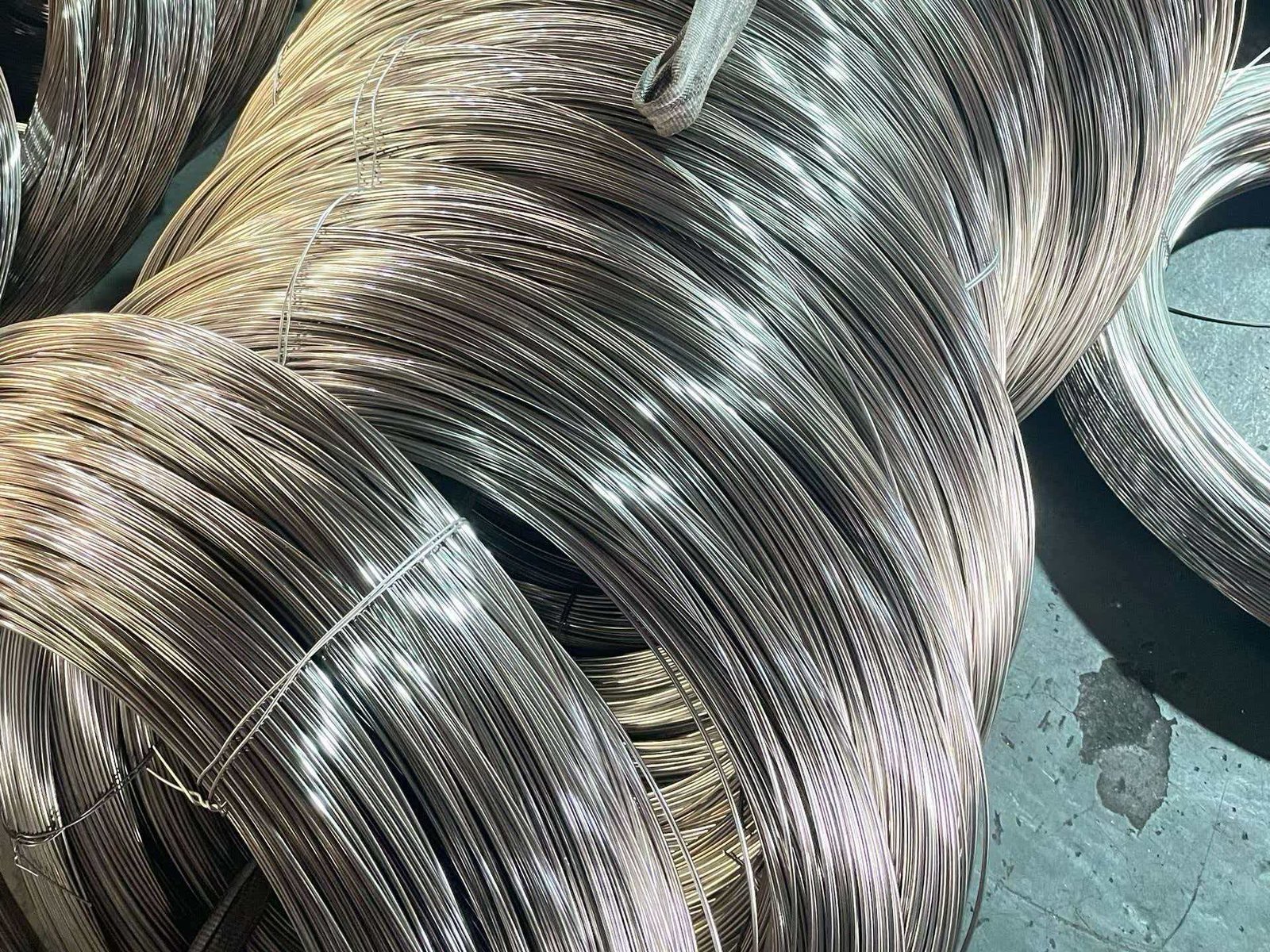
This was Achieng's second biggest headache. Her agent would promise a four-week delivery. But often, it would stretch to six weeks or more. Meanwhile, a construction site would be waiting for the wire, and she would have to pay penalties for the delay. When you buy directly from us, you manage the logistics, but you also get total visibility. Every step is planned and tracked. We provide a clear timeline so you always know where your order is. You gain a sense of certainty that a middleman's vague promise can never match.
The Real Cost of a Six-Week "Four-Week" Delivery
When a delivery is two weeks late, it's not just an inconvenience. It means a construction crew might be idle. It means project deadlines are missed. It means your client loses trust in you. Achieng lost money on penalties, but the damage to her reputation was just as bad. Predictability isn't a luxury; it's essential for running a stable business.
A Predictable Journey: From Our Factory to Your Site
Here is the typical timeline we give our Kenyan clients. It’s not a guess; it’s a process we have perfected.
- Step 1: Production & Packing: Your order is produced and packed at our factory in Anping.
- Step 2: Inland Transport: The container is trucked from our factory to Tianjin Port.
- Step 3: Sea Freight: The vessel sails from Tianjin to the Port of Mombasa. This leg takes about 18-22 days.
- Step 4: Customs & Inland Kenya: After customs clearance in Mombasa, the container is transported by road or rail to Nairobi.
- Total Estimated Time: The entire process, from our door to yours, is consistently between 30 and 35 days.
Achieng said this clear timeline was more reliable than any promise her old agent ever made.
How Much Can You Really Save by Cutting Out the Middleman?
Do you feel like you are paying too much for your materials? That extra cost isn't for better quality or service; it's often just profit for the middleman.
You can save a huge amount. Achieng found that sourcing 201 stainless steel wire directly from our factory cut her costs by nearly 18%. This saving is not just extra profit; it's a powerful tool to make you more competitive in the Kenyan market.
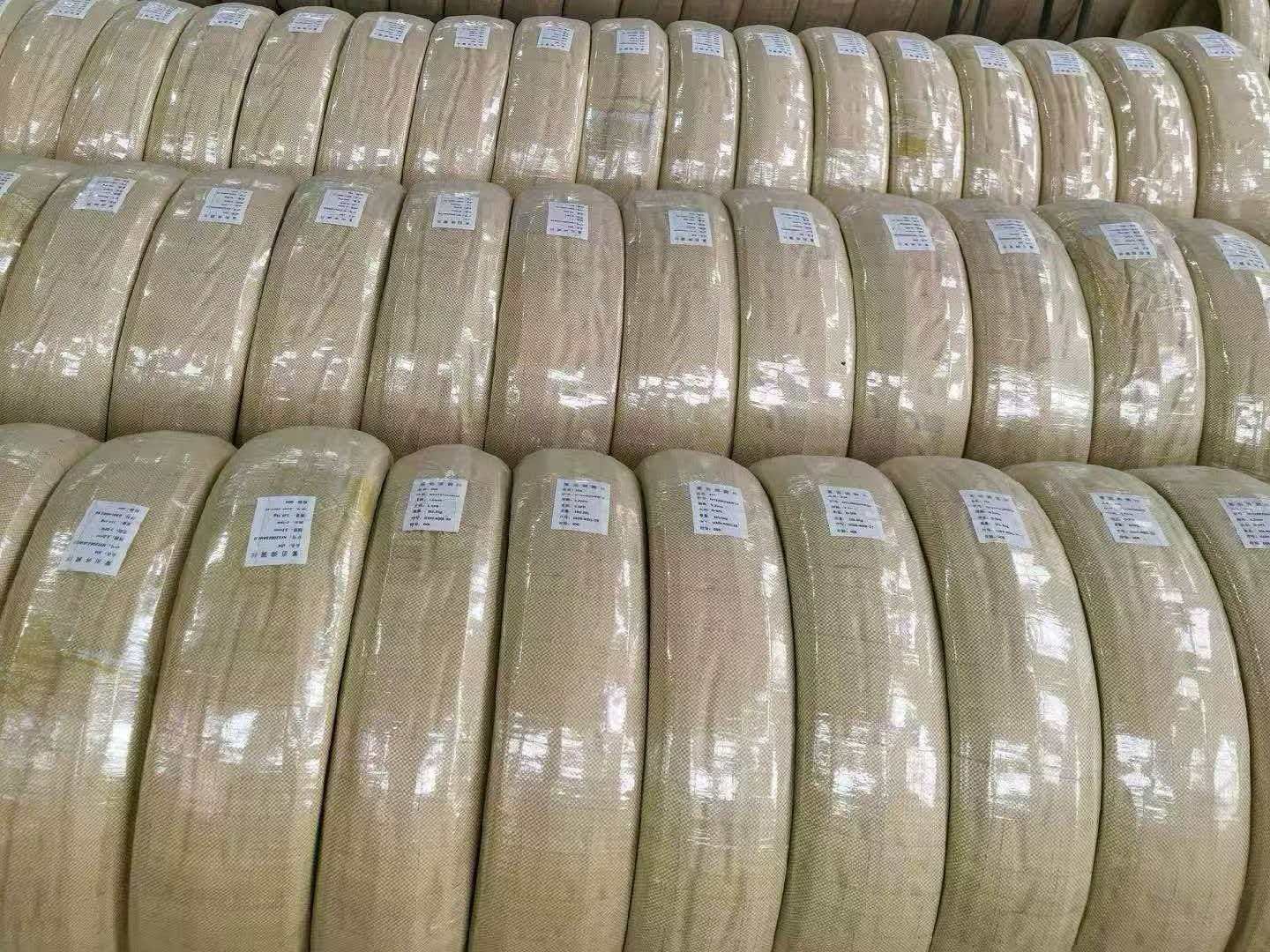
This is the reason Achieng first contacted me, and it’s a powerful one. When she compared her agent’s price to our direct factory price, she saw an 18% difference. She immediately realized this was the money she had been "donating" to the middleman for years. But after we talked, she understood that this 18% wasn't just about increasing her profit margin. In a competitive market like Nairobi, it was about survival. It was the difference that allowed her competitor to underbid her in the first place. By saving that 18%, she wasn't just getting richer; she was getting stronger.
The 18% "Competitiveness Fund"
Think about what you could do with an extra 18% on your biggest material cost. You could lower your prices to win more bids. You could invest in holding more stock so you never run out. You could expand your business. For Achieng, that 18% was her ticket to getting back in the game. It leveled the playing field and gave her the power to fight for the contracts she was losing before.
Turning Savings into Real Growth
Let's look at the numbers for Achieng's business.
- Annual Volume: She buys about 120 tons of 201 stainless steel wire per year.
- Cost Savings: At an 18% reduction, the money saved per ton is significant.
- Annual Impact: When she did the math, she realized the total annual savings was enough to pay for three entire extra containers of wire.
This wasn't just a small discount. It was a game-changer for her business model. Last week, she placed her first order for a full 40-foot high-cube container. She told me she was so happy to finally be in control.
Conclusion
Buying direct gives you specification transparency, control over your delivery schedule, and a major price advantage. It’s about building a stronger, more competitive business in the Kenyan market.
Achieng saved nearly 18 percent on per-ton cost and no longer loses bids due to missing documentation. Read more direct sourcing stories from Kenya on our blog https://mfgwiremesh.com/blog/ or reach out via https://mfgwiremesh.com/contact/.
If you are sourcing 201 stainless steel wire for Kenya, Tanzania, or Uganda, we are happy to provide a specification-based quotation with complete factory documentation. Contact us via WhatsApp: +86 15383180672.
FAQ:
Q1: How much can Kenya importers save by sourcing factory-direct instead of through local agents? A1: Achieng's comparison showed a price difference of approximately 18 percent between her local agent's price and our factory-direct price. On an annual volume of roughly 120 tons, this saving was enough to fund three additional container loads. The savings come from eliminating the agent's markup, warehousing costs, and additional handling fees that accumulate in the local distribution chain.
Q2: What documentation can factory-direct buyers access that agents typically do not provide? A2: Factory-direct buyers receive complete documentation including mill test reports, chemical composition analysis, tensile strength data, and certificate of origin for every shipment. Achieng previously lost two bids because her agent could not provide these documents when requested by large contractors. Having this documentation now gives her a competitive advantage in tender submissions.
Q3: Is delivery more reliable when sourcing factory-direct compared to using local agents? A3: Factory-direct delivery follows a predictable timeline with trackable milestones. From our Anping factory to container loading at Tianjin Port takes 3 to 7 days. Ocean freight to Mombasa takes approximately 18 days. Customs clearance and inland transport to Nairobi completes the journey, totaling 30 to 35 days. Achieng found this predictability more reliable than her agent's delivery promises, which frequently slipped from four to six weeks.