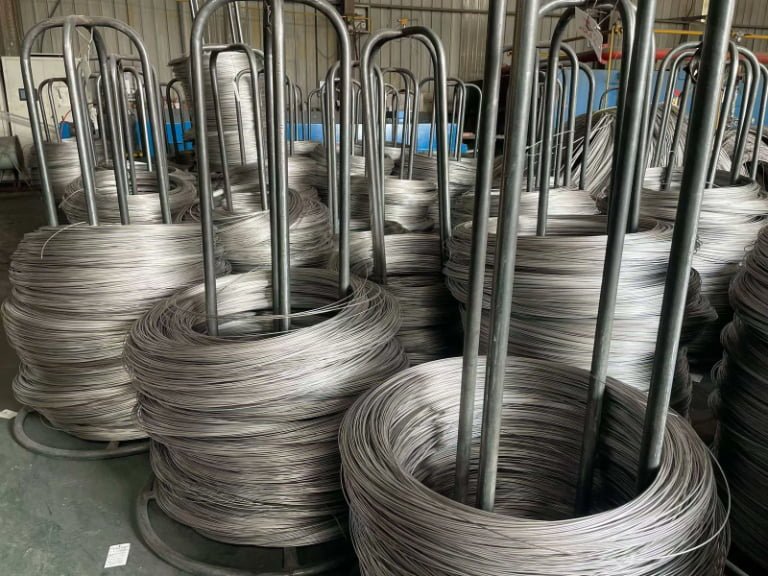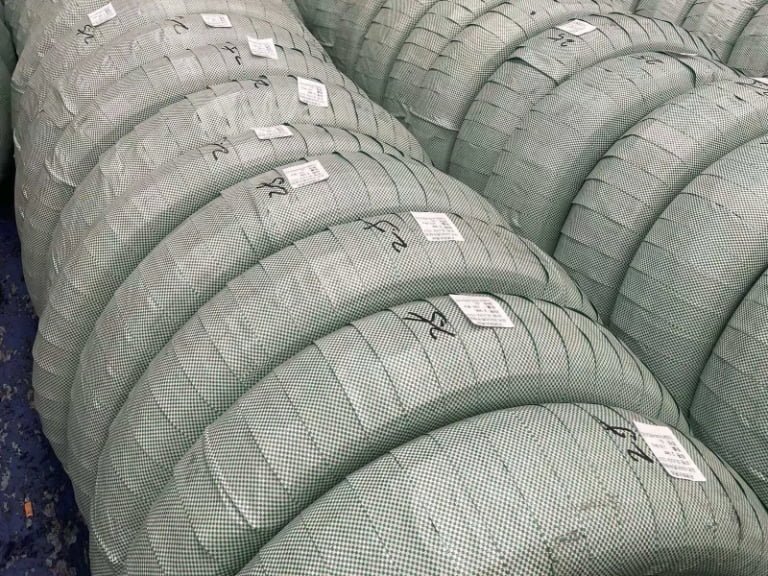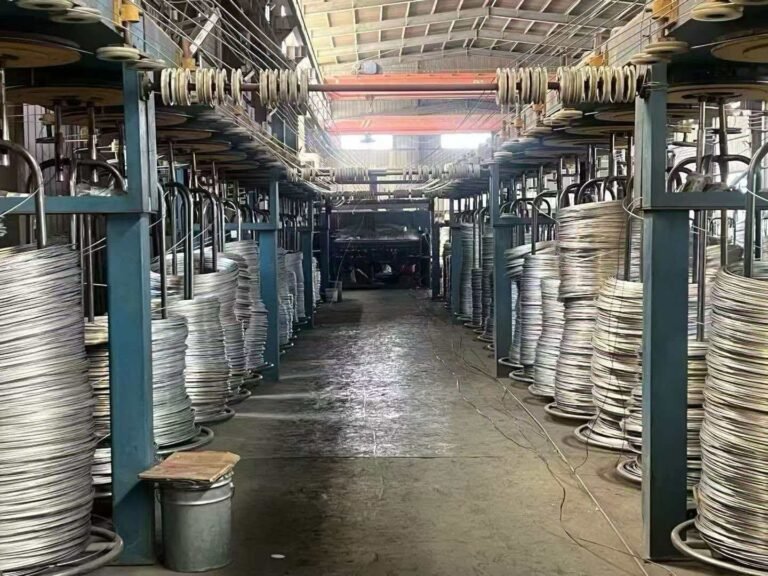



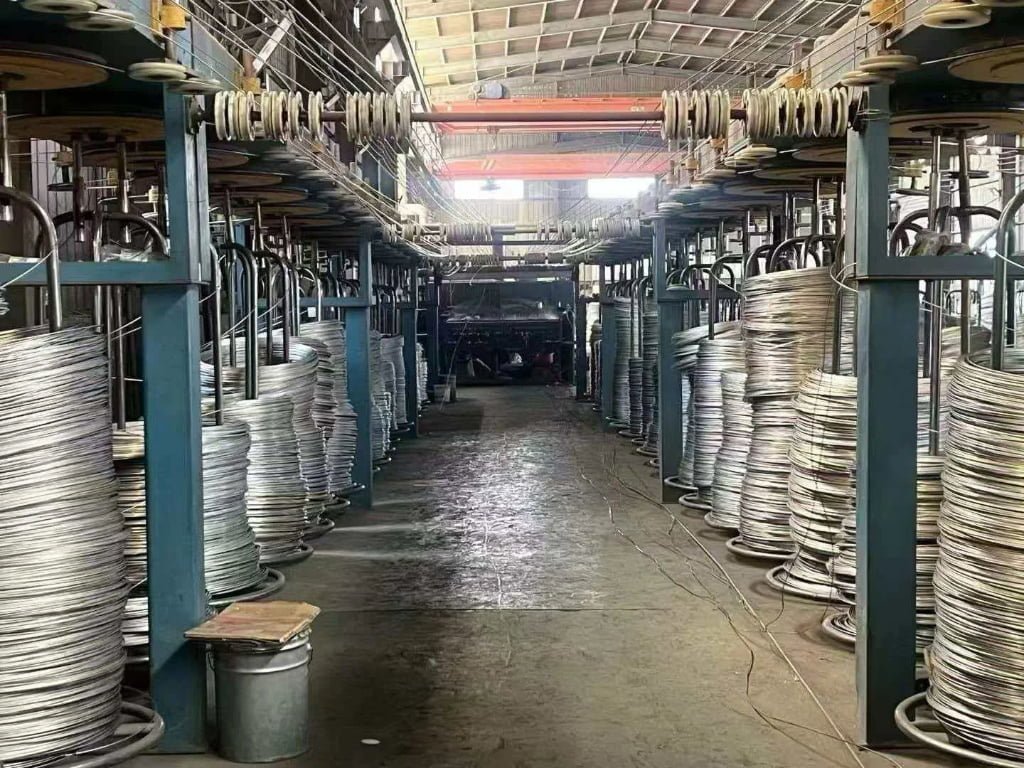
Kenya's construction market is entering a new phase of growth, and 201 stainless steel wire is at the center of it. From government housing programs to coastal hotel investments and changing private developer standards, three structural trends are driving demand acceleration. Here is what is happening on the ground in Nairobi and Mombasa.
Mwangi has been supplying building materials in Kenya for eight years. Buyers like him, who need to stay ahead of market demand shifts and secure consistent supply, can find detailed specifications and ready stock information on our product page: https://mfgwiremesh.com/metal-wire/201-stainless-steel-wire/.
Struggling with material choices for your Kenyan construction project? Using the wrong wire leads to rust and costly repairs, putting your timeline and reputation at risk. The market is shifting.
The demand for 201 stainless steel wire is accelerating in Kenya due to a combination of factors. These include large-scale government affordable housing projects, a boom in coastal construction requiring corrosion resistance, and private developers upgrading material standards to avoid the long-term costs of using inferior galvanized wire.
I got an urgent call last week. It was from Mwangi, a building materials wholesaler in Mombasa. His inventory of 201 stainless steel wire was gone. He said, "My stock ran out a month earlier than I expected." He had planned for a full container to last him four months, but it was empty in just two and a half. This wasn't just a small spike in sales. Mwangi has been in this business for eight years, and he told me this was a real shift in the market. His experience gave me a clear picture of what's happening on the ground in Kenya. I realized that several key trends are coming together at the same time, all pointing toward a bigger demand for better materials.
Are Government Housing Projects Driving the Shift to 201 Stainless Steel Wire?
Running a large government project means you have to watch every penny. But choosing cheap materials can lead to big problems and expensive fixes down the road. There is a better way.
Yes. The Kenyan government's affordable housing program is a major driver. These large-scale projects need cost-effective yet durable materials. 201 stainless steel wire is the perfect solution, offering much better performance than galvanized wire at a price point that fits tight government budgets.
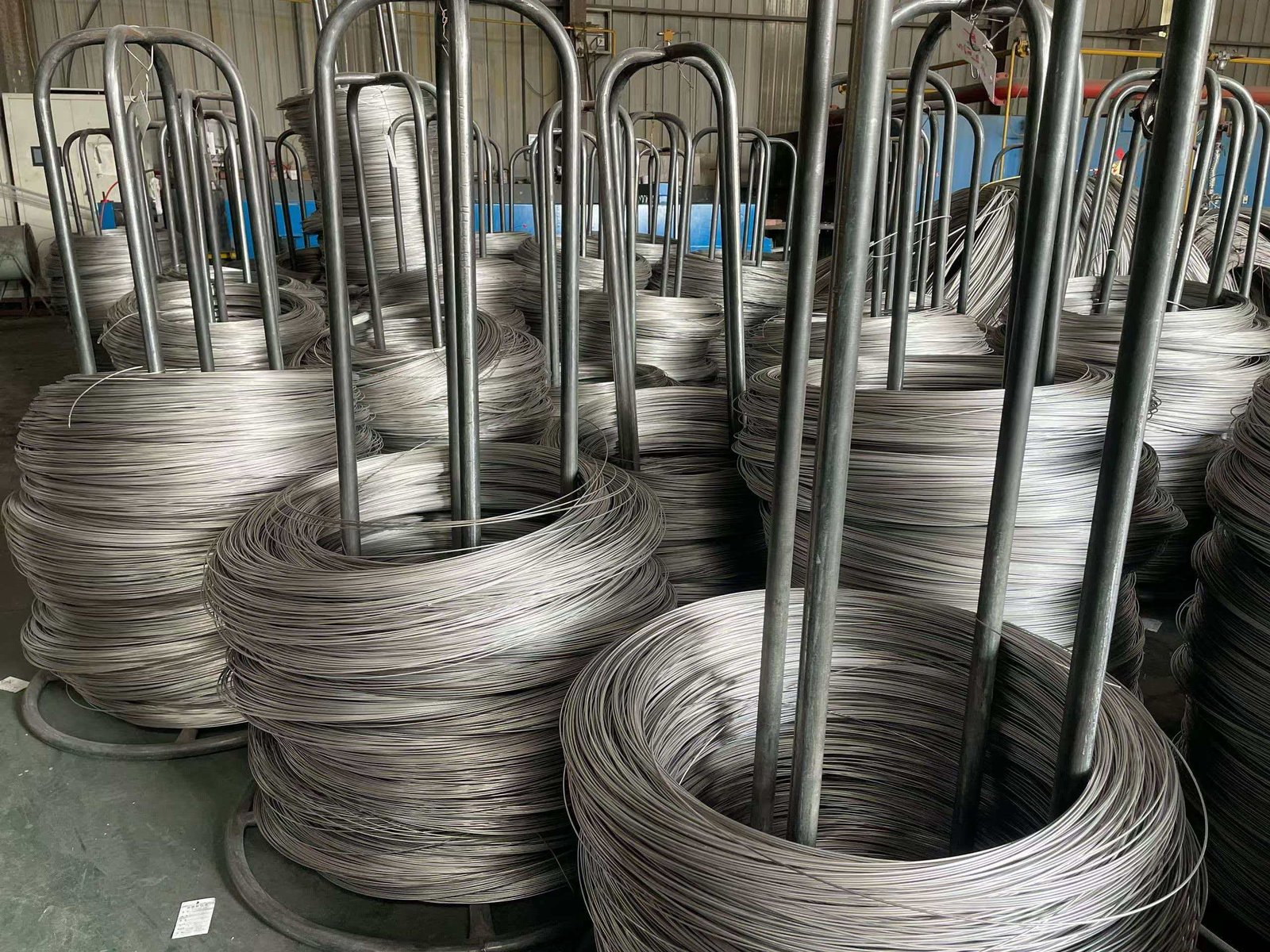
Mwangi told me that the government's affordable housing plan is finally picking up speed. For a few years, things moved slowly. Now, large residential projects are starting all at once around Nairobi. Each of these sites uses hundreds of tons of tying wire. For projects of this scale, cost is a huge factor. The developers need a material that is reliable but won't break the bank. This is where 201 stainless steel wire has found its perfect place in the market. It provides the right balance of price and performance that these projects demand.
The Sweet Spot for Cost and Performance
The choice of tying wire is critical in concrete construction. If the wire rusts, it expands and can cause the concrete to crack. This leads to water damage and weakens the structure over time. Galvanized wire is cheap, but it can rust. 304 stainless steel offers excellent protection, but it can be too expensive for affordable housing. 201 stainless steel hits the sweet spot. It offers good corrosion resistance, far superior to galvanized wire, ensuring the building's longevity. And its price makes it a practical choice for mass housing projects.
| Material Type | Relative Cost | Corrosion Resistance | Best For |
|---|---|---|---|
| Galvanized Wire | Low | Low | Temporary or dry applications |
| 201 Stainless Steel Wire | Medium | Good | Cost-sensitive projects needing durability |
| 304 Stainless Steel Wire | High | Excellent | High-spec projects or harsh environments |
As you can see, 201 is the logical upgrade for developers who want to build quality homes that last, without letting costs get out of control.
Why Is Coastal Construction Boosting Demand for 201 Stainless Steel Wire?
Building near the sea is a major challenge. The salty air is aggressive and attacks metal, causing rust to appear very quickly. This can ruin your building's structure and appearance.
The salty, humid air along Kenya's coast rapidly destroys traditional galvanized wire. 201 stainless steel wire provides the necessary corrosion resistance to withstand this harsh environment. It has become the standard material for ensuring long-term structural integrity in coastal cities like Mombasa.
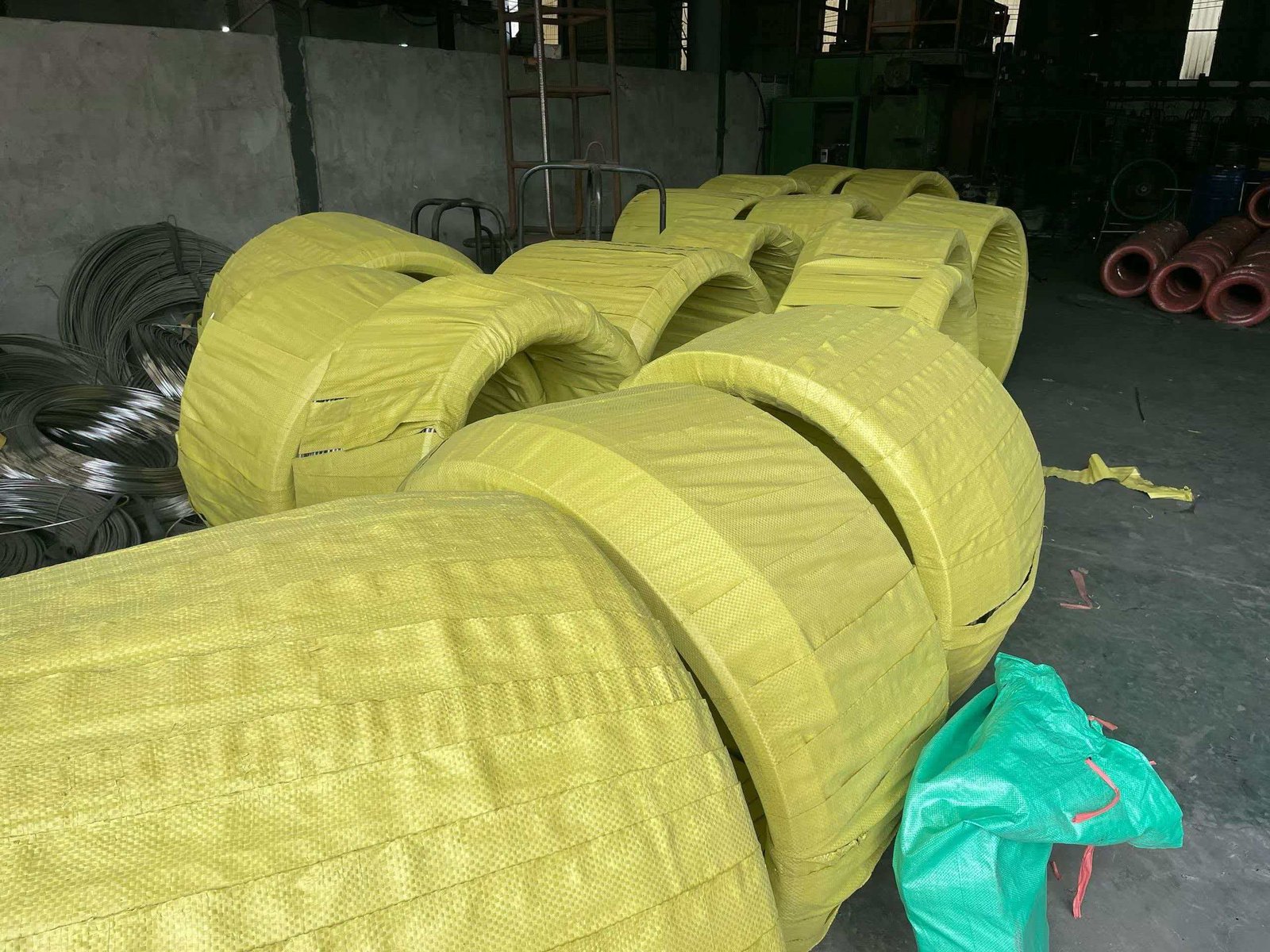
After the slowdown in recent years, Mwangi is seeing a huge recovery in coastal construction. New hotels and resorts are going up all along the coastline, from Mombasa to Diani Beach. In these areas, the air is full of salt from the sea spray. This salty environment is incredibly corrosive. Mwangi told me that his customers in Mombasa don't even ask for galvanized wire anymore. They know it won't last. They go straight for 201 stainless steel wire because it is the only practical choice for building structures that are meant to endure for decades.
The Failure of Galvanized Wire in Salty Air
The problem is simple chemistry. Salt accelerates the process of rust on iron-based metals. Galvanized wire has a coating of zinc, which is supposed to protect the steel wire underneath. However, in a high-salt environment, this zinc layer is consumed very quickly. Once the steel is exposed, it begins to rust almost immediately. The results are ugly rust stains on the concrete, and more seriously, structural weakness as the rebar and tying wire degrade. For a multi-million dollar hotel project, this kind of failure is not an option. The slightly higher initial investment in 201 stainless steel wire pays for itself many times over by avoiding massive repair bills and protecting the building's value. It’s a simple business decision for developers in the region.
Are Private Developers Finally Prioritizing Quality Over Cost?
In the past, many private builders used the cheapest materials possible to maximize profit. This often led to unhappy clients complaining about cracks, leaks, and other defects after moving in.
Yes, many are. An increasing number of private developers in Kenya now specify 201 stainless steel wire. They understand that using cheap galvanized wire leads to rust, structural problems, and a bad reputation. They are choosing long-term quality to protect their brand and reduce future costs.
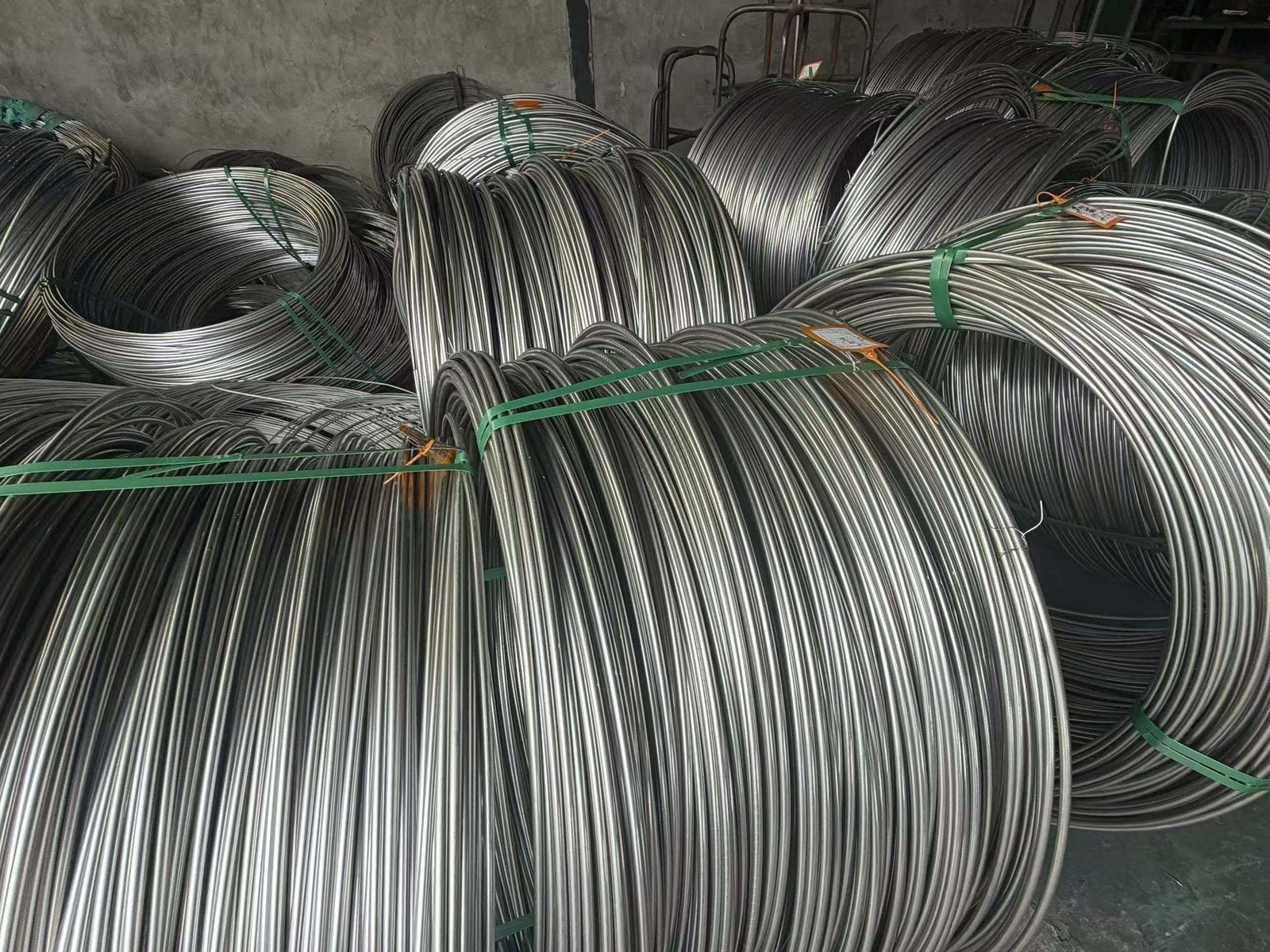
According to Mwangi, the most surprising change has been in the private residential sector. This market used to be dominated by galvanized wire because the main goal was to keep costs low. But things are changing. Developers have learned a hard lesson. When cheap tying wire rusts inside a concrete wall, it causes cracks and allows water to seep in. The new homeowner complains, and the developer has to spend time and money on repairs. This hurts their reputation and makes it harder to sell future projects. Now, more and more developers are writing "stainless steel tying wire" directly into their construction contracts. Mwangi said these private projects now make up nearly half of his sales.
The True Cost of "Cheap" Materials
This shift shows that the market is becoming more mature. Developers are thinking about the total cost of a building, not just the initial construction price. A good reputation is a valuable asset.
Here’s what they have learned:
- Initial Savings are Small: The money saved by using galvanized wire is a tiny fraction of the total project cost.
- Repair Costs are High: The cost to fix a single water leak or structural crack caused by rust is often much higher than the initial savings on wire.
- Reputation is Priceless: A steady stream of complaints from unhappy homeowners can destroy a developer's brand. Positive word-of-mouth from satisfied customers is the best form of marketing.
By choosing 201 stainless steel wire, smart developers are investing in quality. They are building a better product, which leads to happier customers and a stronger, more profitable business in the long run.
Conclusion
The rising demand for 201 stainless steel wire in Kenya is clear. It is driven by government housing, coastal building, and smart developers choosing long-term quality over short-term savings.
Mwangi's inventory ran out six weeks ahead of schedule, and his annual forecast is up over 40 percent. Read more Kenya market analysis on our blog https://mfgwiremesh.com/blog/ or reach out via https://mfgwiremesh.com/contact/.
If you are sourcing 201 stainless steel wire for Kenya's growing construction market, we are happy to provide a specification-based quotation. Contact us via WhatsApp: +86 15383180672.
FAQ:
Q1: What is driving the acceleration in Kenya's demand for 201 stainless steel wire? A1: Three structural factors are driving demand. First, Kenya's government affordable housing program is scaling up, with multiple large residential projects breaking ground simultaneously around Nairobi. Second, coastal hotel investment in Mombasa and Diani Beach has returned to full capacity, and salt-heavy air makes 201 stainless steel wire the default specification. Third, private developers are upgrading material standards, replacing galvanized wire with stainless steel to avoid rust-related post-handover complaints. Mwangi's annual order volume is now projected to grow by over 40 percent.
Q2: Why is 201 stainless steel wire preferred over galvanized wire in Kenya's coastal projects? A2: Kenya's coastal areas around Mombasa and Diani Beach have salt-heavy air that rapidly degrades zinc coating on galvanized wire. 201 stainless steel wire, with its built-in chromium rust resistance, withstands these conditions without additional treatment. Mwangi reports that his Mombasa clients no longer even consider galvanized wire for construction projects—201 has become the standard specification for coastal builds.
Q3: Are private developers in Kenya also switching to 201 stainless steel wire? A3: Yes, and this is the most significant shift according to Mwangi. Private residential developers previously used galvanized wire as a cost-saving measure. However, rust-related issues such as concrete cracking and wall seepage led to post-handover complaints. Developers are now specifying stainless steel tying wire in contracts, and Mwangi reports that private residential projects now account for nearly half of his sales volume.