


Rwanda's compact geography and growing rural construction projects create a unique distribution opportunity for 201 stainless steel wire importers. Moving beyond Kigali to serve rural construction sites requires a different logistics setup, but the payoff is stronger customer retention and reduced competition. Here is how one Kigali importer built his distribution network.
Jean expanded from city-center supply to rural job-site delivery this year. Buyers like him, who need factory support for batch shipping and specification pre-sorting, can find detailed ordering and logistics coordination on our product page: https://mfgwiremesh.com/metal-wire/201-stainless-steel-wire/.
Last year, my client Jean in Kigali did something his peers thought was crazy. He started delivering 201 stainless steel wire to rural construction sites across Rwanda. Before this, he only served Kigali city and a few nearby towns. Customers came to his warehouse to pick up goods themselves. But when two major clients building rural infrastructure projects asked if he could deliver directly to their sites, Jean called me. That conversation changed how we both think about wire distribution in East Africa.
Jean's delivery system now covers rural sites from Musanze in the north to Rwamagana in the east. He runs a three-point operation: warehouse location near highway junctions, pre-sorted shipments by specification and destination, and rainy season delivery windows that work around Rwanda's challenging terrain. This guide shows you how to set up a similar distribution system for 201 stainless steel wire from Kigali to remote construction sites.
If you are importing building materials to Rwanda and thinking about expanding beyond Kigali, this guide gives you a practical roadmap. I have worked with Jean for three years, and his rural distribution system is now his biggest competitive advantage.
Why Do Rural Construction Sites in Rwanda Need Direct Delivery of Stainless Steel Wire?
Jean's decision to start rural deliveries came from a simple observation. His two biggest clients in 2024 were both working on rural projects. One was building tourism facilities in Musanze near Volcanoes National Park. The other was constructing agricultural storage units in Rwamagana. Both asked the same question: can you deliver to our sites instead of making us drive four hours round trip to your warehouse?
Rural construction projects in Rwanda face high logistics costs because most building material suppliers only serve Kigali. Workers waste time driving to the capital for supplies. Direct delivery cuts transportation costs by 40-60% and keeps construction schedules on track. Sites need consistent supply without interrupting their work crews.
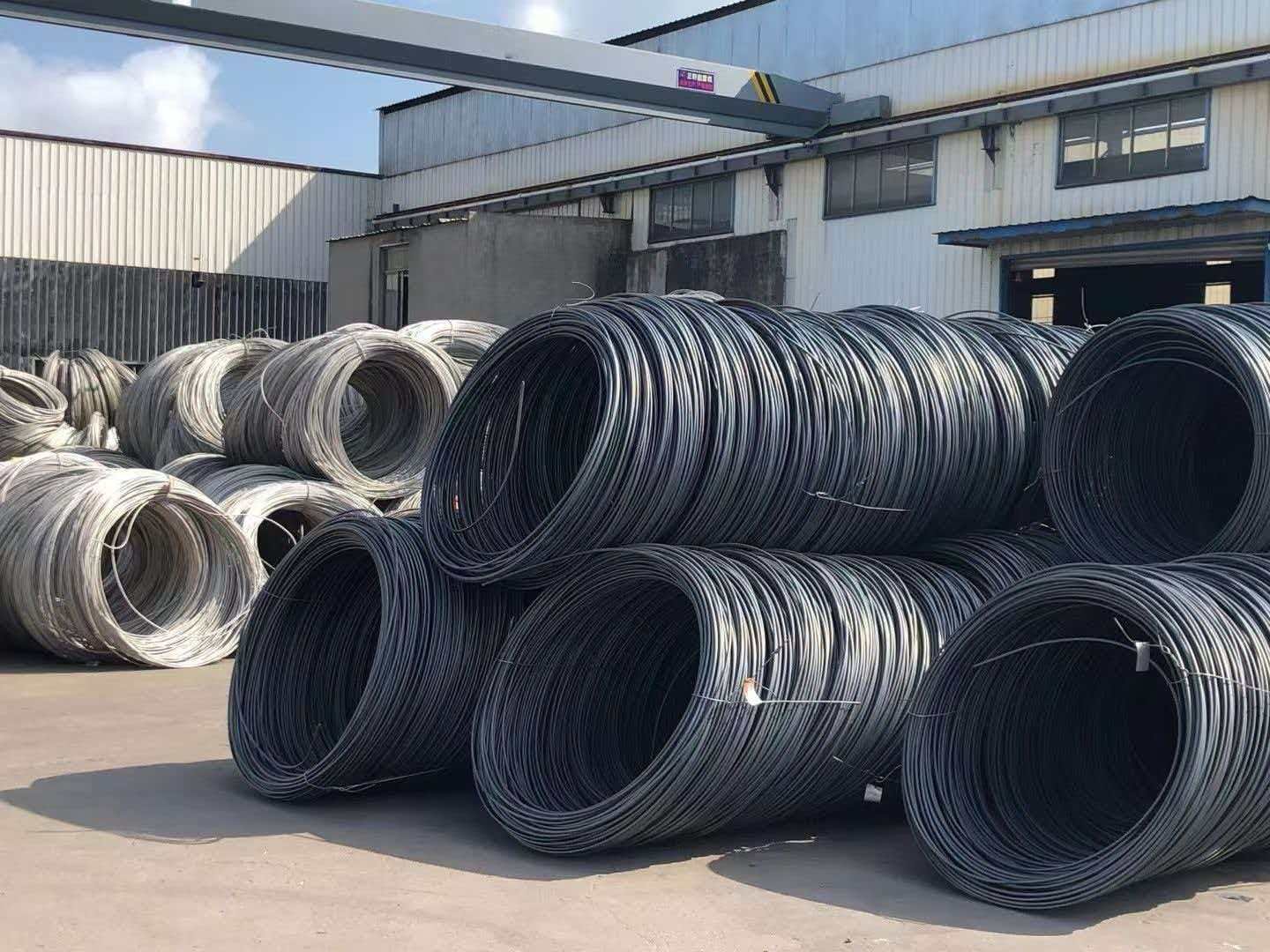
Rwanda has over 70% of its population living in rural areas. The government runs major infrastructure programs targeting rural development. Tourism facilities, agricultural storage, community health centers, and rural electrification projects all need wire products. These sites use 201 stainless steel wire for fencing, structural reinforcement, equipment fabrication, and securing loads during transport.
The problem is that most sites run on tight schedules. A construction supervisor cannot afford to send a truck to Kigali every time they need more wire. They need a supplier who delivers on a predictable schedule. Jean realized that if he could solve this delivery problem, he would lock in long-term contracts with these rural projects.
What Types of Rural Projects Use 201 Stainless Steel Wire?
Jean's two initial clients show the range of rural applications. The Musanze tourism project needed wire for perimeter fencing, cable railings on viewing platforms, and securing construction materials against wind. The Rwamagana agricultural storage project used wire for reinforcing concrete structures, tying steel frameworks, and building ventilation grilles.
Other rural applications include coffee processing facilities, tea factories, fish farming operations, and rural electrification poles. Each project has specific wire requirements. A coffee processing facility needs corrosion-resistant wire for drying racks. A fish farm needs wire for cage construction. An electrification project needs wire for securing transformers and cable management.
Jean keeps a reference sheet showing which wire specifications work for which rural applications. Tourism fencing typically uses 2.5-3.0mm diameter wire. Agricultural structures use 1.6-2.0mm wire for tying and securing. Processing facilities need 1.2-1.6mm wire for racks and screens. This reference helps him advise clients on the right specifications before they place orders.
| Project Type | Primary Wire Use | Common Diameter | Monthly Consumption |
|---|---|---|---|
| Tourism Facilities | Fencing, railings | 2.5-3.0mm | 800-1200kg |
| Agricultural Storage | Framework tying | 1.6-2.0mm | 500-900kg |
| Processing Plants | Racks, screens | 1.2-1.6mm | 300-600kg |
| Fish Farming | Cage construction | 2.0-2.5mm | 400-800kg |
How Do You Choose a Warehouse Location in Kigali for Rural Distribution?
Jean's warehouse location was the first critical decision. He needed a space that could receive containers from Dar es Salaam port and redistribute goods to rural sites efficiently. His solution was to rent a warehouse on the outskirts of Kigali, near the intersection of two major highways.
The warehouse sits where the northern highway to Musanze and the eastern highway to Rwamagana meet. This location puts Jean within three hours of most rural construction sites in Rwanda. Container trucks from Dar es Salaam can reach the warehouse directly without navigating Kigali city traffic. Small delivery trucks can load and depart for rural sites the same day.
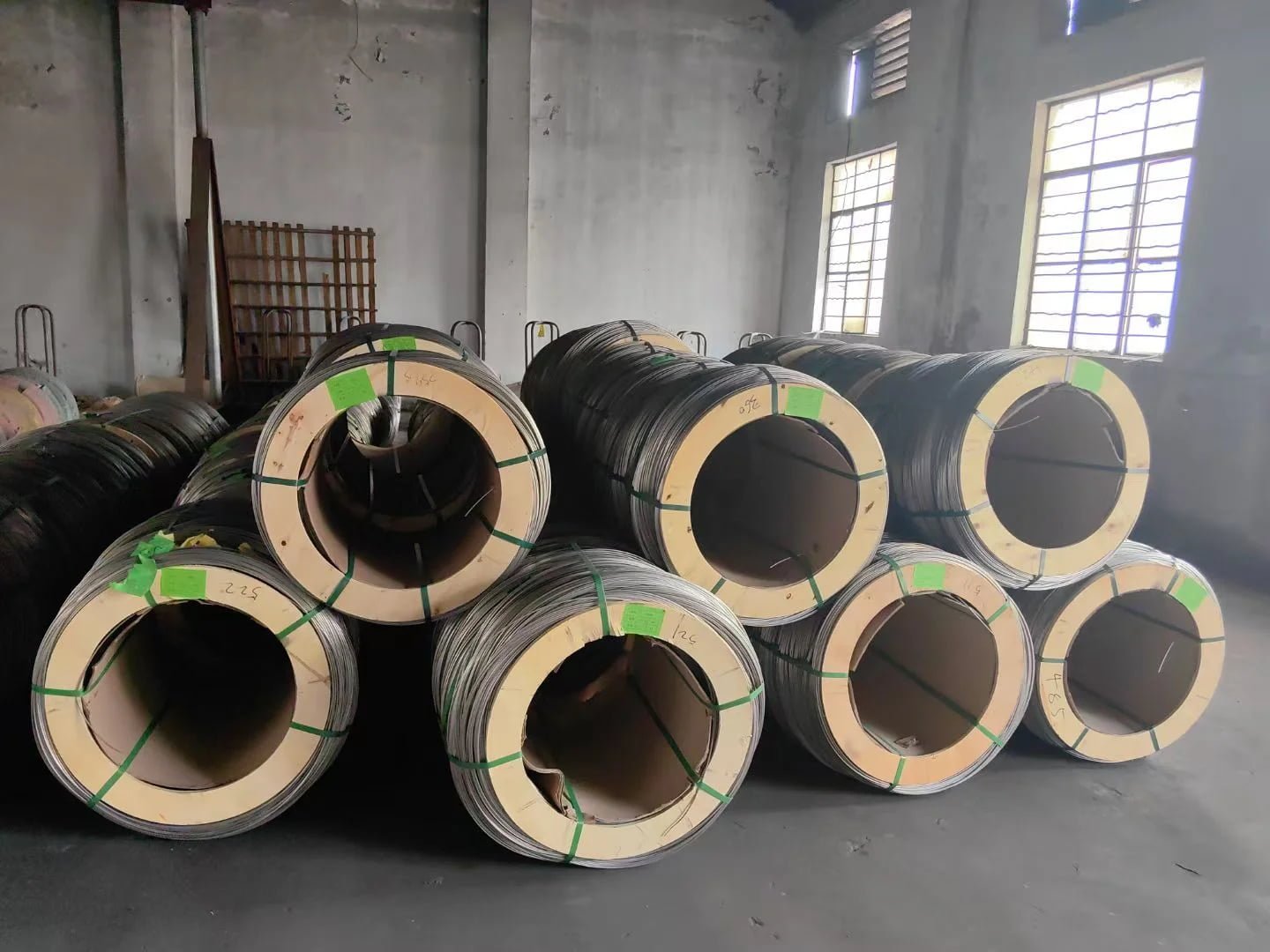
Before choosing this location, Jean mapped out his clients' sites. He used Google Maps to measure driving times from different warehouse locations. He found that a warehouse near the highway junction cut average delivery time by 90 minutes compared to his old city-center location. That time saving meant he could do same-day deliveries to sites within 150km of Kigali.
The warehouse has three functional zones. The receiving zone handles containers from Dar es Salaam. Workers unload wire coils and sort them by specification. The sorting zone organizes wire by customer and destination. Each customer has a designated area where their orders accumulate until delivery day. The loading zone stages goods for small delivery trucks. Jean uses 3-ton trucks that can navigate rural roads better than large vehicles.
What Infrastructure Does Your Distribution Warehouse Need?
Jean's warehouse is 600 square meters with a 6-meter ceiling height. The space allows stacking wire coils three levels high on steel racks. He installed overhead lighting for night operations when containers arrive late. The floor is concrete with moisture barriers because humidity can cause surface rust on wire during Rwanda's rainy seasons.
The warehouse has a covered loading dock that protects goods during rain. This dock is essential because you cannot leave wire exposed to rain even briefly. Jean also built a small office area where workers check packing lists, print delivery notes, and communicate with clients about shipment status.
Security was another consideration. The warehouse has a perimeter fence, security guards, and a simple inventory tracking system. Jean uses a spreadsheet to track which customer's goods are in which rack section. This system prevents mix-ups when loading delivery trucks.
The warehouse is 8 kilometers from central Kigali on a paved road. This distance keeps rent costs reasonable while maintaining good access. Jean pays about 800 USD per month for the space, which is 40% less than equivalent space in the city center. Lower rent means he can offer more competitive delivery pricing to rural clients.
How Do You Pre-Sort Shipments by Specification and Destination?
This was Jean's breakthrough innovation. Traditional wire distributors in Kigali stock common sizes and let customers choose on-site. Jean reversed this process. He asks customers to submit a detailed material list before he orders from our factory. The list specifies wire diameter, quantity, and destination site.
Jean's pre-sorting system means every shipment from our factory arrives already organized by customer and site. Workers at his warehouse do not need to measure, cut, or repack wire. They simply verify quantities against the packing list and load pre-sorted goods onto delivery trucks. This process reduces warehouse labor by 60% and eliminates sorting errors.
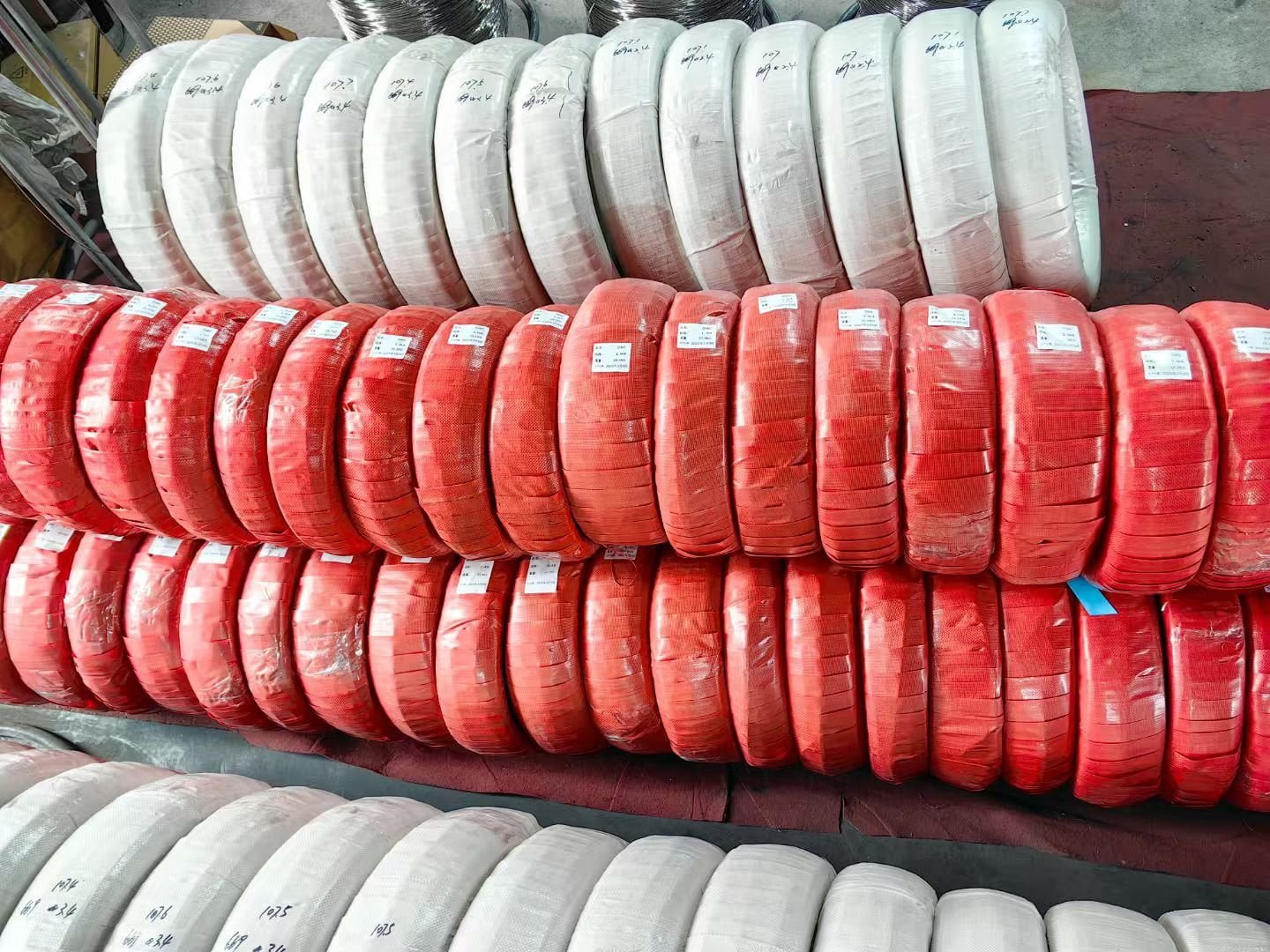
Here is how the process works. Jean sends his clients a simple spreadsheet template. Clients fill in their requirements: wire diameter, total weight, delivery address, and preferred delivery date. Jean collects these lists and combines them into a master order that he sends to our factory.
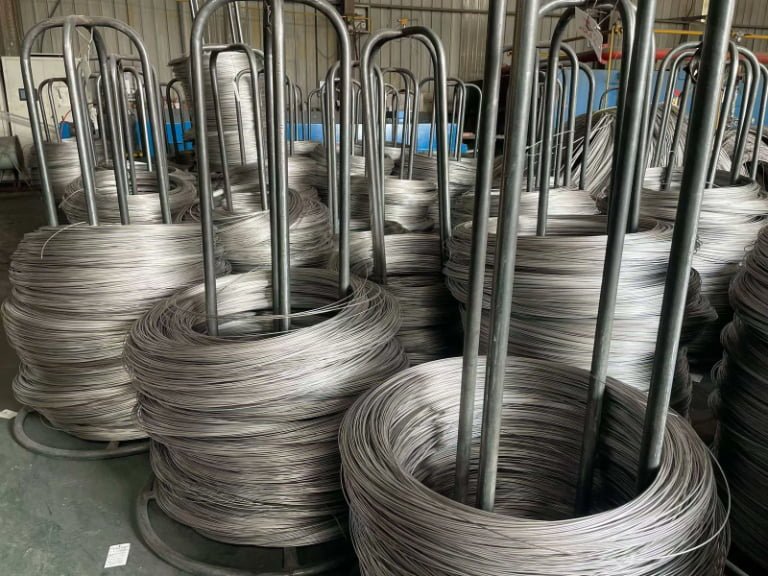
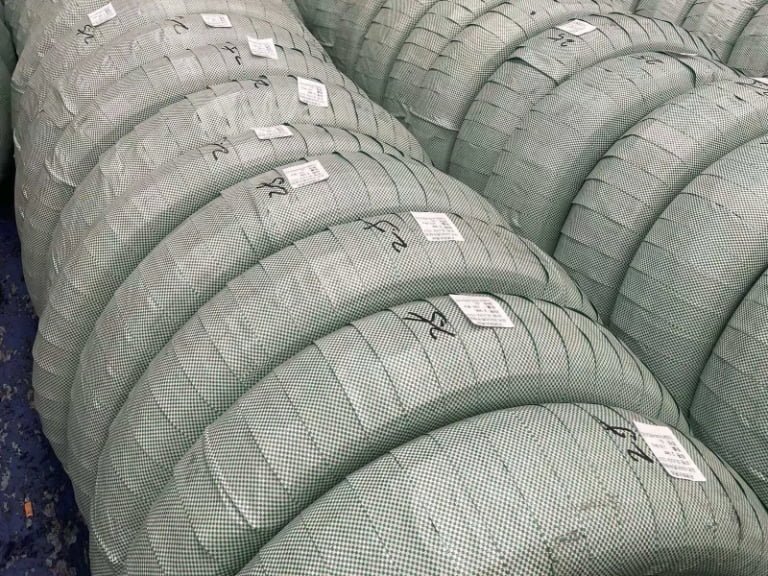
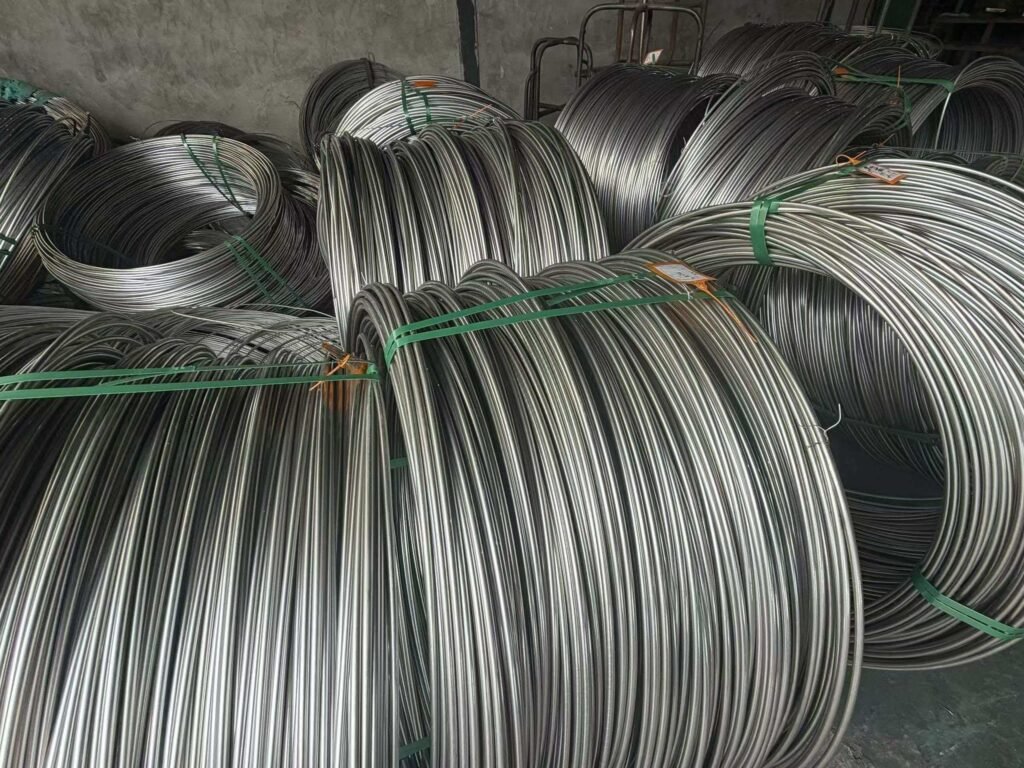
At our factory, we prepare each client's order as a separate batch. We label each coil with the customer name and site location. We pack coils in waterproof wrapping with clear exterior labels. When the container reaches Jean's warehouse, workers know exactly where each coil belongs just by reading the label.
What Information Should Your Material List Include?
Jean's material list template has six essential fields. The first is customer name and contact number. The second is site location with GPS coordinates if possible. The third is wire diameter in millimeters. The fourth is total quantity in kilograms. The fifth is packaging preference, either coils or straight lengths. The sixth is delivery date.
This information allows our factory to prepare shipments efficiently. We group orders by diameter to minimize production changeovers. We schedule production so that goods arrive at Jean's warehouse one week before his delivery date. This timing gives Jean buffer time to handle any customs delays at the Rwanda border.
The material list also helps Jean plan truck capacity. He knows exactly how many kilograms are going to each site. He can optimize truck loading so that one truck can deliver to multiple sites on the same route. This route optimization saves fuel and allows him to serve more clients with fewer vehicles.
| Customer | Site Location | Diameter | Quantity (kg) | Delivery Date |
|---|---|---|---|---|
| Musanze Tourism | Volcanoes NP Gate | 2.5mm | 1200 | Week 2 |
| Rwamagana Storage | Rwamagana Center | 1.8mm | 800 | Week 2 |
| Nyagatare Farm | Nyagatare District | 2.0mm | 600 | Week 3 |
Jean updates this master list monthly. He shares it with his truck drivers so they know the delivery schedule. Clients receive delivery confirmation messages two days before their scheduled date. This communication system keeps everyone informed and reduces last-minute changes.
What Are the Best Practices for Rainy Season Deliveries in Rwanda?
Rwanda has two rainy seasons. The long rains run from March to May. The short rains run from October to December. During these periods, rural roads become challenging. Jean learned this the hard way during his first rainy season doing rural deliveries.
Jean schedules rainy season deliveries for early morning, typically between 5 AM and 8 AM. Road surfaces are firmest early in the day before heavy rains start. He also asks clients to order two weeks in advance during rainy months instead of the usual one-week lead time. This buffer accommodates weather delays without missing project deadlines.
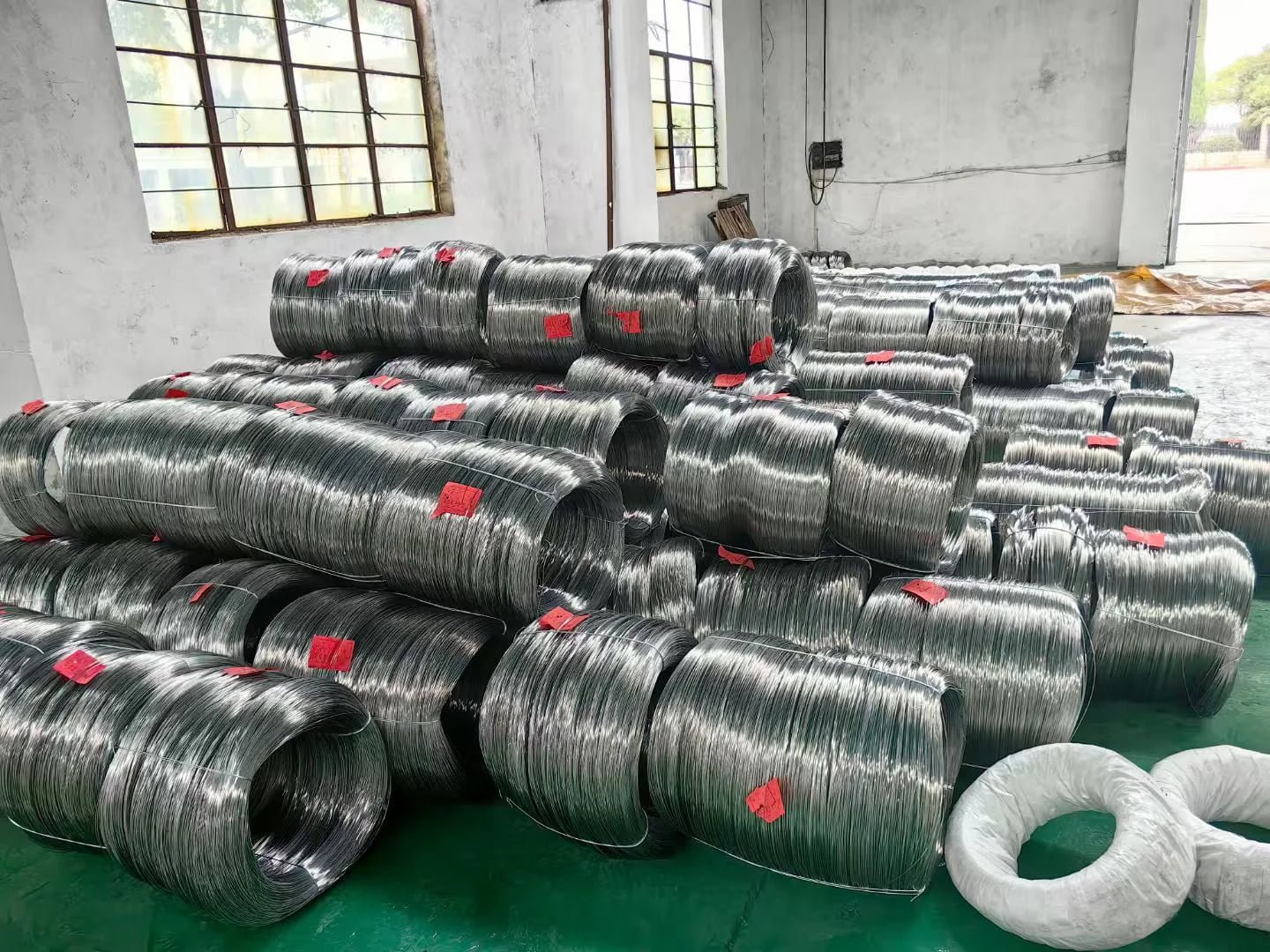
The early morning delivery window works because Rwanda's rainfall pattern typically has afternoon peaks. By starting deliveries at dawn, Jean's drivers usually complete their routes before noon when roads are most passable. Drivers carry tarps to cover wire bundles if unexpected rain occurs during transport.
Jean also maintains relationships with local motorcycle taxi drivers in rural areas. These riders know which roads are passable after heavy rain. Before sending a truck on a long-distance delivery, Jean calls a motorcycle taxi driver near the destination site to check road conditions. This local intelligence prevents trucks from getting stuck on impassable roads.
How Do You Protect Wire Products During Wet Season Transport?
Jean uses three layers of protection for rainy season deliveries. The first layer is our factory's waterproof wrapping on each wire coil. We wrap coils in heavy-duty plastic film that resists tearing during handling. The second layer is additional tarp covering in Jean's warehouse before loading. Workers wrap entire truck loads in canvas tarps secured with rope.
The third layer is the truck itself. Jean rents covered trucks for all rural deliveries, even in dry season. These trucks have canvas or metal roofs that keep rain off cargo. He avoids flatbed trucks because even tarped loads can get wet from spray on muddy roads.
If a delivery must happen during heavy rain, Jean delays it. He learned that one day of waiting is better than dealing with rust claims from customers. Wire that gets soaked develops surface rust within 48 hours. Replacing rusted wire costs more than the delivery delay.
Jean also advises customers on proper site storage. Rural construction sites often lack covered storage areas. Jean recommends that clients prepare a raised platform with a waterproof cover before wire arrives. The platform keeps coils off wet ground. The cover protects against direct rain. This simple setup prevents storage-related rust problems.
How Does Direct Delivery Improve Customer Retention?
Jean noticed something interesting after six months of rural deliveries. His customer churn rate dropped to nearly zero. Before, about 30% of his customers would switch to competitors for better prices. Now, almost no one leaves. The reason is simple: convenience beats price for busy construction supervisors.
Rural contractors value reliable delivery more than a 5% price difference. When Jean delivers wire directly to their sites on schedule, contractors avoid the cost and hassle of sending their own trucks to Kigali. This service creates strong customer loyalty. Contractors become repeat buyers because switching suppliers means losing the delivery benefit.
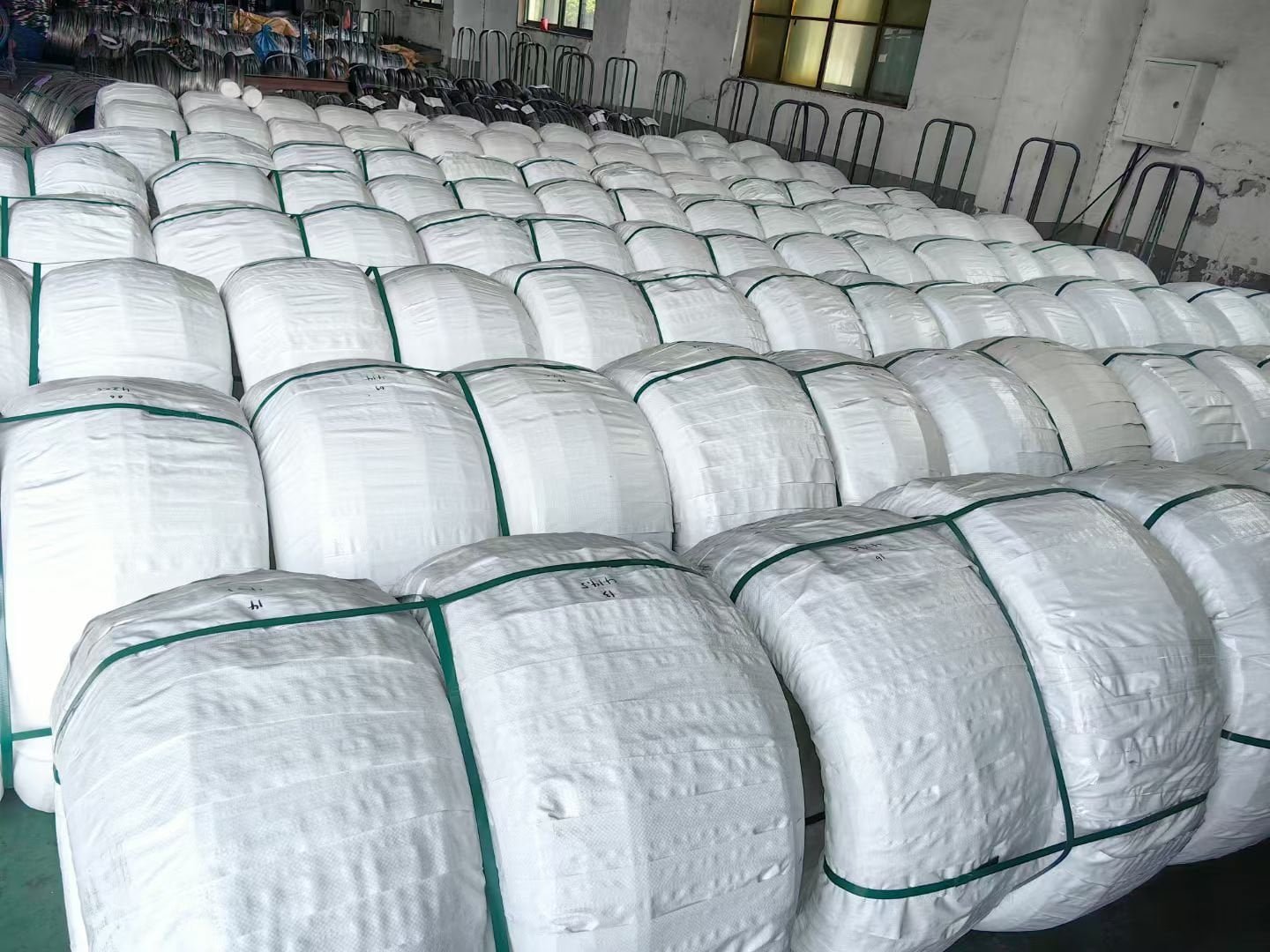
Jean's delivery service includes a few extras that build loyalty. First, his drivers help unload goods and place them in the customer's preferred storage area. This unloading service saves site workers time. Second, Jean provides a delivery photo and timestamp to customers via WhatsApp. This proof of delivery prevents disputes about arrival times.
Third, Jean offers a pickup service for any unused wire at project completion. Rural sites sometimes over-order to avoid shortages. Jean tells customers he will buy back unused coils at 80% of the original price if the wire is in good condition. This buyback guarantee reduces customers' inventory risk and encourages them to order from Jean rather than gamble with other suppliers.
The financial impact is significant. Jean's revenue from these two rural clients now represents 45% of his total business. These clients order consistently every month rather than placing sporadic orders. Consistent orders allow Jean to negotiate better pricing with our factory because we can plan production more efficiently.
What Are the Hidden Benefits of Site Delivery Service?
Beyond customer retention, Jean discovered several unexpected advantages. First, he gets better market intelligence. His drivers visit construction sites regularly and observe what other materials sites are using. Jean can spot new product opportunities. For example, drivers noticed many sites using imported cable ties. Jean started offering domestic cable ties as an add-on product.
Second, site delivery strengthens relationships with project engineers. Engineers appreciate suppliers who understand construction schedules. Jean's reliability makes engineers recommend him to colleagues on other projects. Word-of-mouth referrals from engineers have brought Jean three new rural clients in the past year.
Third, Jean has better cash flow. Before offering delivery, Jean often gave customers 30-60 day payment terms because buyers needed time to sell goods. Now, Jean requires payment on delivery for rural sites. Contractors expect to pay for materials when they arrive on-site. This payment-on-delivery model eliminated Jean's accounts receivable problems.
Fourth, Jean reduced his warehouse holding costs. Under the old model, he kept large stock quantities because customers wanted immediate pickup. Now, he orders from our factory based on confirmed delivery schedules. He holds minimal safety stock. Lower inventory means less capital tied up in unsold goods.
How Do You Calculate Delivery Pricing for Rural Sites?
Jean's delivery pricing has two components. The first is a base delivery fee based on distance from his Kigali warehouse. Sites within 100km pay 40 USD per delivery regardless of load size. Sites beyond 100km pay 60 USD. These fees cover fuel, driver wages, and vehicle maintenance.
The second component is a minimum order requirement. Jean requires minimum orders of 300kg for sites within 100km and 500kg for sites beyond 100km. This minimum ensures delivery efficiency. For orders below the minimum, clients can combine orders with other projects along the same route or pay a surcharge equal to 50% of the base delivery fee.
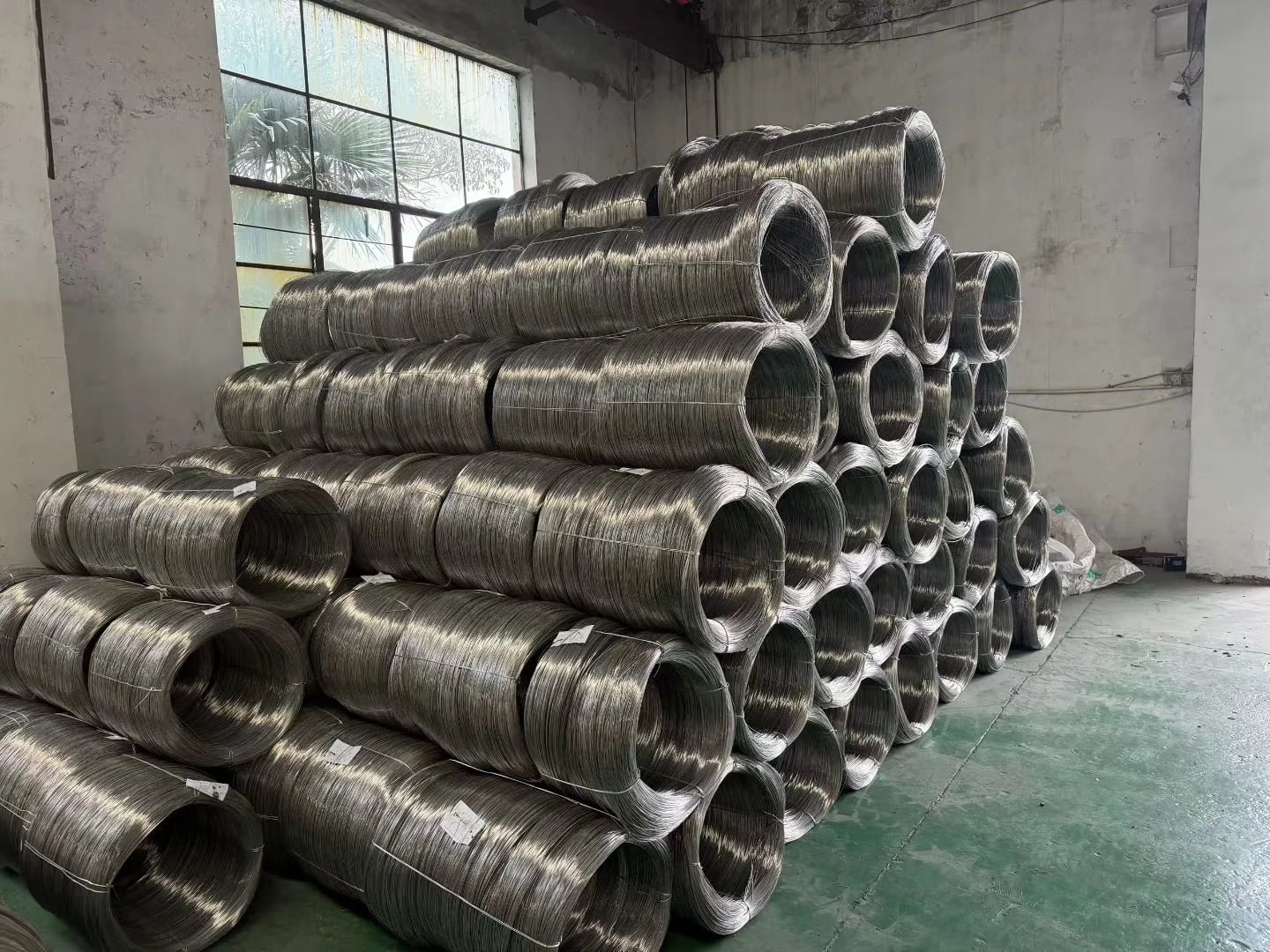
Jean's pricing is transparent. He shares a rate card with all clients showing distance bands and corresponding fees. Clients can calculate their delivery cost before placing orders. This transparency prevents disputes and helps clients budget accurately.
For regular monthly deliveries, Jean offers a subscription pricing model. Clients who commit to monthly orders of 1000kg or more get free delivery regardless of distance. This subscription model has proven popular with large rural projects that need continuous supply. It guarantees Jean consistent business while saving clients money on delivery fees.
Jean also adjusts pricing during rainy season. He adds a 20 USD weather premium to all deliveries during March-May and October-December. This premium compensates for higher risk and slower delivery times. Clients understand and accept this seasonal adjustment because Jean communicates it clearly at the start of each rainy period.
How Do You Handle Delivery Disputes and Claims?
Jean has a simple claim process. If a delivery arrives late, clients get a 50% refund on the delivery fee. If goods are damaged during transport, Jean replaces them at no charge within five business days. If the wrong specifications arrive, Jean exchanges them immediately and covers the return transport cost.
These policies are written in Jean's delivery terms sheet that customers sign before first delivery. Clear policies prevent disagreements. In 18 months of rural deliveries, Jean has had only three claims. One was a late delivery due to vehicle breakdown. One was minor water damage to wire wrapping. One was a labeling error where the wrong diameter reached a site.
Jean resolved all three claims within 48 hours. Quick resolution maintained customer trust. He learned that
Jean says the distribution system took effort to set up but has made his clients far more loyal than when they picked up goods themselves. Read more Rwanda business strategies on our blog https://mfgwiremesh.com/blog/ or reach out via https://mfgwiremesh.com/contact/.
If you are sourcing 201 stainless steel wire for Rwanda or any East African market, we are happy to provide a specification-based quotation. Contact us via WhatsApp: +86 15383180672.
FAQ:
Q1: How can Rwanda importers manage batch shipping for multiple rural job sites? A1: Jean requires each client to submit a material list before ordering, specifying the quantity of each diameter and the delivery site. He consolidates these lists and sends them to our factory, where we prepare and label each batch by client name and site location. When the container arrives at his Kigali warehouse, the goods are pre-sorted and ready for direct transfer to smaller trucks without additional sorting. This reduces handling time and prevents specification mix-ups at rural sites.
Q2: What warehouse location strategy works best for distributing across Rwanda? A2: Jean's warehouse is located at the intersection of main roads heading north and east from Kigali, putting most rural sites within a three-hour drive. Rwanda's hilly terrain makes central positioning critical. A warehouse at a major road junction minimizes delivery time to multiple directions and reduces fuel costs compared to operating from a city-center location.
Q3: How does Rwanda's rainy season affect rural job-site delivery? A3: Rwanda has two rainy seasons, and mountain roads are vulnerable to washouts and landslides during heavy rains. Jean schedules deliveries in the early morning before rain softens the road surface. He also requires clients to place orders two weeks in advance during rainy seasons to build in buffer time. This has allowed him to maintain reliable delivery even during the wettest months.