


Mozambique's long coastline creates some of the harshest conditions for construction materials in Africa. Salt-laden sea air and humidity above 75 percent year-round test every binding wire. For contractors building along the coast from Maputo to Pemba, the choice between galvanized and 201 stainless steel wire comes down to a simple question: pay less now or pay much more later. A year-long comparison test at a Maputo beach resort gave one contractor a clear answer.
Fernando ran a side-by-side comparison on a beachfront project and changed his procurement strategy because of it. Buyers like him, who need verified coastal performance data before making the switch, can find detailed specifications on our product page: https://mfgwiremesh.com/metal-wire/201-stainless-steel-wire/.
Last year, Fernando, a construction contractor in Maputo, ran a side-by-side test that changed how he specifies binding wire for coastal projects. The results shocked him. One villa needed expensive rust remediation. The other passed inspection on the first try. His supplier network in Mozambique still talks about this comparison.
In Mozambique's coastal environment, 201 stainless steel wire outlasts galvanized wire by preventing rust penetration into concrete. Fernando's test showed galvanized wire caused visible rust stains within twelve months, requiring remediation and delaying project handover. Meanwhile, 201 wire maintained clean binding points with zero corrosion, justifying its thirty percent higher material cost through avoided rework expenses.
I learned about Fernando's test through a supply chain contact who works with contractors across East Africa. His story matters because it shows real numbers from a real project. Not lab data. Not theory. Just what happened when two wire types faced the same harsh conditions for twelve months.
Why did galvanized wire fail so quickly in Maputo's coastal conditions?
Maputo sits right on the Indian Ocean. The air carries salt particles. Humidity stays above seventy-five percent year-round. These two factors create a perfect environment for metal corrosion. Galvanized wire relies on a zinc coating to protect the steel core underneath. Salt air eats through that coating faster than most people expect.
Galvanized wire failed in Maputo because salt-laden air penetrated the zinc coating within months, exposing the steel core to moisture and oxygen. This triggered rust formation that stained the concrete and weakened binding points. The coastal environment's constant humidity prevented the wire from drying out, accelerating corrosion rates compared to inland locations.
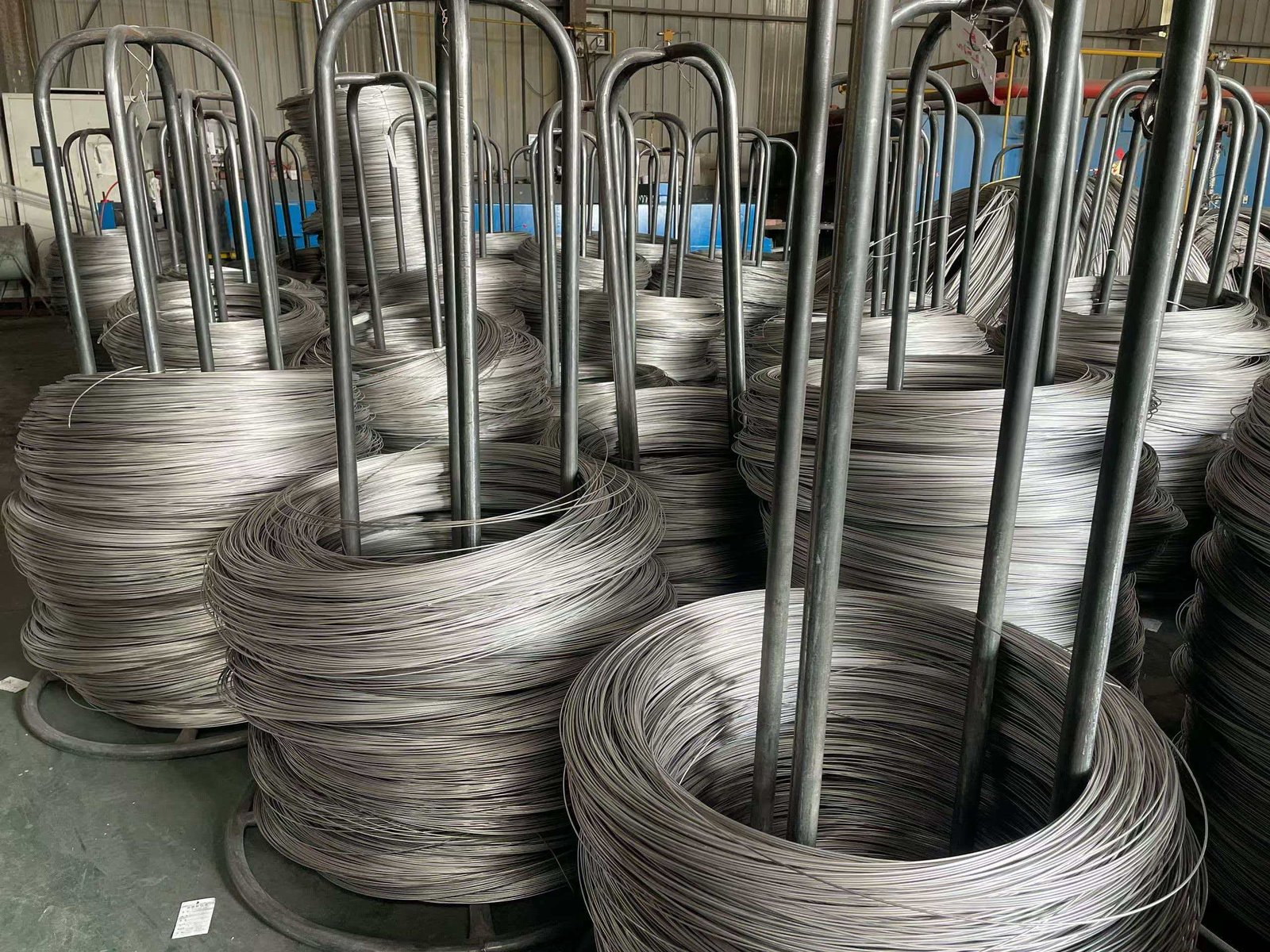
I have seen this pattern repeat in other coastal projects across Africa. The zinc coating on galvanized wire typically provides good protection in dry inland areas. But coastal conditions are different. The coating breaks down faster. Once it fails at any point, rust spreads quickly underneath the remaining zinc layer.
Fernando told me the rust became visible around the eight-month mark. By twelve months, the quality inspector photographed rust stains bleeding through the concrete surface at rebar nodes. The staining indicated that corrosion had penetrated deep enough to compromise the binding wire's structural integrity. The inspector refused to approve the villa for handover until Fernando addressed the rust issue.
How Galvanized Wire Corrodes in High-Salt Environments
The corrosion process follows a clear sequence. First, salt particles land on the zinc coating. These particles attract moisture from the humid air, forming a thin electrolyte layer on the wire surface. This electrolyte accelerates the electrochemical reaction that breaks down zinc.
Second, the zinc coating develops small holes where it wears thinnest. These holes expose the steel core underneath. Once exposed, the steel oxidizes rapidly in the presence of salt water and oxygen. Rust forms at these exposure points and spreads outward along the wire.
Third, rust expands as it forms. Iron oxide takes up more volume than the original iron. This expansion creates pressure that cracks the concrete around the binding point. The cracks allow more salt-laden moisture to reach the wire, creating a feedback loop that speeds up corrosion.
| Corrosion Stage | Timeline in Coastal Environment | Visible Effect |
|---|---|---|
| Zinc coating thinning | 0-6 months | No visible change |
| Steel core exposure | 6-9 months | Small rust spots appear |
| Rust spreading | 9-12 months | Rust stains on concrete surface |
| Structural compromise | 12-18 months | Binding points weaken, cracks form |
The fourth stage involves structural failure. As the wire weakens from rust, it loses its ability to hold rebar in proper position. This can lead to concrete cracking or rebar misalignment that compromises the structure's load-bearing capacity.
What makes 201 stainless steel wire more resistant to coastal corrosion?
Fernando's second villa used 201 stainless steel wire for all rebar binding. After twelve months in the same environment, these binding points showed zero rust. The inspector photographed them as examples of proper material specification for coastal construction. This villa passed inspection on the first attempt with no remediation required.
201 stainless steel wire resists coastal corrosion because chromium in the alloy forms a passive oxide layer that regenerates when scratched. This layer blocks oxygen and moisture from reaching the underlying metal. Unlike zinc coating that wears away permanently, the chromium oxide layer reforms continuously, providing long-term protection even in high-salt environments.
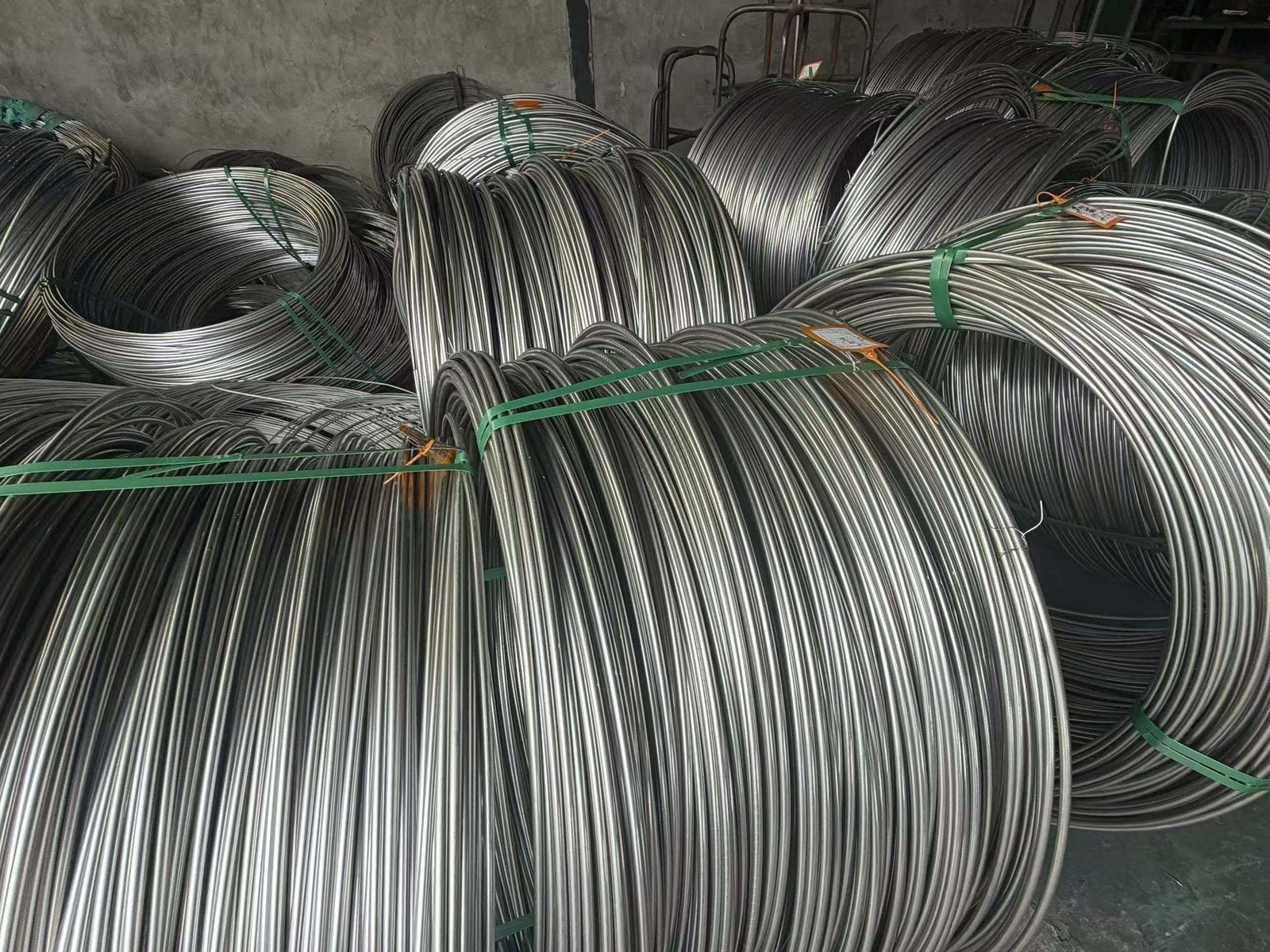
I need to explain what happens at the molecular level. When 201 stainless steel comes into contact with oxygen, the chromium atoms on the surface bond with oxygen molecules. This creates chromium oxide. The chromium oxide layer is extremely thin but very dense. It blocks further oxygen and moisture from penetrating deeper into the metal.
If you scratch or cut stainless steel wire, exposing fresh metal underneath, the chromium in that fresh surface immediately reacts with oxygen to form a new protective layer. This happens within seconds in normal air. The self-healing property means the wire maintains protection even if the surface gets damaged during installation or concrete pouring.
Comparing Chemical Composition and Protective Mechanisms
The key difference lies in how each wire type creates its protective barrier. Galvanized wire gets protection from an external zinc coating applied after the steel wire is formed. This coating is separate from the base metal. It can chip, wear, or separate from the steel underneath.
201 stainless steel wire contains chromium mixed into the steel itself during the melting and forming process. The chromium is not a coating. It is part of the metal all the way through the wire's cross-section. Even if you cut the wire, the cut surface contains chromium that will form its own protective oxide layer.
| Property | Galvanized Wire | 201 Stainless Steel Wire |
|---|---|---|
| Protection method | External zinc coating | Internal chromium oxide layer |
| Layer thickness | 30-80 microns | 2-5 nanometers (but self-healing) |
| Durability in salt air | 8-18 months before failure | 10+ years with minimal degradation |
| Self-repair capability | None (coating wears permanently) | Yes (reforms within seconds) |
| Cross-section protection | Only outer surface protected | Entire wire cross-section protected |
Another important factor is that 201 stainless steel maintains its mechanical strength even after prolonged exposure to moisture. Galvanized wire's strength depends on the steel core remaining rust-free. Once rust starts, the steel weakens and the wire loses tensile strength. This can lead to binding failures where the wire breaks under load.
How much more does 201 wire cost compared to galvanized wire in real projects?
Fernando shared his procurement data with me. He bought galvanized wire at eight hundred dollars per ton. His 201 stainless steel wire cost eleven hundred dollars per ton. That works out to a thirty-seven-point-five percent price difference on the raw material.
For the villa project in Maputo, 201 stainless steel wire cost approximately three hundred dollars more per ton than galvanized wire. However, the galvanized wire required rust remediation costing eight hundred dollars, inspection delays costing five hundred dollars in penalties, and partial rebar replacement costing one thousand two hundred dollars. The total extra cost for using cheaper wire exceeded two thousand dollars, making 201 wire the more economical choice.
The remediation work took two weeks. Fernando's team had to grind out rust-stained concrete at binding points, apply rust converter to the affected wire, seal the areas with epoxy coating, and patch the concrete. This required specialized labor and materials that were not in the original project budget.
The delay pushed the handover date back by three weeks. The villa owner charged liquidated damages of five hundred dollars according to the contract terms. This penalty added directly to the project cost.
Breaking Down the Hidden Costs of Wire Failure
Most contractors only look at the purchase order when comparing wire options. Fernando told me he made the same mistake for years. He always chose galvanized wire because the unit price looked better on paper. The true cost difference only became clear when he tracked all the expenses that flowed from that initial choice.
I asked him to break down every cost item related to the wire choice for both villas. Here is what he documented:
Villa A (Galvanized Wire):
- Wire material: 1.2 tons × $800/ton = $960
- Rust remediation labor: $800
- Specialized rust treatment materials: $300
- Inspection re-visit fees: $150
- Liquidated damages for delay: $500
- Management time dealing with issue: $200 (estimated)
- Total wire-related cost: $2,910
Villa B (201 Stainless Steel Wire):
- Wire material: 1.2 tons × $1,100/ton = $1,320
- Additional costs: $0
- Total wire-related cost: $1,320
The galvanized wire project cost two-point-two times more than the stainless steel wire project when accounting for all related expenses. Fernando pointed out that this calculation does not even include potential warranty claims if rust problems emerge after the owner takes possession.
Does 201 stainless steel wire work for all coastal construction applications?
Fernando now specifies 201 wire for every project within ten kilometers of the Mozambique coastline. But he uses different wire diameters for different structural elements. Foundation work and column-beam connections get heavier wire. Non-structural elements can use thinner gauges.
201 stainless steel wire suits all coastal construction binding applications where corrosion resistance matters more than initial cost. Fernando uses 2.0mm wire for critical structural binding points like foundation rebar and beam-column connections, 1.5mm wire for wall reinforcement and slab work, and 1.2mm wire for finishing work where loads are minimal but rust staining must be prevented.
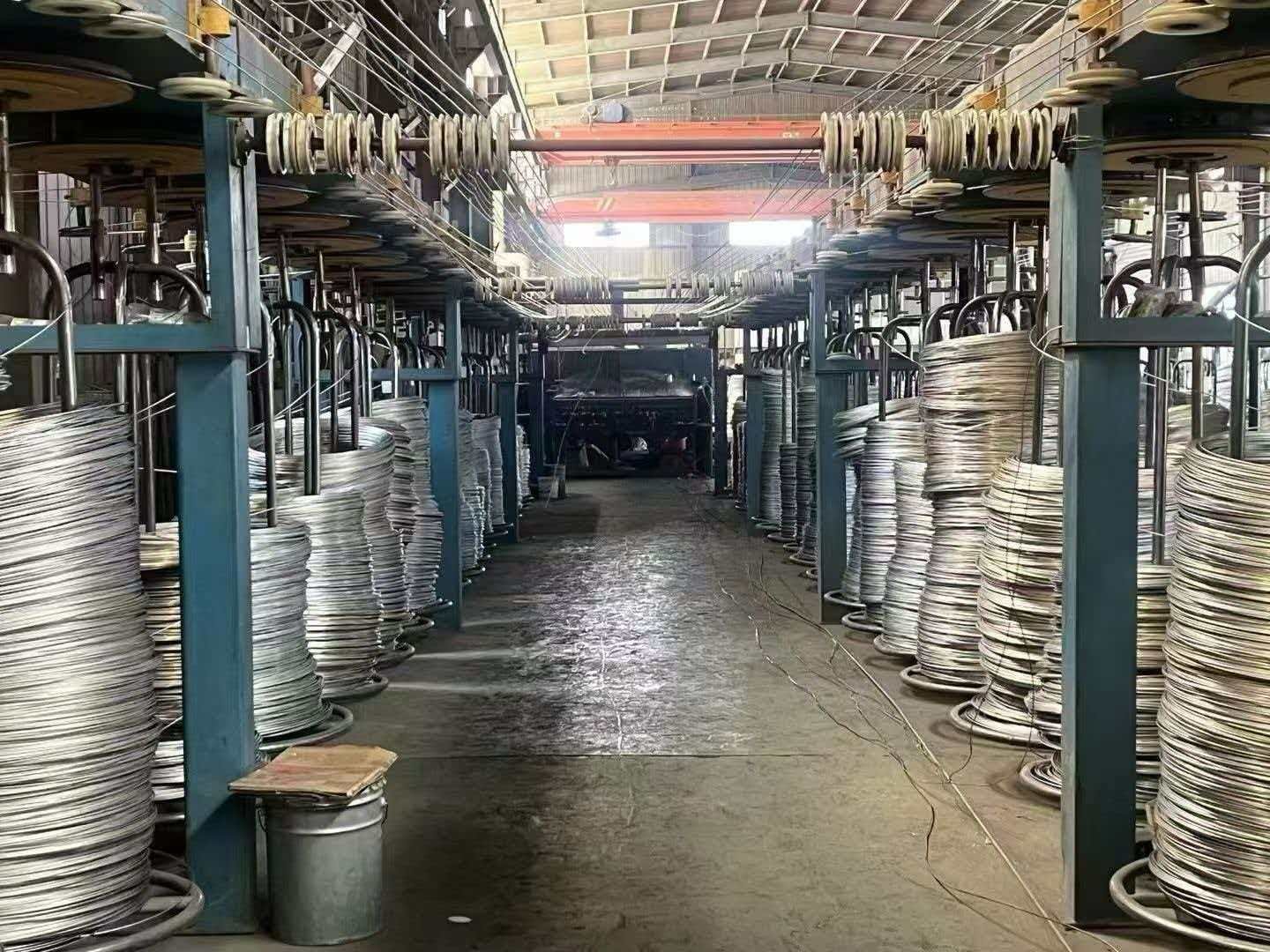
The wire diameter selection depends on the mechanical stress the binding point will experience and the size of the rebar being connected. Heavier rebar requires thicker wire to maintain proper positioning during concrete placement. The wire must resist the mechanical forces from concrete flowing around the rebar without breaking or deforming.
I have worked with contractors in Kenya, Tanzania, and South Africa who follow similar specification approaches. They all learned through expensive experience that cutting corners on binding wire in coastal areas always costs more in the long run.
Application-Specific Wire Selection Guidelines
Foundation work sees the highest stress levels. Concrete trucks vibrate the forms during pouring. Workers walk on the rebar grid. The binding wire must keep reinforcement bars in exact position despite these forces. Fernando uses 2.0mm diameter 201 wire for all foundation binding. This gauge provides enough strength to resist deformation while maintaining corrosion resistance.
Beam and column connections require the strongest binding because these points carry the structure's load. Any shift in rebar position at these nodes can reduce the structural capacity of the entire element. Fernando also specifies 2.0mm wire for these critical joints. He told me that spending an extra fifty dollars on wire for a column binding can prevent a ten-thousand-dollar structural failure.
Wall and slab reinforcement involves larger surface areas but lower stress per binding point. The concrete cover over these areas is often thinner than foundation elements, making rust staining more visible if it occurs. Fernando uses 1.5mm wire for these applications. This gauge provides adequate strength while minimizing material cost for the larger quantities needed.
| Structural Element | Recommended Wire Diameter | Primary Consideration | Cost Impact |
|---|---|---|---|
| Foundation rebar | 2.0mm | Mechanical strength + corrosion resistance | High unit cost, low total quantity |
| Beam-column nodes | 2.0mm | Load transfer integrity | Critical safety points |
| Wall reinforcement | 1.5mm | Corrosion resistance + coverage | Moderate cost, large quantity |
| Slab binding | 1.5mm | Even spacing maintenance | Standard application |
| Finishing work | 1.2mm | Rust stain prevention | Low stress, visible areas |
Finishing work like balcony railings, decorative grilles, and architectural details requires corrosion resistance but faces minimal mechanical stress. Fernando uses 1.2mm wire for these applications. The thinner gauge costs less per linear meter while still providing the self-healing corrosion protection that makes 201 stainless steel effective.
What should buyers check when sourcing 201 wire for coastal projects?
Last week Fernando sent me his new purchase order for a hotel project in Pemba. Pemba sits even closer to the ocean than Maputo. The project requires one full forty-foot container of 2.0mm and 1.5mm 201 stainless steel wire. His purchase order included specific testing requirements that he learned to demand after his villa comparison test.
When sourcing 201 stainless steel wire for coastal construction, buyers must verify the actual chromium content through material certification, confirm the wire diameter meets the specified tolerance, test tensile strength to ensure proper binding performance, and inspect the wire surface for manufacturing defects that could compromise corrosion resistance. Fernando now requires suppliers to provide material test reports and accepts only wire shipped from controlled warehouse environments.
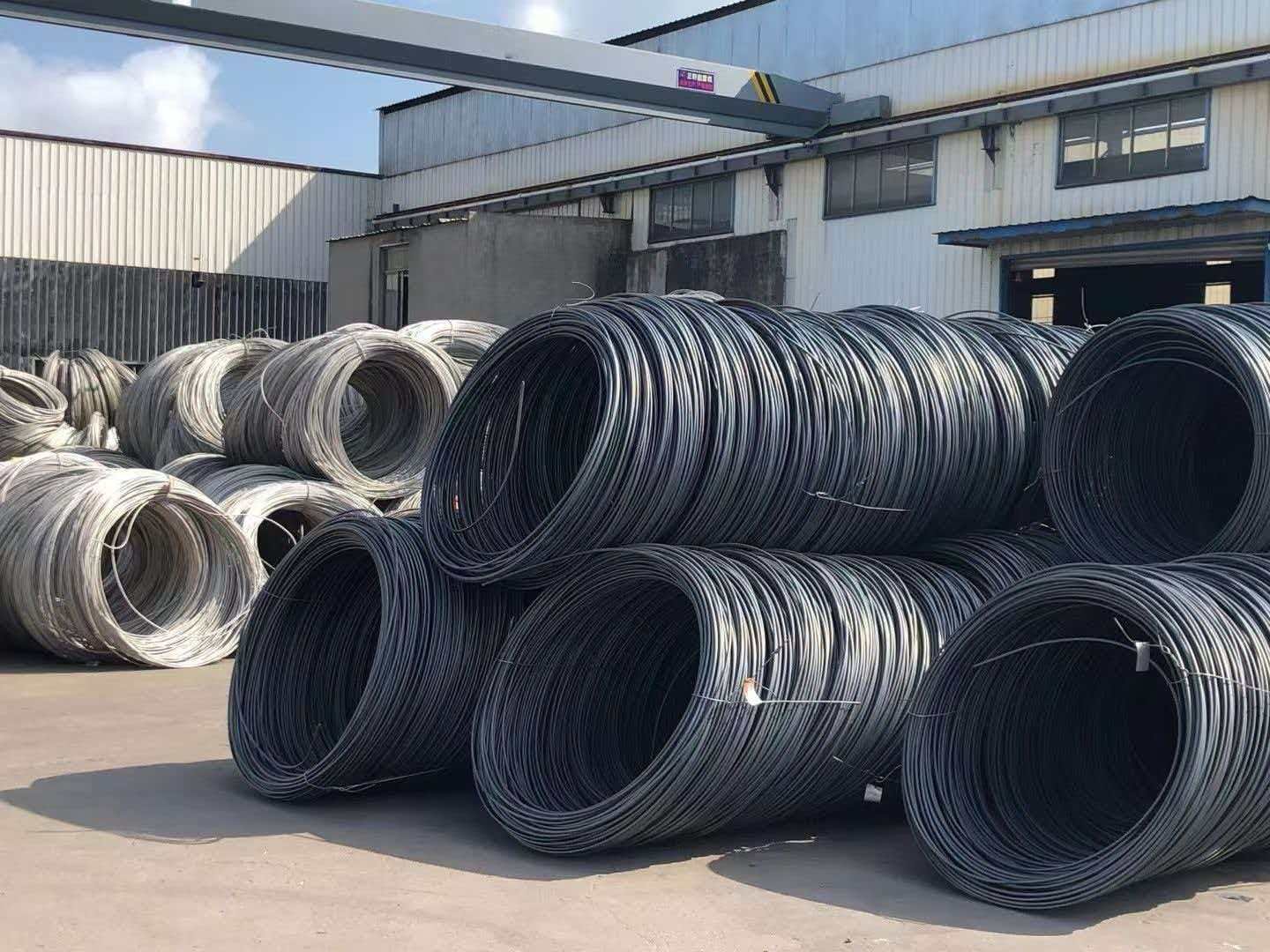
Fernando told me he got burned once by a supplier who claimed to sell 201 wire but actually shipped a lower-grade alloy with insufficient chromium content. That wire started showing rust spots within six months. He now requires material certifications from the steel mill and performs spot checks with a handheld alloy analyzer on every shipment.
The chromium content makes the difference between real 201 stainless steel and cheap imitations. True 201 grade contains sixteen to eighteen percent chromium and three-point-five to five-point-five percent nickel. Some unscrupulous suppliers sell wire with ten to twelve percent chromium, which looks similar but corrodes much faster in coastal environments.
Critical Verification Steps for Wire Procurement
First, request the mill test certificate for every batch. This document shows the chemical composition of the steel used to produce the wire. It should list the percentages of chromium, nickel, carbon, manganese, and other elements. Compare these numbers to the standard specification for 201 stainless steel.
Second, check the wire diameter with a micrometer. Fernando found that some suppliers ship wire that measures one-point-eight millimeters when the order specified two-point-zero millimeters. This ten-percent diameter reduction means a nineteen-percent reduction in cross-sectional area, which directly reduces the wire's strength. The cost saving for the supplier is minimal but the performance impact is significant.
Third, verify tensile strength through physical testing. Standard 201 stainless steel wire should have a tensile strength of at least 1300 megapascals. Wire that breaks below this level may indicate poor manufacturing quality or incorrect alloy composition. Fernando keeps a small tensile testing machine at his warehouse for random spot checks.
| Verification Check | Acceptance Criteria | Why It Matters |
|---|---|---|
| Chromium content | 16-18% | Below this range, corrosion resistance drops sharply |
| Nickel content | 3.5-5.5% | Stabilizes the oxide layer formation |
| Wire diameter | ±0.05mm tolerance | Affects tensile strength and coverage calculations |
| Tensile strength | ≥1300 MPa | Ensures wire won't break during installation or use |
| Surface finish | Smooth, no pits or cracks | Defects create corrosion initiation points |
| Packaging condition | Dry, no water stains | Moisture during storage can cause early corrosion |
Fourth, inspect the wire surface under magnification. Look for pits, cracks, or rough spots that could trap salt water and start localized corrosion. Quality wire should have a smooth, uniform surface with a slight shine. Dull or rough surfaces often indicate contamination or improper manufacturing.
Fifth, check the packaging and storage conditions. Fernando rejects shipments where the wire shows water staining or comes from containers with moisture condensation inside. Even stainless steel can develop surface rust if stored in extremely humid conditions for long periods. He requires suppliers to pack wire in sealed plastic with desiccant packets.
Conclusion
Fernando's one-year comparison in Maputo proved that 201 stainless steel wire delivers better value than galvanized wire in coastal construction. The thirty-percent higher material cost prevents two thousand dollars in remediation expenses per ton of wire used. His Pemba hotel project now specifies 201 wire exclusively, accepting the upfront cost to avoid the back-end failures that galvanized wire creates in salt-air environments.
Fernando now specifies 201 stainless steel wire for all his coastal projects. Read more Mozambique construction insights on our blog https://mfgwiremesh.com/blog/ or reach out via https://mfgwiremesh.com/contact/.
If you are sourcing 201 stainless steel wire for Mozambique or any Southern African market, we are happy to provide a specification-based quotation. Contact us via WhatsApp: +86 15383180672.
FAQ:
Q1: How does 201 stainless steel wire perform in Mozambique's coastal environment compared to galvanized wire? A1: In Fernando's year-long comparison test at a Maputo beach resort, the building tied with 201 stainless steel wire showed zero rust spots at rebar nodes, while the galvanized-tied building had visible rust penetration into the concrete surface. Maputo's coastal air has humidity above 75 percent year-round with salt content from sea spray. These conditions rapidly consume zinc coating on galvanized wire but have minimal effect on the chromium-based rust resistance of 201 stainless steel.
Q2: What is the cost difference between galvanized and 201 stainless steel wire for Mozambique coastal projects? A2: Galvanized wire costs approximately 800 dollars per ton at purchase, while 201 stainless steel wire costs approximately 1,100 dollars per ton. The purchase price gap is about 30 percent. However, Fernando's real-world experience showed that galvanized wire generated additional costs for rust treatment rework, project delay penalties, and rebar replacement. These hidden costs made the total expenditure on galvanized wire higher than the full-cycle cost of 201 wire. He now considers rust protection a requirement rather than an option for coastal construction.
Q3: After switching, which specifications does Fernando now use for coastal projects? A3: Fernando now specifies 2.0 millimeter for rebar tying at beam-column joints and foundation work, and 1.5 millimeter for fencing applications on all coastal projects. His latest order was a 40-foot high-cube container of these two specifications for a hotel project in Pemba. He says the peace of mind from knowing rust will not be an issue during construction outweighs any price difference.