


Malawi importers sourcing 201 stainless steel wire directly from China for the first time almost always have the same concerns: inland transport routes, import duties, rainy season logistics, and specification mix. Getting clear answers to these four questions before placing an order can mean the difference between a smooth first shipment and costly surprises. Here is what one Lilongwe importer learned from his first experience.
Chimwemwe sent a long list of questions before his first order, and those answers gave him the confidence to proceed. Buyers like him, who need transparent information on import procedures and factory support for Malawi shipments, can find detailed specifications and documentation support on our product page: https://mfgwiremesh.com/metal-wire/201-stainless-steel-wire/.
I met Chimwemwe, a building materials importer from Lilongwe, early this year when he sent me his first inquiry about 201 stainless steel wire. His email was long and contained more than ten questions. I answered each one carefully. The next day, he told me he felt confident and placed a trial order.
If you are a Malawi buyer preparing to source 201 stainless steel wire directly from China, you need to ask four critical questions first. These questions cover inland transport routes, customs duties, rainy season logistics, and specification mix. Getting clear answers to these four questions will save you time, money, and stress during your first direct sourcing experience.
Chimwemwe later told me that almost every new Malawi buyer asks the same set of questions when they first contact a Chinese factory. He picked the four most important ones to help other buyers. I will share these questions with you now, along with his experience and my factory's advice.
How Do I Handle Inland Transport From the Port to Malawi?
Malawi has no seaport. Your cargo must transit through either Beira Port in Mozambique or Dar es Salaam Port in Tanzania. Chimwemwe chose Beira Port because the overland distance from Beira to Lilongwe is several hundred kilometers shorter than from Dar es Salaam. The truck journey takes about three to four days.
Malawi buyers should confirm their preferred port and arrange a reliable clearing agent before placing an order. Beira Port offers shorter inland transport time to most Malawi destinations, while Dar es Salaam Port provides alternative routing during Beira Port congestion periods.
Chimwemwe says the inland transport process looks complicated on paper but becomes simple once you complete it one time. Our factory ships all orders from Tianjin Port to your chosen transit port. You need to provide us with the name and contact details of your clearing agent at Beira or Dar es Salaam. We coordinate with international freight forwarders to deliver the cargo to the port and provide you with full tracking information.
| Transport Stage | Responsibility | Timeline |
|---|---|---|
| Tianjin Port to Beira Port | Factory coordinates shipping | 25-30 days |
| Beira Port clearance | Buyer's clearing agent handles | 2-3 days |
| Beira to Lilongwe by truck | Buyer's clearing agent arranges | 3-4 days |
| Total door-to-door time | Shared coordination | 30-37 days |
The key is to confirm your clearing agent before we ship. We provide a complete set of shipping documents including commercial invoice, packing list, and bill of lading. Your agent uses these documents to clear customs at the port. After clearance, the agent arranges truck transport to your warehouse in Malawi. Chimwemwe now uses the same agent for every shipment. He says having a reliable agent makes the process predictable and stress-free.
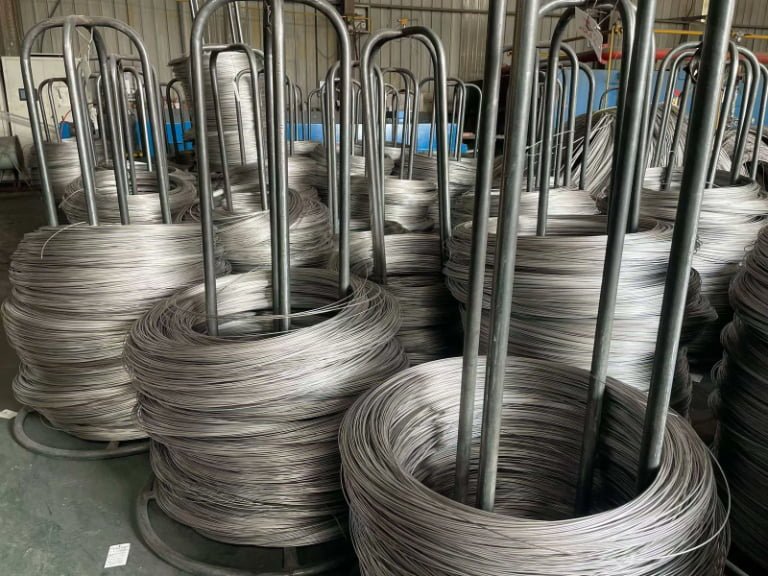
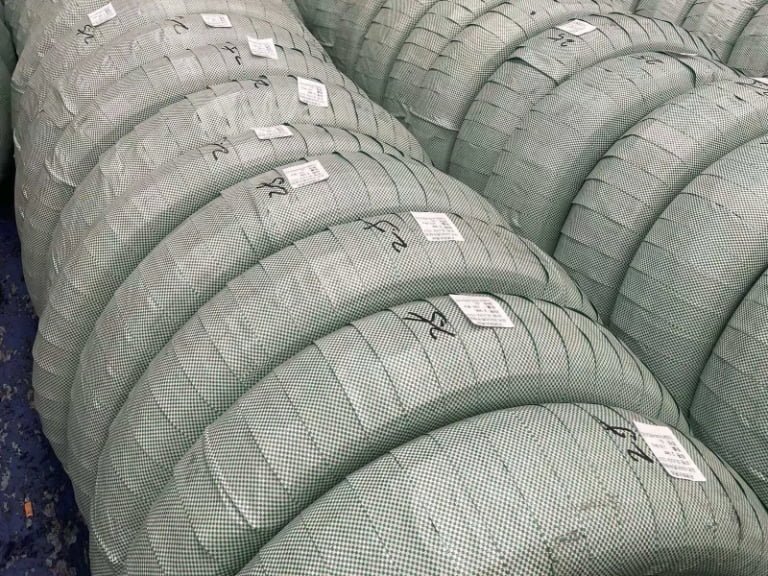
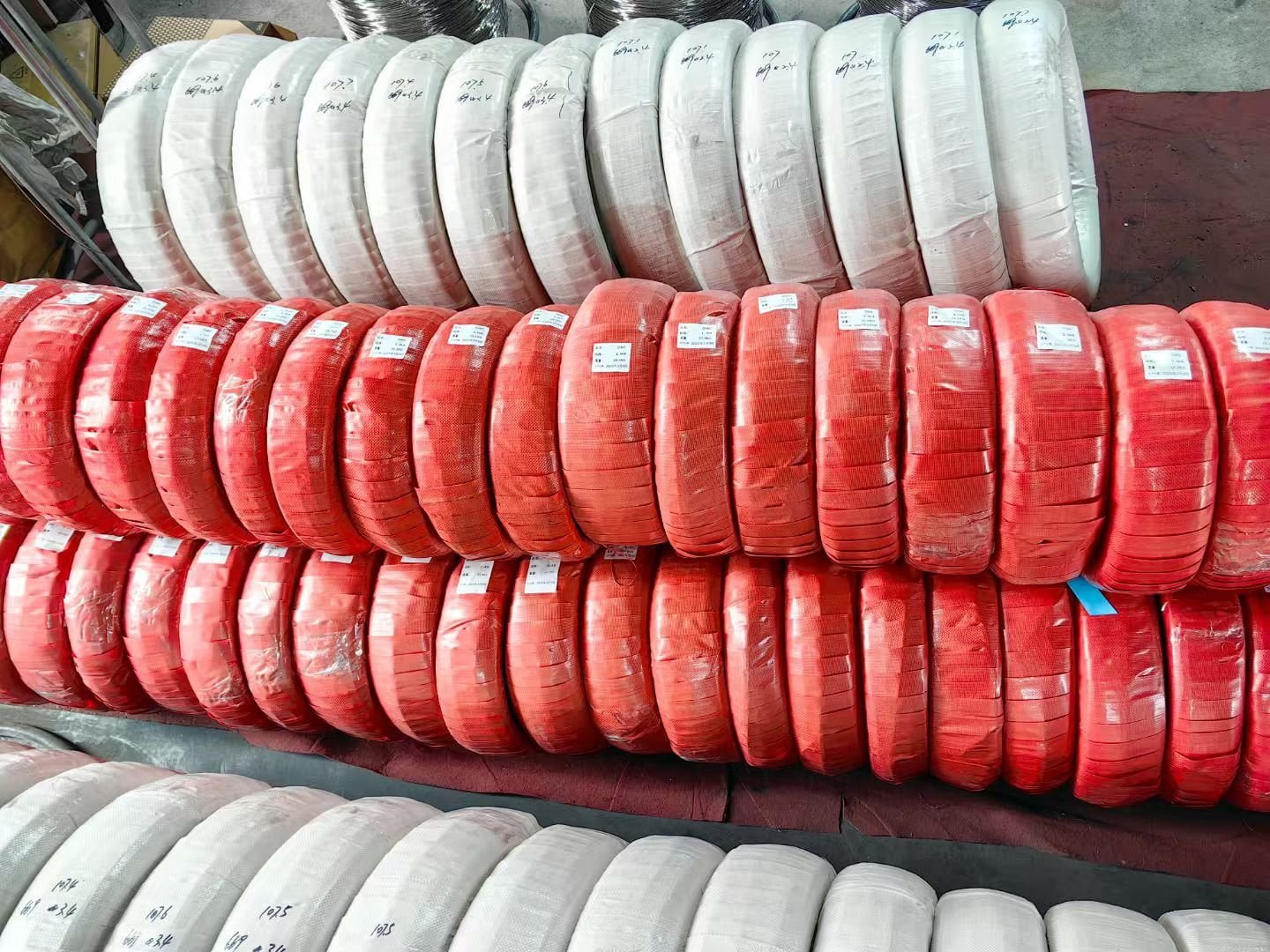
Some buyers worry about cargo damage during inland transport. We use double-layer waterproof packaging for all wire products. The inner layer is plastic film and the outer layer is woven polypropylene. This packaging protects your wire from moisture during port storage and road transport. Chimwemwe reports that his cargo arrived in Lilongwe in perfect condition every time.
What Import Duties Will I Pay in Malawi?
Chimwemwe initially believed that China-Africa trade agreements meant zero import duties. I explained that this is a common misunderstanding. China does not charge export duties on stainless steel wire, but Malawi customs still collects import duties according to local regulations.
Malawi buyers are responsible for all import duties and taxes charged by Malawi customs. The factory provides accurate commercial invoices and packing lists to help with customs clearance. Import duty rates vary by product category, so buyers should confirm the current rate with their clearing agent before ordering.
The factory's responsibility is to provide accurate documents showing the true value of goods. Your clearing agent uses these documents to calculate and pay the duties on your behalf. Chimwemwe says his agent charges a fixed service fee plus the actual duty amount. He knows the total landed cost before placing each order.
| Cost Component | Who Pays | When to Pay |
|---|---|---|
| Product price (FOB Tianjin) | Buyer pays factory | 30% deposit, 70% before shipment |
| Sea freight to Beira | Buyer pays freight forwarder | Usually included in quoted price |
| Malawi import duties | Buyer pays customs via agent | During port clearance |
| Clearing agent service fee | Buyer pays agent | After delivery to warehouse |
Many buyers ask us to estimate the import duty amount. We cannot provide exact figures because duty rates change and are set by Malawi authorities. Your clearing agent has up-to-date information on current rates and can calculate the total cost accurately. Chimwemwe recommends asking your agent for a complete cost breakdown before you confirm your order with the factory.
Some factories offer CIF or DDP pricing that includes duties. We do not offer this because we cannot control or predict changes in Malawi customs regulations. FOB Tianjin pricing gives you transparency. You know exactly what you pay the factory and what you pay locally. This helps you compare quotes from different factories accurately.
How Should I Plan Around Malawi's Rainy Season?
Malawi's rainy season runs from November to April each year. During this period, the road from Beira Port to Lilongwe experiences flooding, road damage, and traffic congestion. Chimwemwe learned this lesson during his second shipment last year. His cargo took four extra days to reach Lilongwe because of storm damage to the main road.
Malawi buyers should order more inventory during the dry season from May to October and avoid urgent shipments during the rainy season. Plan your inventory to cover at least two months of usage before November. This strategy reduces the risk of stockouts caused by transport delays.
Chimwemwe now plans his orders quarterly. He places larger orders in July and August to build inventory before the rainy season starts. He still orders during the rainy season, but only for non-urgent restocking. He accepts that rainy season deliveries may take one to two weeks longer than normal.
| Season | Transport Reliability | Recommended Strategy |
|---|---|---|
| Dry season (May-October) | High, roads in good condition | Place main orders, build inventory |
| Early rainy season (November-December) | Medium, occasional delays | Order non-urgent items only |
| Peak rainy season (January-March) | Lower, frequent road damage | Avoid urgent orders, rely on existing stock |
| Late rainy season (April) | Medium, conditions improving | Resume regular ordering |
Our factory maintains year-round production and can ship during any month. We ship from Tianjin Port regardless of weather conditions in East Africa. The variable factor is the inland transport time from Beira to Lilongwe. Chimwemwe says good planning eliminates the stress. He never runs out of wire because he always has buffer stock during the rainy season.
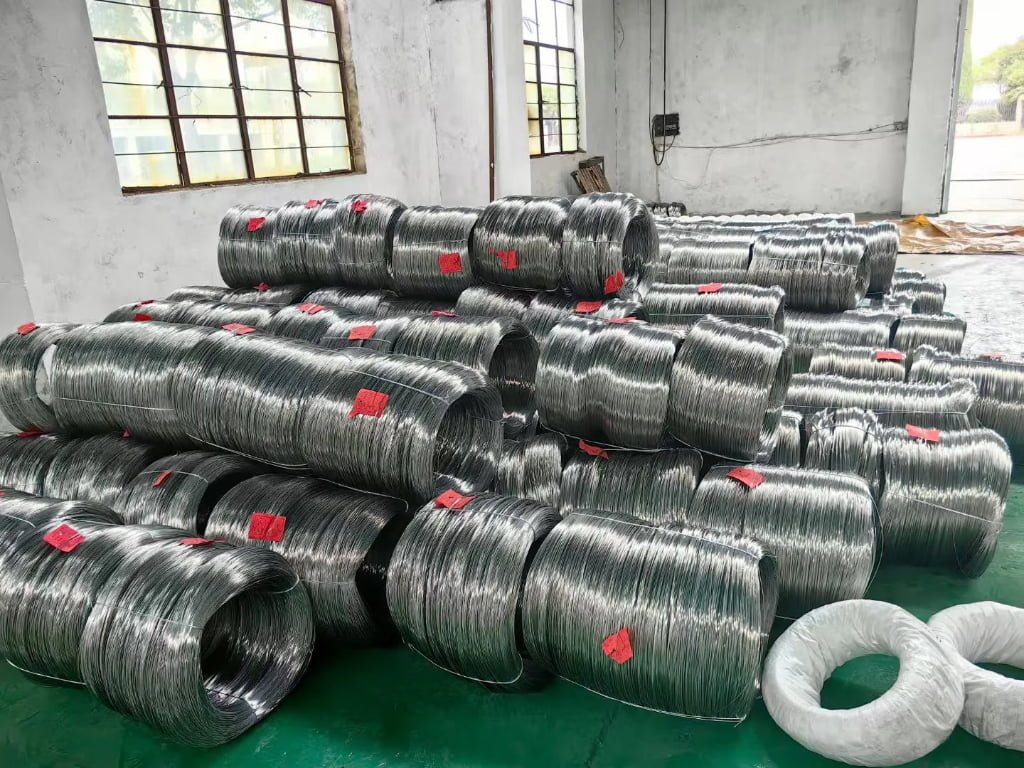
Some buyers worry that storing wire for two months will cause rust or quality problems. We pack all wire products in sealed bundles with rust inhibitor treatment. If you store the bundles in a covered warehouse away from direct rain exposure, the wire stays in good condition for many months. Chimwemwe stores his inventory in a simple warehouse with a metal roof and concrete floor. He has never experienced rust issues.
How Should I Mix Wire Specifications for Malawi's Market?
Malawi's construction market uses 2.0mm wire most frequently for rebar tying. The second most common size is 1.5mm wire for fencing applications. Chimwemwe's first order was one 20-foot container with these two specifications split evenly.
For Malawi buyers, the safest first order mix is 50% of 2.0mm rebar tying wire and 50% of 1.5mm fencing wire. This combination covers the two largest market segments. After you understand local demand patterns, you can add 1.2mm wire for agricultural climbing frames, which has steady demand in farming regions.
Chimwemwe explains that 2.0mm wire sells faster but has lower profit margins because many suppliers stock it. The 1.5mm wire moves more slowly but gives him better margins because fewer competitors carry it. The combination helps him maintain cash flow while building profit.
| Wire Specification | Primary Use | Market Size | Profit Margin | Stock Turnover |
|---|---|---|---|---|
| 2.0mm diameter | Rebar tying on construction sites | Largest segment | Lower (high competition) | Fast (7-10 days) |
| 1.5mm diameter | Fencing for homes and farms | Second largest | Medium | Medium (15-20 days) |
| 1.2mm diameter | Agricultural climbing frames | Steady niche demand | Higher | Slower (25-30 days) |
Our factory produces 201 stainless steel wire in diameters from 0.5mm to 6.0mm. We support mixed specification orders with no minimum quantity per specification. Chimwemwe's first container included 5 tons of 2.0mm wire and 5 tons of 1.5mm wire. The total order met our minimum container quantity. Now he orders 6 tons of 2.0mm, 3 tons of 1.5mm, and 1 ton of 1.2mm in each shipment.
Many buyers ask if they can try smaller quantities first. Yes, we support LCL (less than container load) shipment from Tianjin Port. However, Chimwemwe recommends starting with a full container because LCL freight costs per kilogram are much higher. A 20-foot container holds about 10 tons of wire. This quantity typically serves a medium-sized Malawi distributor for one to two months. The unit cost is significantly lower than LCL.
Chimwemwe plans to test 1.0mm wire in his next order because he noticed some hardware stores asking for thinner wire for craft applications. I advised him to start with 500kg to test market response before committing to larger volumes. Our flexible ordering system allows him to adjust his mix each quarter based on actual sales data.
Conclusion
These four questions cover inland transport, customs duties, seasonal planning, and specification mix. Answer them clearly before placing your first order and you will avoid most common problems that new Malawi buyers face when sourcing stainless steel wire from China.
Chimwemwe now orders a container every quarter and says the process becomes routine once the four questions are answered. Read more Malawi import stories on our blog https://mfgwiremesh.com/blog/ or reach out via https://mfgwiremesh.com/contact/.
If you are sourcing 201 stainless steel wire for Malawi or any Southern African market, we are happy to provide a specification-based quotation. Contact us via WhatsApp: +86 15383180672.
FAQ:
Q1: Which port is best for Malawi-bound shipments, Beira or Dar es Salaam? A1: Malawi is landlocked and can receive shipments through either Beira port in Mozambique or Dar es Salaam port in Tanzania. Chimwemwe chose Beira because the overland distance from Beira to Lilongwe is several hundred kilometers shorter than from Dar es Salaam, with trucking taking approximately three to four days. The choice depends on your warehouse location and clearing agent relationships. Both routes are well-established, and the key is confirming your port and inland clearing agent before the first shipment.
Q2: Do Malawi importers pay any duties on 201 stainless steel wire from China? A2: Yes. Malawi Customs charges import duties on stainless steel wire based on the product's declared value. The buyer is responsible for all import duties and taxes. This is separate from China's export policies. We provide accurate commercial invoices and packing lists to support your customs clearance. Chimwemwe initially misunderstood this point, believing that zero-tariff policies meant no import duties at all.
Q3: How does Malawi's rainy season affect import logistics? A3: Malawi's rainy season runs from November to April. During this period, road transport from Beira port faces higher risk of delays due to road damage or congestion. Chimwemwe stocks extra inventory during the dry season to avoid relying on shipments during peak rainy months. He recommends maintaining at least two months of inventory before the rainy season begins and planning for potential transport delays of several extra days.
Q4: What specification mix works best for a first-time Malawi order? A4: Chimwemwe recommends an even split between 2.0 millimeter for rebar tying and 1.5 millimeter for fence weaving for a first 20-foot container. This covers the two highest-demand specifications in the Malawi construction market. The 2.0 millimeter drives volume while the 1.5 millimeter provides better margins. He also notes that Malawi's agricultural regions have steady demand for 1.2 millimeter trellising wire, and he plans to add this specification to future orders.