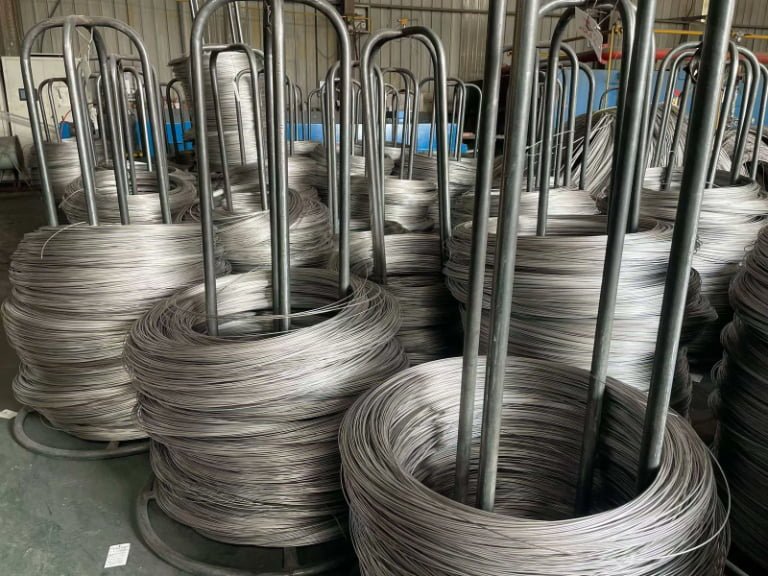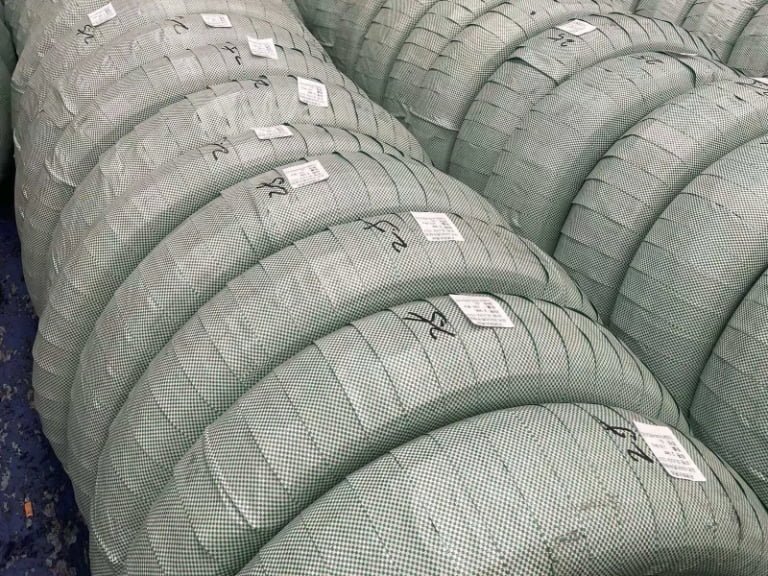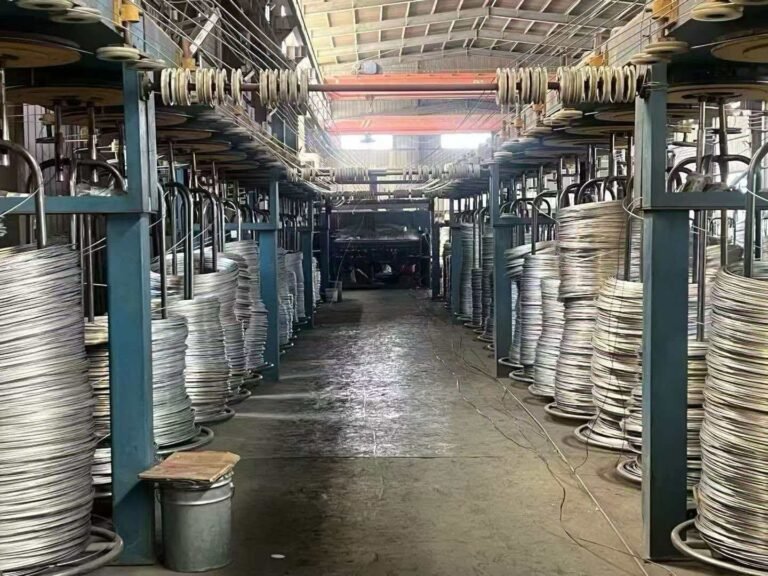



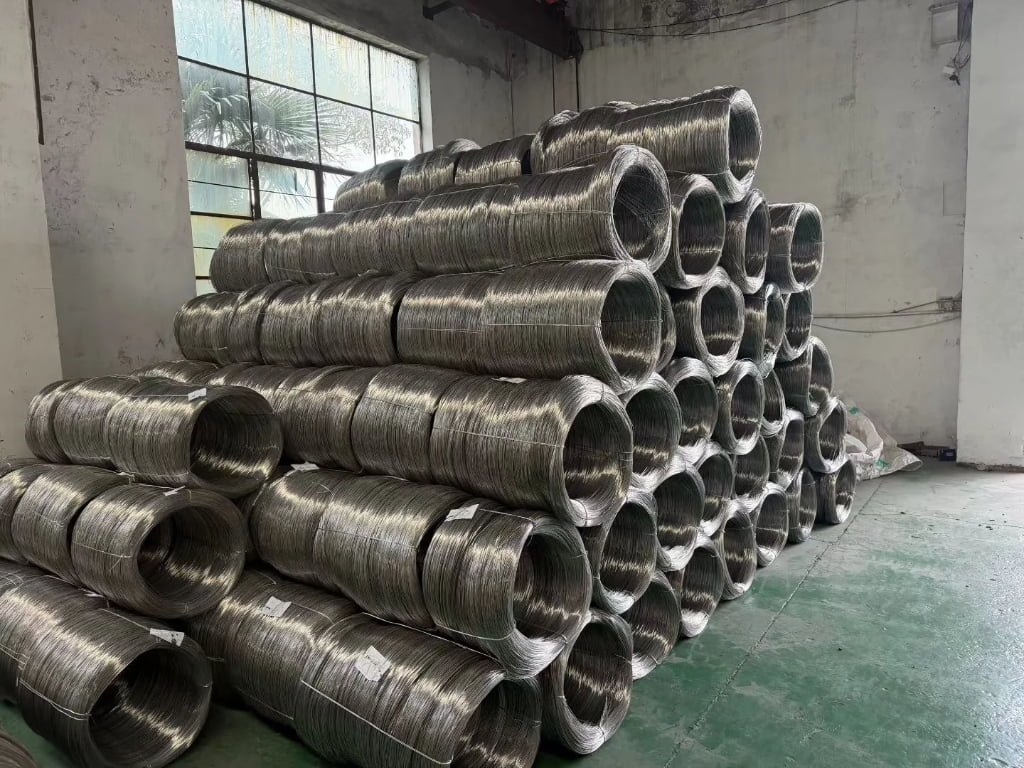
Kenya's mining sector may not dominate global headlines, but for suppliers of 201 stainless steel wire, it represents a steady and demanding market. Processing plants with high humidity and trace chemical exposure, plus vast perimeter fencing needs, create applications where galvanized wire simply cannot perform. Here is how one Nairobi supplier won his first mining client.
Mwangi had never supplied the mining sector before this inquiry. Buyers like him, who need application-specific guidance for demanding industrial environments, can find detailed specifications and technical support on our product page: https://mfgwiremesh.com/metal-wire/201-stainless-steel-wire/.
Your mine's wires rust constantly, causing safety issues and high costs. This relentless cycle of replacement is frustrating. 201 stainless steel wire offers a durable, long-term solution.
201 stainless steel wire is ideal for Kenya's mining sector. It provides superior rust resistance for binding rebar in humid processing plants and creating long-lasting perimeter fences, significantly outperforming traditional galvanized wire and lowering long-term maintenance costs.
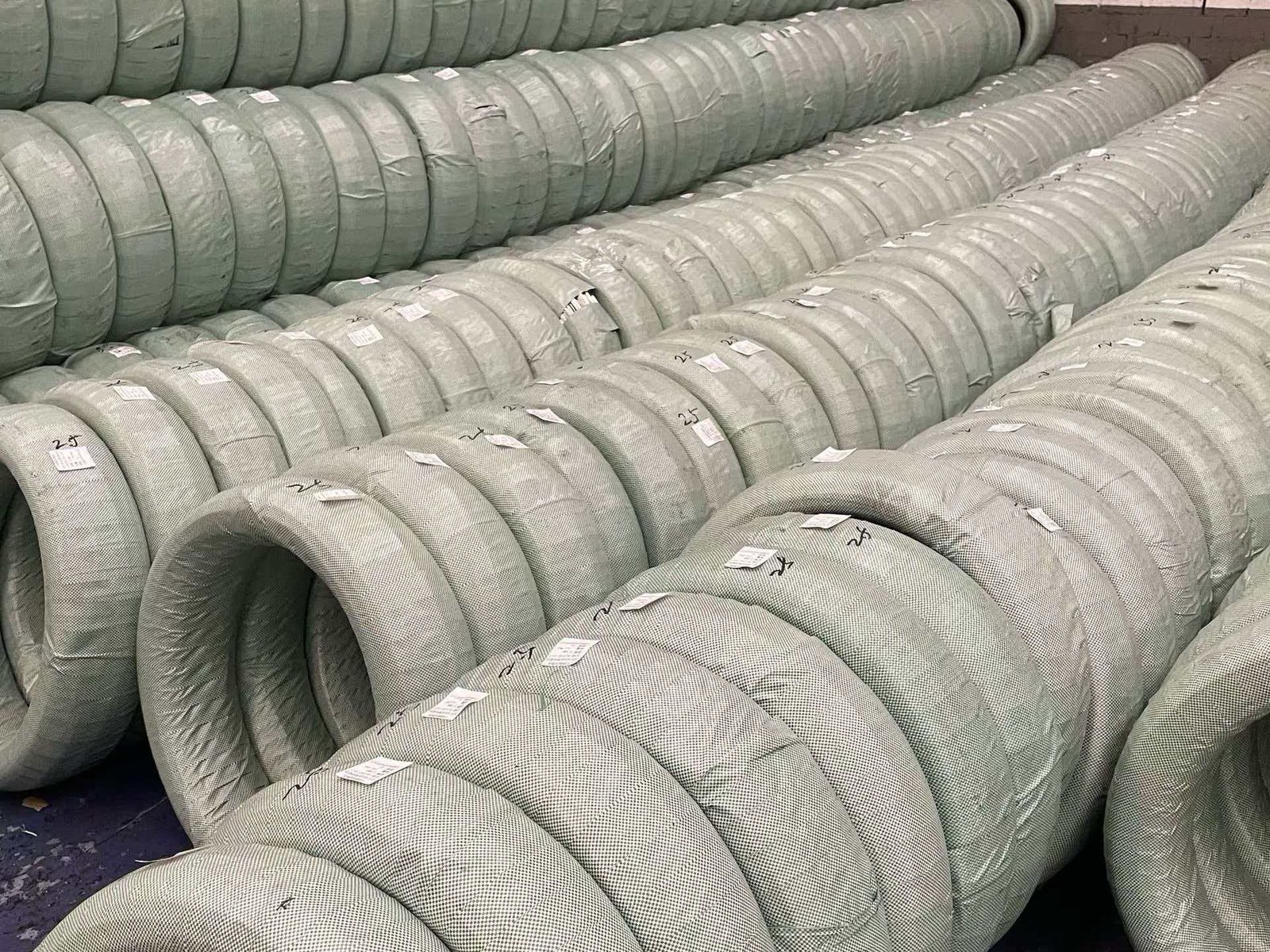
Just last month, a supplier I know, Mwangi from Nairobi, called me. He had a special inquiry from a client with a gold mine in Migori County. The client needed binding wire and fence wire that was both rust-proof and very durable for the harsh mine environment. Mwangi mostly supplied to building construction, so this was new for him. He asked if 201 stainless steel wire would work. I told him it was not just usable, but one of the best materials for the job. Kenya's mining sector is a perfect fit for it. Let's look at the first major application.
Why is 201 wire the best choice for processing plant construction?
Inside a mineral processing plant, humidity and chemicals attack metal. Standard binding wire quickly rusts, weakening structures. 201 stainless steel wire offers the strength and corrosion resistance needed.
For processing plants, 201 stainless steel wire is superior because its chromium content provides excellent rust resistance in high-humidity and mildly chemical environments. It's strong enough for binding rebar in foundations and steel structures, ensuring long-term safety where galvanized wire would fail.
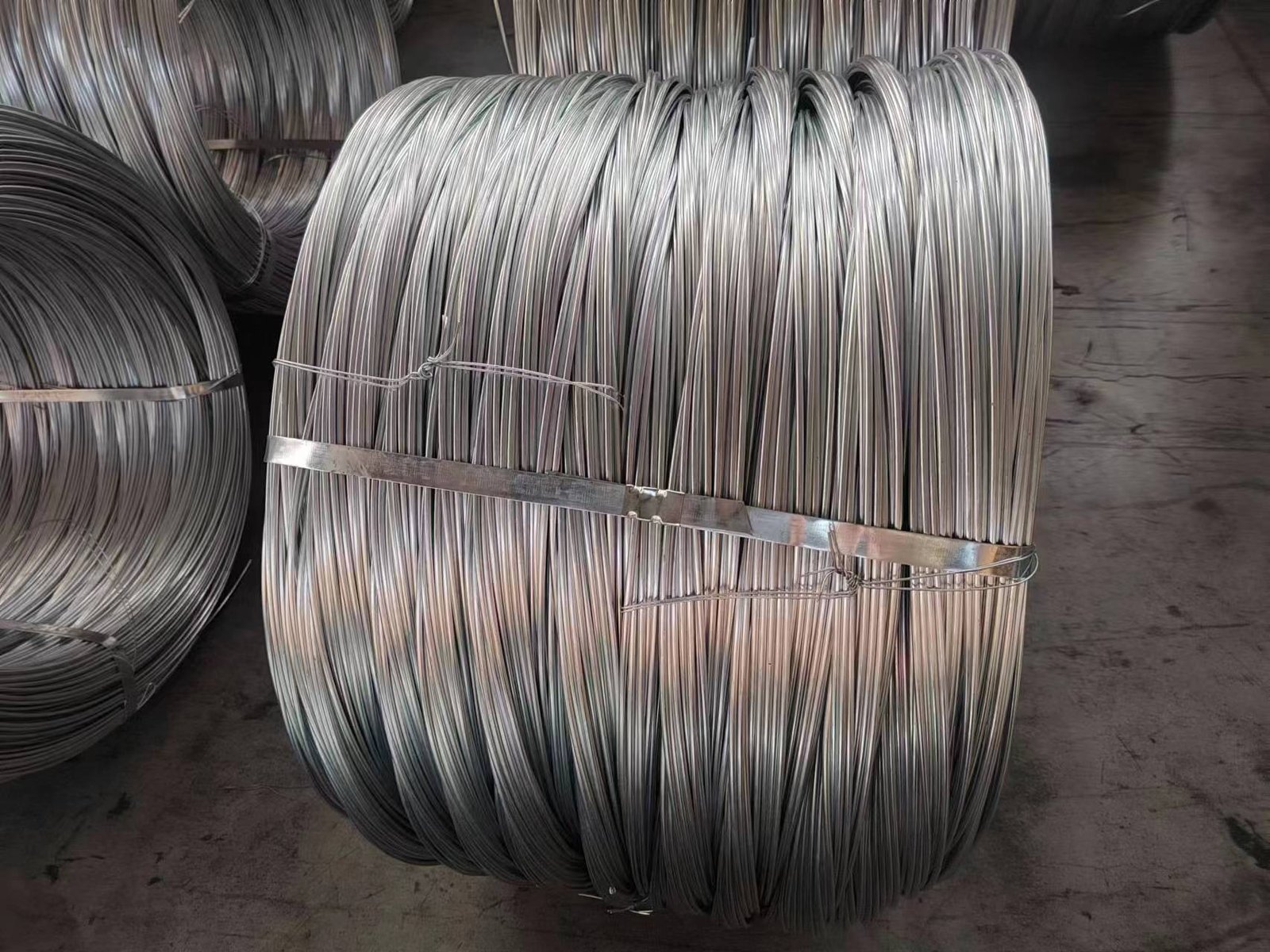
Kenya has many active mines in places like Migori, Kwale, and Kajiado. Inside a gold processing plant, for example, the environment is incredibly tough on metals. The process involves crushing, grinding, and flotation. This creates a constantly humid atmosphere. Sometimes, there are also trace chemical agents in the air. Regular galvanized iron wire just can't handle these conditions. It starts to show rust in a few months and can fail within a year. This is a huge safety risk for steel structures, equipment foundations, and internal partitions.
Material Performance Comparison
Our 2.0mm 201 stainless steel wire is the perfect solution here. It has a tensile strength between 650 and 750 MPa, which is more than enough to securely tie heavy steel rebar. But its real advantage is corrosion resistance. The chromium in the stainless steel creates a passive, protective layer that prevents rust far better than a simple zinc coating on galvanized wire.
| Feature | Galvanized Iron Wire | 201 Stainless Steel Wire |
|---|---|---|
| Rust Resistance | Poor (lasts < 1 year) | Excellent (lasts many years) |
| Tensile Strength | ~400 MPa | 650-750 MPa |
| Environment Suitability | Dry, low-humidity | High-humidity, mildly chemical |
| Long-Term Cost | High (due to replacement) | Low (due to durability) |
Using 201 stainless steel wire for all binding work inside the plant means you build it once and it lasts. You avoid the constant cost and danger of repairing structures tied with inferior wire. It’s a simple switch that guarantees structural integrity and safety for years.
How does 201 stainless steel fencing secure a mine for the long term?
Protecting a large mine is tough. Fences are the first line of defense, but they often rust through, creating security gaps and constant repair work. 201 stainless steel wire creates a perimeter fence that lasts.
A fence made from 1.5mm 201 stainless steel wire secures a mine long-term by resisting rust from rain and humidity. While the initial cost is higher than galvanized fencing, it lasts many times longer, dramatically cutting future repair and replacement costs.
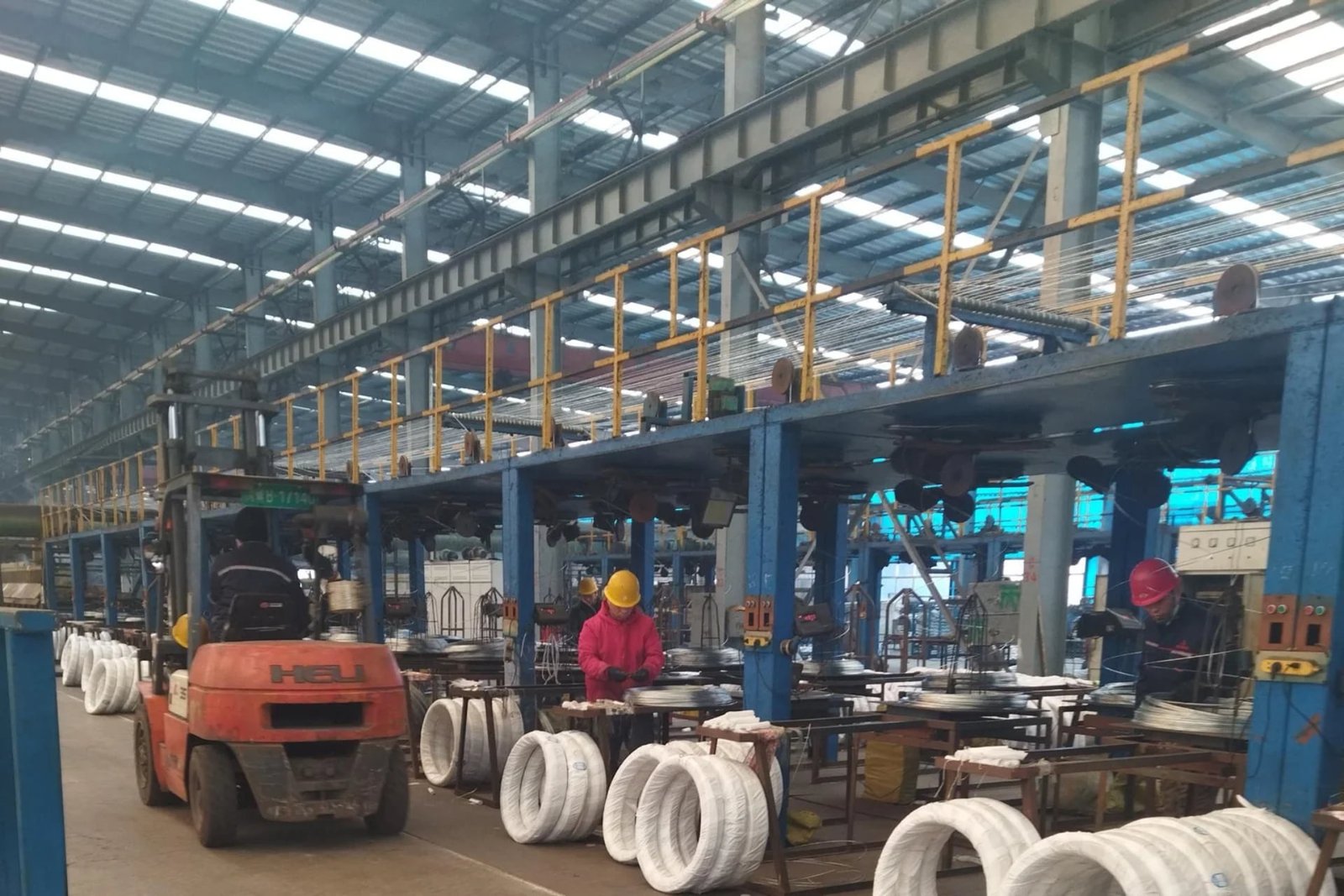
Mines are huge. They can cover hundreds or even thousands of hectares of land. The perimeter fence is the baseline for security. It keeps unauthorized people from wandering into dangerous operational areas. It also prevents local livestock from getting lost or injured on the site. In many parts of Kenya, these mines are in remote areas exposed to intense sun and heavy seasonal rains. The high humidity during the rainy season is especially damaging to metal. A standard galvanized wire fence might look good at first, but it will be rusted and broken within two or three years. This means constant maintenance.
Total Cost of Ownership
This is where my client Mwangi’s customer did the math. A fence woven from 1.5mm 201 stainless steel wire has a much longer service life. Yes, the initial material cost is higher. But the savings on labor and materials for repairs and replacement add up quickly. He calculated that the higher upfront investment would pay for itself in just two years.
| Cost Factor (10-Year Period) | Galvanized Fence | 201 Stainless Steel Fence |
|---|---|---|
| Initial Material & Install | $10,000 | $18,000 |
| Replacements (every 3 years) | $20,000 (2 replacements) | $0 |
| Annual Repair Labor | $500 | $50 |
| Total 10-Year Cost | $35,000 | $18,500 |
This table shows a hypothetical scenario, but the principle is real. The 201 stainless steel fence is not an expense; it is an investment in long-term security and operational efficiency. It provides peace of mind that the site is secure, year after year, without the constant headache and cost of maintenance. Mwangi ended up securing the order for a full 20-foot container, split between 2.0mm and 1.5mm wire, because his customer saw the clear, long-term value.
Conclusion
In summary, 201 stainless steel wire is the smart choice for Kenya's mines, both for plant construction and perimeter fencing. It’s a solution that brings long-term value.
Mwangi won the order and is now actively prospecting more mining clients across Kenya. Read more East African industrial supply stories on our blog https://mfgwiremesh.com/blog/ or reach out via https://mfgwiremesh.com/contact/.
If you are sourcing 201 stainless steel wire for Kenya or any East African market, we are happy to provide a specification-based quotation. Contact us via WhatsApp: +86 15383180672.
FAQ:
Q1: Why does Kenya's mining sector need 201 stainless steel wire instead of galvanized wire? A1: Mining processing plants have high internal humidity and trace chemical exposure from processes like crushing, grinding, and flotation. Galvanized wire rusts within months to a year in these conditions, while 201 stainless steel wire with its chromium-based rust resistance maintains integrity through the entire construction cycle. Mwangi's client in Migori County specified 201 wire for both structural rebar tying in the processing plant and perimeter fencing around the mine site after calculating that the reduced maintenance costs alone would recover the price difference within two years.
Q2: What specifications are used for mine processing plant construction? A2: 2.0 millimeter diameter 201 stainless steel wire is the primary specification for rebar tying in processing plant steel structures, equipment foundations, and internal partitioning. With tensile strength of 650 to 750 MPa, it handles heavy rebar without snapping and resists rust even in high-humidity processing environments. Mwangi's order was split evenly between 2.0 millimeter for construction and 1.5 millimeter for perimeter fencing.
Q3: Is 201 stainless steel wire fencing cost-effective for large mine perimeters compared to galvanized wire? A3: The initial material cost of 1.5 millimeter 201 stainless steel wire fencing is higher than galvanized wire. However, mines typically span hundreds or thousands of hectares, making fence maintenance labor-intensive and expensive. Galvanized fencing in Kenya's climate requires replacement every two to three years. Mwangi's client calculated that 201 stainless steel wire fencing, with its far longer service life and zero rust maintenance, would recover the price difference within two replacement cycles through eliminated labor and material costs alone.