


Tanzania's regional markets have distinctly different demands for 201 stainless steel wire specifications. The commercial capital Dar es Salaam, the agricultural and tourism center Arusha, the lakeside city Mwanza, and the southern logistics hub Mbeya each require different diameters, packaging, and inventory strategies. Here is a regional selection guide based on a Dar es Salaam wholesaler's eight years of distribution experience.
Fatima has been distributing building materials across Tanzania since 2016. Buyers like her, who need to match specifications to regional demand patterns across a geographically diverse market, can find detailed parameters on our product page: https://mfgwiremesh.com/metal-wire/201-stainless-steel-wire/.
Struggling to manage your wire inventory across Tanzania? A one-size-fits-all approach often fails, leaving you with unsold stock. The key is to match wire specs to local demand.
To choose the right 201 stainless steel wire, you must analyze each city's specific needs. For example, Dar es Salaam's construction boom demands 2.0mm wire, while Arusha's agricultural sector prefers 1.5mm. Tailoring your stock to local industries is crucial for success.
I learned a powerful lesson about the Tanzanian market from a wholesaler named Fatima. She taught me that you can't treat Tanzania as a single market. Her strategy of customizing inventory for each major city completely changed my perspective. Instead of seeing logistics as a headache, she saw it as a competitive advantage. This hyper-local approach is something I now believe is essential for anyone in the materials business here. We're going to break down her strategy, city by city, to show you how it's done.
Why Does Dar es Salaam Demand 2.0mm Stainless Steel Wire?
Are your smaller gauge wires just sitting on the shelves in Dar es Salaam? You might be targeting the wrong application. The city's massive construction projects have very specific needs.
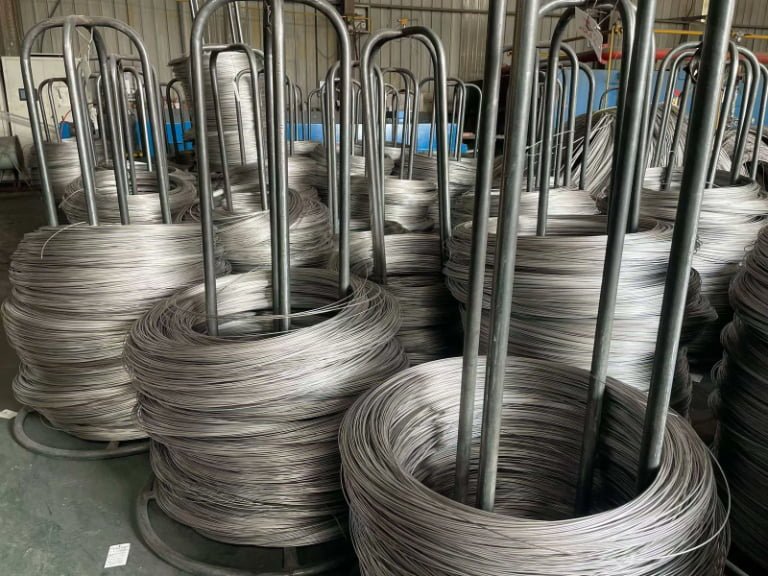
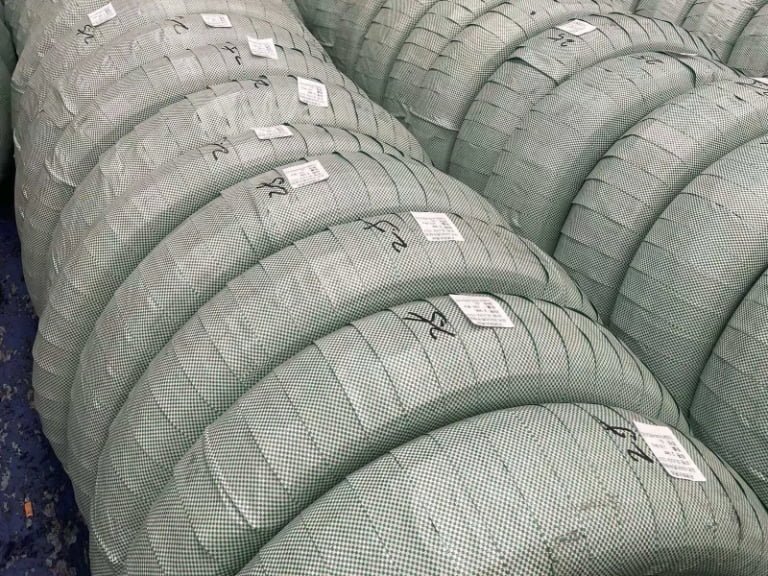
In Dar es Salaam, 2.0mm 201 stainless steel wire is the standard for rebar tying in high-rise projects. The city's high coastal humidity also means that superior corrosion resistance and strong, moisture-proof packaging are non-negotiable for local contractors.
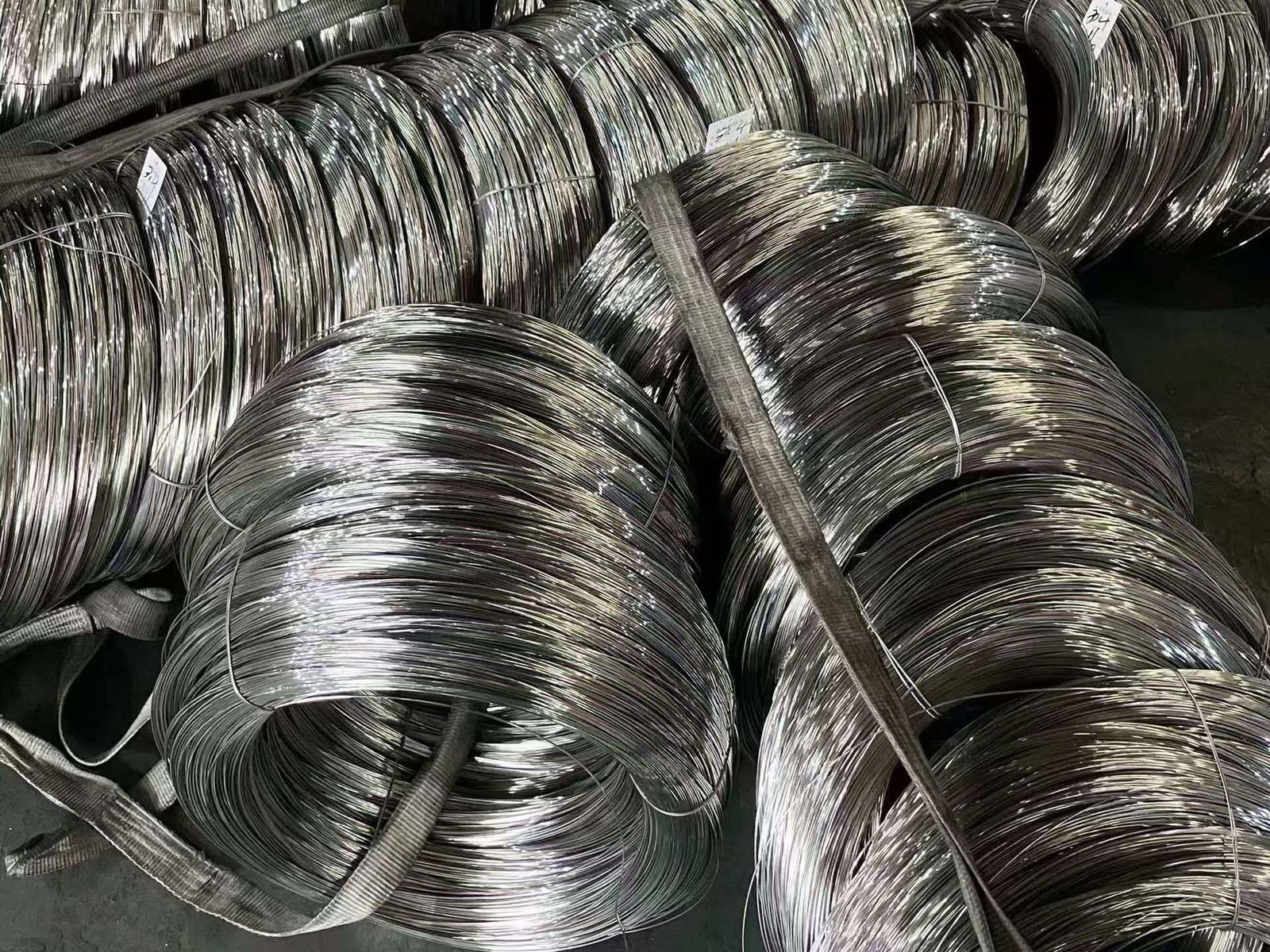
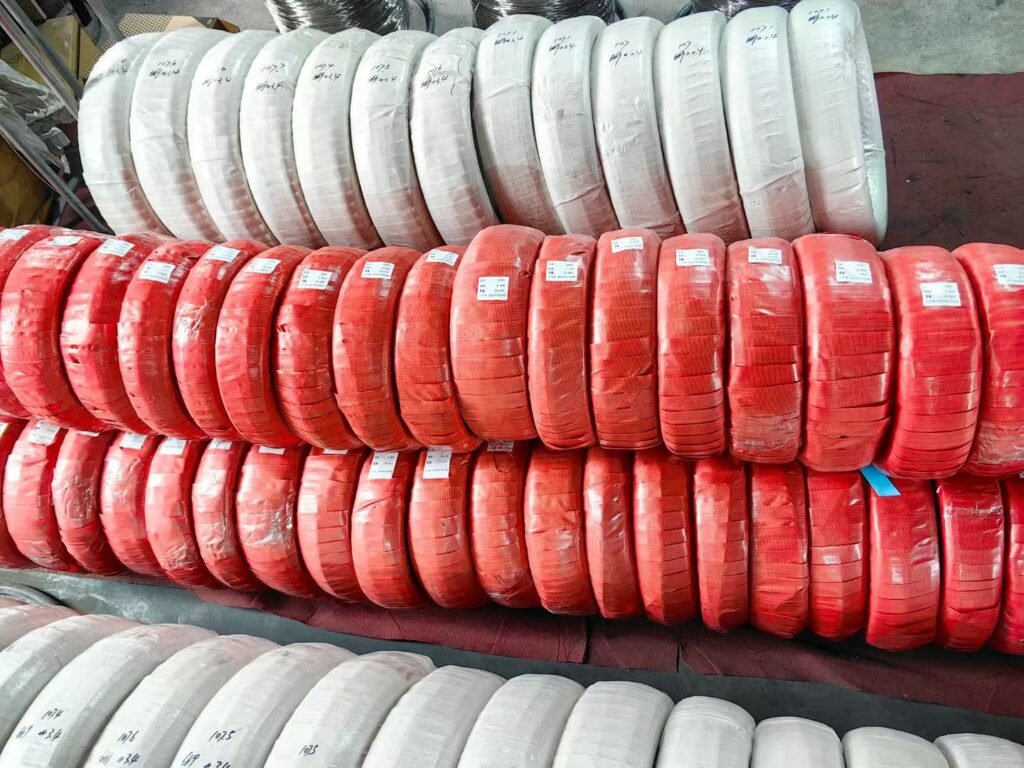
I remember Fatima telling me how her warehouse in Dar es Salaam used to stock various sizes. But after a few seasons, she noticed a clear pattern. The big-ticket sales, the repeat customers, they all came for one specific product. Today, her Dar es Salaam stock is dominated by 2.0mm wire. The reason is simple: the city is the commercial heart of Tanzania, and its skyline is constantly changing with new high-rise residential and commercial buildings. For these large-scale projects, contractors need a strong, reliable wire to tie rebar securely. The 2.0mm diameter provides the necessary tensile strength. Furthermore, the coastal climate is unforgiving. Salt and humidity will eat away at lower-quality materials. This is why 201 stainless steel has become the default choice over traditional galvanized wire. Fatima insists on triple-layer moisture-proof packaging, because a rusty coil is a rejected coil.
| Feature | Requirement in Dar es Salaam | Reason |
|---|---|---|
| Diameter | 2.0mm | Standard for rebar tying in large-scale construction |
| Material | 201 Stainless Steel | Resists corrosion from high humidity and salty air |
| Packaging | Triple-layer moisture-proof | Prevents rust and water stains during storage |
| Main Use | Structural Rebar Tying | Driven by the boom in high-rise building projects |
What Makes 1.5mm Wire the Top Seller in Arusha?
Are your heavy construction wires not moving in Arusha? You might be ignoring the green heart of Tanzania's economy. The needs here grow from the soil, not from concrete foundations.
Arusha's economy relies on agriculture and tourism. Local farms, especially those growing flowers and vegetables for export, need 1.5mm stainless steel wire for trellises and fencing. They value its durability and rust-proof quality to protect their high-value crops.
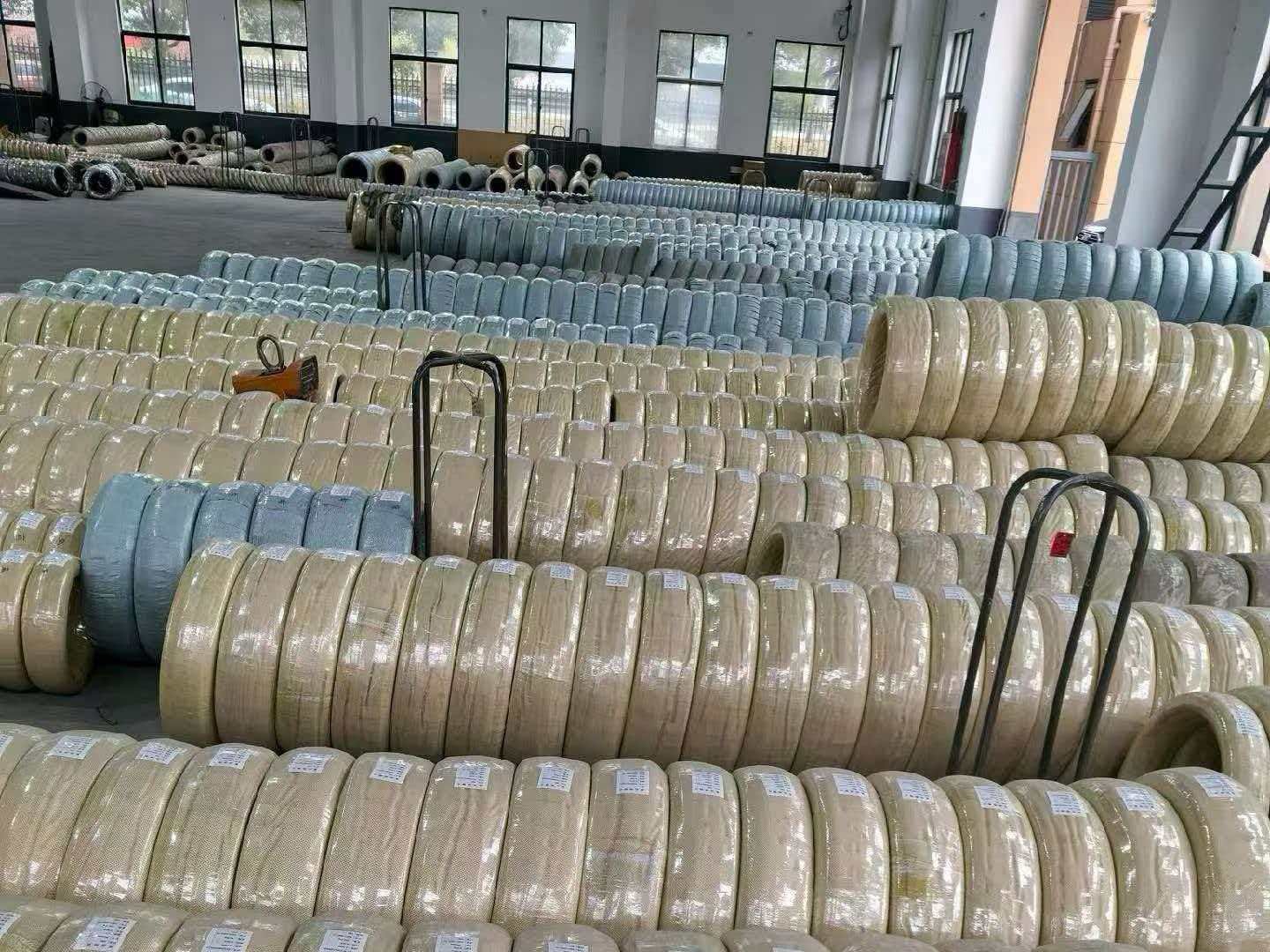
Fatima painted a vivid picture of the Arusha market for me. It's a world away from the construction sites of Dar es Salaam. Here, the biggest clients run large-scale farms growing roses and tomatoes. In the past, they used cheap galvanized wire for their trellises. The problem was, it would rust and need replacement every year. Even worse, rust stains on a rose or a vegetable can make it unsellable on the international market. The financial loss from a single rejected shipment far outweighs any savings on wire. So, these farmers made a smart switch. They now invest in 1.5mm 201 stainless steel wire. It costs more upfront, but it lasts for three years or more and, crucially, it doesn't rust. This protects their produce and their profits. Fatima told me these customers rarely ask about the price; they ask for quality certificates.
| Feature | Requirement in Arusha | Reason |
|---|---|---|
| Diameter | 1.5mm | Ideal strength for building trellises and farm fences |
| Material | 201 Stainless Steel | Prevents rust from contaminating export-quality crops |
| Customer Priority | Quality and Longevity | Long-term investment to protect high-value produce |
| Main Use | Agricultural Trellises | Supports the region's key horticulture industry |
Which Wire Gauges Are Essential for Mwanza's Lakeside Industries?
Feeling confused by the mixed demand signals from Mwanza? Trying to push a single product won't work in this diverse lakeside city. The key is to offer flexibility.
Located on the shores of Lake Victoria, Mwanza's economy is powered by the fishing industry. This drives demand for both 1.2mm and 1.5mm 201 stainless steel wire for fencing and structural tying at fish processing plants and new warehouse facilities.
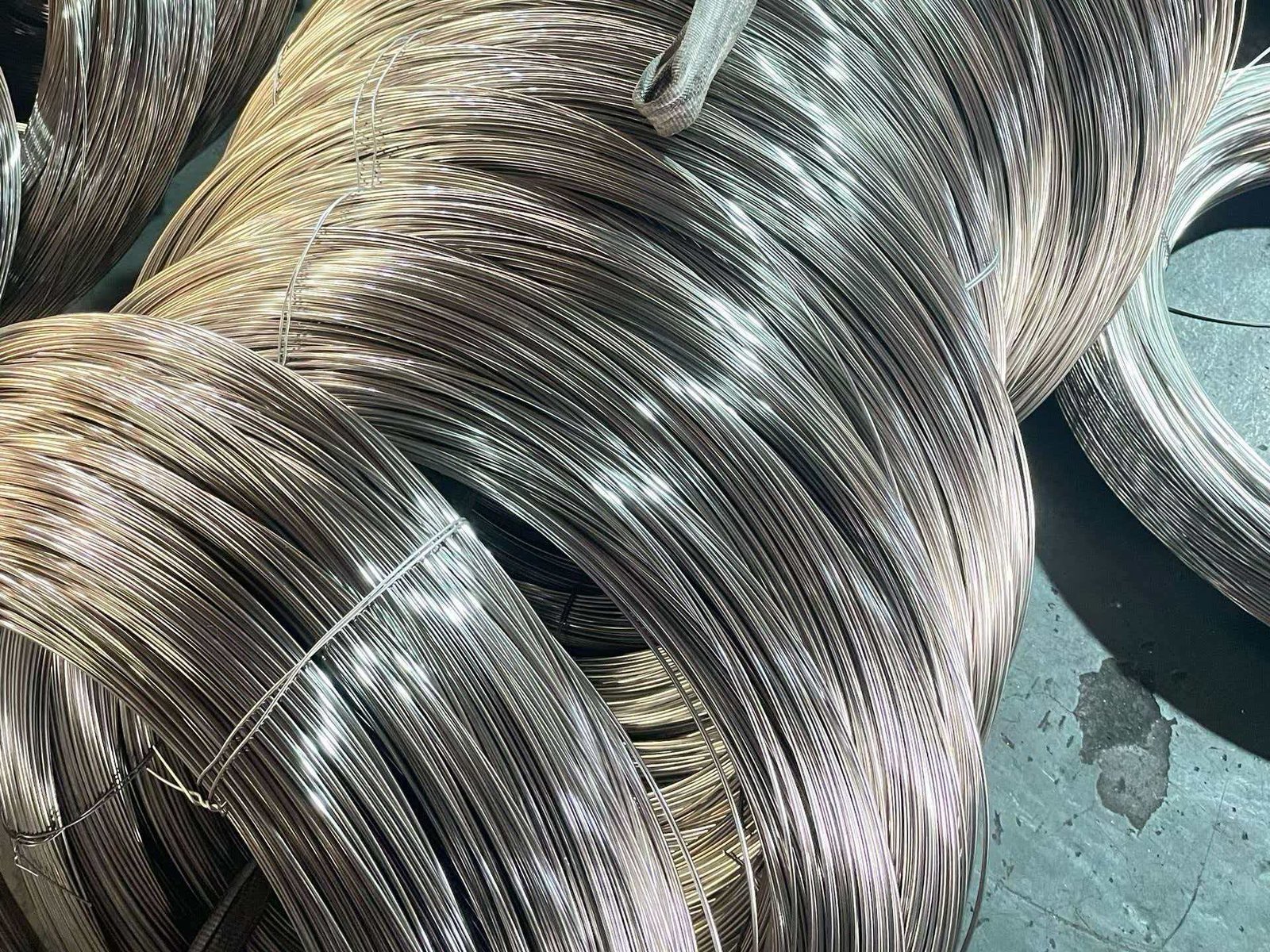
When Fatima talked about Mwanza, she described it as a market in transition. For years, it was a steady but predictable region. Recently, however, a wave of investment has poured into the local fishing industry. This means new processing plants, cold storage facilities, and warehouses are being built all along the lake. This construction boom creates a dual demand. Contractors need 1.5mm wire for light structural tying, similar to other construction projects. But they also need large amounts of 1.2mm and 1.5mm wire for security fencing and internal enclosures. Just like in Dar es Salaam, the proximity to a large body of water creates high humidity. Therefore, rust resistance is a major selling point, and 201 stainless steel is the perfect material. Fatima makes sure her shipments to Mwanza include both sizes and come with the same moisture-proof packaging she uses for the coast.
| Feature | Requirement in Mwanza | Reason |
|---|---|---|
| Diameter | 1.2mm & 1.5mm | Versatile for both fencing and light structural use |
| Material | 201 Stainless Steel | Resists corrosion from the high humidity near the lake |
| Key Driver | Fishing Industry Investment | New construction of processing plants and warehouses |
| Main Use | Fencing & Structural Tying | Supports the build-out of industrial infrastructure |
Why is 1.0mm Wire a High-Profit Niche in Mbeya?
Think Mbeya is too small to bother with? You could be overlooking a small but highly profitable niche market. This is where precision and quality command a premium price.
Mbeya, a key logistics hub, is seeing a rise in local manufacturing, including welded mesh factories. These plants require high-precision 1.0mm 201 stainless steel wire, creating a fast-growing, high-margin market for suppliers who can meet their strict quality standards.
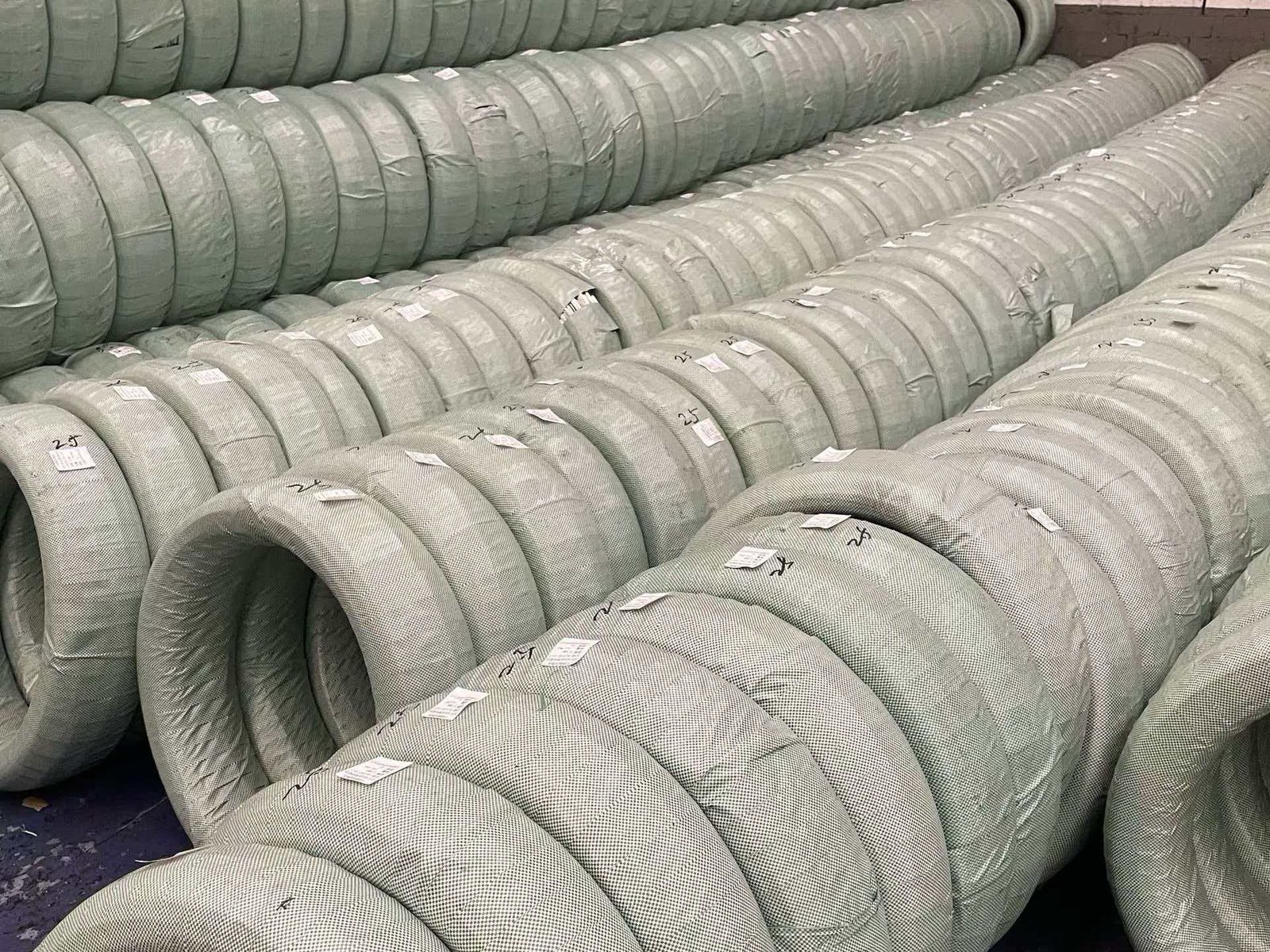
Fatima's strategy for Mbeya was the most surprising to me. Mbeya sits at a crossroads, connecting Tanzania to Zambia and Malawi. This strategic location is attracting new industries. A few of her clients there started small factories to produce welded mesh. They needed a very specific raw material: 1.0mm 201 stainless steel wire. This isn't a product for a construction site. This is a B2B sale to another manufacturer. And these clients have very strict requirements. The wire diameter must have a very tight tolerance, and the surface must be perfectly clean and smooth for the welding process to work correctly. Because the requirements are so high, fewer suppliers can meet them. This means the market is less crowded and the profit margins are better. Fatima said that while the volume for Mbeya is the smallest, it's growing the fastest and is one of her most profitable routes.
| Feature | Requirement in Mbeya | Reason |
|---|---|---|
| Diameter | 1.0mm | Specific raw material for automated welded mesh machines |
| Quality | Strict Diameter Tolerance | Essential for consistent and strong welding points |
| Market Type | B2B, High-Profit Niche | Serving specialized industrial manufacturing clients |
| Main Use | Welded Mesh Production | Raw material for a value-added industrial process |
Conclusion
Success in the Tanzanian market comes from understanding its diversity. Tailoring your 201 stainless steel wire inventory to each city's unique industrial and climatic needs is the key to profitability.
Fatima now mixes four specifications in one container and distributes them to four different cities. Read more Tanzania market insights on our blog https://mfgwiremesh.com/blog/ or reach out via https://mfgwiremesh.com/contact/.
If you are sourcing 201 stainless steel wire for Tanzania or any East African market, we are happy to provide a specification-based quotation. Contact us via WhatsApp: +86 15383180672.
FAQ:
Q1: Which specification dominates demand in Dar es Salaam? A1: Dar es Salaam, as Tanzania's largest city and commercial capital, is dominated by 2.0 millimeter rebar tying wire for high-rise commercial and residential projects. The coastal humidity requires triple-layer moisture-proof packaging as standard. Fatima notes that her Dar es Salaam clients no longer ask about galvanized wire at all, with 201 stainless steel wire now the default specification for construction projects.
Q2: Why does Arusha need different specifications than Dar es Salaam? A2: Arusha is Tanzania's tourism and agricultural hub. Beyond standard construction, the city has strong demand from flower farms and vegetable growers. 1.5 millimeter fencing wire moves faster here than 2.0 millimeter. Rose and tomato farms around Arusha are switching from galvanized to 201 stainless steel wire, extending replacement cycles from one year to at least three years. Fatima says Arusha's agricultural clients are less price-sensitive but highly quality-conscious because rust stains on flowers mean export rejection.
Q3: What is driving demand in Mwanza and Mbeya? A3: Mwanza, on Lake Victoria, has growing demand from fish processing plant construction and cold storage warehouse projects, with 1.2 millimeter and 1.5 millimeter being the main specifications. The lakeside humidity matches Dar es Salaam levels, requiring equivalent moisture-proof packaging. Mbeya, in southern Tanzania, serves as a logistics hub connecting to Zambia and Malawi. Infrastructure projects are increasing there, and welded mesh factories are beginning operations, creating steady demand for 1.0 millimeter wire with high requirements for diameter tolerance and surface quality.