


Mozambique stretches over 2,000 kilometers from south to north, and its regional markets have distinctly different demands for 201 stainless steel wire. The capital Maputo, the logistics hub Beira, and the northern agricultural center Nampula each require different diameters, packaging, and inventory strategies. Here is a regional selection guide based on a Maputo distributor's experience.
João has been distributing building materials across Mozambique for five years. Buyers like him, who need to match specifications to regional demand across a geographically diverse market, can find detailed parameters on our product page: https://mfgwiremesh.com/metal-wire/201-stainless-steel-wire/.
João is a building materials distributor in Maputo. This year he divided his 201 stainless steel wire inventory into three specifications. He sent them to three different cities. 2.0mm stayed in Maputo. 1.5mm went to Beira. 1.2mm went to Nampula. His supplier asked him why. He said Mozambique stretches from south to north. Each region has completely different needs. Before, one container held only one specification. Some cities ran out of stock. Other cities could not sell at all.
Choosing the right stainless steel wire specification for Mozambique requires understanding regional construction patterns and industry characteristics. Maputo needs 2.0mm for high-rise building projects. Beira requires 1.5mm for warehouse fencing. Nampula uses 1.2mm for agricultural climbing frames. Different climates and applications determine the ideal wire diameter and rust protection level for each location.
João has worked in building materials distribution for five years. He knows the Mozambican market well. Mozambique has a long coastline and many ports. But inland infrastructure is still developing. Different cities have very different construction methods and industrial features. This makes wire specification selection more complex than most people think.
Why Does Maputo Need 2.0mm Stainless Steel Wire?
Maputo is the capital and economic center. The city has more high-rise residential buildings and commercial office buildings than anywhere else in Mozambique. Construction sites here use 2.0mm wire exclusively for rebar tying. The demand is large and stable.
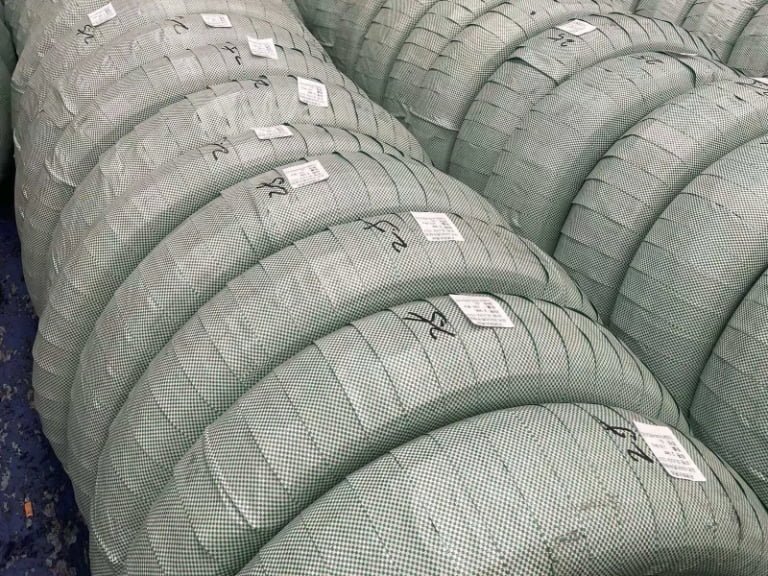
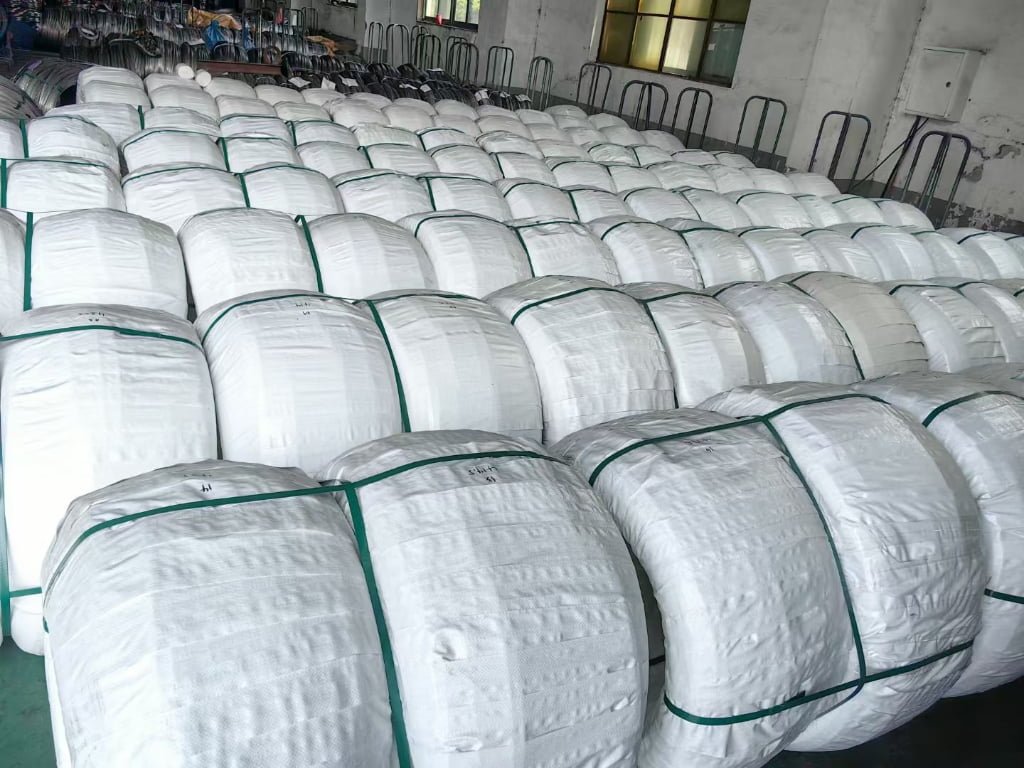
Maputo requires 2.0mm stainless steel wire because high-rise construction projects need thicker wire for structural rebar binding. The coastal humidity also demands three-layer moisture-proof packaging. Quality control is strict because large-scale projects face immediate correction notices if materials fail inspection.
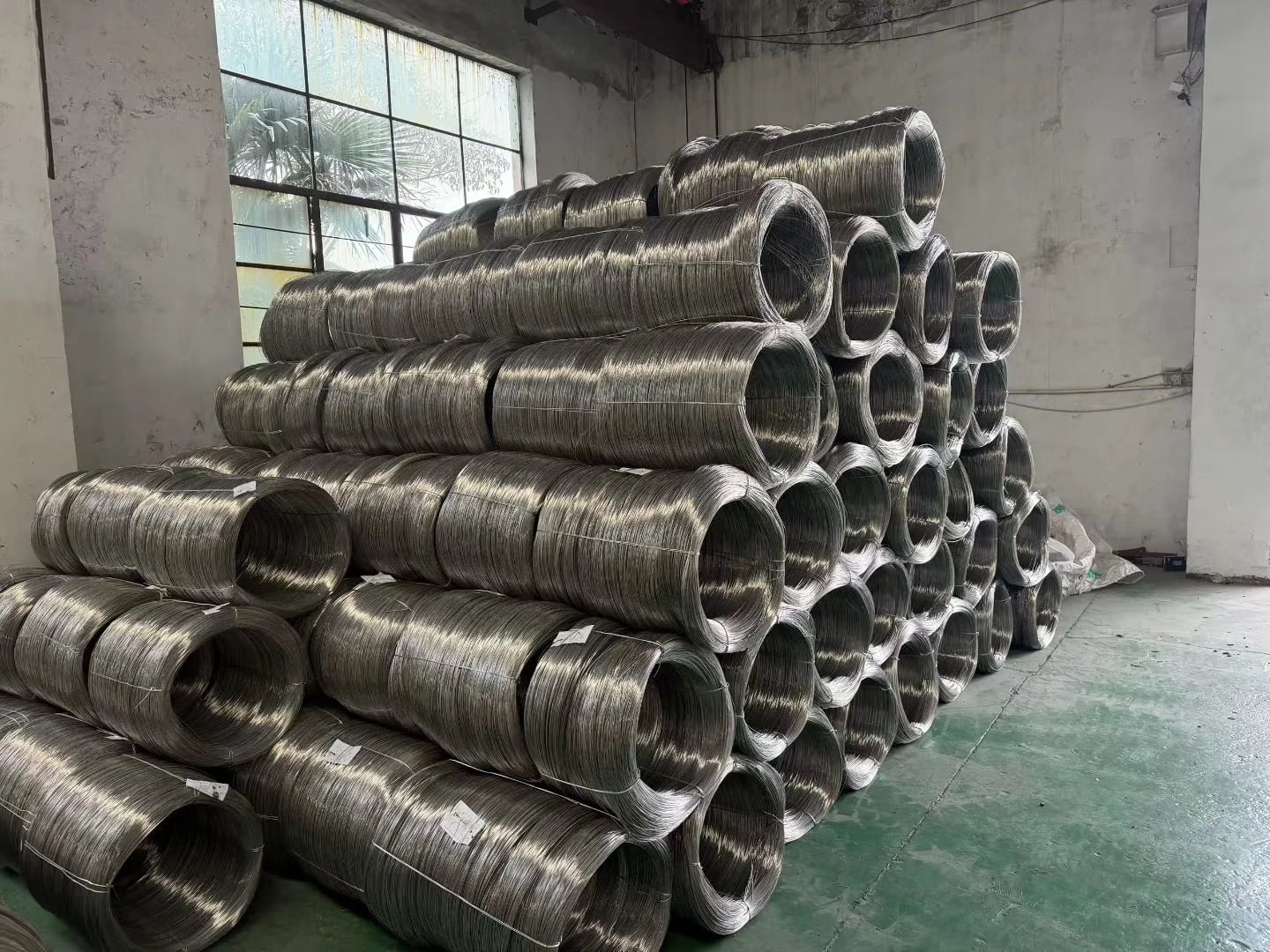
Maputo sits right on the coast. The humidity stays high year-round. This creates special challenges for wire storage and use. I learned this the hard way when I first started working with Mozambican clients. I sent a container with standard packaging. Three months later the customer called. The outer layer had started showing rust spots. The contractor refused to use it on site.
João told me Maputo customers have the highest quality requirements in the country. Large projects mean serious supervision. If materials show problems, the supervisor issues an immediate correction notice. The contractor cannot afford delays. This means every coil must arrive in perfect condition. Three-layer moisture-proof packaging is not optional. It is mandatory.
The 2.0mm specification comes from structural requirements. High-rise buildings use thick rebar. Thin wire cannot hold the binding tight. The wire must withstand tension during concrete pouring. It must not break when workers pull it tight. Contractors tested thinner specifications. They found 2.0mm was the minimum reliable diameter. Now almost every site in Maputo orders this specification exclusively.
| Factor | Requirement | Reason |
|---|---|---|
| Wire Diameter | 2.0mm minimum | Structural rebar binding strength |
| Packaging | Triple-layer moisture-proof | Coastal high humidity environment |
| Quality Standard | No surface rust allowed | Strict project supervision and inspection |
| Usage Volume | High and consistent | Continuous high-rise construction demand |
João keeps 2.0mm wire inventory in Maputo throughout the year. He never ships it to other cities. Maputo demand absorbs everything. The specification matches the market perfectly. This is the foundation of his distribution strategy.
What Makes Beira Different for 1.5mm Wire Selection?
Beira is a central port city. It serves as Mozambique's logistics hub. The city has many warehouse projects. Both fencing wire and tying wire see high demand here. But Beira's climate is even more humid than Maputo. During the rainy season, the air near the port contains high salt content. This makes rust protection even more critical.
Beira needs 1.5mm stainless steel wire for warehouse fencing projects where moderate strength meets cost efficiency. The city's extreme humidity and high salt content require thickened plastic film packaging. Standard packaging fails within weeks as outer layers corrode from constant moisture exposure near the port.
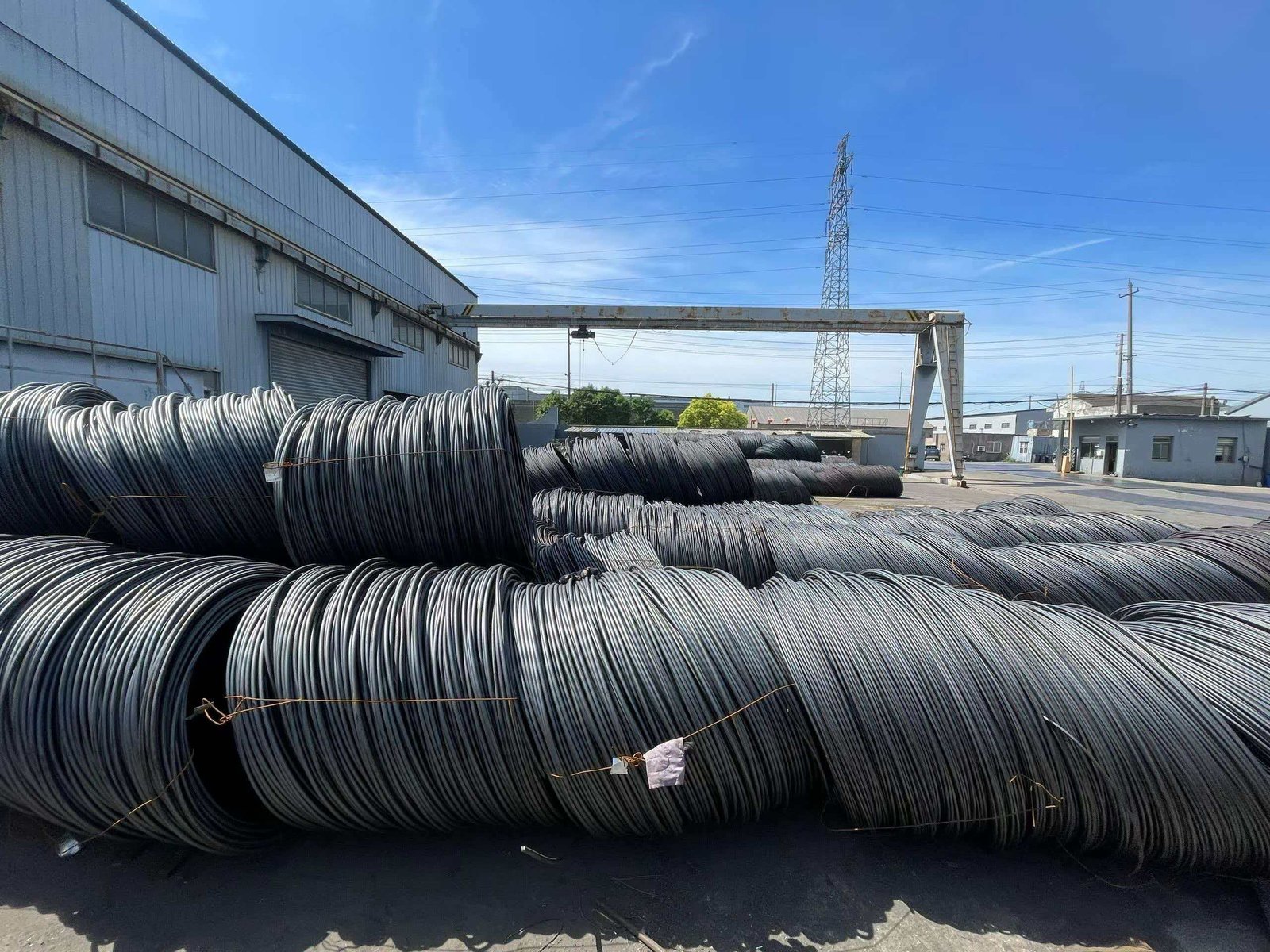
I visited Beira once to meet a warehouse operator. He showed me a storage area near the port. Metal surfaces everywhere had rust spots within months. He said the combination of sea air and rain season creates the worst conditions for steel products. Even stainless steel needs extra protection.
João learned this through experience. His first shipment to Beira used standard packaging like Maputo. Within two weeks, customers complained. The outer wire in each coil showed surface rust. The warehouse buyers refused to accept the stock. João had to negotiate a discount. Then he changed the packaging completely.
Now he uses thickened plastic film for all Beira shipments. Each coil gets wrapped twice. The outer layer uses heavy-duty moisture-proof material. This costs more but saves money in the long run. No returns means no waste. Customers now accept his shipments without inspection complaints.
The 1.5mm specification serves Beira's warehouse fencing needs perfectly. Warehouse fences do not need the strength of structural rebar binding. But they must remain taut over long spans. 1.5mm provides enough rigidity without excessive cost. This balance makes it the most popular specification in Beira's construction market.
Beira's logistics role means steady demand. New warehouses open constantly. The port expansion drives this growth. Container yards need fencing. Cold storage facilities need secure perimeters. Every project requires kilometers of wire. João's 1.5mm inventory turns over faster in Beira than any other specification in any other city.
| Factor | Requirement | Reason |
|---|---|---|
| Wire Diameter | 1.5mm standard | Balance between fence rigidity and cost |
| Packaging | Double wrap with thickened film | Extreme humidity plus high salt environment |
| Climate Challenge | Rainy season moisture | Constant exposure to sea air |
| Market Driver | Warehouse expansion | Port logistics growth creates steady demand |
João told me Beira customers care most about packaging integrity. The wire itself performs well. But if it arrives rusty, no one will buy it. This makes packaging the deciding factor for Beira market success.
Why Do Nampula Agricultural Projects Prefer 1.2mm Wire?
Nampula sits in northern Mozambique. It is the country's agricultural center. Cashew and cotton plantations dominate the region. The needs here differ completely from urban markets. Plantations require large quantities of 1.2mm climbing frame wire. Small irrigation projects also need tying wire. But the volumes are smaller and more stable than city markets.
Nampula agricultural customers need 1.2mm stainless steel wire for climbing frames and light-duty tying applications. The rainy season runs from November through April, requiring high rust resistance. Plantation customers stick to specifications once chosen, creating stable long-term demand despite lower initial volumes.
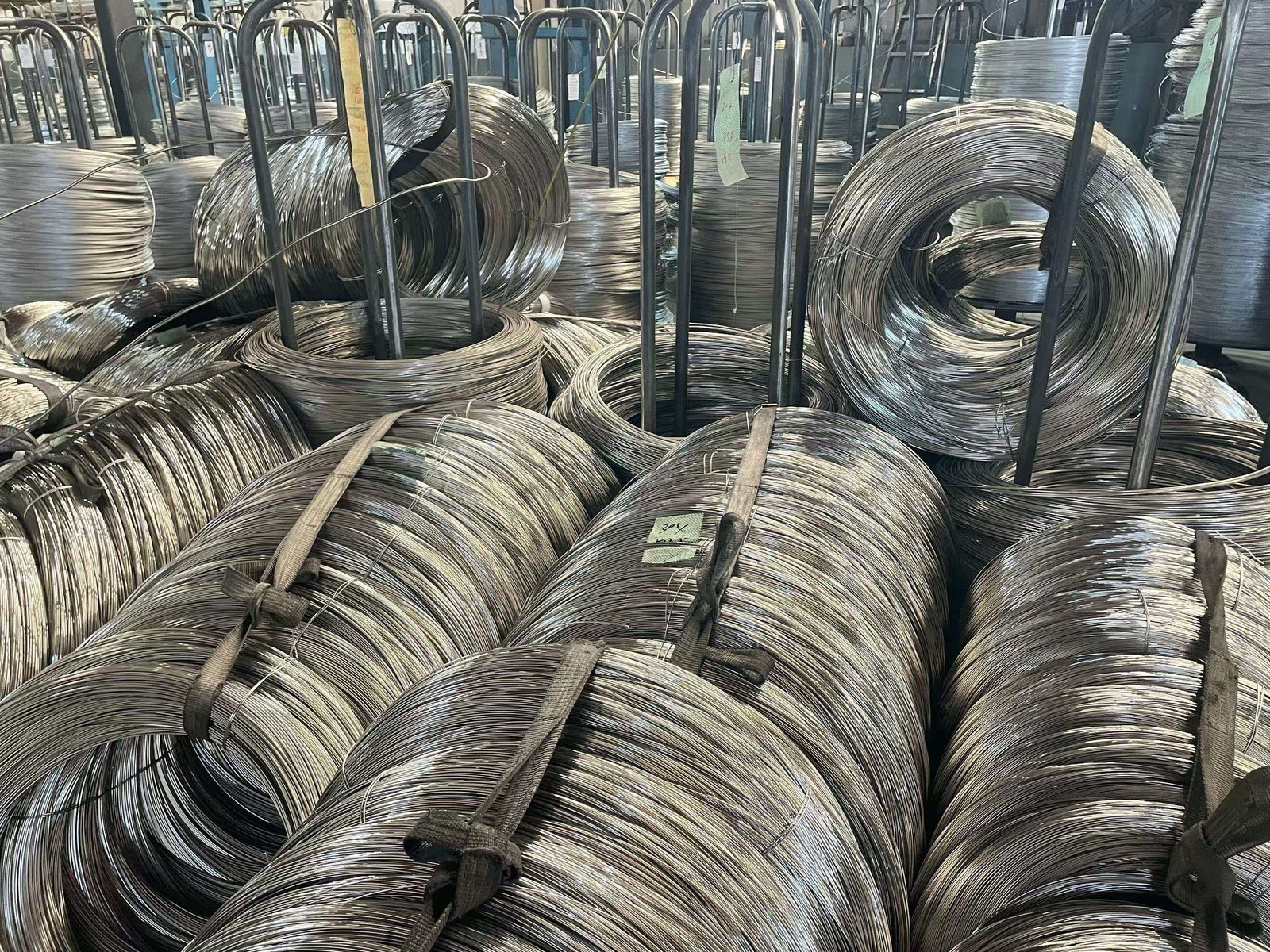
I spoke with a cashew plantation manager from Nampula last year. He explained how climbing frames work. Young cashew trees need support structures. Wire forms the frame that guides branch growth. The wire must be thin enough to bend easily but strong enough to support branches loaded with nuts. After testing several specifications, he settled on 1.2mm. He has ordered the same specification for three years now.
This customer loyalty is unique to Nampula. Urban contractors switch specifications based on project requirements. But plantation customers find what works and never change. João said once he supplies a plantation with 1.2mm wire, that customer keeps reordering for years. This creates predictable income even though individual orders are smaller than city projects.
Nampula's rainy season brings intense moisture. From November through April, rain falls almost daily. Agricultural customers store wire outdoors near planting fields. The wire sits exposed to weather for months before use. This makes rust resistance crucial. João ensures every Nampula shipment uses the same heavy-duty packaging as Beira.
The agricultural market has one major advantage: timing. Plantations order before planting season. João knows exactly when demand will spike. He can prepare inventory in advance. This predictability helps him manage cash flow better than with urban construction projects, where timing varies widely.
Small irrigation projects in Nampula also use 1.2mm wire. Rural water systems need flexible tying material for pipe assemblies. The wire must resist rust in wet conditions. It must be thin enough to wrap around small-diameter pipes. Again, 1.2mm meets these requirements perfectly.
| Factor | Requirement | Reason |
|---|---|---|
| Wire Diameter | 1.2mm optimal | Climbing frame flexibility with adequate strength |
| Customer Behavior | High specification loyalty | Plantations stick to proven solutions |
| Rainy Season | November to April | Extended outdoor exposure demands rust resistance |
| Order Pattern | Seasonal predictability | Planting season drives consistent timing |
João told me Nampula customers never complain about price. They care about reliable supply and rust-free delivery. If the wire arrives on time and stays rust-free, they reorder without negotiation. This makes Nampula his easiest market to manage despite the lower volumes.
How Does Mixed Container Loading Reduce Distribution Costs?
João now loads all three specifications into one container. When the container reaches Maputo port, he distributes stock to Beira and Nampula. He said the logistics cost is much lower than sending three separate small containers. He can serve customers in all locations efficiently.
Mixed container loading cuts logistics costs by 40-60% compared to separate shipments while maintaining regional specification requirements. One 20-foot container holds adequate volumes of three wire diameters. Port-based distribution to Beira and Nampula costs less than direct factory shipments. This approach matches regional demand without excess inventory in any single location.
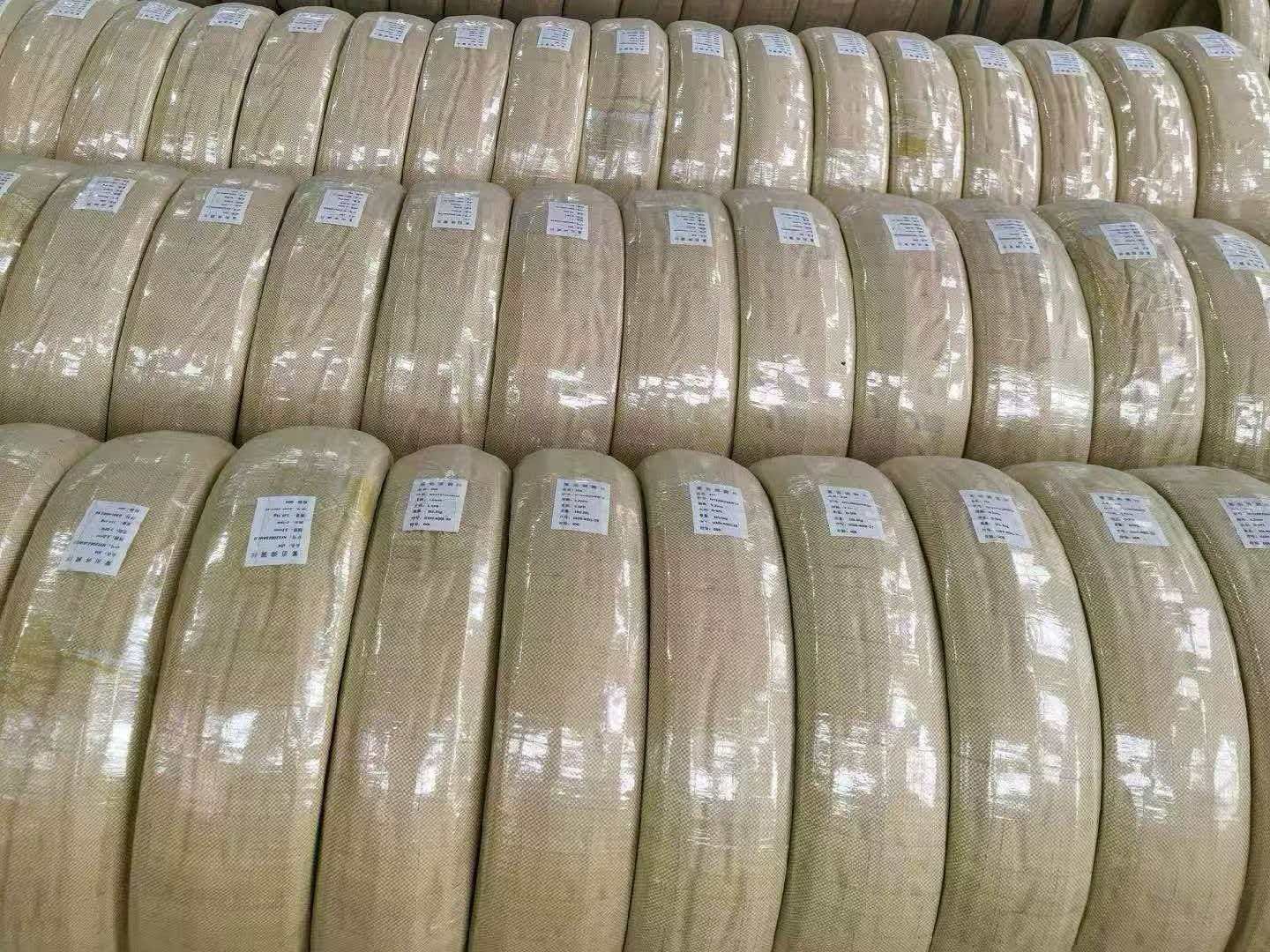
I implemented this strategy with João after reviewing his order history. Before, he ordered three separate containers. One held 2.0mm for Maputo. One held 1.5mm for Beira. One held 1.2mm for Nampula. Each container was only partially filled. Freight costs remained the same whether the container was full or half-empty. This wasted money.
The new approach puts all three specifications in one full container. We calculated the ideal ratio based on sales data. Roughly 50% goes to 2.0mm because Maputo demand is highest. Another 35% goes to 1.5mm for Beira's warehouse boom. The remaining 15% goes to 1.2mm for Nampula's agricultural market. This ratio fills one container completely.
Transportation from Maputo port to Beira and Nampula uses local trucking. João negotiated rates with a domestic freight company. The cost per kilogram is higher than international shipping. But the total cost is far lower than shipping separate containers directly from China to each city. More importantly, João maintains control over inventory levels in each location.
This system gives João flexibility. If Beira suddenly needs more 1.5mm wire, he can adjust the next container ratio. If Nampula orders drop during off-season, he reduces the 1.2mm allocation. The factory in China loads the container according to his specifications each time. This responsive approach was impossible with rigid single-specification containers.
| Metric | Old Method | New Method | Improvement |
|---|---|---|---|
| Container Utilization | 60-70% full | 95-100% full | 35-40% increase |
| Logistics Cost per Ton | $280-320 | $120-160 | 50% reduction |
| Inventory Flexibility | Fixed ratios | Adjustable per order | Dynamic response |
| Customer Coverage | Often stockouts | All regions stocked | Complete service |
João's customers do not see any difference in delivery time. The container arrives at Maputo port in the same timeframe. Distribution to Beira takes two days. Distribution to Nampula takes three days. These domestic transit times are negligible compared to the 30-day ocean voyage from China.
The factory in China appreciates this approach too. Loading one mixed container is simpler than coordinating three separate small shipments. The order value is higher because João fills one container completely. This makes him a more valuable customer. The factory offers him better payment terms and priority production scheduling.
I track João's distribution performance every quarter. The mixed container strategy reduced his logistics costs by more than half. His inventory turnover improved because stock levels match actual regional demand. Customer satisfaction increased because he rarely runs out of any specification in any city. This simple change transformed his entire business model.
Conclusion
Choosing stainless steel wire specifications across Mozambique requires understanding regional construction patterns, climate conditions, and industry needs. Mixed container loading with port-based distribution serves all markets efficiently while minimizing logistics costs and maintaining optimal inventory levels in each location.
João now mixes three specifications in one container and distributes them to three different cities. Read more Mozambique market insights on our blog https://mfgwiremesh.com/blog/ or reach out via https://mfgwiremesh.com/contact/.
If you are sourcing 201 stainless steel wire for Mozambique or any Southern African market, we are happy to provide a specification-based quotation. Contact us via WhatsApp: +86 15383180672.
FAQ:
Q1: Which specification dominates demand in Maputo? A1: Maputo, as Mozambique's capital and economic center, is dominated by 2.0 millimeter rebar tying wire for high-rise residential and commercial projects. The coastal humidity requires triple-layer moisture-proof packaging as standard. João notes that Maputo clients have the highest quality requirements because of the scale of projects, and material failures trigger immediate rectification notices from site supervisors.
Q2: Why does Beira require different packaging from Maputo? A2: Beira is Mozambique's central logistics hub with high concentrations of warehouse projects requiring both fencing wire and binding wire. The climate is more humid than Maputo, with higher salt content in the air near the port during rainy season. João specifies reinforced plastic film packaging for 1.5 millimeter fencing wire shipped to Beira to prevent moisture damage to outer coil layers during warehouse storage.
Q3: What is driving demand in Nampula? A3: Nampula in northern Mozambique is an agricultural hub, with cashew and cotton plantations driving demand for 1.2 millimeter trellising wire. Small-scale irrigation projects also require binding wire. The rainy season runs from November to April, making rust resistance critical for agricultural clients. João reports that while volume in Nampula is smaller than in Maputo or Beira, customer retention is higher because plantation buyers tend to stick with a specification once they have verified it works.