


Malawi's regional markets have distinct demands for 201 stainless steel wire specifications. The capital Lilongwe, the commercial hub Blantyre, and the northern agricultural center Mzuzu each require different diameters and packaging approaches. Here is a regional selection guide based on a Lilongwe wholesaler's distribution experience.
Thoko has been importing and distributing stainless steel wire across Malawi for six years. Buyers like him, who need to match specifications to regional demand patterns, can find detailed parameters on our product page: https://mfgwiremesh.com/metal-wire/201-stainless-steel-wire/.
My customer Thoko from Lilongwe recently sent me an order with three specifications. Each specification had a different destination city marked next to it. I noticed he wanted 2.0mm wire for local Lilongwe projects, 1.5mm wire for Blantyre, and 1.2mm wire for Mzuzu. I asked him why he divided the order so carefully. He told me that the three main cities in Malawi have very different needs. The one-size-fits-all approach stopped working years ago.
Choosing the right 201 stainless steel wire specifications for different regions in Malawi requires understanding three key factors: project types, climate conditions, and local industry characteristics. Lilongwe needs 2.0mm wire for construction, Blantyre requires 1.5mm wire with enhanced rust protection for industrial use, and Mzuzu demands 1.2mm wire for agricultural applications.
Thoko has been in the building materials business for six years. He knows every corner of the Malawi market. His three-city strategy teaches me something important about regional customization. Let me share what I learned from his approach.
Why Does Lilongwe Prefer 2.0mm Stainless Steel Wire?
Lilongwe is the capital city. Government office buildings, commercial constructions, and residential projects dominate the landscape here. These projects create steady demand for specific wire specifications.
Lilongwe construction sites primarily use 2.0mm wire for rebar tying, which offers the best balance of strength and workability for urban building projects. The city's moderate humidity on the central plateau requires only standard three-layer moisture-proof packaging.
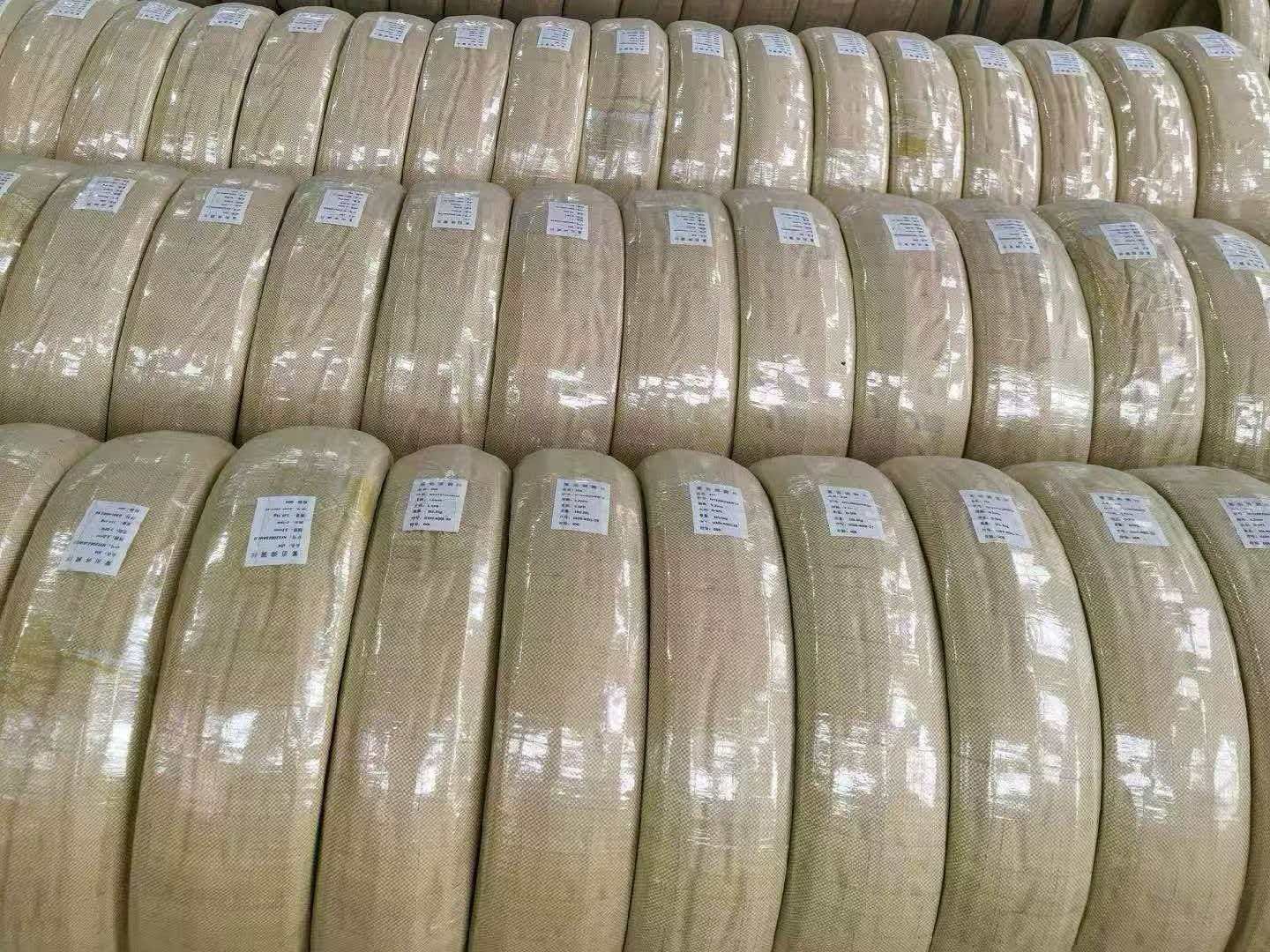
Thoko explained that 2.0mm wire became the standard in Lilongwe about four years ago. Before that, contractors used various specifications without clear patterns. The shift happened when major contractors realized that 2.0mm wire worked perfectly for both concrete reinforcement binding and temporary structural support. The diameter provides enough tensile strength for holding rebar in place during concrete pouring. Workers can twist it easily by hand without requiring special tools.
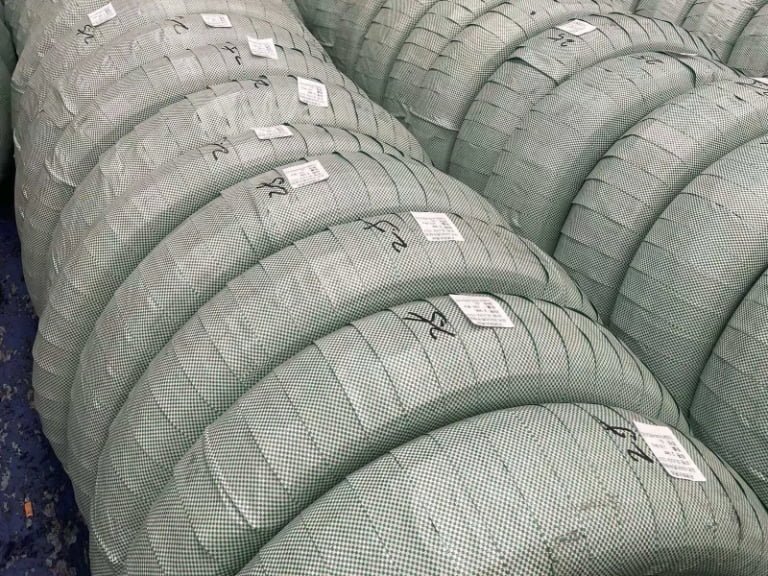
The climate factor matters too. Lilongwe sits at higher elevation on the central plateau. The air stays drier compared to coastal or low-lying areas. Standard packaging protects the wire adequately during storage and transportation. Thoko told me he never receives complaints about rust problems from Lilongwe customers. The three-layer packaging we provide - inner plastic film, outer woven bag, and steel pallet - works perfectly for local conditions.
I noticed something interesting in Thoko's sales data. Lilongwe customers have completely switched from galvanized wire to 201 stainless steel wire. He said the price difference narrowed over the past three years. Local contractors now prefer stainless steel because it eliminates zinc coating issues during long-term storage. Even small construction teams order 201 wire exclusively.
The volume stability in Lilongwe makes supply planning easier. Thoko orders 400-600 tons annually for this market. The demand follows construction season patterns but remains predictable. Government projects drive most purchases during the dry season from May to October.
| Specification | Primary Use | Monthly Volume | Key Advantage |
|---|---|---|---|
| 2.0mm | Rebar tying | 35-50 tons | Perfect strength-to-flexibility ratio |
| 2.0mm | Structural support | 15-25 tons | Hand-twistable without tools |
| 1.5mm | Light framework | 5-10 tons | Secondary application only |
What Makes Blantyre Different for 1.5mm Wire Selection?
Blantyre sits at lower elevation. The temperature runs higher throughout the year. Humidity increases significantly compared to Lilongwe. These conditions change everything about wire specification requirements.
Blantyre's industrial and commercial focus requires 1.5mm wire for fencing and 2.0mm wire for binding, but the higher humidity and temperature demand enhanced moisture protection with four-layer packaging instead of standard three-layer wrapping.
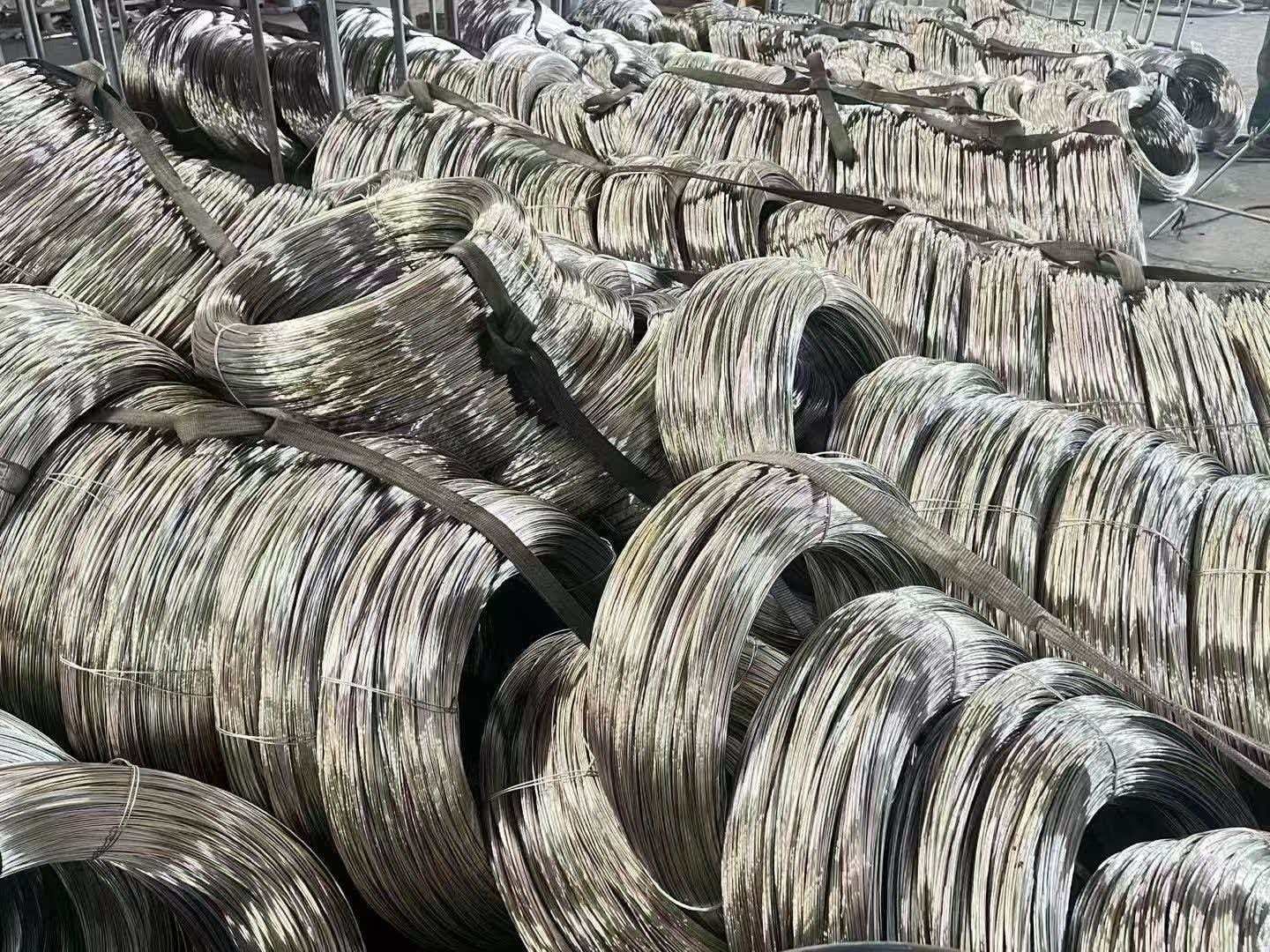
Thoko described Blantyre as Malawi's commercial heart. The city hosts food processing factories, tobacco auction houses, and major warehousing facilities. These industries need fencing wire more than rebar tying wire. The 1.5mm specification works perfectly for perimeter security fencing around industrial compounds.
I shipped my first Blantyre order using standard packaging. Thoko called me three weeks later. He opened some coils stored in his warehouse after the first rain. Surface oxidation had started on the outer layers. Not severe damage, but enough to worry customers. We fixed the issue immediately by adding an extra moisture barrier layer and using thicker plastic film. The problem never happened again.
The packaging upgrade added about 8% to the total cost. Thoko said his customers accepted the price increase without complaints. They understood that proper packaging prevented bigger losses from rust damage. Some large warehouses in Blantyre lack climate control. Wire coils might sit for two to three months before final delivery to end users. Enhanced protection became essential.
Food processing facilities represent Blantyre's unique market segment. These factories need wire for equipment maintenance, product transport cages, and facility repairs. They prefer 1.5mm wire because it balances corrosion resistance with workability. Factory managers told Thoko that thicker wire becomes too rigid for small-scale fabrication work. Thinner wire lacks the durability their harsh chemical environments require.
Tobacco auction houses use wire differently. During auction season from April to September, they need temporary sorting racks and baling systems. These structures get dismantled and rebuilt multiple times each season. The 1.5mm wire provides enough strength while remaining easy to cut and reshape. Auction house managers order 2-3 tons per season specifically for this purpose.
| Location Type | Primary Wire Use | Preferred Specification | Annual Volume |
|---|---|---|---|
| Food factories | Equipment cages | 1.5mm | 15-20 tons |
| Warehouses | Security fencing | 1.5mm | 25-30 tons |
| Tobacco houses | Temporary racks | 1.5mm | 8-12 tons |
| Construction sites | Rebar tying | 2.0mm | 20-25 tons |
Why Does Mzuzu Need Specific 1.2mm Agricultural Wire?
Mzuzu operates in a completely different market universe. The northern city serves as Malawi's agricultural hub. Coffee plantations and tea estates dominate the surrounding landscape. These farms need wire for plant support systems rather than construction applications.
Mzuzu's agricultural sector requires 1.2mm wire for climbing frames and plant support because this diameter offers optimal flexibility for wrapping around delicate plant stems while providing sufficient strength for multi-year outdoor use in high-rainfall conditions.
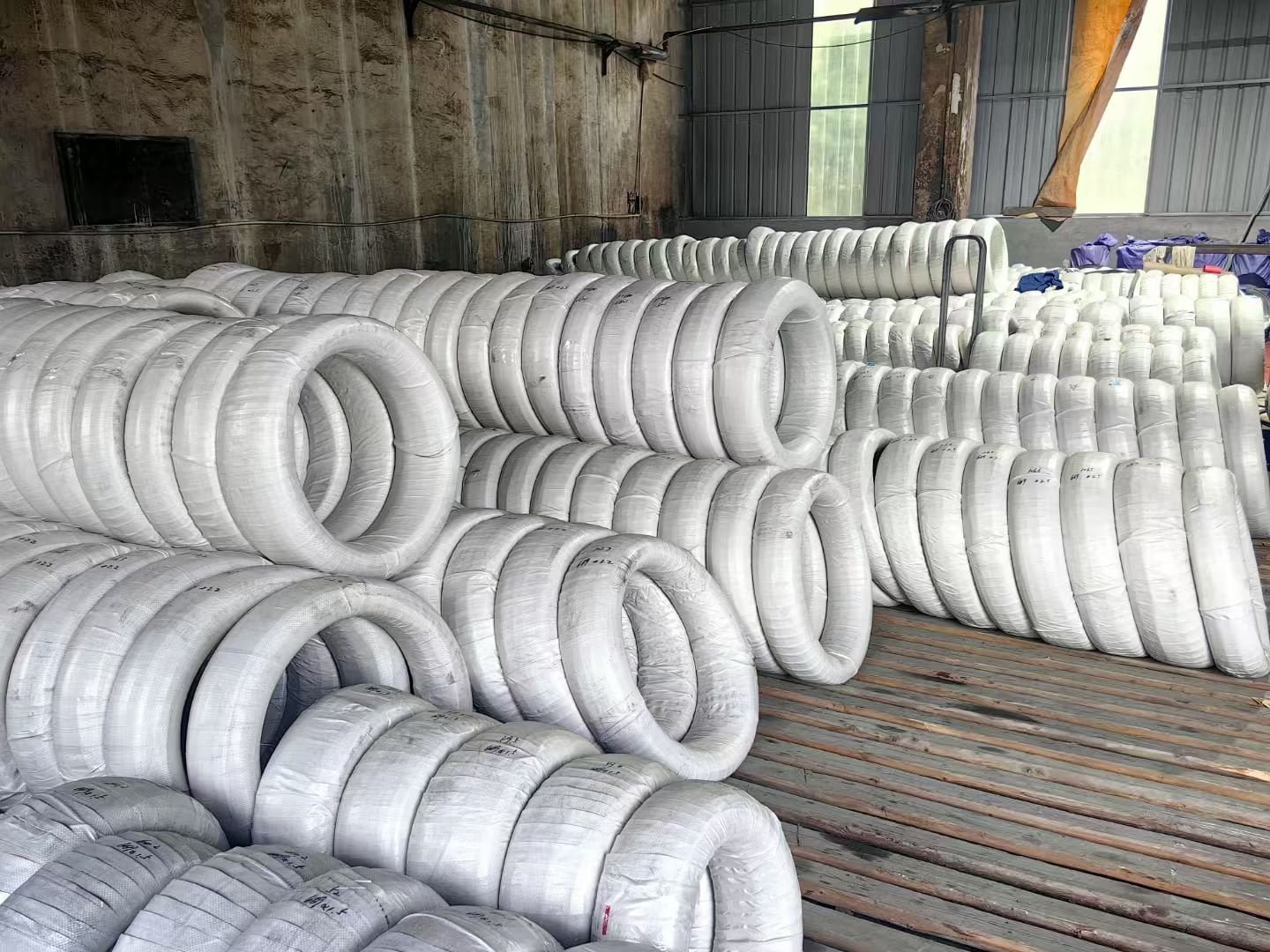
Thoko explained that agricultural wire operates under different performance requirements. Construction wire needs tensile strength and resistance to mechanical stress. Agricultural wire must bend repeatedly without breaking and withstand constant moisture exposure from rain and irrigation. The 1.2mm specification hits the sweet spot for these applications.
Coffee plantations use wire to create vertical growing frames. Young coffee plants need support as they develop. Farmers wrap 1.2mm wire around wooden or metal posts, creating horizontal lines at 30-40cm intervals. The plants grow along these wire guides. The wire must remain flexible enough for workers to tie and untie easily during pruning seasons. Thicker wire becomes too stiff for this delicate work. Thinner wire breaks too easily under plant weight.
Tea estates have different wire requirements. They use 1.2mm wire for securing protective shade cloth over young tea bushes. The wire runs through cloth edges and attaches to support posts. This application demands excellent rust resistance because the wire stays continuously wet during Mzuzu's long rainy season. Tea estate managers told Thoko they replace shade cloth every 3-4 years but expect wire to last 5-6 years minimum.
Mzuzu sits at high elevation. The temperature stays moderate but rainfall exceeds both Lilongwe and Blantyre significantly. The rainy season extends from November through April, bringing heavy daily precipitation. Wire stored outdoors or used in open fields faces constant moisture challenge. We had to adjust packaging specifically for this market. Double-sealed plastic bags became mandatory. Thoko stores Mzuzu-bound wire in his driest warehouse section.
The volume pattern differs too. Agricultural customers place orders based on planting season schedules rather than construction cycles. Coffee plantations expand slowly, adding new growing areas gradually over years. Tea estates maintain existing installations and replace damaged wire sections. This creates steady small-volume demand throughout the year rather than seasonal spikes.
Profit margins run higher on agricultural wire despite lower volumes. Thoko explained that farmers value reliability over price. They cannot afford wire failures during critical growing periods. A broken support wire might damage an entire row of coffee plants. Estate managers willingly pay premium prices for guaranteed quality. Thoko's agricultural customers remain loyal for years once they trust the wire performance.
I learned something interesting about agricultural specifications. Coffee and tea farmers measure wire by length rather than weight. They calculate exact meters needed for each planting block. This means we cut wire to specific lengths rather than shipping standard coils. The customization adds production complexity but creates customer value that justifies better pricing.
| Crop Type | Wire Application | Length Requirement | Replacement Cycle |
|---|---|---|---|
| Coffee | Vertical frames | 50-80m per hectare | 4-5 years |
| Tea | Shade cloth support | 30-50m per hectare | 5-6 years |
| Mixed farms | General support | 20-40m per hectare | 3-4 years |
| Nurseries | Seedling trays | 15-25m per facility | 2-3 years |
How Does Mixed Container Loading Optimize Regional Distribution?
Thoko uses a smart logistics strategy. He loads all three specifications into one container. The container arrives at Lilongwe port. From there, he distributes wire to Blantyre and Mzuzu using local transport.
Mixed container loading reduces overall logistics costs by 30-40% compared to separate shipments while maintaining flexibility to serve all three regional markets simultaneously. This approach works because Lilongwe serves as the natural distribution hub for reaching both southern Blantyre and northern Mzuzu.
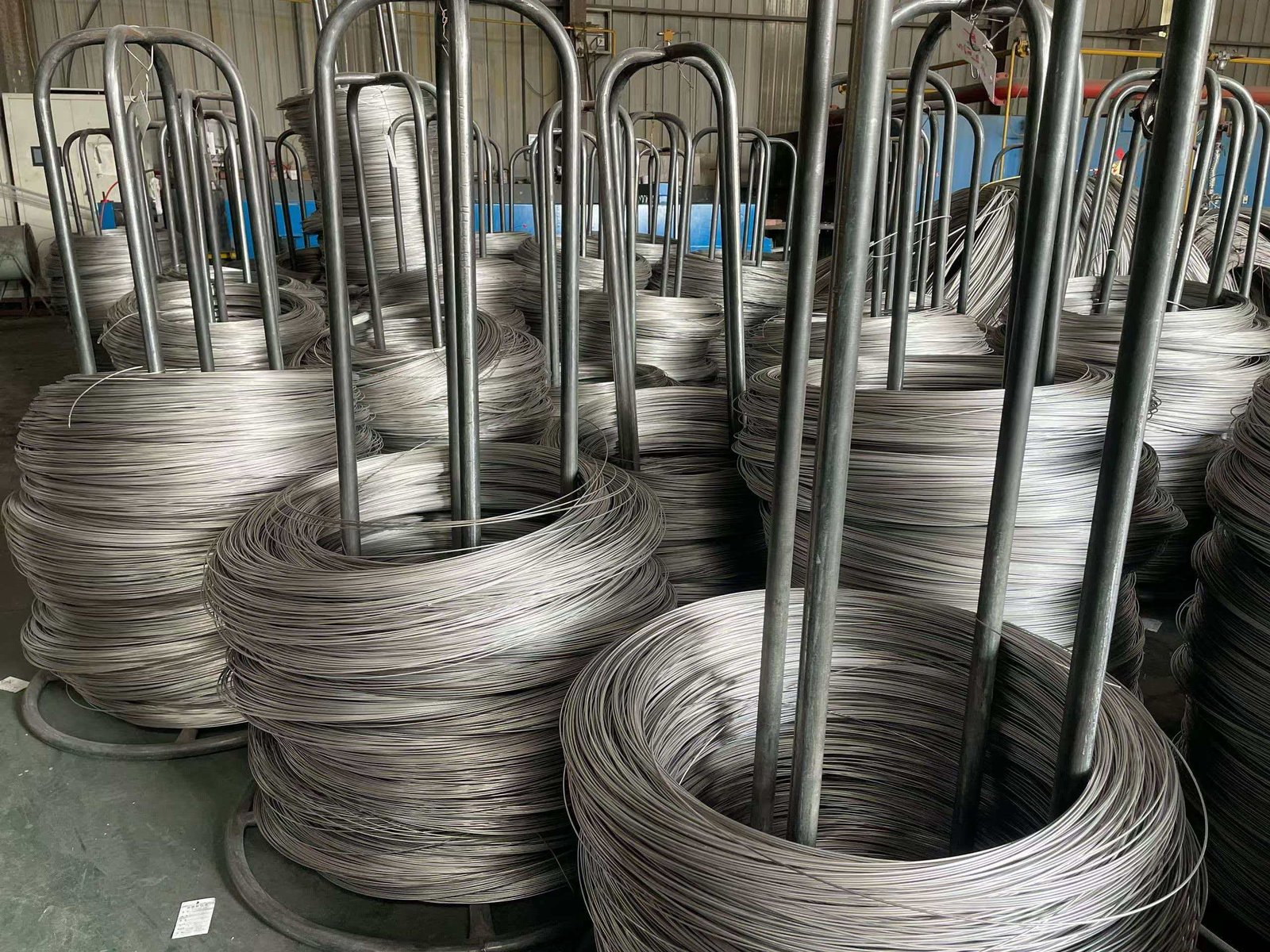
The first time Thoko explained this strategy, I worried about complexity. Loading three different specifications requires careful planning. We label each pallet clearly with destination city codes. The warehouse team loads Lilongwe stock first, placing it near the container door. Blantyre and Mzuzu cargo goes deeper inside. This arrangement simplifies unloading at Lilongwe.
The math makes sense when you calculate total costs. A full container from Tianjin Port to Lilongwe costs around $3,800-4,200 depending on season. If Thoko ordered separate containers for each city, he would pay three times that amount plus inefficient space utilization. None of his single-city orders fill a complete container. Mixed loading solves both problems.
Lilongwe's central location provides natural distribution advantages. The city sits roughly equidistant between northern and southern regions. Road connections run to both Blantyre (south) and Mzuzu (north). Thoko owns three trucks that handle domestic distribution. He schedules Blantyre deliveries every two weeks and Mzuzu runs monthly. This frequency matches his typical sales velocity in each market.
I asked about inventory management complexity. Thoko said his warehouse management system tracks each specification by destination. When he receives a container, the team sorts cargo immediately. Lilongwe stock moves to one section, Blantyre cargo to another, Mzuzu material to a third area. Each section has different storage requirements based on local climate conditions and turnover speed.
The risk management aspect impressed me. By mixing specifications in one container, Thoko maintains buffer stock for all three markets simultaneously. If Blantyre demand suddenly increases, he can shift some Lilongwe inventory southward. If a Mzuzu customer cancels an order, he can sell that wire locally in Lilongwe. This flexibility protects against demand volatility that single-specification containers cannot provide.
Loading sequence matters for cost efficiency. We pack heavier 2.0mm coils at the container bottom for stability. Medium 1.5mm coils go in the middle layer. Light 1.2mm coils sit on top. This arrangement prevents crushing damage during ocean transport. The sequence also helps with unloading priority since Lilongwe typically needs the heavier specifications first.
| Loading Zone | Specification | Destination | Position Advantage |
|---|---|---|---|
| Front section | 2.0mm | Lilongwe | Easy first unload |
| Middle section | 1.5mm | Blantyre | Balanced weight distribution |
| Rear section | 1.2mm | Mzuzu | Protected from handling damage |
| Mixed pallets | All sizes | Flexible use | Quick market response |
What Quality Standards Apply Across All Three Markets?
Every region has different applications but shares one common requirement. The wire must perform reliably from day one. Thoko built his reputation on consistent quality. He refuses to compromise specifications even when price pressure increases.
All 201 stainless steel wire shipments to Malawi must pass visual inspection for surface smoothness, dimensional accuracy within ±0.05mm tolerance, and tensile strength testing regardless of destination or specification, because quality consistency builds long-term customer trust across all three regional markets.
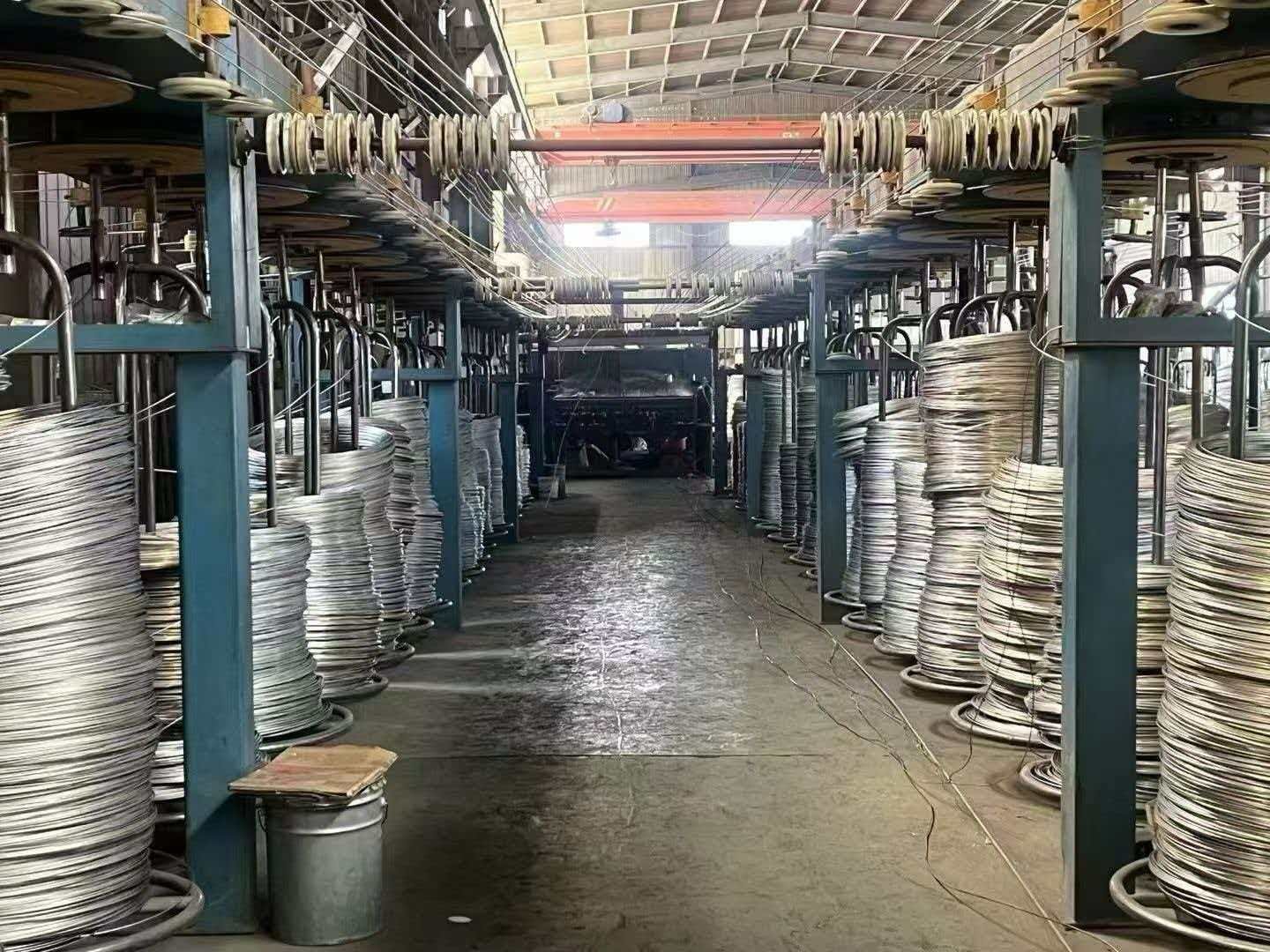
I remember the first quality issue we faced. A small batch of 1.5mm wire showed minor surface pitting. The defects were barely visible and did not affect structural performance. I thought about shipping it anyway since the order deadline approached. I called Thoko first. He said absolutely not. Even small quality problems damage his reputation with industrial customers in Blantyre. We scrapped that batch and produced replacement wire. The decision cost us money short-term but saved the business relationship.
Thoko performs incoming inspection on every container. His team checks wire diameter with precision calipers. They measure 10 random samples from different coils. The specification must stay within ±0.05mm tolerance. They also perform visual inspection for surface defects, checking for scratches, pitting, or discoloration. Any coil showing problems gets quarantined immediately.
Tensile strength testing happens on the first shipment of each production batch. Thoko sends samples to a local materials testing lab in Lilongwe. The lab pulls wire sections until they break, measuring force required. For 201 stainless steel, the minimum tensile strength should reach 520-750 MPa depending on wire diameter and processing method. Thoko keeps all test certificates on file. His large customers ask to see these documents before placing orders.
The packaging quality check runs parallel to product inspection. Thoko's team examines moisture barrier integrity, pallet condition, and label accuracy. They reject any coils with torn plastic film or damaged outer bags. This vigilance pays off during rainy season when even small packaging failures lead to rust problems.
Different markets create different quality priorities but the baseline standards never change. Lilongwe customers focus on dimensional accuracy for construction applications. Blantyre industrial users want perfect surface finish for their visible installations. Mzuzu agricultural buyers demand superior rust resistance. We meet all three requirements by maintaining strict production controls rather than creating market-specific quality tiers.
I learned that quality consistency builds customer loyalty in ways that price competition cannot match. Thoko told me about a competitor who offered wire 15% cheaper last year. Several of Thoko's Blantyre customers tried the alternative supplier. Within three months, they all returned. The cheap wire showed surface rust after short storage periods. Some coils had irregular diameters that caused processing problems. The customers now pay Thoko's premium prices gladly because they trust our wire performs reliably.
The quality documentation creates another advantage. When Thoko bids for large government projects or commercial contracts, he provides our mill test certificates, inspection reports, and his own receiving quality records. This documentation proves quality consistency over multiple shipments. Competitors who cannot provide similar documentation lose bids even with lower prices.
| Quality Parameter | Testing Method | Acceptance Standard | Testing Frequency |
|---|---|---|---|
| Wire diameter | Precision caliper | ±0.05mm tolerance | 10 samples per container |
| Surface condition | Visual inspection | No visible defects | 100% of coils |
| Tensile strength | Lab testing | 520-750 MPa | First shipment per batch |
| Packaging integrity | Physical examination | No tears or damage | 100% of coils |
Conclusion
Choosing 201 stainless steel wire specifications for different Malawi regions requires understanding that Lilongwe needs 2.0mm for construction, Blantyre requires 1.5mm with enhanced packaging for industrial use, and Mzuzu demands 1.2mm for agriculture. Mixed container loading from Lilongwe optimizes distribution
Thoko's container mixes three specifications for three different cities, and his distribution model keeps logistics costs low. Read more Malawi market insights on our blog https://mfgwiremesh.com/blog/ or reach out via https://mfgwiremesh.com/contact/.
If you are sourcing 201 stainless steel wire for Malawi or any Southern African market, we are happy to provide a specification-based quotation. Contact us via WhatsApp: +86 15383180672.
FAQ:
Q1: Which specification is most in demand in Lilongwe compared to other Malawian cities? A1: Lilongwe, as Malawi's capital, has the highest demand for 2.0 millimeter rebar tying wire driven by government buildings, commercial projects, and residential construction. The city's location on the central plateau means moderate humidity, so standard triple-layer moisture-proof packaging is sufficient. Thoko notes that Lilongwe clients have largely adopted 201 stainless steel wire as their default specification, with galvanized wire having minimal market presence.
Q2: Why does Blantyre need different packaging and specifications than Lilongwe? A2: Blantyre is Malawi's commercial and industrial center, with food processing plants, tobacco auction houses, and logistics warehouses. The city sits at a lower elevation than Lilongwe, with higher temperatures and humidity. Clients here need both 1.5 millimeter fencing wire and 2.0 millimeter binding wire, but packaging must be reinforced for moisture protection. Without enhanced packaging, inventory stored during the rainy season risks water damage.
Q3: What is driving demand in Mzuzu? A3: Mzuzu, in northern Malawi, is the country's agricultural hub. Coffee and tea plantations drive demand for 1.2 millimeter trellising and agricultural wire. The region has high elevation and long rainy seasons, making rust resistance a critical requirement. Thoko reports that while volumes in Mzuzu are smaller than in Lilongwe or Blantyre, margins are better because plantation buyers value quality consistency and place stable repeat orders.