


Zambia's agricultural sector faces conditions that are unforgiving on metal wire: seven months of dry heat followed by intense rainy season humidity. For irrigation supports, livestock fencing, and greenhouse frames, the choice between galvanized and 201 stainless steel wire directly affects operating costs and equipment lifespan. Here is how a Lusaka agricultural supplier is helping farms make the switch.
Chanda has been supplying agricultural materials in Zambia for five years. Buyers like him, who need agricultural-grade wire that survives extreme weather cycles, can find detailed specifications on our product page: https://mfgwiremesh.com/metal-wire/201-stainless-steel-wire/.
Last month, I got a message from my client Chanda in Lusaka. He told me he just closed a big order—a commercial farm needed support wire for a two-hundred-hectare irrigation system expansion. The farmer originally wanted galvanized iron wire, but Chanda convinced him to switch to 201 stainless steel wire. Chanda said it wasn't about selling expensive stuff—last year, the same farm used galvanized wire for supports, and one-third of them broke from rust after just one season.
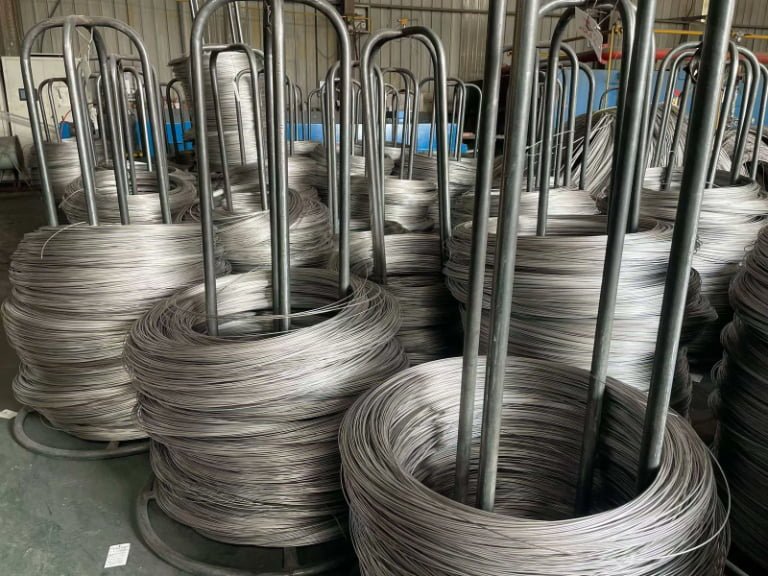
In Zambia's agriculture sector, 201 stainless steel wire is replacing galvanized iron wire for irrigation supports, livestock fencing, and greenhouse frames. It offers three-times-longer service life, reduces maintenance costs, and withstands Zambia's seven-month dry season and high-humidity rainy season without breaking.
Chanda has been supplying agricultural materials for five years. He knows Zambia's farm wire needs better than most suppliers. I asked him why 201 stainless steel wire suddenly became so popular in Zambian farms. He said farms are tired of fixing broken fences and replacing rusty supports every season. That conversation made me realize how much Zambia's agriculture is changing.
Why Do Zambian Farms Need Better Wire Than Standard Galvanized Options?
Zambia's farming regions are mainly in Central, Southern, and Eastern provinces. They grow maize, wheat, and vegetables. Livestock farming also takes up a big portion. Chanda told me agricultural wire faces tougher conditions than construction wire. Construction wire gets buried in concrete after binding. Agricultural wire stays exposed outdoors for years.
Agricultural wire in Zambia must resist rust during seven-month dry seasons with intense UV exposure and five-month rainy seasons with high humidity. Galvanized iron wire typically fails within 1-2 growing seasons, while 201 stainless steel wire lasts 6+ seasons with minimal corrosion.
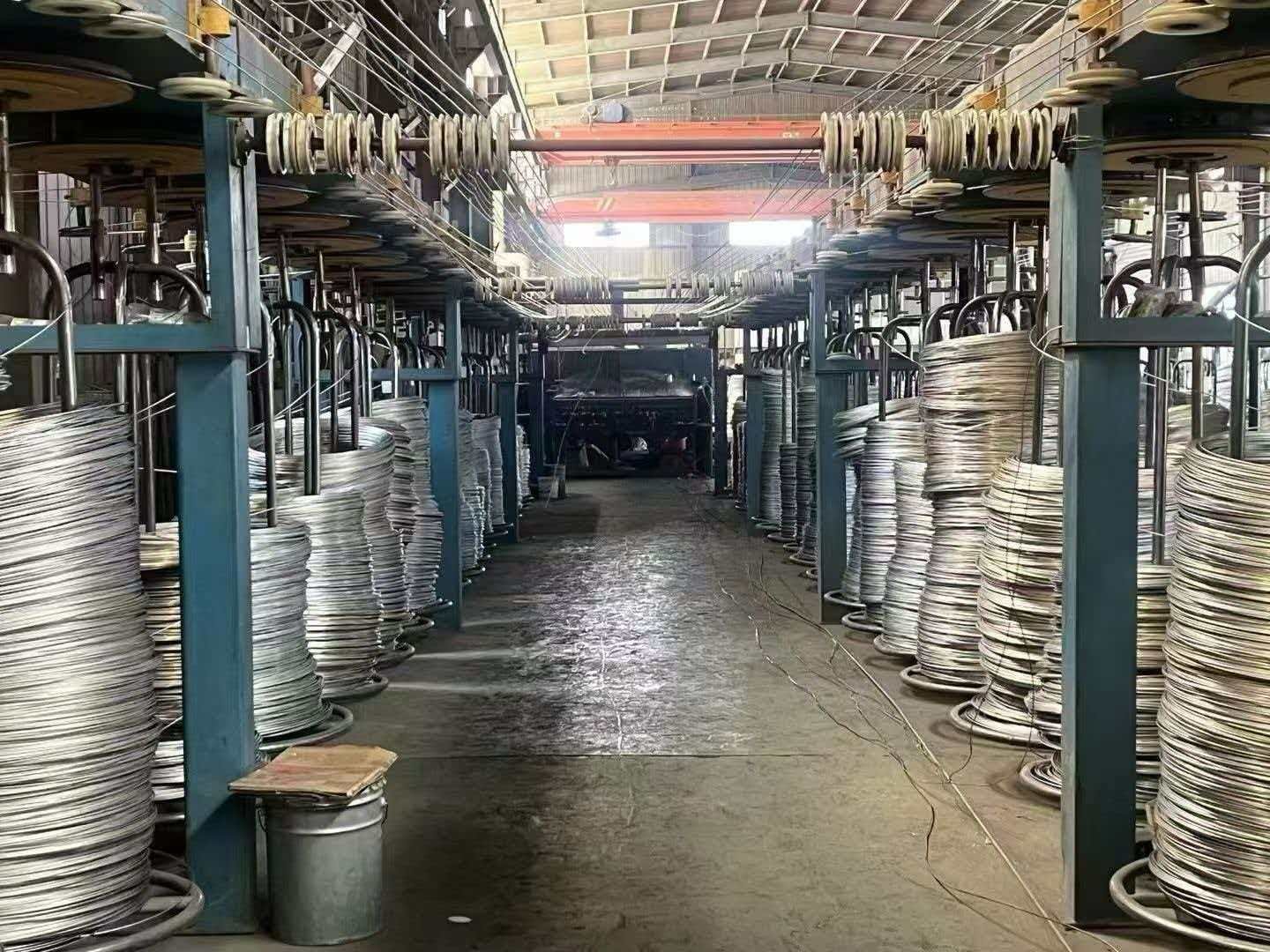
I asked Chanda to break down the specific environmental challenges. Zambia's dry season runs seven months—from May to November. During this period, the sun beats down every day. Temperatures reach 35°C regularly. UV radiation is intense. Galvanized coating starts cracking after the first dry season. Once cracks appear, rust spreads fast. Then the rainy season comes from December to April. Humidity shoots up to 80-90%. Morning dew covers everything. Galvanized wire that already has coating damage rusts through completely. I've seen photos Chanda sent me—rusted wire looks like orange-brown threads barely holding together.
The table below shows what Chanda's customers report about wire lifespan in different Zambian agricultural applications:
| Wire Type | Irrigation Supports | Livestock Fencing | Greenhouse Frames | Average Replacement Cycle |
|---|---|---|---|---|
| Galvanized Iron Wire (2.0mm) | 1-2 seasons | 2-3 years | 6-12 months | 18 months |
| 201 Stainless Steel Wire (2.0mm) | 6-8 seasons | 8-10 years | 5-7 years | 7 years |
| Cost Difference (Initial) | +60% | +65% | +70% | +65% average |
| Total Cost (5-year period) | -40% | -55% | -50% | -48% average |
The data comes from Chanda's client records. He tracks what his customers buy and how often they come back to replace. The pattern is clear. Galvanized wire seems cheaper initially, but farms end up spending more on replacements and repairs. One farmer told Chanda that his maintenance crew spends two full weeks every year just looking for broken support points across three hundred hectares. That's two weeks of wages plus the cost of new wire. With 201 stainless steel wire, they replace maybe ten percent of supports every three years.
How Does 201 Stainless Steel Wire Support Modern Irrigation Systems?
Chanda's biggest order category is irrigation support wire. Zambia's seven-month dry season means commercial farms can't survive without irrigation. They use sprinkler systems and drip irrigation. These systems have pipes running across entire fields. The pipes need support structures to hold them off the ground. Without proper supports, pipes sag, water flow gets uneven, and the whole system becomes inefficient.
For irrigation supports in Zambia, 2.0mm diameter 201 stainless steel wire serves as main supports, while 1.5mm wire handles auxiliary fixings. A typical large-scale farm uses 10-15 tons per irrigation system installation, with support structures lasting 6-8 growing seasons compared to galvanized wire's 1-2 seasons.
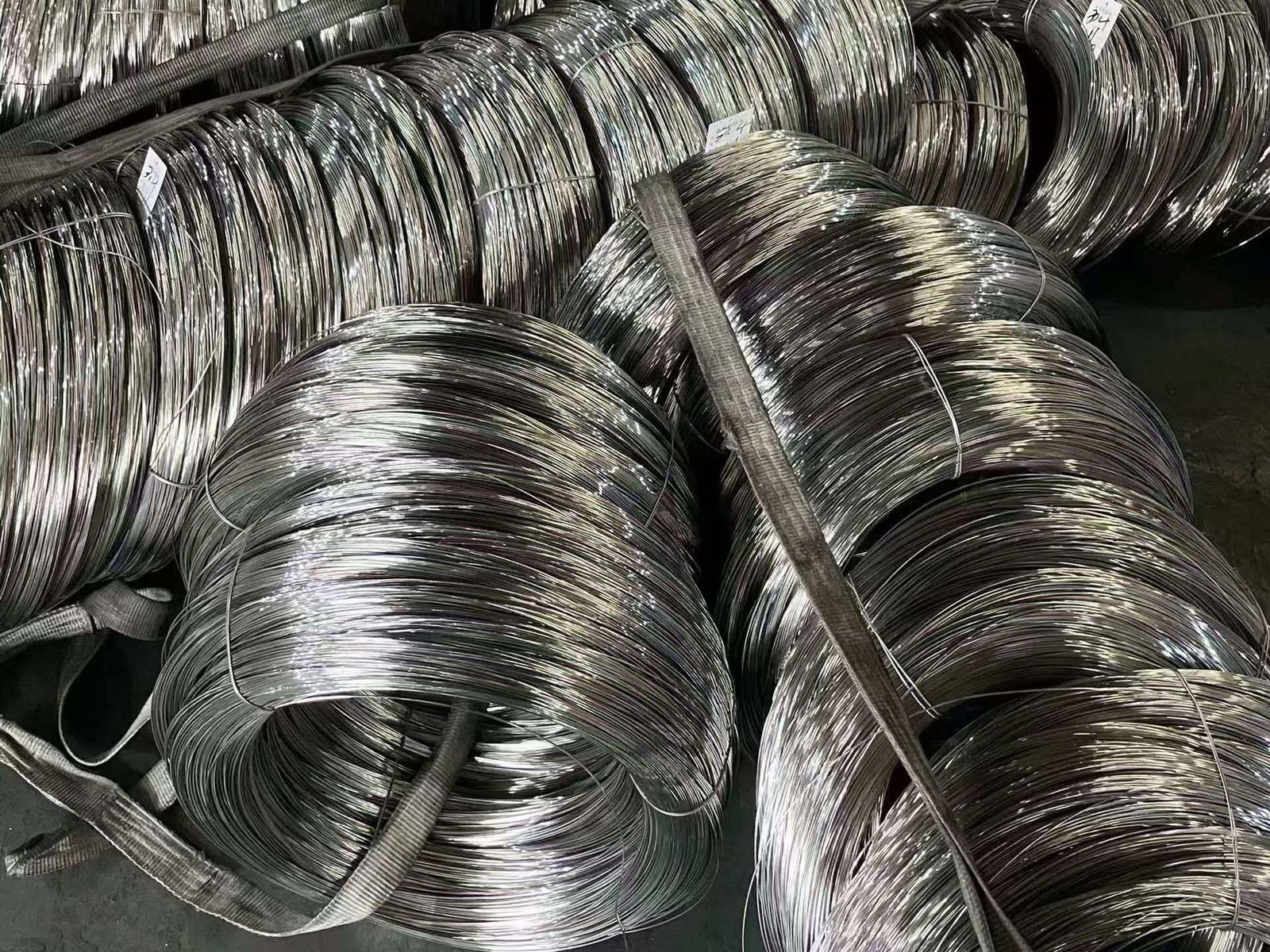
The farm that placed Chanda's big order last month has two hundred hectares under expansion. They're installing new drip irrigation lines. Each hectare needs about seventy to eighty support points. Each support point uses roughly two meters of main support wire plus another meter of auxiliary fixing wire. I did the math with Chanda—that's around forty to fifty kilometers of wire total for the entire expansion project. At 2.0mm diameter, 201 stainless steel wire weighs approximately 0.025 kg per meter. So the farm needs about twelve hundred kilograms just for main supports, plus another six hundred kilograms for auxiliary fixings. That's close to two tons for one expansion project.
But here's what makes 201 stainless steel wire worth it for irrigation. The wire doesn't just hold the pipe—it also carries the pipe's weight plus the water weight inside. During irrigation cycles, pressure fluctuates. The wire expands and contracts slightly with temperature changes. Galvanized wire develops stress cracks at bend points. These cracks let moisture in. Rust starts from inside the coating. Within two growing seasons, the wire snaps at high-stress points. When a support breaks, the pipe sags, water pools in one spot, and pressure drops across the system. The farmer has to drain that section, locate the break, and replace the support. On a three-hundred-hectare farm with thousands of support points, this becomes a full-time job for the maintenance crew.
Chanda showed me before-and-after photos from one of his long-term clients. In the "before" photos, you can see orange rust stains where galvanized wire touched the irrigation pipes. The wire broke at those exact spots. In the "after" photos taken three years later with 201 stainless steel wire, the connection points still look clean. The wire maintains its silver-gray color. No rust stains on the pipes. The farm manager told Chanda they haven't replaced a single support in three years. Their maintenance crew now focuses on other tasks instead of constantly chasing broken supports.
Why Is 201 Stainless Steel Wire Becoming Standard for Livestock Fencing?
Livestock farming is huge in Zambia. Cattle and goats are the main animals. Every livestock farm needs fencing. Traditional fencing uses galvanized wire woven into mesh or stretched in horizontal lines between posts. During dry season, galvanized fencing holds up okay. But when rainy season arrives, the coating starts failing fast. Chanda says cattle fencing is where farmers see the biggest difference between galvanized and 201 stainless steel wire.
For livestock fencing in Zambia, 1.5mm diameter 201 stainless steel wire withstands both cattle impact force and seasonal humidity changes. Cattle fencing needs wire that doesn't rust through during two consecutive rainy seasons, as galvanized wire typically fails after 2-3 years requiring complete fence replacement.
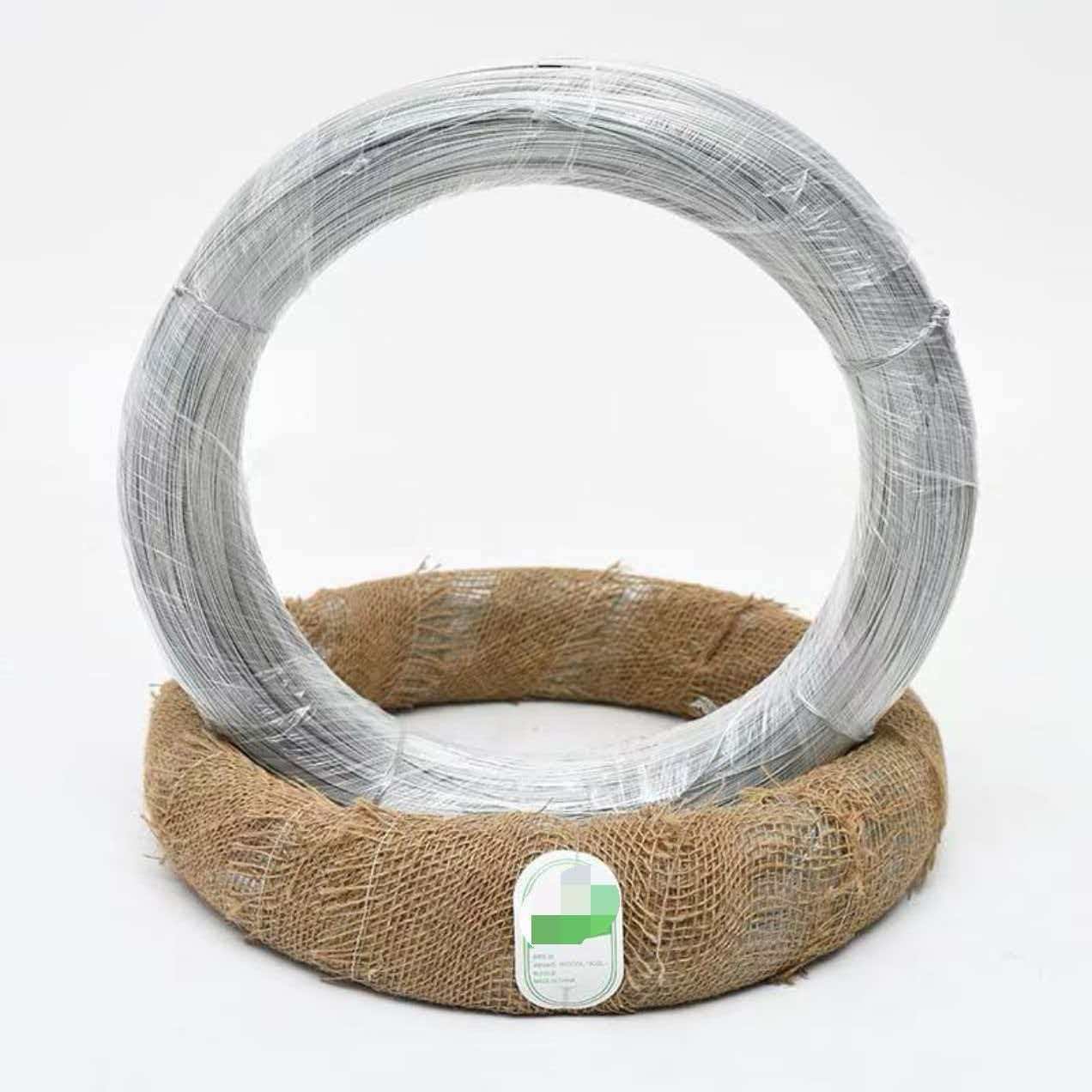
A cattle farmer outside Lusaka switched his entire perimeter fence to 201 stainless steel wire two years ago. Chanda supplied twenty tons for the project. The farm has five hundred hectares and keeps about eight hundred head of cattle. Before the switch, the farmer replaced roughly thirty percent of his fencing every year. Cattle are heavy animals. When they rub against a fence or push on it, weak points give way immediately. Once galvanized wire develops rust, it loses tensile strength. A six-hundred-kilogram bull leaning on a rusty fence post can snap the wire. Then you have cattle wandering into neighboring farms or onto roads. That creates liability issues and lost animals.
I asked Chanda about the specific failure pattern he sees with galvanized livestock fencing. He explained that most breaks happen at wire intersections. In woven mesh fencing, wires cross over and under each other. At each crossing point, the galvanized coating gets scratched during the weaving process. Those scratches expose bare steel underneath. When rain comes, water sits in those tiny exposed spots. Rust starts from the inside out. After two rainy seasons, the wire becomes so brittle that it breaks with minimal force. Goats are smart—they probe fencing constantly looking for weak points. Once they find a rusty spot, they push through. Then the whole herd follows.
The economic calculation for livestock fencing is straightforward. Chanda's cattle farmer client spent sixty-five percent more upfront for 201 stainless steel wire compared to galvanized wire. But he stopped doing annual fence repairs. His labor costs dropped. He stopped losing animals to fence breaks. He stopped dealing with neighbor complaints about his cattle in their fields. Chanda said the farmer recently bought another ten tons to fence a new pasture section. He won't even consider galvanized wire anymore. The same pattern holds for goat farmers. Goats are smaller but more aggressive with fencing. They climb, they chew, they ram. 1.5mm 201 stainless steel wire holds up to all of it without failing.
What Makes 201 Stainless Steel Wire Essential for Greenhouse Growing?
Greenhouse vegetable farming is growing fast in Zambia. Greenhouses let farmers grow high-value crops year-round and control growing conditions. But greenhouse environments create their own challenges for wire. Inside a greenhouse, humidity stays high constantly. Temperatures swing between hot days and cool nights. Plants release moisture through transpiration. This creates perfect conditions for rust.
Inside Zambian greenhouses, 1.2mm diameter 201 stainless steel wire serves as climbing frames and fixing lines for vegetables. The wire maintains clean appearance without rust stains that could transfer to produce, lasting 5-7 years compared to galvanized wire's 6-12 months in high-humidity greenhouse environments.
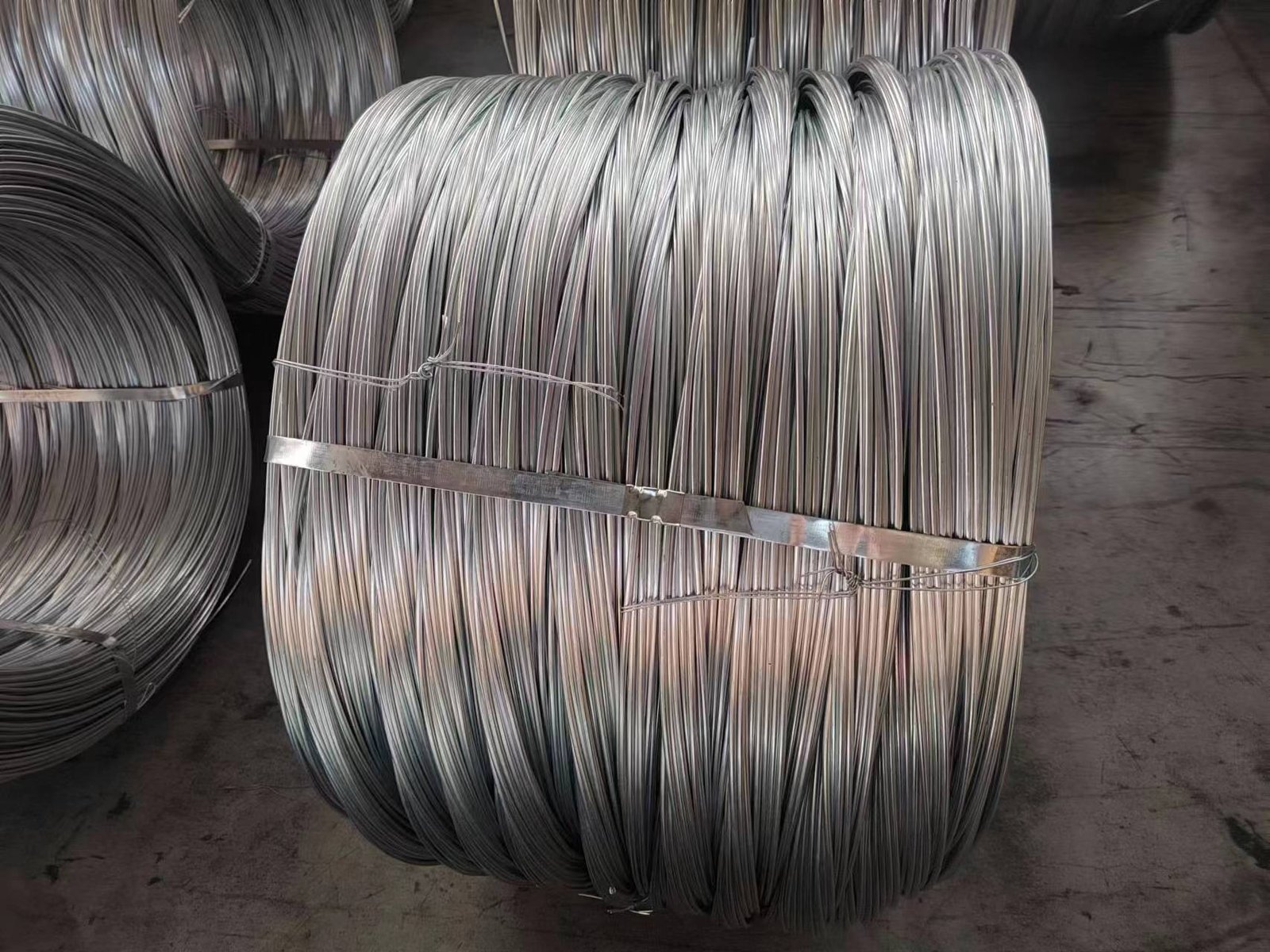
Chanda showed me a greenhouse operation where they grow tomatoes and bell peppers for Lusaka's premium markets. The greenhouse uses 1.2mm 201 stainless steel wire for vertical climbing supports. Each tomato plant gets its own wire running from ground level to the greenhouse roof. The wire is tied to a horizontal support beam at the top. As the plant grows, workers wrap the stem around the wire in a spiral. This keeps the plant upright and allows air circulation around the fruit.
The greenhouse owner tried galvanized wire first. Within six months, rust appeared on every wire. The rust didn't just look bad—it actually stained the tomato stems where the wire touched. Some of the rust flaked off and fell onto the leaves and fruit. Customers at high-end markets noticed rust specks on the tomatoes. That hurt the farm's reputation. The owner pulled out all the galvanized wire and replaced it with 201 stainless steel wire. Chanda supplied about five hundred kilograms for a two-hectare greenhouse. That was three years ago. The wire still looks clean. No rust stains on plants. The owner told Chanda he wishes he had started with stainless steel from day one.
Greenhouse wire usage isn't as high-volume as irrigation or fencing, but Chanda says the profit margin is better. Greenhouse growers understand quality. They're targeting premium markets. They can't afford to have their produce marked down because of rust stains. They order 201 stainless steel wire without hesitation. One cucumber grower orders two hundred kilograms every time he expands a growing section. He uses the wire for both climbing supports and for tensioning the plastic greenhouse covering. The wire doesn't rust, doesn't leave marks on the plastic, and doesn't need replacement for at least five years.
I asked Chanda about the specific wire diameter choices for greenhouse applications. He said 1.2mm is the sweet spot for most vegetable supports. It's strong enough to hold a fully-grown tomato plant with several kilograms of fruit, but thin enough that it doesn't create excessive shade. Thicker wire blocks more light, which reduces photosynthesis. Cucumber and pole bean growers sometimes use 1.0mm wire because those plants are lighter. But anything thinner than 1.0mm starts to sag under the plant's weight, especially during fruiting season. For structural elements like roof tensioning wires, they go up to 1.5mm or even 2.0mm diameter. Those wires need to handle tension from wind forces trying to lift the greenhouse covering.
How Do Zambian Farms Choose Between Wire Types and Specifications?
Chanda says the decision between galvanized and 201 stainless steel wire used to be purely about upfront cost. Farmers looked at the price per kilogram and went with the cheaper option. But that's changing. More farms now calculate the total ownership cost over multiple seasons. When you factor in labor for repairs, downtime during replacement, and the cost of lost productivity, 201 stainless steel wire comes out ahead. Chanda walks his customers through this calculation. He shows them client testimonials. He offers to connect them with other farmers who already made the switch.
When selecting wire for agricultural applications in Zambia, farms should calculate total cost over 5+ years rather than initial purchase price. Wire diameter must match application—2.0mm for irrigation main supports, 1.5mm for fencing and auxiliary applications, 1.2mm for greenhouse internal structures—with 201 stainless steel providing 3-4x longer service life than galvanized alternatives.
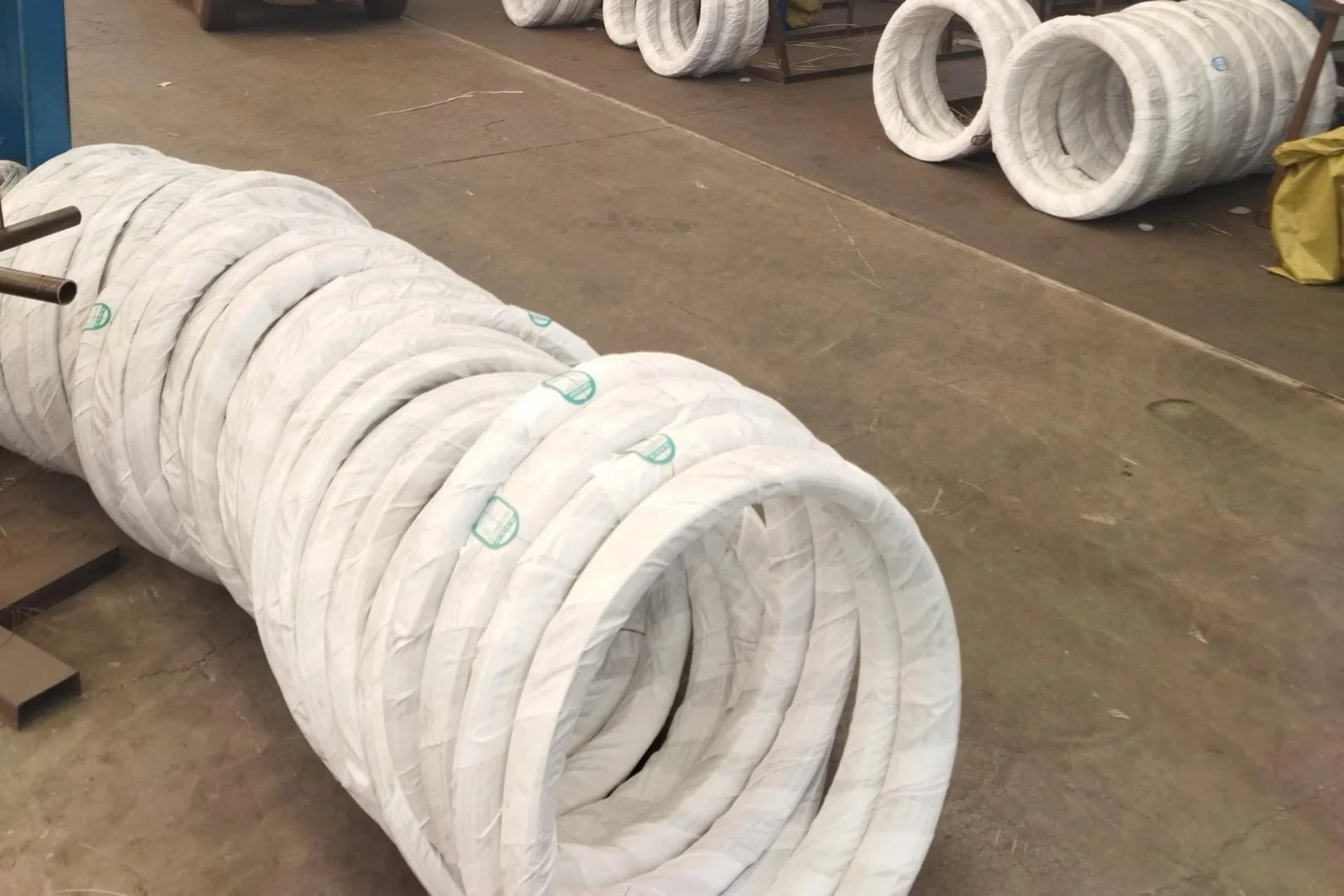
Different agricultural applications need different wire diameters. Chanda keeps a reference chart that he shares with customers. For irrigation main supports, 2.0mm is standard. Anything thinner can't handle the pipe weight plus water pressure. Some farms with especially heavy-duty systems go up to 2.5mm. For auxiliary fixings around irrigation pipes—like securing drip lines to support wires—1.5mm works fine. The drip lines are light. The wire just needs to hold them in place.
Livestock fencing specifications depend on the animal type and fence design. For cattle perimeter fencing using horizontal wire strands between posts, 2.0mm wire is common. Cattle exert serious force when they lean or rub on fencing. The wire needs tensile strength to resist that force without stretching or breaking. For woven mesh fencing—especially for goats—1.5mm wire is more practical. Mesh fencing has more wire-to-wire intersections, so using 2.0mm throughout makes the fence too heavy and expensive. The mesh configuration itself provides structural strength. For poultry fencing, farmers sometimes go down to 1.2mm, but Chanda doesn't recommend going thinner. Thin wire is harder to tension properly, and it's more vulnerable to damage during installation.
Greenhouse applications have the most specific wire requirements. I mentioned earlier that 1.2mm is the standard for vegetable climbing supports. But there are variations. Cherry tomato plants are lighter than beefsteak tomato plants. Some growers use 1.0mm wire for cherry tomatoes. Pumpkin and melon growers who do vertical training need 2.0mm wire because the fruit is so heavy. I saw a photo Chanda sent me of a pumpkin hanging in a greenhouse—it must have weighed eight or ten kilograms. The 2.0mm wire held it without any visible deflection. For greenhouse structural elements—like tensioning wires that hold the plastic covering taut—2.0mm is minimum. Some greenhouses use 2.5mm or even 3.0mm for roof ridge wires that carry the most tension.
Chanda also helps customers understand the difference between 201 and other stainless steel grades. Some farms ask about 304 stainless steel wire. Chanda tells them 304 offers better corrosion resistance, but for Zambian agricultural conditions, 201 is already far superior to galvanized wire. The cost difference between 201 and 304 doesn't make sense for most farming applications. The service life improvement from galvanized to 201 is massive—from two seasons to eight seasons for irrigation supports. The improvement from 201 to 304 might add another two seasons, but at double the cost. For farms near coastal areas or industrial zones with more aggressive corrosion environments, 304 might make sense. But
Chanda says Zambian agriculture is moving from "cheap enough" to "durable and worry-free," and 201 stainless steel wire is the biggest beneficiary of this shift. Read more African agriculture supply stories on our blog https://mfgwiremesh.com/blog/ or reach out via https://mfgwiremesh.com/contact/.
If you are sourcing 201 stainless steel wire for Zambia or any Southern African market, we are happy to provide a specification-based quotation. Contact us via WhatsApp: +86 15383180672.
FAQ:
Q1: What applications in Zambia's agriculture require 201 stainless steel wire? A1: Three applications drive the bulk of agricultural demand in Zambia. First, irrigation supports for sprinkler and drip systems require 2.0 millimeter wire for main supports and 1.5 millimeter for secondary fixing. A single large commercial farm can consume over 10 tons. Second, livestock fencing for cattle and goats uses 1.5 millimeter wire, which withstands both dry-season heat and rainy-season humidity. Third, greenhouse frames and internal trellising wires use 1.2 millimeter wire, where rust would directly affect vegetable quality and appearance.
Q2: Why are Zambian farms switching from galvanized to 201 stainless steel wire for irrigation supports? A2: Galvanized irrigation supports typically rust through within one or two growing seasons in Zambia's climate. When a support fails, maintenance workers must locate the break point across hundreds of hectares and replace it—labor costs that often exceed the original material cost. Chanda's switch to 201 stainless steel wire has at least tripled the support system's service life. The higher initial material cost is more than offset by eliminating frequent maintenance labor.
Q3: How does 201 stainless steel wire perform as livestock fencing in Zambia's climate? A3: Zambia's dry season lasts seven months, but the rainy season brings intense humidity that rapidly corrodes galvanized fencing. Galvanized wire fences typically develop rust holes within two to three years, allowing cattle to push through and goats to slip past. Chanda's clients who switched to 1.5 millimeter 201 stainless steel wire fencing report that their fences remain intact after two full rainy seasons, effectively eliminating annual fence repair costs.