


Struggling to choose between 201 and 304 stainless steel wire? The wrong choice can lead to rust and wasted money. I will help you decide right now.
Choose 304 stainless steel wire for high corrosion resistance in food-grade or outdoor uses. For general indoor applications where cost is a priority, 201 stainless steel wire is a more economical and suitable choice.
I remember a client from Cameroon who had this exact problem. He ran a metal processing company and wasn't sure which wire was right for his different products. His business was diverse, making everything from artistic crafts to industrial parts. His story perfectly illustrates the differences between these two materials. Let's break it down so you can make the best choice for your project, just like he did.
What's the real difference in corrosion resistance?
Worried your project will rust over time? Choosing the wrong steel grade can lead to quick deterioration and failure. Let’s look at why one is better than the other.
304 stainless steel has much better corrosion resistance than 201. This is because it contains more nickel and chromium, which create a protective layer. It's ideal for humid or harsh environments, while 201 is fine for dry, indoor uses.
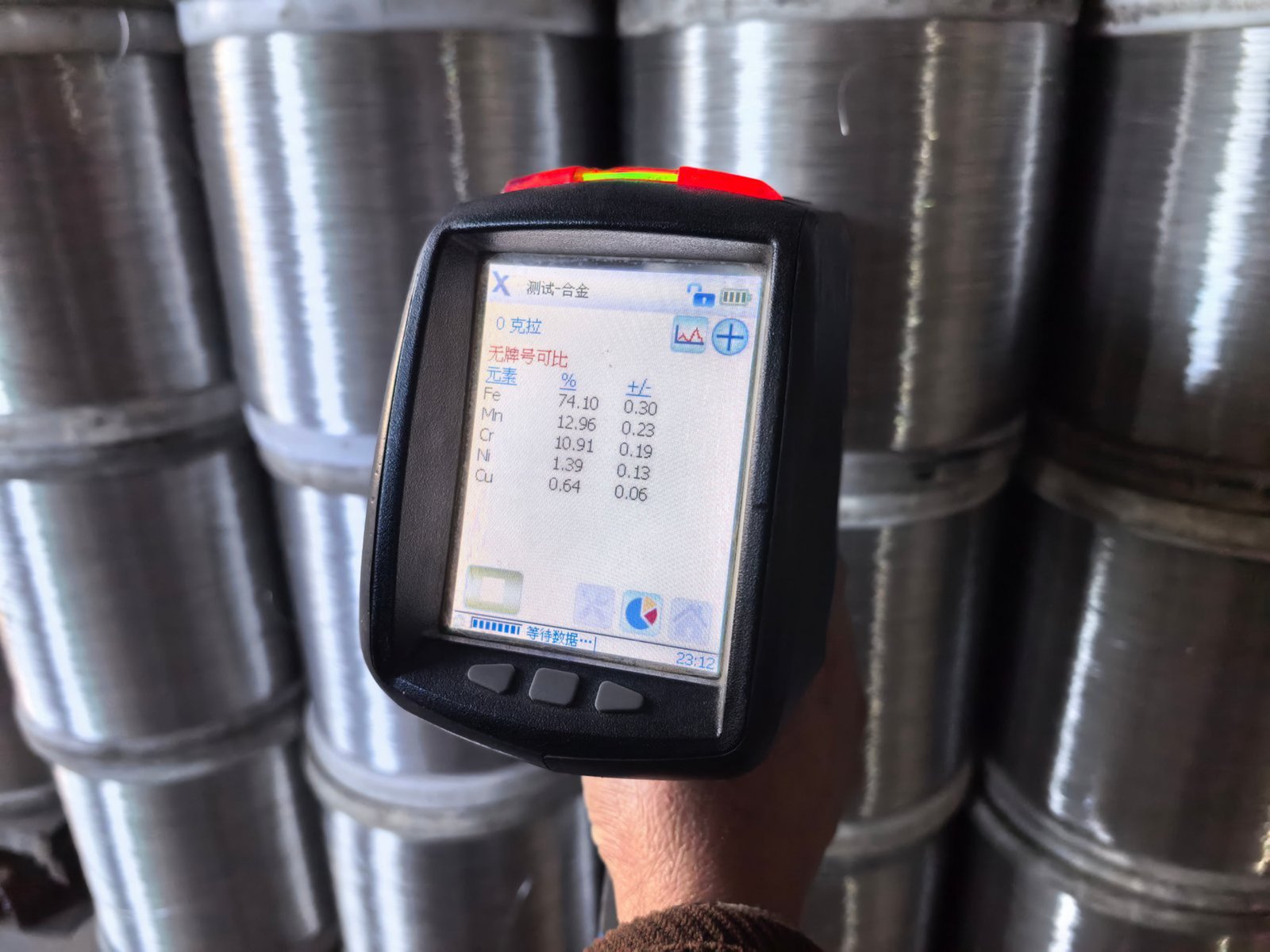
The most important difference comes down to the chemical makeup. It's all about the nickel and chromium content. These elements react with oxygen to form a thin, invisible, and very stable protective layer on the steel's surface. This layer prevents rust and corrosion. As you can see, 304 stainless steel simply has more of these protective elements.
| Element | 201 Stainless Steel | 304 Stainless Steel |
|---|---|---|
| Nickel (Ni) | 3.5% - 5.5% | 8.0% - 10.5% |
| Chromium (Cr) | 16.0% - 18.0% | 18.0% - 20.0% |
For my client in Cameroon, this was a critical point. Some of his industrial parts might be used outdoors or in humid factory settings. In those cases, I told him 304 was non-negotiable. Its superior protective layer would ensure longevity and performance. But for his indoor decorative products, which would stay dry, the lower corrosion resistance of 201 was perfectly acceptable and saved him money.
How do they compare in strength and workability?
Does your project require intricate bending or high strength? Picking a wire that's too hard or too soft can ruin your design and cause production headaches. Let's see how they differ.
304 stainless steel wire is softer and more ductile, making it excellent for bending and forming complex shapes. 201 stainless steel wire is harder and stronger, which is better for applications that need to resist wear and pressure.
How you plan to work with the wire is just as important as where it will be used. Ductility means how much a material can be stretched or bent without breaking. Hardness is its ability to resist scratches, dents, and wear. These two properties are often a trade-off. For my client, his product range needed both. For the beautiful, detailed metal art pieces he was creating, he needed a wire that could be easily shaped into intricate curves without snapping. That's where the softer, more ductile 304 wire was the clear winner. For other products, like simple hardware and fittings that needed to be tough and durable, the higher hardness of 201 was an advantage. It could handle more wear and tear.
| Property | 201 Stainless Steel Wire | 304 Stainless Steel Wire |
|---|---|---|
| Hardness | Higher | Lower |
| Ductility (Workability) | Lower | Higher |
| Best For | Wear-resistant parts, simple brackets | Complex shapes, fine details, deep drawing |
We advised him to match the wire to the manufacturing process. Use 304 for the art that required a delicate touch and complex forming. Use 201 for the sturdy, functional parts where hardness was more important than flexibility.
Is 304 stainless steel wire always worth the extra cost?
Is your budget tight? The higher price of 304 steel might seem scary. But choosing the cheaper option could cost you more in the long run if it's not right.
304 is more expensive than 201 due to its higher nickel content. If your application doesn't require high corrosion resistance, like indoor decorative items, 201 offers significant cost savings and is the smarter financial choice.
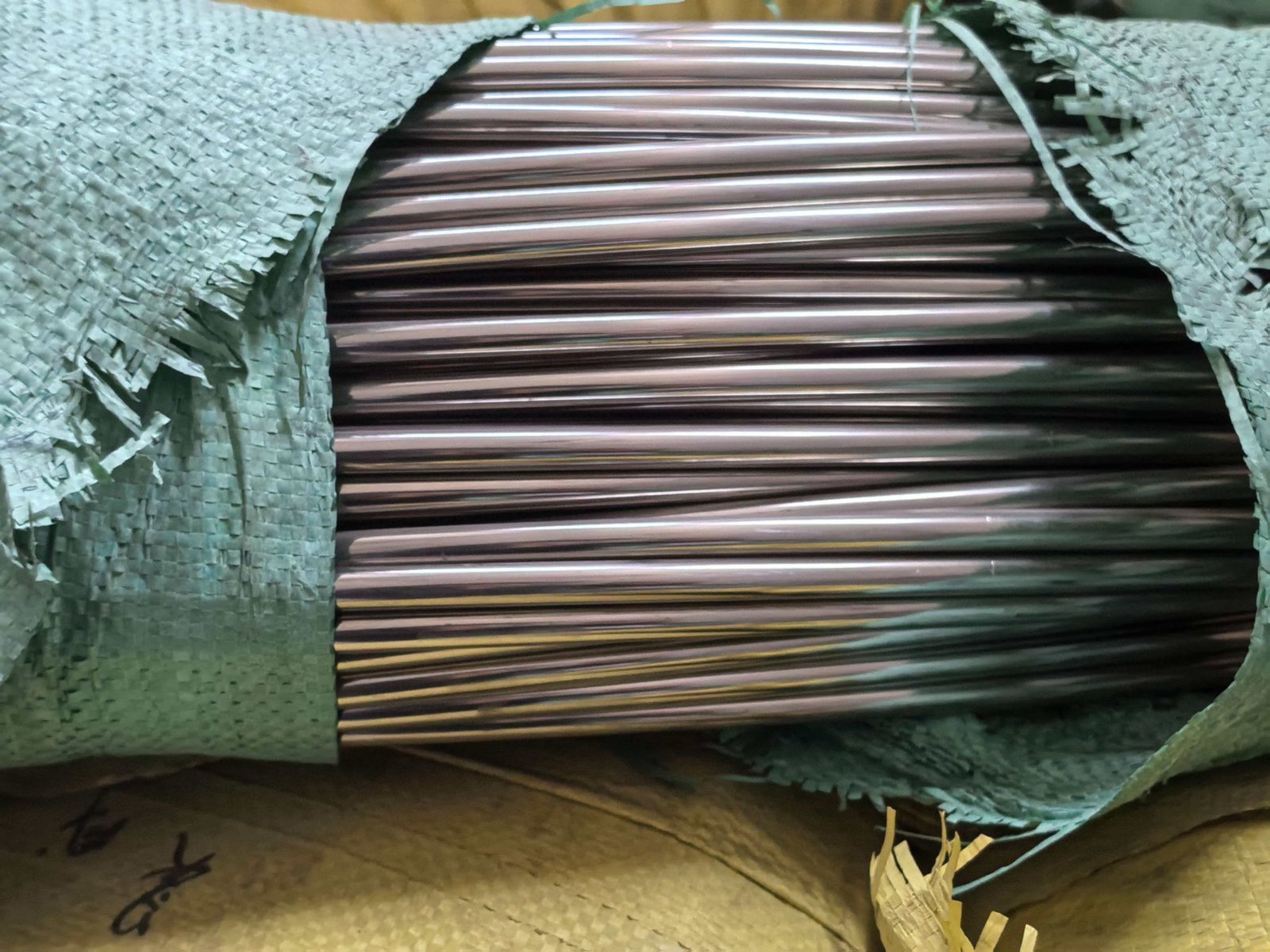
This is the question that brings everything together: budget. For my client, who was scaling up his production, cost was a huge factor. The price difference between 201 and 304 is significant, mainly because nickel is an expensive metal. Our advice wasn't just a simple "304 is better." It was a strategic business recommendation. We told him to use the more affordable 201 wire for his high-volume decorative products where its properties were sufficient. This allowed him to control costs and remain competitive. Then, he could invest the savings into the more expensive 304 wire for the premium, high-performance industrial parts where its corrosion resistance was essential. It's not about which is "better," but which is "right for the job."
| Factor | 201 Stainless Steel Wire | 304 Stainless Steel Wire |
|---|---|---|
| Alloy Cost | Lower (less nickel) | Higher (more nickel) |
| Overall Price | More Economical | More Expensive |
| Best Strategy | Use for cost-sensitive, large-volume indoor projects | Use for critical applications where performance justifies the cost |
Even better, we were able to inform him about China's duty-free import policies for many African nations, including Cameroon. This policy significantly lowered his import costs and simplified customs clearance for both 201 and 304 wire, making the entire project more profitable for him. This shows how understanding the full picture, from material science to international trade policy, helps us serve our clients best.
Conclusion
The best choice depends on your project's needs and budget. Analyze corrosion resistance, workability, and cost to pick the right stainless steel wire for every job.