

Are you struggling with the high costs of materials for African infrastructure projects? New policies can be confusing, and you might be missing out on huge savings and new opportunities.
China's 2026 policy boosts investment and gives tax exemptions for Africa. This means more projects and much lower costs for materials like 201 stainless steel wire. It makes this cost-effective wire a top choice for your construction needs, improving your project's budget and feasibility.
I've been in the wire mesh industry for over 25 years, so I always keep an eye on global trends. The recent news about China's new policy for Africa really caught my attention. It's a game-changer. Not long after the announcement, I got a call from a long-term partner in Egypt. He was planning a big infrastructure project and wanted to know what this all meant for him. He was specifically interested in 201 stainless steel wire. This conversation showed me just how important it is to understand these changes. We need to dig into the details to see the real opportunities.
How Can You Use These Policy Benefits for New Opportunities?
You know new opportunities exist, but you are not sure about the details. Your competitors might already be using these policy changes, so you feel a step behind.
The key is to see the two main benefits: more project funding and lower material costs. This allows for bigger projects. For suppliers like me, it means more demand for cost-effective materials like 201 stainless steel wire for African infrastructure projects.
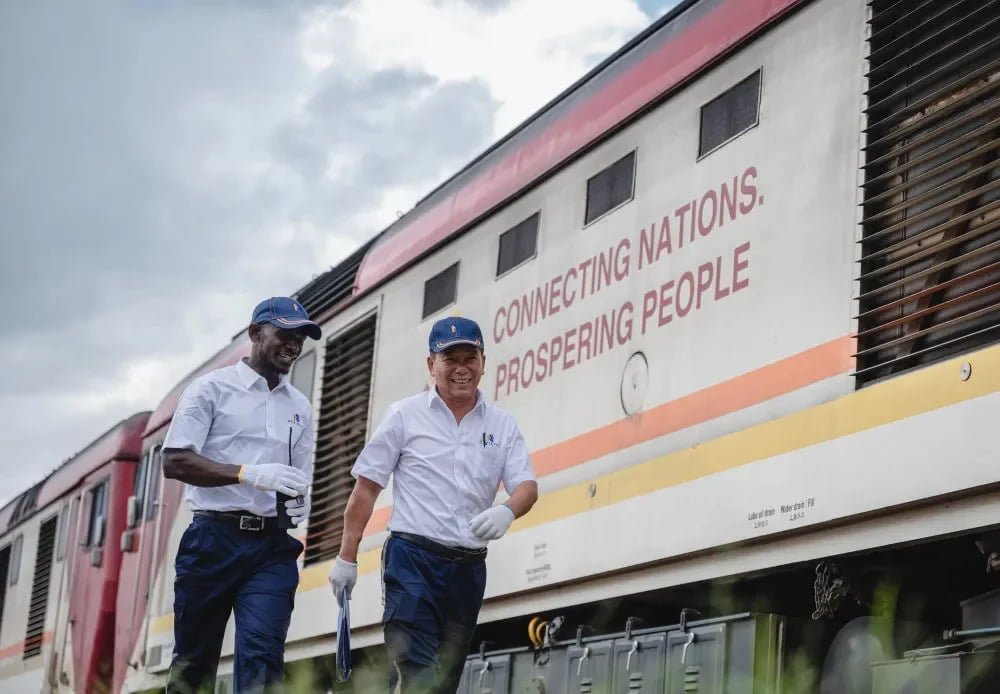
When my Egyptian client called, my team and I looked closely at the new policy. It was clear that this was more than just a small update. It was a major push to help build up Africa's infrastructure. This is great news for everyone involved. For African nations, it means better roads, bridges, and buildings. For my business, it means a higher demand for the materials needed to build them.
More Projects Mean More Demand
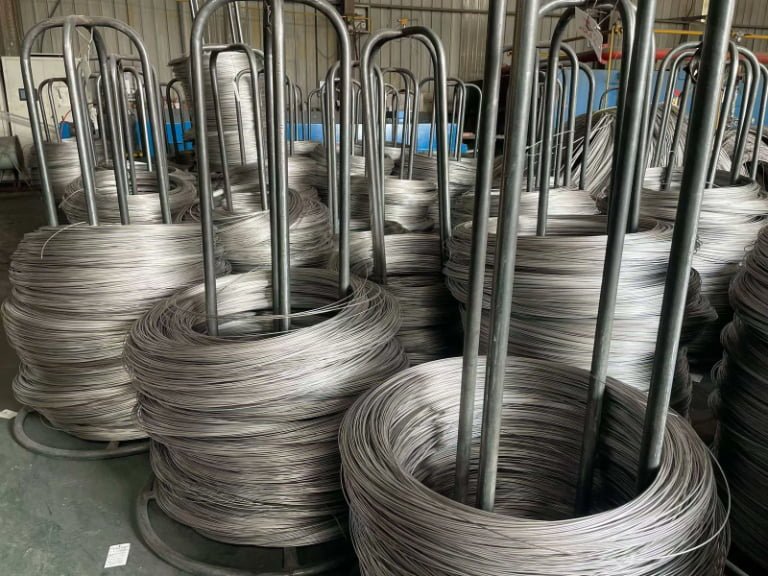
The first thing we noticed was the increased investment. China is committing more funds to help African countries develop. Think about what that means on the ground. More government-funded projects will start. This includes everything from new highways to connect cities, to new public housing, to water treatment facilities. All these projects need a huge amount of construction materials. Specifically, they need a lot of metal wire and mesh. This material is used for things like concrete reinforcement, safety fencing, and filtering systems. So, a policy made in Beijing directly leads to more orders for factories like mine.
The Power of Tax Exemptions
The second part of the policy is the tax benefits. This was the real "wow" moment for my client. The policy expanded the list of goods from Africa that can be imported to China with lower or no taxes. More importantly for my client, it also streamlined and reduced costs for materials going the other way. For materials like 201 stainless steel wire, which is a staple in construction, the cost reduction is significant. Projects that were on hold because of tight budgets can now move forward. My Egyptian client had been hesitant about using 201 stainless steel wire because of the cost. After I explained the new policy, he was excited. He realized he could now afford this durable, reliable material and even increase his order quantity.
Here is a simple table to show the difference:
| Material Aspect | Before 2026 Policy | After 2026 Policy | Impact on Your Project |
|---|---|---|---|
| 201 SS Wire Cost | Standard Market Price | Price reduced by tax cuts | Big savings for your budget. You can buy more or use the savings elsewhere. |
| Project Feasibility | Sometimes too expensive | Very affordable | More projects become possible. The whole market grows. |
| Material Choice | May need to use cheaper, lower-quality options | Can choose durable 201 SS wire | Your final construction is stronger and lasts longer. |
My client's project went very well. The 201 stainless steel wire performed perfectly, and everyone was happy. He thanked me for the timely information and we are now discussing even more projects together. This shows that knowing the latest policies is not just about paperwork. It is about finding new ways to help our partners and grow together.
What Should Procurement Managers Do to Capitalize on These Changes?
You see the opportunity but are not sure what to do next. Doing nothing means you could fall behind your competitors who are already taking action on this news.
Focus on two things: supplier communication and material specification. Talk to your suppliers, like me, to get the latest policy information. Then, review your material needs. Cost-effective options like 201 stainless steel wire may now be the smartest choice for your projects.
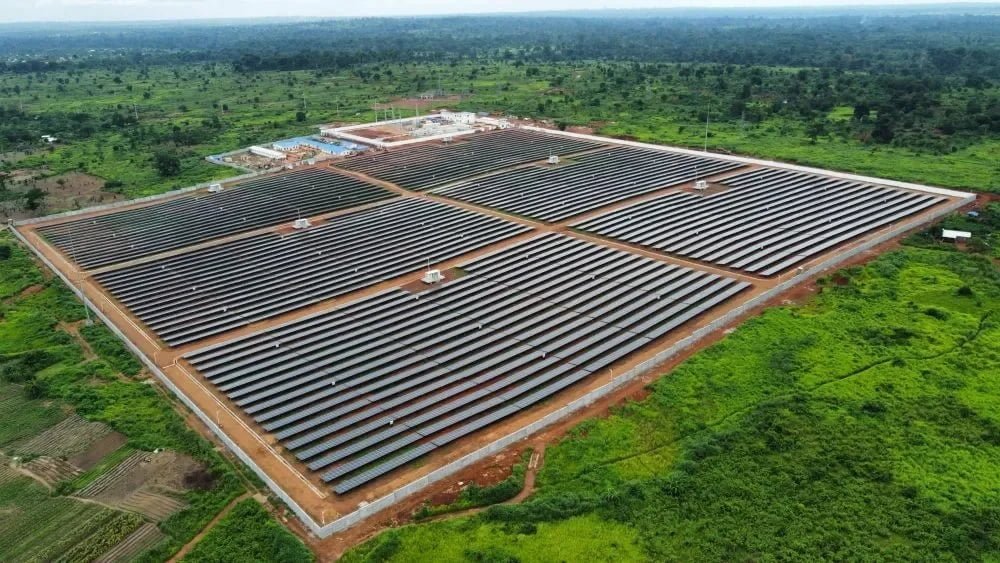
After my talk with the Egyptian client, I realized that many other procurement managers might have the same questions. The opportunity is there, but you need a clear plan to take advantage of it. It's not enough to just know the policy exists. You have to actively use that knowledge. The market is moving fast, and those who act quickly will get the biggest benefits. Based on my 25 years of experience, a proactive approach is always better. Waiting for information to come to you is a risk. You need to go out and get it.
Talk to Your Suppliers
Your first step should be to call your suppliers. Don't wait for them to call you. A good supplier is more than just a vendor; they are a partner who understands the market. Ask them directly: "How does the new 2026 China-Africa policy affect your pricing and availability?" My best clients are the ones who do this. They treat me as part of their team. They know I have people watching these trends and that I can provide real insights. When my Egyptian partner called, it started a valuable conversation for both of us. I gave him the information he needed, and it strengthened our business relationship. A good supplier will be happy to share what they know. They want you to succeed because your success is their success.
Re-evaluate Your Material Choices
Your second step is to look at your project's bill of materials. With the new cost savings, materials that were once too expensive might now be within reach. This is especially true for 201 stainless steel wire. It is a fantastic material that offers a great balance of performance and cost. Before, some projects might have opted for cheaper, less durable materials to save money. Now, you don't have to compromise. You can use a high-quality stainless steel that provides good strength and corrosion resistance, ensuring your project lasts for a long time. For many infrastructure projects in Africa, 201 stainless steel is the perfect fit.
Here is a quick guide to help you compare:
| Material | Typical Cost | Key Properties | Best Use Case in Post-Policy Africa |
|---|---|---|---|
| 201 SS Wire | Low | Good strength, moderate corrosion resistance. | The most cost-effective choice for general construction, fencing, and barriers. |
| 304 SS Wire | Medium | Excellent corrosion resistance. | Good for coastal areas, but may be more than you need for other projects now. |
| 316L SS Wire | High | Superior resistance to corrosion and chemicals. | Best for special uses like medical or marine, where conditions are very harsh. |
By re-evaluating your material choices, you can make smarter decisions. You can build better, longer-lasting infrastructure while staying within your budget. This new policy is an invitation to think differently and build more effectively.
Conclusion
China's 2026 Africa policy is a game-changer. It means more investment and lower costs. Be proactive, talk to your suppliers, and choose the right materials to find great new opportunities.