


Choosing the wrong stainless steel wire can lead to rust and product failure. Imagine your budget spiraling out of control or your projects failing. Understanding the differences saves you time and money.
The main difference is that 316 stainless steel contains molybdenum, giving it superior corrosion resistance, especially in salty or chemical environments. 201 stainless steel, which has no molybdenum and less nickel, is a more affordable option for general-purpose applications where corrosion is not a major concern.
I remember a client from Egypt who came to us with this exact problem. His business was diverse, covering everything from marine equipment manufacturing to construction decor and daily hardware. He was unsure whether to use 201 or 316 stainless steel wire and needed our professional guidance. This experience highlights how critical it is to choose the right material for the right job. Let's break down the differences so you can make an informed decision, just like he did.
Which stainless steel wire is better for corrosion resistance?
Are your metal components rusting prematurely? This can ruin your product's reputation and lead to costly replacements. The secret to preventing this lies in the chemical makeup of the steel.
316 stainless steel offers far superior corrosion resistance because it contains molybdenum. This element protects against chlorides found in saltwater and chemical solutions, making it the clear winner for harsh environments. 201 steel simply can't compete in these conditions.
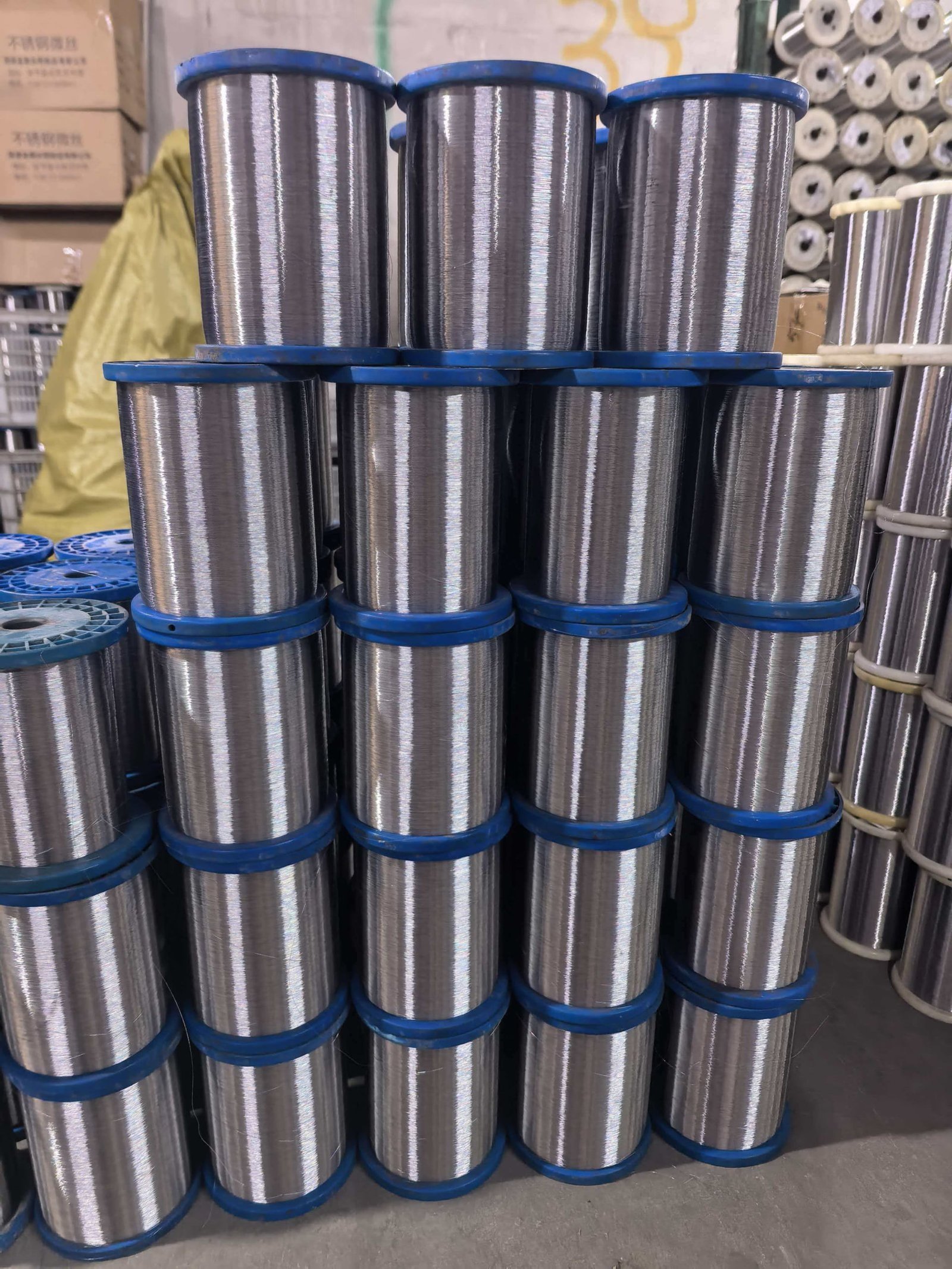
Let's dive deeper into the chemistry. The real hero in 316 stainless steel is an element called molybdenum (Mo). It typically makes up about 2-3% of the alloy. This small addition makes a huge difference. It dramatically boosts the steel's ability to resist pitting and crevice corrosion, which are common types of localized rust that occur in the presence of chlorides, like saltwater. For the Egyptian client's marine equipment, this was non-negotiable. Anything used near the ocean needs this protection to avoid failing quickly.
In contrast, 201 stainless steel does not contain molybdenum. It also has a lower nickel content (around 3.5-5.5% compared to 10-14% in 316). While it holds up fine against general atmospheric conditions, it's vulnerable in more aggressive settings. This makes it unsuitable for marine, chemical, or coastal applications.
Here's a simple breakdown of their key chemical components:
| Element | 316 Stainless Steel | 201 Stainless Steel | Key Role |
|---|---|---|---|
| Chromium (Cr) | 16-18% | 16-18% | Forms a passive layer for basic corrosion resistance. |
| Nickel (Ni) | 10-14% | 3.5-5.5% | Improves toughness and general corrosion resistance. |
| Molybdenum (Mo) | 2-3% | 0% | Provides superior resistance to pitting and crevice corrosion. |
| Manganese (Mn) | ≤ 2% | 5.5-7.5% | Used to replace some nickel in 201, reducing cost. |
For our client, this meant 316 was the only choice for his marine division, ensuring durability and safety.
How do their physical properties and strength compare?
You need a wire that can be bent into shape but is also strong enough for the job. Choosing the wrong type can lead to it cracking during manufacturing or failing under stress.
316 stainless steel is more ductile and tough, making it easier to form and bend into complex shapes without breaking. 201 stainless steel is harder and slightly more brittle, which makes it a good choice for applications requiring wear resistance but not complex forming.
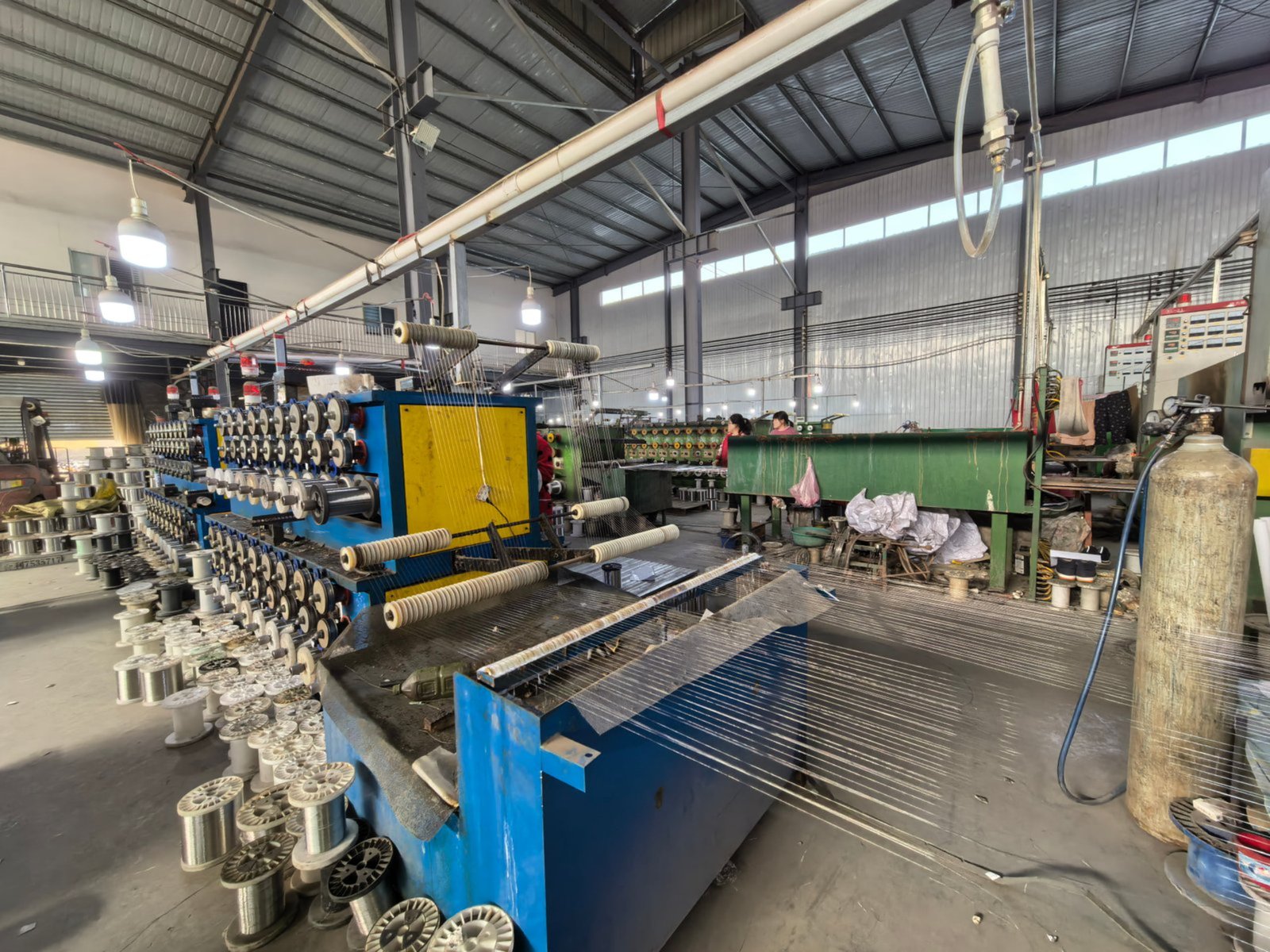
When we talk about physical properties, we're mainly looking at the trade-off between hardness and toughness. Toughness, or ductility, is the ability of a material to bend and deform without fracturing. 316 stainless steel excels here. Its higher nickel content makes it very ductile. This was perfect for the client's marine equipment, which often required wires to be bent into complex shapes to fit specific components. It can be stretched, bent, and formed easily during manufacturing, which reduces the risk of defects and material waste.
On the other hand, 201 stainless steel has a higher hardness. This is because some of the nickel is replaced with manganese and nitrogen. This increased hardness makes it more resistant to scratches and abrasion. For our client's daily hardware business, like making durable tool components or fixtures, this was a benefit. The parts would be more wear-resistant in everyday use. However, this hardness comes at the cost of being less ductile, so it’s not ideal for applications requiring intricate bends.
| Physical Property | 316 Stainless Steel | 201 Stainless Steel | Best For |
|---|---|---|---|
| Hardness | Lower | Higher | 201: Wear-resistant applications (tools, hardware). |
| Ductility/Toughness | Higher | Lower | 316: Complex forming, bending, and deep drawing. |
| Tensile Strength | High (≥450MPa) | High (≥520MPa) | Both are strong, but 316 is more forgiving under stress. |
We advised the client to use 316 for his complex marine parts and 201 for his simpler, high-wear hardware products. This ensured both manufacturability and performance were optimized for each application.
Why is 316 stainless steel wire more expensive than 201?
You have a tight budget and need to make every dollar count. Choosing a more expensive material than you need can kill your profit margins before you even start production.
316 stainless steel is more expensive than 201 because it contains higher amounts of valuable alloying elements, especially nickel and the addition of molybdenum. These materials are costly commodities, which directly increases the final price of the wire.
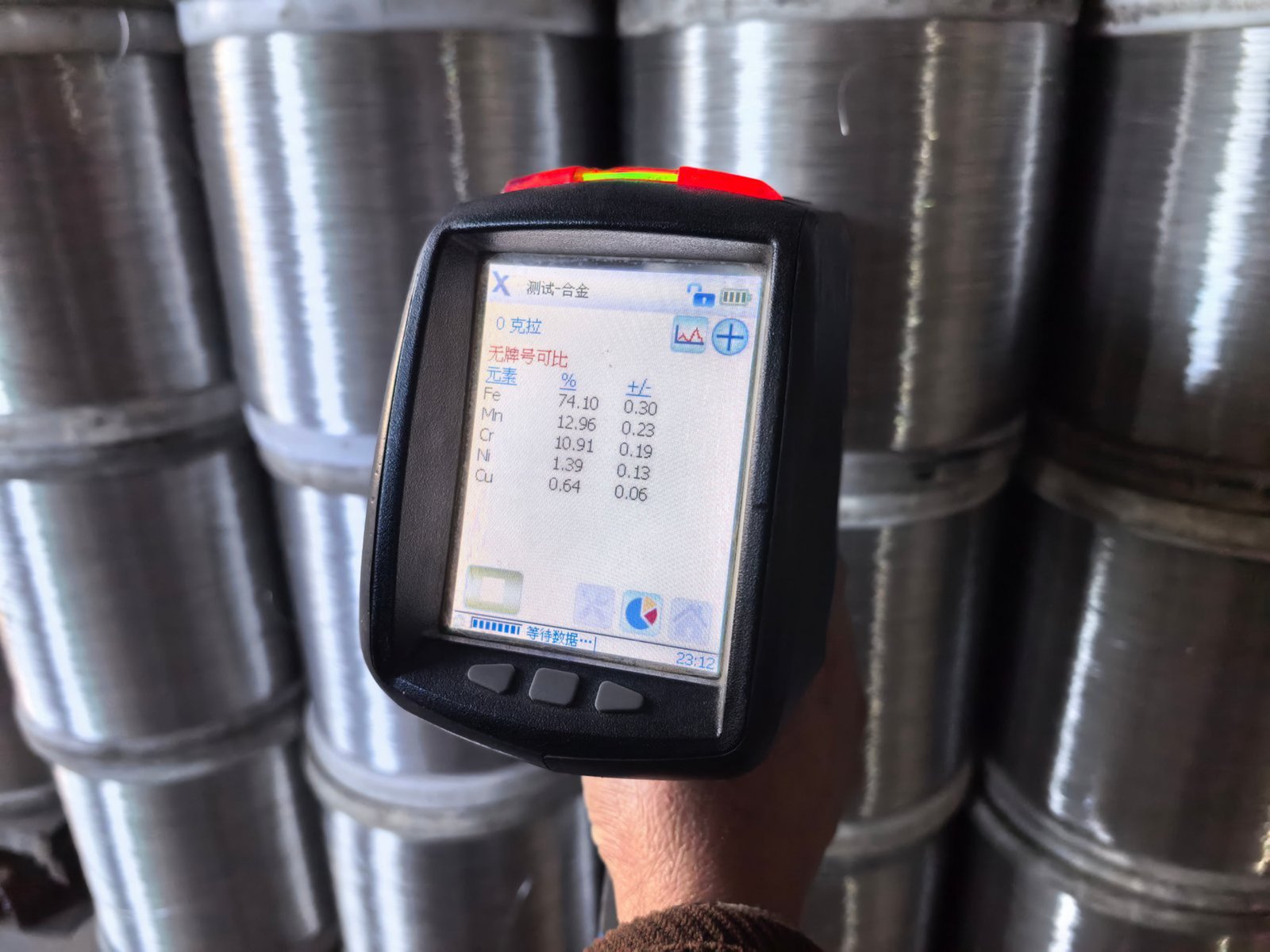
The price difference comes down to the recipe. 201 stainless steel was actually invented to be a lower-cost alternative to the 300-series grades. It achieves this by replacing a significant portion of expensive nickel with more affordable manganese and nitrogen. When you look at the numbers, 316 stainless steel contains about 10-14% nickel, while 201 contains only 3.5-5.5%. On top of that, 316 has the added cost of 2-3% molybdenum, another pricey element. The market prices for nickel and molybdenum can be volatile, but they consistently make 316 the more premium and expensive option.
For our Egyptian client, this was a critical factor. For his indoor construction decor and general hardware, using 316 would have been overkill and unnecessarily expensive. 201 provided the necessary strength and a decent finish at a much lower cost, making his products more competitive. By choosing 201 for these applications, he could control his budget effectively. We helped him see that it's not about choosing the "best" material, but the "right" material. This approach prevents you from paying for performance features you don't need. As a final piece of good news for him, we pointed out that China's duty-free import policies for many African nations would help lower his costs for both 201 and 316, making his sourcing even more economical.
Conclusion
Ultimately, choose 316 for harsh environments where you need top corrosion resistance. For general use where cost is key and conditions are mild, 201 is the smart, economical choice.