

Keeping up with global infrastructure trends is tough. You might miss huge opportunities in emerging markets like the Middle East, losing out on large-scale contracts as competitors capture new demand.
Yes, the upgraded China-GCC infrastructure cooperation is significantly boosting the demand for stainless steel building materials. As projects grow in scale and standards rise, materials like 201 stainless steel wire, known for its strength and cost-effectiveness, are becoming essential for construction projects in the region.
This isn't just a trend I'm reading about; it's something I've experienced firsthand. I’ve been in the wire mesh industry for over 25 years, so I’ve seen many market shifts. But the recent news about China and the Gulf countries upgrading their infrastructure cooperation felt different. It created a buzz in our industry that I hadn't felt in a long time. This shift from headlines to actual business happened very quickly for me, and it all started with a phone call from an old client in Saudi Arabia. Let me share how this single development reshaped our business outlook and reinforced the importance of being prepared.
What New Demands Are Emerging from Upgraded China-GCC Ties?
New international partnerships create new standards. You might worry if your current products will meet these tougher, unfamiliar requirements, and failing to comply could get your products rejected and cost you contracts.
The new demands focus on higher performance and compliance. Clients in the GCC now require materials that not only meet stricter strength and corrosion resistance standards but also offer a strong cost-performance ratio. They need suppliers who can prove compliance and guarantee stable quality for large-scale projects.
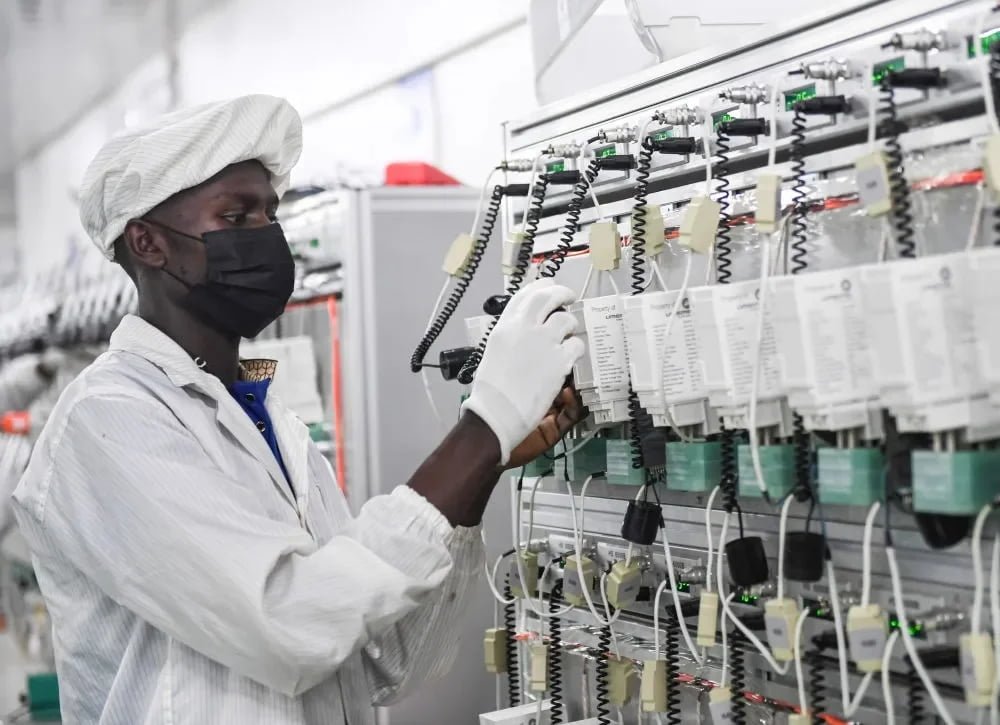
I always keep a close eye on global infrastructure news, because what happens in politics and trade directly impacts my business. When I heard that China and the Gulf Cooperation Council (GCC) countries were deepening their partnership on infrastructure projects, I knew it was significant. It wasn't just a news headline for me; it was a signal of a major business opportunity. Soon after, that signal became very real. An old client, who runs a large construction company in Saudi Arabia, called me. His tone was excited but also cautious. He said that with the new government-backed cooperation, his pipeline of projects was expanding rapidly. These weren't just more projects; they were bigger and had much higher specifications. He told me directly, "We are going to need a lot more stainless steel building materials, especially products like your 201 stainless steel wire. But my main concern is whether you can handle the increased volume. More importantly, do your products meet our new, stricter local building codes?" His questions highlighted the new reality of this market. The opportunity was massive, but the bar for entry had been raised. It was no longer enough to just sell a product. We had to provide a fully certified, reliable, and scalable solution for high-stakes construction projects.
How Can You Prove Your Products Meet These New, Higher Standards?
A potential client questions your product's compliance. You know your quality is good, but simply saying "trust us" won't work. Without concrete proof, you risk losing a huge deal.
You prove it with data and documentation. We conducted a full production capacity audit and deep research into GCC building standards. By presenting a detailed report showing our 201 stainless steel wire exceeded their requirements for strength and corrosion resistance, we turned their concerns into confidence.
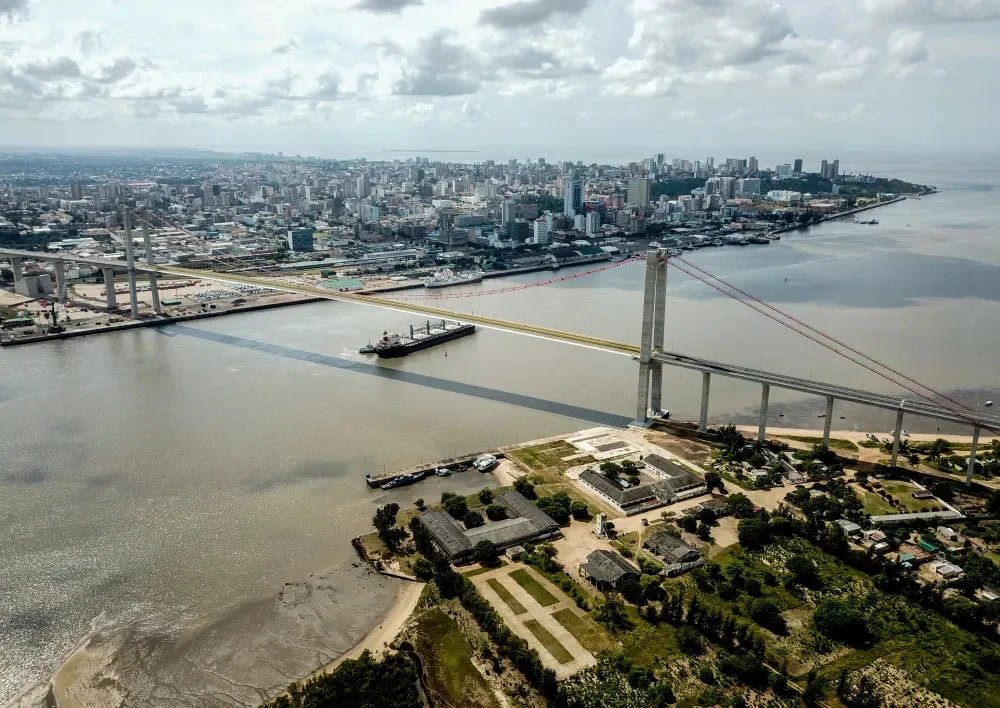
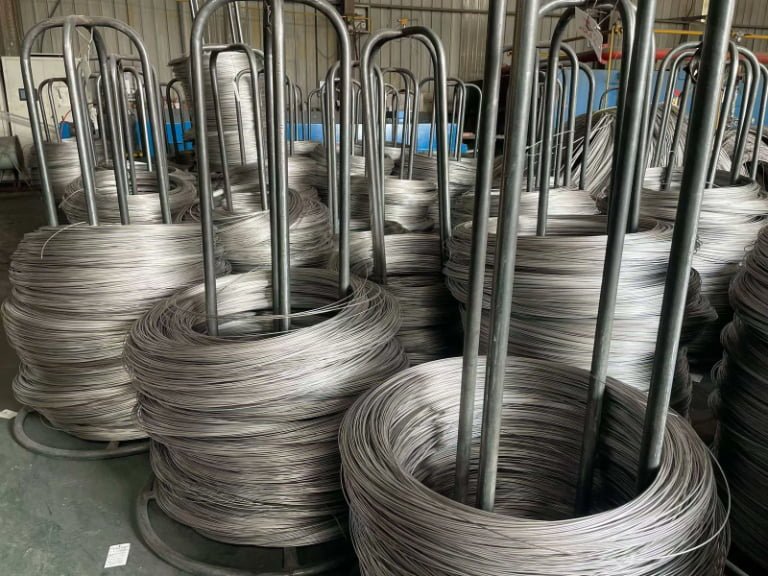
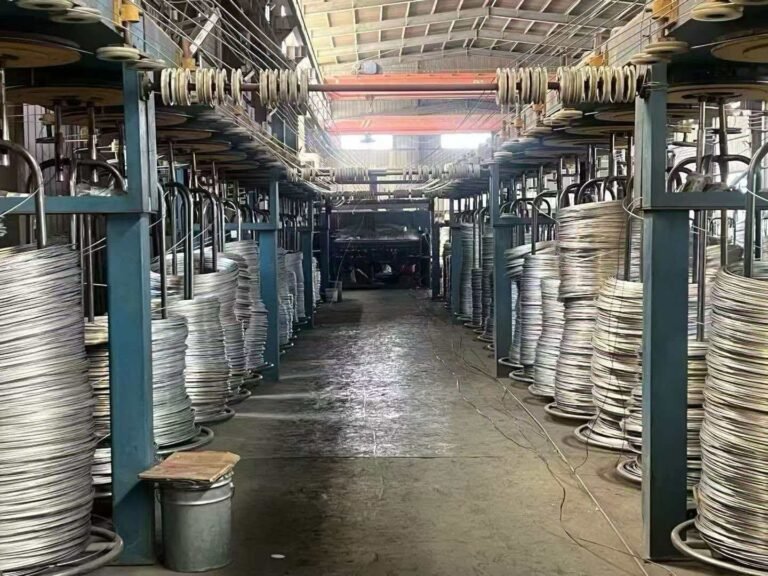
My client's direct questions required a fast and thorough answer. We couldn't afford to hesitate. My team and I immediately got to work. First, we conducted a complete audit of our 10 automated production lines. We confirmed that we could scale up production to meet his projected demand without sacrificing the quality and consistency we are known for. Second, we did a deep dive into the very latest building standards for Saudi Arabia and the broader GCC region. We found the new codes emphasized long-term durability and structural safety, with a special focus on performance in the hot, and sometimes humid, regional climate. The key metrics were tensile strength and corrosion resistance. We then took these specific requirements and compared them directly to the technical specifications of our 201 stainless steel wire.
Proving Our Compliance
The results from our analysis were very positive. Because we have always maintained strict quality control, our products already met or exceeded these tougher standards. Here is a simple breakdown of what we presented to our client:
| Performance Metric | New GCC Standard Requirement | Our 201 Stainless Steel Wire |
|---|---|---|
| Tensile Strength | High strength for structural integrity | Exceeds requirements (≥450MPa) |
| Corrosion Resistance | Must withstand local climate | Passes 96h salt spray test |
| Dimensional Accuracy | Strict diameter tolerance for consistency | Meets tolerance of ±0.01mm |
| Certifications | ISO 9001, CE | Fully certified |
I called my client back right away. I didn't just tell him we could do it; I walked him through our findings and sent him the detailed report. I explained that our 201 wire not only met his quality needs but also offered an excellent cost-performance ratio, which would give his bids a competitive edge. He was impressed by our quick, proactive work. The client was so satisfied that he moved immediately to discuss a long-term framework agreement for his upcoming projects. His projects have since been running smoothly, and the 201 wire has performed exceptionally, earning praise from local authorities. He even recommended us to his peers in other GCC countries.
Conclusion
The upgraded China-GCC cooperation is a real opportunity. By understanding the new market demands and proactively proving our quality, we turned a challenge into a long-term partnership and expanded our market.