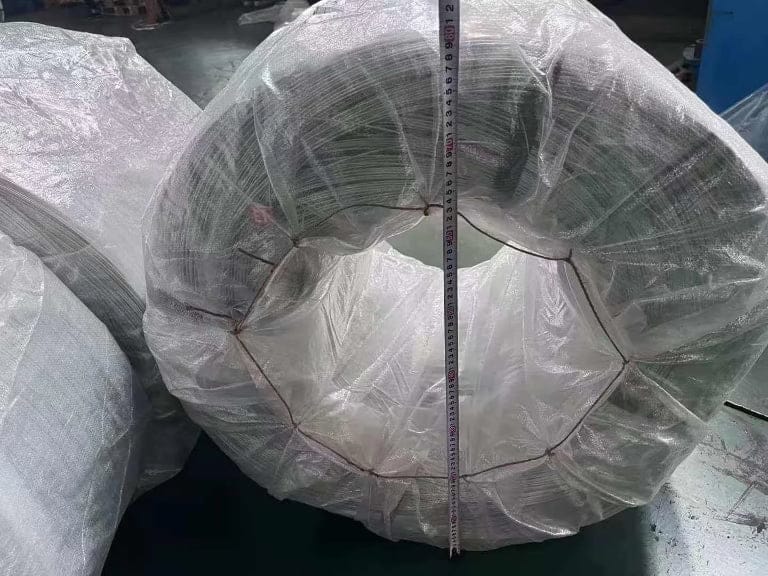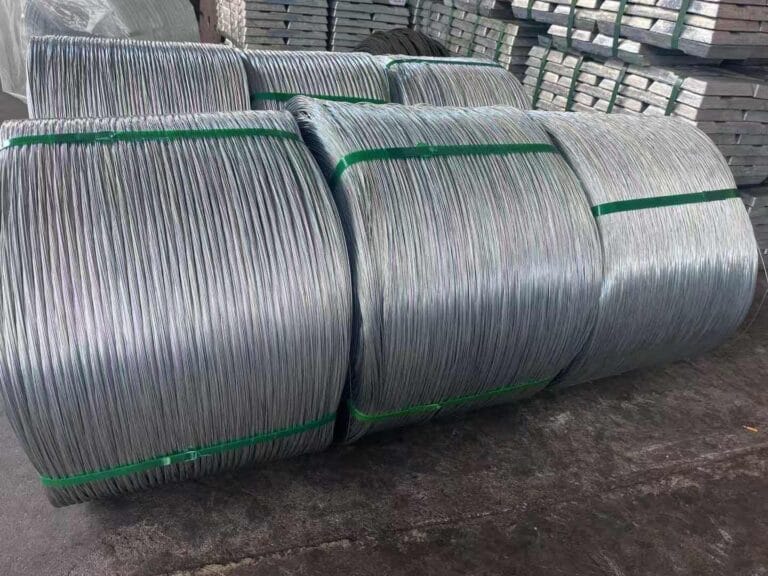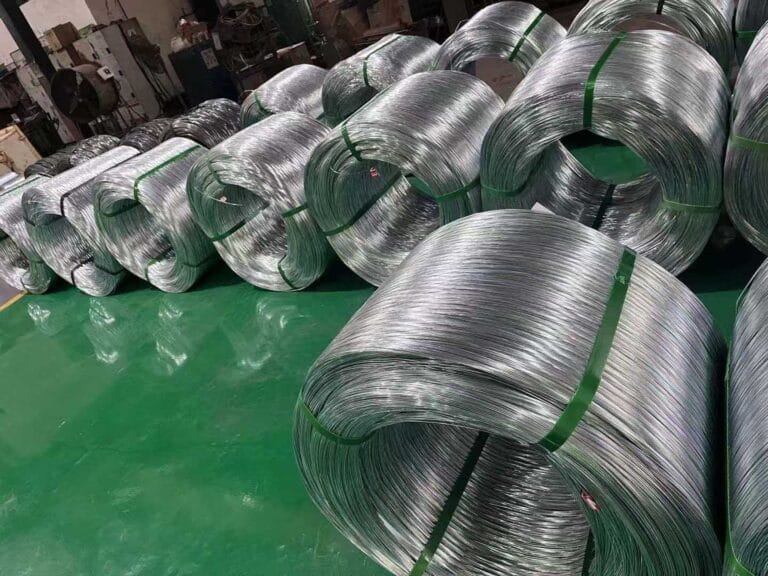



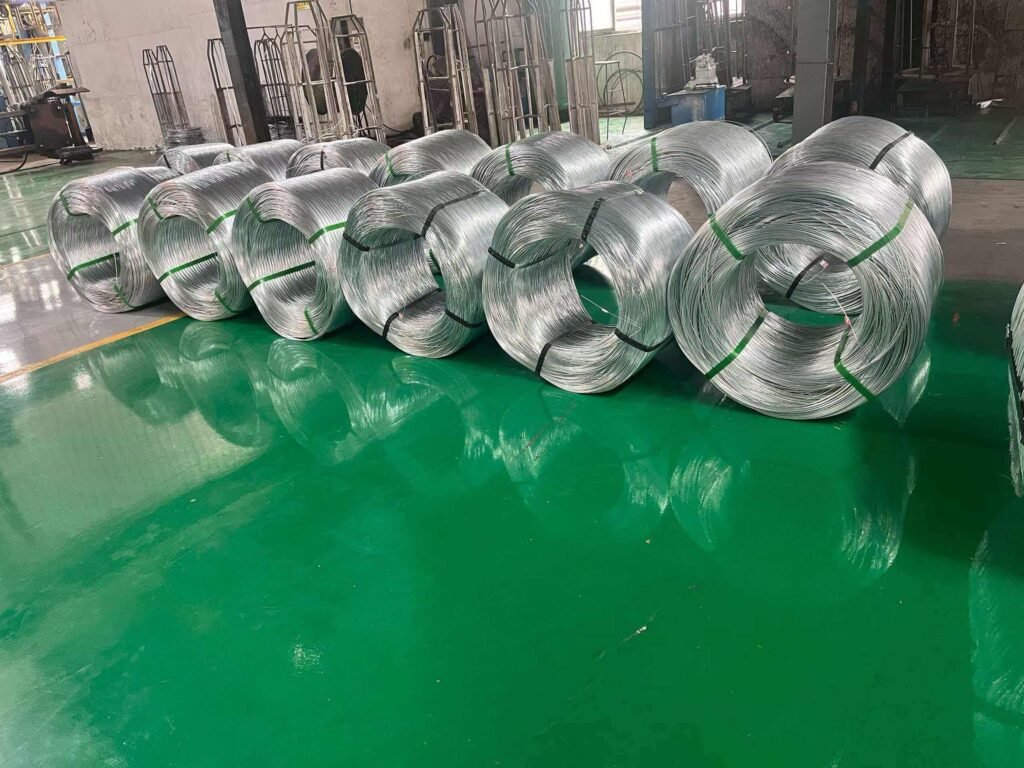
Importing binding wire directly from Chinese factories to Uganda can significantly reduce material costs for contractors. For those looking to source galvanized binding wire for Uganda, factory-direct purchasing offers substantial savings compared to local traders.
In November 2025, I watched a contractor friend in Kampala pay $920 per ton for galvanized binding wire from a local trader. Six months earlier, the same wire cost him only $840. He calculated that this $80 increase would add nearly $10,000 to his annual material costs. I knew there had to be a better way.
Going direct to Chinese binding wire factories can cut your material costs by 5-8%, saving Ugandan contractors $40-60 per ton compared to local trading companies. The key is finding reliable manufacturers who accept smaller orders and understand East African logistics.
Many construction companies in Uganda stick with local suppliers because they think direct importing is too complicated or requires huge order volumes. But the reality is different. With proper planning and the right factory partner, even medium-sized contractors can benefit from factory-direct pricing without sacrificing quality or delivery reliability.
Why Does Local Binding Wire Cost So Much More?
I remember when I first started comparing prices between Kampala traders and Chinese factories. The gap shocked me. But it made sense once I understood how the supply chain works.
Local traders typically add 15-25% markup to cover their operational costs, inventory risk, credit terms, and profit margin. This means you pay significantly more for the same product that comes from the same Chinese factories.
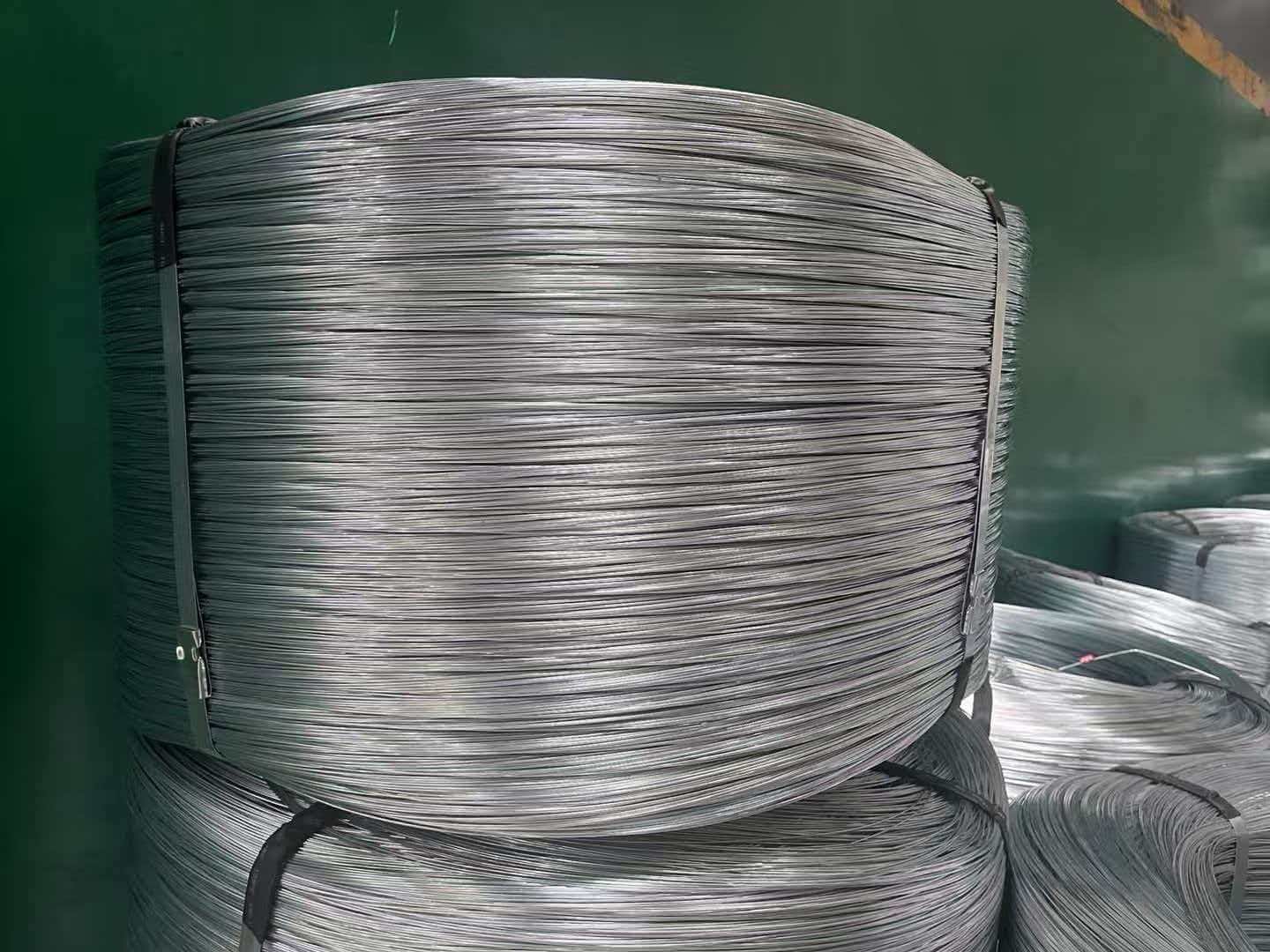
Let me break down where your money goes when you buy from local traders versus going direct. Understanding this helps you see exactly where the savings come from.
| Cost Component | Local Trader Price | Factory Direct Price | Your Savings |
|---|---|---|---|
| Free On Board (FOB) China | $760/ton | $760/ton | $0 |
| Trader Markup | $120/ton (15%) | $0 | $120 |
| Sea Freight | Included in price | $85/ton | Transparent |
| Insurance | Included in price | $8/ton | Transparent |
| Import Duties | $22/ton (passed through) | $22/ton | $0 |
| Inland Transport | Included in price | $45/ton | Transparent |
| Total Landed Cost | $920/ton | $870/ton | $50/ton |
The trader markup covers their warehouse costs, staff salaries, credit risk (when they give you 30-60 days payment terms), and their profit. These are real costs for them. But if you can handle direct importing yourself, you keep this money in your pocket.
I also found that traders often buy during peak season when factories are busy and prices are higher. Then they hold inventory for months. You pay for their storage time. When you order direct, you buy at current market prices. If steel prices drop (like they did in early 2025), you benefit immediately. Traders still sell old inventory at old prices.
The credit terms traders offer seem convenient. But you pay for this convenience through higher prices. Factory direct usually means 30% deposit and 70% before shipment. It feels harder at first. But the savings quickly add up. My contractor friend Ochieng calculated that the interest on a short-term loan to pay the factory was still cheaper than the trader markup.
How Much Can You Really Save by Going Direct?
I pulled real data from my contractor friend's purchases over 18 months. The numbers show clear patterns about when direct sourcing makes the most financial sense.
For annual consumption of 50+ tons, direct factory sourcing saves 5-8% on total material costs. This translates to $2,500-$4,800 per year for a contractor using 100 tons annually, or roughly the profit margin from one medium-sized building project.
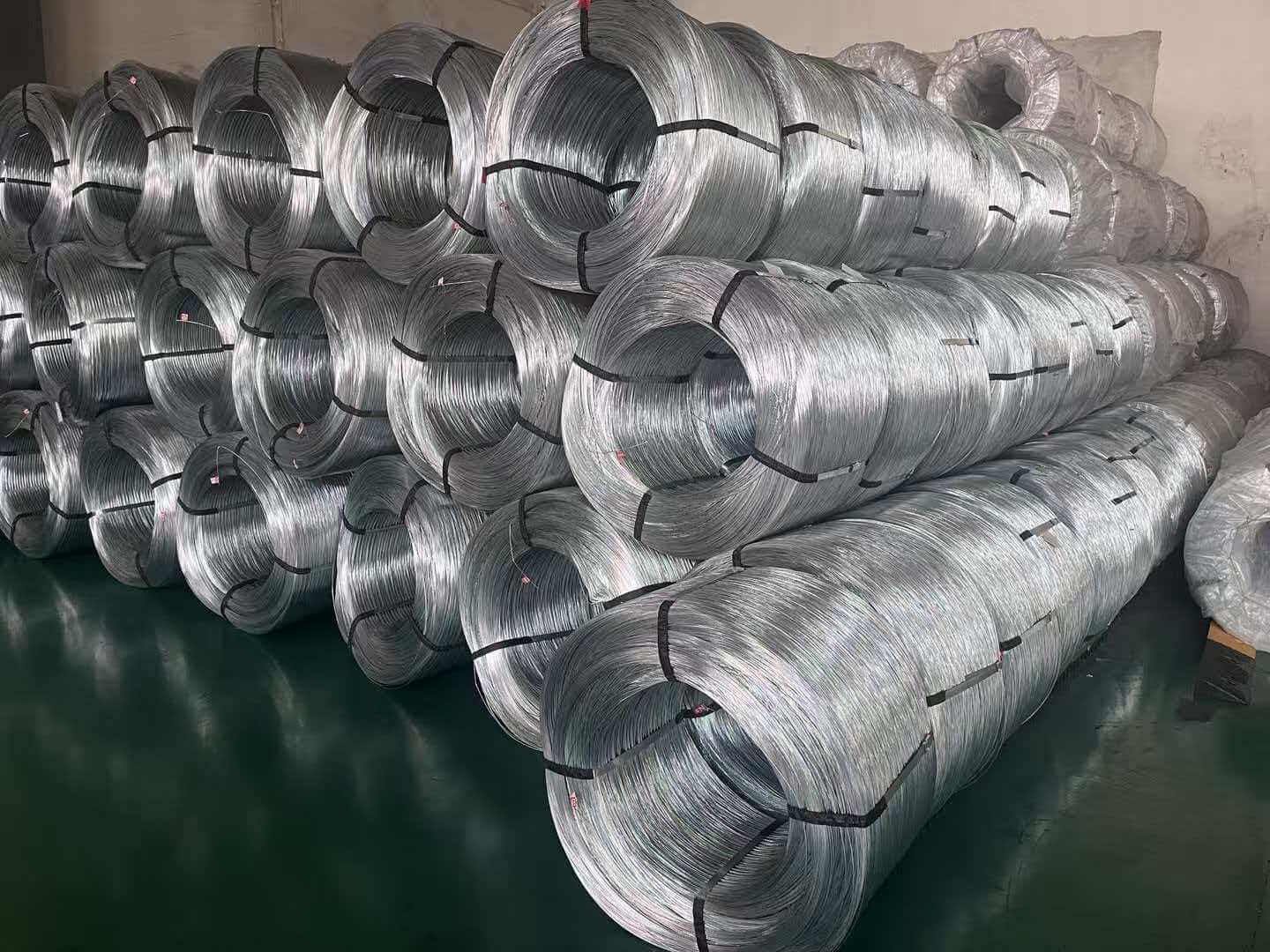
The savings percentage seems small. But construction is a volume business with tight margins. An extra 5% profit on materials can be the difference between winning and losing a tender bid.
Let me show you the real numbers from three different scenarios:
| Usage Scenario | Annual Volume | Local Cost | Direct Cost | Annual Savings | Return on Investment on Setup Effort |
|---|---|---|---|---|---|
| Small Contractor | 30 tons | $27,600 | $26,100 | $1,500 | 15% return |
| Medium Contractor | 100 tons | $92,000 | $87,000 | $5,000 | 50% return |
| Large Contractor | 200 tons | $184,000 | $174,000 | $10,000 | 100% return |
The setup effort I mention includes time spent finding the factory, ordering samples, arranging the first shipment, and setting up payment methods. For small contractors, this might take 20-30 hours total. For the $1,500 saving, that works out to $50-75 per hour of your time. Not bad.
But notice how the Return on Investment (ROI) scales up dramatically with volume. Large contractors get the same amount of setup work for much bigger savings. This is why direct sourcing makes more sense as your business grows.
There are also hidden savings I discovered over time. Factory direct gives you access to better quality control. You can request specific wire diameter tolerances. You can specify packaging that works better for your storage conditions. Local traders sell whatever they have in stock. Factories customize for you.
I also found that factories are more flexible on delivery timing. If your project gets delayed, a good factory partner will adjust production schedule without penalty. Traders have already paid for their inventory. They pressure you to take delivery on the original schedule.
What Minimum Order Quantity Do Chinese Factories Accept?
This was my biggest concern when I first considered going direct. I thought factories only wanted huge orders. But the reality surprised me.
Most binding wire factories in China accept minimum orders of 20-25 tons (one 20ft container), though some flexible manufacturers will consider 10-ton trial orders for new customers. The key is finding factories that understand the East African market and value long-term relationships over single large transactions.
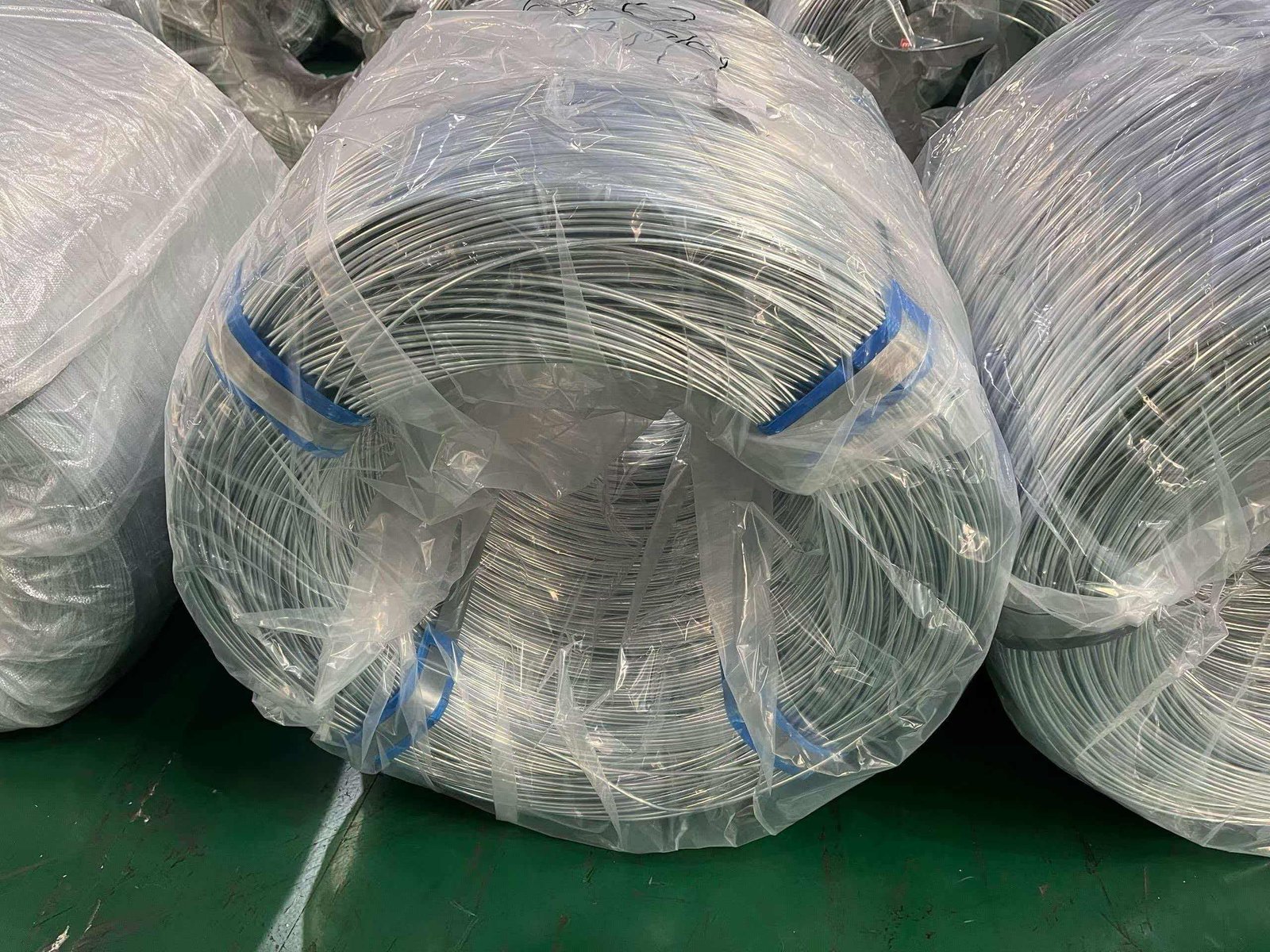
I learned that Minimum Order Quantity (MOQ) depends on several factors. Big factories that supply major international brands typically want 100+ ton orders. They run high-volume production lines. Changing specifications for small orders disrupts their efficiency.
But smaller specialized factories are different. They already serve diverse markets with varying requirements. Adding another customer with a 20-ton order fits naturally into their production schedule. These are the factories you want to find.
Here is what different order sizes typically mean:
| Order Size | Factory Type | Price Level | Customization Options | Suitable For |
|---|---|---|---|---|
| 5-10 tons | Trial order from flexible factory | +5-8% above standard | Limited | Testing relationship |
| 20-25 tons | Standard minimum (1x20ft container) | Standard price | Moderate | Regular orders |
| 40-50 tons | Preferred order (1x40ft container) | -2-3% discount | Full customization | Quarterly orders |
| 100+ tons | Large order | -5-8% discount | Priority service | Annual contract |
My advice is to start with one 20ft container. This lets you test the factory's quality, communication, and delivery reliability without massive commitment. If everything works well, your second order can be larger.
I also discovered that timing matters. If you can be flexible on delivery date, factories often have production gaps between large orders. They are happy to fill these gaps with smaller orders. This is when you get the best pricing even on modest volumes.
Some factories require slightly higher MOQ for certain specifications. Stainless steel wire or very thin gauges might need 30-ton minimum. This is because raw materials come in specific quantities. The factory cannot split a master coil just for your order. But standard galvanized binding wire in common sizes almost always has 20-ton MOQ.
How Do You Find Reliable Binding Wire Factories?
I wasted weeks contacting wrong suppliers when I first tried direct sourcing. Trading companies pretended to be factories. Some factories gave good prices but terrible delivery times. Learning to identify reliable manufacturers took time but saved me from costly mistakes.
The most effective approach combines LinkedIn factory verification, detailed technical discussions to assess real manufacturing knowledge, and small sample orders before committing to full containers. Reliable factories demonstrate deep product knowledge, transparent pricing structures, and willingness to provide verifiable factory credentials.
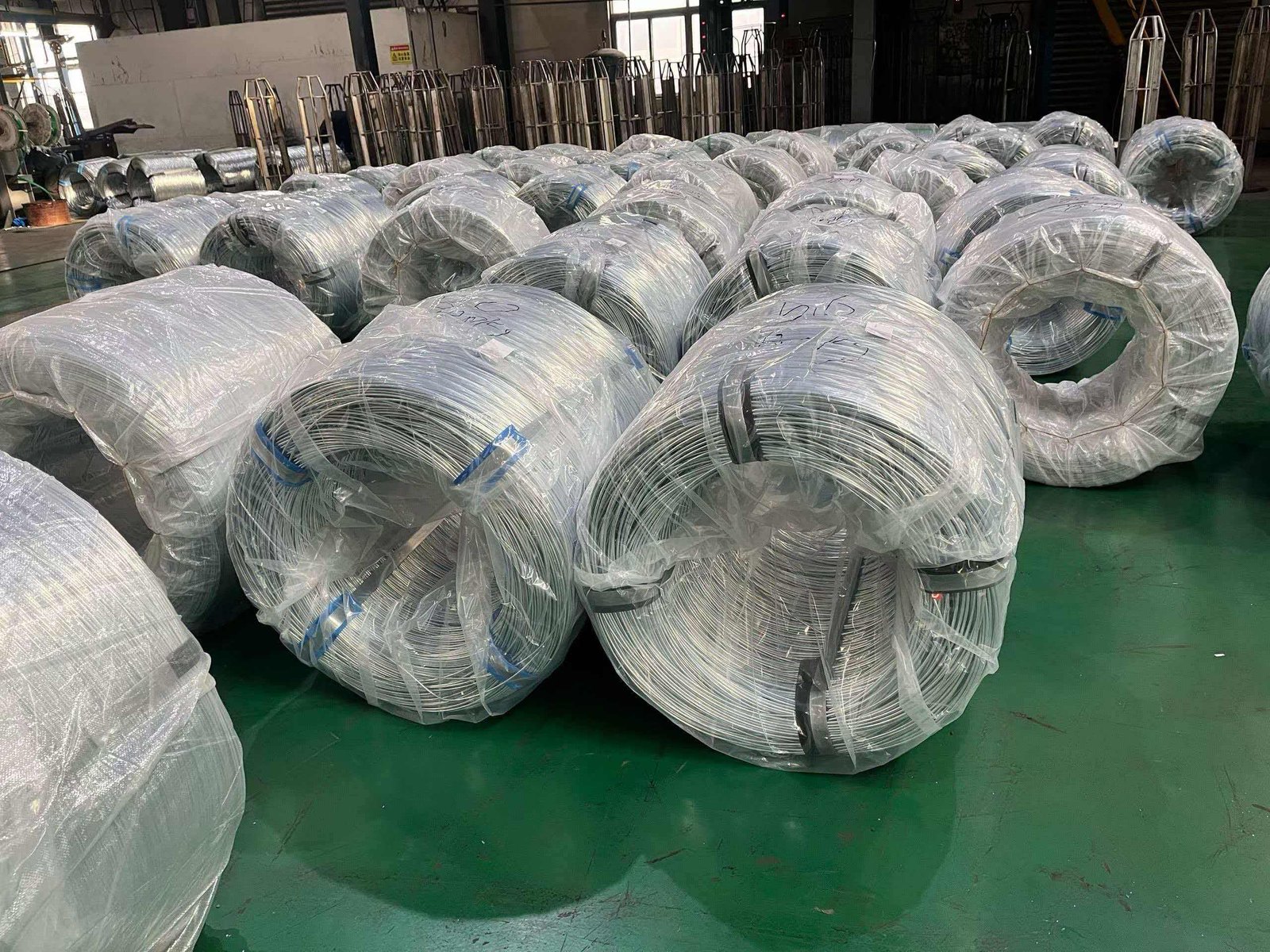
My search process evolved into a systematic approach after several trial-and-error experiences:
Start with LinkedIn. Search for "binding wire factory" or "annealed wire manufacturer" plus "China." Look at company profiles carefully. Real factories show production equipment photos. They post about new orders and factory updates. Trading companies post generic product catalogs.
I always video call before ordering. This is critical. Ask to see the production line during the call. Real factories can walk you through their workshop within minutes. Trading companies make excuses about timing or facility access.
Here is my factory verification checklist that I developed over time:
| Verification Step | What to Check | Red Flags | Green Flags |
|---|---|---|---|
| Business License | Company name matches factory name | Name includes "trading" or "import/export" | Name includes "steel" or "wire products" |
| Production Photos | Recent dated photos of their actual equipment | Stock photos or watermarked images | Video call showing production line |
| Technical Knowledge | Detailed answers about wire drawing process | Vague responses or product catalog copy | Specific technical parameters and tolerances |
| Material Sourcing | Where they buy raw wire rod | Cannot explain or mentions multiple sources | Direct relationship with steel mills |
| Quality Control | Their testing equipment and procedures | No mention of testing | Quality Control photos and test reports offered |
| Export Experience | African market knowledge and logistics | Never shipped to Africa | Familiar with Mombasa/Dar es Salaam ports |
The technical discussion reveals everything. I ask specific questions: What is your wire rod supplier? How many drawing dies do you use? What zinc coating weight do you apply? Real factory managers answer immediately. Trading company sales people hesitate or give generic answers.
I also learned to check factory credentials through Chinese business databases. Websites like qcc.com show company registration, capital, and even ownership structure. This free public information helps verify claims. I once discovered a "factory" was actually registered as a consulting company with zero manufacturing assets.
Sample orders are mandatory. Even if the supplier passes all checks, I never order a full container first time. I pay for 2-3 coils by courier. This costs maybe $200-300 total including shipping. But it saves thousands if the quality is not right. My friend Ochieng skipped this step once. He received 20 tons of wire that broke easily during construction. Resolving that problem took months.
What Payment Terms Work Best for First-Time Direct Orders?
Payment terms worried me more than anything when I first considered direct sourcing. Sending thousands of dollars to a foreign factory felt risky. But I learned there are ways to protect yourself while building trust with suppliers.
The standard payment structure for first-time factory orders is 30% deposit after order confirmation and 70% balance before shipment. This protects both parties: your deposit commits the factory to produce your order, while withholding final payment ensures you have leverage until quality is verified.
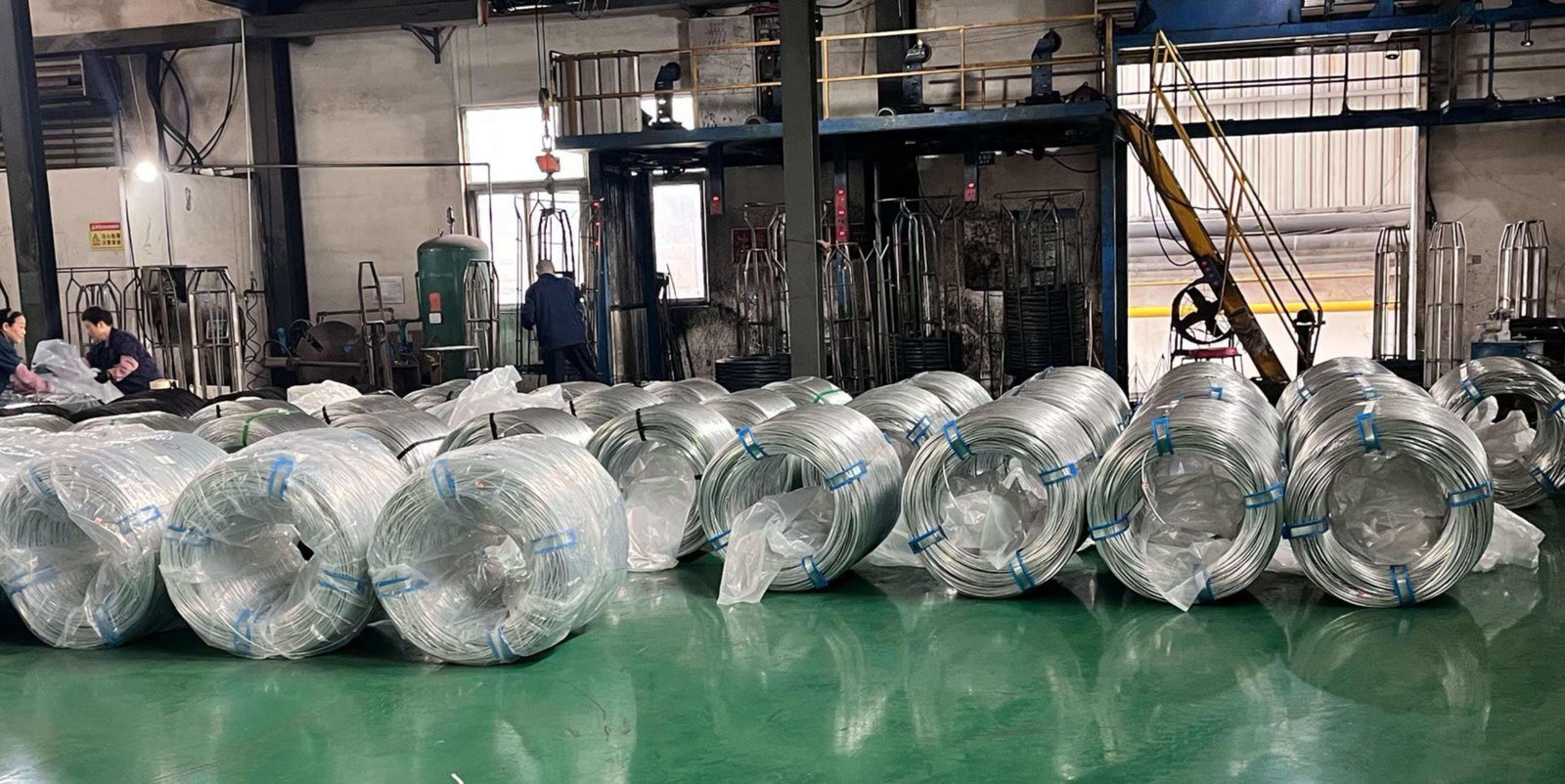
I remember negotiating my first direct order. The factory wanted 50% deposit. I wanted to pay everything after delivery. Neither approach was realistic. We compromised on 30-70, which has become my standard structure ever since.
Here is what different payment methods offer:
| Payment Method | Security Level | Cost | Speed | Best Used For |
|---|---|---|---|---|
| Bank Wire (Telegraphic Transfer / TT) | Medium | Low ($25-50) | 2-3 days | Standard transactions |
| PayPal | Medium-High | High (4-5% fee) | Instant | Small sample orders only |
| Letter of Credit (LC) | Very High | High ($500-800) | 7-10 days | Large orders over $50,000 |
| Trade Assurance | High | Free | 2-3 days | Alibaba platform orders |
| Western Union | Low | Medium | Instant | Not recommended |
For orders under $30,000, I use bank wire transfer with the 30-70 split. The deposit shows serious commitment. But I clearly state that final payment only happens after I receive and approve pre-shipment photos and quality certificates.
I insist on specific documentation before paying the balance:
The factory must send me clear photos of finished products with my order number visible. I check wire diameter, coil shape, and packaging quality in these photos. I also require the Material Test Certificate (MTC) from their raw material supplier. This document proves the wire meets basic strength and composition standards.
For first orders, I add one extra protection: I require the factory to send test samples by courier before shipping the full container. They cut pieces from the actual production run and express mail them to me. This costs them maybe $50 but gives me confidence. I can physically test samples that come from my actual order, not just random good samples they might send earlier.
The 70% balance payment happens when I am satisfied with photos and test samples, but before the factory releases goods to the shipping company. This timing is important. Once goods are loaded on the ship, you lose leverage. But if you delay payment too long, the factory cannot book space with the shipping line.
I learned to build trust gradually. My first order with any factory is usually minimum quantity. If quality and service are good, my second order is larger. By the third or fourth order, factories often agree to more flexible terms like 40-60 split or even extended payment after delivery. But this only comes after you prove you are a reliable customer who pays on time.
One mistake I made early: I tried to negotiate 100% payment after delivery for my first order. No serious factory accepts this. It tells them you do not understand international trade norms or maybe you are a risky customer. The 30-70 structure is industry standard for good reason. It balances risk fairly between buyer and seller.
How Long Does Factory-Direct Shipping Take to Uganda?
Logistics timing was something I significantly underestimated when I first planned direct sourcing. I assumed it would be similar to buying from local traders who deliver within days. The reality requires much more advance planning.
Total lead time from factory order to Kampala delivery typically ranges from 50-65 days: 10-15 days production, 25-30 days sea freight to Mombasa, and 15-20 days for customs clearance plus inland transport. During peak seasons or port delays, add another 10-15 days buffer.
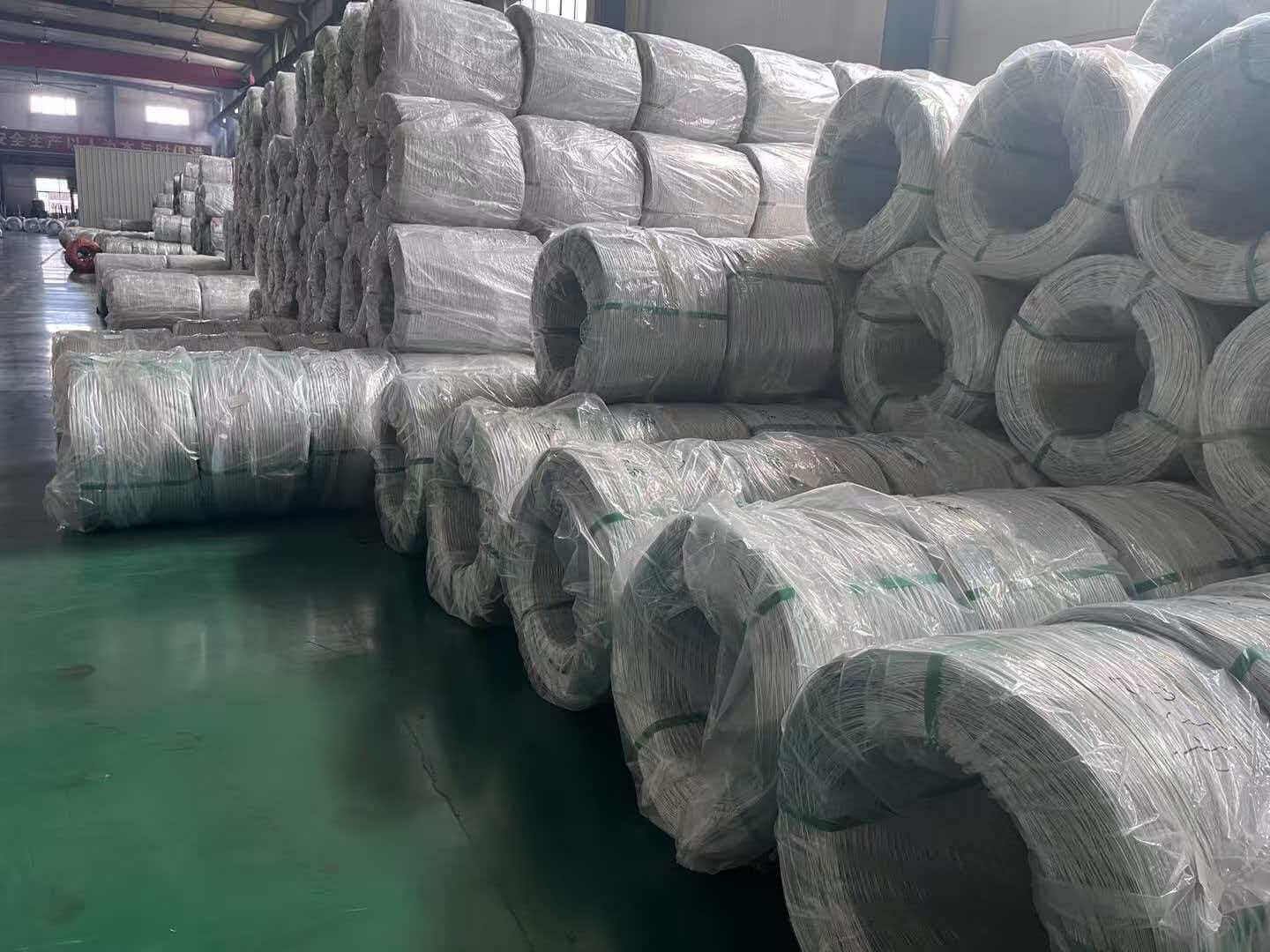
I track every shipment carefully now. Understanding where time gets consumed helps me plan projects better and avoid material shortages that delay construction.
Here is the detailed timeline breakdown I learned through experience:
| Stage | Duration | Variables That Add Time | Control Level |
|---|---|---|---|
| Order Processing | 2-3 days | Complex customization | High |
| Production | 10-15 days | Factory workload, raw material stock | Medium |
| Inspection & Packing | 2-3 days | Special packaging requests | Medium |
| Inland Transport (China) | 3-4 days | Factory location distance from port | Low |
| Port Loading | 3-5 days | Port congestion, documentation delays | Low |
| Sea Freight | 25-30 days | Weather, vessel schedule | None |
| Mombasa Customs | 5-7 days | Document issues, inspection probability | Medium |
| Inland Transport (Mombasa-Kampala) | 7-10 days | Border delays, road conditions | Low |
| Kampala Delivery | 1-2 days | Local logistics | High |
The production stage varies most. If the factory has your required wire gauge already in production for another customer, they can finish your order in 8-10 days. But if they need to change die sets or source specific raw material, add 5-7 days.
Sea freight time is fairly consistent but depends on shipping line schedules. Major lines like Maersk or MSC have weekly departures from Tianjin or Shanghai. Smaller lines might only have bi-weekly service. This can add 7-14 days to total time if you just miss a departure.
I learned to watch the sailing schedule carefully. If my production finishes three days before a vessel departs, I ask the factory to rush inland transport to catch that ship. Missing it means waiting another week or two for the next available space.
Customs clearance in Mombasa improved significantly for me once I started using a reliable clearing agent. My first shipment sat in port for two weeks because I did not have proper documentation ready. Now I prepare all import papers (commercial invoice, packing list, bill of lading) while goods are still on the ocean. My agent can start the clearance process as soon as the ship arrives.
The Mombasa-Kampala leg is the most unpredictable. Border crossing at Malaba or Busia can take anywhere from 4 hours to 3 days depending on traffic and random checks. During rainy season, road conditions slow trucks significantly. I always add an extra week buffer for unexpected delays.
We provide full MTC (Mill Test Certificate) and Certificate of Origin with every shipment.
We provide a full range of construction binding wire for African projects:
- Galvanized Iron Wire: https://mfgwiremesh.com/metal-wire/galvanized-iron-wire/
- Black Annealed Iron Wire: https://mfgwiremesh.com/metal-wire/black-annealed-iron-wire/
- 201 Stainless Steel Wire: https://mfgwiremesh.com/metal-wire/201-stainless-steel-wire/
Mix container loading supported.
If you are sourcing construction binding wire for Uganda or any African market, we are happy to provide a specification-based quotation. Contact us via WhatsApp: +86 15383180672.
FAQ: Factory-Direct Binding Wire Sourcing for Uganda
Q1: How much can I save by sourcing binding wire directly from Chinese factories instead of buying from local traders in Uganda?
A1: Factory-direct sourcing typically saves 5-8% on material costs, or about $40-60 per ton. For a medium contractor using 100 tons annually, this means $5,000 yearly savings. Local traders add 15-25% markup covering their inventory, credit risk, and profit margins. The landed cost for factory direct is approximately $870/ton compared to $920/ton from local traders, based on Q4 2025 pricing.
Q2: What is the minimum order quantity (MOQ) for Chinese binding wire factories, and can I start with a smaller trial order?
A2: Most factories accept 20-25 tons (one 20ft container) as standard MOQ. Some flexible manufacturers consider 10-ton trial orders for new customers. I recommend starting with one 20ft container to test quality, communication, and delivery reliability before scaling up. For standard galvanized binding wire in common gauges, 20-ton MOQ is almost always available.
Q3: How do I verify that a Chinese supplier is a real factory and not a trading company?
A3: Use a systematic verification approach: check their business license (factory names should include "steel" or "wire products," not "trading" or "import/export"), request a video call showing their production line, ask detailed technical questions about wire drawing processes, and verify credentials through Chinese business databases like qcc.com. Always order 2-3 sample coils by courier before committing to a full container. Real factories provide specific technical parameters and tolerate ranges, while trading companies give vague answers.
Q4: What payment terms should I use for my first factory-direct order?
A4: The industry standard is 30% deposit after order confirmation and 70% balance before shipment. This protects both parties - your deposit commits the factory to production, while withholding final payment gives you leverage until quality is verified. I recommend requesting pre-shipment photos with your order number visible, Material Test Certificate (MTC) from the raw material supplier, and test samples from the actual production run before paying the balance. Bank wire transfer (Telegraphic Transfer) is the most cost-effective method for orders under $30,000.
Q5: How long does factory-direct shipping take to Uganda, and how should I plan my project timeline?
A5: Total lead time is 50-65 days from order to Kampala delivery: 10-15 days production, 25-30 days sea freight to Mombasa, 5-7 days customs clearance, and 7-10 days inland transport to Kampala. Add another 10-15 days buffer during peak seasons or rainy periods. The Mombasa-Kampala leg (border crossing at Malaba or Busia) is the most unpredictable, ranging from 4 hours to 3 days depending on traffic and random checks. I always add an extra week buffer for unexpected delays.