


Importing binding wire to Zambia through Dar es Salaam requires careful document preparation and route planning. Importers looking for reliable galvanized binding wire for Zambia need to understand the full logistics process before shipping.
I watched my customer Mwansa lose $450 in port demurrage fees because of one small mistake on his shipping documents. His 20 tons of galvanized binding wire sat at Dar es Salaam port for five days while we scrambled to fix paperwork. This guide will save you from making the same expensive mistake.
Shipping binding wire to Zambia through Dar es Salaam requires five core documents: commercial invoice, bill of lading (B/L), packing list, Material Test Certificate (MTC), and Certificate of Origin. The most critical step is ensuring your Harmonized System (HS) code matches your product description on all documents before the vessel departs from China.
The Dar es Salaam to Lusaka route is the lifeline for Zambian construction material importers. I have been working with building material traders in Lusaka for three years now, and I can tell you that getting your documents right is more important than getting a good freight rate. Let me walk you through everything you need to know.
Why Do Most Zambian Importers Choose the Dar es Salaam Route?
I get this question from new customers all the time. You might think shipping through South African ports would be easier since the infrastructure is better. But here is why the Tanzania route makes more sense for binding wire imports.
The Dar es Salaam to Lusaka route offers three major advantages for Zambian importers: lower transit costs compared to South African ports, faster customs clearance at the Tanzania border, and established trucking networks that specialize in overland cargo to Zambia's Copperbelt and Lusaka regions.
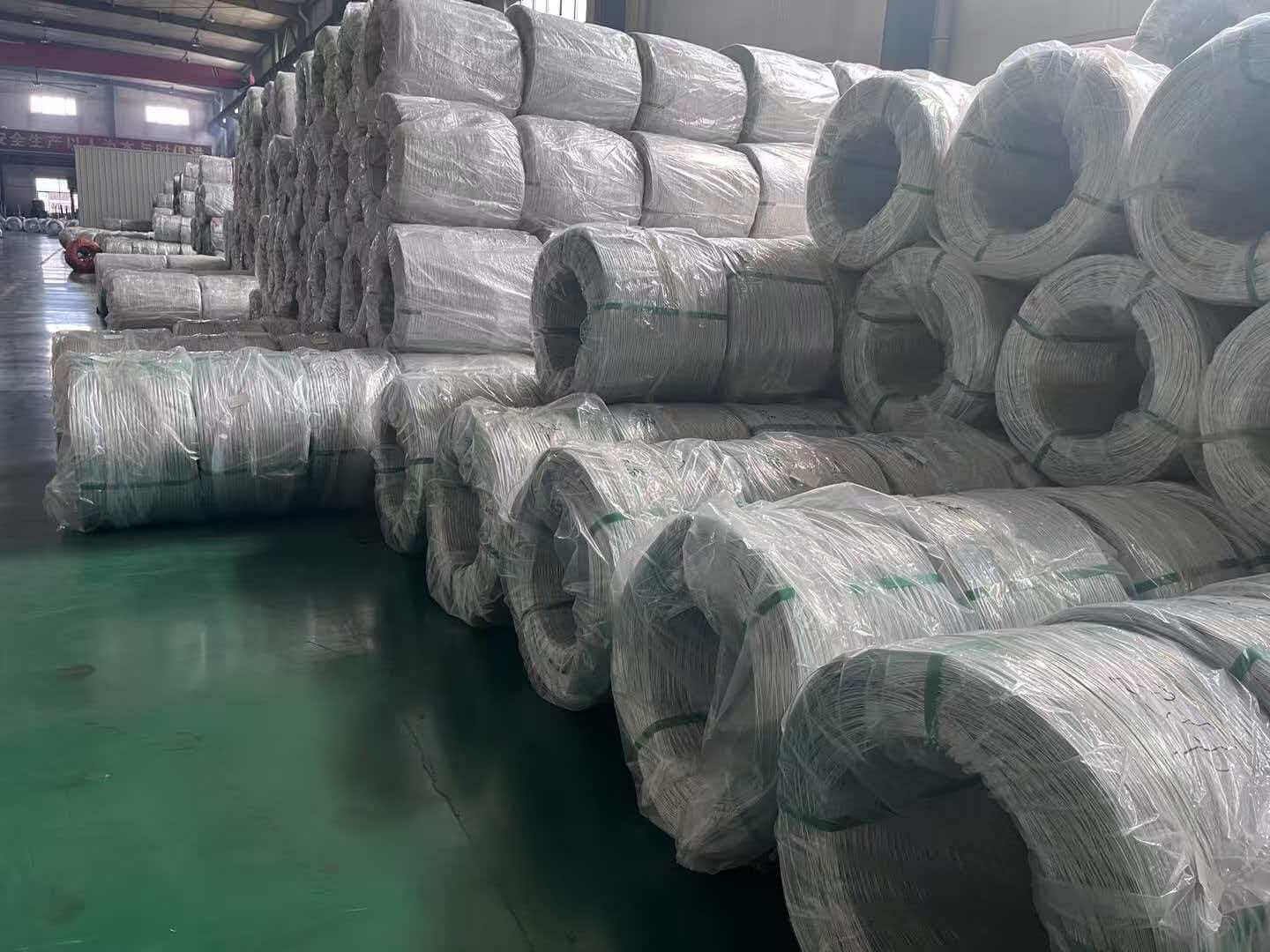
The distance from Dar es Salaam to Lusaka is approximately 1,800 kilometers. Most trucking companies can complete this journey in 5-7 days under normal conditions. I have seen some express services do it in 4 days, but that costs significantly more.
The real advantage is the border crossing at Nakonde-Tunduma. This crossing point is specifically designed for commercial cargo traffic. The customs officials there process hundreds of trucks daily, and they understand construction materials documentation. My customer Joseph once told me that his truck spent only 6 hours at the border, compared to 2-3 days when he tried shipping through Durban.
Here is a breakdown of typical transit times:
| Route Segment | Transit Time | Key Considerations |
|---|---|---|
| China Port to Dar es Salaam | 25-30 days | Weather delays possible during monsoon season |
| Dar es Salaam Port Clearance | 2-5 days | Depends on document accuracy |
| Dar to Tunduma Border | 2-3 days | Road conditions generally good |
| Border Crossing Processing | 6-24 hours | Faster during weekdays |
| Tunduma to Lusaka | 2-3 days | Final delivery leg |
The cost advantage is equally important. Shipping a 20-foot container from Dar es Salaam to Lusaka typically runs between $2,500-$3,200, depending on the season and your negotiation skills. The same journey from Durban would cost you at least $4,000-$4,500, plus you need to deal with South African customs regulations.
One thing I always tell my customers is to build in buffer time. The official transit time might be 5-7 days, but you should plan for 10 days to account for unexpected delays. During the rainy season from December to March, road conditions can slow down trucks significantly. I remember one shipment in February 2024 that took 12 days because heavy rains washed out a section of the highway near Mpika.
What Customs Documents Does Tanzania Require for Binding Wire Transit?
This is where Mwansa made his costly mistake. He assumed that since Zambia does not require Pre-Export Verification of Conformity (PVoC) certification for binding wire, the transit through Tanzania would be straightforward. He was wrong.
Tanzania customs requires five essential documents for binding wire in transit: commercial invoice with correct HS code, original bill of lading marked "in transit to Zambia", detailed packing list, Material Test Certificate (MTC) from the manufacturer, and Certificate of Origin from China. The commercial invoice and bill of lading must have matching product descriptions.
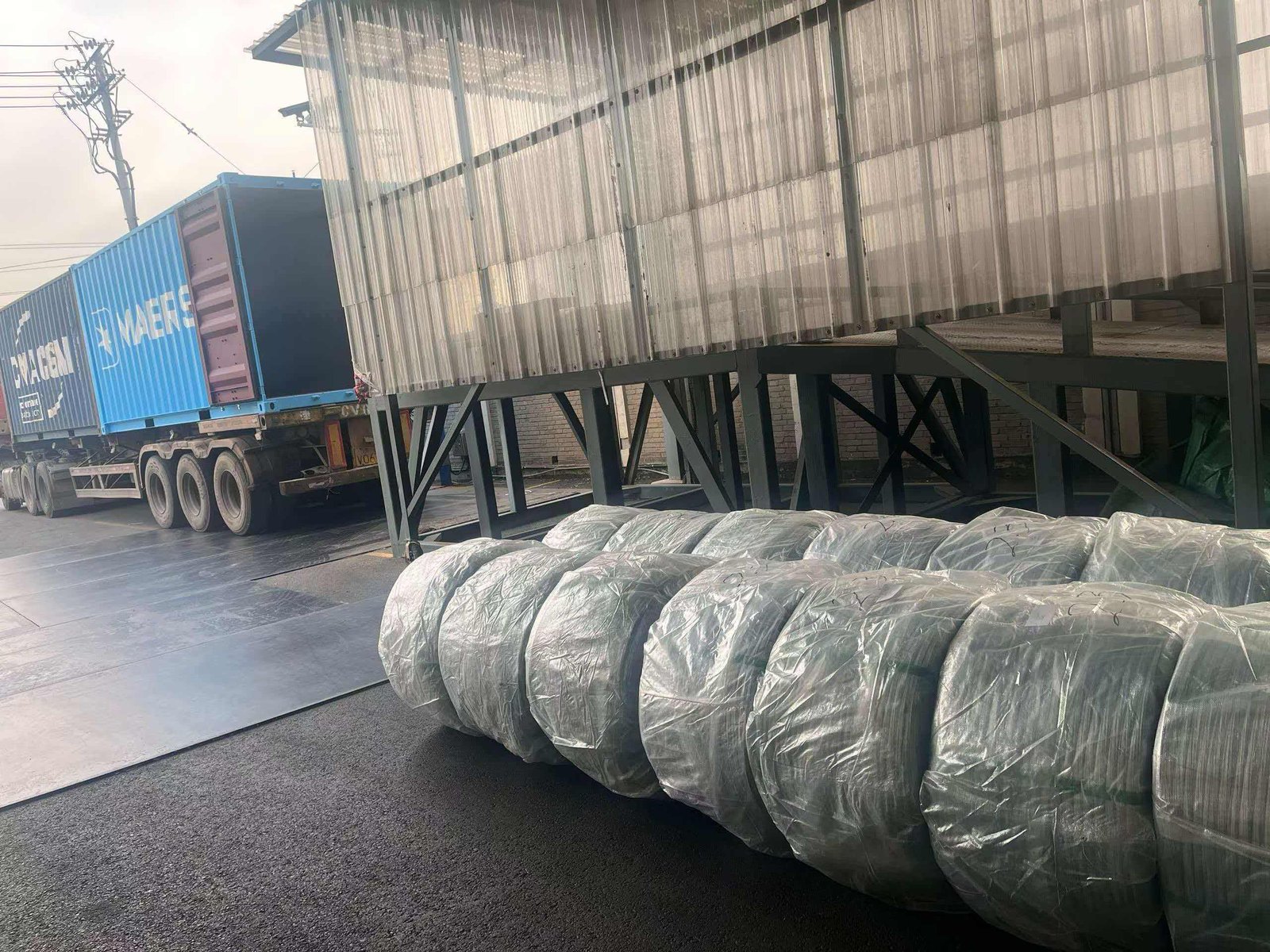
Let me break down each document and explain exactly what customs officials look for. I learned this the hard way through multiple shipping experiences.
The commercial invoice is your most important document. It must include your supplier's company name and address, your company details as consignee, the description "galvanized iron wire" or "black annealed binding wire" (not generic terms like "wire products"), the HS code 7217.10.90 for iron wire, the exact quantity in kilograms, the unit price and total value in US dollars, and the terms of sale (usually Free On Board or Cost, Insurance, and Freight).
Here is the critical part that tripped up Mwansa: the product description must be identical across all documents. He had "galvanized iron wire" on his invoice but "binding wire for construction" on his bill of lading. Tanzania customs saw this mismatch and suspected the documents were fraudulent. They froze his shipment until he could prove the documents were legitimate.
The bill of lading needs special attention. You must ensure it clearly states "in transit to Zambia" or "final destination Lusaka, Zambia". This designation tells Tanzania customs that you are not importing into their country, which affects the duty calculation. Your freight forwarder should mark this correctly, but I always double-check before the vessel departs.
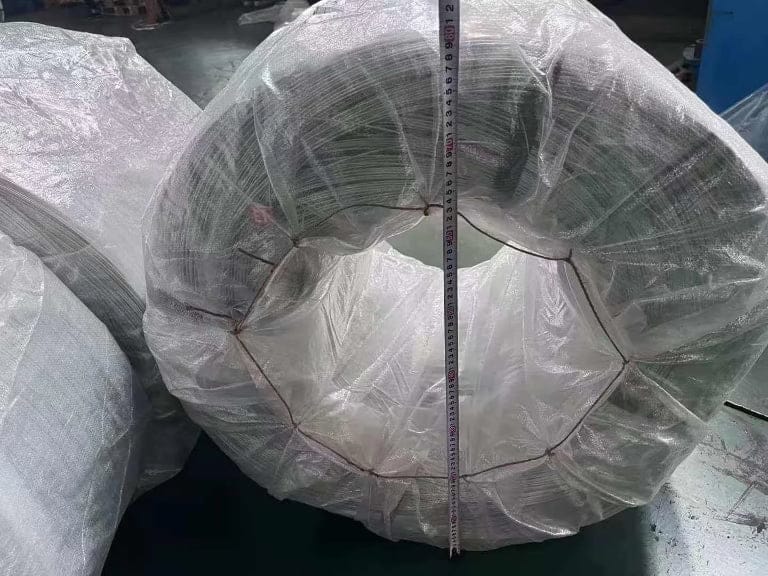
The packing list seems simple, but details matter. You need to list how many coils per pallet, the weight of each coil, the wire diameter and length specifications, and the total number of pallets and gross weight. Tanzania customs uses this to verify the physical cargo matches your documents.
The Material Test Certificate (MTC) from your factory is essential. Zambian construction companies increasingly ask for this document to verify material quality. Your MTC should show the chemical composition of the steel (carbon, manganese, silicon content), tensile strength test results, zinc coating weight for galvanized wire, and the production batch number. I provide this standard with all my shipments now.
The Certificate of Origin proves your wire was manufactured in China. Some Zambian importers skip this to save $50-80, but I strongly recommend getting it. It can speed up customs clearance and helps if any disputes arise later.
Here is a comparison of what happens with complete versus incomplete documentation:
| Scenario | Clearance Time | Additional Costs | Risk Level |
|---|---|---|---|
| Complete Documents | 2-3 days | None | Low |
| Missing MTC | 3-4 days | $100-200 express courier | Medium |
| HS Code Mismatch | 5-7 days | $300-500 demurrage + courier | High |
| Missing Certificate of Origin | 3-5 days | Possible inspection fees $150-300 | Medium |
| Multiple Document Errors | 7-14 days | $500-1000+ in fees and delays | Very High |
One practical tip I learned from working with David in Kigali: create a checklist and send it to your Chinese supplier 10 days before shipment. Ask them to send scanned copies of all documents to you, your freight forwarder, and your customs agent in Dar es Salaam. Three parties reviewing the documents catches mistakes before they become expensive problems.
How Much Does Overland Transport from Dar to Lusaka Actually Cost?
Every new customer asks me about transport costs, and I understand why. The pricing structure for overland freight is not transparent, and many importers get surprised by hidden fees. Let me give you the real numbers based on my actual shipments.
Overland transport from Dar es Salaam to Lusaka costs between $2,500-$3,200 for a 20-foot container and $3,800-$4,500 for a 40-foot container. These rates include trucking, border crossing fees, and basic insurance, but exclude port handling fees, customs clearance charges, and demurrage if your documents are not ready.
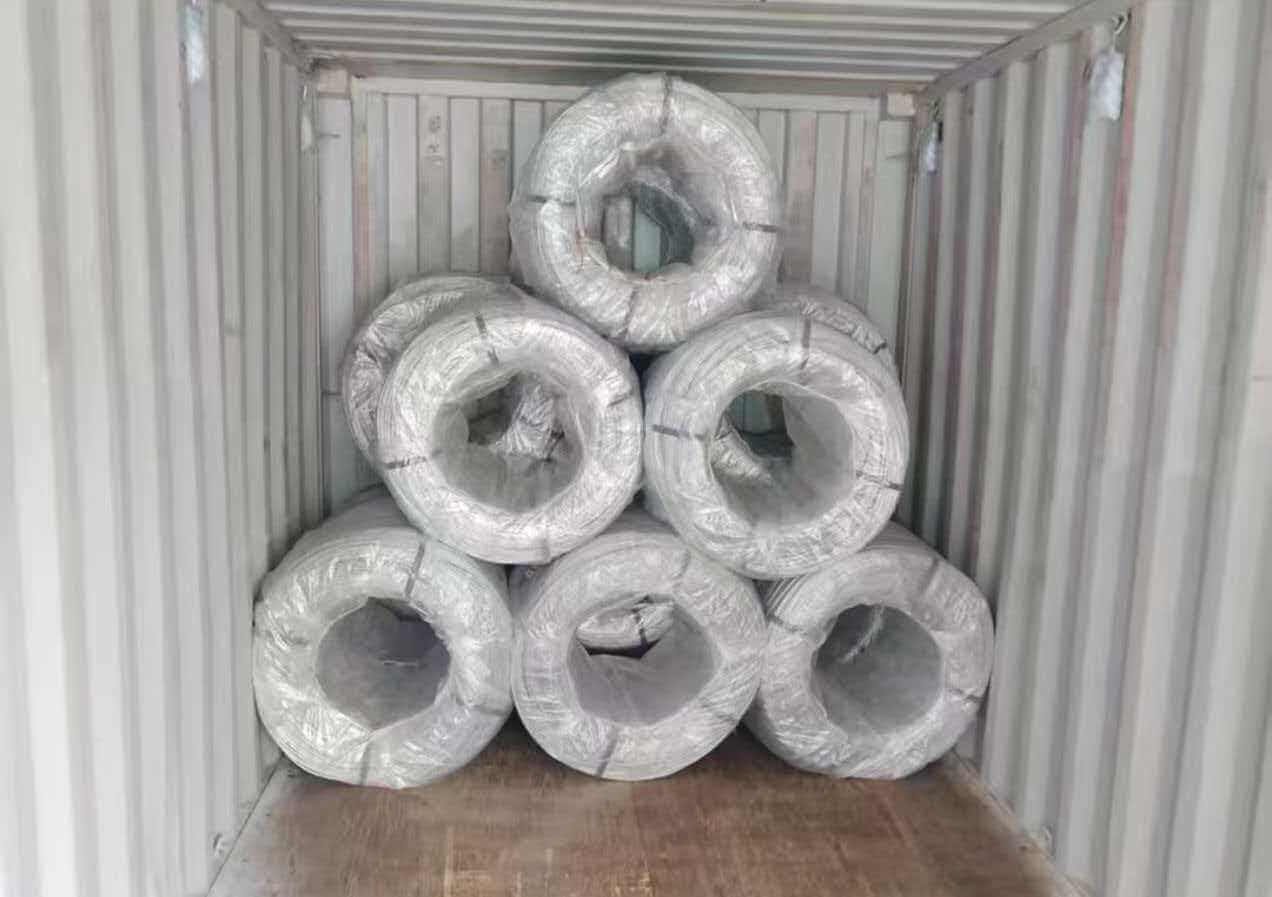
The base trucking rate is the easiest part to understand. A 20-foot container typically weighs 18-22 tons when loaded with binding wire coils. Most trucking companies charge between $1,800-$2,200 for the actual transport from Dar es Salaam to Lusaka. This rate fluctuates based on fuel prices and seasonal demand. During peak construction season from May to September, prices can jump 15-20% because trucks are in high demand.
I learned to negotiate annual contracts with two reliable trucking companies. This locks in rates and guarantees truck availability when I need it. If you are importing regularly, I recommend doing the same. One-off shipments always cost more.
Border crossing fees add another layer of cost. At the Tunduma-Nakonde border, you will pay approximately $150-200 for processing fees, vehicle inspection charges, and various small administrative costs. Your trucking company usually handles these payments and includes them in their quote, but always confirm this upfront.
Insurance is something many importers overlook. Basic cargo insurance for binding wire runs about 0.3-0.5% of your cargo value. For a $15,000 shipment, you are looking at $45-75. This covers loss or damage during transport, and I always recommend getting it. I had one customer who skipped insurance, and his truck overturned near Mpika. He lost $12,000 worth of wire because he tried to save $60.
The hidden costs are where inexperienced importers lose money. Port handling fees at Dar es Salaam run $200-300 for container destuffing and loading onto trucks. If you need temporary storage at the port, that is another $15-25 per day. Demurrage fees start after five days at most ports, and they are expensive at $30-50 per day.
Customs clearance in Dar es Salaam costs $150-250 if you hire an agent (which I strongly recommend). Trying to clear customs yourself will waste days of your time and probably cost more in mistakes.
Here is a complete cost breakdown for a typical 20-foot container shipment:
| Cost Component | Amount (USD) | When Paid | Notes |
|---|---|---|---|
| Ocean Freight (China to Dar) | $800-1,200 | Before shipment | Seasonal variation |
| Port Handling Dar es Salaam | $200-300 | On arrival | Per container |
| Customs Clearance Agent | $150-250 | Before release | Required for smooth process |
| Overland Trucking | $1,800-2,200 | 50% advance, 50% on delivery | Includes fuel surcharge |
| Border Crossing Fees | $150-200 | Included in trucking | Tunduma-Nakonde crossing |
| Cargo Insurance | $60-100 | Before shipment | 0.4% of cargo value |
| Contingency Buffer | $200-300 | As needed | For unexpected delays |
| Total Estimated Cost | $3,360-4,550 | - | For typical 20-ton shipment |
One important strategy I use is to plan shipments during off-peak seasons. If you can time your imports for January-March or October-November, you can save 10-15% on trucking costs. The roads are also less congested during these periods, which means faster transit times.
I also recommend building relationships with clearing agents at Dar es Salaam who specialize in Zambia-bound cargo. They know the documentation requirements and can expedite the process. I work with two agents who charge slightly higher fees but save me 2-3 days on every shipment. Those savings in demurrage fees more than cover their costs.
What Are the Common Clearance Problems and How Do You Avoid Them?
After three years of shipping binding wire to Zambia, I have seen almost every clearance problem you can imagine. Mwansa's HS code mismatch was expensive but not unique. Let me share the most common problems and my proven solutions.
The three most common clearance problems for binding wire shipments are document mismatches (HS code or product description inconsistencies), missing or incorrect Material Test Certificates, and delayed customs agent responses. These problems cause 80% of all shipment delays and cost importers $300-800 in additional fees per incident.
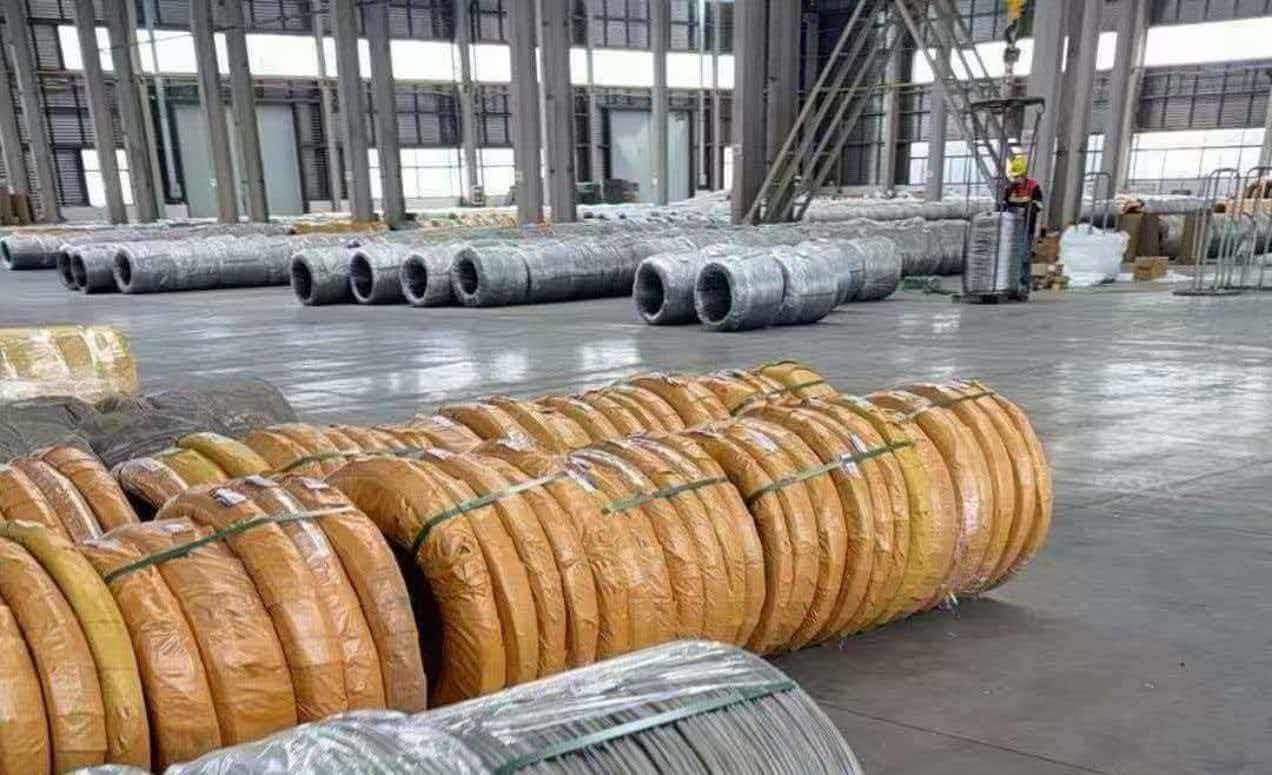
Document mismatches happen more often than you would think. I see this problem in about 15% of first-time shipments. The root cause is poor communication between the importer, the Chinese supplier, and the freight forwarder. Each party creates documents independently without cross-checking.
Here is what typically goes wrong: Your supplier prepares the commercial invoice using their internal product name ("construction binding wire"). Your freight forwarder creates the bill of lading using the generic HS code description ("iron wire"). You tell your customs agent to expect "galvanized wire for building". Now you have three different product descriptions for the same shipment.
Tanzania customs computers flag this immediately. They assume something is wrong - either the cargo does not match the documents, or someone is trying to misclassify goods to pay lower duties. Your shipment gets pulled for physical inspection, which adds 3-5 days and costs $200-400.
The solution is simple but requires discipline. I created a standard template that all parties must use. Before any shipment, I send this template to my Chinese supplier, my freight forwarder, and my customs agent. The template specifies the exact product description ("galvanized iron wire, 16 gauge, for construction binding"), the HS code (7217.10.90), and the unit of measure (kilograms). Everyone copies this exact wording into their documents. Since I started using this system two years ago, I have had zero document mismatch problems.
Missing or incorrect Material Test Certificates cause another big problem. Zambian construction companies increasingly demand MTCs to verify material quality, especially for government projects. But many Chinese suppliers treat MTCs as optional paperwork and provide generic certificates that do not match your specific shipment.
I learned this lesson from David in Kigali. He received an MTC that showed tensile strength of 380-450 Megapascals (MPa), but his actual wire tested at 320 MPa. The MTC was from a different production batch. His customer rejected the entire shipment, and David lost $8,000. Now I require my suppliers to provide batch-specific MTCs with the production date matching my shipping date, plus or minus five days.
Your MTC must include specific information: chemical composition showing carbon content 0.06-0.12%, manganese 0.30-0.60%, and silicon 0.10-0.30% for typical binding wire; tensile strength test results for your specific wire gauge; zinc coating weight (minimum 40g/m² for standard galvanized wire); and the production batch number matching your packing list.
Delayed customs agent responses are frustrating and expensive. You arrive at Dar es Salaam port, your documents are perfect, but your agent does not submit them to customs for 2-3 days. This happens when agents are overloaded or when you are a small customer who does not generate much business for them.
My solution is to work with two agents simultaneously. Agent A handles most of my shipments, but Agent B is my backup for busy periods. I pay both agents a small monthly retainer ($100-150) to guarantee priority service. This costs me $2,400-3,600 annually, but I save 10-15 days of total demurrage across all my shipments. The math works out strongly in my favor.
Here is a summary of the problems, their costs, and my proven solutions:
| Problem | Frequency | Typical Cost | Prevention Strategy | Time Saved |
|---|---|---|---|---|
| Document Mismatches | 15% of shipments | $300-500 | Standard template used by all parties | 3-5 days |
| Wrong HS Code | 8% of shipments | $200-400 | Pre-verify with customs agent | 2-3 days |
| Missing/Incorrect MTC | 12% of shipments | $150-300 | Batch-specific certificates required | 1-2 days |
| Agent Delays | 10% of shipments | $150-250 | Dual agent system with retainer | 2-3 days |
| Port Congestion | 5% of shipments | $200-400 | Off-peak season shipping | 1-2 days |
| Incomplete Packing List | 7% of shipments | $100-200 | Detailed template with photos | 1-2 days |
Another preventive measure I use is the "pre-clearance document review". Ten days before my vessel arrives, I send all documents to my customs agent for review. They check for errors and tell me what needs correction while the ship is still at sea. This advance review catches 90% of problems before they become expensive.
We provide full MTC (Mill Test Certificate) and Certificate of Origin with every shipment.
We provide a full range of construction binding wire for African projects:
- Galvanized Iron Wire: https://mfgwiremesh.com/metal-wire/galvanized-iron-wire/
- Black Annealed Iron Wire: https://mfgwiremesh.com/metal-wire/black-annealed-iron-wire/
- 201 Stainless Steel Wire: https://mfgwiremesh.com/metal-wire/201-stainless-steel-wire/
Mix container loading supported.
If you are sourcing construction binding wire for Zambia or any African market, we are happy to provide a specification-based quotation. Contact us via WhatsApp: +86 15383180672.
FAQ: Shipping Binding Wire from Dar es Salaam to Lusaka
Q1: What documents do I need to ship binding wire from Dar es Salaam to Zambia?
A1: You need five essential documents: commercial invoice (with correct HS code 7217.10.90), original bill of lading marked "in transit to Zambia", detailed packing list, Material Test Certificate (MTC) from the manufacturer showing chemical composition and tensile strength, and Certificate of Origin from China. The product description must match exactly across all documents. Mwansa's $450 demurrage fee happened because his invoice said "galvanized iron wire" but his bill of lading said "binding wire for construction" - a mismatch that caused a five-day customs hold.
Q2: How long does shipping from Dar es Salaam to Lusaka take and what does it cost?
A2: The overland transit takes 5-7 days under normal conditions, with an additional 2-5 days for port clearance. Total ocean freight from China to Dar es Salaam is 25-30 days. Costs for a 20-foot container range from $2,500-$3,200 for overland transport, plus $800-1,200 for ocean freight, $200-300 for port handling, and $150-250 for customs clearance. During rainy season (December-March), road conditions can extend transit to 10-12 days. Build in buffer time when planning your project schedule.
Q3: Why is HS code accuracy so important for binding wire shipments through Tanzania?
A3: Tanzania customs uses the Harmonized System (HS) code to verify cargo and calculate duties. For binding wire, the correct code is 7217.10.90. If your HS code or product description does not match across the commercial invoice, bill of lading, and packing list, customs will flag your shipment for physical inspection. This adds 3-5 days of delay and $300-500 in demurrage fees. The solution is a standard document template that all parties (supplier, freight forwarder, customs agent) use for every shipment.
Q4: What should I do if my binding wire shipment is delayed at Dar es Salaam port?
A4: First, contact your customs agent immediately to identify the specific problem - document mismatch, missing MTC, or inspection requirement. Request scanned copies of all documents to verify what is missing or incorrect. If the problem requires supplier action, contact them urgently to provide corrected documents via express courier or email. Having a backup customs agent relationship can help resolve agent-related delays. Pre-clearance document review (submitting documents 10 days before vessel arrival) prevents 90% of these problems before they occur.