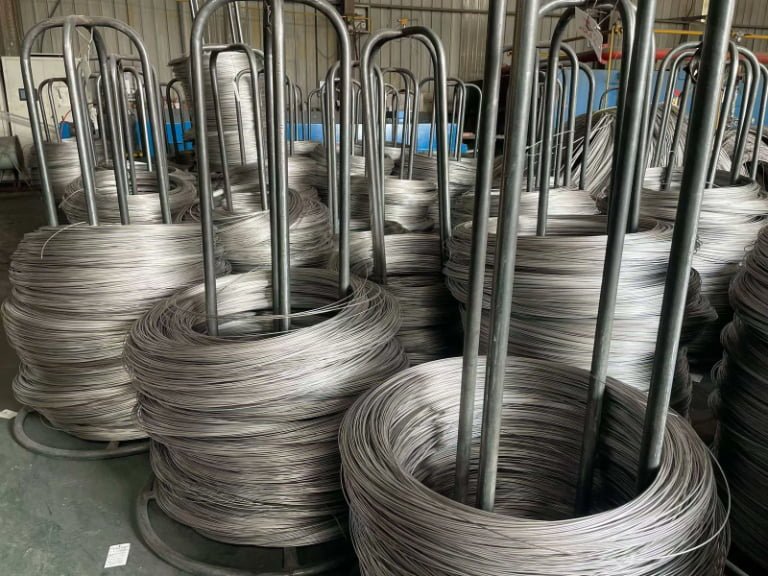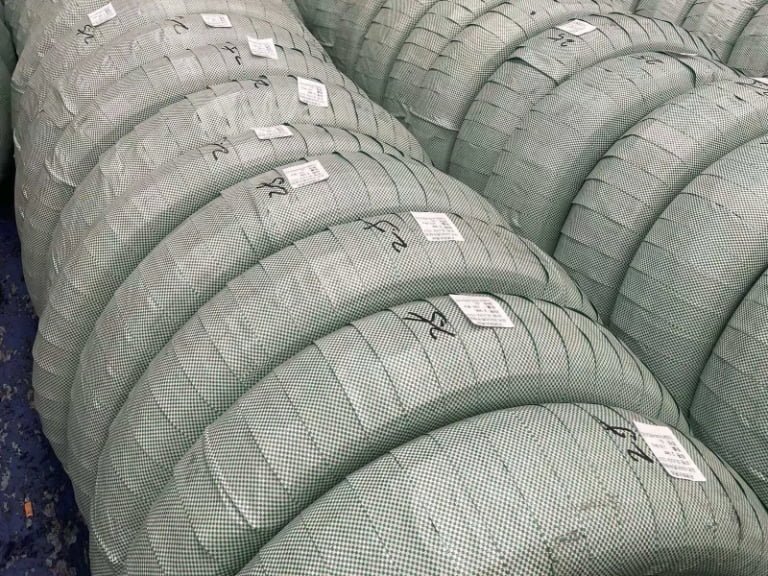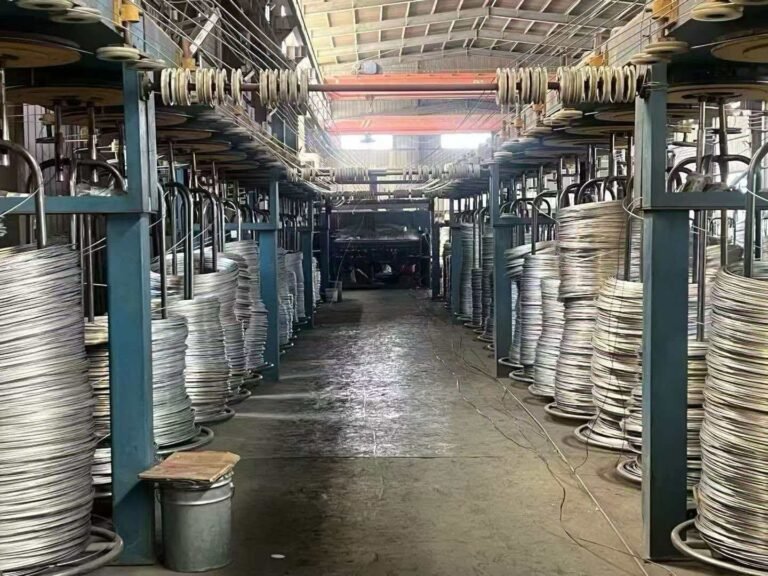



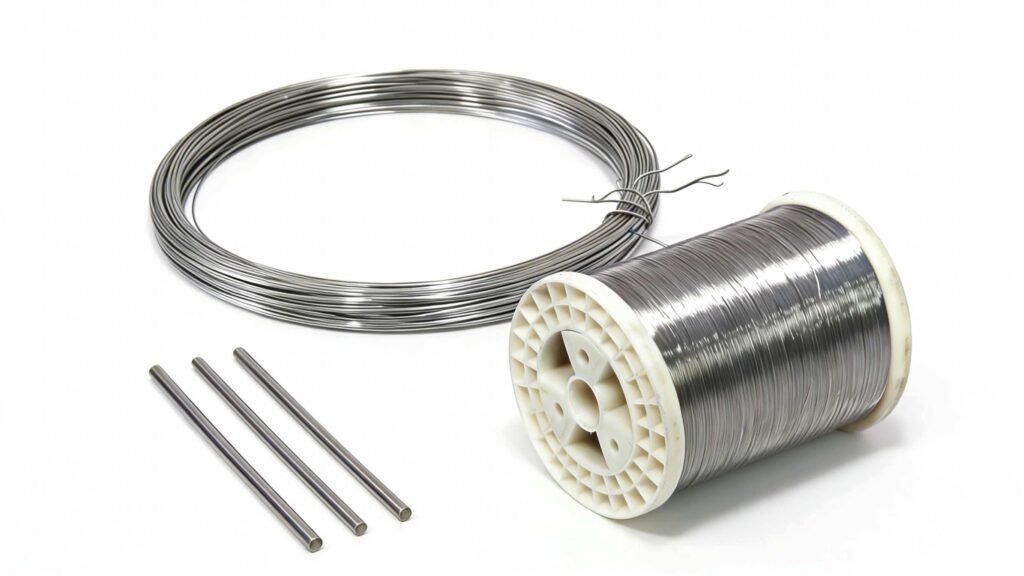
Are you tired of wires that rust and break on your farm? Constant repairs cost time and money, and they put your animals at risk. It's a frustrating cycle.
Yes, 201 stainless steel binding wire is an excellent choice for farms. Its superior corrosion resistance and high strength make it durable in harsh farm environments, reducing maintenance costs and improving the safety of structures like poultry coops and fences.
You might be thinking, "Is it really that much better than the cheap iron wire I'm using now?" It's a fair question, and one we hear often. Let me share a story from one of our clients that shows the real-world difference it can make. This story showed us just how much a simple material change can impact a farm's daily operations and bottom line. It all started with a problem we see everywhere: rust.
Why Doesn't 201 Stainless Steel Wire Rust on a Farm?
Your farm environment is tough on materials, with constant moisture and corrosive elements. Regular iron wire just can't hold up. But what makes stainless steel so different?
201 stainless steel contains chromium, which forms a passive, protective layer on the surface. This invisible shield prevents oxygen and moisture from causing rust, even when exposed to animal waste and humidity, making it ideal for long-term farm use.
We worked with a large poultry farm in Southeast Asia that faced this exact issue. The owner used standard iron wire for everything, from building coops to fixing equipment. But the humid climate and constant contact with manure meant the wire rusted and failed within months. He was skeptical when we suggested 201 stainless steel wire, so we sent him some samples to test himself. The results spoke for themselves. Even in the dampest parts of the poultry houses, our wire showed no signs of rust. This is because of its fundamental material properties, which offer a huge advantage over other common wire types.
The Science Behind the Shine
The magic of stainless steel lies in its chemical makeup. Unlike regular iron wire, which is mostly iron, 201 stainless steel is an alloy containing a significant amount of chromium. When chromium is exposed to oxygen in the air, it forms a very thin, invisible, and tough layer of chromium oxide on the wire's surface. This "passive layer" acts as a barrier, protecting the iron in the steel from the elements that cause rust. If the wire gets scratched, this layer quickly reforms on its own. This self-healing ability is something that coated wires, like galvanized wire, simply cannot do.
Comparing Wire Types in Farm Conditions
To see the practical difference, let's compare 201 stainless steel wire directly with galvanized iron wire, another common choice for farms.
| Feature | 201 Stainless Steel Wire | Galvanized Iron Wire |
|---|---|---|
| Corrosion Protection | Integral chromium oxide layer | Sacrificial zinc coating |
| Lifespan in Damp Areas | Very Long (Years) | Moderate (6-18 months) |
| Resistance to Scratches | Self-healing protective layer | Coating can be breached, exposing iron to rust |
| Long-Term Value | Excellent due to fewer replacements | Poor due to frequent repairs and replacement |
How Does 201 Stainless Steel Wire Improve Farm Safety and Reduce Costs?
A broken fence or a collapsed coop can lead to lost animals or injuries. Using weak wires that rust and fail is a constant risk. How does a stronger wire fix this?
The high tensile strength of 201 stainless steel wire ensures structures like poultry coops and fences remain secure. This prevents escapes and structural failures, directly improving animal safety. Its durability also means fewer repairs and replacements, significantly lowering long-term maintenance costs.
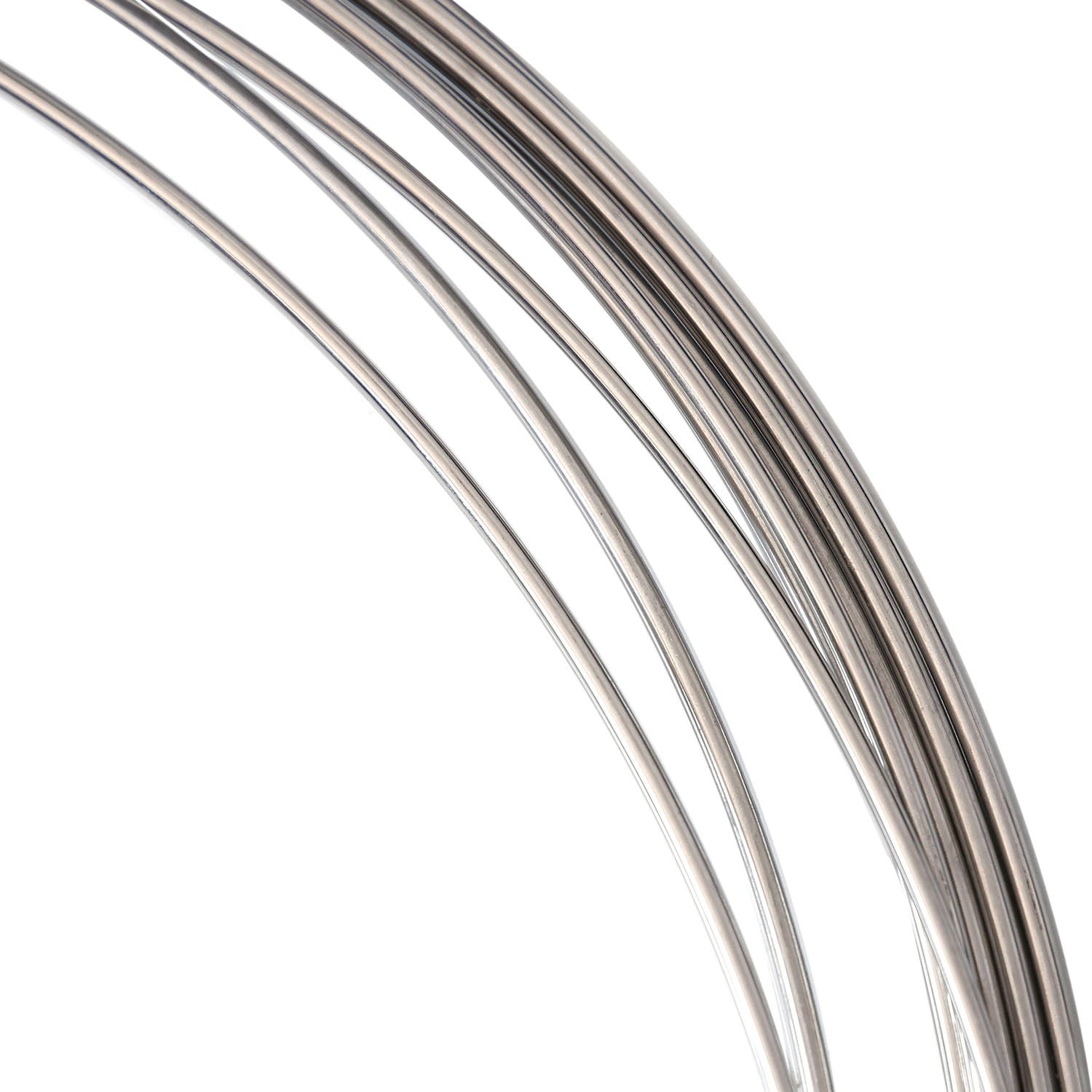
For the farm owner in Southeast Asia, safety and cost were his biggest concerns. His old iron wire coops would become weak as they rusted, and he worried about them collapsing or poultry getting out. After switching to our 201 stainless steel wire, he was amazed. The new coops were incredibly sturdy. Even with active birds inside, the wire mesh structures held firm and didn't sag or break. This peace of mind was invaluable, but the financial benefits were just as important. He stopped spending money and time on constant wire repairs, allowing his team to focus on other critical farm tasks. This experience perfectly illustrates how investing in better materials upfront saves a lot more in the long run.
From Skepticism to Success: A Client's Story
When we first proposed our 201 stainless steel wire, the farm owner was hesitant because of the higher initial price. He was used to buying cheap iron wire in bulk. The idea of spending more per roll seemed counterintuitive. But after his trial, the numbers changed his mind. He saw that the stainless steel wire, which he installed once, was outlasting the iron wire that needed replacement every year. The labor costs for constant repairs disappeared. Most importantly, the safety and security of his poultry improved, which is the foundation of his business. He became a firm believer and decided to use our product for all his farm's needs.
Calculating the Real Cost Savings
The true cost of a material isn't just its purchase price. You have to consider its entire lifecycle, including maintenance, labor, and the cost of failure.
| Cost Factor | Iron Wire (5-Year Projection) | 201 Stainless Steel Wire (5-Year Projection) |
|---|---|---|
| Initial Material Cost | Low | Higher |
| Replacement Frequency | Every 1-2 years | Minimal to none |
| Total Material Cost | High (buys it 3-5 times) | Low (buys it once) |
| Labor for Repairs | High (constant work) | Very Low |
| Risk of Failure | High (animal loss, coop damage) | Low |
| Overall 5-Year Cost | High | Low |
This simple breakdown shows that while iron wire seems cheaper at first, the total cost over time is much higher. The investment in 201 stainless steel wire pays for itself through durability and reliability.
Conclusion
Switching to 201 stainless steel wire is a smart investment for any farm. It provides superior rust resistance and strength, saving you time, money, and worry in the long run.