


Choosing the right materials for extreme climates is a major challenge. A wrong move leads to project failure. But 201 stainless steel wire might be the perfect solution you need.
Yes, 201 stainless steel wire performs reliably in the high-temperature, low-humidity conditions of the Arabian climate. Our tests show it maintains its structural integrity and strength, making it a viable and cost-effective option for industrial projects in the region.
We didn't just assume this to be true. A recent inquiry from a client in the Arabian region pushed us to find a definite answer. They were worried, and rightfully so. Their project's success depended on finding a material that could handle the intense, dry heat. This challenge led us to conduct a specific, targeted study, and the results were very clear. Let me share what we learned.
How Did We Test 201 Steel Wire's Heat Resistance?
Are you worried that a lab test won't match real-world conditions? It's a valid concern. A flawed test can lead to a failed project. That's why we meticulously designed our test.
We simulated the Arabian climate inside a specialized environmental chamber. We set extremely high temperatures and very low humidity levels. Then, we monitored 201 steel wire samples for weeks to get a realistic assessment of their performance under these harsh conditions.
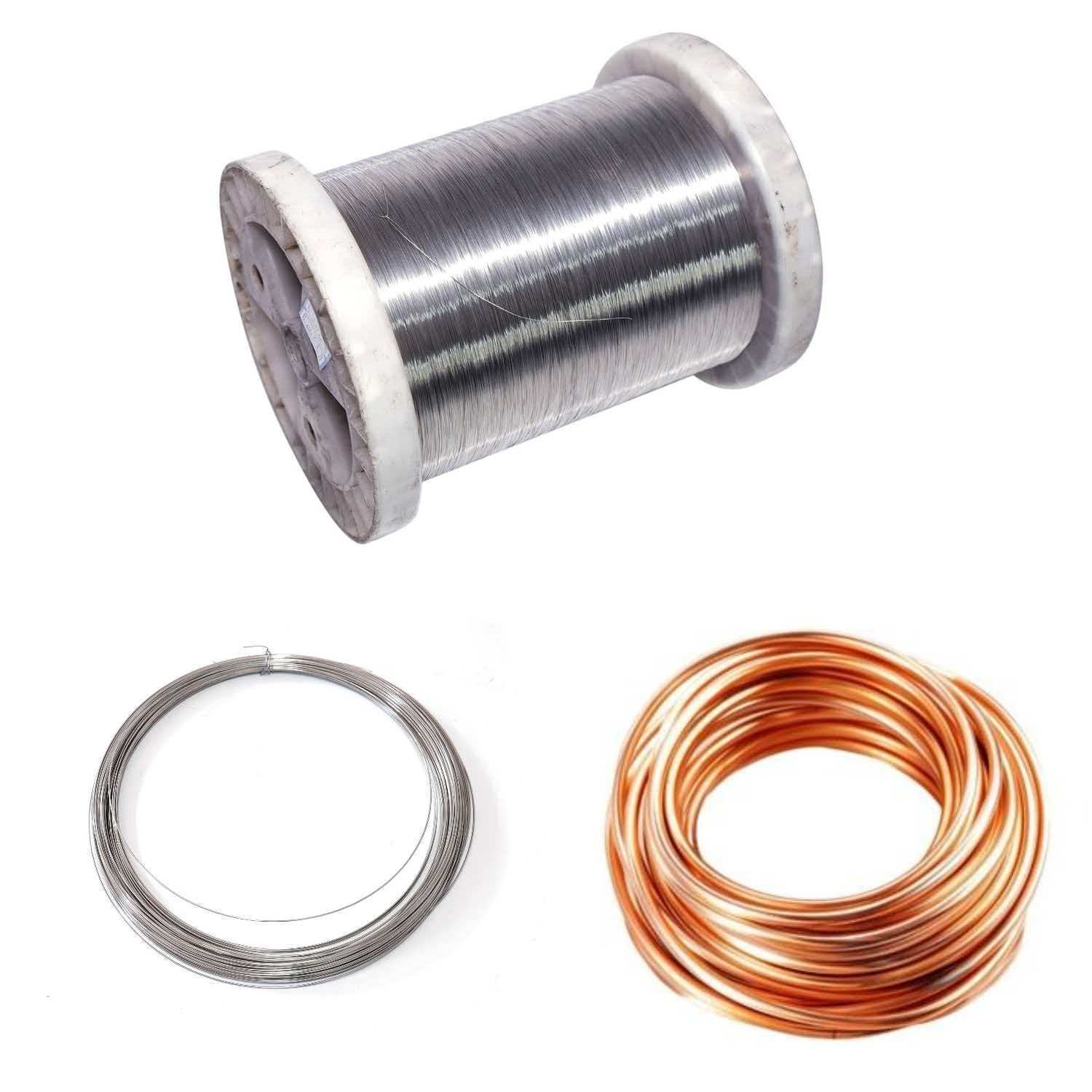
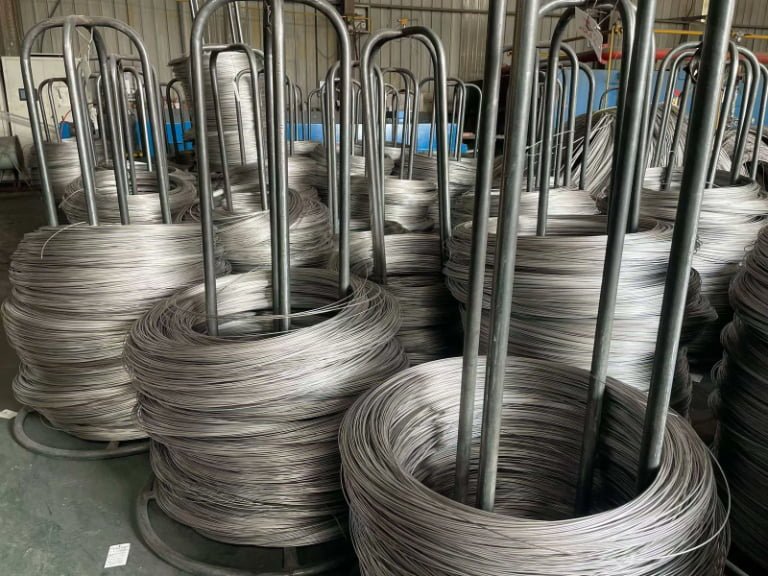
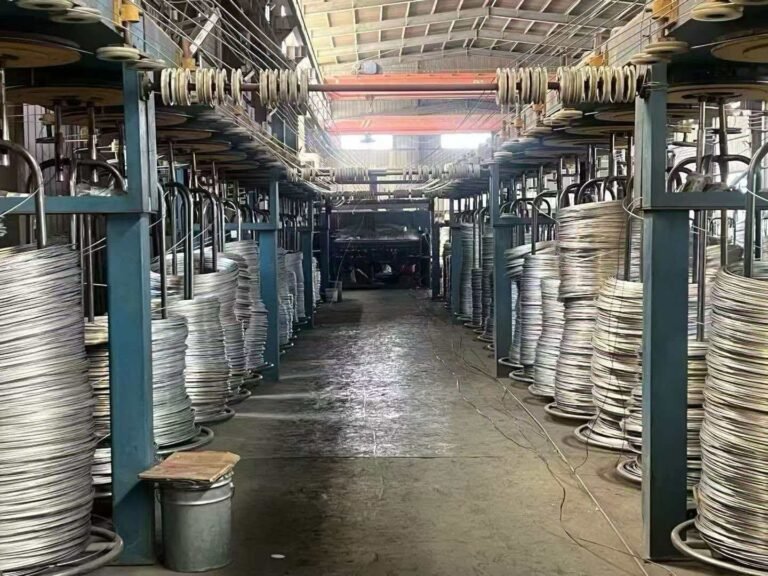
To give our client a confident answer, we needed data, not just theory. We took several samples of our 201 stainless steel wire directly from our production line. We then placed them into our environmental test chamber. This wasn't just any heater; it's a precision machine that allows us to control the exact climate inside.
Setting Up the Simulation
We programmed the chamber to mimic the peak summer conditions found inland in the Arabian Peninsula. This meant setting the temperature consistently high, often reaching above 50°C (122°F). Crucially, we also dropped the relative humidity to extremely low levels, replicating the region's arid nature. The wire samples stayed in this simulated environment 24/7 for several weeks. This extended duration was important to see if any degradation would happen over time, not just during a short-term shock.
Monitoring Key Properties
| Throughout the test, we closely monitored the wire for any changes. | Property Monitored | Pre-Test Status | Post-Test Observation | Importance |
|---|---|---|---|---|
| Visual Appearance | Bright, smooth finish | Slight, uniform discoloration | Checks for signs of severe oxidation or corrosion. | |
| Tensile Strength | Met ≥450MPa standard | No significant change | Ensures the wire can still handle physical stress. | |
| Ductility | Flexible and pliable | No signs of embrittlement | Confirms the wire hasn't become brittle and prone to snapping. |
This detailed approach ensured our results were not just observations but measurable facts we could confidently share.
What Were the Actual Results of the High-Temperature Test?
You need clear data, not just vague promises. Without concrete evidence, you are just gambling with your materials. Our test provided solid proof of 201 steel wire's performance under pressure.
The 201 steel wire samples remained structurally stable. We observed a slight surface discoloration, which is a normal cosmetic change. Most importantly, we found no signs of embrittlement, cracking, or severe oxidation. The wire's core mechanical strength was completely unaffected.
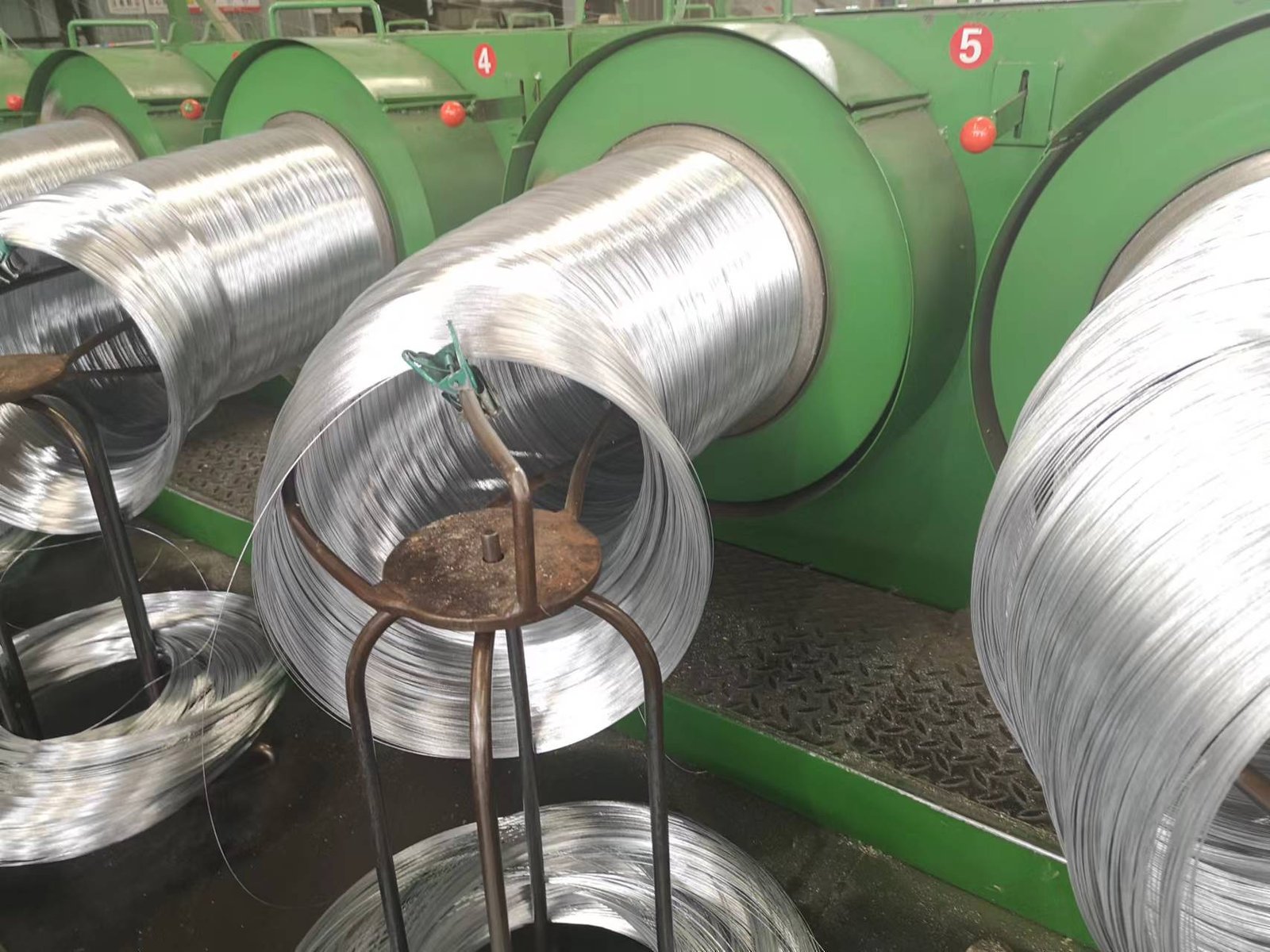
When we finally removed the samples from the chamber, the results were very encouraging. We immediately began a thorough analysis to understand exactly how the wire had performed. The findings gave us, and our client, the confidence we were looking for.
Analyzing the Visual Changes
The first thing we noticed was a slight darkening of the wire's surface. This is a common phenomenon with stainless steels at high temperatures. It’s the formation of a thin, passive oxide layer. This layer is actually not a sign of damaging corrosion. In fact, it can provide a minor additional barrier against the environment. Critically, this discoloration was only on the surface and did not penetrate the metal or flake off. There was no pitting or rust, which would have been major red flags.
Quantifying Performance Stability
Visuals are one thing, but mechanical properties are everything. We took the tested samples to our lab for tensile strength testing. The results were excellent. The wire still met our strict quality standard of over 450 MPa, showing no meaningful loss in strength. We also performed bend tests to check for brittleness. The wire remained ductile and could be bent without any micro-cracks forming. This proved that the heat had not altered the internal structure of the steel. We compiled all this data into a detailed report, complete with images and test figures, and sent it to our client. The evidence was undeniable.
Why is 201 Steel a Cost-Effective Choice for Hot Climates?
High-performance materials often come with a high price tag. This can put a huge strain on your project budget. But what if you could get the performance you need without overspending?
201 stainless steel offers an excellent balance of performance and cost. It provides sufficient resistance to heat and oxidation for many applications in dry climates. It does this at a lower price than 304 or 316 steel, making your project more economical.
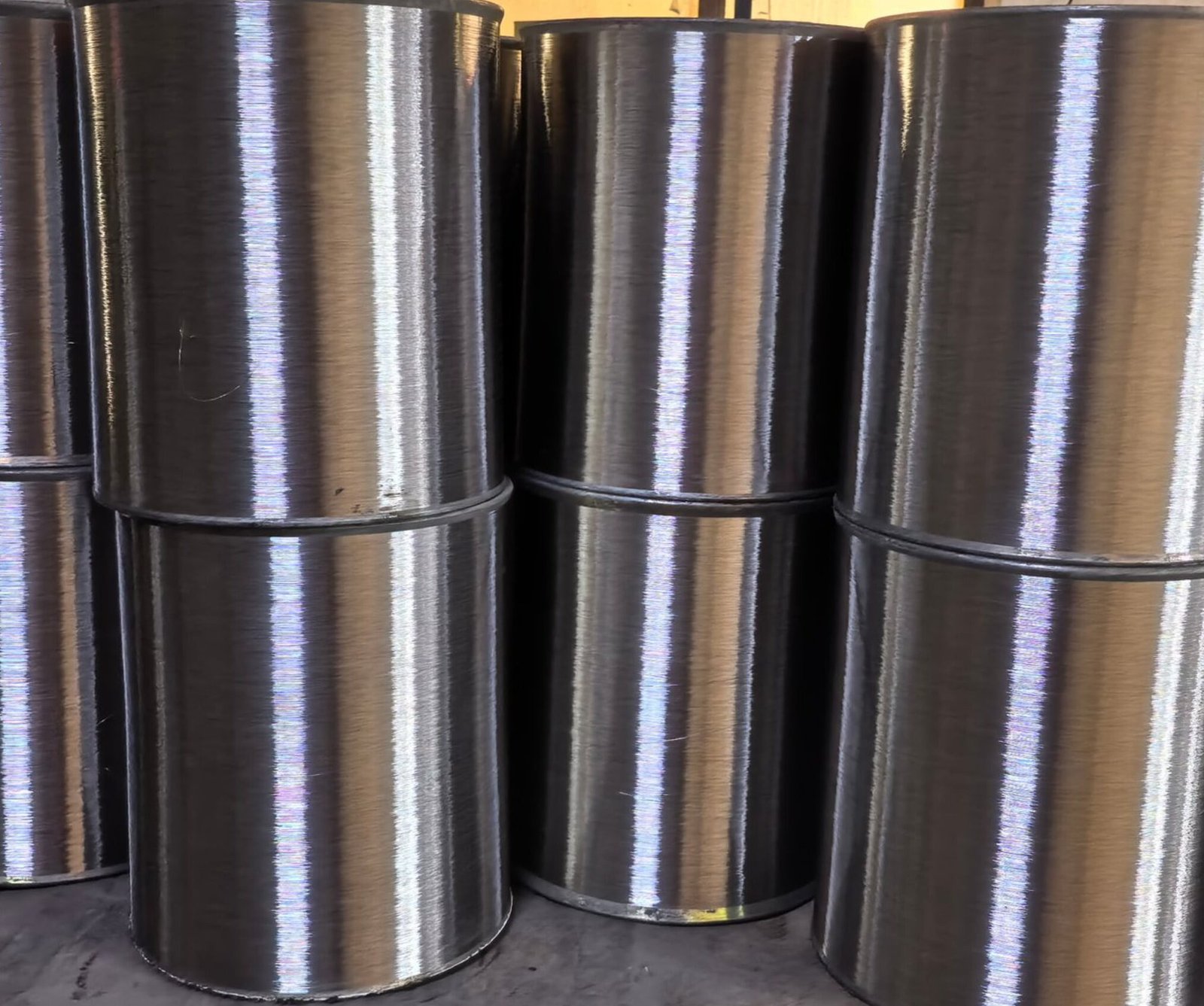
After proving the technical performance, the next logical question from our client was about cost. High-grade stainless steels like 316L are famous for their resilience, but they are also expensive. This is where 201 stainless steel truly shines, especially for a project in a dry region.
Comparing 201 SS with Other Grades
The key difference between stainless steel grades often comes down to their alloy composition, particularly the amount of nickel. Nickel is an expensive metal that greatly enhances corrosion resistance, especially against chlorides and acids.
| Grade | Key Elements | Corrosion Resistance | Relative Cost | Best Use Case in Hot Climates |
|---|---|---|---|---|
| 201 SS | Lower Nickel, High Manganese | Good | Low | Inland, dry areas with low humidity and salt exposure. |
| 304 SS | Higher Nickel | Very Good | Medium | General use, including areas with moderate humidity. |
| 316 SS | High Nickel, Molybdenum | Excellent | High | Coastal, humid, and marine areas with high salt exposure. |
For our client's project, located far from the coast, the extreme chloride resistance of 316 steel was unnecessary. The dry heat was the main concern, and our tests showed 201 steel's chromium content provided more than enough oxidation resistance for that specific challenge.
When to Choose 201 Steel
Choosing 201 steel allowed the client to reduce material costs significantly without compromising the project's integrity or lifespan. It was the smart, practical choice.
How Does Humidity Affect Stainless Steel Performance?
You know heat is a factor, but what about humidity? Ignoring moisture can lead to unexpected corrosion. Understanding the relationship between heat and humidity is essential for choosing the right material.
Humidity is a critical catalyst for corrosion. High heat with high humidity, especially near the coast, is very aggressive. But in the dry heat of the Arabian climate, the lack of moisture prevents corrosion and allows 201 stainless steel to perform very well.
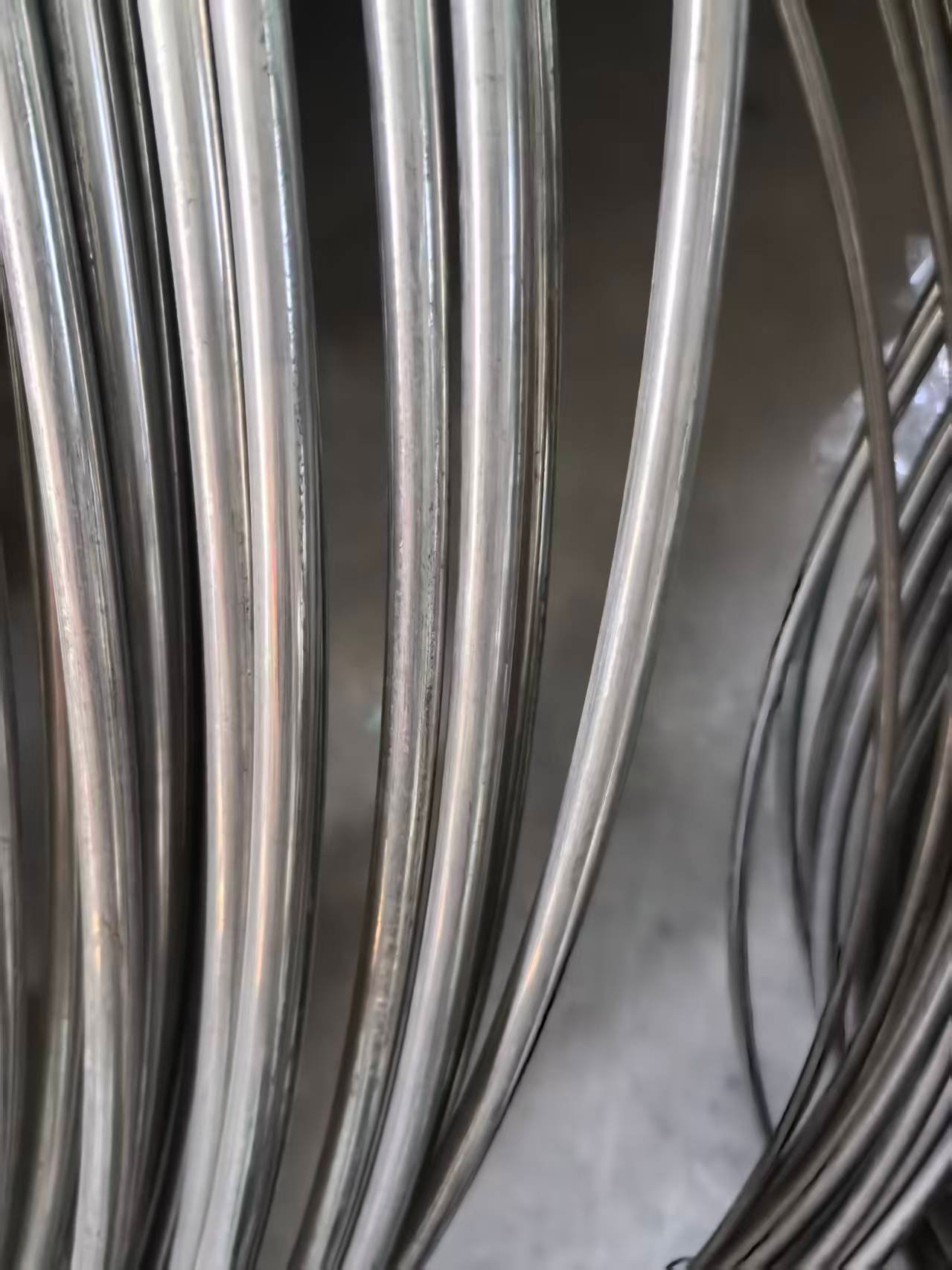
The success of 201 stainless steel in our test was tied directly to the type of climate we were simulating. Not all hot environments are the same. The presence or absence of water vapor in the air makes a massive difference in how stainless steel behaves.
The Role of the Passive Layer
All stainless steel is protected by an invisible, ultra-thin layer of chromium oxide on its surface. This "passive layer" is what stops rust. It forms instantly when chromium is exposed to oxygen. However, this layer can be broken down by certain chemicals, most notably chlorides (like salt). For corrosion to happen, you need an electrolyte, and water is a perfect one. Without water, the corrosive process slows down dramatically.
Dry Heat vs. Humid Heat
This is why distinguishing between climate types is so important.
| Climate Condition | Risk for 201 SS | Explanation |
|---|---|---|
| High Temp, Low Humidity | Low | The protective oxide layer remains stable. The lack of moisture means there is no electrolyte to facilitate corrosion, even if some contaminants are present. |
| High Temp, High Humidity | Moderate to High | Moisture in the air acts as an electrolyte. If chlorides from sea spray are also present, the passive layer can be breached, leading to pitting and rust. |
Our client's project was located inland, where the air is very dry. This confirmed that our recommendation and our test conditions were perfectly aligned with the real-world application. The 201 steel wire was not just a good choice; it was the ideal choice for that specific environment.
Conclusion
Our focused testing proved that 201 stainless steel is a reliable and economical material for hot, dry climates. This gave our client total confidence and ensured their project's success.