


Zambia's long rainy season makes choosing the right construction binding wire a practical decision that affects both structural quality and project costs. Understanding where galvanized wire's rust protection matters and where black annealed wire's flexibility saves time helps contractors balance performance and budget. Here is what one Lusaka contractor learned from a side-by-side comparison.
Banda used both types on the same project and found each performed best in its intended place. Buyers like him, who need clear product comparison for construction binding wire in Zambia, can find detailed specifications on our product page: https://mfgwiremesh.com/metal-wire/galvanized-iron-wire/
You stand on your Lusaka construction site. Rain clouds gather overhead. Your steel reinforcement lies exposed. You wonder which binding wire can survive Zambia's six-month rainy season without turning your project into a rust nightmare.
Galvanized binding wire has a zinc coating that protects against rust during Zambia's long rainy season, making it ideal for exposed structural work. Black annealed wire lacks this coating but offers superior flexibility for indoor applications where rust protection matters less. Choose based on exposure time and location—not just price.
Last year, I met contractor Banda in Lusaka. He showed me something interesting. On the same project, he used both wire types. His main structure used galvanized wire. His interior partitions and pipe fixing used black annealed wire. One year later, both performed perfectly in their respective positions.
What Makes Galvanized Binding Wire Different from Black Annealed Wire?
The zinc coating separates these two wires. This single difference creates completely different use cases. You need to understand this before spending money.
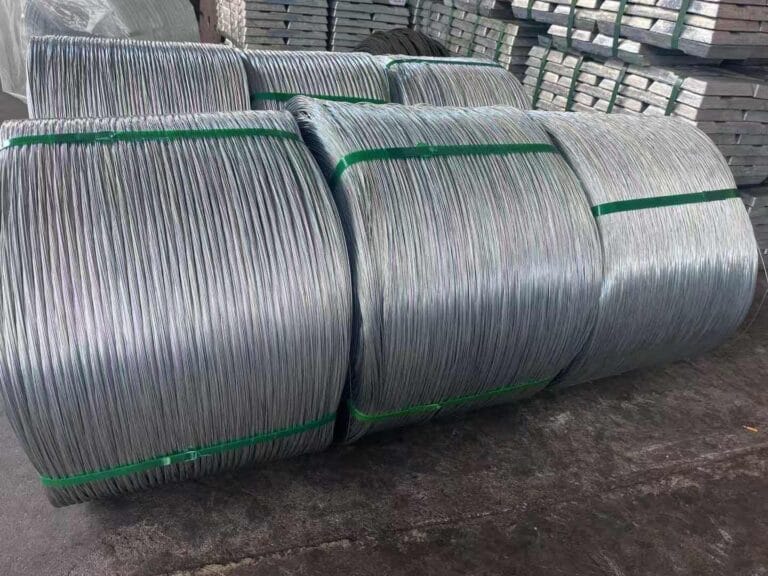
Galvanized binding wire features a protective zinc layer (typically 40g/m² or higher) that prevents rust formation. Black annealed wire undergoes heat treatment to increase flexibility but contains no protective coating. This fundamental difference determines where each wire performs best on your construction site.
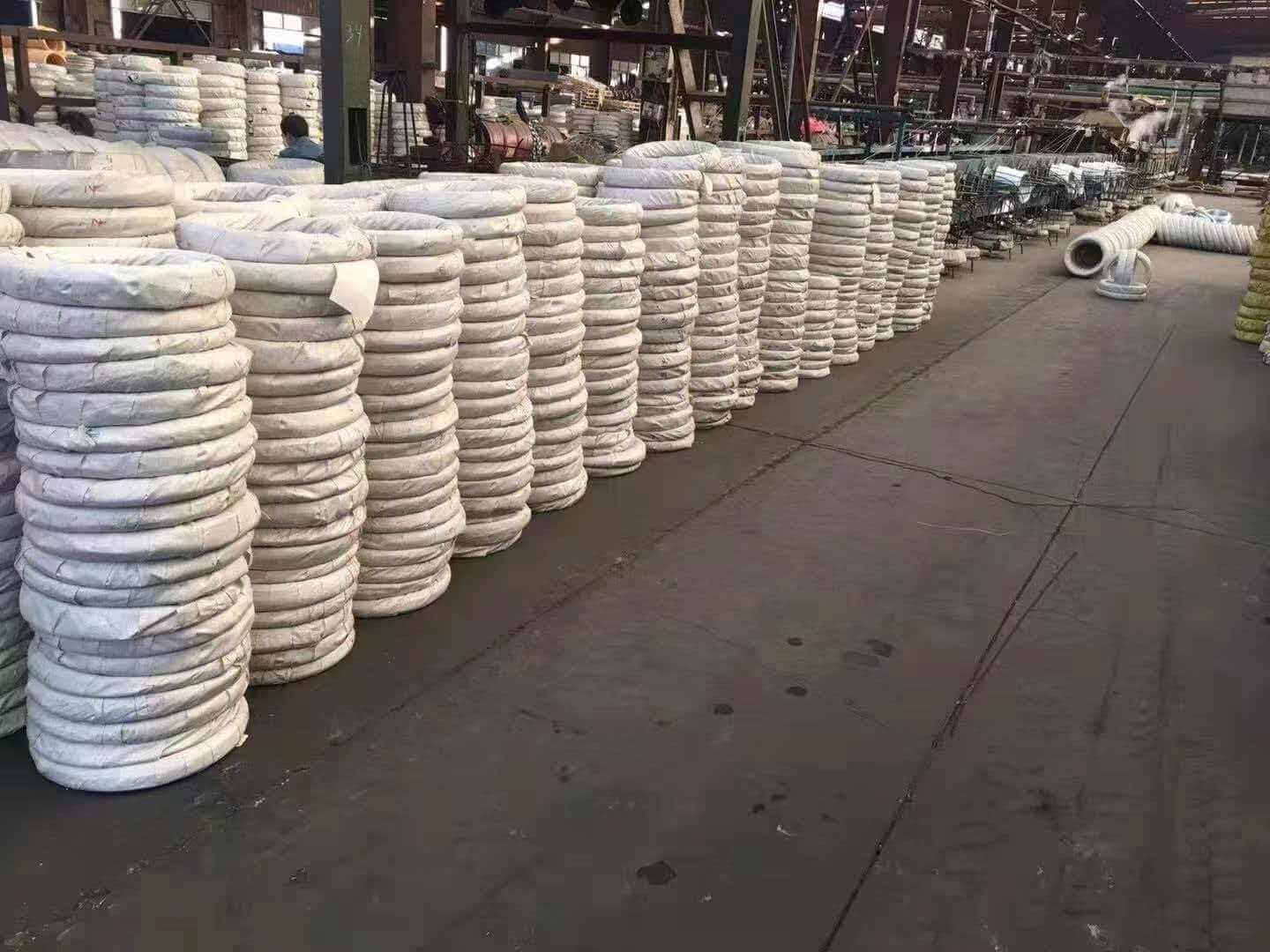
I have worked with both wire types across multiple Zambian projects. The zinc coating on galvanized wire acts as a sacrificial layer. When moisture hits the wire, zinc corrodes first. This protects the steel underneath. The coating thickness matters significantly. Banda told me he only uses galvanized wire with minimum 40g/m² zinc coating for exposed work.
Black annealed wire goes through a different process. Manufacturers heat the wire in a controlled atmosphere. This softens the steel structure. The result is a wire that bends easily without breaking. Workers on Banda's sites can twist it with simple hooks. No special tools needed. But this wire has no rust protection. The bare steel surface will oxidize when exposed to moisture.
Here is what you need to know about each wire type:
| Wire Type | Coating | Tensile Strength | Flexibility | Rust Resistance | Best Use Case |
|---|---|---|---|---|---|
| Galvanized | 40-60g/m² zinc | 350-550 MPa (Megapascals) | Moderate | High | Outdoor exposed work |
| Black Annealed | None | 300-450 MPa | High | Low | Indoor protected areas |
The price difference reflects these properties. Galvanized wire costs about 15-20% more than black annealed wire in Lusaka market. You pay for the zinc coating. But this cost becomes irrelevant when your rebar rust causes structural problems. I have seen contractors try to save money by using black annealed wire outdoors. Three months into rainy season, they had to redo entire sections. The cost of rework far exceeded any initial savings.
When Should You Use Galvanized Binding Wire on Zambian Construction Sites?
Your main structure needs galvanized wire. Period. Zambia's rainy season runs from November to April. During this time, bound rebar sits exposed for weeks before concrete pouring. I learned this the hard way.
Use galvanized binding wire whenever steel reinforcement will be exposed to weather before concrete pouring, in foundation work that contacts soil moisture, and in any structural element visible after building completion. Zambia's six-month rainy season makes galvanized wire essential for primary structural work.
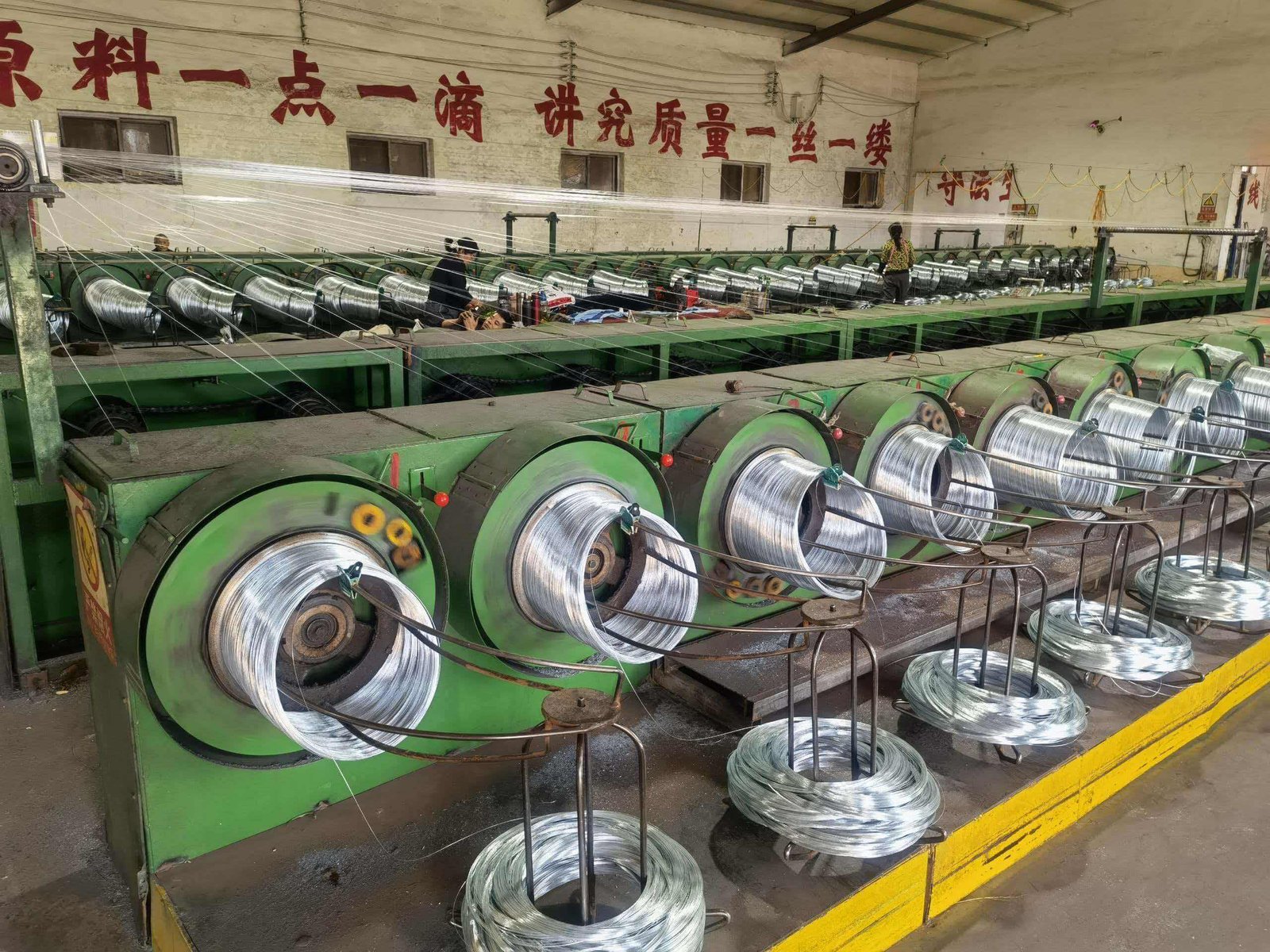
Banda taught me his selection criteria. He uses 2.0mm galvanized wire for all main structure work. His beams, columns, and slabs all get galvanized binding. The zinc coating must meet 40g/m² minimum. He tests this by checking supplier certificates and doing visual inspection. Good galvanized wire has bright, uniform coating. Poor quality wire shows dark spots where zinc coverage is thin.
Foundation work demands galvanized wire even more. I remember a project in Kitwe where the contractor used black annealed wire for foundation cages. The wire contacted damp soil. Within two weeks, rust appeared. The inspector rejected the work. They had to remove all binding wire and redo it with proper galvanized wire. The delay cost more than the entire wire budget.
External walls and exposed beams also need galvanized wire. Even after concrete pouring, some wire ends remain visible. These create rust stains if you use black annealed wire. I have seen beautiful white buildings in Lusaka with brown rust streaks running down from exposed wire points. The owners spent money on aesthetic repairs that could have been avoided with correct wire selection.
Temperature changes in Zambia create condensation. Your rebar binding points collect moisture even when it does not rain. Galvanized wire handles this daily moisture cycle. Black annealed wire starts showing surface rust within days. The rust weakens the binding and stains the concrete. Your project quality suffers from a simple material choice mistake.
Consider your project timeline too. Zambian projects often face delays. Rebar that should be covered in one week sits exposed for a month. Galvanized wire gives you this safety margin. Black annealed wire does not. I always recommend galvanized wire for any work where completion timeline is uncertain.
When Does Black Annealed Wire Work Better for Your Zambian Project?
Black annealed wire has its place. Banda proved this to me. Interior work benefits from the wire's flexibility. Your workers move faster. The material cost is lower. You just need to use it in the right locations.
Black annealed wire excels in interior partition walls, pipe and conduit fixing, temporary construction applications, and any location protected from weather and moisture. Its superior flexibility speeds up hand-tying work while lower cost improves project economics for non-critical applications.
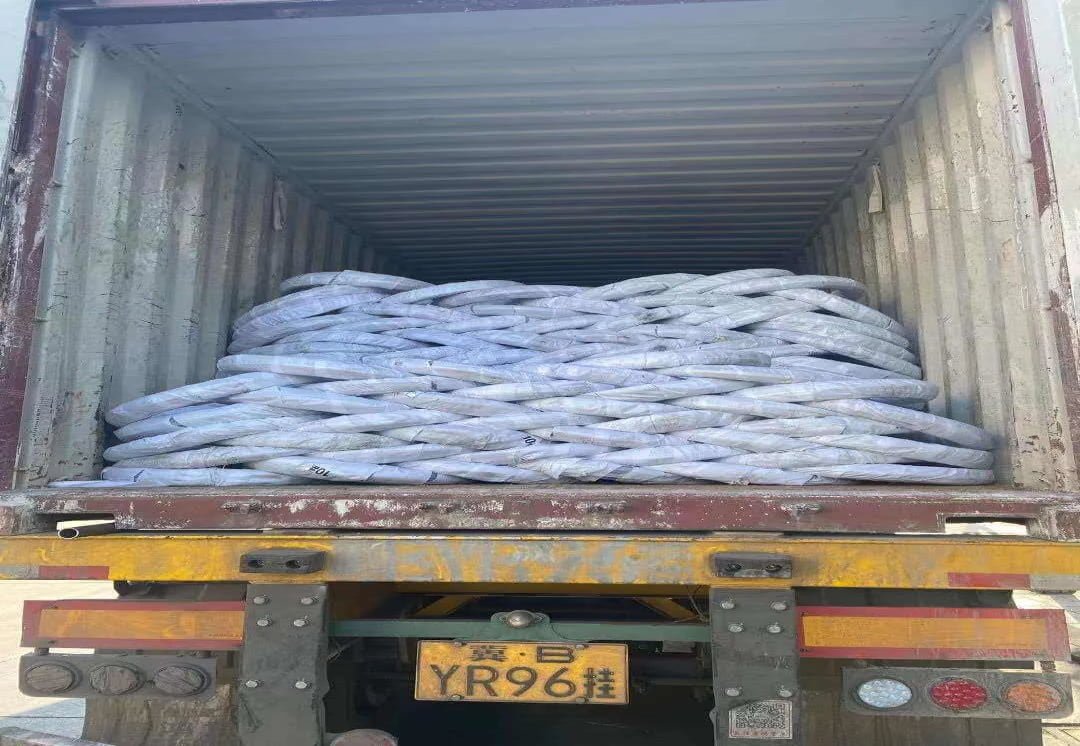
Interior partition walls are perfect for black annealed wire. These walls sit inside the building envelope. No rain touches them. Moisture levels stay low. The binding wire only needs to hold rebar in position until concrete sets. After that, the concrete provides all structural support. Banda uses BWG 16 black annealed wire for all interior partitions. His workers tie faster compared to stiffer galvanized wire. The productivity gain matters on large projects.
Pipe and conduit fixing is another good application. When you mount electrical conduits or water pipes, you need wire that wraps easily around irregular shapes. Black annealed wire bends without breaking. I have seen electricians struggle with galvanized wire when tying conduits to ceiling anchors. The wire fights back. Black annealed wire cooperates. The installation time drops by half.
Temporary construction applications benefit from black annealed wire. When you build temporary formwork supports or safety barriers, you need cheap wire that holds for a few months. Then you discard it. No point spending extra money on galvanized coating. Banda told me he saves thousands of Kwacha per project by using black annealed wire for temporary work. Those savings go toward better materials for permanent structures.
Here is a practical decision matrix I developed:
| Application | Indoor/Outdoor | Exposure Time | Recommended Wire | Typical Gauge |
|---|---|---|---|---|
| Column rebar | Outdoor | 2-4 weeks | Galvanized | 2.0mm |
| Interior wall | Indoor | Protected | Black Annealed | BWG 16 |
| Foundation cage | Underground | Permanent | Galvanized | 2.0mm |
| Pipe fixing | Indoor | Protected | Black Annealed | BWG 18 |
| Beam rebar | Outdoor | 1-3 weeks | Galvanized | 2.0mm |
| Temporary support | Variable | Short-term | Black Annealed | BWG 16 |
Material selection should match actual site conditions. I visited a warehouse project in Ndola where the contractor used black annealed wire throughout. The building had a roof installed early in construction. All interior work happened in dry conditions. The wire performed well because the environment suited its properties. No rust issues appeared even after six months.
Worker preference matters too. Train your crew to understand wire properties. Some workers resist using different wire types for different applications. They want one solution for everything. But educated workers understand why material selection matters. Banda runs training sessions for new workers. He shows them rust samples and explains coating protection. His crews now select wire type automatically based on work location.
How Do Zambia's Climate Conditions Affect Your Wire Choice?
Zambia's climate creates specific challenges. The six-month rainy season is just the beginning. You also face high humidity, temperature swings, and soil conditions that accelerate corrosion. Your wire selection must account for all these factors.
Zambia's climate combines extended rainy seasons, high humidity levels, significant temperature variations, and corrosive soil conditions. These factors make rust protection critical for any exposed metalwork. Wire selection must prioritize long-term durability over short-term cost savings in weather-exposed applications.
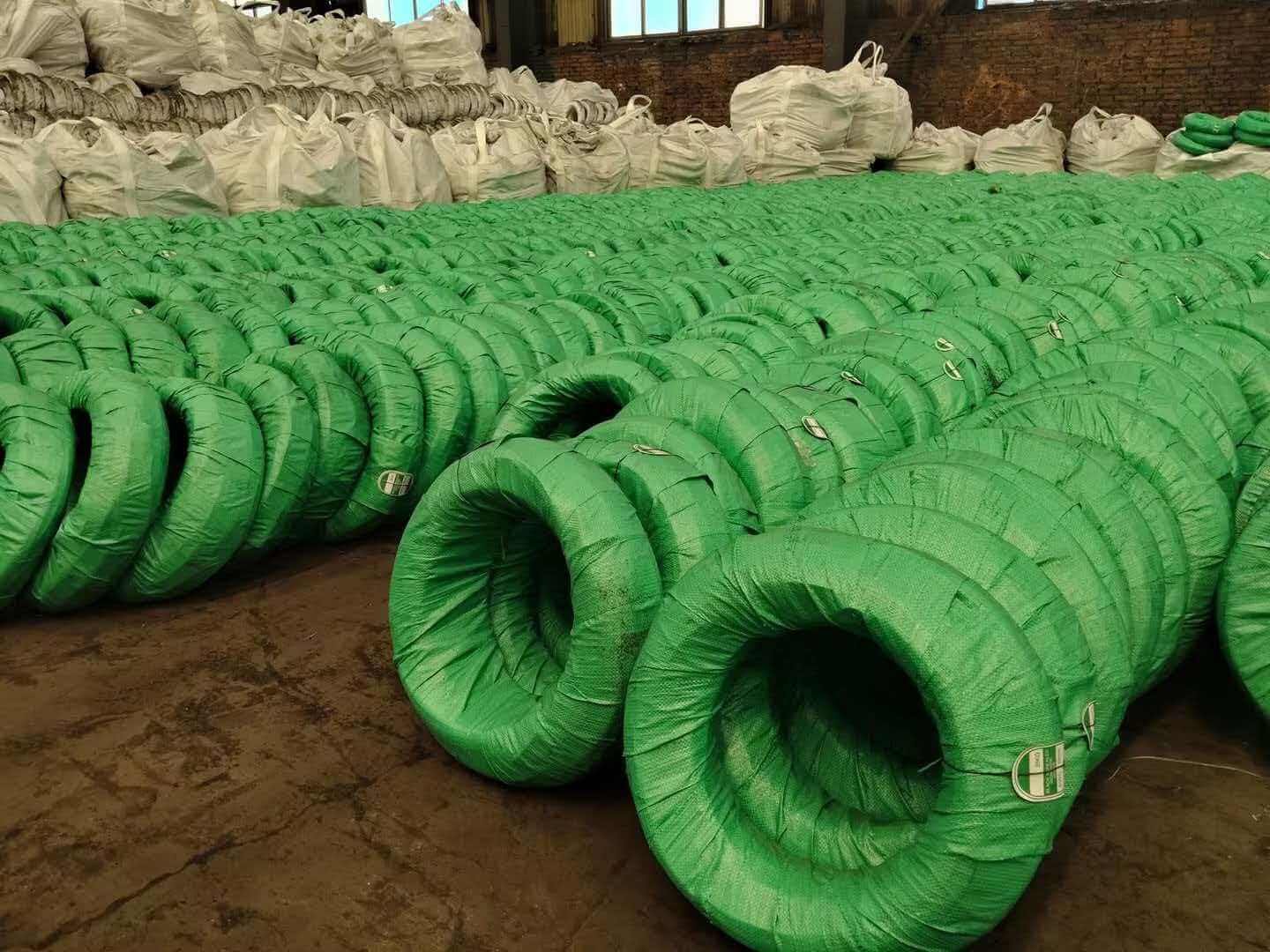
The rainy season runs from November to April in most of Zambia. During these months, your construction site receives regular rainfall. Rebar binding stays wet for extended periods. Even short delays in concrete pouring become problematic. I worked on a Lusaka project where three-day rain stopped concrete trucks. The exposed rebar with black annealed binding developed surface rust. We had to wire-brush every joint before inspectors approved concrete pouring.
Humidity stays high even in dry season. Lusaka averages 60-70% humidity. Coastal areas like those near Lake Tanganyika see even higher levels. This constant moisture in the air creates condensation on steel surfaces. Your binding wire faces corrosion pressure every single day. Galvanized coating provides continuous protection. Black annealed wire cannot handle this sustained exposure.
Temperature swings stress your materials. Zambian days are hot. Nights cool down significantly. This daily cycle causes metal to expand and contract. Moisture condenses during cooling periods. The condensation sits on your binding wire. Without zinc protection, rust forms quickly. I measure this effect on my projects. Temperature difference between day and night often exceeds 15 degrees Celsius. That is enough to cause significant condensation.
Soil conditions vary across Zambia. Some areas have acidic soils. Others have high mineral content. Both conditions accelerate steel corrosion. Your foundation work faces the harshest environment. Banda showed me foundation cages he dug up from a five-year-old building. The galvanized wire still looked reasonable. The zinc had corroded away in spots, but the steel underneath remained intact. Black annealed wire in similar conditions would have completely rusted through.
Regional differences matter within Zambia. Copperbelt areas have different corrosion patterns than Lusaka. Areas near water bodies face higher humidity. High-altitude locations like Mbala have cooler temperatures. But all these regions share one thing. Moisture is your enemy. Protect your binding wire or accept rust problems.
Here is what I tell contractors about climate-appropriate wire selection:
| Climate Factor | Impact on Wire | Mitigation Strategy | Wire Recommendation |
|---|---|---|---|
| Rainy Season | Direct water exposure | Use galvanized wire | 2.0mm with 40g/m² zinc |
| High Humidity | Condensation corrosion | Apply coating protection | Galvanized for all outdoor |
| Temperature Swings | Stress cycling | Choose ductile wire | Quality annealed or galvanized |
| Acidic Soil | Accelerated rust | Use thicker zinc coating | 60g/m² zinc minimum |
| Project Delays | Extended exposure | Plan for worst case | Always use galvanized outdoors |
Project planning must account for weather delays. Your construction schedule assumes ideal conditions. Reality delivers rain delays, material shortages, and equipment breakdowns. Rebar that should be covered in one week sits exposed for three weeks. If you selected black annealed wire to save money, you now face rust problems. The cost of remediation exceeds any initial savings.
What Quality Standards Should Your Binding Wire Meet?
Quality varies dramatically in Zambian markets. I have seen binding wire that breaks when you bend it. I have seen galvanized wire where zinc coating flakes off with your fingers. You need clear quality standards before purchasing. Otherwise, you get whatever the supplier wants to offload.
Binding wire for Zambian construction should meet minimum tensile strength of 350 MPa (Megapascals), galvanized coating of 40g/m² or higher, diameter tolerance within ±0.04mm, and uniform coating distribution. Request MTC (Material Test Certificate) and verify coating thickness through visual inspection before accepting delivery.
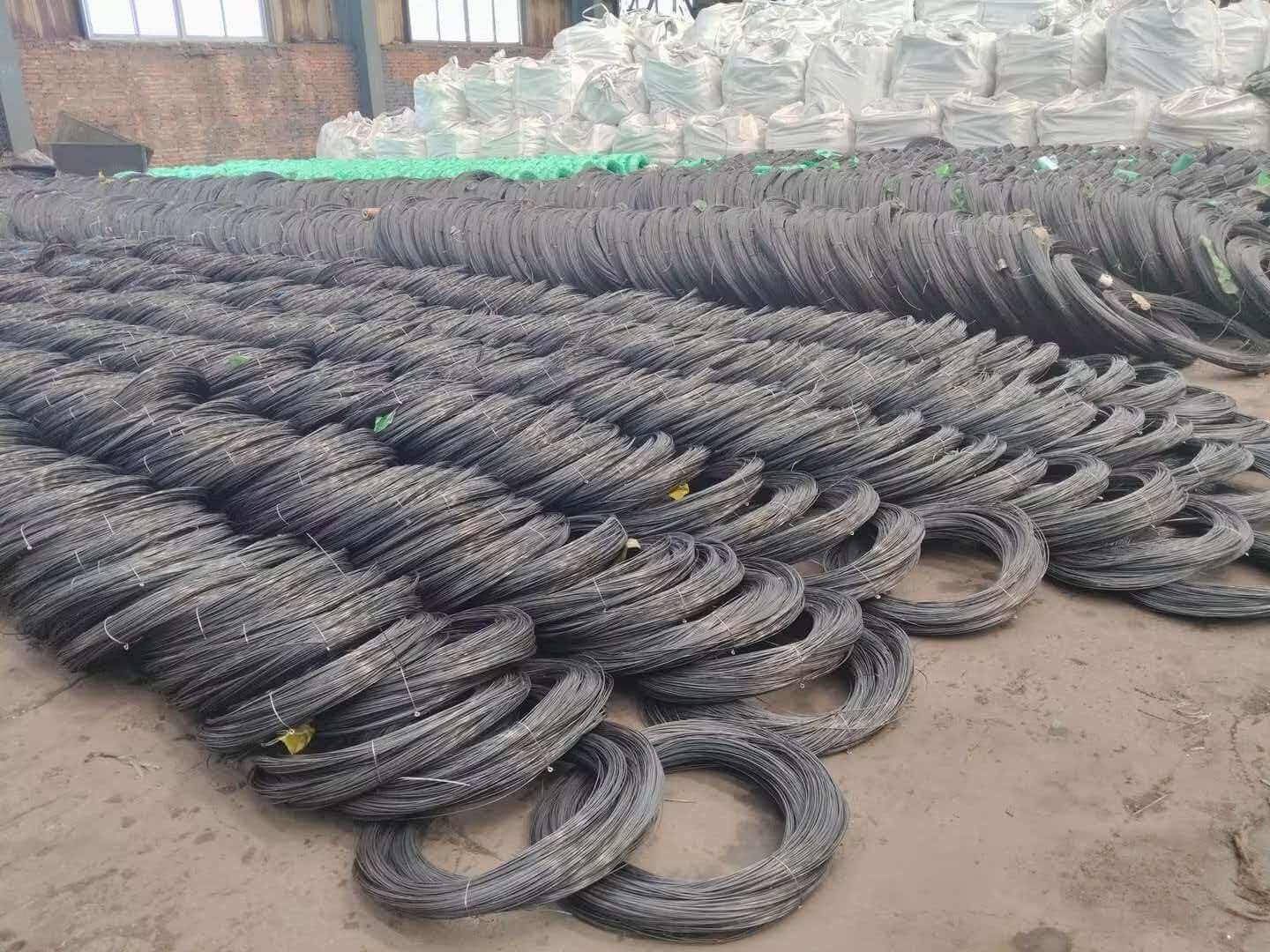
Tensile strength determines if wire breaks during tying. Good binding wire should withstand normal hand-tying forces without snapping. I test this by making ten sample ties with each wire batch. If more than one tie breaks during normal tying force, I reject the batch. Proper black annealed wire should have 300-450 MPa tensile strength. Galvanized wire needs 350-550 MPa because the coating adds some brittleness.
Zinc coating thickness matters more than anything else for galvanized wire. The standard specification calls for minimum 40g/m². Premium wire offers 60g/m² or higher. You verify this through supplier certificates. But I also do visual checks. Good coating looks bright and uniform. Poor coating shows dark patches, flaking, or uneven texture. Banda taught me to scratch the wire surface gently with a knife. Quality coating resists this light scratching. Poor coating flakes off immediately.
Diameter consistency affects your material planning. If you order 2.0mm wire but receive wire that varies from 1.8mm to 2.2mm, your quantities go wrong. Some ties end up too weak. Others waste material. Tolerance should stay within ±0.04mm. I measure random samples with a micrometer. Most suppliers cannot maintain this tolerance. You need to source from established manufacturers.
Coating uniformity separates good galvanized wire from cheap alternatives. The zinc layer should cover the entire wire surface evenly. Poor quality wire has bare spots where zinc did not deposit properly. These spots rust first. Then rust spreads along the wire. I inspect wire by looking for color consistency. Uniform bright silver indicates good coating. Mixed colors or dark spots indicate problems.
Material test certificates should come with every shipment. These certificates state chemical composition, tensile strength, elongation, and coating weight. I keep these certificates on file. When inspectors question wire quality, I produce the certificates. This documentation protects you from disputes. Banda requires certificates for every purchase over 500kg. Smaller purchases get spot-checked against previous certificate data.
Here are the quality specifications I use:
| Property | Black Annealed Wire | Galvanized Wire | Test Method |
|---|---|---|---|
| Tensile Strength | 300-450 MPa | 350-550 MPa | ASTM A641 |
| Elongation | ≥15% | ≥10% | ASTM A641 |
| Zinc Coating | N/A | 40-60g/m² | ASTM A90 |
| Diameter Tolerance | ±0.04mm | ±0.04mm | Micrometer |
| Surface Quality | Smooth, no cracks | Uniform coating | Visual |
Supplier selection matters enormously. Zambian markets have many traders who import whatever is cheapest. You cannot trust these sources for consistent quality. I work with suppliers who import from established Chinese manufacturers. These suppliers maintain quality control. They test incoming shipments. They replace defective batches without argument.
Price should not drive your decision alone. Cheap wire costs less upfront. Then you discover quality problems on site. Workers complain about wire breaking. Rust appears quickly. Inspectors reject work. The total cost exceeds what you would have paid for proper quality wire. Banda showed me his cost analysis. He compared cheap wire at $800 per ton against quality wire at $950 per ton. After accounting for waste, rework, and delays, the cheap wire actually cost more.
How Much Wire Do You Actually Need for Your Zambian Project?
Wire quantity estimation confuses many contractors. You know you need binding wire. But how much exactly? Order too little and work stops while you source more. Order too much and money sits idle in inventory. I developed a practical calculation method from years of Zambian projects.
Calculate binding wire quantity by estimating 8-12 ties per square meter of rebar mesh, with each tie consuming 25-30cm of wire. Add 15% waste factor for typical hand-tying work. A 1000m² slab typically requires 80-100kg of 2.0mm binding wire depending on reinforcement density.
Start with your rebar layout drawings. Count intersection points where wires cross. Each intersection needs one tie. For standard slab work, intersections occur every 200mm in both directions. That gives you 25 points per square meter. Each tie uses about 0.3 meters of wire after twisting. So you need roughly 7.5 meters of wire per square meter.
Weight calculations depend on wire diameter. A meter of 2.0mm galvanized wire weighs about 24 grams. Multiply that by your total meter requirement. Add 15% for waste from dropped pieces, twisted ends, and human error. Banda taught me this formula. He learned it from his first project where he ran out of wire during a concrete pour. The concrete truck waited while workers scrambled to find more wire.
Here is a quick reference for common project sizes:
| Project Type | Floor Area | Rebar Density | Wire per m² | Total Wire Needed |
|---|---|---|---|---|
| Residential slab | 100m² | Standard | 8 ties | 25-30kg |
| Commercial slab | 500m² | Heavy | 12 ties | 80-100kg |
| Column work | Per 100 columns | N/A | N/A | 2-3kg per column |
| Beam work | Per 100m length | N/A | N/A | 5-8kg per 100m |
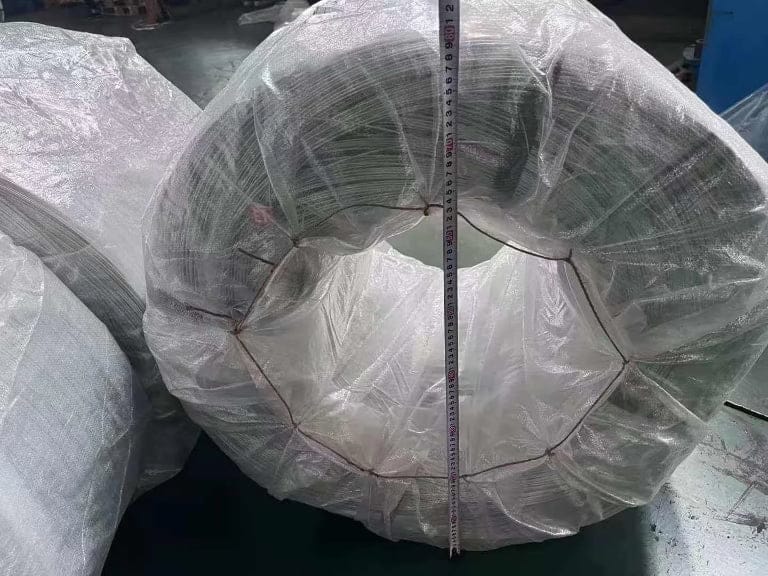
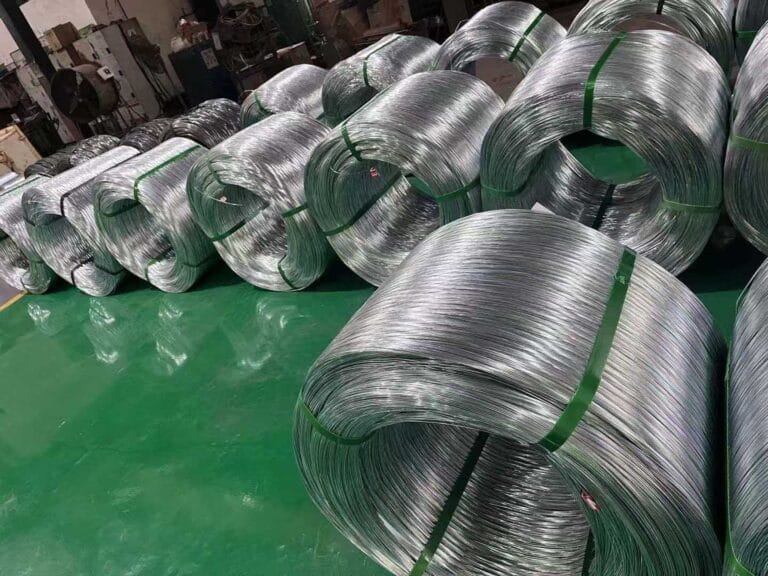
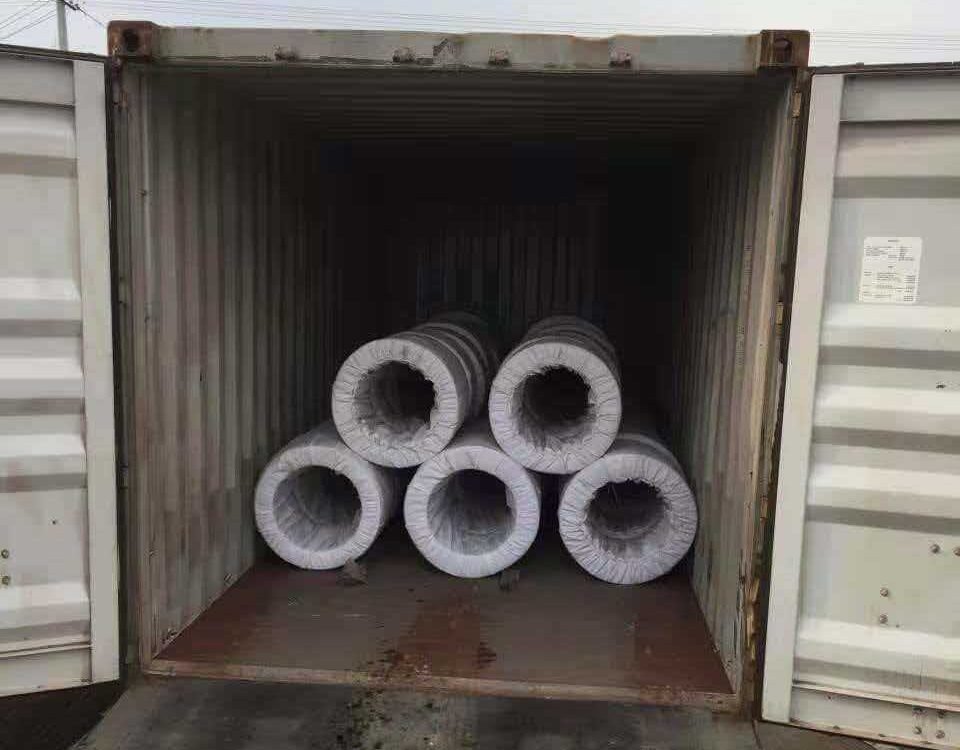
Order wire in standard coil sizes. Galvanized wire typically comes in 25kg or 50kg coils. Black annealed wire comes in similar packaging. Banda orders full 25kg coils even for smaller projects. He prefers having extra wire over running short. The extra wire stays in covered storage for the next project.
We provide full MTC (Mill Test Certificate) and Certificate of Origin with every shipment.
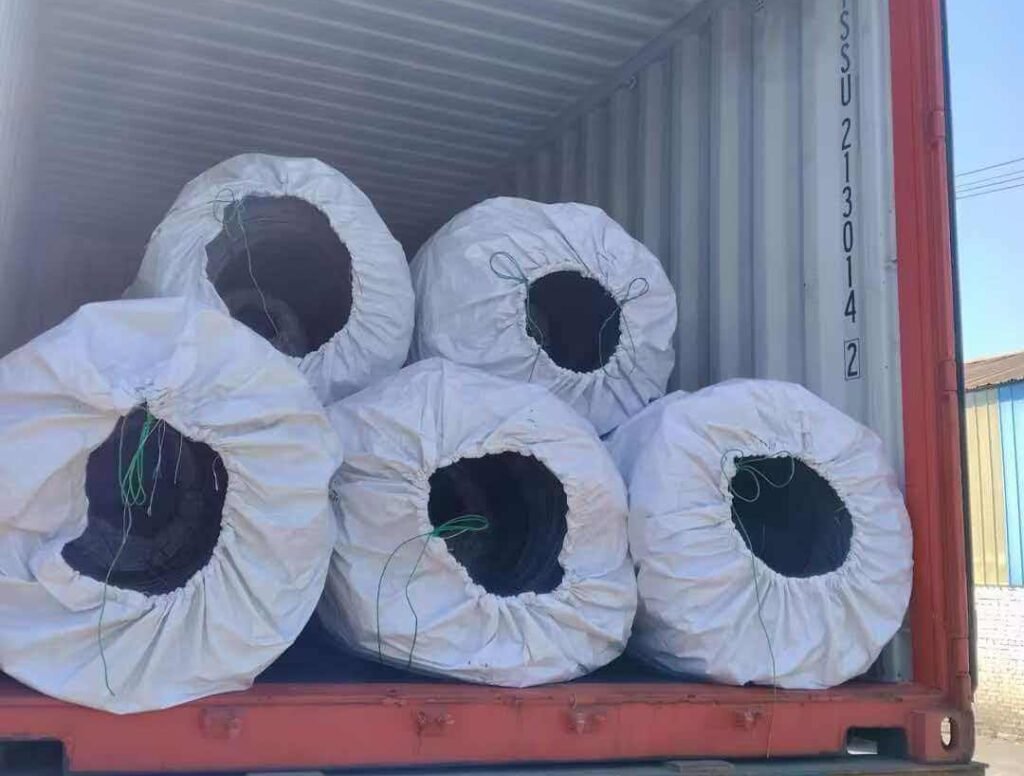
We provide a full range of construction binding wire for African projects. Galvanized Iron Wire: https://mfgwiremesh.com/metal-wire/galvanized-iron-wire/ Black Annealed Iron Wire: https://mfgwiremesh.com/metal-wire/black-annealed-iron-wire/ 201 Stainless Steel Wire: https://mfgwiremesh.com/metal-wire/201-stainless-steel-wire/ Mix container loading supported.
If you are sourcing construction binding wire for Zambia or any African market, we are happy to provide a specification-based quotation. Contact us via WhatsApp: +86 15383180672.
FAQ:
Q1: Choosing between galvanized and black annealed wire for Zambia's rainy season.
A1: Galvanized binding wire with minimum 40g/m² zinc coating is the right choice for structural rebar tying and any application exposed to weather before concrete pouring. Zambia's rainy season lasts from November to April, and rebar may remain exposed for weeks. Black annealed wire has no rust protection and should be used only for indoor applications like partition walls and pipe fixing where moisture exposure is minimal.
Q2: Where black annealed wire works best on Zambian construction sites.
A2: Black annealed wire is ideal for interior partition walls, electrical conduit and pipe fixing, temporary formwork supports, and any application inside the building envelope where rust protection is not needed. Its superior flexibility speeds up hand-tying by 20-25% compared to stiffer galvanized wire. Banda uses BWG 16 for general interior binding and BWG 18 for lighter pipe work.
Q3: Quality standards to check when receiving binding wire delivery.
A3: Verify zinc coating thickness is at least 40g/m² for galvanized wire by checking the MTC (Material Test Certificate). Measure wire diameter with a micrometer to confirm tolerance within ±0.04mm. Inspect coating uniformity visually—good wire shows bright, even color without dark spots or flaking. Reject any batch where coating fails adhesion test by flaking when scratched gently.
Q4: Calculating binding wire quantities for Zambian projects.
A4: Estimate 8-12 ties per square meter of rebar mesh, each tie using 25-30cm of wire. Add 15% waste factor for hand-tying work. For a 1000m² slab, budget 80-100kg of 2.0mm galvanized wire. Wire comes in standard 25kg or 50kg coils. Banda recommends ordering slightly more than calculated to avoid running short during concrete pours, as leftover wire stores easily for future projects.