


Malawi's construction market depends on reliable binding wire, but quality issues can ruin a shipment before it even reaches the job site. One Lilongwe wholesaler learned to catch these problems early with a simple inspection routine that takes just twenty minutes. Here is what he checks on every delivery.
Chimwemwe lost money on an undersized batch before he developed his current quality control system. Buyers like him, who need consistent construction binding wire for Malawi's growing infrastructure projects, can find detailed specifications on our product page: https://mfgwiremesh.com/metal-wire/galvanized-iron-wire/
Last year, my friend Chimwemwe from Lilongwe received what looked like a perfect shipment of galvanized binding wire. His workers started using it and complaints flooded in. The wire kept breaking during construction work. He measured the diameter and found the truth—every single coil was undersized by 0.15mm. He had to sell the entire batch at a discount.
After receiving binding wire shipments, you must check three critical points within twenty minutes: diameter tolerance using a caliper, zinc coating quality for surface uniformity, and packaging integrity to prevent rust damage. These simple inspections can save you from expensive mistakes and customer complaints.
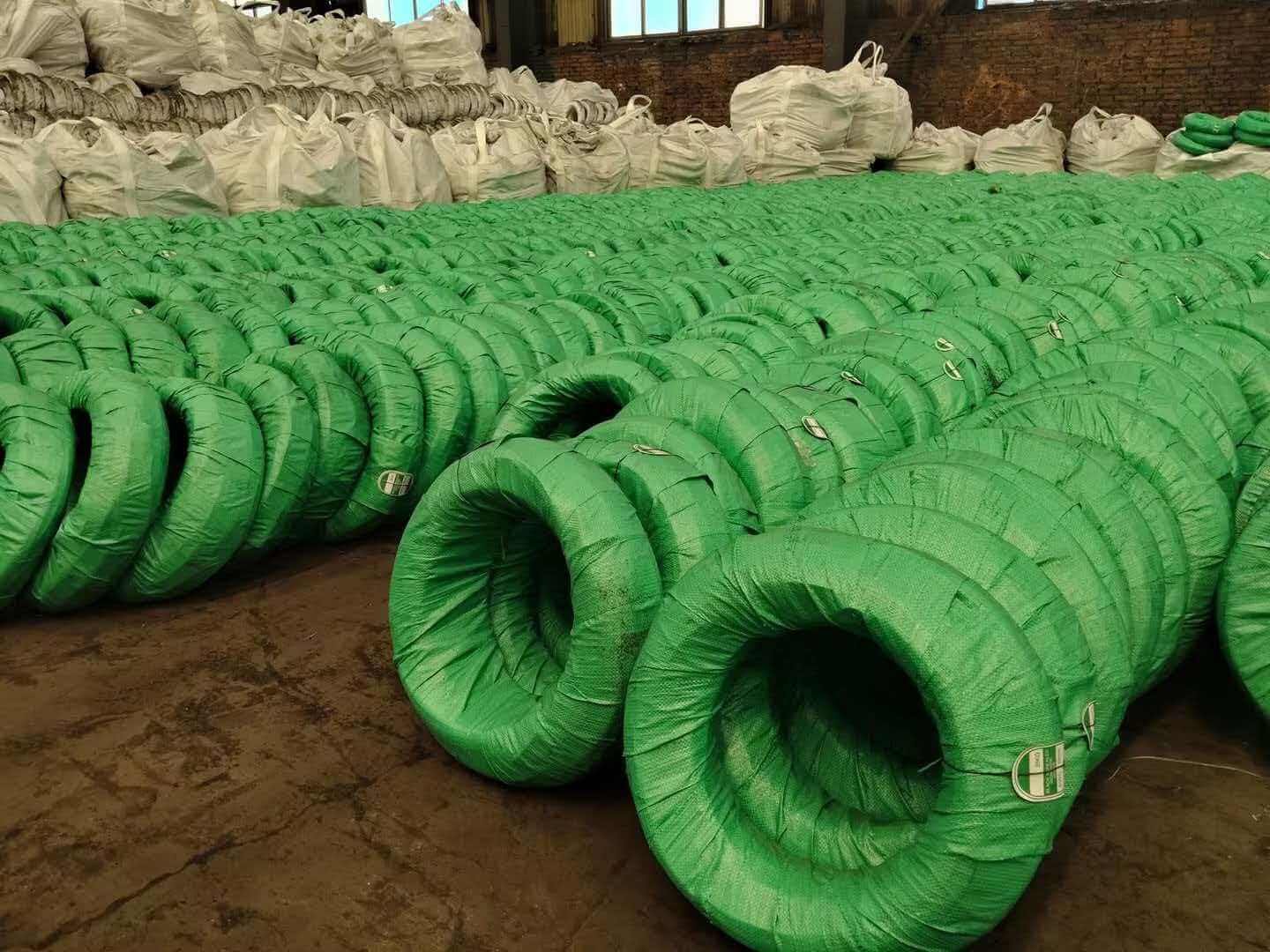
I have been working with African building material wholesalers for years now. I have seen many stories like Chimwemwe's. The good news is that most quality issues can be caught early. You just need to know what to look for when your container arrives. Let me share the exact inspection method that Chimwemwe now uses for every shipment.
Why Does Wire Diameter Matter So Much in Construction?
Chimwemwe learned this lesson the hard way. He ordered 2.0mm wire but received 1.85mm wire instead. That sounds like a tiny difference but it changes everything on a construction site.
Wire diameter directly affects tensile strength and binding performance. Even a 0.15mm variance can reduce strength by 15-20%, causing wire breaks during rebar tying. Construction workers need consistent diameter to maintain productivity and meet building code requirements.
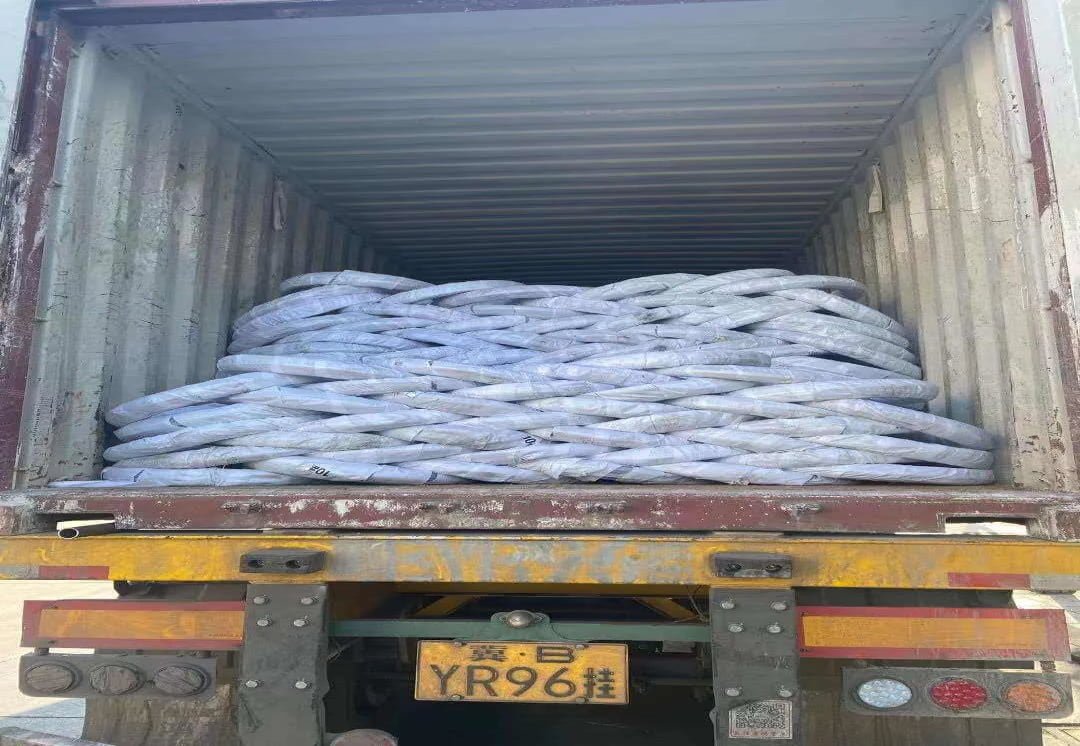
I always tell my customers to bring a digital caliper to the warehouse on delivery day. Here is Chimwemwe's three-step diameter inspection method that takes less than ten minutes:
Step 1: Random Sampling Pick three coils from different positions in the shipment. Do not just check the top layer. Grab one from the front, one from the middle, and one from the back of the pallet. Some suppliers put better quality coils where you can see them easily.
Step 2: Multiple Measurement Points Measure three different spots on each coil. Take readings from the beginning, middle, and end sections of the wire. Write down all nine measurements. This catches any inconsistency in the production process.
Step 3: Calculate Tolerance Range Find the difference between your highest and lowest readings. The variance should not exceed 0.05mm. If you ordered 2.0mm wire, measurements between 1.98mm and 2.03mm are acceptable. Anything outside this range means trouble.
Here is a comparison table of diameter impact on performance:
| Ordered Diameter | Actual Diameter | Strength Loss | Break Risk | Customer Acceptance |
|---|---|---|---|---|
| 2.0mm | 2.0mm | 0% | Low | Excellent |
| 2.0mm | 1.95mm | 5-8% | Medium | Acceptable |
| 2.0mm | 1.85mm | 15-20% | High | Poor |
| 2.0mm | 1.75mm | 25-30% | Very High | Unacceptable |
Chimwemwe now rejects any shipment where diameter variance exceeds 0.08mm from the nominal size. He learned that construction workers notice immediately when wire feels wrong in their hands. Thin wire bends too easily and breaks during twisting. Thick wire is harder to work with and slows down the job site.
I remember visiting his warehouse last month. He showed me his inspection records from the past year. Out of twelve shipments, he caught three with diameter issues before distribution. Those three checks saved him from losing around $3,000 in returns and damaged reputation.
How Can You Tell If The Zinc Coating Will Last?
Chimwemwe's second checkpoint focuses on surface quality. He checks this before the wire even leaves the port warehouse. Zinc coating protects the steel core from rust but not all zinc coatings are created equal.
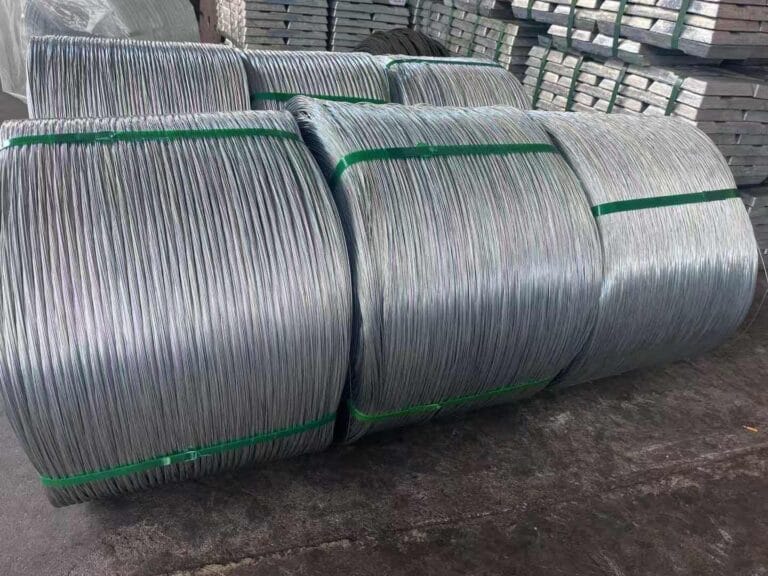
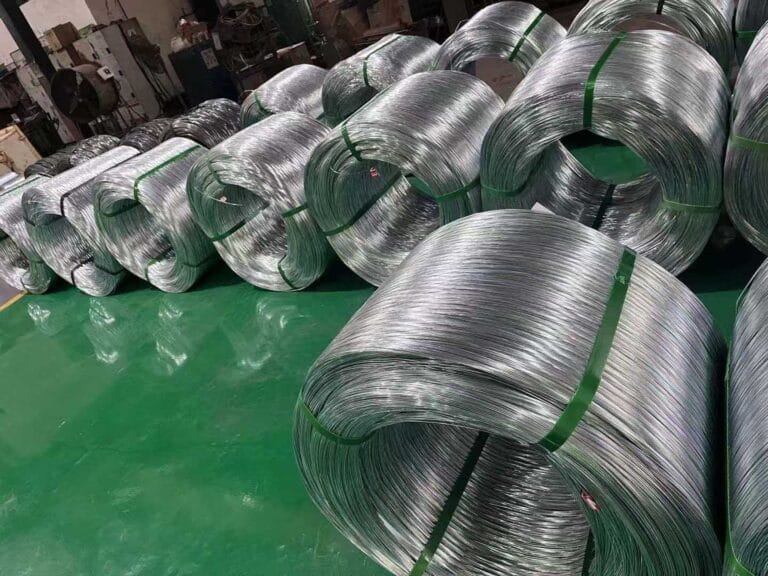
High-quality galvanized binding wire shows a bright, uniform silver-gray surface without dark spots, flaking, or bare patches. The zinc layer should feel smooth to touch and pass a simple visual test for consistency. Poor coating leads to rust within weeks in humid climates.
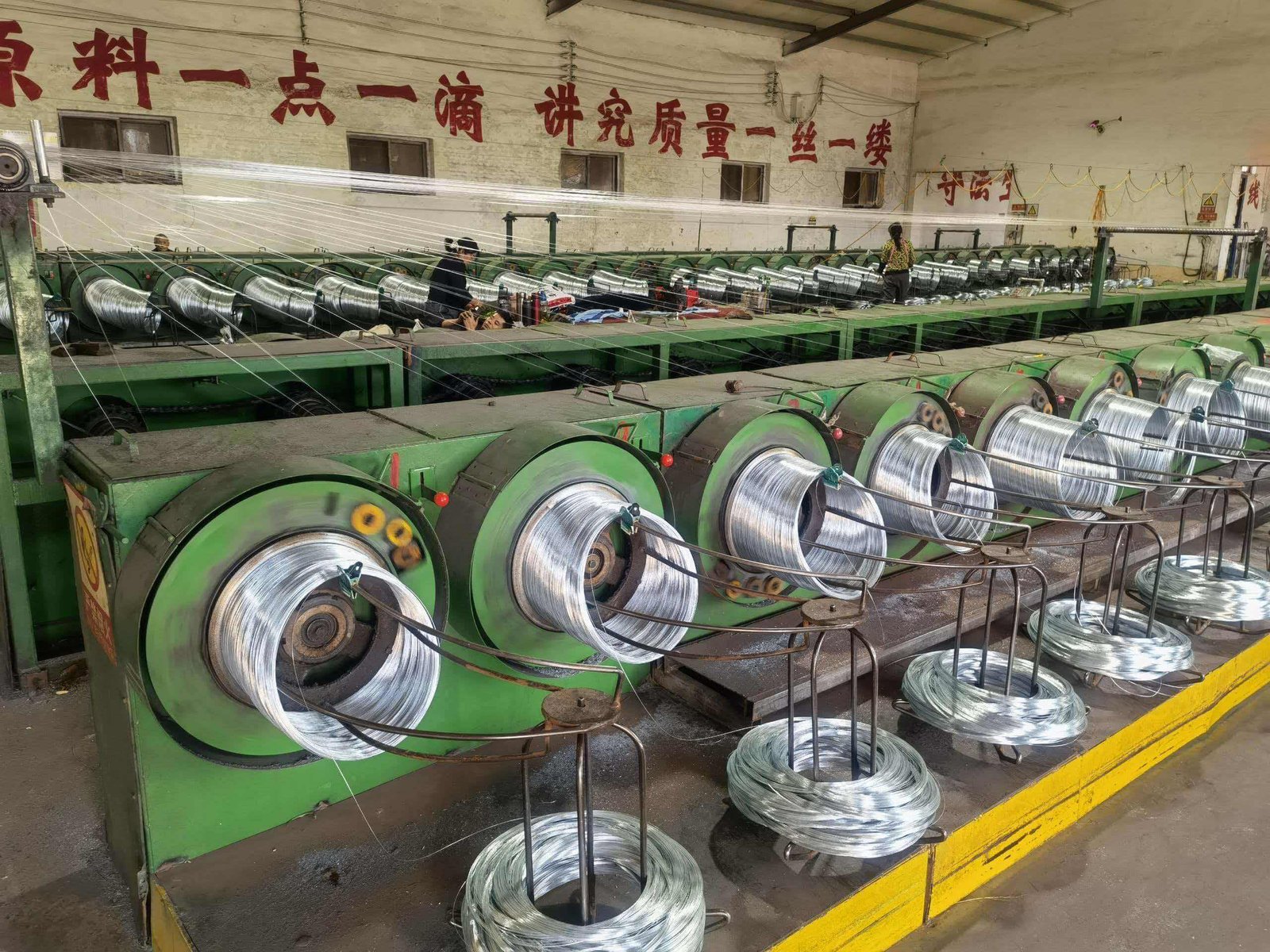
I have developed a quick surface inspection routine based on feedback from dozens of African wholesalers. This method works even if you are not a metallurgy expert.
Visual Inspection for Galvanized Wire Unwind about one meter of wire from each sample coil. Hold it under good lighting. Look for these warning signs:
Dark spots or black patches indicate uneven zinc distribution. These areas will rust first when exposed to moisture. The coating should show consistent color across the entire length.
Flaking or peeling means the zinc layer did not bond properly to the steel. Try scratching the surface lightly with your fingernail. Zinc should not come off easily. If you see metal flakes, reject the batch.
White powder or crystals suggest zinc oxidation from moisture exposure. This happens when packaging fails during shipping. The wire might already be compromised before reaching your warehouse.
Inspection for Black Annealed Wire Black annealed wire has no zinc coating. It relies on an oil film for short-term rust protection. Check for these issues:
Surface color should be uniformly dark gray to black. Avoid wire with rusty brown spots or areas that look lighter than others. Inconsistent color means inconsistent heat treatment.
The wire should feel slightly oily to touch but not dripping wet. Too much oil creates a mess. Too little oil means rust protection is inadequate. The balance matters for proper storage and handling.
Look for any white or red rust spots. Even small rust patches indicate moisture got past the packaging. Once rust starts, it spreads quickly in tropical climates.
Here is a quality assessment table for zinc coating:
| Coating Feature | Good Quality | Acceptable Quality | Poor Quality | Action Required |
|---|---|---|---|---|
| Surface Color | Bright silver-gray | Slightly dull gray | Dark spots/patches | Reject if spots >5% |
| Coating Adhesion | Very smooth, tight | Minor roughness | Flaking/peeling | Reject immediately |
| Uniformity | Consistent throughout | Some variation | Bare patches visible | Reject immediately |
| Rust Resistance | No rust after touch | No visible rust | White powder/rust | Reject or discount |
Chimwemwe keeps a reference sample of good quality wire in his office. When a new shipment arrives, he compares the surface appearance against this standard. He says this reference sample helps his workers make consistent quality decisions.
I also recommend checking the MTC (Mill Test Certificate) that comes with each shipment. The MTC lists zinc coating weight in grams per square meter. For binding wire, you want at least 20g/m² for light galvanization and 40-60g/m² for heavier protection. Cross-check these numbers against what you observe.
What Packaging Problems Should Trigger Immediate Concerns?
The third quality checkpoint might seem obvious but many wholesalers skip it. Chimwemwe almost made this mistake with his first few shipments. He focused so much on the wire itself that he ignored packaging damage.
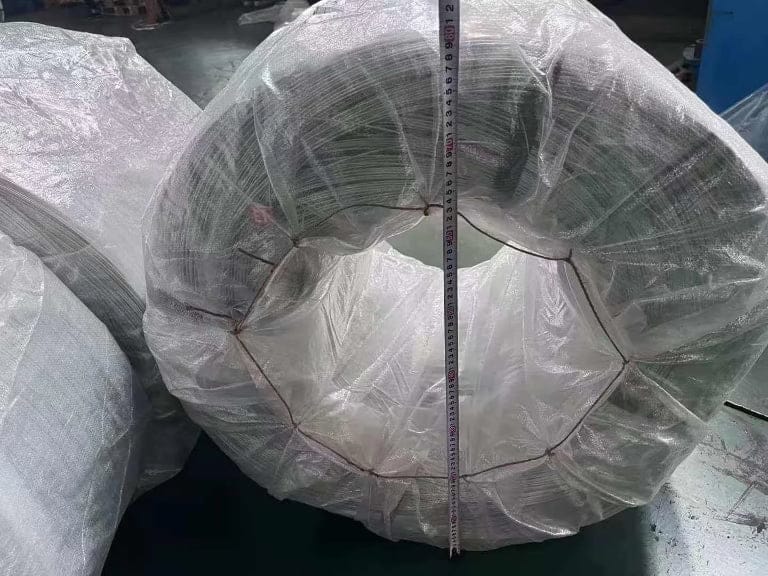
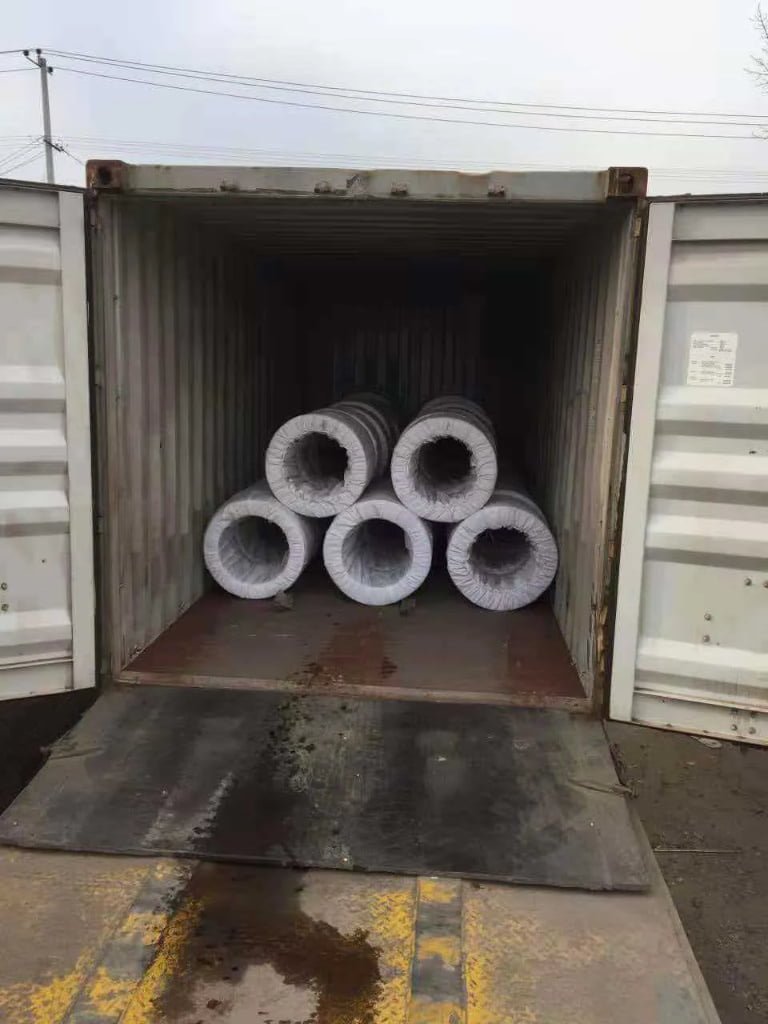
Proper binding wire packaging uses inner plastic film for moisture protection and outer woven bags for physical protection. Torn inner film allows humidity penetration that causes rust within days. Damaged outer bags lead to coil deformation and wire tangling that frustrates construction workers.
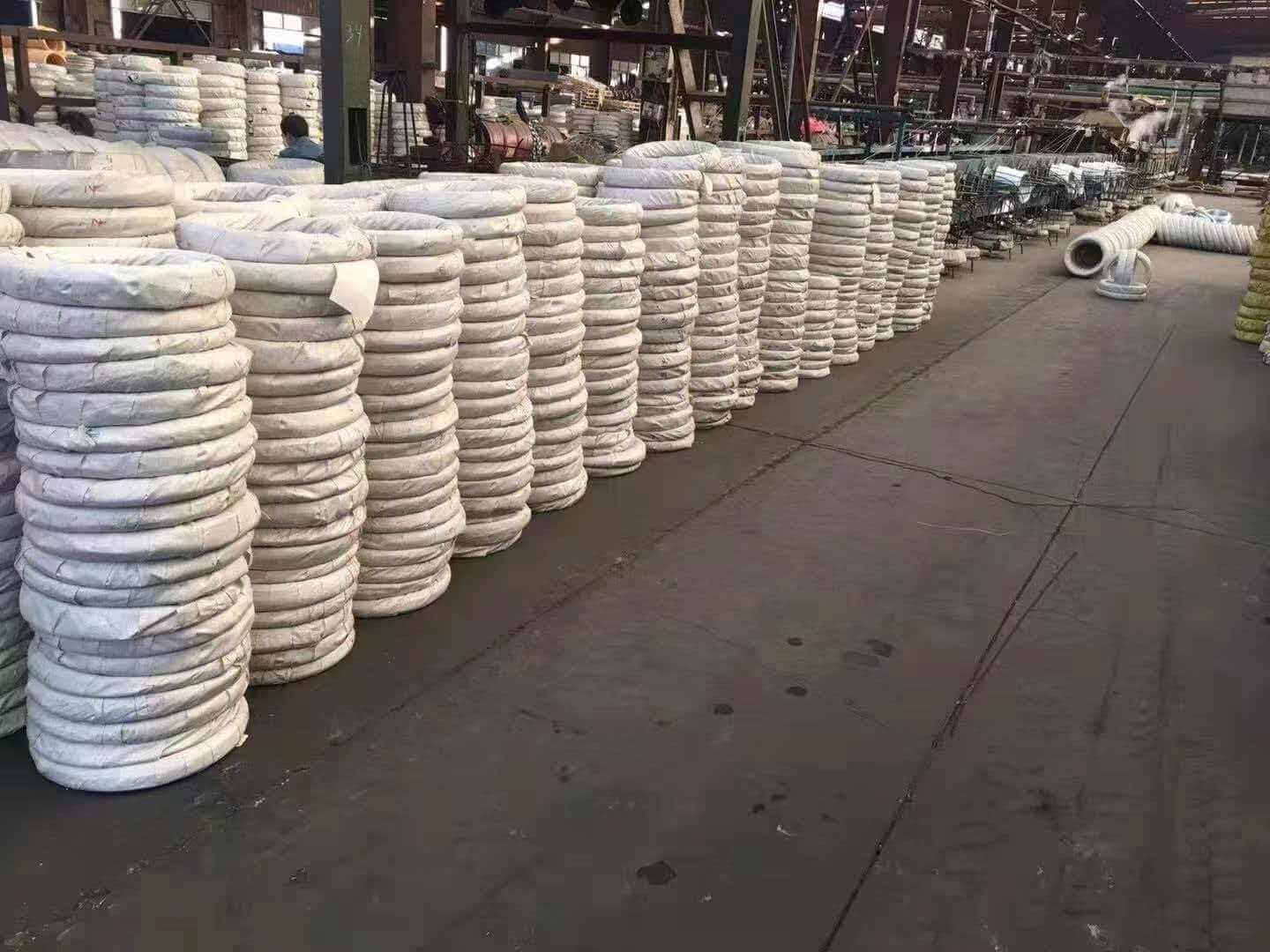
Malawi has two seasons. The rainy season brings high humidity that attacks metal products. Even galvanized wire needs protection from constant moisture exposure. I have seen brand new wire develop surface rust just two weeks after delivery because of packaging failure.
Inner Packaging Inspection Each coil should be wrapped in thick plastic film. The film must be heat-sealed completely with no gaps or tears. Check these specific points:
Look at the seal lines where the plastic wraps overlap. They should be smooth and continuous. Any separation means moisture can enter. Feel around the entire coil surface. The plastic should be tight against the wire without loose areas.
Press gently on the packaging. Air pockets under the plastic indicate poor wrapping. Properly sealed coils have plastic that conforms tightly to the wire shape. Excess air inside the packaging allows condensation that leads to rust.
Check the top and bottom ends of each coil. These areas are most vulnerable to damage during handling. The plastic should cover all wire surfaces completely. Even a small exposed section creates a rust entry point.
Outer Packaging Assessment Most binding wire ships in polypropylene woven bags over the plastic film. These bags protect against physical damage during transport and storage. Inspect for:
Tears or holes in the woven bag fabric. Small holes might not seem serious but they expose the inner plastic to tearing during movement. Damaged bags also allow dust and dirt to contaminate the wire surface.
Weak or broken stitching at the bag seams. The closing stitch should be double-locked and strong. Grab the bag opening and pull gently. If stitches separate easily, the bag will likely fail during handling in your warehouse.
Water stains or discoloration on the outer bag. This signals that the container leaked during shipping or the pallet got wet at the port. Even if the wire looks dry now, moisture might have already penetrated the inner plastic.
I created this packaging inspection checklist based on Chimwemwe's current system:
| Packaging Layer | What to Check | Good Condition | Problem Signs | Risk Level |
|---|---|---|---|---|
| Inner Plastic | Seal integrity | Tight, continuous seal | Gaps, tears, holes | High |
| Inner Plastic | Moisture barrier | Dry, clear film | Foggy, wet inside | High |
| Inner Plastic | Surface coverage | 100% wire covered | Exposed wire ends | Medium |
| Outer Bag | Fabric strength | No tears, tight weave | Holes, thin spots | Medium |
| Outer Bag | Stitch quality | Double-lock, secure | Loose, broken threads | Medium |
| Outer Bag | Weather damage | Clean, dry surface | Water stains, dirt | High |
Chimwemwe now requires his workers to photograph any packaging damage before accepting delivery. He sends these photos to his supplier immediately. This documentation helps him negotiate compensation when needed.
I suggest doing a coil count at the same time you inspect packaging. Match the actual number of coils against the packing list. Also check if coil weights match the specifications. Some suppliers short-pack coils to reduce their costs. A 50kg coil should actually weigh 50kg plus packaging weight.
One trick Chimwemwe uses is the storage test. He takes one sample coil from each shipment and stores it in his warehouse for two weeks before distribution. He checks this test coil for any rust development. If rust appears during this holding period, he knows the packaging has failed even if it looked acceptable on delivery day.
Conclusion
Inspect wire diameter with calipers, check zinc coating surface quality, and verify packaging integrity. These three steps take twenty minutes but protect your investment and reputation. Start using this system on your next shipment.
We provide full MTC (Mill Test Certificate) and Certificate of Origin with every shipment.
We provide a full range of construction binding wire for African projects. Galvanized Iron Wire: https://mfgwiremesh.com/metal-wire/galvanized-iron-wire/ Black Annealed Iron Wire: https://mfgwiremesh.com/metal-wire/black-annealed-iron-wire/ 201 Stainless Steel Wire: https://mfgwiremesh.com/metal-wire/201-stainless-steel-wire/ Mix container loading supported.
If you are sourcing construction binding wire for Malawi or any African market, we are happy to provide a specification-based quotation. Contact us via WhatsApp: +86 15383180672.
FAQ:
Q1: Checking binding wire diameter accurately upon delivery.
A1: Use a digital caliper to measure three coils from different positions in the shipment. Take readings from three points on each coil for a total of nine measurements. The variance between highest and lowest readings should not exceed 0.05mm. For 2.0mm wire, readings between 1.98mm and 2.03mm are acceptable. Reject shipments where diameter variance exceeds 0.08mm from the nominal size to avoid breakage and customer complaints.
Q2: Inspecting zinc coating quality on galvanized binding wire.
A2: Unwind one meter of wire from sample coils and inspect under good lighting. Look for dark spots indicating uneven zinc, flaking or peeling showing poor adhesion, and white powder suggesting oxidation. Scratch the surface lightly—quality coating stays intact. Cross-check visual findings with the MTC (Mill Test Certificate) showing coating weight. Reject wire with visible bare patches or coating that flakes off easily.
Q3: Assessing packaging integrity to prevent rust damage.
A3: Check inner plastic film for tight heat-sealed edges with no gaps or tears. Verify the plastic conforms tightly to the wire without air pockets. Inspect outer woven bags for holes, weak stitching, or water stains. Photograph any damage and send to your supplier for documentation. Take one test coil and store it in your warehouse for two weeks—if rust develops, the packaging failed regardless of initial appearance.