


I made a costly mistake on my first government project in Lusaka. I used cheap black annealed wire for everything. The steel reinforcement sat exposed during the rainy season. Three weeks later, rust spots appeared on the binding points. The site engineer made me redo the entire section. That mistake taught me how to choose binding wire properly for Zambia's climate.
Galvanized binding wire has zinc coating that protects against rust during Zambia's six-month rainy season. Black annealed wire is softer and cheaper for indoor applications where moisture is not a concern. Most contractors should use galvanized wire for structural work and black annealed wire for interior fixings to balance cost and performance.
My friend Moses runs a mid-size contracting company in Lusaka. Last year, he got his first major government office building contract. The project supervisor gave him specific requirements that changed how he thinks about binding wire. Let me share what he learned and what I have learned from my own mistakes.
What Makes Binding Wire Different for Zambia's Climate?
Zambia's weather patterns create specific challenges for construction materials. I did not understand this during my first project. I thought wire was just wire.
Zambia's rainy season runs from November to April. Construction sites face six months of heavy moisture exposure. Binding wire without proper protection will rust within weeks. This rust weakens binding points and compromises structural integrity before concrete pouring.
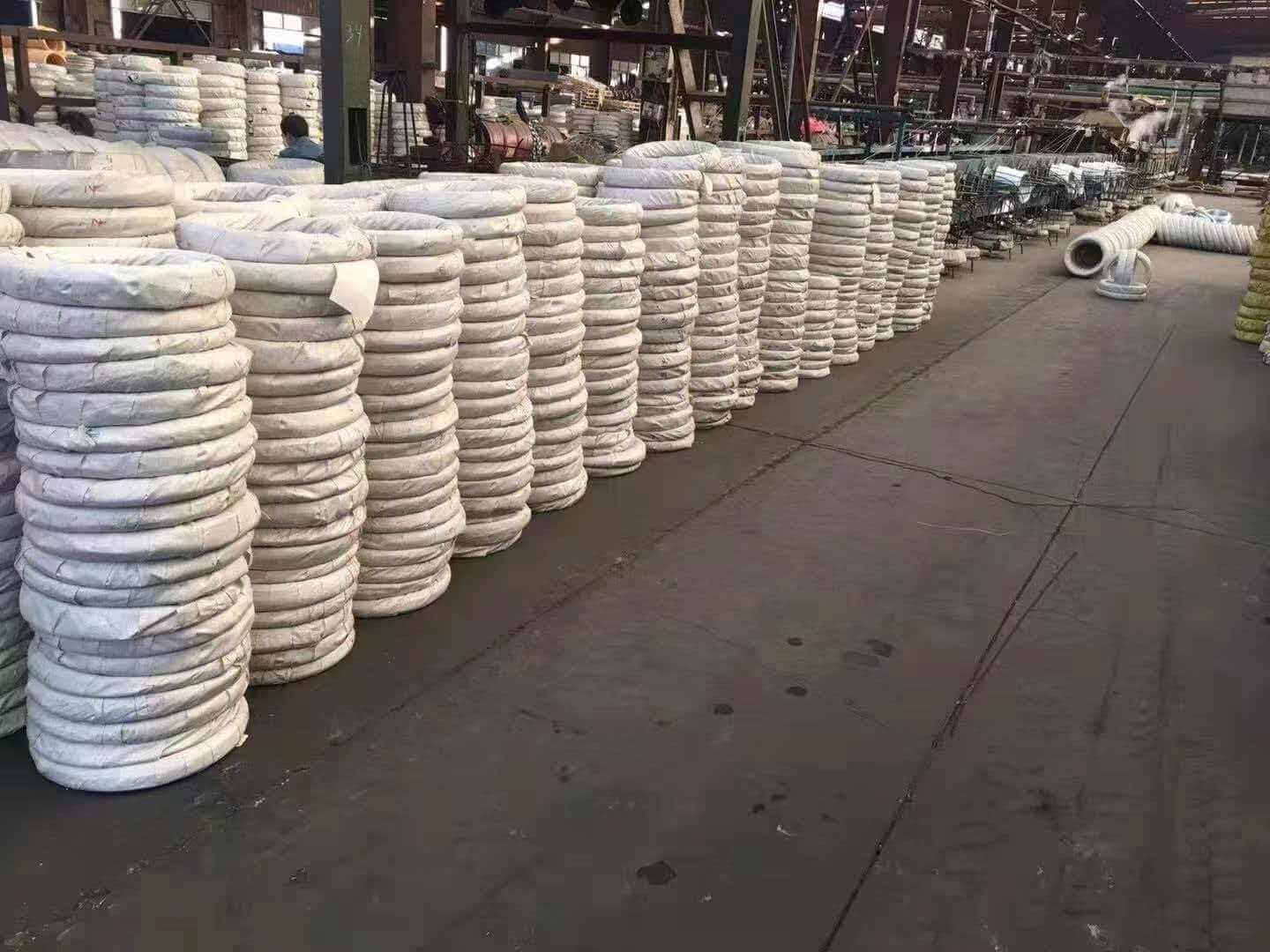
The moisture problem goes deeper than just rain. Morning dew in Lusaka can be heavy even during dry months. I have seen binding wire start to oxidize just from overnight moisture. The red dust we have here also absorbs water and holds it against metal surfaces.
Moses told me about a warehouse project where the contractor used uncoated wire in July. July is supposedly our coldest, driest month. But morning condensation still caused rust spots within two weeks. The concrete pour got delayed by a month. The contractor had to pay penalties.
Here is what different wire types can handle in Zambia's conditions:
| Wire Type | Zinc Coating | Outdoor Exposure Time | Best Use Case | Cost Level |
|---|---|---|---|---|
| Galvanized Binding Wire | 40-60 g/m² | 4-8 weeks | Structural rebar | High |
| Light Galvanized Wire | 20-40 g/m² | 2-4 weeks | Temporary fixings | Medium |
| Black Annealed Wire | None | Less than 1 week | Indoor applications | Low |
| Stainless Steel Wire | N/A | Unlimited | Special projects | Very High |
The coating thickness matters more than most contractors realize. Moses now specifies minimum 40 grams per square meter zinc coating for all structural work. Anything less starts showing rust within the typical construction timeline in Lusaka.
Should You Use Galvanized or Black Annealed Wire?
This question kept me awake before my second project. I wanted to avoid another expensive mistake. The answer depends entirely on where the wire will be used.
Galvanized wire costs 15-20% more than black annealed wire but lasts 10 times longer in outdoor conditions. Use galvanized wire for structural rebar binding and any outdoor applications. Use black annealed wire only for indoor work like pipe fixings and partition walls where rust protection is not critical.
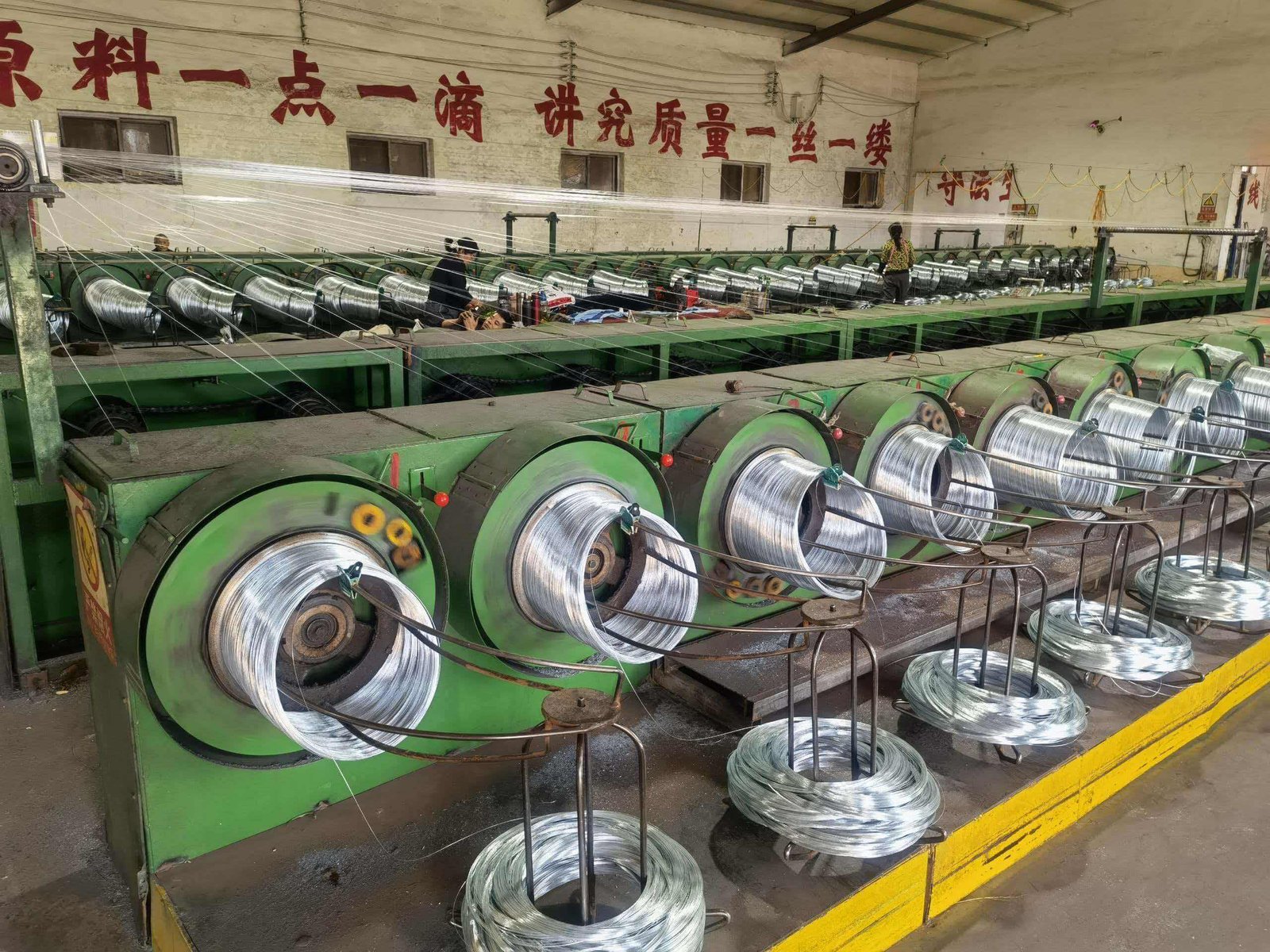
Moses learned this lesson from his project supervisor. The supervisor had worked on construction projects across East Africa for fifteen years. He explained that building codes exist for good reasons.
For the government office building, Moses used galvanized wire for the entire structural frame. Every column, every beam, every slab used 2.0mm galvanized wire. The project had a four-month construction period that spanned the rainy season. Some sections of rebar stayed exposed for three weeks before concrete pouring.
I visited the site during a heavy rain. The galvanized wire still looked clean and bright. No rust spots anywhere. Moses told me this gave him peace of mind. He did not have to worry about the supervisor rejecting his work.
For interior applications, Moses switched to black annealed wire. All the electrical conduit fixings used BWG (Birmingham Wire Gauge) 16 black annealed wire. The partition wall reinforcement used black annealed wire. These areas were already under roof and protected from direct moisture.
Black annealed wire has one major advantage over galvanized wire. It is much softer and easier to work with. Construction workers in Zambia prefer it for hand binding. They can twist it tight with a simple hook tool. One quick motion and the joint is secure. Galvanized wire requires more effort and sometimes pliers.
Here is how I now decide which wire to use:
Structural Elements (Use Galvanized):
- Foundation rebar binding
- Column reinforcement
- Beam and slab rebar
- Any outdoor steel work
- Exposed areas during construction
Non-Structural Elements (Can Use Black Annealed):
- Interior pipe fixings
- Electrical conduit support
- Partition wall reinforcement
- Temporary indoor bracing
- Interior finishing work
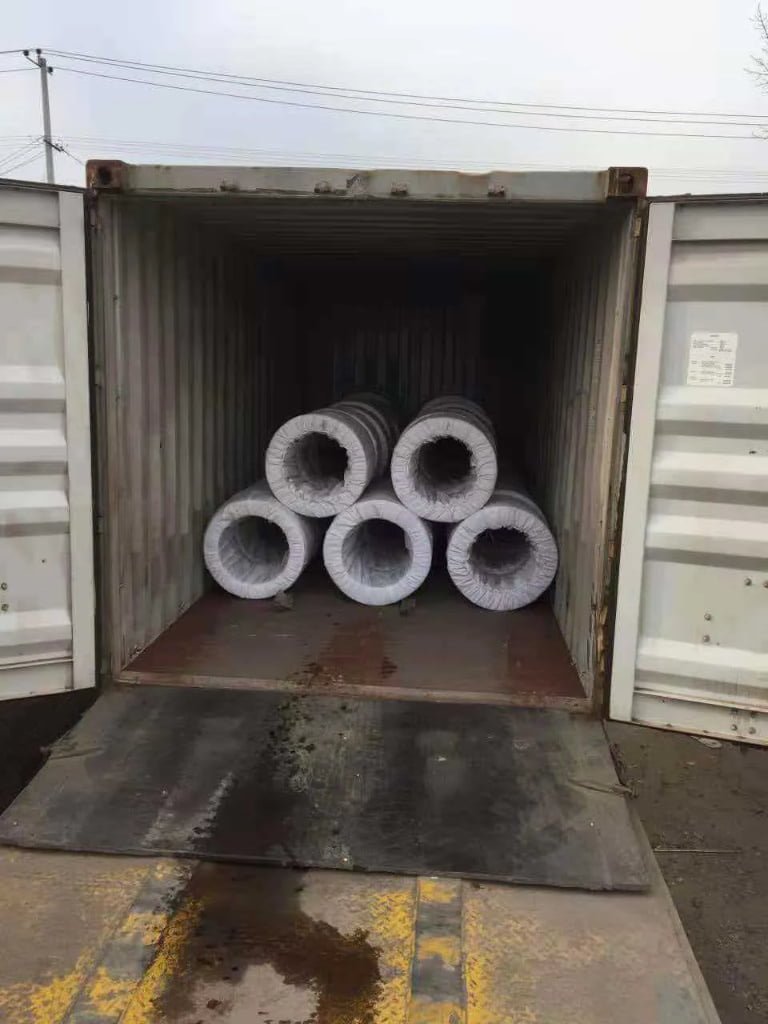
Moses ordered one twenty-foot container for his project. He split it seventy percent galvanized wire and thirty percent black annealed wire. This ratio worked perfectly for his building layout. He had no waste and no shortages.
The cost difference was significant but justified. His galvanized wire cost $680 per ton. His black annealed wire cost $580 per ton. For the full container, he paid about $120 extra compared to using only black wire. But he saved thousands in potential rework and penalties.
What Wire Diameter Works Best for Different Applications?
I used to order only one size of binding wire. Usually 18 gauge because it was common. This created problems on larger structural work where the wire would break under tension.
Wire diameter must match the rebar size and structural requirements. Use 2.0-2.5mm (12-14 gauge) wire for main structural rebar from 16mm to 32mm diameter. Use 1.6-2.0mm (16-18 gauge) wire for smaller rebar and light applications. Thinner wire saves money but breaks easily during binding.
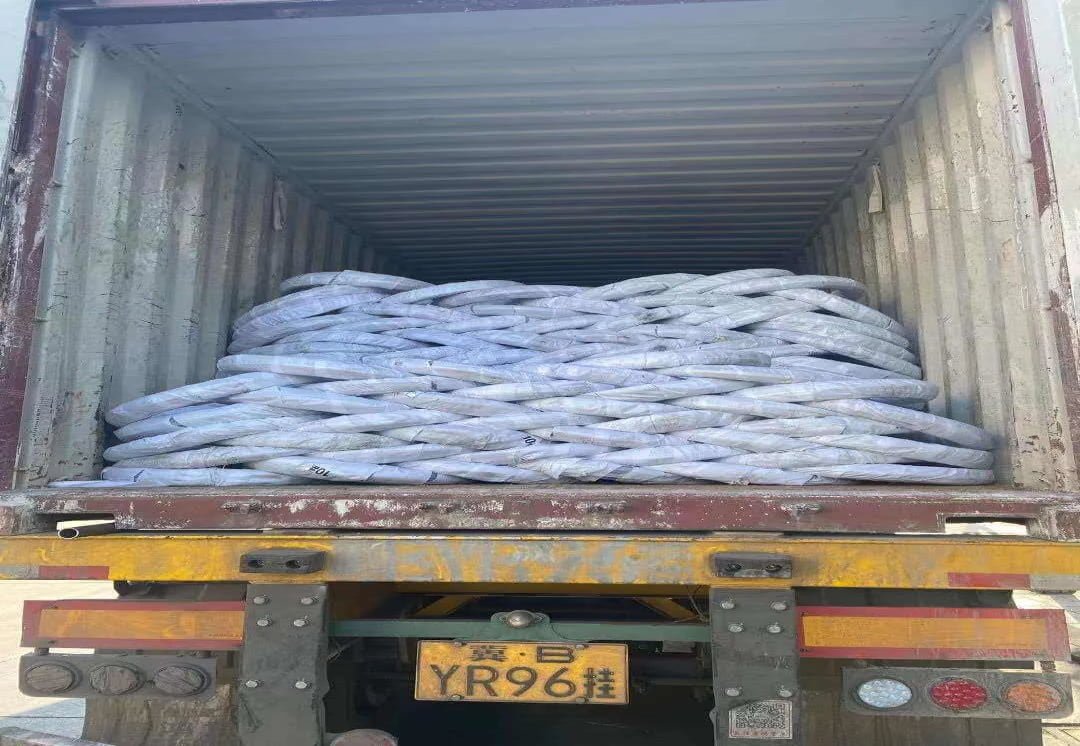
Moses made a detailed plan for his project. He matched wire diameter to rebar diameter and application. This came from the project engineer's specifications and his own experience.
For the building columns and beams, he used 2.0mm galvanized wire. These structural elements had 20mm to 25mm diameter rebar. The wire needed enough strength to hold the rebar cage together during lifting and positioning. Thinner wire would snap under the weight.
For the floor slabs, he used 1.8mm galvanized wire. The slab rebar was 12mm to 16mm diameter. The wire did not need to support as much weight. Workers could bind faster with slightly thinner wire.
For interior conduit fixings, he used BWG 16 black annealed wire, which is about 1.6mm. This was soft enough for hand tools but strong enough to hold pipes and conduit against walls.
I learned to calculate how much binding wire a project needs. This prevents shortages and reduces waste. Here is my simple formula:
For structural rebar binding, I estimate 1 kilogram of binding wire per 100 kilograms of rebar. This assumes normal spacing and standard binding techniques. A project with 10 tons of rebar needs roughly 100 kilograms of binding wire.
For non-structural applications, the ratio varies widely. Pipe fixings might use 0.5 kilograms per 100 meters of pipe. Partition walls might use 0.3 kilograms per square meter of wall area.
Moses keeps records from every project now. He tracks actual wire consumption against his estimates. This data helps him quote more accurately on future projects. He told me his waste rate dropped from 15% to less than 5% once he started matching wire diameter to application.
Here is a practical guide for diameter selection:
| Application Type | Rebar Diameter | Recommended Wire Diameter | Wire Gauge Equivalent |
|---|---|---|---|
| Heavy Columns | 25-32mm | 2.5mm | BWG 12 |
| Standard Beams | 16-25mm | 2.0-2.2mm | BWG 12-13 |
| Floor Slabs | 12-16mm | 1.8-2.0mm | BWG 14-16 |
| Light Fixings | N/A | 1.6mm | BWG 16 |
| Temporary Work | N/A | 1.4mm | BWG 18 |
The quality of wire matters as much as diameter. I once bought cheap wire that advertised 2.0mm diameter. When I measured it with calipers, the actual diameter was 1.85mm. This might seem like a small difference, but it affects strength significantly.
Moses now asks suppliers for MTC (Material Test Certificate). He verifies that galvanized wire meets the zinc coating specification. He checks that wire diameter is within tolerance. This takes extra time during procurement, but it prevents problems on site.
How Do You Calculate Binding Wire Quantity for Your Project?
Running out of binding wire halfway through a concrete pour is a nightmare. I experienced this on my third project. We had to stop work and send someone to find more wire. The concrete truck waited. I paid demurrage charges. The experience taught me to calculate quantities properly.
Calculate binding wire quantity by counting binding points and estimating wire length per point. Each rebar intersection needs 25-30cm of wire for proper binding. Add 20% safety margin for waste and errors. For a typical 100m² slab with 200mm spacing, expect to use 15-18 kilograms of binding wire.
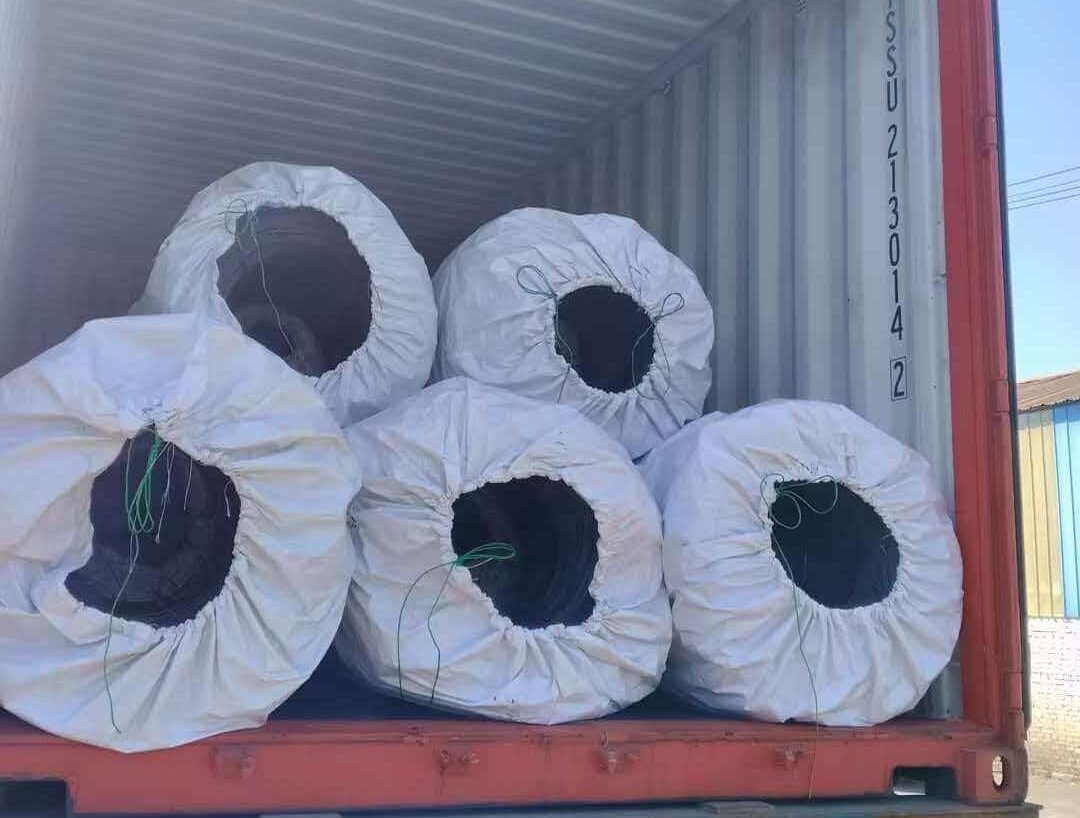
Moses uses a systematic approach. He breaks down every structural element and counts binding points. His quantity surveyor helps with this during the planning phase.
For a column, he counts the number of stirrups multiplied by the number of main bars. Each intersection is one binding point. A typical 400mm x 400mm column with six main bars and stirrups at 200mm spacing might have 150 binding points per floor height.
For a slab, he calculates the number of rebar intersections. If the slab has rebar at 200mm spacing in both directions, a 10m x 10m slab has 2,500 intersection points. Each point needs one piece of wire.
The wire length per binding point varies with rebar diameter. For 12mm rebar, 25cm of wire is enough. For 25mm rebar, you need 30cm or more. Moses uses 30cm as his standard length for calculations. This provides margin for different rebar sizes.
Here is his calculation method:
- Count total binding points for the project
- Multiply by 0.30 meters per point
- Convert total length to weight (1 meter of 2.0mm wire weighs about 25 grams)
- Add 20% safety margin
- Round up to nearest coil size
For the government office building, Moses calculated like this:
- Structural binding points: 45,000 points
- Wire per point: 0.30 meters
- Total length: 13,500 meters
- Weight at 25g/meter: 337.5 kilograms
- Safety margin (20%): 67.5 kilograms
- Total galvanized wire needed: 405 kilograms
He rounded this to 450 kilograms to account for coil sizes. Galvanized wire typically comes in 25-kilogram coils. He ordered 18 coils.
For the interior black annealed wire, he used similar calculations but with fewer binding points. His total came to 150 kilograms, which he rounded to 175 kilograms or seven coils.
The actual consumption was very close to his estimates. He had one coil of galvanized wire left over and used all the black annealed wire. This level of accuracy saved money and prevented shortages.
I now keep a simple spreadsheet for every project. I list all structural elements, estimate binding points, and calculate wire needs. This spreadsheet has saved me from running short multiple times.
One more factor affects quantity calculations. Worker skill level matters. Experienced workers use wire efficiently. They cut the right length and make tight bindings with minimal waste. New workers often cut pieces too long or waste wire on poor bindings that need redoing.
Moses trains his binding crews before major projects. He shows them the correct wire length and binding technique. He demonstrates how to avoid waste. This training investment pays for itself in material savings.
What Quality Standards Should Your Binding Wire Meet?
I accepted whatever quality my supplier delivered for my first few projects. Then I had a disaster. The galvanized coating flaked off after two weeks. The wire underneath rusted immediately. I learned that quality standards exist for good reasons.
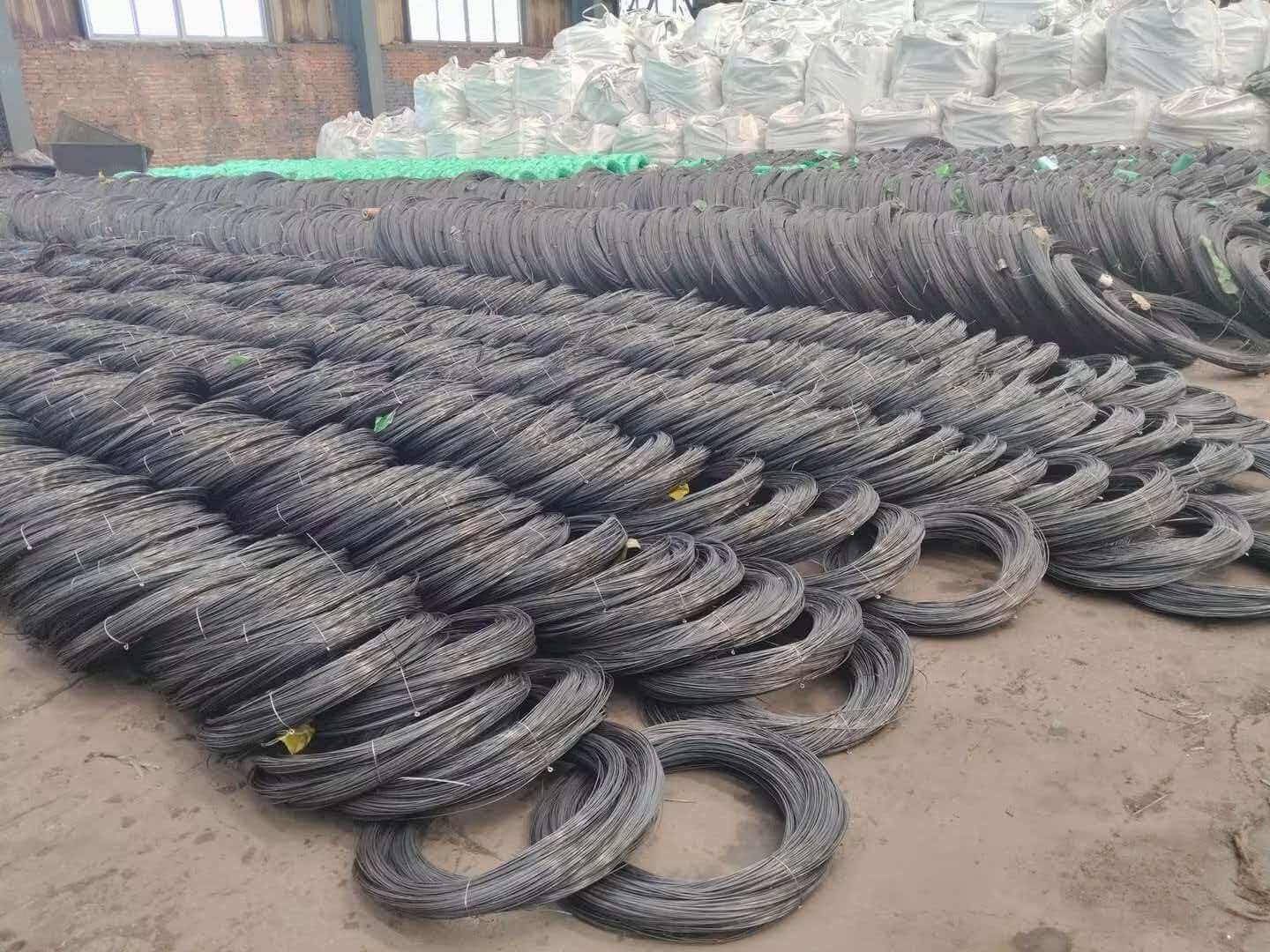
Binding wire should meet minimum tensile strength of 350-500 MPa (Megapascals) for structural applications. Galvanized wire needs zinc coating of at least 40 grams per square meter. Request MTC (Material Test Certificate) from suppliers and verify diameter tolerance is within plus or minus 0.05mm.
Moses now rejects wire deliveries that lack proper documentation. His project supervisor taught him which documents matter. Every wire shipment must include an MTC showing chemical composition, tensile strength, and coating weight.
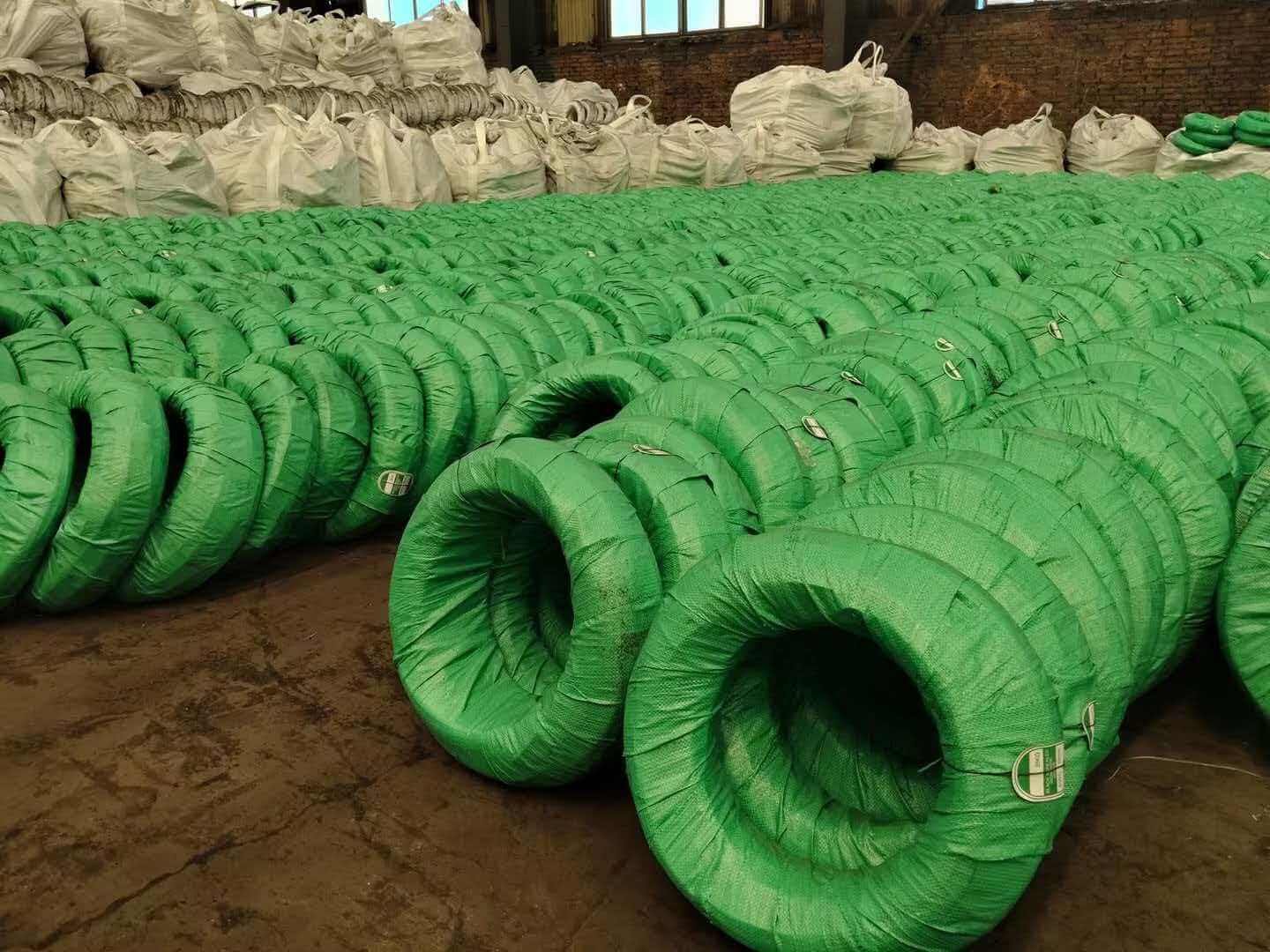
For galvanized wire, the zinc coating thickness is critical. Zambia does not have mandatory standards for binding wire, but Moses follows international guidelines. He requires minimum 40 grams per square meter zinc coating for outdoor structural work. Some Chinese suppliers offer 30 grams per square meter as standard, which is too thin for our climate.
The base wire quality matters too. Low-quality steel wire breaks easily during binding. Workers get frustrated and waste time. Moses specifies minimum tensile strength of 400 MPa for galvanized wire and 350 MPa for black annealed wire.
Wire diameter tolerance is another quality factor. Suppliers sometimes advertise 2.0mm wire but deliver 1.9mm wire. This 0.1mm difference reduces strength by about 10%. Moses now measures sample pieces from every delivery with a micrometer. He accepts tolerance of plus or minus 0.05mm but rejects anything outside this range.
Surface quality indicates manufacturing standards. Good galvanized wire has uniform zinc coating without bare spots or flaking. The coating should be smooth and bright. Black annealed wire should be uniform black color without rust spots or scale.
I inspect every wire delivery now. Here is my checklist:
Visual Inspection:
- Uniform coating or color
- No bare spots or rust
- Smooth surface without scale
- Consistent diameter throughout coil
- Clean packaging without water damage
Document Verification:
- MTC present
- Chemical composition listed
- Tensile strength specified
- Coating weight confirmed
- Manufacturing date within six months
Physical Testing:
- Diameter measurement with calipers
- Bend test (wire should bend 180 degrees without breaking)
- Coating adhesion test (bend galvanized wire, zinc should not flake off)
- Weight verification (coil should match labeled weight)
Moses rejected one shipment last year. The galvanized wire had uneven coating with bare patches. The supplier argued the wire was still usable. Moses showed the project supervisor, who agreed the wire did not meet specifications. The supplier had to replace the entire shipment at their cost.
This firmness on quality paid off. The project passed all inspections without issues. The supervisor specifically praised the quality of materials used.
Quality wire costs more initially but saves money overall. Poor quality wire leads to rework, delays, and potential structural problems. Moses calculates that spending 10% more on quality wire reduces total project risk significantly.
Storage also affects wire quality. Even good wire will deteriorate if stored poorly. Moses keeps wire in covered storage areas. Coils stay off the ground on wooden pallets. This prevents moisture contact from below. Galvanized wire can store for several months without problems if kept dry.
Black annealed wire needs more careful storage. Without zinc protection, it will rust if exposed to moisture. Moses tries to use black annealed wire within two weeks of delivery. He orders smaller quantities more frequently rather than storing large amounts.
What Are Common Mistakes to Avoid When Buying Binding Wire?
I have made most mistakes possible with binding wire. Each mistake cost money and time. Learning from my errors helped me become a better contractor. Here are the most expensive lessons.
The biggest mistake is choosing binding wire based only on price. Cheap wire often has thinner diameter, poor coating, or low tensile strength. These quality issues cause rework and delays that cost more than the initial savings. Calculate total cost including potential rework before making price-based decisions.
Let me share specific examples from my own projects and what Moses experienced on his government contract.
Mistake 1: Buying the cheapest wire without checking specifications. I did this on my first project. The wire was labeled as 2.0mm galvanized, but the zinc coating was only 20 g/m². It started rusting within two weeks of exposure. The rework cost me $800 in materials and $1,200 in labor. I could have avoided this by asking for the MTC before ordering.
Mistake 2: Using the same wire type for everything. I used black annealed wire for outdoor structural work to save money. This was my worst mistake. The wire rusted completely before concrete pouring. The engineer rejected the entire section. I had to cut out all the old wire and redo the work. Total cost: $2,500 and two weeks of delay.
Mistake 3: Not checking wire diameter on delivery. A supplier sent me 1.85mm wire when I ordered 2.0mm. I did not check it before use. The thinner wire broke during binding, slowing down work and wasting materials. Now I check every delivery with a micrometer before accepting it.
Mistake 4: Poor storage practices. I stored black annealed wire outdoors under a tarp. Rainwater seeped in and the wire rusted before we could use it. I lost $300 worth of wire. Now I only store wire in covered, dry areas on wooden pallets.
Mistake 5: Overlooking worker training. I assumed all workers knew how to bind properly. Some used too much wire per tie, others tied too loose. My waste rate was 15% on that project. After training sessions, waste dropped to under 5%. The training cost me two hours but saved hundreds in materials.
Mistake 6: Not planning wire quantities properly. I ran out of wire during a slab pour. The concrete truck was already on site. I had to pay for waiting time and send someone to buy more wire at retail prices. Now I calculate quantities carefully and add 20% margin.
Moses avoided most of these mistakes because he learned from my experience and had a good supervisor. He also benefited from working with a reliable supplier who provided proper documentation and consistent quality.
The lesson I want you to take from all this is simple. Binding wire might seem like a minor construction material. But using the wrong type, the wrong diameter, or poor quality wire can cause major problems. Take time to choose correctly. Your future self will thank you.
We provide full MTC (Mill Test Certificate) and Certificate of Origin with every shipment.
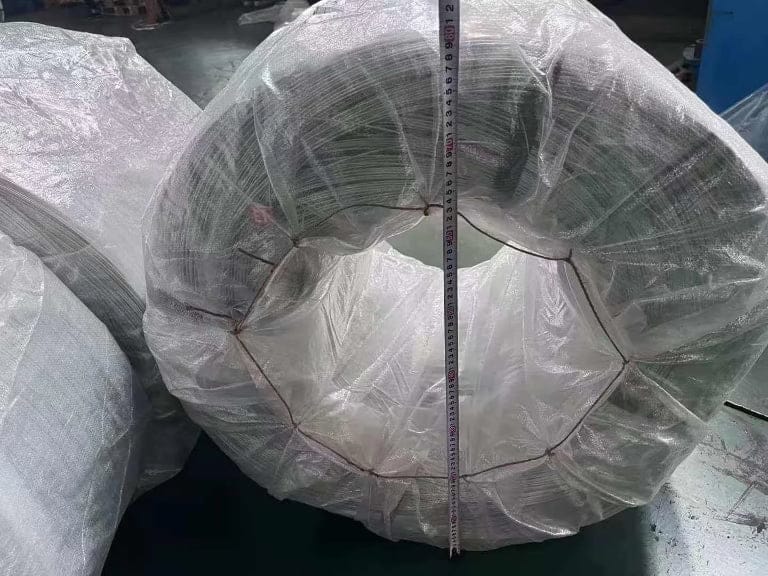
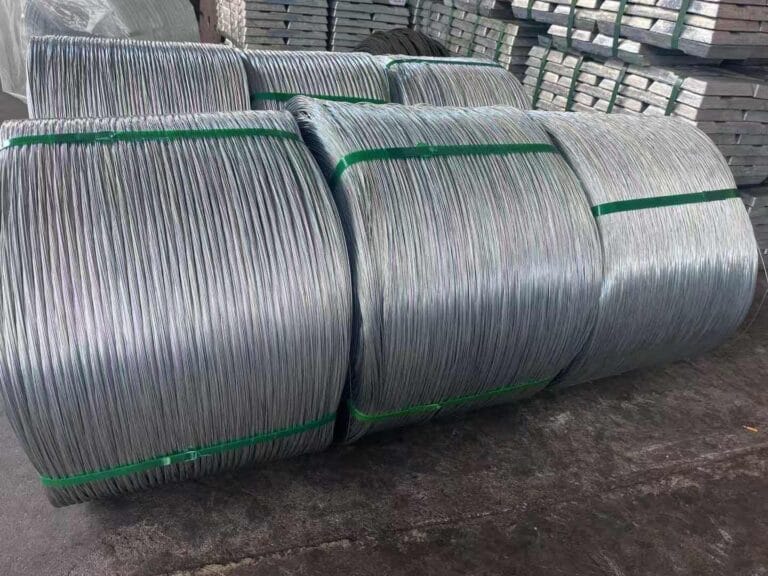
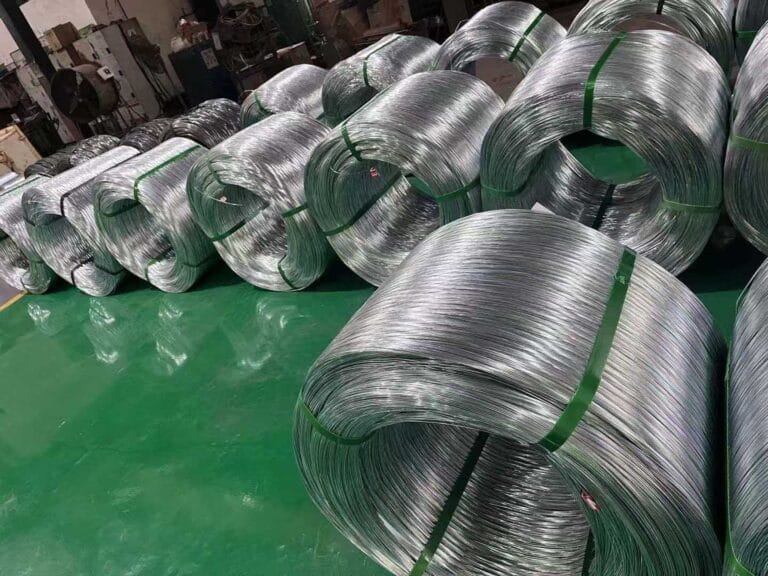
We provide a full range of construction binding wire for African projects. Galvanized Iron Wire: https://mfgwiremesh.com/metal-wire/galvanized-iron-wire/ Black Annealed Iron Wire: https://mfgwiremesh.com/metal-wire/black-annealed-iron-wire/ 201 Stainless Steel Wire: https://mfgwiremesh.com/metal-wire/201-stainless-steel-wire/ Mix container loading supported.
If you are sourcing construction binding wire for Zambia or any African market, we are happy to provide a specification-based quotation. Contact us via WhatsApp: +86 15383180672.
FAQ:
Q1: Choosing between galvanized and black annealed wire for Zambia's climate.
A1: Galvanized binding wire is the right choice for structural rebar tying and any application exposed to weather before concrete pouring. Zambia's rainy season lasts from November to April, and rebar may remain exposed for weeks. The zinc coating prevents rust that could compromise structural integrity. Black annealed wire works best for indoor applications like pipe fixings, partition walls, and conduit support where moisture exposure is minimal and tying speed matters more than rust protection.
Q2: Matching wire diameter to rebar size and application.
A2: Use 2.0-2.5mm wire for main structural rebar from 16mm to 32mm diameter. Use 1.6-2.0mm wire for smaller rebar and light applications. For heavy columns with 25-32mm rebar, step up to 2.5mm. For floor slabs with 12-16mm rebar, 1.8-2.0mm works well. Thinner wire saves money but breaks easily during binding. Always verify actual diameter with calipers before accepting delivery.
Q3: Calculating binding wire quantity for your project.
A3: Count total binding points, multiply by 0.30 meters per point, convert length to weight (1 meter of 2.0mm wire weighs about 25 grams), add 20% safety margin, and round up to nearest coil size. A typical 100m² slab with 200mm spacing needs 15-18 kilograms of binding wire. For structural rebar, estimate 1 kilogram of binding wire per 100 kilograms of rebar.
Q4: Checking binding wire quality before accepting delivery.
A4: Request MTC (Material Test Certificate) showing chemical composition, tensile strength, and coating weight. Verify zinc coating is at least 40 g/m² for outdoor structural work. Measure wire diameter with a micrometer and reject anything outside plus or minus 0.05mm tolerance. Check surface quality for uniform coating without bare spots. Bend test the wire to confirm it bends 180 degrees without breaking or flaking.
Q5: Storing binding wire properly on construction sites.
A5: Store all binding wire in covered, dry areas. Keep coils off the ground on wooden pallets to prevent moisture contact. Galvanized wire can store for several months if kept dry. Black annealed wire has no rust protection and should be used within two weeks of delivery. Order smaller quantities more frequently for black annealed wire rather than storing large amounts.
Q6: Avoiding common mistakes when buying binding wire.
A6: Do not choose wire based only on price. Check specifications and request MTC before ordering. Do not use the same wire type for everything. Match wire type and diameter to each application. Verify wire diameter on delivery. Store wire properly in covered, dry areas. Train workers on correct binding techniques. Plan quantities carefully with 20% margin. Spending 10% more on quality wire reduces total project risk significantly.