


Malawi's six-month rainy season makes choosing the right construction binding wire a practical decision that affects both project costs and timelines. Understanding how different wire types perform in wet conditions helps contractors avoid rust damage and costly rework. Here is what one Lilongwe building materials dealer learned after a painful experience.
Chimwemwe lost an entire batch of binding wire to unexpected rain. Buyers like him, who need clear guidance on construction binding wire for Malawi's wet climate, can find detailed specifications on our product page: https://mfgwiremesh.com/metal-wire/galvanized-iron-wire/
Last November, I received a call that made my heart sink. My customer's entire batch of binding wire had rusted before workers even touched it. Three days of heavy rain had turned the fresh wire into an orange mess. I had to rush a replacement order and absorb the loss. That painful lesson taught me something crucial about Malawi's climate.
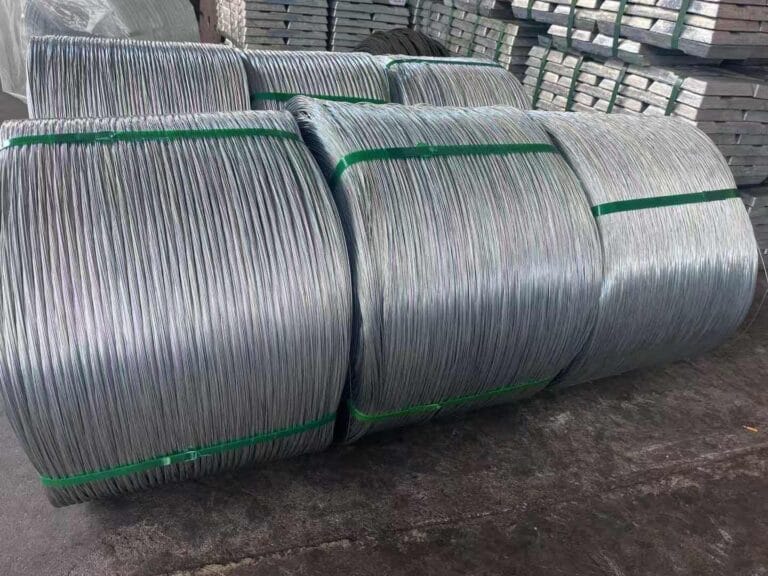
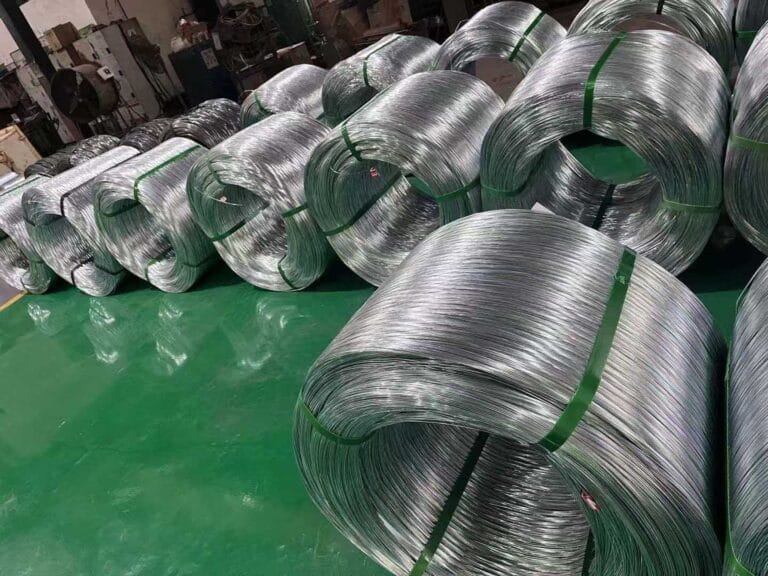
For Malawi's six-month rainy season, galvanized binding wire with minimum 40g/m² zinc coating works for outdoor structures, while black annealed wire suits indoor applications only. The material choice depends on exposure time, storage conditions, and project timeline during wet months.
I learned this the hard way after Chimwemwe, a building materials dealer in Lilongwe, called me in frustration. His workers had unwrapped my wire during a downpour. Within hours, rust spots appeared. The project manager refused to use it. I spent the next week figuring out exactly why this happened and how to prevent it.
Why Does Black Annealed Wire Rust So Fast in Malawi?
I remember staring at those rusted coils and wondering what went wrong. The wire looked perfect when it left my factory. But Malawi's climate is brutal. Rain falls almost daily from November to April. Humidity stays above 80% even when it is not raining.
Black annealed wire has no protective coating. The iron surface reacts with oxygen and moisture immediately. In Malawi's rainy season, exposed black wire can show rust within 6-12 hours. Indoor storage only delays oxidation by a few weeks without proper packaging.
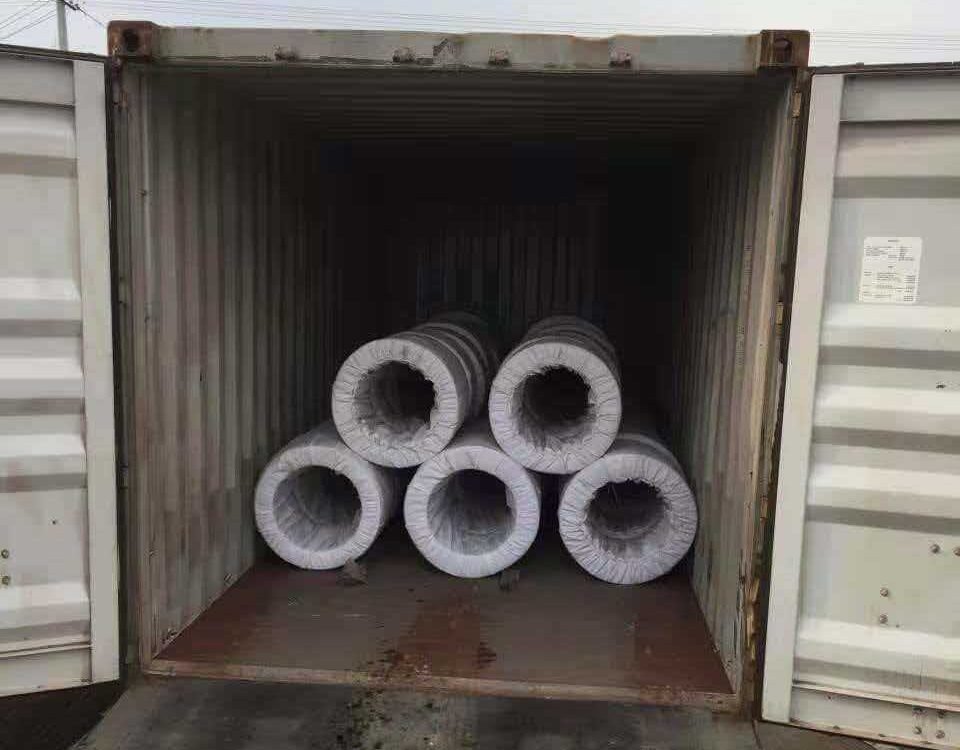
I did a simple test after that incident. I placed samples of black annealed wire and galvanized wire outside during the rainy season. I checked them every day. The black wire showed orange spots on day one. By day three, the rust had spread across half the surface. The galvanized wire stayed clean for over two weeks.
Black annealed wire goes through a heat treatment process. This makes it soft and easy to work with. But the annealing removes any natural oxide layer. The pure iron surface is exposed. When water touches it, oxidation starts immediately. In dry climates, this process is slow. In humid environments like Malawi during the rainy season, it accelerates dramatically.
| Wire Type | Time to First Rust | Suitable Use | Storage Requirement |
|---|---|---|---|
| Black Annealed | 6-12 hours outdoors | Indoor only | Dry, sealed packaging |
| Galvanized (20g/m²) | 5-7 days | Light outdoor | Covered storage |
| Galvanized (40g/m²) | 2-3 weeks | Heavy outdoor | Standard packaging |
| Galvanized (60g/m²) | 4-6 weeks | Marine/coastal | Standard packaging |
The problem gets worse when wire sits on construction sites. Workers open bundles and leave them exposed. Rain comes suddenly in Malawi. Even covered wire can get wet from ground moisture or humidity. Black annealed wire has no defense against this. I have seen entire pallets turn orange overnight.
Storage makes a difference, but not enough. I visited Chimwemwe's warehouse after the incident. He kept his wire on wooden pallets, off the ground. The warehouse had a roof but no walls. Humid air moved freely. His black annealed wire was developing rust spots even before delivery. The zinc-coated wire next to it looked fine.
What Zinc Coating Thickness Actually Protects Wire in Wet Conditions?
After replacing Chimwemwe's rusted wire with galvanized material, I became obsessed with understanding zinc coatings. I read technical specifications. I talked to factory engineers. I tested samples. The numbers tell a clear story.
Zinc coating thickness determines protection duration. For Malawi's rainy season, 40g/m² minimum protects wire for 2-3 weeks of outdoor exposure. Higher coatings of 60-80g/m² extend protection to 4-6 weeks. Thinner coatings below 30g/m² fail within one week under continuous moisture.
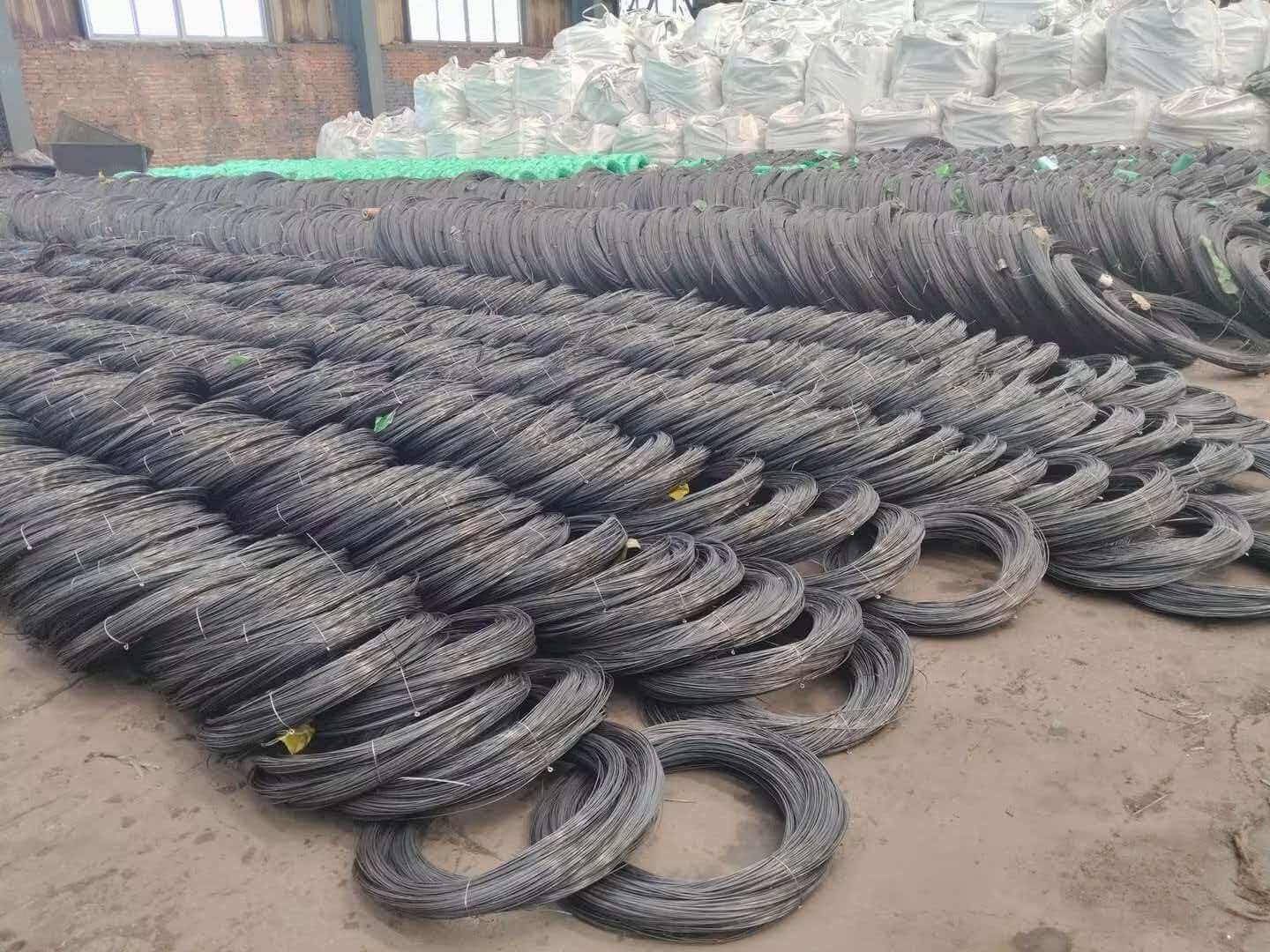
I learned that zinc coating works through sacrificial protection. The zinc layer corrodes instead of the iron underneath. Thicker zinc means longer protection. But thickness costs money. I needed to find the right balance for Malawi's conditions.
I ran a practical experiment. I ordered wire samples with different zinc coatings: 20g/m², 40g/m², 60g/m², and 80g/m². I left them exposed at a construction site during heavy rains. I measured how long each stayed rust-free.
The 20g/m² wire showed rust spots after five days. The 40g/m² wire lasted 18 days before any discoloration. The 60g/m² wire went 35 days. The 80g/m² wire showed no rust after 45 days, but by then the project had finished. For most construction timelines, 40g/m² proved sufficient.
| Zinc Coating | Protection Duration | Best For | Price Premium |
|---|---|---|---|
| 20-30g/m² | 5-10 days | Indoor/dry storage | Baseline |
| 40-50g/m² | 15-25 days | General construction | +15-20% |
| 60-70g/m² | 30-40 days | Extended projects | +30-35% |
| 80-100g/m² | 45+ days | Coastal/permanent | +50-60% |
Coating thickness is not uniform. I found this out the hard way. Some suppliers advertise 40g/m² but deliver 25g/m². The coating is thicker at the wire center and thinner at the edges. Cheap galvanizing processes create uneven layers. I started requesting lab test reports with every shipment.
Temperature affects zinc coating too. Hot-dip galvanizing creates a thick, durable layer. Electro-galvanizing produces a thinner, more uniform coating. Hot-dip costs more but lasts longer. For Malawi's rainy season, I always recommend hot-dip galvanized wire. The investment pays off.
Which Wire Diameter Works Best for Different Construction Applications?
Chimwemwe taught me something important after the rust incident. He said wire diameter matters as much as coating. Thin wire saves money but breaks easily. Thick wire lasts longer but costs more and is harder to work with. I needed to understand the sweet spot.
For main structural work during rainy season, 2.0mm (BWG 14) galvanized wire provides optimal strength and workability. Interior applications work fine with 1.6mm (BWG 16) black annealed wire. Thicker 2.5mm wire suits heavy rebar binding in foundations.
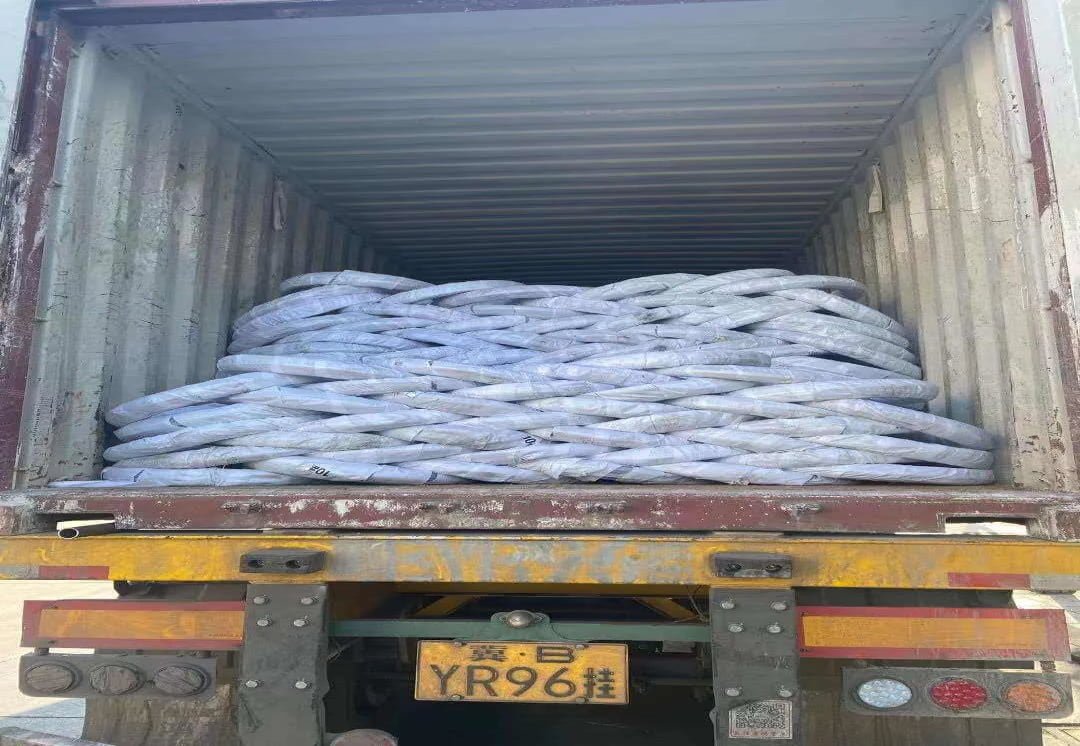
I visited several construction sites in Lilongwe to see how workers actually use binding wire. The patterns became clear quickly. Structural work needs strength. Interior work needs flexibility. Each application has an ideal diameter.
Main structural binding involves connecting vertical and horizontal rebar. Workers typically bind 12mm to 20mm rebar bars. They need wire that is strong enough to hold but soft enough to twist. I watched workers struggle with 2.5mm wire because it was too stiff. I saw 1.2mm wire break during tightening. The 2.0mm diameter hit the perfect balance.
Foundation work is different. Heavy rebar cages use 20mm to 32mm bars. These need stronger binding. Workers use pliers, not just hands. The 2.5mm wire works here. It costs about 25% more than 2.0mm wire but prevents the frustration of broken bindings. One contractor told me he loses two hours per day redoing bindings when he uses thin wire on foundations.
| Application | Recommended Diameter | Material | Typical Usage |
|---|---|---|---|
| Main structure | 2.0mm (BWG 14) | Galvanized | Column-beam connections |
| Heavy foundations | 2.5mm (BWG 12) | Galvanized | Large rebar cages |
| Interior walls | 1.6mm (BWG 16) | Black annealed | Partition framing |
| Ceiling work | 1.2mm (BWG 18) | Black annealed | Light fixtures, pipes |
| Temporary fixing | 1.0mm (BWG 20) | Black annealed | Formwork ties |
Interior applications allow cheaper wire. Walls and ceilings stay dry. Workers need flexibility more than rust resistance. Black annealed wire at 1.6mm diameter works perfectly. It costs 30-40% less than galvanized. It ties faster because it is softer. Projects save money without sacrificing quality.
I made a cost calculation for a typical three-story building in Malawi. Using appropriate wire diameters and materials for each application saved 23% compared to using 2.0mm galvanized wire everywhere. The savings came without any quality compromise. Structural work got strong galvanized wire. Interior work got cheap, flexible black wire.
How Should You Store Binding Wire During Malawi's Wet Months?
After Chimwemwe's rust disaster, I became paranoid about storage. I realized that good wire can turn bad before it even reaches the construction site. Proper storage extends wire life significantly. I learned this through multiple mistakes.
Store galvanized wire on raised pallets in covered areas with ground clearance above 30cm. Keep original packaging sealed until use. Black annealed wire requires enclosed storage with humidity below 60%. Opened bundles must be used within 48 hours during rainy season.
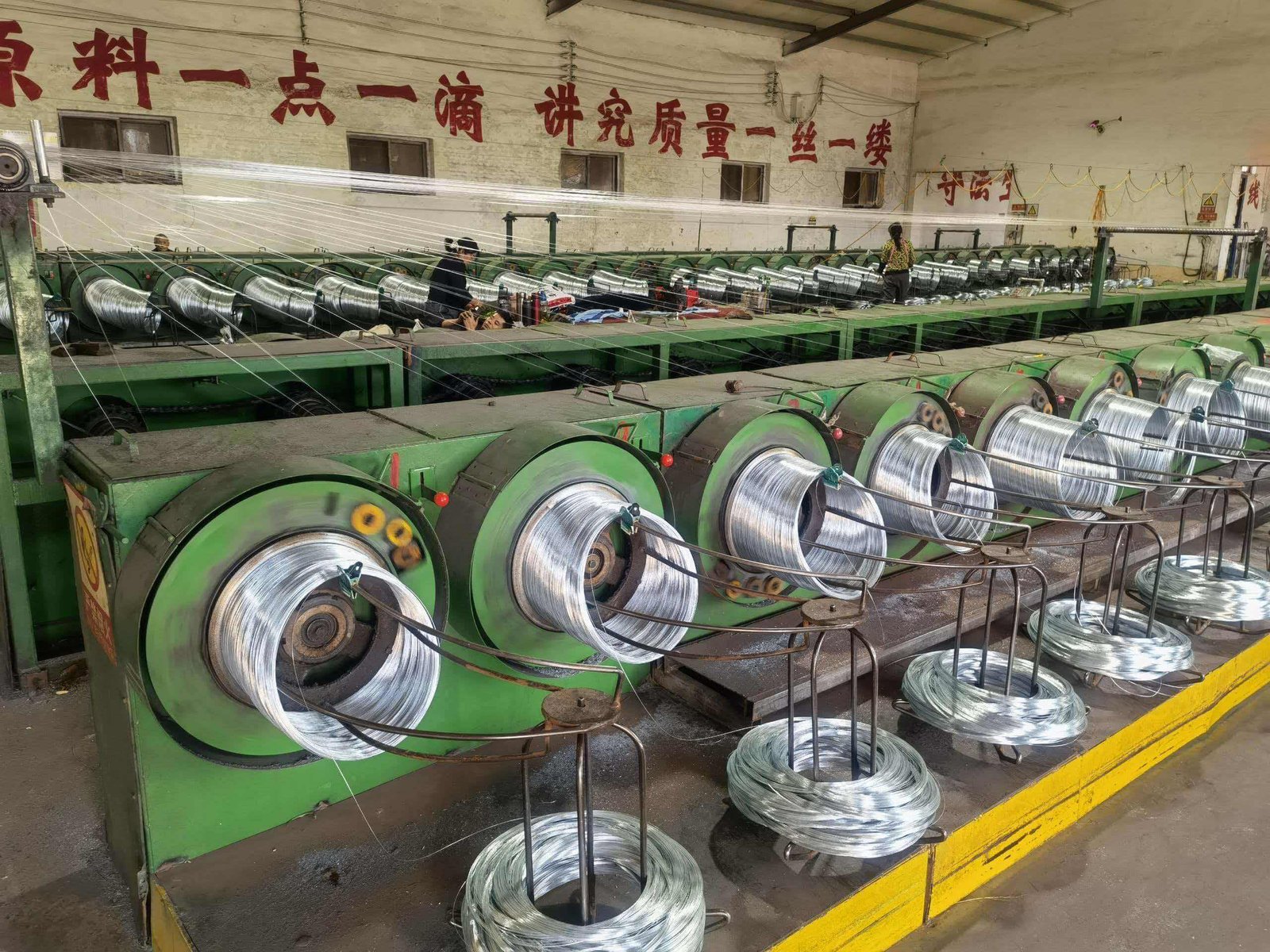
I visited warehouses across Lilongwe after the rust incident. The difference between good and bad storage was dramatic. Some dealers just stacked wire on concrete floors under tin roofs. Water pooled around the bottom coils. Rust appeared within days. Others used proper systems and kept wire perfect for months.
Ground moisture is the invisible enemy. Concrete floors look dry but absorb water during rain. That moisture moves up through wire coils. The bottom layers rust first. I now insist that all my customers use wooden or plastic pallets. The pallets must be at least 30cm high. Air needs to circulate underneath.
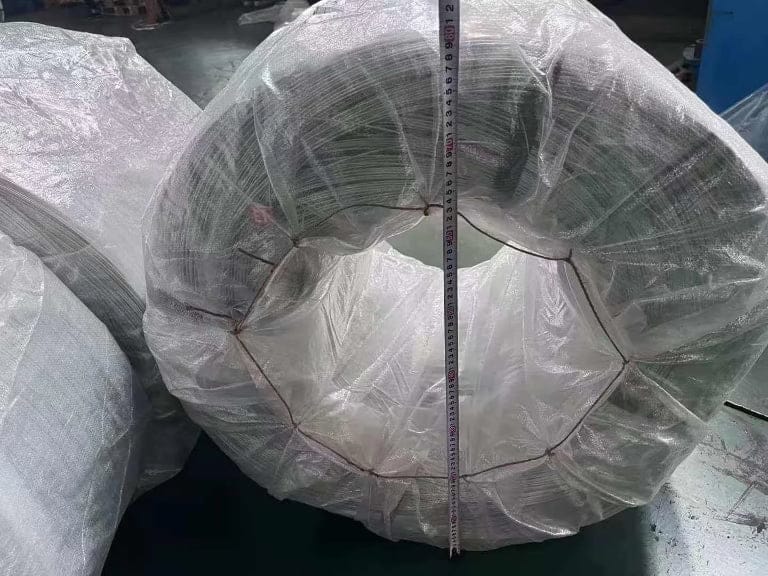
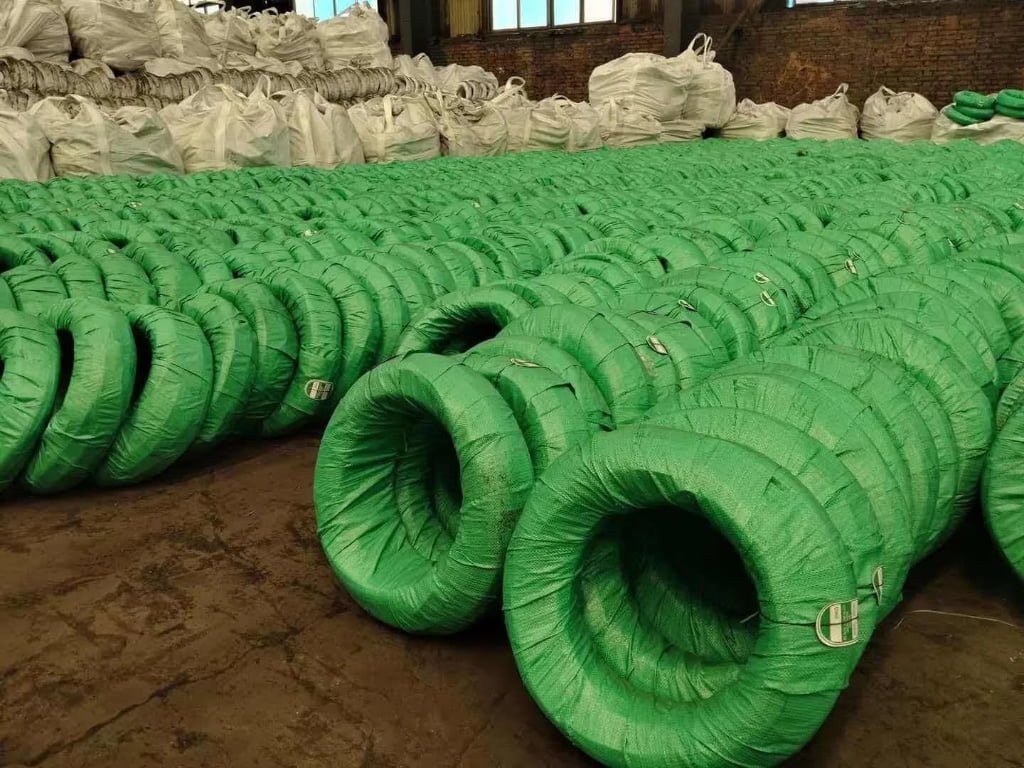
Packaging matters more than most people realize. Factory packaging includes moisture barriers. Cheap suppliers wrap wire in thin plastic. Quality suppliers use woven bags with plastic liners. Some add desiccant packets. I compared samples from different suppliers. Wire in poor packaging showed rust spots after two weeks of humid storage. Wire in quality packaging stayed clean for three months.
| Storage Method | Protection Level | Cost | Suitable Duration |
|---|---|---|---|
| Ground stacking | Poor (7-10 days) | None | Emergency only |
| Raised pallets, open shed | Fair (2-3 weeks) | Low | Short projects |
| Enclosed warehouse | Good (1-2 months) | Medium | Standard projects |
| Climate controlled | Excellent (6+ months) | High | Long-term inventory |
Opening bundles is the critical moment. Once protective packaging is removed, wire is vulnerable. I tell contractors to only open what they need for one or two days of work. Even galvanized wire degrades faster once exposed to air. Workers often cut entire bundles at once for convenience. This wastes material.
Indoor storage makes a huge difference for black annealed wire. I tested this with Chimwemwe. We stored black wire in his enclosed office versus his open warehouse. The office wire stayed usable for six weeks. The warehouse wire rusted in ten days. Temperature control is not necessary. Humidity control is critical.
One contractor created a simple solution. He built a small enclosed room inside his warehouse using plywood and plastic sheeting. The room holds about two tons of wire. It costs $200 to build. His black annealed wire now lasts the entire rainy season. The savings from reduced waste paid for the room in one month.
What Are the Real Cost Differences Between Wire Types for Six-Month Projects?
I used to think material cost was the main factor. Then I calculated actual project costs including waste, labor, and delays. The real picture surprised me. Cheap wire often costs more overall.
For a typical six-month building project in Malawi, using appropriate wire types costs 18-25% more upfront but reduces total wire expense by 15-20% through lower waste, fewer delays, and less rework. Galvanized wire for outdoor work eliminates rust replacement costs.
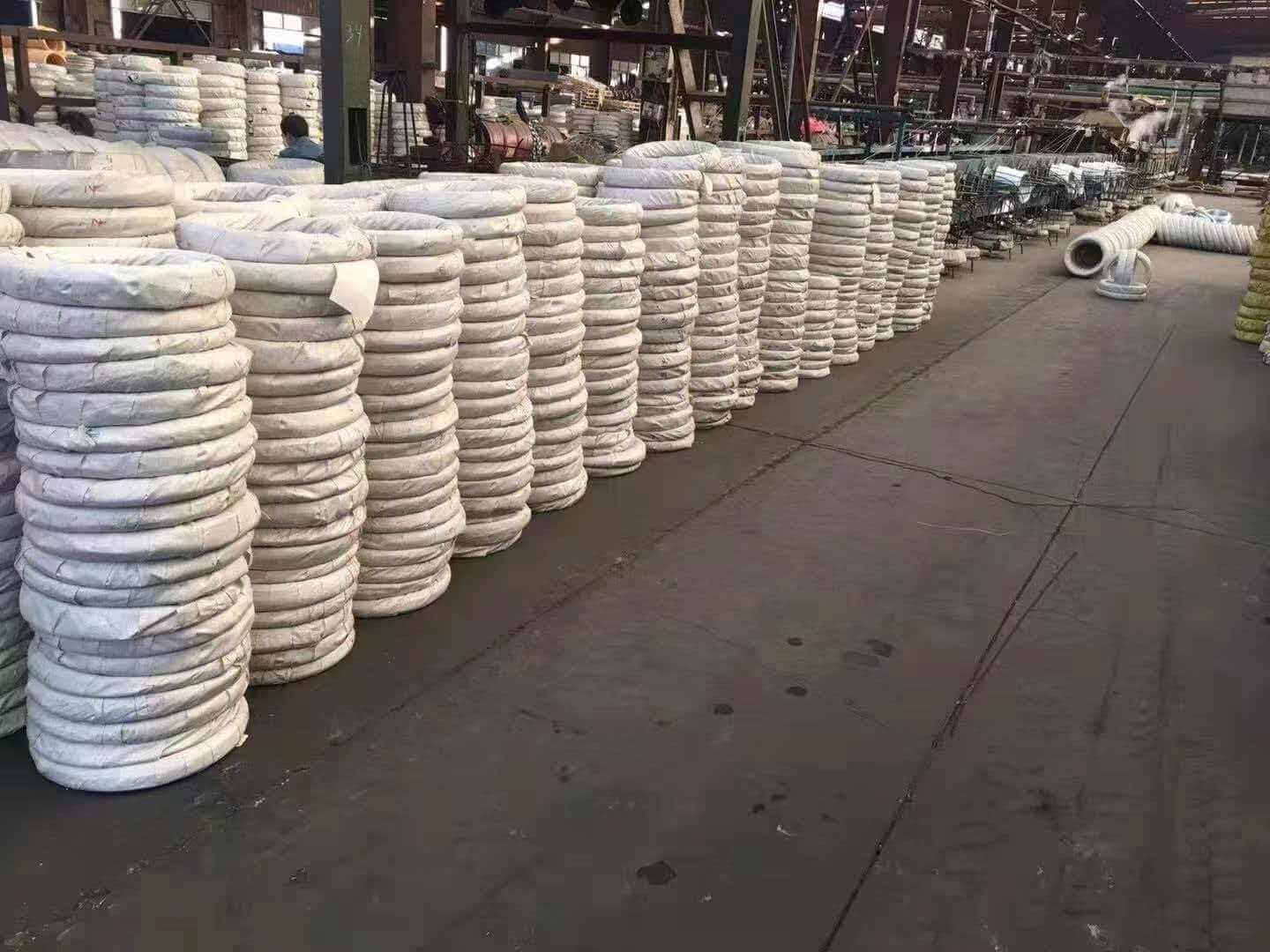
I worked with Chimwemwe to track actual costs on three identical projects. One used black annealed wire throughout. One used galvanized wire throughout. One used mixed materials based on application. The mixed approach won decisively.
The all-black-wire project looked cheapest initially. Wire cost $850 per ton versus $1100 for galvanized. For 5 tons, that is a $1250 savings. But rust forced replacement of 1.2 tons of outdoor wire. Workers wasted time sorting rusty sections. The project spent an extra $1850 on replacement material and labor. Total excess cost was $600.
The all-galvanized project avoided rust problems completely. Workers had no delays. No material waste. But galvanized wire costs more upfront. Using it everywhere added $1250 to the initial budget. Much of this went to interior work that did not need rust protection. The project overspent by about $800.
| Approach | Wire Cost | Waste Cost | Labor Impact | Total Cost | Variance |
|---|---|---|---|---|---|
| All black annealed | $4,250 | +$980 | +$870 | $6,100 | +$600 |
| All galvanized | $5,500 | $0 | $0 | $5,500 | +$0 |
| Mixed materials | $4,750 | $120 | $180 | $5,050 | Best |
| Poor quality mixed | $4,200 | +$1,100 | +$1,200 | $6,500 | Worst |
The mixed approach used galvanized wire for structural and outdoor work. It used black annealed wire for interior applications. Initial wire cost was $4750. Minimal waste occurred because each wire type matched its application. Total project cost came to $5050. This saved $450 compared to the all-galvanized approach and $1050 compared to the all-black approach.
Labor costs matter more than people realize. Rusty wire breaks during binding. Workers must re-tie connections. Poor quality wire is stiff and hard to work with. I watched workers spend twice as long binding with cheap wire versus quality wire. On a project using 300 worker-hours for binding, poor wire added 50 hours of wasted time.
Quality within each wire type makes a difference too. I compared wire from three Chinese suppliers at similar price points. One supplier's wire had inconsistent diameter. Workers had to adjust their tools constantly. Another supplier's galvanized coating flaked off during bending. Only one supplier delivered consistent quality. The $50 per ton price difference was meaningless compared to the quality impact.
Conclusion
Malawi's six-month rainy season demands smart wire choices. Use galvanized wire with 40g/m² zinc coating for outdoor work. Save money with black annealed wire indoors. Store everything properly on raised pallets in covered areas. The upfront investment in quality wire and storage prevents costly rust replacements and project delays.
We provide full MTC (Mill Test Certificate) and Certificate of Origin with every shipment.
We provide a full range of construction binding wire for African projects. Galvanized Iron Wire: https://mfgwiremesh.com/metal-wire/galvanized-iron-wire/ Black Annealed Iron Wire: https://mfgwiremesh.com/metal-wire/black-annealed-iron-wire/ 201 Stainless Steel Wire: https://mfgwiremesh.com/metal-wire/201-stainless-steel-wire/ Mix container loading supported.
If you are sourcing construction binding wire for Malawi or any African market, we are happy to provide a specification-based quotation. Contact us via WhatsApp: +86 15383180672.
FAQ:
Q1: Choosing rust-resistant binding wire for Malawi's rainy season.
A1: Galvanized binding wire with minimum 40g/m² zinc coating is the standard choice for structural rebar tying and any outdoor application during Malawi's rainy season from November to April. The zinc coating prevents rust even when rebar assemblies sit exposed for weeks before concrete pouring. Black annealed wire has no rust protection and should be used only for indoor applications where moisture exposure is minimal.
Q2: Storing binding wire properly during Malawi's wet months.
A2: Store all binding wire on raised pallets with at least 30cm ground clearance in covered areas. Keep original factory packaging sealed until use. Black annealed wire requires enclosed storage with humidity below 60% and should be used within 48 hours of opening bundles during the rainy season. Galvanized wire can store for several months if kept dry and properly covered.
Q3: Matching wire diameter to application for Malawi construction.
A3: Use 2.0mm (BWG 14) galvanized wire for main structural rebar tying. Use 2.5mm (BWG 12) galvanized wire for heavy foundation cages. Use 1.6mm (BWG 16) black annealed wire for interior partition walls and ceiling fixtures. Using the right diameter for each application reduces waste by up to 15% compared to using one size everywhere.