


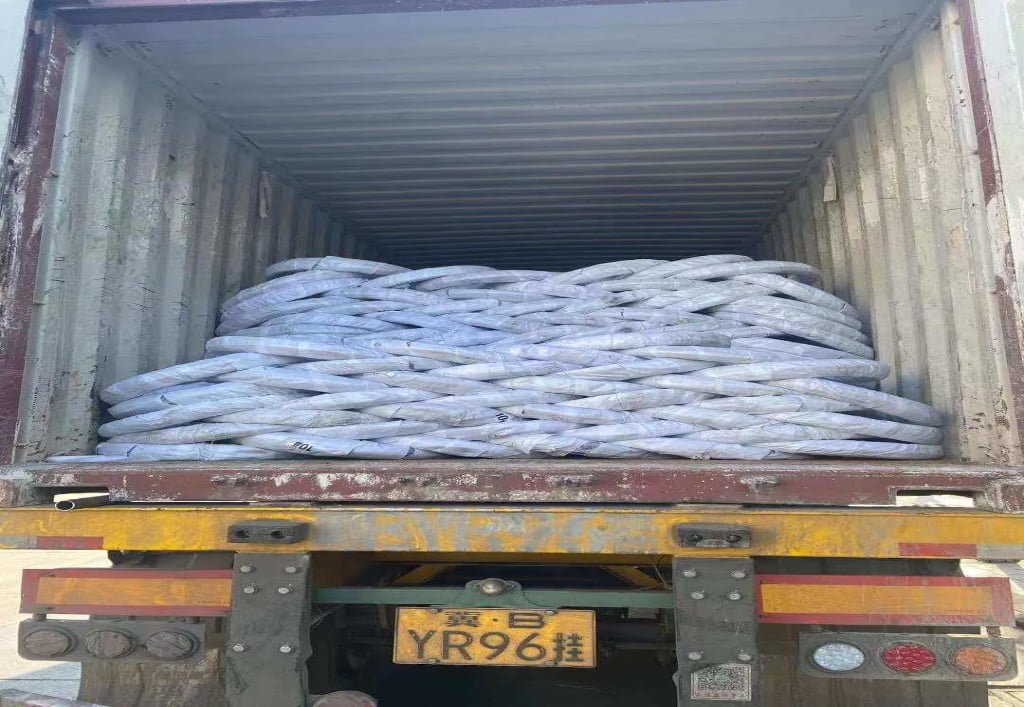
Uganda's landlocked location means every container of binding wire must transit through Kenya's Mombasa port before reaching Kampala. Understanding the logistics chain, packaging requirements, and customs procedures makes the difference between a smooth import and costly delays. Here is what a Kampala wholesaler learned from five years of importing.
Moses imports binding wire every six weeks through the Mombasa-Kampala route. Buyers like him, who need reliable logistics guidance for construction binding wire to Uganda, can find detailed specifications on our product page: https://mfgwiremesh.com/metal-wire/galvanized-iron-wire/
I learned something important from Moses, a building materials wholesaler in Kampala. He has been importing binding wire for five years. Every shipment must pass through Mombasa port in Kenya first. He told me the biggest challenge is not price. It is packaging and documentation.
Landlocked countries like Uganda face unique import challenges. The key to successful binding wire imports is proper moisture-proof packaging and advance customs clearance preparation. With these two elements handled correctly, your cargo can reach Kampala warehouse within 35 days from Chinese factory.
Moses shared his experience with me over coffee last month. His story opened my eyes to what really matters when shipping to East African landlocked countries. Let me break down his process step by step.
Why Does Packaging Matter So Much for Uganda Binding Wire Imports?
Moses lost money on his first three shipments. The binding wire arrived rusted and damaged. His customers refused to accept the products. He had to sell them at half price just to clear his warehouse space.
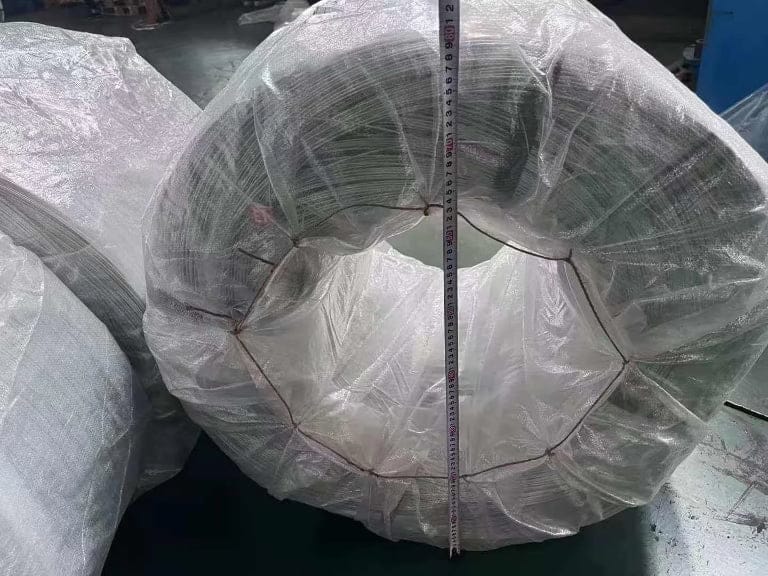
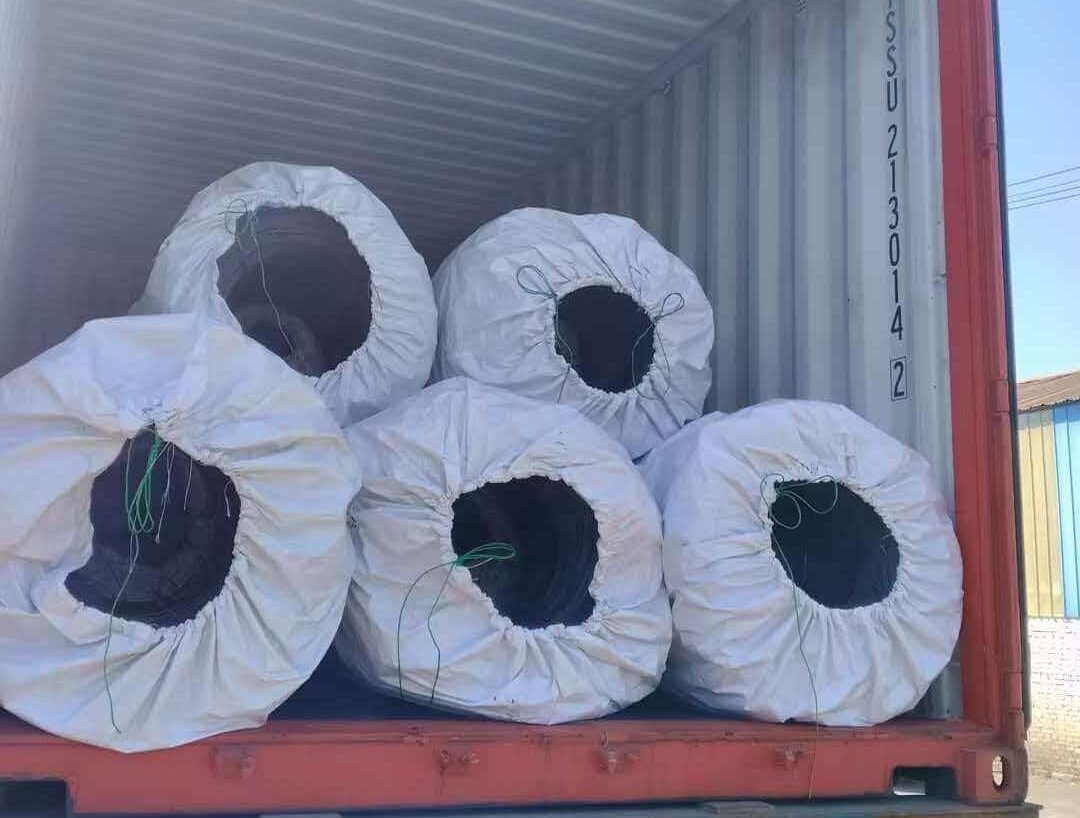
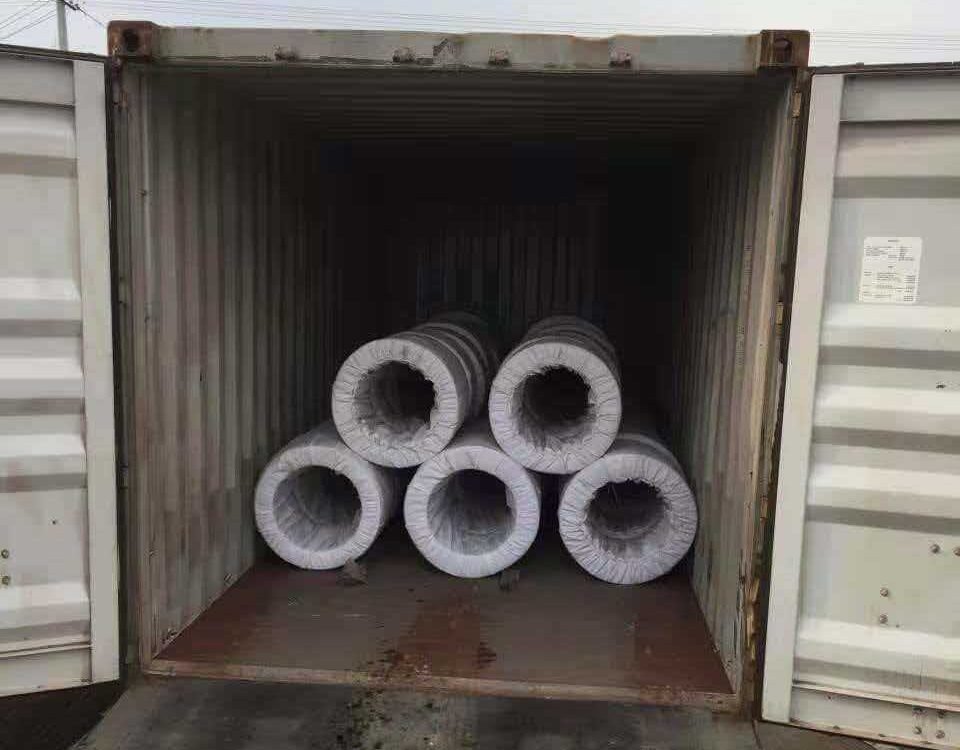
Binding wire shipped to Uganda needs triple-layer protection: inner plastic film for moisture seal, outer woven bag for mechanical protection, and steel strapping with pallet wrapping. This prevents rust damage during the 4-7 day inland transport from Mombasa to Kampala.
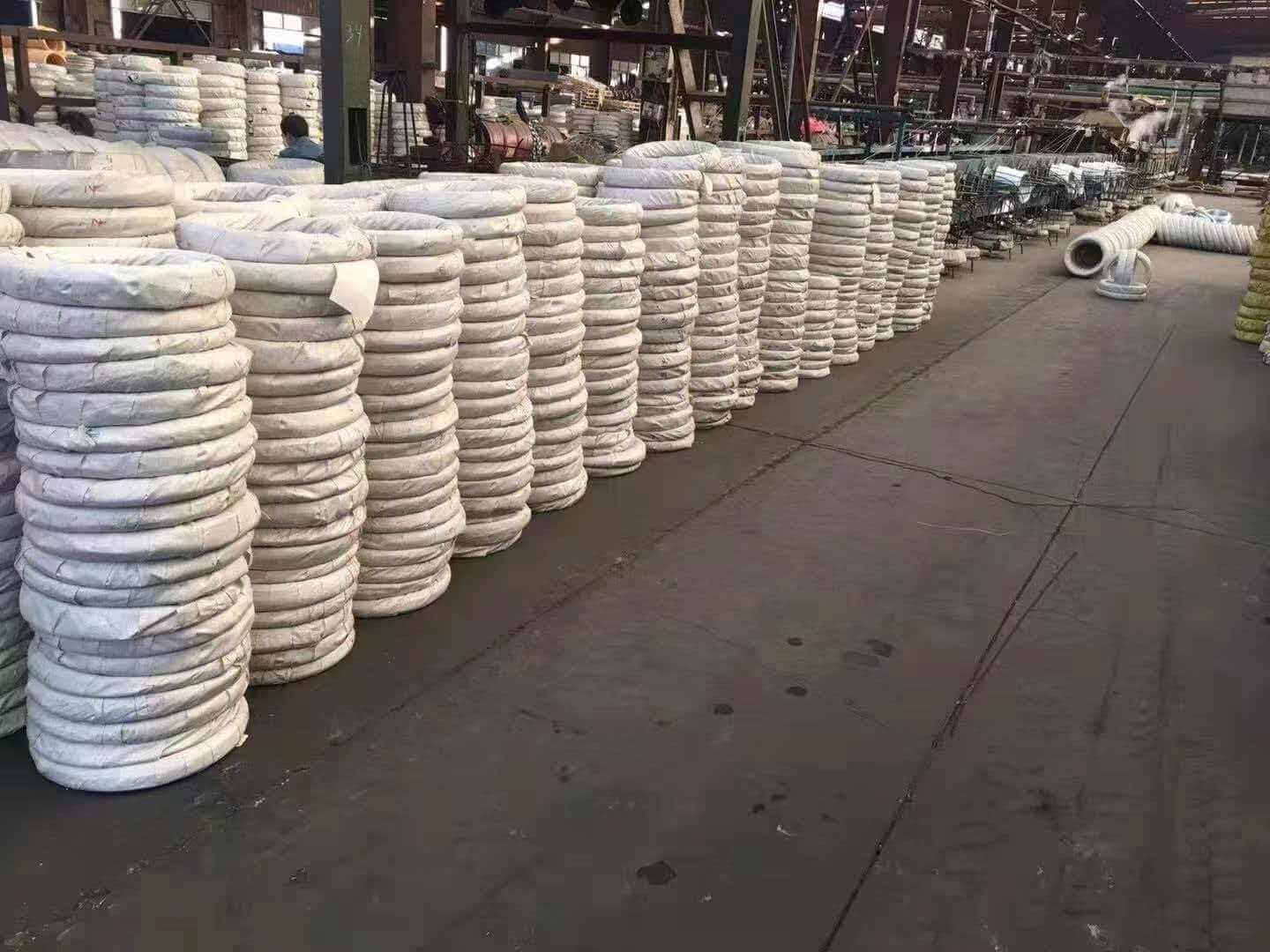
The journey from Mombasa to Kampala covers about 1200 kilometers. Trucks travel through varying weather conditions. Moses explained that rain is common along this route. Containers sometimes sit at border checkpoints for hours under heavy rain.
I asked Moses what happens when packaging fails. He showed me photos on his phone. The outer woven bags looked fine from outside. But when workers opened them, the inner coils had orange rust spots everywhere. The moisture had seeped through during transport.
Here is what Moses learned about packaging requirements:
| Packaging Layer | Purpose | Material Specification |
|---|---|---|
| Inner Film | Moisture barrier | 0.08mm thick plastic film, heat sealed |
| Outer Bag | Physical protection | PP woven bag, minimum 80gsm |
| Steel Strapping | Prevent loosening | 2-3 steel bands per coil |
| Pallet Wrap | Extra weather shield | Stretch film, 3-4 layers minimum |
Moses now inspects packaging photos before every shipment leaves China. He asks his supplier to send detailed pictures of each packaging layer. This simple check saved him from three potential disasters last year.
The cost difference between basic and proper packaging is only about $15 per ton. But damaged goods can cost you 50% of the total value. Moses said this is the most important lesson from his five years of importing.
How Does the Bonded Transit System Work for Uganda Customs Clearance?
Moses used to clear customs at Mombasa port. This caused delays and extra costs. His clearing agent in Kenya had to coordinate with trucking companies. Sometimes cargo sat at the port for two weeks waiting for clearance.
Uganda's bonded transit system allows sealed containers to bypass Mombasa customs and clear directly at Kampala's URA (Uganda Revenue Authority) bonded warehouse. This reduces total transit time by 7-10 days and eliminates double handling fees at the port.
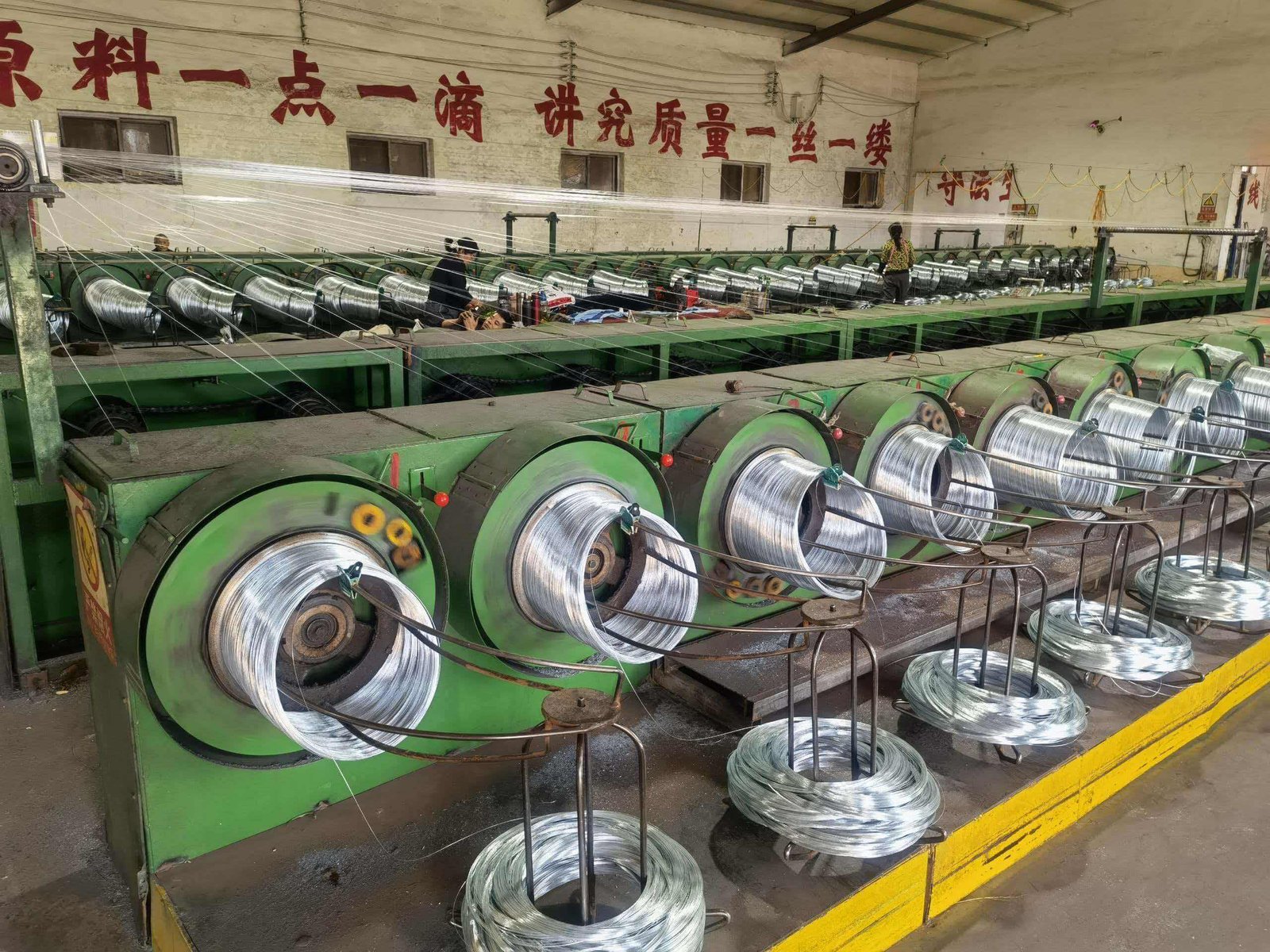
Moses walked me through his current import procedure. He starts preparing documents three days before the vessel arrives at Mombasa. His clearing agent in Kampala needs these documents for pre-declaration:
- Commercial invoice with detailed product description
- Packing list showing exact weight and quantity
- Bill of lading marked "In Transit to Uganda"
- Certificate of origin if available
The container gets customs seal at Mombasa port. The seal number is recorded in the transit bond document. Moses said this seal must remain intact until the container reaches Kampala URA warehouse.
Trucks usually take 4-5 days to drive from Mombasa to Kampala. Moses tracks his containers through GPS (Global Positioning System) provided by the transport company. He can see exactly where his cargo is at any moment.
When the container arrives at URA warehouse, customs officers verify the seal. If the seal is intact, they proceed with clearance inspection. Moses said this usually takes one day. If everything is in order, he can collect his cargo the same afternoon.
Here is Moses's typical import timeline:
| Stage | Duration | Key Actions |
|---|---|---|
| Sea freight (China to Mombasa) | 20-25 days | Track vessel, prepare documents |
| Pre-clearance documentation | 3 days before arrival | Submit to clearing agent |
| Container sealing and dispatch | 1 day | Verify seal number |
| Inland transport | 4-5 days | GPS tracking |
| URA warehouse clearance | 1-2 days | Physical inspection |
| Total | 30-35 days | From factory to warehouse |
Moses emphasized one critical point. Your clearing agent must submit pre-declaration before the container leaves Mombasa. Without pre-declaration, customs will treat it as a new import. This adds 3-5 extra days to the process.
What Documents Do You Actually Need for Uganda Binding Wire Imports?
Moses keeps a checklist on his phone. He sends this to every new supplier. Many Chinese exporters are not familiar with Uganda's requirements. They sometimes miss important details on documents.
Uganda customs requires commercial invoice, packing list, bill of lading, and factory MTC (Material Test Certificate) for binding wire imports. All documents must show consistent product specifications and net weight calculations. Discrepancies cause clearance delays.
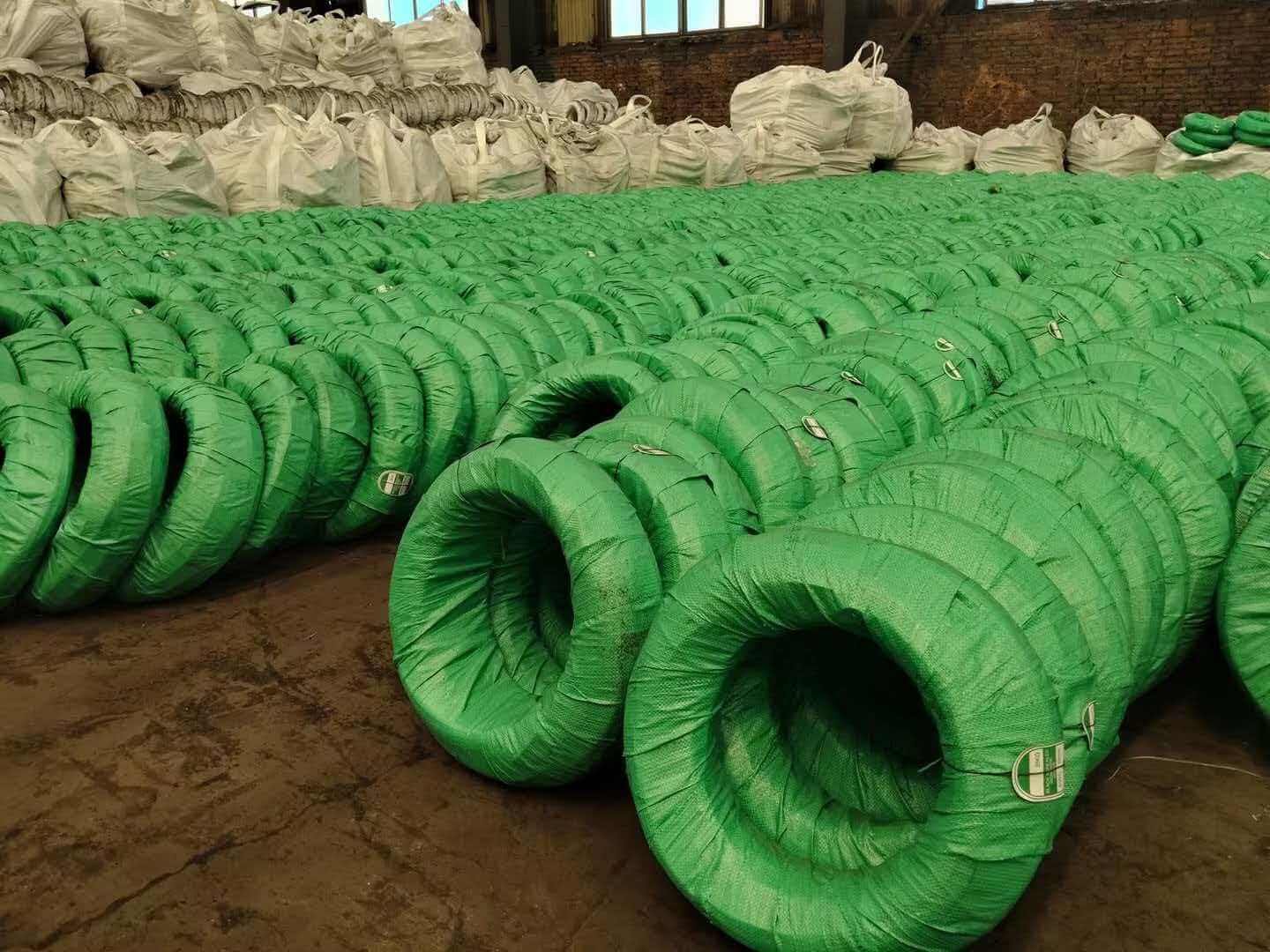
Moses showed me examples of problematic documents from his early imports. The first mistake was inconsistent product descriptions. The invoice said "galvanized binding wire" but the packing list said "soft wire". Customs questioned whether these were the same products.
The second common mistake involves weight calculations. Your supplier must show gross weight, net weight, and tare weight separately. Moses said customs officers in Kampala are very particular about this. They want to know exactly how much wire you are importing, not including packaging weight.
Here is Moses's document checklist with specific requirements:
Commercial Invoice Requirements:
- Full company names and addresses for both parties
- Product description: "Galvanized Binding Wire" or "Black Annealed Binding Wire"
- Specification: wire diameter, coil weight, tensile strength
- Unit price, total quantity, and total value in USD
- Payment terms and Incoterms (usually FOB or CIF)
Packing List Requirements:
- Same product description as invoice
- Individual package details (coils per pallet, weight per coil)
- Net weight, gross weight, and tare weight for each package
- Container number and seal number
- Total packages and total cubic meters
Bill of Lading Requirements:
- Consignee marked as "To Order" or buyer's company name
- Port of discharge: Mombasa
- Final destination: Kampala, Uganda
- Freight terms matching the sales contract
Moses also requests a factory MTC. Uganda does not require mandatory certification for binding wire. But having an MTC makes customs clearance smoother. It shows your product meets basic quality standards.
I asked Moses about the PVOC (Pre-Export Verification of Conformity) certificate that Kenya requires. He said Uganda importers do not need this certificate if using bonded transit. The container bypasses Kenya customs completely. This is one major advantage of the bonded transit system.
How Much Does It Actually Cost to Import Binding Wire to Kampala?
Moses shared his cost breakdown with me. He imports 25-ton containers about every six weeks. This volume gives him leverage to negotiate better rates with shipping lines and transport companies.
Total landed cost for binding wire in Kampala includes FOB (Free on Board) price, sea freight, inland transport, customs duty at 10% of CIF (Cost, Insurance, and Freight) value, clearing fees, and local transport. Budget approximately $150-180 per ton for all logistics costs.
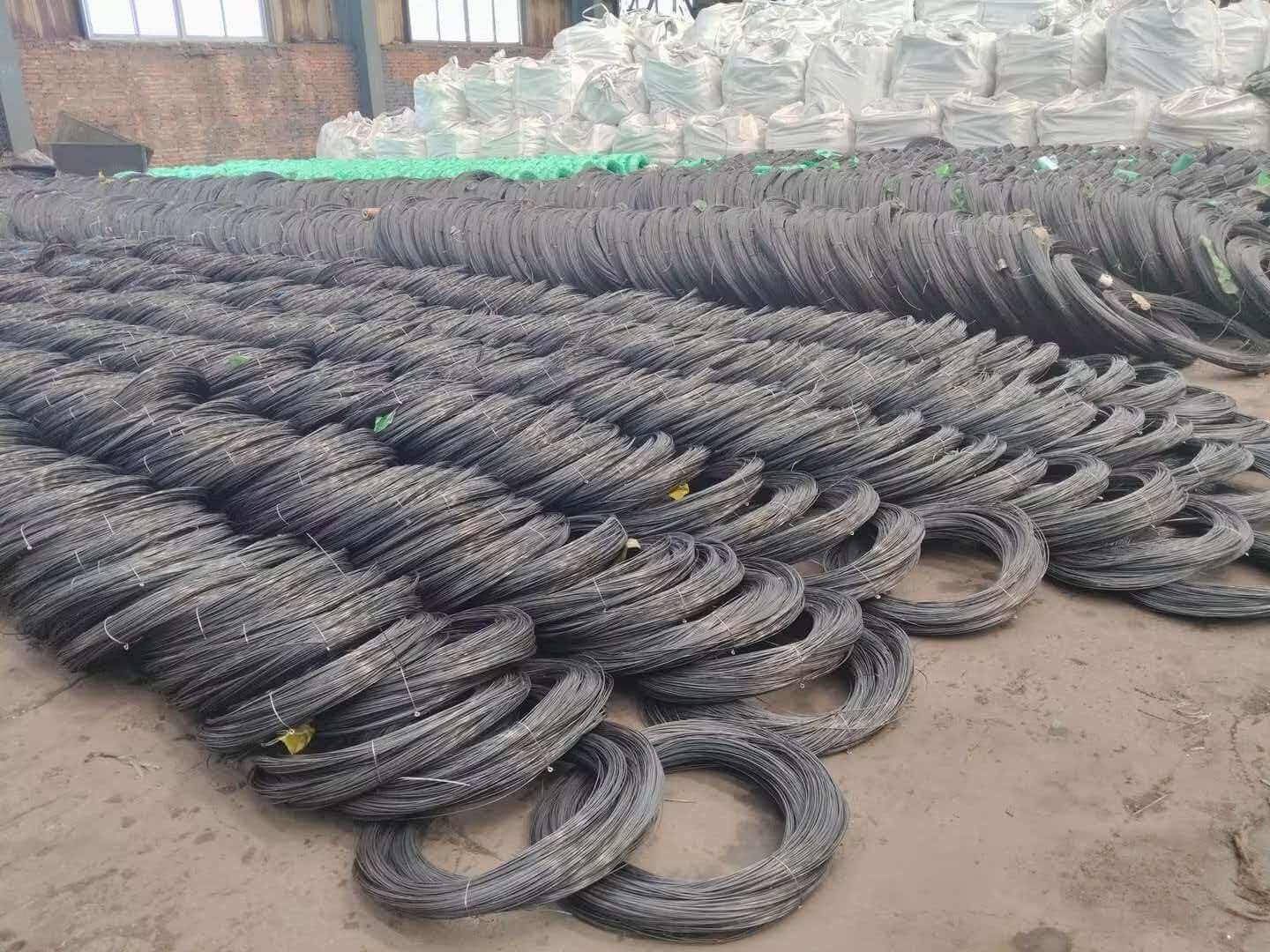
The FOB price from Chinese suppliers varies by specification. Moses usually pays $550-650 per ton for standard galvanized binding wire. Black annealed wire costs slightly less at $520-580 per ton. These prices fluctuate with global steel markets.
Sea freight from Chinese ports to Mombasa ranges from $1800 to $2200 per 40-foot container. Moses books space through a freight forwarder in Guangzhou. He said rates are higher from July to September due to peak season surcharges.
Inland transport from Mombasa to Kampala costs $1200-1500 per container. This includes the bonded transit fees and truck rental. Moses uses the same transport company for every shipment. They give him a fixed rate because of his regular volume.
Here is Moses's actual cost example from last month:
| Cost Item | Amount (USD) | Notes |
|---|---|---|
| FOB price (25 tons @ $600) | $15,000 | Galvanized binding wire, 1.2mm diameter |
| Sea freight | $2,000 | Low season rate |
| Inland transport | $1,300 | Fixed rate with regular transporter |
| Customs duty (10% of CIF) | $1,830 | Based on $18,300 CIF value |
| Clearing agent fee | $350 | Includes documentation and URA warehouse charges |
| Local transport to warehouse | $100 | Kampala city delivery |
| Total landed cost | $20,580 | Equals $823 per ton |
Moses adds 20% markup to his landed cost. He sells to construction companies and hardware stores around Kampala. His final selling price is about $990 per ton. This gives him healthy profit margins while staying competitive with other importers.
I asked Moses about payment terms with Chinese suppliers. He said most factories require 30% deposit and 70% balance before shipment for first-time buyers. After building trust over several orders, some suppliers now give him 100% payment against copy of Bill of Lading.
How Do You Choose the Right Binding Wire Supplier for Uganda Market?
Moses has worked with seven different Chinese suppliers over five years. He now has two main suppliers he rotates between. He shared the lessons he learned from supplier selection mistakes.
The right binding wire supplier for Uganda must understand moisture-proof packaging requirements, provide flexible payment terms after initial orders, maintain consistent product quality across shipments, and respond quickly to quality issues. Price should be your third or fourth consideration, not your first.
Moses said his biggest mistake was choosing the cheapest quote. His first supplier offered prices $50 per ton lower than competitors. The wire arrived with uneven diameters. Some coils measured 1.15mm instead of the specified 1.2mm. His customers complained about breakage during binding.
The second supplier had good quality but terrible communication. Moses would send messages on WhatsApp and wait two days for replies. When he needed urgent updates about his shipment, nobody responded during Chinese evening hours. This caused anxiety and planning problems.
His current main supplier is not the cheapest. But they check every detail Moses cares about. They send packaging photos without being asked. They provide updates every three days during production. When Moses had a quality issue once, they immediately offered to replace the affected quantity in his next order.
Here are Moses's supplier evaluation criteria in order of importance:
Packaging Standards (Priority 1):
- Uses triple-layer protection automatically
- Sends packaging photos before shipment
- Willing to add extra protection upon request
- Uses proper steel strapping and pallet wrapping
Communication Quality (Priority 2):
- Responds to messages within 12 hours
- Proactive with shipment updates
- Available during evening hours (China time)
- Speaks clear business English
Quality Consistency (Priority 3):
- Maintains tight diameter tolerance (+/- 0.02mm)
- Consistent zinc coating thickness
- Even coil winding without loose ends
- Provides material test certificates
Pricing and Terms (Priority 4):
- Competitive but not suspiciously low
- Flexible payment terms after first order
- No hidden fees or surprise charges
- Clear Incoterms in quotation
Moses advises new importers to place small trial orders with multiple suppliers. He started with 5-ton test orders from three different factories. This helped him compare quality and service without risking large amounts of money.
I asked Moses about factory audits. He said he has never visited China to check factories. But he asks his suppliers to send factory photos and business license copies. He also checks their export history through trade data platforms. Suppliers with consistent export records to East Africa usually understand the market better.
What Are the Most Common Problems in Uganda Binding Wire Imports?
Moses has seen almost every type of import problem over his five years. Some caused minor delays. Others resulted in significant financial losses. He shared the three problems that cost him the most money and stress.
The three most common and costly problems in Uganda binding wire imports are rust damage from poor packaging, customs delays due to document errors, and quality disputes over wire diameter tolerance. These can be prevented through proper supplier selection and pre-shipment documentation review.
Moses lost $4,000 on his third import. The wire looked perfect when loaded in China. Photos showed clean, shiny galvanized coils. But when containers arrived in Kampala during rainy season, problems appeared.
Workers opened the containers at URA warehouse. The outer woven bags were wet. Inner coils had moisture condensation between the wraps. Within two weeks in his warehouse, rust spots appeared on the wire surface. Moses tried to sell the wire at a discount. Many buyers rejected it because rust weakened the wire strength.
Moses traced the problem back to packaging. His supplier used single-layer plastic film. The heat-sealing was incomplete at some edges. Moisture seeped in during the humid inland transport. The galvanized coating could not protect the wire once water penetrated the packaging.
He now insists on vacuum-sealed inner packaging. His supplier heat-seals the plastic film, then vacuum-removes air before final sealing. This creates an airtight barrier. Even if outer packaging gets wet, the inner wire stays completely dry.
Moses had a container stuck at URA warehouse for eight days. Customs found inconsistencies between his commercial invoice and packing list. The invoice listed "Galvanized Iron Wire" but the packing list said "Soft Binding Wire". Customs suspected these might be different products.
His clearing agent had to get a letter from the supplier explaining these were the same product with different descriptions. Getting this letter from China took three days. Then customs needed time to review and approve. The whole delay cost Moses eight days of waiting.
Moses learned to check every document before his supplier ships. He created a simple checklist:
- Product description identical on invoice and packing list
- Net weight matches on both documents
- HS code shown on both documents
- Company names spelled exactly the same way
- Container number and seal number match the Bill of Lading
He asks his supplier to send draft documents by email. Moses reviews them carefully. If he spots any mismatch, he asks for corrections before the actual shipment. This simple review process has prevented five potential customs delays in the past year.
Moses ordered 1.2mm galvanized binding wire. When the container arrived, he randomly checked several coils. Some measured 1.18mm, some 1.22mm. His largest customer, a construction company, rejected the delivery. Their project specifications required strict 1.2mm +/- 0.02mm tolerance.
Moses called his supplier. The supplier said 1.18mm to 1.22mm is normal industry tolerance. But Moses's customer disagreed. They wanted exact 1.2mm or they would not accept the wire. Moses was caught in the middle. He eventually sold the wire to smaller customers at a lower price.
This taught Moses to clarify tolerance requirements before ordering. He now specifies "+/- 0.02mm" in his purchase order. He also asks for third-party testing before shipment. His supplier sends samples to SGS (Société Générale de Surveillance) testing center in China. The test report shows actual diameter measurements from five random coils.
The testing costs about $150 per shipment. But it prevents disputes worth thousands of dollars. Moses includes this cost in his pricing calculations. His customers appreciate that he provides certified test reports with every delivery.
Conclusion
Moses's experience shows that successful binding wire imports to Uganda depend on three elements: moisture-proof packaging, advance documentation preparation, and clear quality specifications. Focus on these fundamentals, and your cargo will reach Kampala safely within 35 days.
We provide full MTC (Mill Test Certificate) and Certificate of Origin with every shipment.
We provide a full range of construction binding wire for African projects. Galvanized Iron Wire: https://mfgwiremesh.com/metal-wire/galvanized-iron-wire/ Black Annealed Iron Wire: https://mfgwiremesh.com/metal-wire/black-annealed-iron-wire/ 201 Stainless Steel Wire: https://mfgwiremesh.com/metal-wire/201-stainless-steel-wire/ Mix container loading supported.
If you are sourcing construction binding wire for Uganda or any African market, we are happy to provide a specification-based quotation. Contact us via WhatsApp: +86 15383180672.
FAQ:
Q1: Packaging requirements for Uganda-bound binding wire shipments.
A1: Uganda-bound binding wire requires triple-layer protection: inner plastic film for moisture seal, outer PP woven bag for mechanical protection, and steel strapping with pallet stretch wrap. This prevents rust damage during the 4-5 day inland transport from Mombasa to Kampala, where rain is common along the route. The cost of proper packaging is about $15 per ton but prevents losses of up to 50% of cargo value.
Q2: How the bonded transit system saves time and costs for Uganda importers.
A2: Uganda's bonded transit system allows sealed containers to bypass Mombasa customs clearance and proceed directly to Kampala's URA bonded warehouse. Total transit time from factory to warehouse is approximately 30-35 days. The key step is submitting pre-clearance documents to your clearing agent three days before the vessel arrives at Mombasa. This system avoids double handling fees at Mombasa port and reduces clearance time by 7-10 days.
Q3: Common documentation mistakes that cause Uganda customs delays.
A3: The most common mistakes are inconsistent product descriptions between invoice and packing list, incomplete weight breakdowns, and mismatched container numbers. Always ensure product descriptions are identical across all documents, net and gross weights are listed separately, and container and seal numbers match the Bill of Lading. Uganda customs officers are strict about these details. Review all documents before shipment to prevent delays.