


Rwanda's strict construction standards create specific requirements for binding wire that contractors in other East African countries rarely encounter. Understanding the right specifications for different applications and weather conditions helps projects pass inspection and avoid costly rework. Here is what a Kigali contractor learned about meeting Rwanda's building codes.
Jean worked on a government office building where the inspector checked every material specification. Buyers like him, who need clear guidance on construction binding wire for Rwanda's demanding standards, can find detailed specifications on our product page: https://mfgwiremesh.com/metal-wire/galvanized-iron-wire/
Rwanda has some of the toughest building codes in East Africa. I learned this the hard way when I supplied binding wire to contractors in Kigali. The construction inspectors there check everything, including the wire you use to tie rebar. If your specifications are wrong, you will face project delays and extra costs.
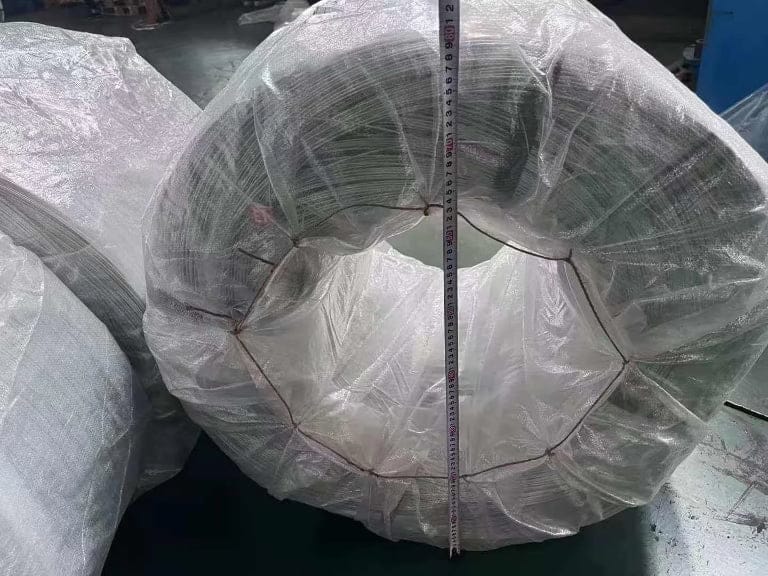
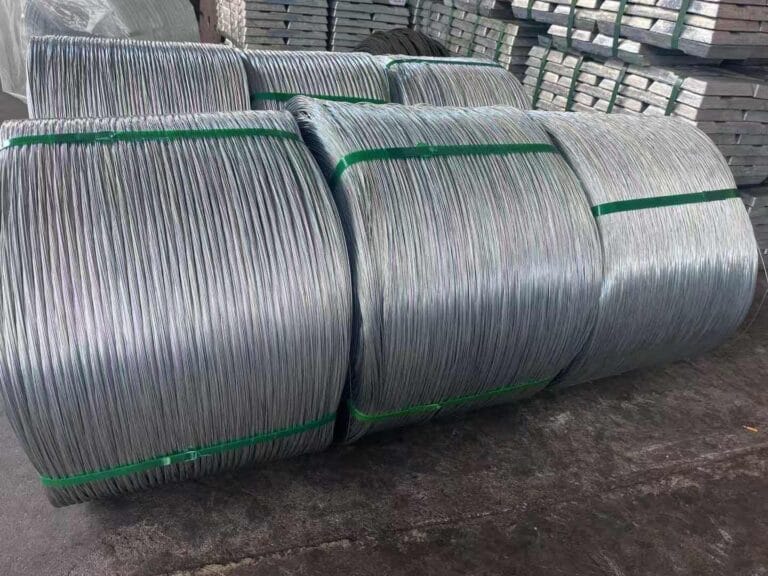
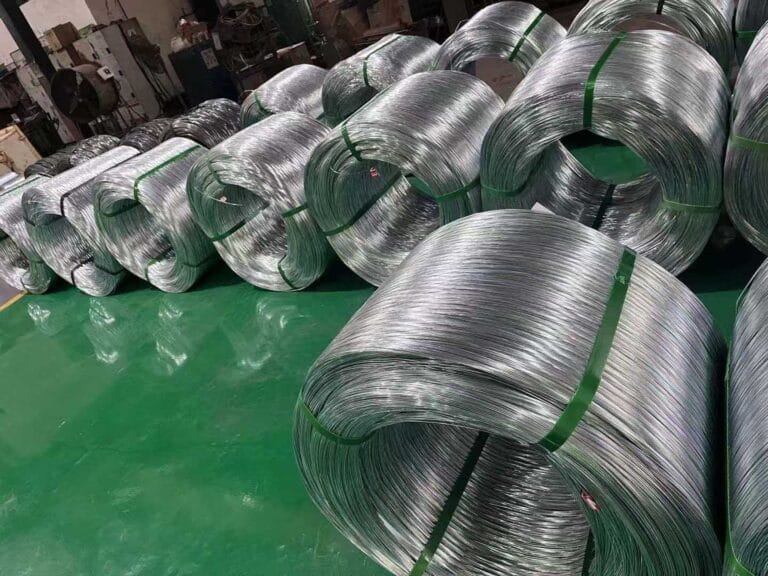
For Rwanda's climate and construction requirements, you need 2.0mm galvanized binding wire with minimum 40g/m² zinc coating for exterior structural work, and BWG 18 black annealed wire for interior non-structural applications. The two rainy seasons make rust prevention critical, so choosing the right specification for each application protects both the structure and your project timeline.
I have worked with many contractors in Kigali who struggle with this question. The rules are strict, but once you understand them, specification selection becomes straightforward. Let me share what I have learned from supplying wire to projects across Rwanda.
What Makes Rwanda's Construction Standards Different from Other African Countries?
Rwanda rebuilt itself after 1994 with a focus on quality and accountability. The government created strict building codes to ensure safety and durability. I see this every time I work with contractors there.
Rwanda enforces detailed material specifications, mandatory quality documentation, and regular inspections throughout construction. Unlike many neighboring countries, inspectors actively verify that materials match approved specifications, and non-compliance can halt your entire project.
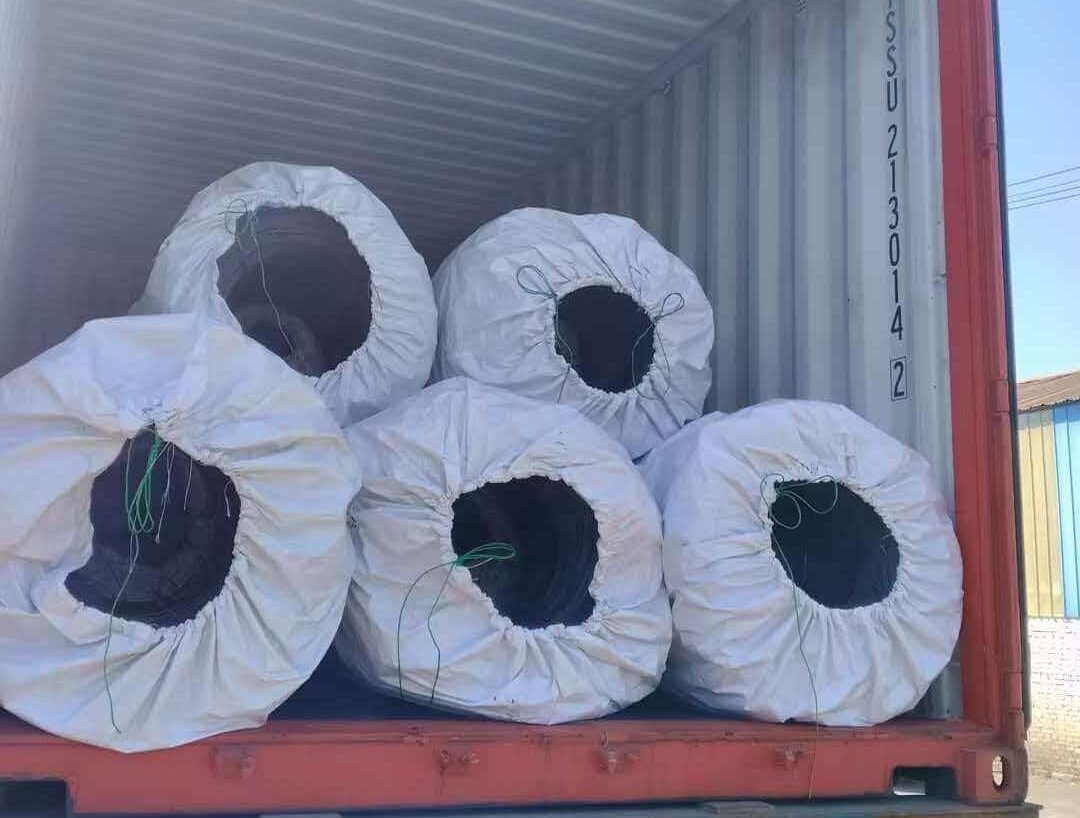
The Rwanda Housing Authority oversees all construction standards. They require contractors to submit material specifications before starting work. For binding wire, this means you must document the wire diameter, tensile strength, and coating type. I have seen projects delayed for weeks because contractors could not provide proper documentation.
Rwanda has two distinct rainy seasons. The long rains come from March to May, and the short rains arrive in October and November. Construction often continues during these periods. Your rebar may sit exposed for several weeks after binding but before concrete pouring. If you use the wrong wire specification, rust will form quickly in this humid environment.
The country also has mandatory building permits for almost all construction. Inspectors visit sites regularly, and they check materials at multiple stages. I know contractors who faced fines because their binding wire did not match the specifications in their approved plans. This level of oversight is unusual in East Africa, but it means projects in Rwanda generally have better quality outcomes.
| Aspect | Rwanda | Typical East African Country |
|---|---|---|
| Material Documentation | Required before project start | Often optional |
| Inspection Frequency | Multiple stages | Usually final inspection only |
| Non-compliance Penalty | Project suspension possible | Warning or small fine |
| Climate Consideration | Two rainy seasons mandate rust protection | Less stringent requirements |
| Specification Detail | Exact diameter, coating weight required | General descriptions accepted |
How Do I Select Wire Diameter for Different Structural Applications?
The wire diameter determines how strong your binding is and how easy the wire is to work with. I supply contractors with different diameters based on where they will use the wire. The wrong choice creates problems on site.
For structural rebar binding in Rwanda, use 2.0mm diameter wire for main frameworks and foundations. For lighter structural work and temporary fixings, 1.6mm wire provides adequate strength. Interior non-structural work can use thinner wire like BWG 18 (1.2mm) for cost efficiency.
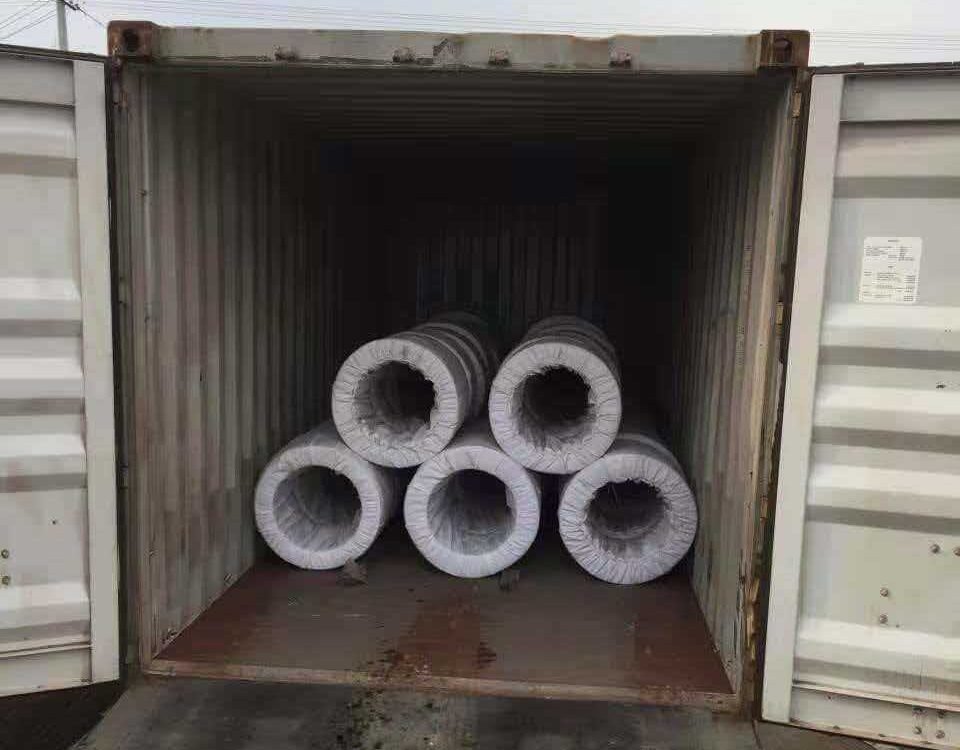
I worked with a contractor named Jean on a government office building in Kigali last year. He initially wanted to use 1.6mm wire throughout the project to save money. I explained that the main structural frame needed stronger wire because the rebar was larger and the loads were higher. After discussing it with his engineer, Jean switched to 2.0mm galvanized wire for all columns, beams, and foundation work.
Thicker wire resists breaking when workers twist it tight around large diameter rebar. On Jean's project, they were binding 25mm diameter reinforcement bars. The 2.0mm wire held firm even when apprentice workers overtightened it. With 1.6mm wire, we would have seen many breaks, which wastes time and material.
The wire diameter also affects how many times you can twist it. Structural binding needs at least 3-4 tight twists to hold properly. Thicker wire maintains its strength through multiple twists better than thin wire. In Rwanda's inspection environment, loose or broken bindings will fail your inspection.
For interior partition walls and pipe hanging, Jean switched to BWG 18 black annealed wire. This application does not carry structural loads. The thinner wire saves money and is actually easier for workers to manipulate quickly. His team could bind the lighter interior work twice as fast with the thinner wire.
I also recommended Jean avoid wire thinner than 1.2mm even for non-structural work. Very thin wire becomes difficult to handle and breaks easily during installation. The small cost saving is not worth the time lost to constant wire breaks.
| Application Type | Recommended Diameter | Reason |
|---|---|---|
| Main structure (columns, beams) | 2.0mm | High strength, resists breaking under tension |
| Foundation work | 2.0mm | Large rebar sizes, critical load bearing |
| Floor slabs | 1.6-2.0mm | Medium strength requirement, high volume |
| Wall reinforcement | 1.6mm | Adequate strength, easier handling |
| Interior non-structural | 1.2mm (BWG 18) | Cost effective, sufficient for light loads |
| Temporary fixings | 1.2-1.6mm | Flexibility needed, not permanent |
Why Does Zinc Coating Weight Matter in Rwanda's Climate?
Rwanda's two rainy seasons create constant moisture exposure for construction sites. I have seen unprotected steel wire rust within days during the rainy season. The zinc coating on galvanized wire is your only defense against this corrosion.
In Rwanda, use galvanized binding wire with minimum 40g/m² zinc coating for all exterior and structural applications. This coating thickness provides at least 4-6 weeks of rust protection during the rainy seasons, which covers typical rebar exposure time before concrete pouring.
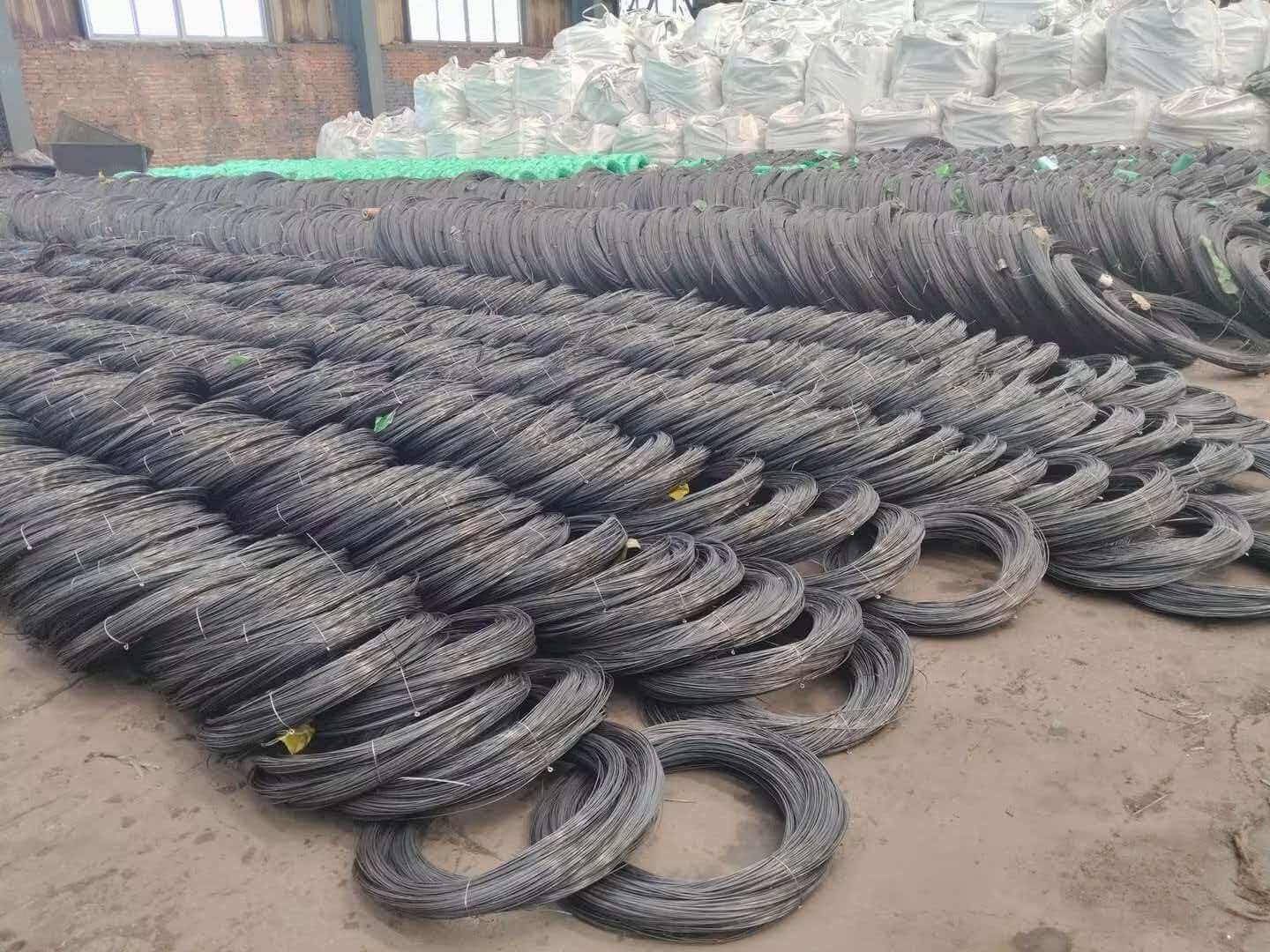
The zinc coating weight tells you how thick the protective layer is. It is measured in grams per square meter of wire surface. Light zinc coating is around 20-30g/m². Medium coating is 40-60g/m². Heavy coating exceeds 80g/m².
I supplied Jean with 2.0mm galvanized wire that had 50g/m² zinc coating. His project timeline showed that some sections would have rebar bound and exposed for up to 5 weeks before concrete work started. This is normal in Rwanda because concrete pouring often happens in stages, and the rainy season can slow everything down.
With 50g/m² coating, Jean's wire showed minimal rust even after 6 weeks of exposure during the long rains. The zinc layer gradually oxidizes to form a protective patina. This gray-white surface actually protects the steel underneath. When the concrete was finally poured, the inspector approved the rebar condition without any questions.
I also worked with a contractor who tried to save money by using wire with only 25g/m² zinc coating. After three weeks exposed to rain, the wire showed orange rust spots. The inspector made them remove all the rusty wire and rebind everything with proper galvanized wire. This mistake cost more than twice what they would have paid for good wire in the first place.
The zinc coating also affects how the wire performs during binding. Very thick coatings can make the wire slightly stiffer, but this is rarely a problem with coatings under 60g/m². Workers adapt quickly. The rust protection benefit far outweighs any minor handling difference.
For interior work that will never see rain or moisture, black annealed wire without zinc coating works fine. Jean used this on interior partition reinforcement and pipe hangers. The building envelope protected these areas from moisture. Black annealed wire costs 30-40% less than galvanized wire, so this saved significant money on the high-volume interior work.
| Coating Weight | Protection Duration | Best Application in Rwanda |
|---|---|---|
| 20-30g/m² | 2-3 weeks | Short exposure, dry season only |
| 40-60g/m² | 4-6 weeks | Standard structural work, rainy season exposure |
| 60-80g/m² | 6-8 weeks | Extended exposure, particularly wet sites |
| 80g/m² and above | 8+ weeks | Long-term exposure before concrete |
| No coating (black annealed) | Indoor only | Interior non-structural work |
What Tensile Strength Do Rwanda Inspectors Look For?
Tensile strength measures how much force the wire can take before breaking. Rwanda's building codes do not always specify exact tensile strength numbers for binding wire, but inspectors understand that stronger wire means better quality. I always recommend wire that exceeds the minimum requirements.
For structural binding wire in Rwanda, target minimum tensile strength of 350-450 MPa (Megapascals) for soft annealed wire, and 550-700 MPa for galvanized wire. This ensures the wire can handle the twisting and tension forces during installation without breaking, and provides adequate holding force for the rebar.
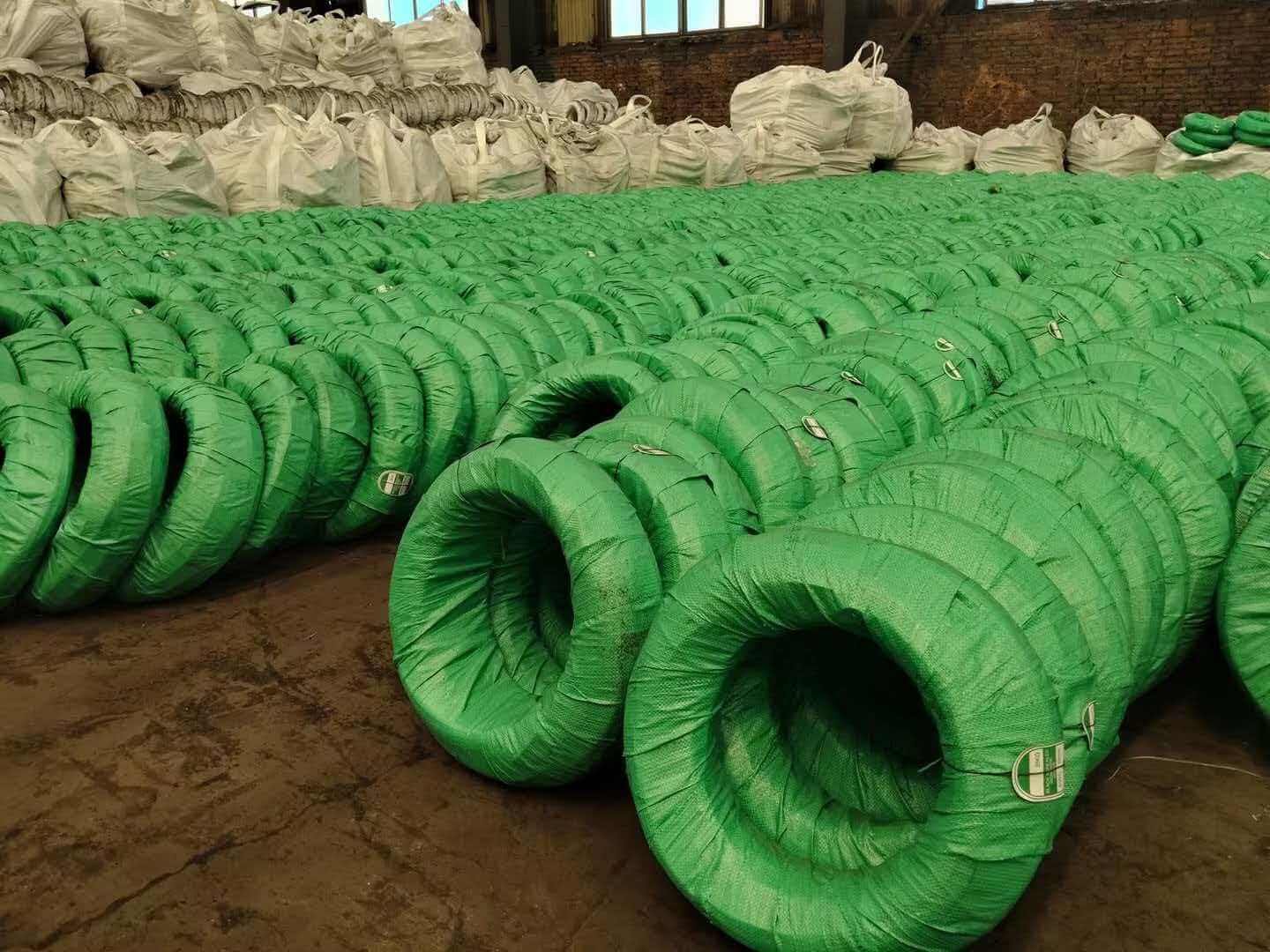
Tensile strength relates directly to the carbon content and manufacturing process. Galvanized wire is typically harder and stronger than black annealed wire because it is not softened by annealing after drawing. This higher strength comes with a tradeoff in flexibility, but for structural work the strength advantage matters more.
Jean's project required him to provide MTC (Material Test Certificate) for all binding wire. I supplied him with mill test certificates showing tensile strength of 550 MPa for the galvanized wire and 380 MPa for the black annealed wire. The inspector accepted these documents without question because they exceeded typical standards.
Higher tensile strength means fewer wire breaks during installation. Construction workers often twist binding wire very tight, especially on larger diameter rebar. I have watched teams work on sites, and some workers are gentle while others are rough with the wire. Strong wire survives both approaches.
The tensile strength also affects how well the binding holds over time. After concrete is poured, the wire needs to keep the rebar in position as the concrete flows around it. Weak wire can stretch or deform under the pressure of wet concrete. This allows rebar to shift out of position, which creates structural problems.
For the black annealed wire Jean used on interior work, the lower tensile strength of 380 MPa was still adequate. These applications involved much smaller loads and less aggressive twisting. The softer wire actually made the work faster because it was easier to manipulate.
I do not recommend wire with tensile strength below 350 MPa for any construction application in Rwanda. Very soft wire breaks too easily and does not hold rebar firmly. The small cost difference is not worth the risk of failed inspections or structural problems.
Some suppliers offer wire with tensile strength above 800 MPa. This sounds impressive but creates problems. Very hard wire becomes brittle and difficult to twist properly. It can snap suddenly during binding, which is dangerous for workers. For binding wire, strength in the 550-700 MPa range provides the best balance of strength and workability.
| Wire Type | Typical Tensile Strength | Key Characteristic |
|---|---|---|
| Soft black annealed | 350-450 MPa | Flexible, easy to work with |
| Medium black annealed | 450-550 MPa | Balance of strength and flexibility |
| Standard galvanized | 550-650 MPa | Good strength, adequate flexibility |
| High-strength galvanized | 650-750 MPa | Maximum strength, slightly stiffer |
| Ultra-high strength | 750+ MPa | Too brittle for binding applications |
How Do I Match Wire Specifications to Rwanda Weather Patterns?
Rwanda sits just south of the equator at high altitude. Kigali is around 1,500 meters above sea level. This creates a unique climate pattern that affects construction material choices. I have learned to plan wire specifications around these weather patterns.
During Rwanda's long rainy season (March-May), use exclusively galvanized wire with 50g/m² minimum zinc coating for any work that will be exposed to weather. During the dry seasons (June-September, December-February), you can reduce to 40g/m² coating or use faster-curing concrete schedules to minimize exposure time.
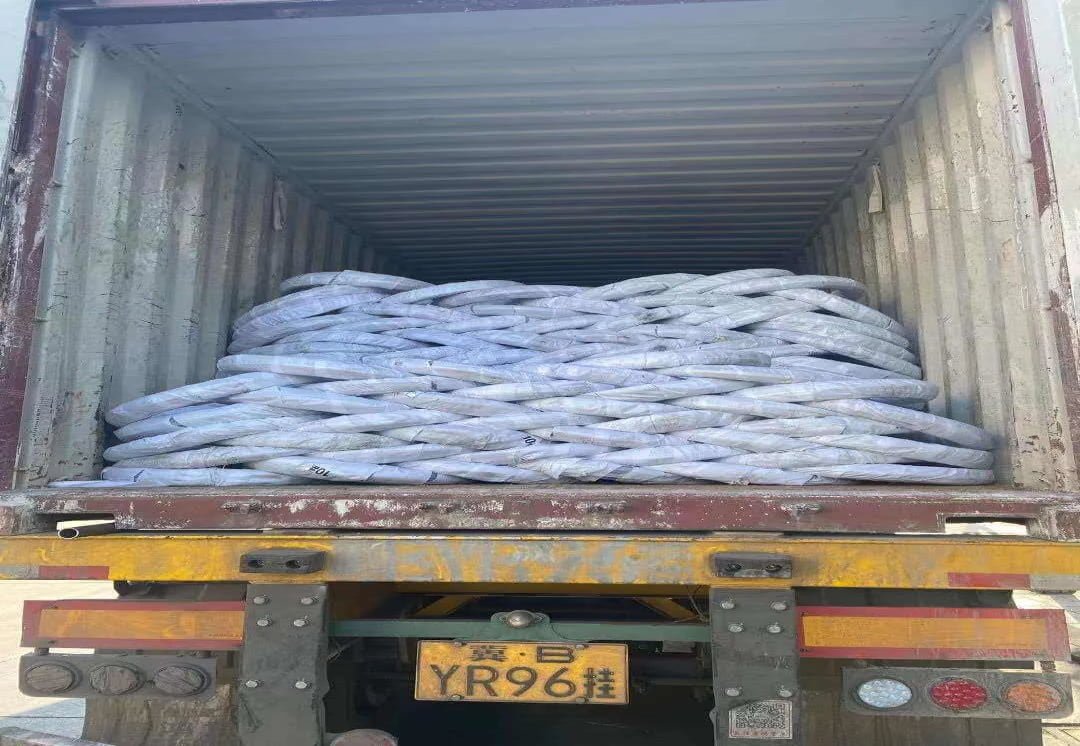
The long rains in March through May are the most challenging period. It can rain heavily almost every afternoon. Construction sites become muddy and material storage is difficult. Any rebar that is bound during this period will sit wet for extended periods before concrete can be poured.
Jean's project timeline put his main structural work right in the middle of the long rains. I recommended he increase his zinc coating specification from 40g/m² to 50g/m² for that phase. This decision proved correct when concrete pouring was delayed by two weeks due to continuous rain. The wire still looked clean and rust-free when they finally poured.
The short rains in October and November are less severe but still create moisture exposure. These months also have high humidity even on days without rain. Galvanized wire is still necessary for exterior work, but the standard 40g/m² coating is usually sufficient.
During the dry seasons, you have more flexibility. If your construction schedule is tight and you can pour concrete within 2-3 weeks of binding, standard galvanized wire will perform well. Some contractors use this window to complete their most critical structural work because material specifications can be slightly less stringent.
The altitude also affects temperature and UV (Ultraviolet) exposure. Kigali stays relatively cool year-round, typically 15-27 degrees Celsius. This moderate temperature reduces thermal expansion stress on binding wire compared to hot coastal areas. However, the strong equatorial sun at high altitude can degrade certain materials quickly. Wire zinc coating is stable under UV exposure, so this is not a concern for binding wire.
I worked with another contractor who scheduled all interior partition work during the rainy season and saved exterior structural work for dry months. This allowed him to use more black annealed wire during the rains (for interior) and galvanized wire during dry periods when he could work outside. His material costs were optimized around the weather calendar.
For contractors with tight deadlines who must work through all seasons, I recommend maintaining the higher specification year-round. Using 50g/m² galvanized wire for all structural work eliminates weather-related variables and reduces inspection risk. The small additional cost provides significant peace of mind.
| Season | Months | Recommended Specification | Reason |
|---|---|---|---|
| Long rains | Mar-May | 50g/m² galvanized, structural grade | Maximum moisture exposure, longest delays |
| Long dry season | Jun-Sep | 40g/m² galvanized adequate | Lower moisture risk, faster curing possible |
| Short rains | Oct-Nov | 40-50g/m² galvanized | Moderate moisture exposure |
| Short dry season | Dec-Feb | 40g/m² galvanized adequate | Good working conditions, low moisture |
| Interior work | Year-round | Black annealed acceptable | Protected from weather |
What Documentation Do I Need for Rwanda Building Inspections?
Rwanda's construction approval process requires detailed material documentation. I have helped many contractors prepare their paperwork for inspections. The inspector wants to see proof that your materials meet approved specifications.
For binding wire in Rwanda, you must provide an MTC (Material Test Certificate) showing chemical composition, tensile strength, wire diameter, and zinc coating weight. Keep copies of your purchase invoice showing the quantities supplied. For government projects, add a supplier declaration letter on company letterhead confirming the specifications.
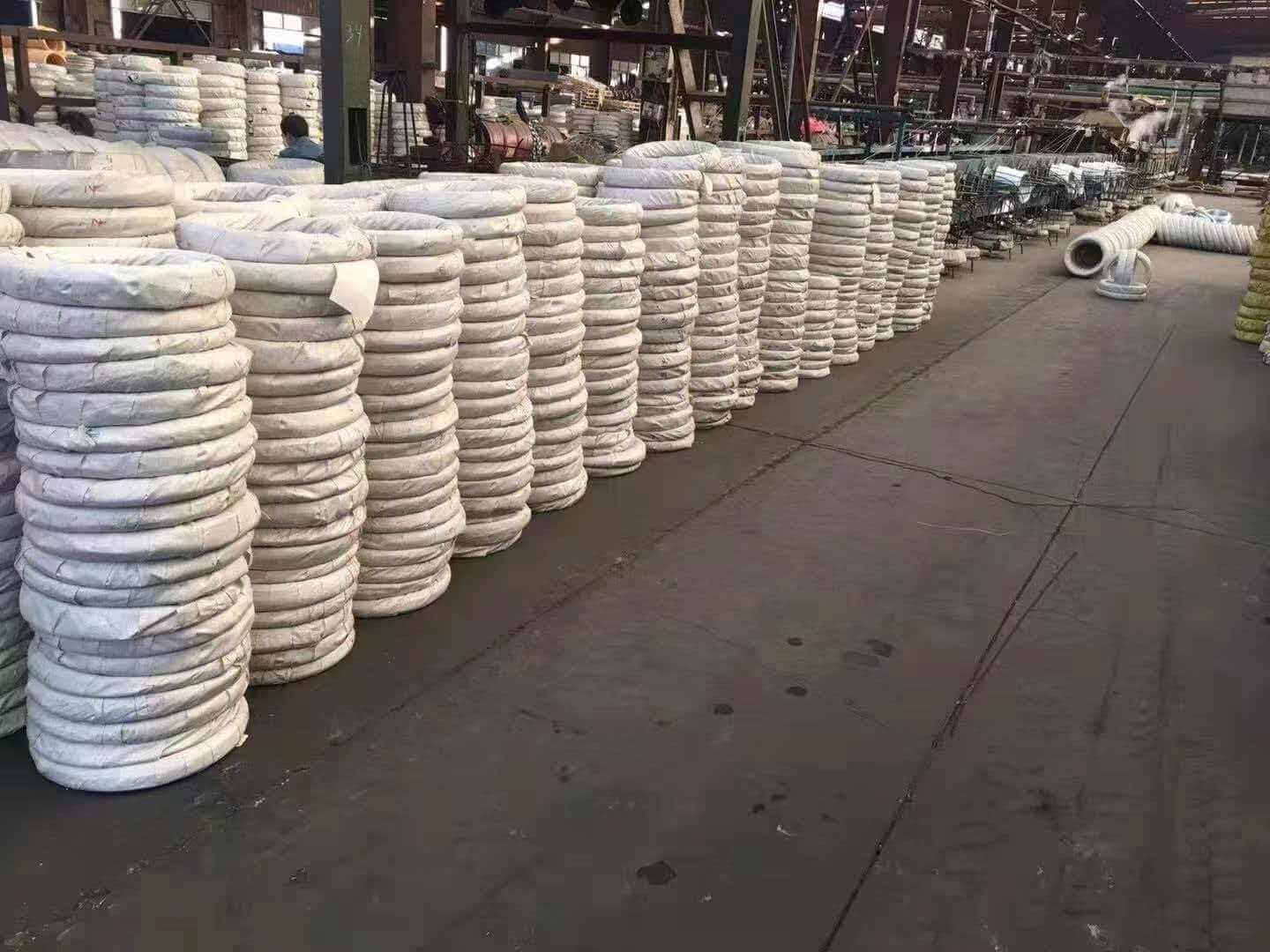
The MTC is the most important document. This is a laboratory report from the wire manufacturer that shows test results for the specific batch of wire you purchased. It should include the following information: carbon content, tensile strength in MPa, elongation percentage, wire diameter tolerance, and zinc coating weight for galvanized wire.
I supply MTCs with every shipment to Rwanda. Jean kept these documents in a binder on site, organized by material type. When the inspector visited, Jean could immediately show the wire specifications. The inspector compared the MTC data to the approved construction drawings and confirmed the match. The entire inspection took less than 10 minutes because the documentation was ready.
Some contractors try to use generic specification sheets instead of actual test certificates. Rwanda inspectors will not accept this. They want to see real test data from the specific wire batch used on the project. I learned this from a contractor who was delayed for a week while waiting for proper certificates to arrive from China.
Your purchase invoice serves as a second verification. It shows when you bought the wire, how much you bought, and the claimed specifications. If there is any dispute about material quality later, this invoice provides a paper trail. I always include detailed specifications in the invoice description, not just generic terms like "binding wire."
For government and international donor projects, you may need additional documentation. A supplier declaration letter states that your company supplied the materials and confirms they meet the specified requirements. I provide these on my company letterhead with stamps and signatures. Some projects also require a certificate of origin showing where the wire was manufactured.
Keep all documentation on site during construction. Store it in a water-resistant folder or binder. Rwanda inspectors can visit unexpectedly, and you need to produce documents immediately. Jean kept his binder in the site office, clearly labeled, with all wire specifications tabbed by section. When the inspector returned for a follow-up visit, Jean produced the documents within seconds. This professionalism made a strong impression.
We provide full MTC (Mill Test Certificate) and Certificate of Origin with every shipment.
We provide a full range of construction binding wire for African projects. Galvanized Iron Wire: https://mfgwiremesh.com/metal-wire/galvanized-iron-wire/ Black Annealed Iron Wire: https://mfgwiremesh.com/metal-wire/black-annealed-iron-wire/ 201 Stainless Steel Wire: https://mfgwiremesh.com/metal-wire/201-stainless-steel-wire/ Mix container loading supported.
If you are sourcing construction binding wire for Rwanda or any African market, we are happy to provide a specification-based quotation. Contact us via WhatsApp: +86 15383180672.
FAQ:
Q1: Selecting the right wire diameter for Rwanda's structural requirements.
A1: Use 2.0mm galvanized wire for main structural frameworks, columns, beams, and foundations where rebar sizes are typically 16-32mm. Use 1.6mm wire for lighter structural work and floor slabs. For interior non-structural applications like partition walls and pipe hangers, BWG 18 (1.2mm) black annealed wire works well. Rwanda's two rainy seasons require galvanized wire for all exterior work regardless of application.
Q2: Zinc coating requirements for Rwanda's climate conditions.
A2: Minimum 40g/m² zinc coating is required for standard structural work in Rwanda. During the long rainy season (March-May), increase to 50g/m² for extended protection. Black annealed wire without coating is only suitable for interior work where the building envelope provides complete weather protection. Wire with coating below 30g/m² will fail inspection in Rwanda.
Q3: Documentation needed to pass Rwanda construction inspections.
A3: You must provide a batch-specific MTC (Material Test Certificate) showing chemical composition, tensile strength, wire diameter, and zinc coating weight. Keep purchase invoices with detailed specifications on site. For government projects, add a supplier declaration letter on company letterhead. Generic specification sheets are not accepted. Rwanda inspectors verify that MTC data matches approved construction drawings.