

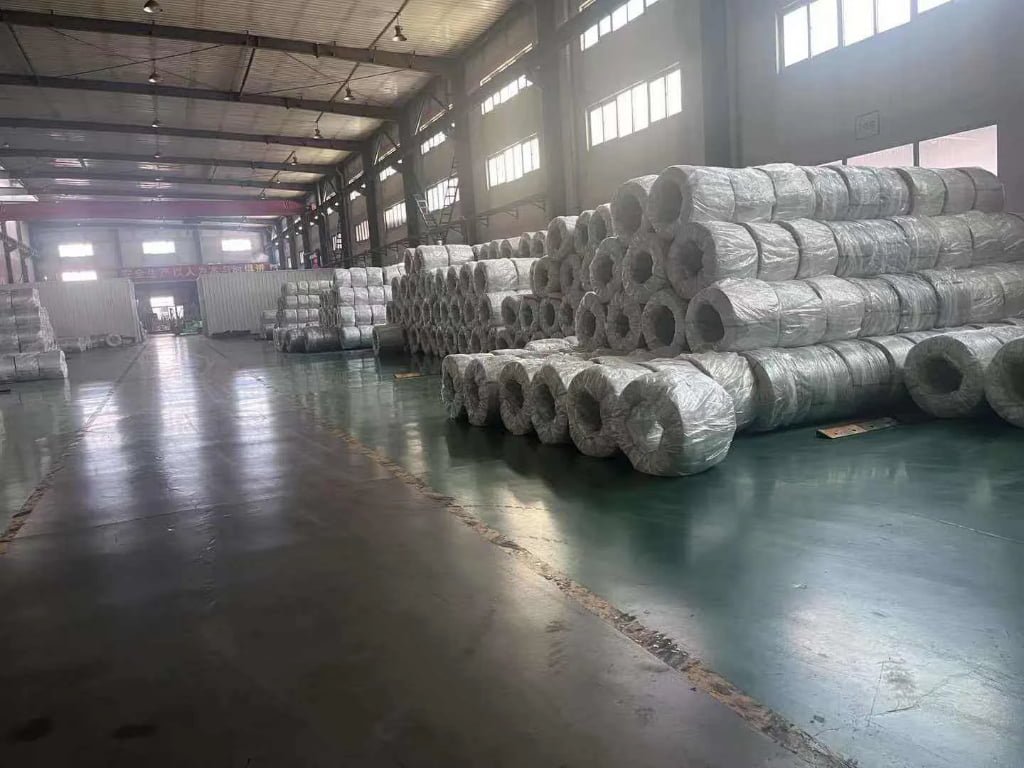
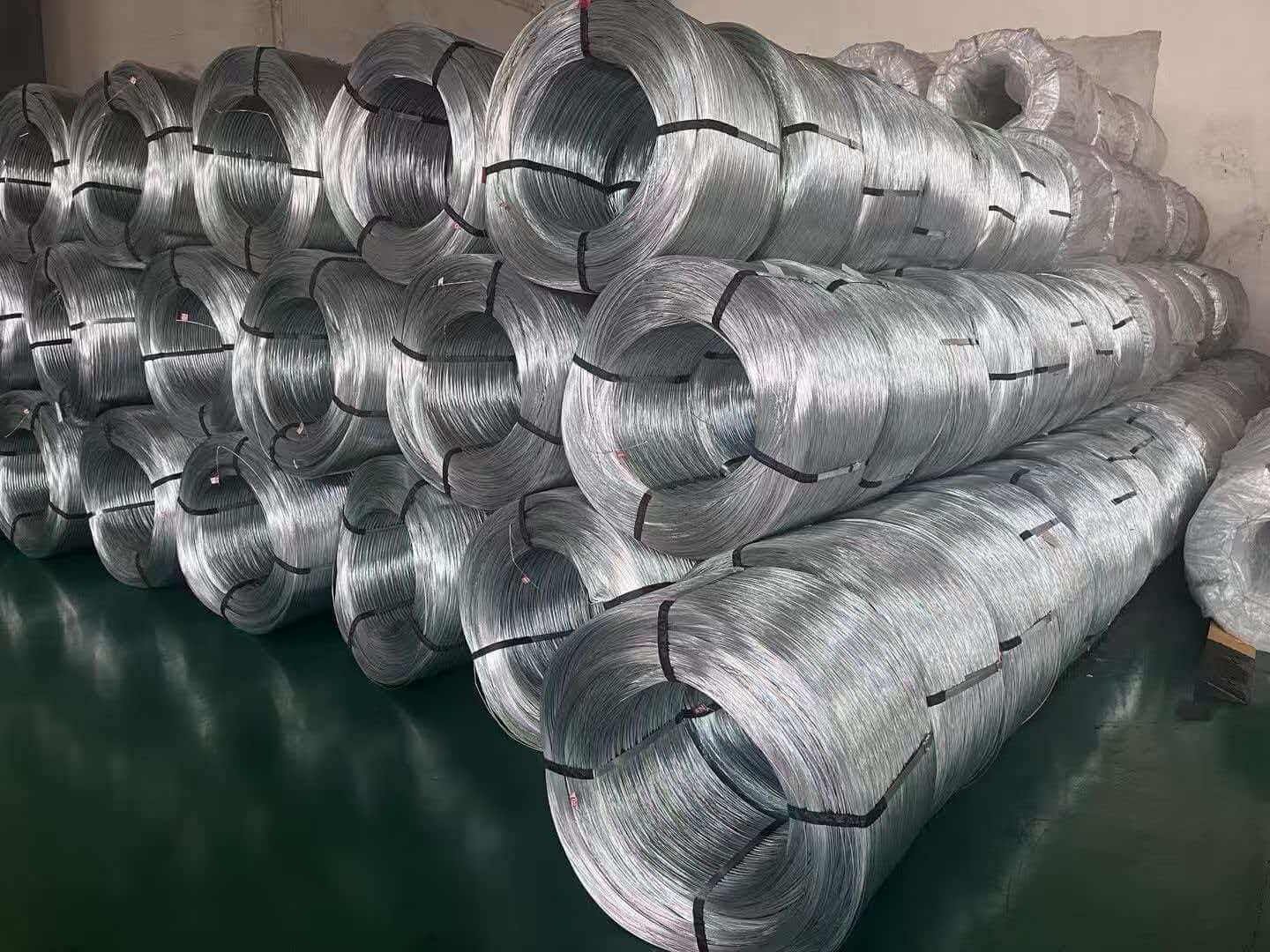
Moses switched suppliers after a project delay cost him thousands. Buyers like him, who need reliable construction binding wire for Zambia's demanding construction market, can find detailed specifications on our product page: https://mfgwiremesh.com/metal-wire/galvanized-iron-wire/
You might think price is everything when choosing a binding wire supplier. But I learned the hard way that cheap wire can cost you thousands in rework. One contractor in Lusaka changed his entire sourcing strategy after a single quality failure. His story reveals what truly matters to Zambian contractors.
Zambia contractors prioritize three critical factors over price: zinc coating thickness above 40g/m², multi-layer moisture-proof packaging, and consistent delivery schedules that avoid rainy season delays. Quality assurance through MTC (Mill Test Certificate) reports has become non-negotiable after costly rework incidents.
I met Moses at a construction site in Lusaka last year. He told me something that changed how I understand the African construction materials market. His experience shows why Zambian contractors have moved beyond simple price comparisons.
Why Did Zinc Coating Thickness Become the Top Priority?
Moses used to buy from whoever offered the lowest price. That strategy worked fine until it didn't. Last year, he purchased binding wire for a major structural project. The wire looked fine initially. The price was good. Everything seemed perfect.
After four weeks of exposure at the construction site, rust spots appeared at rebar connection points. The zinc coating was too thin. The supervisor demanded complete rework. Moses spent nearly three thousand dollars fixing a problem that could have been prevented with proper quality standards.
Zambia's climate presents unique challenges for construction materials. The rainy season lasts six months. Humidity remains high even during dry months. Building materials face constant moisture exposure.
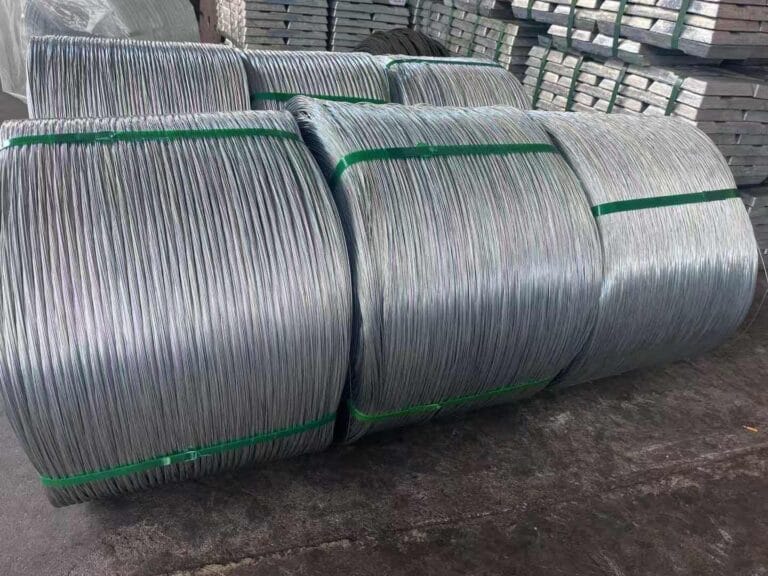
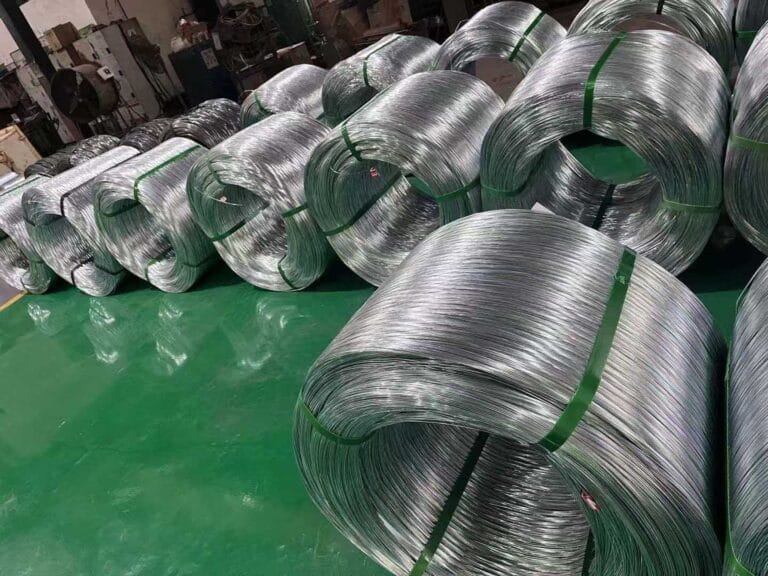
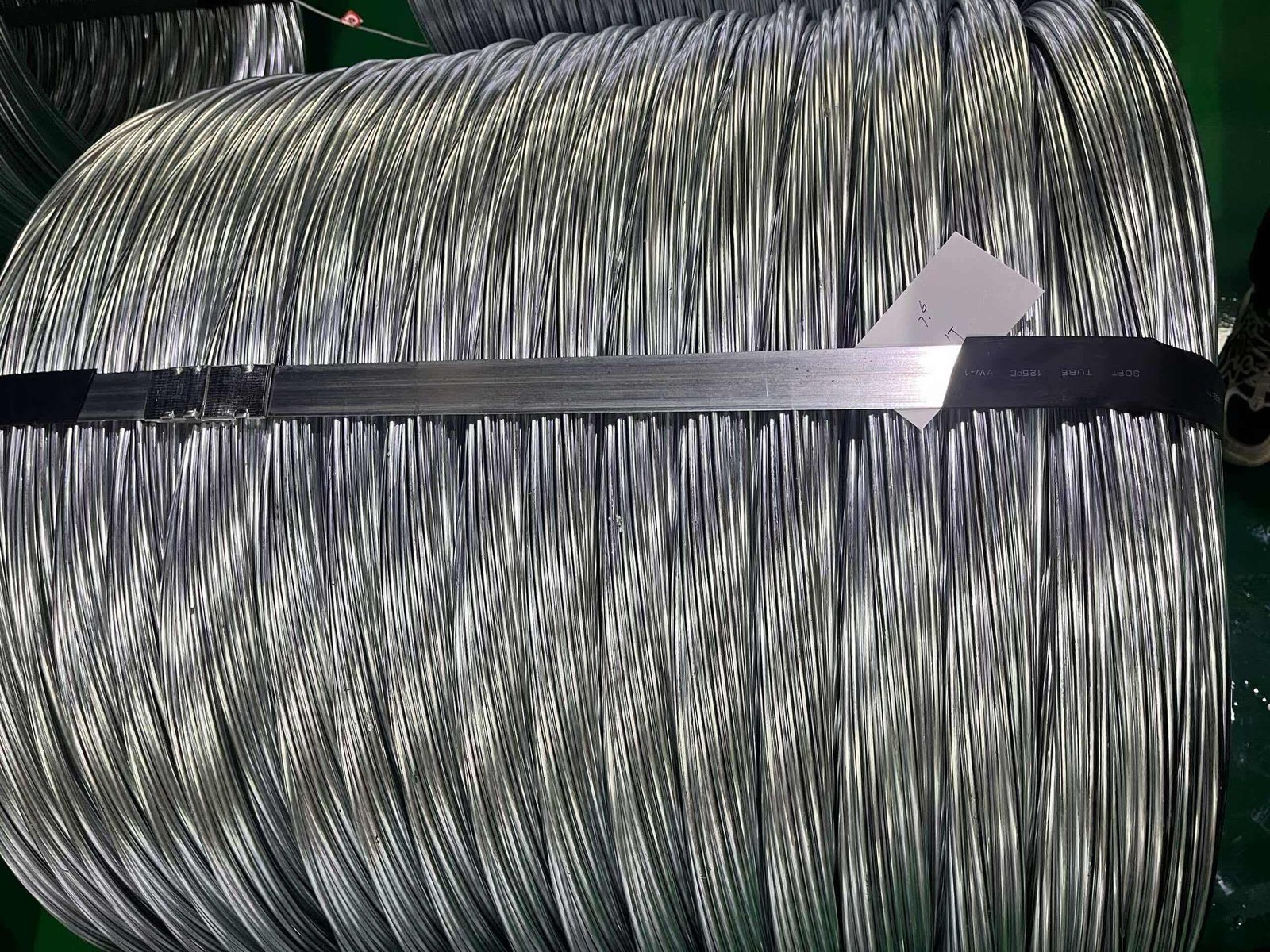
Moses now requires minimum 40g/m² zinc coating on all galvanized binding wire. This specification is not random. It comes from direct experience and local building practice. Here's what different zinc coating levels mean for project outcomes:
| Zinc Coating Thickness | Expected Protection Period | Suitable Applications | Risk Level in Zambia |
|---|---|---|---|
| Below 30g/m² | 2-4 weeks outdoor exposure | Indoor use only | High - Not recommended |
| 30-40g/m² | 1-2 months outdoor exposure | Short-term temporary binding | Medium - Risky in rainy season |
| 40-60g/m² | 3-6 months outdoor exposure | Standard structural work | Low - Industry standard |
| Above 60g/m² | 6-12 months outdoor exposure | Long-term exposure projects | Very Low - Premium choice |
Moses implements a strict verification process. He requires MTC with every shipment. The MTC must show actual zinc coating measurement results. But he doesn't just trust paperwork. He spot-checks every batch with a micrometer. He measures wire diameter before and after acid treatment. This simple test reveals true zinc coating thickness. I thought this level of inspection was excessive at first. But after seeing rust damage photos from his previous supplier, I understood completely.
The acid test method is straightforward. You measure the wire diameter precisely. Then you dip a sample in diluted hydrochloric acid for exactly two minutes. The acid removes all zinc coating. You measure again. The difference tells you the coating thickness on each side. Moses showed me how to do this test. Now I recommend it to all contractors who worry about supplier honesty.
How Does Packaging Protect Your Investment in Humid Conditions?
The second lesson from Moses's experience involves packaging. He learned this the hard way too. His first Chinese supplier sent wire in simple woven bags. The bags arrived wet. Salt air from Dar es Salaam port had penetrated everything. By the time containers reached Lusaka, twenty percent of the wire showed surface rust.
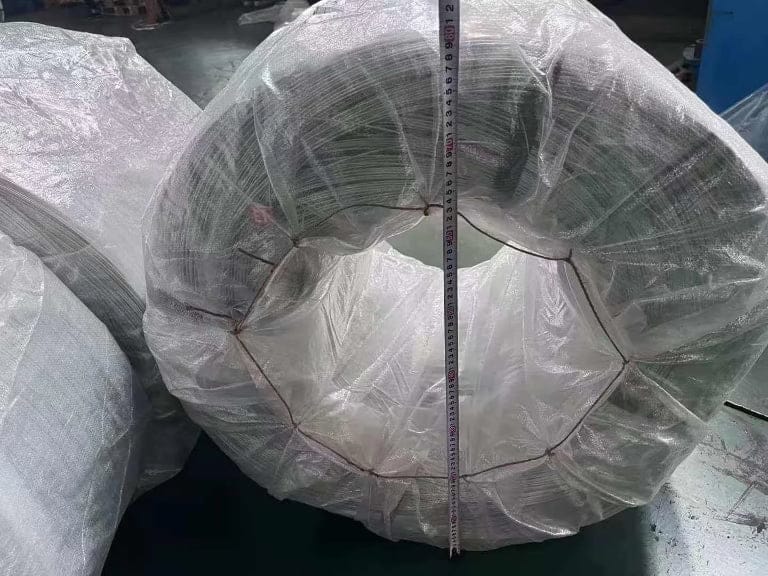
Moses now demands four-layer packaging: inner plastic film seal, outer woven bag, steel strap binding, and pallet stretch wrap. Each layer serves a specific purpose. Missing any layer means rejection of the entire shipment.
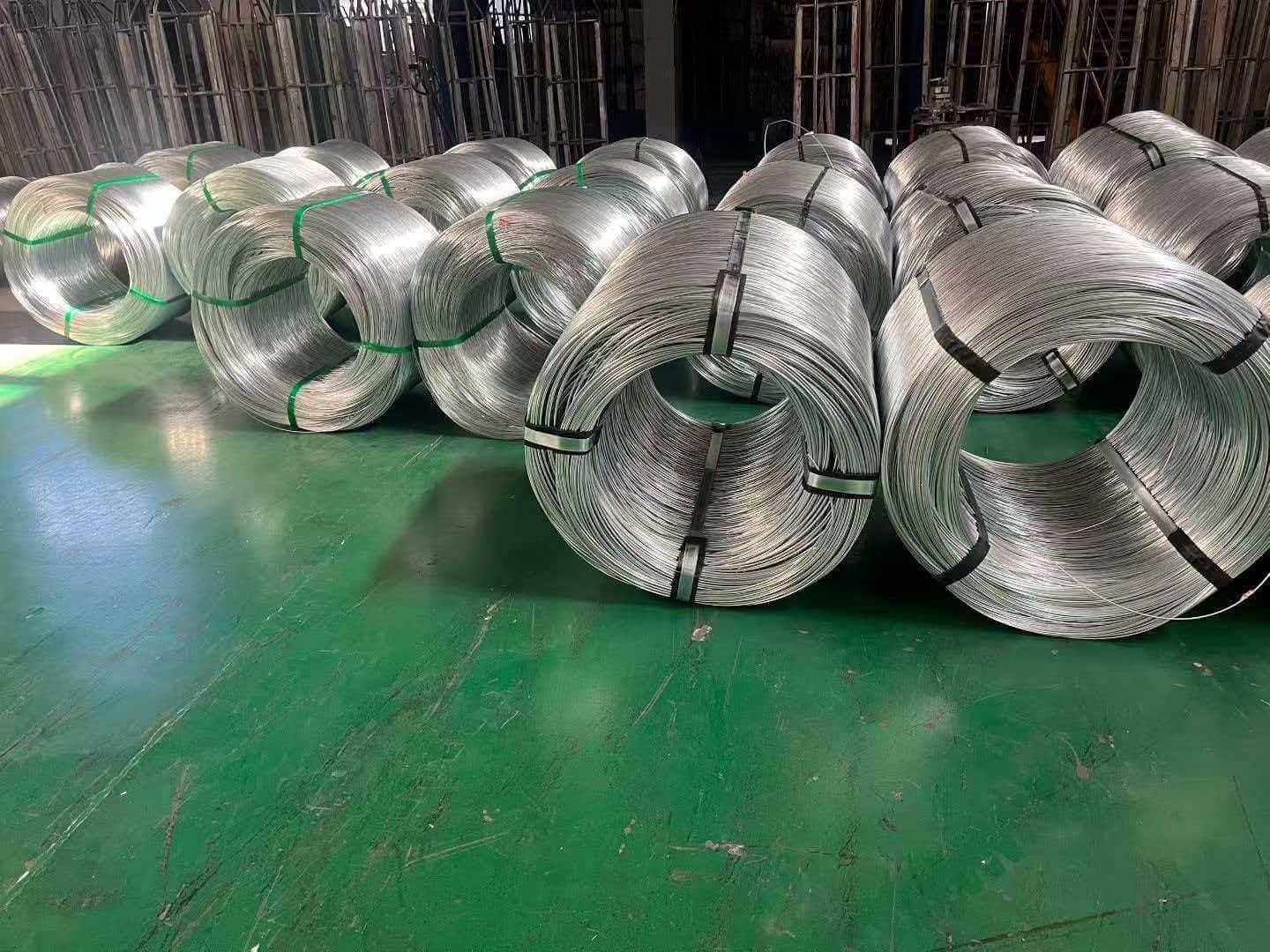
I asked Moses why four layers seemed necessary. He explained each layer's role in detail. This packaging system addresses specific challenges in the East Africa logistics chain.
The inner plastic film creates the primary moisture barrier. It must be at least 0.08mm thick. Thinner film tears during handling. The film should be heat-sealed, not just wrapped. Heat sealing prevents moisture infiltration at overlap points. Some suppliers use simple plastic wrapping. That's not enough. Moses checks the seal quality on every coil.
The outer woven bag provides physical protection. It prevents plastic film damage during loading and unloading. The bag should be made from polypropylene. It must have UV stabilizers. Without UV protection, bags degrade during container transit and outdoor storage. Moses specifies minimum 100gsm bag weight. Lighter bags tear too easily.
Steel strap binding holds everything together. Moses requires two horizontal straps and one vertical strap per coil. This pattern prevents coil deformation during stacking. Some suppliers use plastic strapping. Plastic stretches and breaks. Steel strapping maintains tension throughout the journey.
Pallet stretch wrap provides the final external barrier. Multiple layers of stretch film protect against dust, moisture, and physical damage. Moses found that palletized shipments arrive in better condition than floor-loaded containers. Pallets also speed up unloading at his warehouse. This saves labor costs and reduces exposure time during the rainy season.
The cost difference between basic packaging and four-layer protection is about three dollars per coil. Moses says this investment saves hundreds of dollars in damaged material costs. He refuses to compromise on packaging standards anymore. I've adopted the same requirement for all my shipments to East Africa.
Why Does Delivery Timing Matter More Than Price in Zambia?
The third critical factor surprised me most. Moses ranks delivery reliability above price competitiveness. He explained his reasoning through another painful experience.
A delayed shipment two years ago arrived during peak rainy season. His construction site ran out of binding wire. Work stopped for three weeks waiting for materials. The client imposed penalty fees. The project delay cost more than the entire binding wire order value.
Zambia's rainy season typically runs from November to April. Heavy rains can occur daily. Construction schedules must account for weather delays. Material procurement timing becomes critical.
Moses now plans all major material orders around the rainy season calendar. He orders binding wire three months before expected use. This buffer absorbs potential shipping delays. He also requests guaranteed production slots from suppliers. Last year, one of his orders was delayed because the factory prioritized larger customers. That experience taught him to ask for written production schedule confirmments.
The logistics chain from Chinese factories to Zambian construction sites involves multiple steps. Production takes one to two weeks depending on order size. Sea freight from Chinese ports to Dar es Salaam takes twenty to twenty-five days. Customs clearance in Tanzania requires three to five days with proper documentation. Land transport from Dar to Lusaka adds another week. Total timeline ranges from six to eight weeks under normal conditions.
Moses builds in a two-week contingency buffer. He says unexpected delays always happen. Port congestion, customs inspections, truck breakdowns, road conditions—something always goes wrong. The buffer ensures materials arrive before the construction schedule needs them.
I track all my shipments using container tracking services now. I send weekly updates to customers. Moses says communication matters as much as actual delivery. He wants to know where his materials are at all times. This allows him to adjust site schedules if delays occur. Surprises cause more problems than known delays.
Here's the delivery timeline comparison that Moses shared with me:
| Shipping Route | Average Transit Time | Risk Factors | Moses's Buffer Time |
|---|---|---|---|
| Factory to Qingdao Port | 3-5 days | Production delays, transport issues | +3 days |
| Sea Freight to Dar es Salaam | 20-25 days | Weather, port congestion | +5 days |
| Customs Clearance Tanzania | 3-5 days | Documentation issues, inspections | +3 days |
| Land Transport to Lusaka | 5-7 days | Road conditions, border delays | +4 days |
| Total Timeline | 31-42 days | - | +15 days safety margin |
Moses prefers suppliers who understand the importance of timing. He asks about current production capacity before placing orders. Overbooked factories delay shipments. He also requests shipping documents immediately after container loading. Early document transmission speeds up customs clearance.
The rainy season adds another complication. Roads between Dar and Lusaka become difficult during heavy rains. Truck transit times can double. Some sections become impassable for days. Moses learned to avoid shipments scheduled to transit during December and January. These months see the heaviest rainfall. Material ordered in October should arrive before December rains begin.
What Documentation Makes the Difference for Zambian Projects?
Moses shared one more insight that contractors rarely discuss. Documentation quality affects project approval and payment processing. His clients require proper material certification for milestone payments.
MTC reports must include specific information: chemical composition, tensile strength, zinc coating weight, manufacturing date, and batch numbers. Generic certificates get rejected. Projects stall waiting for proper documentation. Payment delays follow documentation problems.
I now provide detailed MTC reports with every shipment. The reports include test data from our quality control lab. We photograph the testing process. Pictures prove authenticity. Moses says documentation transparency builds trust faster than anything else.
Third-party testing certificates add credibility. SGS or Bureau Veritas inspection reports satisfy the most demanding clients. The cost is reasonable compared to potential payment delays. Moses requests third-party inspection for orders above ten tons. Smaller orders rely on factory MTC reports.
Some Zambian projects require compliance certificates for foreign materials. Moses keeps copies of all material certifications. He submits them with progress claims. Proper documentation speeds up payment approval. Project owners trust suppliers who provide comprehensive quality records.
Conclusion
Zambian contractors have evolved beyond price-focused purchasing. Quality assurance, proper packaging, reliable delivery, and complete documentation now define supplier selection criteria. Moses's experience shows that preventing problems costs less than fixing them. The right supplier becomes a project partner, not just a materials vendor.
We provide full MTC (Mill Test Certificate) and Certificate of Origin with every shipment.
We provide a full range of construction binding wire for African projects. Galvanized Iron Wire: https://mfgwiremesh.com/metal-wire/galvanized-iron-wire/ Black Annealed Iron Wire: https://mfgwiremesh.com/metal-wire/black-annealed-iron-wire/ 201 Stainless Steel Wire: https://mfgwiremesh.com/metal-wire/201-stainless-steel-wire/ Mix container loading supported.
If you are sourcing construction binding wire for Zambia or any African market, we are happy to provide a specification-based quotation. Contact us via WhatsApp: +86 15383180672.
FAQ:
Q1: Key factors Zambia contractors evaluate when selecting a binding wire supplier.
A1: Zambia contractors prioritize zinc coating thickness above 40g/m² for galvanized wire, backed by batch-specific MTC (Mill Test Certificate) reports. Packaging quality is the second factor, requiring inner plastic film sealing, outer woven bags, steel strapping, and pallet wrapping to survive long inland transport. Delivery reliability ranks third, as delays during the six-month rainy season risk leaving construction sites without materials. Moses switched suppliers after a project suffered rust damage from wire with zinc coating below specification.
Q2: Why zinc coating thickness matters for Zambia construction projects.
A2: Zambia's rainy season lasts from November to April, and structural rebar often sits exposed for weeks before concrete pouring. Zinc coating below 40g/m² allows rust to develop at rebar nodes, triggering inspection failure and rework. Moses experienced this directly when a previous supplier's thin-coated wire caused rust stains within four weeks of exposure, costing nearly three thousand dollars in repairs. Contractors now specify minimum zinc coating requirements in purchase orders and verify compliance through MTC documentation.
Q3: How packaging quality affects binding wire suitability for Zambia's market.
A3: Zambia-bound binding wire travels by sea to Dar es Salaam or Mombasa, then overland to Lusaka, exposing cargo to moisture and handling risks. Contractors require triple-layer protection: inner plastic film for moisture seal, outer woven bag for physical durability, and steel strapping with pallet wrapping for stability. Moses rejects shipments with damaged or incomplete packaging because the long inland transit from port to warehouse demands maximum protection against rust and coil deformation.