


Moses switched suppliers after a project delay cost him thousands. Buyers like him, who need reliable construction binding wire for Zambia's demanding construction market, can find detailed specifications on our product page: https://mfgwiremesh.com/metal-wire/galvanized-iron-wire/
I learned about quality control the hard way. Last year, I watched a Kampala importer lose thousands of dollars on binding wire that looked perfect but failed on site. That experience changed how I handle every delivery. Now I want to share what works.
You need three quick tests when your binding wire arrives in Uganda: diameter measurement with a micrometer, bend testing for flexibility, and MTC (Mill Test Certificate) report verification. These tests take fifteen minutes but can save you from accepting substandard wire that will cost you customers and money.
Let me tell you about Moses. He runs a building materials shop in Kampala. His story taught me why these tests matter more than price comparisons.
Why Do Uganda Importers Need Quality Control Tests?
Moses ordered what looked like standard 2.0mm galvanized binding wire last year. The coils appeared clean. The zinc coating looked even. The packaging showed no damage. He paid the supplier and stored the wire in his warehouse.
Uganda construction sites need binding wire that meets exact specifications. Workers discovered Moses's wire measured only 1.85mm instead of 2.0mm, causing high breakage rates and project delays. He lost money selling the batch at a discount after customers complained.
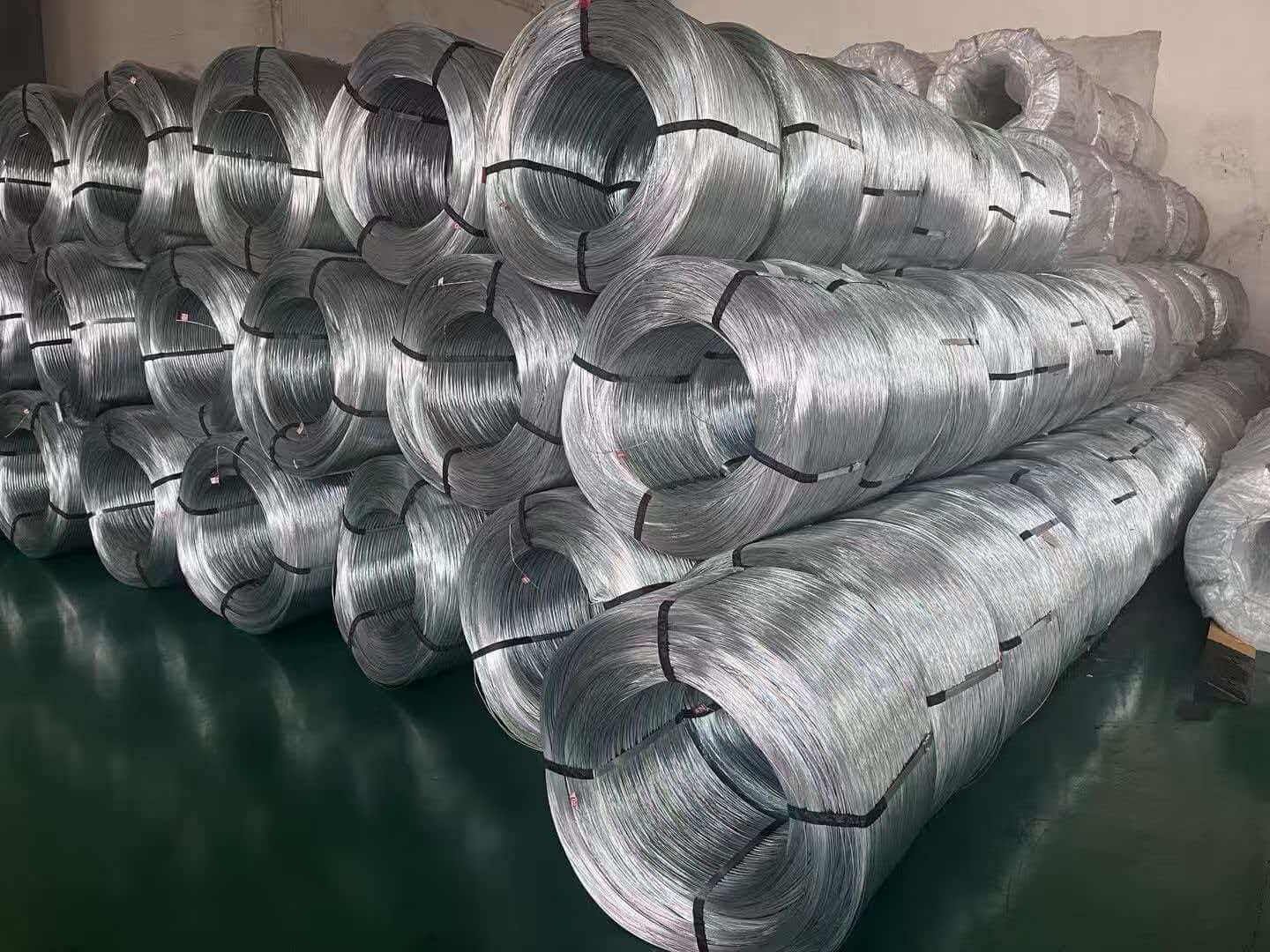
Most importers focus only on getting the lowest price. They compare quotes from three suppliers and pick the cheapest one. But cheap wire with wrong diameter or poor zinc coating costs more in the long run.
Think about what happens when contractors discover problems on site. They stop work to call you. They demand replacements or refunds. Word spreads fast in Kampala's construction community. Your reputation takes longer to rebuild than your profit margin.
I have seen importers lose major accounts over one bad container. The contractors who trusted them moved to competitors. Some even had to pay penalties for delaying construction projects. All because they skipped basic quality checks when the wire arrived.
Moses now treats every delivery as suspicious until proven good. He does not care if the supplier sent perfect wire last time. He does not accept manufacturer promises. He tests everything himself before accepting the shipment.
This approach might seem paranoid. But Moses has not received bad wire since he started testing. His customers trust him more now. They know he checks what he sells. That trust turned into repeat orders and referrals.
What Is the Diameter Measurement Test?
The first test checks if the wire diameter matches what you ordered. You need a digital micrometer for this test. These tools cost about thirty dollars but pay for themselves on the first container you inspect.
Pull three coils randomly from different positions in the shipment. Measure three different points on each coil. The diameter should match your order specification within 0.05mm tolerance. If you ordered 2.0mm wire, measurements between 1.95mm and 2.05mm pass the test.
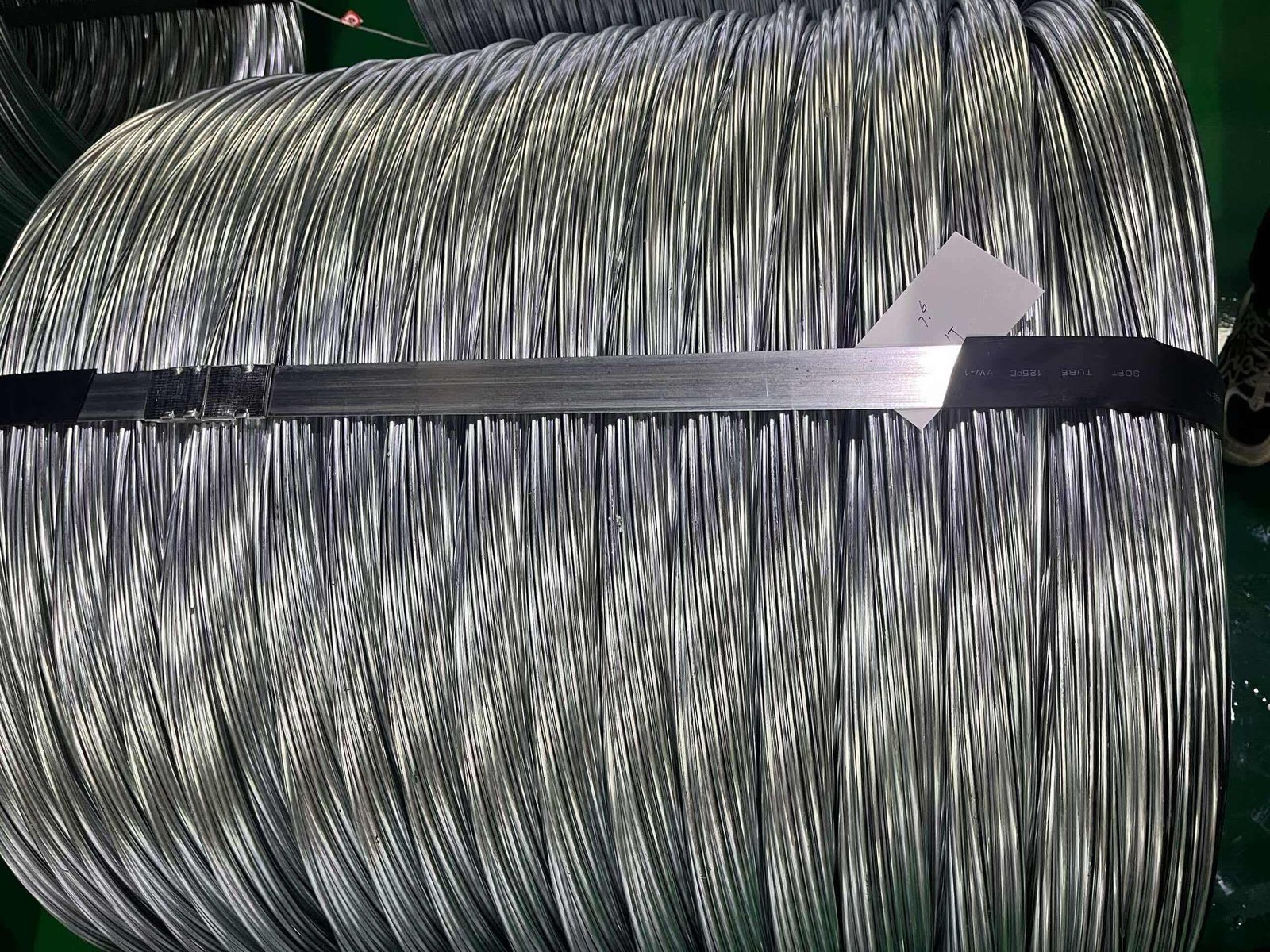
Do not just measure one spot on one coil. Manufacturers sometimes have variations within the same production batch. You need to check multiple samples to find inconsistencies.
Start by pulling coils from the top, middle, and bottom of the stack. This sampling method catches problems if the supplier mixed different batches in one shipment. I once found a container where the first ten coils measured correctly but the rest were undersized.
Measure at different points along each wire sample. Check near the start of the coil, in the middle section, and near the end. Wire drawing machines sometimes produce thinner wire when the dies wear down during production. These variations show up when you test multiple points.
Write down every measurement. Calculate the average for each coil. Compare all the coils. If one coil measures significantly different from the others, you might have a mixed batch problem.
Construction sites need consistent wire diameter. When specifications say 2.0mm, contractors expect that size. Even small differences affect how the wire performs.
Thinner wire breaks more easily during tying. Workers need to wrap more loops to get the same strength. This wastes time and material. Projects slow down. Labor costs increase.
Thicker wire causes different problems. It becomes harder to bend and twist. Workers tire faster. Some tie wire tools cannot handle the extra thickness. The wire might not fit through holes in certain applications.
The 0.05mm tolerance gives you a realistic acceptance range. Manufacturing processes cannot produce perfectly identical wire every time. This small variation range keeps quality high while acknowledging production realities.
| Nominal Diameter | Acceptable Range | Common Uses |
|---|---|---|
| 1.2mm | 1.15mm - 1.25mm | Light binding, temporary ties |
| 1.6mm | 1.55mm - 1.65mm | General construction binding |
| 2.0mm | 1.95mm - 2.05mm | Heavy duty binding, rebar ties |
| 2.5mm | 2.45mm - 2.55mm | Structural applications |
How Does the Bend Test Work?
The second test checks wire flexibility and ductility. Good binding wire needs to bend repeatedly without breaking. This property matters because construction workers twist and bend the wire multiple times when tying rebar.
Cut a 30cm sample from your test coil. Bend it 180 degrees at the midpoint. Straighten it back out. Repeat this bending motion. Quality binding wire should survive at least four to five complete bend cycles before breaking. Check the break surface when it finally snaps.
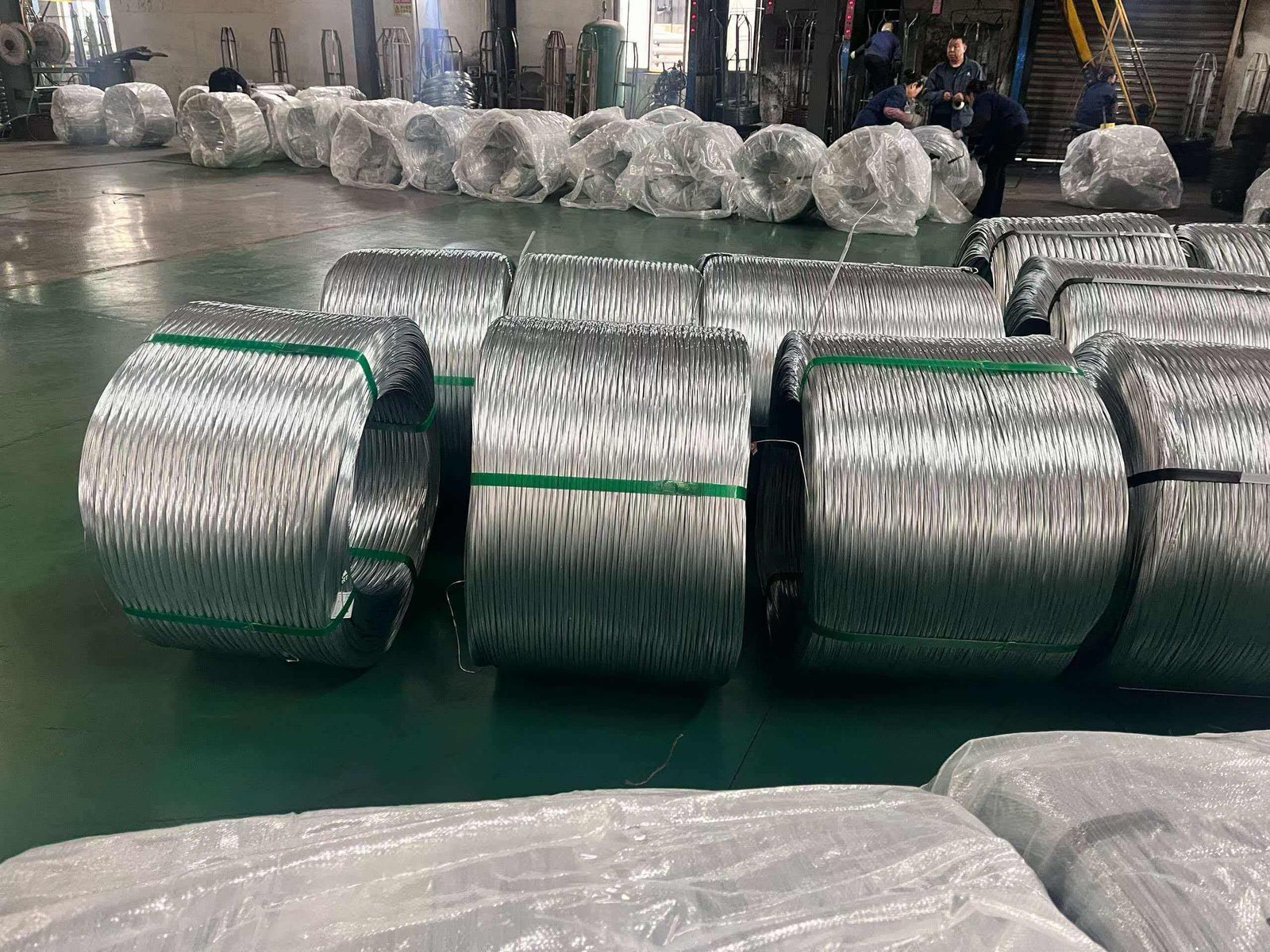
I have visited construction sites across Uganda. Workers spend hours tying rebar frames for concrete foundations. They need wire that bends easily but holds tight once twisted. Wire that breaks after one or two bends slows down the entire project.
Brittle wire creates safety issues too. When wire snaps unexpectedly, the broken ends can cut workers' hands. The sharp edges are dangerous. Medical costs and lost work time add up quickly.
Quality annealed black wire or properly galvanized wire bends smoothly. You should feel consistent resistance throughout the bending motion. The wire should not suddenly give way or feel crunchy. These signs indicate poor material or improper processing.
The way wire breaks reveals its internal quality. When you finally break your test sample after multiple bends, look closely at the fracture point.
Good wire shows a gray-silver break surface. The color indicates proper steel composition and processing. The break should look fibrous with visible grain structure. This texture means the steel has good ductility.
Bad wire breaks with a dark, crystalline surface. The fracture looks shiny and smooth like broken glass. This appearance indicates brittle material that will fail quickly on construction sites. Some wire shows rust or oxidation inside the break. This means the steel quality was poor to start with.
I once tested wire that broke after just two bends. The break surface was completely black and rough. That batch went straight back to the supplier. No discussion needed. The test proved the wire was unacceptable.
Black annealed wire should be the most flexible. The annealing process softens the steel specifically to improve bendability. This wire typically survives six or more bend cycles before breaking.
Galvanized wire is slightly less flexible because the zinc coating adds some stiffness. But good galvanized wire still handles four to five bends easily. The zinc layer should not crack or flake off during normal bending.
Some suppliers try to sell hard drawn wire as binding wire. This wire barely bends twice before snapping. It is meant for fencing or tensioning applications, not for hand-tying operations. The bend test immediately identifies this wrong product.
| Wire Type | Expected Bend Cycles | Break Surface Color | Common Issues |
|---|---|---|---|
| Annealed Black Wire | 6+ cycles | Silver-gray | Rust if not oiled |
| Galvanized Wire | 4-5 cycles | Silver-gray | Zinc flaking |
| Hard Drawn Wire | 1-2 cycles | Dark, crystalline | Too brittle for tying |
What Should You Check in the MTC Report?
The third test involves paperwork but it is just as important as physical testing. Every legitimate wire manufacturer provides an MTC (Mill Test Certificate) with their shipments. This document lists the chemical composition and mechanical properties of the wire you purchased.
Your MTC report must show wire diameter, tensile strength, and zinc coating weight. Compare these document values against your own test results. The diameter should match within tolerance. Tensile strength for binding wire typically ranges from 350 to 550 MPa (Megapascals). Zinc coating should be at least 30g/m² for basic galvanized wire.
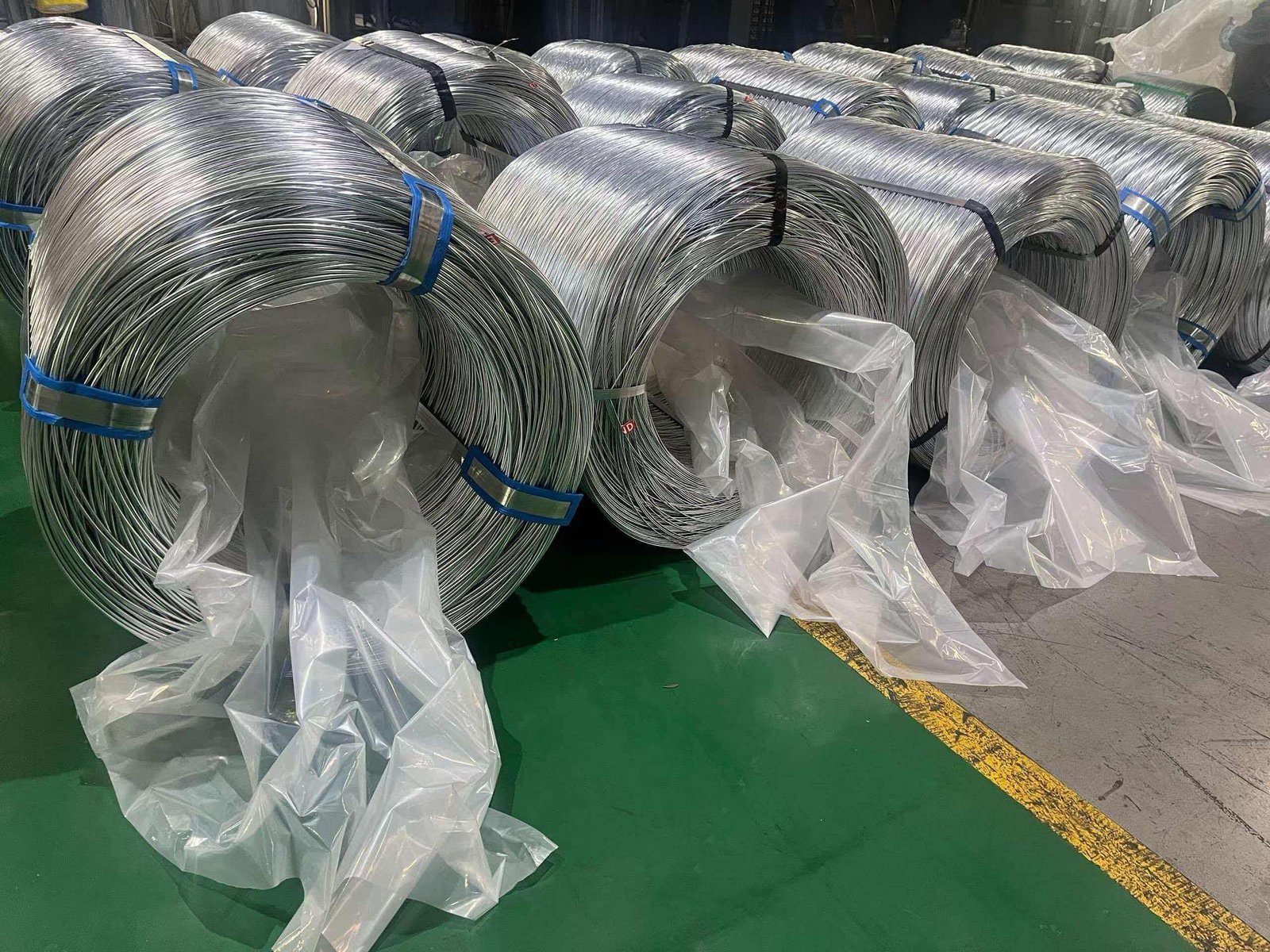
Most importers receive MTC reports but never actually read them. The documents sit in files collecting dust. Moses changed this habit after his bad experience. He now checks every number on every report against his physical tests.
The diameter specification on the report must match what you ordered. If you bought 2.0mm wire but the MTC shows 1.8mm, you have proof the supplier sent wrong material. This documentation helps if you need to file a complaint or request replacement.
Tensile strength numbers tell you how much force the wire can withstand before breaking. Construction binding wire needs moderate strength. Too weak means it breaks during tying. Too strong means it becomes difficult to bend and twist by hand.
Zinc coating weight matters for outdoor durability. The report lists this as grams per square meter of wire surface. Higher coating weight means better rust protection. Uganda's humid climate makes zinc coating especially important for wire stored outdoors or used in exposed locations.
Some suppliers provide fake or generic MTC reports. I have seen identical reports with different dates that supposedly came from different production batches. The numbers are too perfect. Real production has normal variations between batches.
Watch for reports with missing information. Legitimate documents show specific batch numbers, production dates, and test methods. Vague reports that skip these details often mean the supplier did not actually test that specific batch.
The worst suppliers provide no MTC at all. They claim the wire is "standard quality" and does not need documentation. This is a red flag. Every reputable manufacturer provides test certificates with their products.
Moses keeps a simple log book at his warehouse. Every time a shipment arrives, he records the MTC report numbers in one column. In the next column, he writes his own test results from the diameter measurement and bend test.
When the numbers match closely, he knows the supplier sent what they promised. The MTC becomes useful verification. When the numbers differ significantly, he has documented proof to challenge the supplier before accepting the shipment.
This simple log also helps Moses track supplier reliability over time. He can review past shipments and see which suppliers consistently deliver correct specifications. The good suppliers get repeat orders. The inconsistent ones get replaced.
I recommend every importer in Uganda adopt this logging system. It costs nothing but a notebook and five minutes per shipment. The documentation protects you in disputes and helps you identify the most reliable suppliers in China.
| MTC Data Point | What It Means | Acceptable Range | Red Flags |
|---|---|---|---|
| Wire Diameter | Physical thickness | ±0.05mm of nominal | >0.10mm variation |
| Tensile Strength | Breaking force | 350-550 MPa | <300 or >600 MPa |
| Zinc Coating | Rust protection | 30-80 g/m² | <20 g/m² |
| Carbon Content | Steel quality | 0.06-0.10% | >0.15% (too brittle) |
Conclusion
These three tests protect your investment and reputation. I measure diameter with a micrometer, bend test for flexibility, and verify MTC reports on every binding wire delivery. Moses learned this lesson the expensive way so you do not have to.
We provide full MTC (Mill Test Certificate) and Certificate of Origin with every shipment.
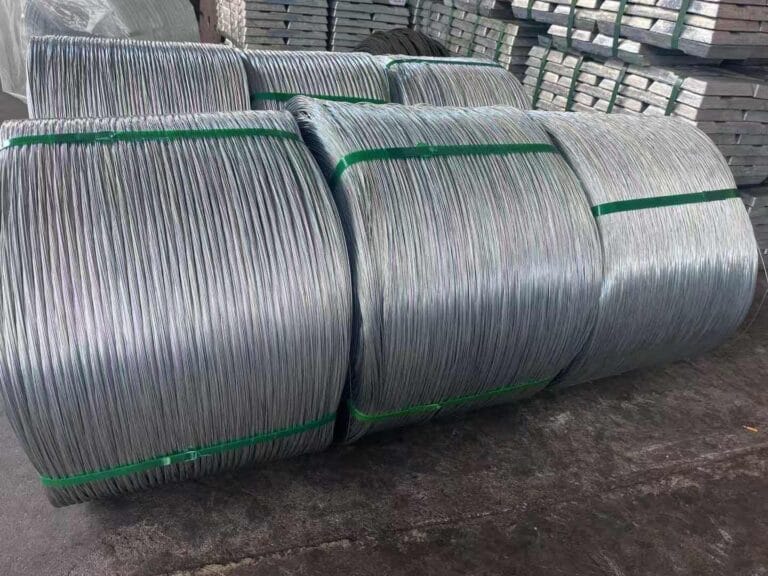
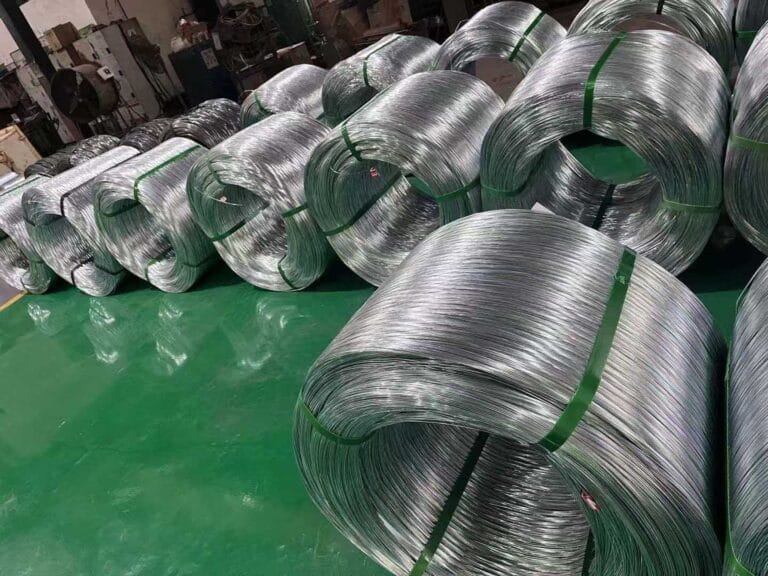
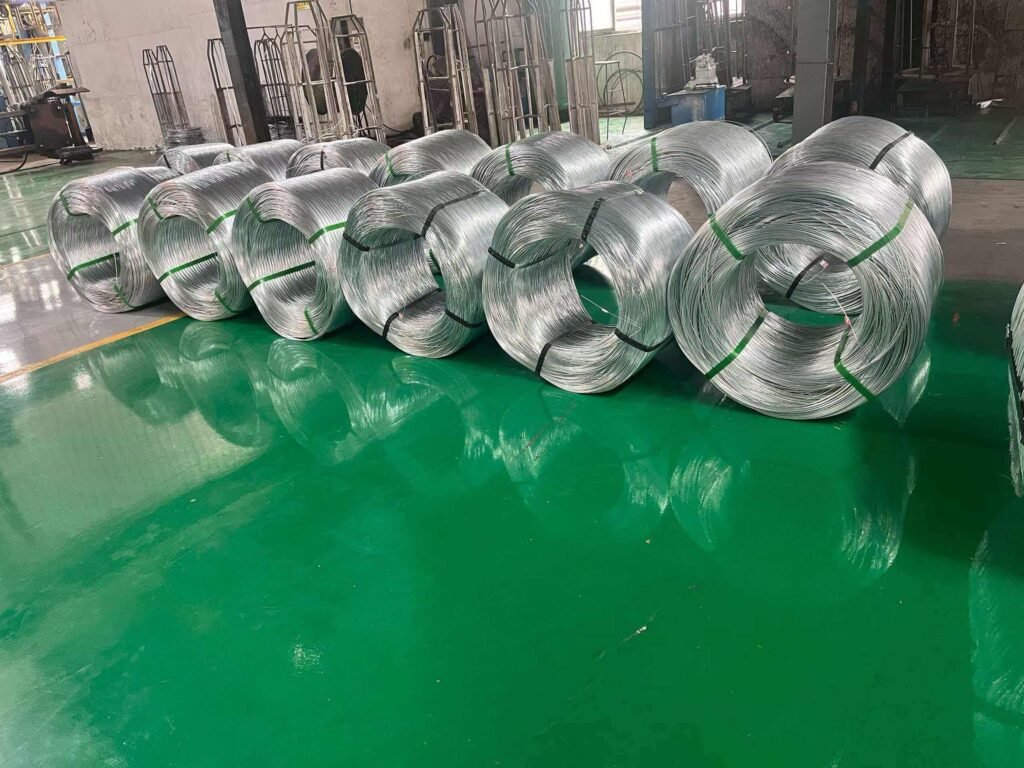
We provide a full range of construction binding wire for African projects. Galvanized Iron Wire: https://mfgwiremesh.com/metal-wire/galvanized-iron-wire/ Black Annealed Iron Wire: https://mfgwiremesh.com/metal-wire/black-annealed-iron-wire/ 201 Stainless Steel Wire: https://mfgwiremesh.com/metal-wire/201-stainless-steel-wire/ Mix container loading supported.
If you are sourcing construction binding wire for Zambia or any African market, we are happy to provide a specification-based quotation. Contact us via WhatsApp: +86 15383180672.
FAQ:
Q1: Key factors Zambia contractors evaluate when selecting a binding wire supplier.
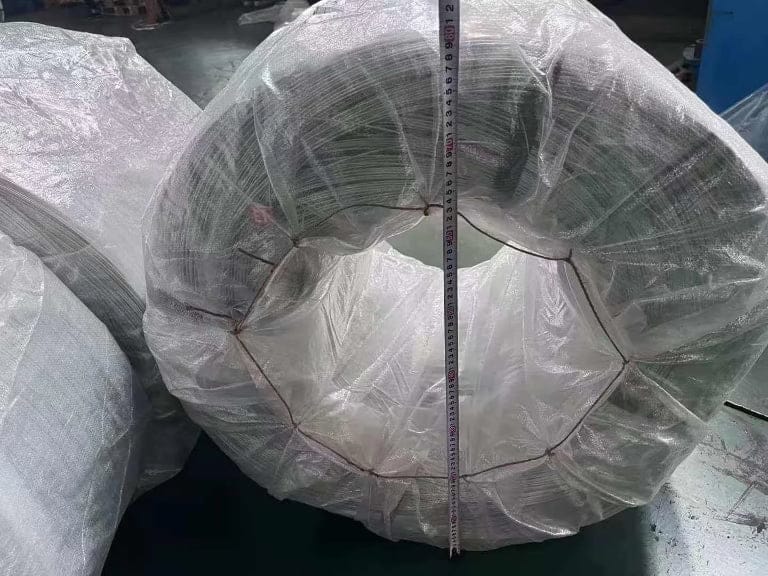
A1: Zambia contractors prioritize zinc coating thickness above 40g/m² for galvanized wire, backed by batch-specific MTC (Mill Test Certificate) reports. Packaging quality is the second factor, requiring inner plastic film sealing, outer woven bags, steel strapping, and pallet wrapping to survive long inland transport. Delivery reliability ranks third, as delays during the six-month rainy season risk leaving construction sites without materials. Moses switched suppliers after a project suffered rust damage from wire with zinc coating below specification.
Q2: Why zinc coating thickness matters for Zambia construction projects.
A2: Zambia's rainy season lasts from November to April, and structural rebar often sits exposed for weeks before concrete pouring. Zinc coating below 40g/m² allows rust to develop at rebar nodes, triggering inspection failure and rework. Moses experienced this directly when a previous supplier's thin-coated wire caused rust stains within four weeks of exposure, costing nearly three thousand dollars in repairs. Contractors now specify minimum zinc coating requirements in purchase orders and verify compliance through MTC documentation.
Q3: How packaging quality affects binding wire suitability for Zambia's market.
A3: Zambia-bound binding wire travels by sea to Dar es Salaam or Mombasa, then overland to Lusaka, exposing cargo to moisture and handling risks. Contractors require triple-layer protection: inner plastic film for moisture seal, outer woven bag for physical durability, and steel strapping with pallet wrapping for stability. Moses rejects shipments with damaged or incomplete packaging because the long inland transit from port to warehouse demands maximum protection against rust and coil deformation.