


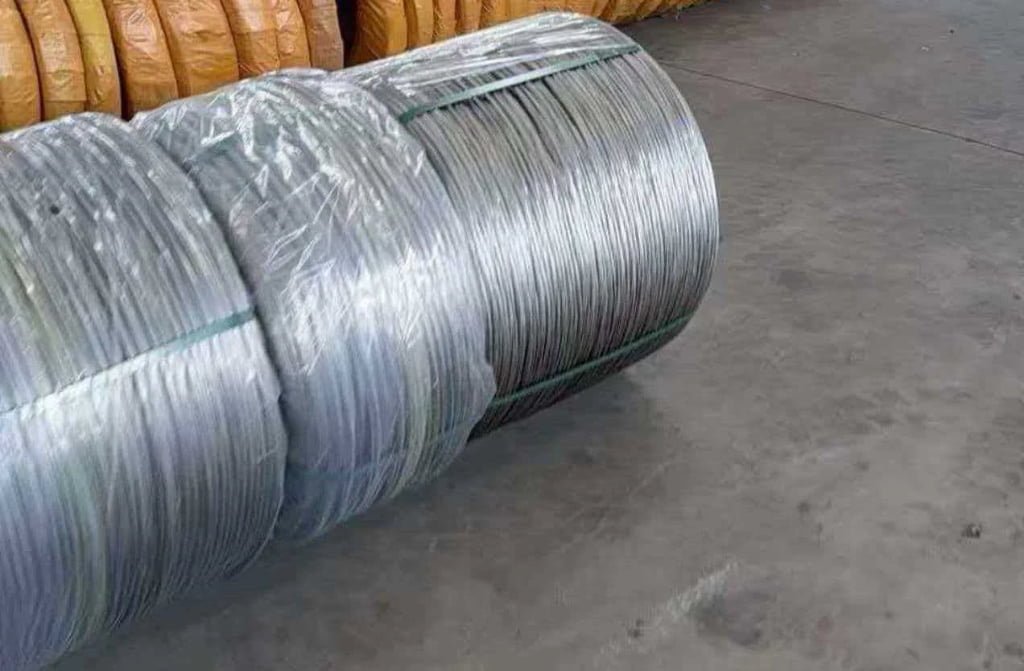
Nakato, a building materials importer in Kampala, recalculated her binding wire costs last month and discovered that the cheapest supplier was actually her most expensive one. Buyers like her, who need clear pricing guidance for construction binding wire in Uganda, can find detailed specifications on our product page: https://mfgwiremesh.com/metal-wire/galvanized-iron-wire/
You're probably planning your 2026 procurement budget right now. But here's the thing—getting caught up in just the per-ton price means you're only seeing half the picture. I've watched too many importers in Kampala make this mistake.
Binding wire prices in Uganda typically range from $580 to $720 per ton FOB (Free on Board) China in 2026, but your actual landed cost will be 35-45% higher once you add inland transport from Mombasa, port charges, and insurance. The real cost isn't just what you pay the supplier—it's what happens after the wire leaves the factory.
Before you rush to accept the lowest quote in your inbox, let me share what I learned from working with Nakato, a building materials importer in Kampala. Last month, she recalculated her binding wire procurement costs and discovered something interesting. She had been buying from two different suppliers. One was about 12% cheaper on paper. But that cheaper supplier delayed one shipment by nearly three weeks. Her construction site almost shut down. When she calculated the full-cycle costs—including delivery delays, damaged packaging, and returns from zinc layer oxidation—those hidden costs exceeded the price difference by a large margin.
What Actually Drives Binding Wire Prices in Uganda?
You need to understand where your money actually goes. Most importers focus on the FOB price from China, but that's just the starting point.
Three main factors control binding wire prices in Uganda: material type and specifications, procurement channels, and logistics costs. Galvanized wire costs 10-15% more than black annealed wire. Direct factory sourcing saves at least 10% compared to middlemen. And since Uganda is landlocked, transit from Mombasa port adds 15-20% to your landed cost.
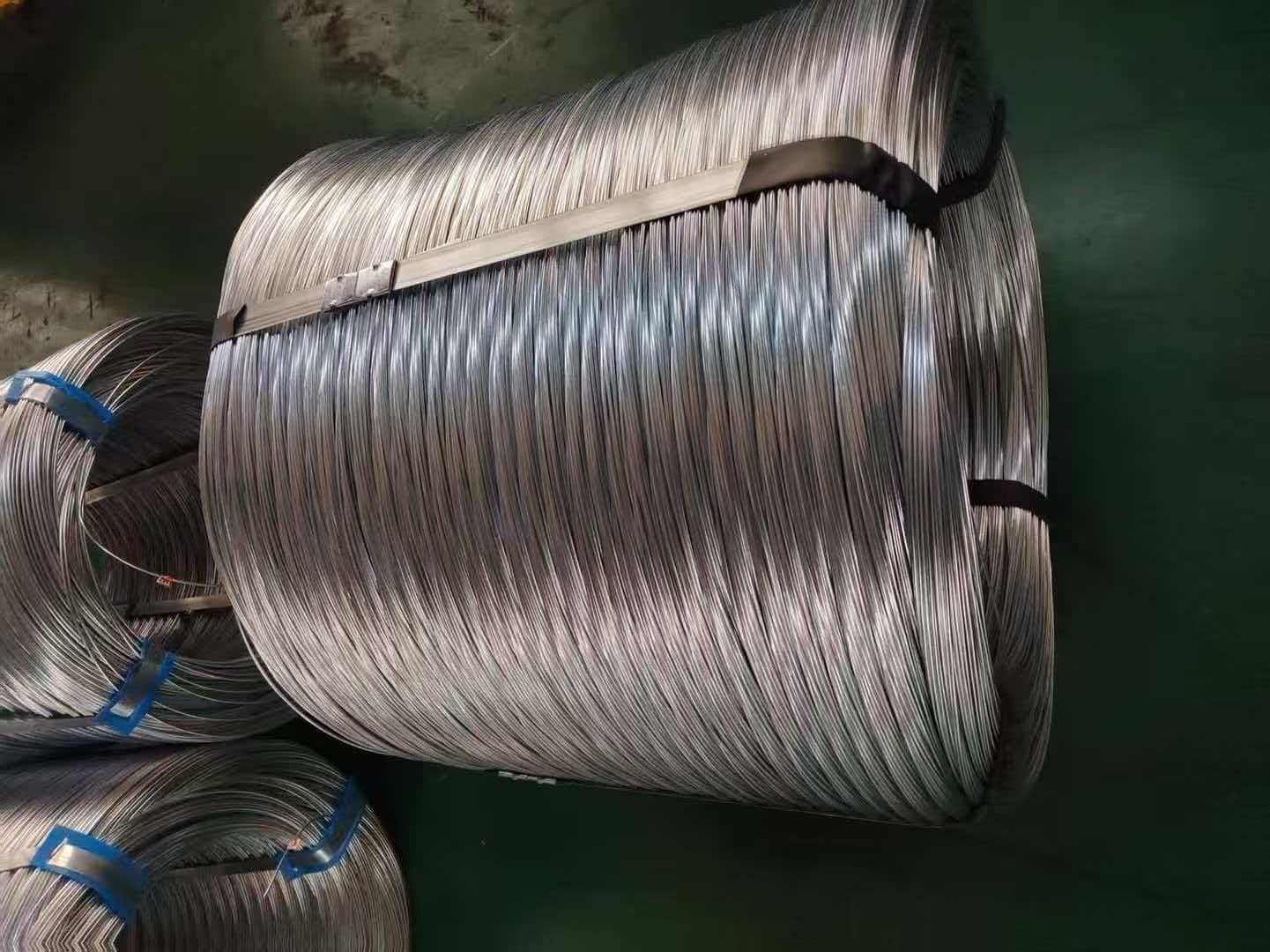
Material specifications make a bigger difference than most people realize. Take wire diameter as an example. A 2.0mm thick wire costs more per kilogram than 1.6mm wire, but you'll use less of it on your project. The math works differently for each specification. Galvanized binding wire sits at the higher end because of the zinc coating process. Black annealed wire is cheaper upfront but might cost you more in the long run if your project site has moisture issues.
Your procurement channel changes everything about your final cost. When you buy through local distributors in Uganda, you're paying for their warehouse, their staff, their profit margin. They typically add 15-25% on top of what they paid. Going direct to a Chinese factory cuts out that middle layer. But it also means you handle shipping, customs, and quality control yourself. You trade convenience for cost savings.
The landlocked geography of Uganda creates a pricing reality you can't ignore. Every ton of binding wire enters through Mombasa port in Kenya, then travels by road to Kampala or other Ugandan cities. That's roughly 900 kilometers of inland transport. The trucking companies charge by weight and distance. Port handling adds more fees. Insurance adds more. By the time your wire reaches your warehouse, these logistics costs have added $120-180 per ton to your original FOB price.
Here's a breakdown of typical landed costs for a 20-ton container:
| Cost Component | Amount per Ton (USD) | Percentage of Total |
|---|---|---|
| FOB China Price | $580-720 | 55-60% |
| Sea Freight (Mombasa) | $85-110 | 9-11% |
| Port Charges & Clearing | $45-65 | 5-6% |
| Inland Transport to Kampala | $95-135 | 10-13% |
| Insurance & Documentation | $25-40 | 2-4% |
| Total Landed Cost | $830-1070 | 100% |
How Do Different Wire Specifications Affect Your Budget?
Specifications sound technical but they directly impact what you pay. The thickness, coating type, and tensile strength all change the price.
Wire diameter affects both unit price and total project cost. Thicker wires like 2.0mm cost $15-25 more per ton than 1.6mm wire, but they require fewer pieces to complete the same amount of work. The most economical choice depends on your specific construction requirements, not just the cheapest price tag.
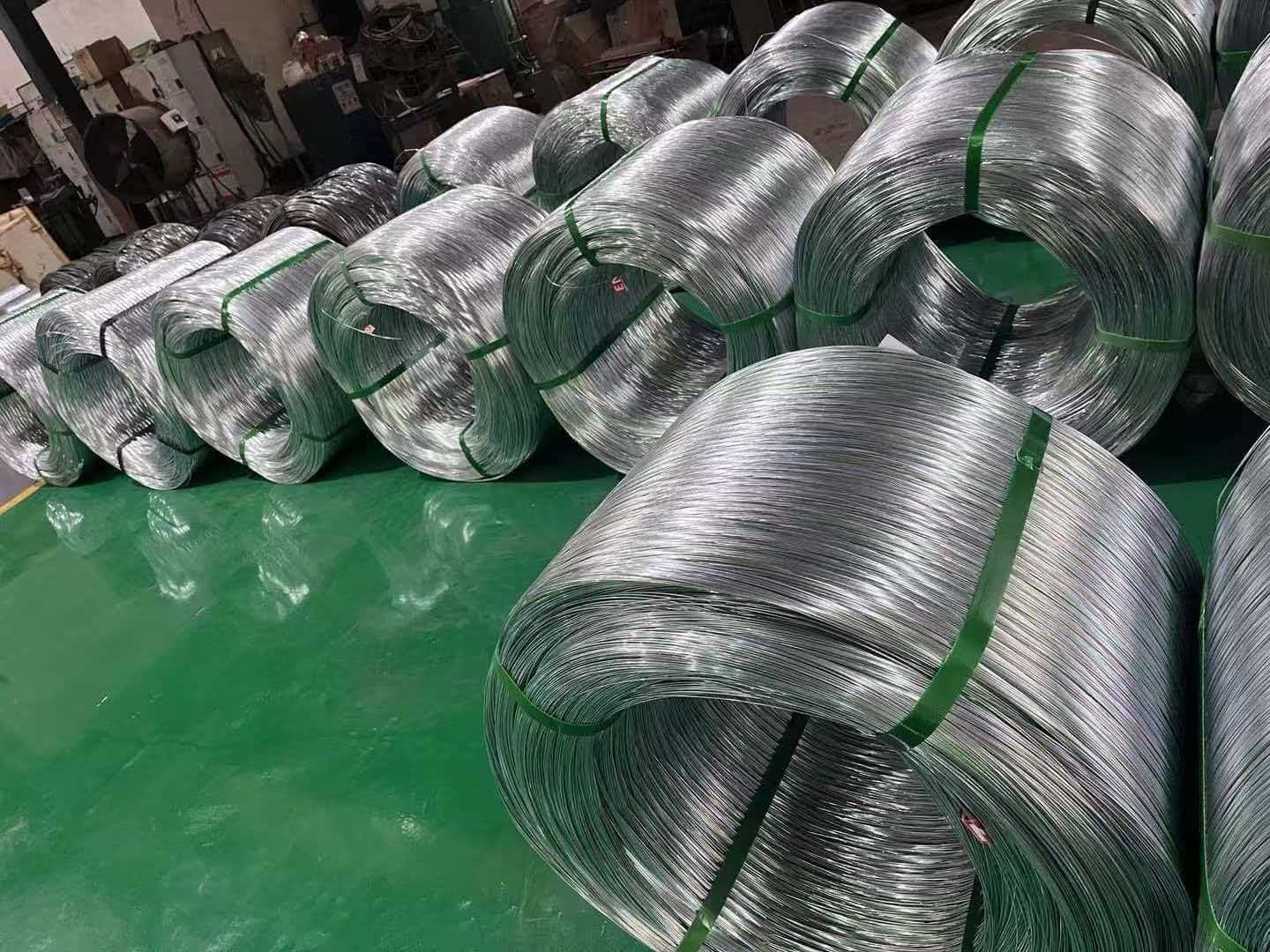
I remember calculating wire requirements for a client's residential project last year. They initially wanted to buy 1.6mm wire because it had the lowest per-ton price. But when we calculated how many ties they needed for their rebar work, the thinner wire actually cost them more. They needed almost 30% more pieces to get the same binding strength. The labor time increased too. Switching to 2.0mm wire raised the material cost by $18 per ton but cut their total project cost by 8%.
Coating type creates another decision point. Black annealed wire (sometimes called black iron wire) goes through a heat treatment process that makes it soft and easy to twist. It costs less because there's no zinc coating step. Galvanized wire gets a protective zinc layer that resists rust. In Uganda's climate, especially during rainy seasons, that rust resistance matters. A construction site in Entebbe might see condensation every morning. Black wire starts showing rust spots within weeks. Galvanized wire lasts much longer exposed to moisture.
The tensile strength specification often gets overlooked during price negotiations. Chinese factories produce binding wire in different strength grades. Higher tensile strength means the wire can handle more stress before breaking. For structural work where the binding holds rebar in position during concrete pouring, you need adequate strength. Cheaper wire sometimes uses lower-grade steel or thinner zinc coating to hit a price point. That wire might break during installation or fail during concrete work. The cost of redoing failed bindings far exceeds the money you saved buying cheaper wire.
Let me show you the typical price differences you'll encounter:
| Wire Type | Diameter | Price Range FOB (USD/ton) | Best Use Case |
|---|---|---|---|
| Black Annealed | 1.6mm | $580-640 | Interior work, dry conditions |
| Black Annealed | 2.0mm | $600-660 | General construction |
| Galvanized | 1.6mm | $650-710 | Exposed conditions |
| Galvanized | 2.0mm | $680-750 | Heavy-duty structural work |
Should You Buy Direct From Factories or Through Distributors?
This question comes up in every procurement discussion I have. The answer depends on your operation size and capabilities.
Direct factory purchasing saves 10-18% compared to buying through distributors, but requires you to handle minimum order quantities of 20-25 tons, manage international shipping, and handle customs clearance yourself. If your monthly consumption exceeds 15 tons, direct importing makes financial sense. Below that volume, local distributors often provide better value.
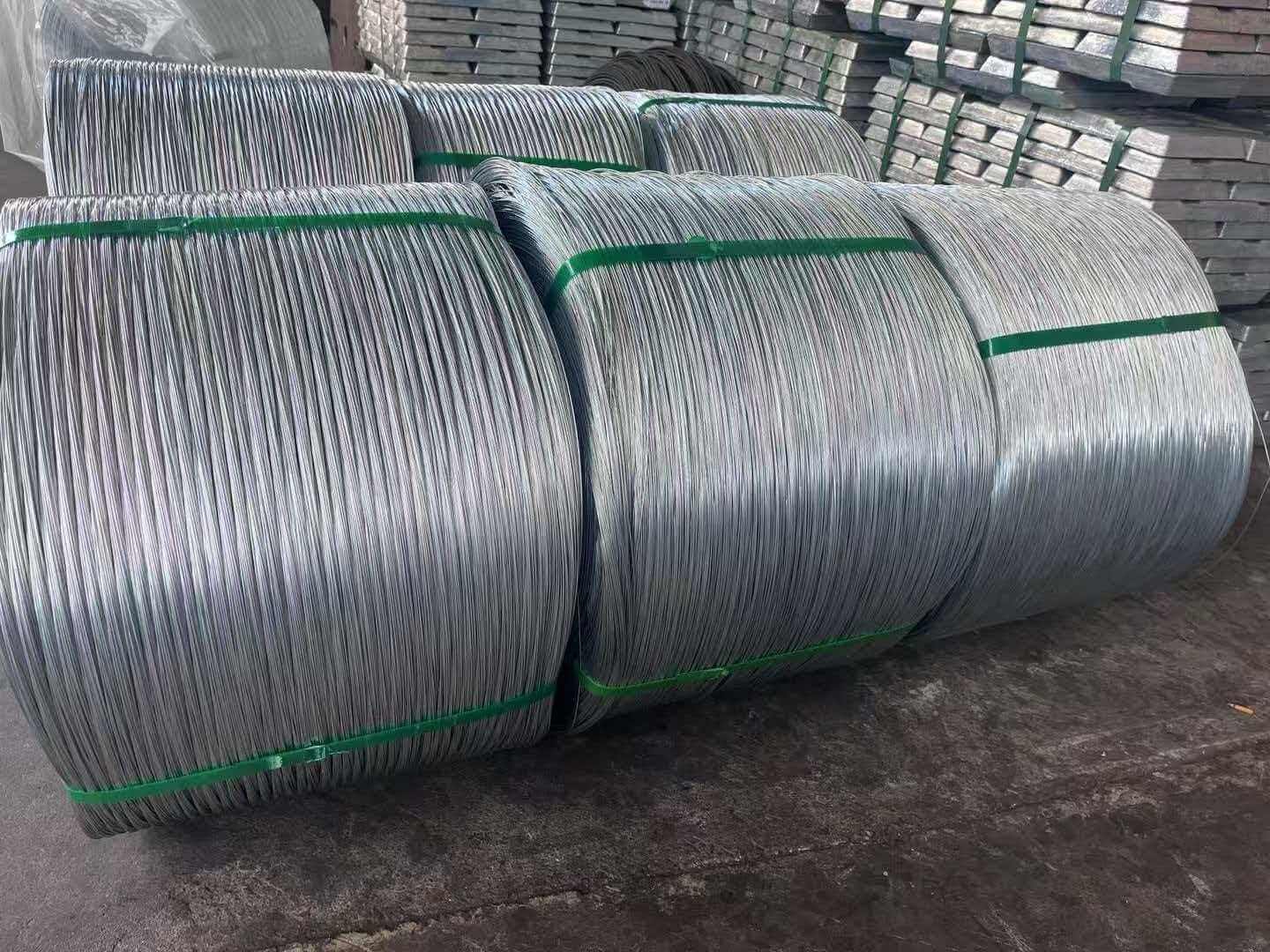
Nakato switched to direct factory sourcing about three years ago. She now places orders every two months for full container loads. Her per-ton cost dropped by $95 immediately. But she also hired someone part-time to handle the documentation and customs process. She needed warehouse space to store two months of inventory. She had to learn about Letter of Credit payments and freight forwarders. The first six months were challenging. By month seven, the cost savings clearly justified the extra effort.
Working with Chinese factories directly gives you several advantages beyond price. You can customize specifications more easily. Need wire in specific coil sizes that match your packaging equipment? A factory can adjust their production. Want to combine different diameters in one container? That's possible when you deal with the source. You also get better visibility into production schedules and quality control processes. When I visit factories with clients, seeing the actual production line builds confidence that you can't get from a middleman's promises.
The disadvantages are real though. Most factories require 30% deposit before production starts. That ties up your capital. If quality issues arise, resolving them across international borders takes longer than calling a local distributor. You need to understand Incoterms (those FOB, CIF, CFR abbreviations that define who pays for what during shipping). You'll deal with shipping delays, port congestion, and customs inspections. One client waited an extra 18 days because their freight forwarder made a documentation error.
Local distributors in Kampala solve these headaches for a price. They maintain stock so you can buy 2 tons instead of 20. They handle all import documentation. If wire quality issues appear, you deal with someone in the same city. You pay by mobile money or local bank transfer instead of international wire transfers. For smaller contractors or those just starting out, these conveniences matter more than maximizing every dollar of savings.
Here's a practical comparison:
| Factor | Direct Factory | Local Distributor |
|---|---|---|
| Minimum Order | 20-25 tons (full container) | No minimum (by coil or ton) |
| Unit Price | $830-950/ton landed | $980-1150/ton |
| Lead Time | 35-50 days total | Same day to 1 week |
| Payment Terms | 30% deposit, 70% before shipping | Cash or 7-30 day terms |
| Quality Issues | Handle internationally | Local resolution |
| Customization | High flexibility | Limited to stock items |
What Hidden Costs Should You Watch For in 2026?
The quote you receive never tells the complete story. Several costs hide below the surface until they surprise you.
Quality-related costs typically add 3-8% to your total procurement expense when factoring in rejected materials, rework, and delays. A $650/ton wire that arrives with rust spots or breaks during installation becomes much more expensive than a $690/ton wire that performs reliably.
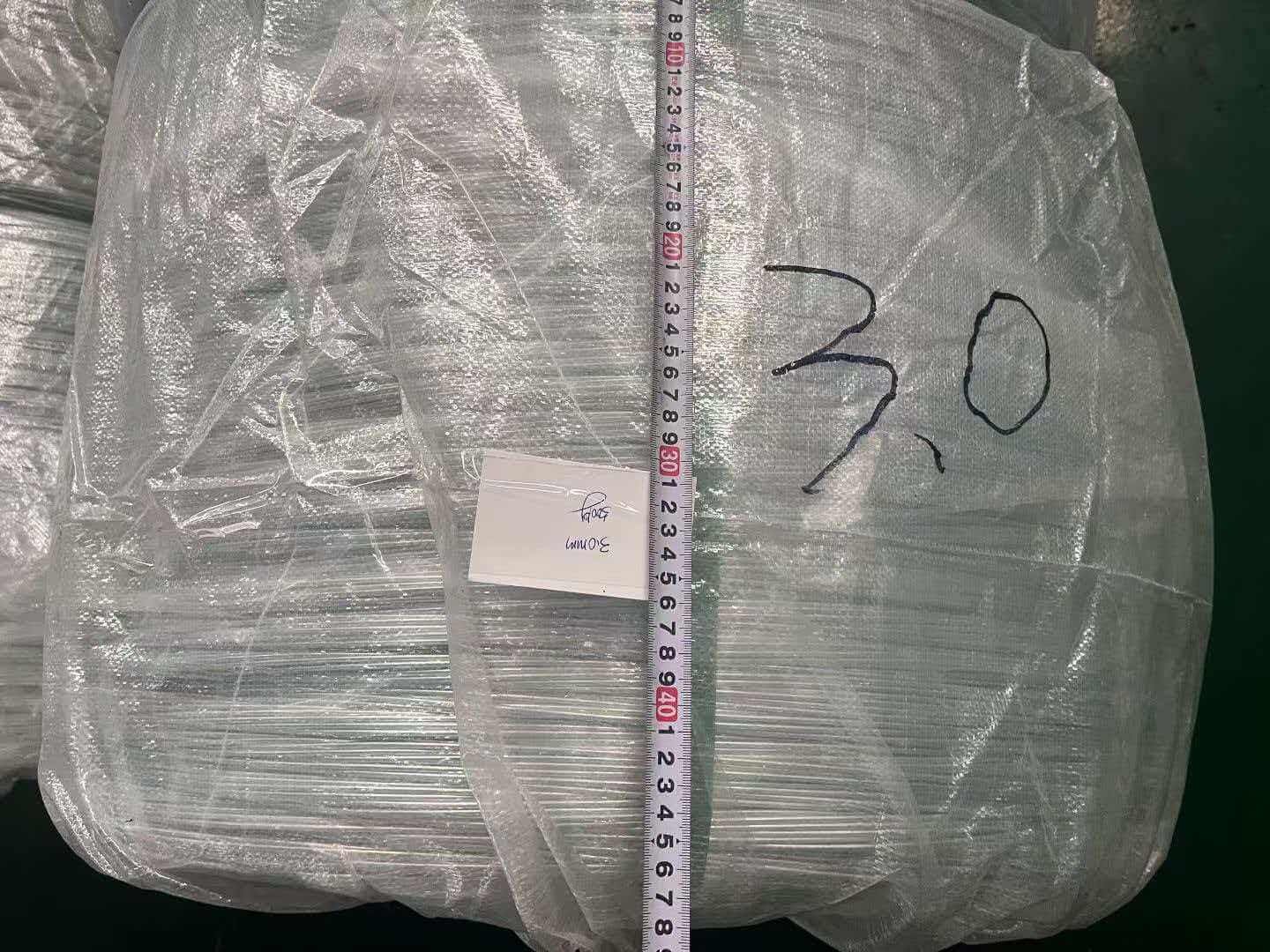
Nakato now evaluates suppliers differently. She doesn't look at the number on the quotation anymore. She asks for three things: the MTC (Mill Test Certificate), packaging standards, and delivery track record. These three items tell her more than price ever could. The MTC shows the actual chemical composition and mechanical properties of the wire. If a supplier hesitates to provide detailed MTCs, that's a warning sign. Packaging standards matter because wire that arrives rusty or tangled causes delays and waste. Delivery track record shows whether the supplier actually ships when promised.
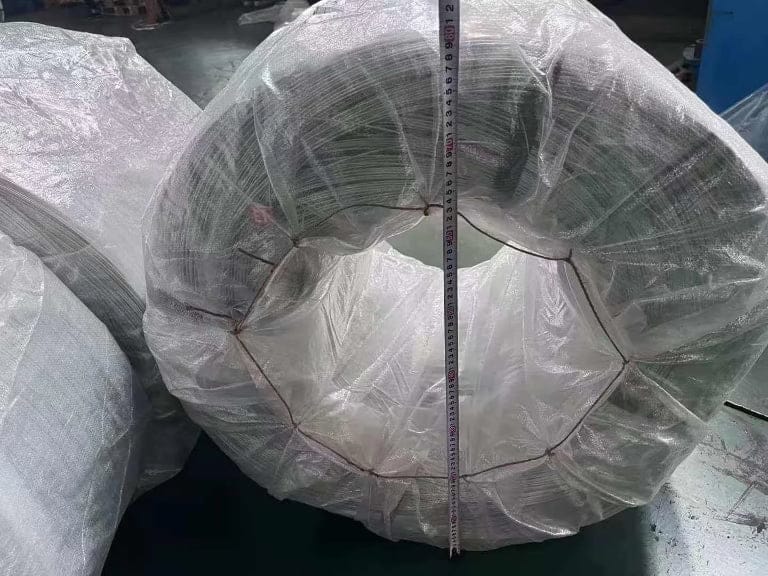
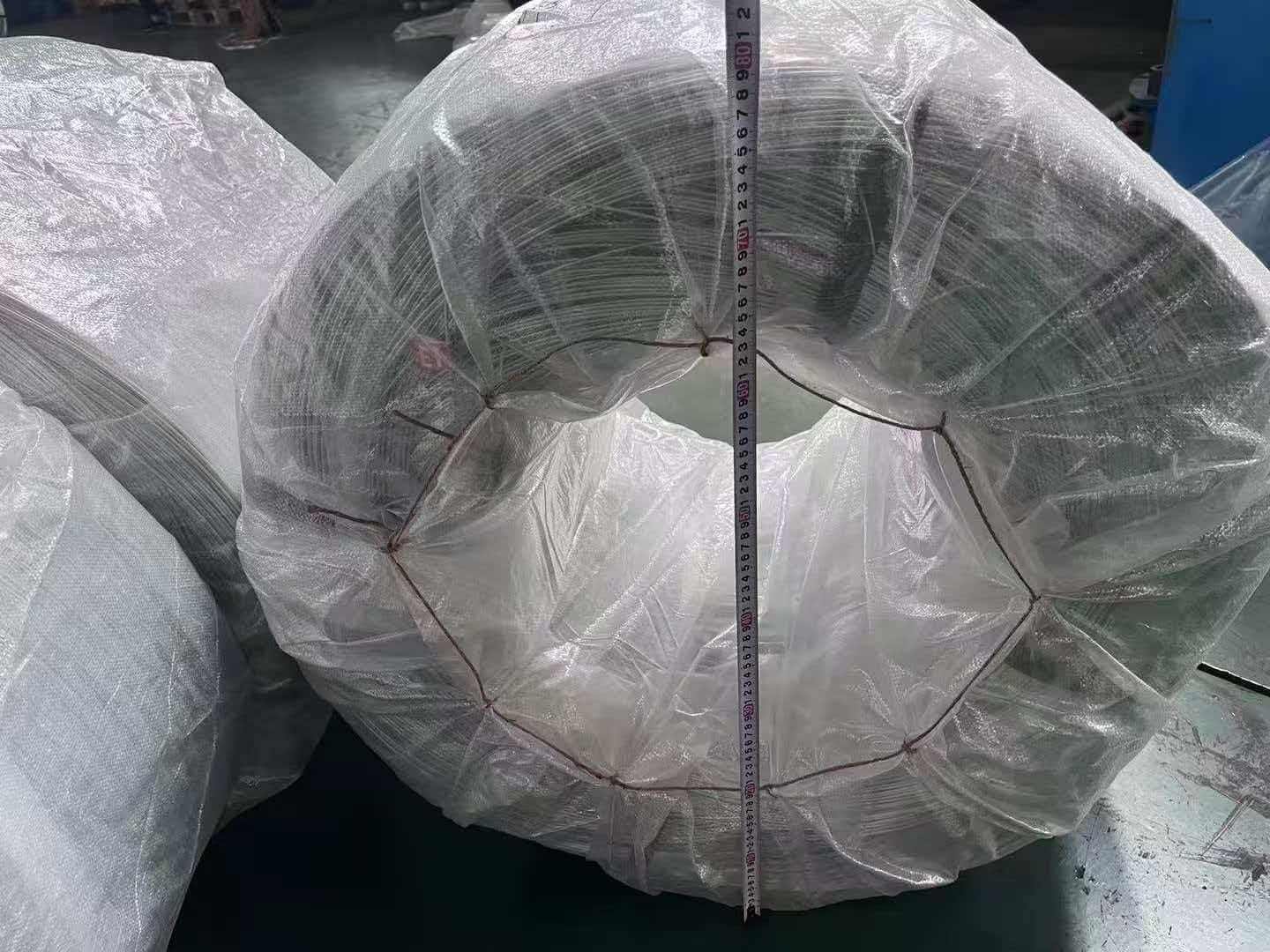
Transportation damage happens more often than people expect on the Kampala route. I've seen containers arrive with water damage from rain coming through damaged corner posts. Wire coils get crushed when trucks overload. The protective wrapping tears during rough handling. If your supplier uses thin plastic wrapping instead of proper moisture barriers, you'll find rust on 15-20% of your wire. That's not just material loss—it's the labor cost of sorting good from bad, the delay while you wait for replacement, and the potential project slowdown.
Exchange rate fluctuation creates another hidden cost in 2026. You negotiate a price in US dollars with your Chinese supplier. But between when you sign the contract and when you pay the balance (usually 30-45 days later), currency values shift. I watched one importer lose $1,200 on a container because the dollar strengthened against the yuan by 2% during his production period. Some factories now offer price protection clauses, but they charge slightly higher base prices for that security.
Customs delays in Mombasa port are unpredictable but expensive. Your wire sits in the port storage area accumulating demurrage fees (storage charges). After the free period ends (typically 7 days), you pay $35-60 per day. If your customs agent misses a document or if port inspectors flag your container for physical inspection, you might wait two extra weeks. That's $700-1,260 in additional costs that weren't in anyone's quote.
Here are the hidden costs that catch people off guard:
| Hidden Cost Category | Typical Impact | How to Minimize It |
|---|---|---|
| Quality rejection/rework | 3-8% of material cost | Request samples and MTCs upfront |
| Packaging damage | 5-12% material loss | Specify moisture-proof packaging standards |
| Currency fluctuation | 1-4% price variance | Use forward contracts for large orders |
| Customs delays | $500-1,500 per container | Work with experienced clearing agents |
| Storage/handling | 2-5% of landed cost | Plan delivery timing carefully |
| Testing/certification | $200-450 per shipment | Budget this as standard procurement cost |
How Can You Get Better Value Without Compromising Quality?
Getting good value means understanding where you can negotiate and where you shouldn't. I've learned this through watching both successful and failed procurement strategies.
The best value comes from building long-term relationships with reliable suppliers rather than always chasing the lowest quote. Suppliers who know you'll order consistently offer better pricing, prioritize your production, and work harder to solve problems. A 5% higher price from a reliable partner often delivers better total value than the cheapest option available.
Volume commits unlock better pricing even if you can't pay everything upfront. I negotiated with one factory on behalf of a client who could commit to 60 tons over six months. The factory gave him container pricing even though each order was only 20 tons. They didn't want to lose the guaranteed business. That negotiating approach saved him $23 per ton compared to spot orders.
Timing your purchases strategically helps too. Chinese factories have seasonal patterns. November through January tends to be slower because of Chinese New Year preparations. Factories are more willing to negotiate during these quieter periods. They'll sometimes waive testing fees or throw in upgraded packaging to secure orders. July and August see similar patterns as factories try to clear inventory before autumn. I've helped clients save 6-8% by timing large purchases during these windows.
Combining products from the same factory leverages your buying power. If you're ordering binding wire, ask about related products like tie wire, welded mesh, or construction nails. Factories prefer customers who buy multiple product lines. You become more valuable to them. That relationship gives you negotiating leverage for better prices, payment terms, or priority production slots.
Being a good customer matters more than many importers realize. Pay on time, provide clear specifications, respond quickly to factory questions, and don't constantly change your orders. Factories remember customers who create extra work or payment problems. They charge those customers more to compensate for the hassle. The smooth, professional customers get better prices and more attention. I've seen the same factory quote $650 per ton to one client and $615 per ton to another client purely based on their payment history and order clarity.
Here's my practical advice for getting better value:
- Request samples before large orders, but understand that samples cost money—offer to pay sample fees
- Provide detailed specifications upfront including wire diameter, coating type, coil weight, and tensile strength requirements
- Build in reasonable lead times (45-50 days door-to-door for Uganda) rather than rushing orders which increases costs
- Consider annual contracts with quarterly shipments if your consumption is predictable
- Visit the factory if possible, even once—it completely changes the supplier relationship
- Ask for references from other East African customers and actually contact them
- Focus on total landed cost per ton, not just FOB price
- Don't negotiate solely on price—discuss payment terms, packaging, testing, and delivery schedules too
The suppliers I trust most are the ones who explain the tradeoffs honestly. If a factory tells me they can't hit a certain price point without reducing the zinc coating thickness, that's useful information. If they suggest a slightly different specification that better matches my actual needs while costing less, that shows they understand the application. If they warn me that my requested delivery date falls during Chinese holidays and offer alternatives, that's the kind of practical help that builds trust.
Conclusion
Smart binding wire procurement in Uganda looks beyond the FOB price to understand total landed cost, hidden expenses, and supplier reliability. Focus on building relationships with factories that deliver consistent quality, transparent communication, and reliable delivery—because in 2026, your competitive advantage comes from supply chain efficiency, not just finding the cheapest quote.
We provide full MTC (Mill Test Certificate) and Certificate of Origin with every shipment.
We provide a full range of construction binding wire for African projects. Galvanized Iron Wire: https://mfgwiremesh.com/metal-wire/galvanized-iron-wire/ Black Annealed Iron Wire: https://mfgwiremesh.com/metal-wire/black-annealed-iron-wire/ 201 Stainless Steel Wire: https://mfgwiremesh.com/metal-wire/201-stainless-steel-wire/ Mix container loading supported.
If you are sourcing construction binding wire for Uganda or any African market, we are happy to provide a specification-based quotation. Contact us via WhatsApp: +86 15383180672.
FAQ:
Q1: Understanding the real landed cost of binding wire in Uganda beyond the FOB price.
A1: The FOB (Free on Board) price from China for binding wire ranges from $580 to $720 per ton, but your total landed cost in Kampala will be 35-45% higher. This includes sea freight to Mombasa ($85-110/ton), port charges and clearing ($45-65/ton), and inland transport to Kampala ($95-135/ton). Insurance and documentation add another $25-40 per ton. Always calculate the total landed cost per ton, not just the supplier's quote, to make accurate budget comparisons.
Q2: Choosing between direct factory sourcing and local distributors in Uganda.
A2: Direct factory sourcing saves 10-18% compared to local distributors, but requires minimum orders of 20-25 tons (a full container) and handling international logistics yourself. If your monthly consumption exceeds 15 tons, direct importing makes financial sense. Below that volume, local distributors provide better value with smaller minimum orders, local quality issue resolution, and simpler payment terms. Nakato switched to direct sourcing and saved $95 per ton, but spent six months learning the documentation and customs process.
Q3: Comparing costs between galvanized and black annealed binding wire.
A3: Galvanized binding wire costs 10-15% more than black annealed wire because of the zinc coating process. However, in Uganda's humid climate, especially during rainy seasons, black annealed wire rusts within weeks of exposure while galvanized wire lasts months. The higher upfront cost of galvanized wire often saves money by eliminating rust-related rework, material replacement, and project delays. For structural outdoor work, galvanized wire is the standard choice despite the higher price tag.
Q4: Avoiding hidden procurement costs when importing binding wire to Uganda.
A4: Common hidden costs include quality-related rework (3-8% of material cost), packaging damage during transit (5-12% material loss), currency fluctuations (1-4% price variance), customs delays at Mombasa port ($500-1,500 per container), and storage and handling fees (2-5% of landed cost). Minimize these by requesting MTC (Mill Test Certificate) reports upfront, specifying moisture-proof packaging standards, working with experienced clearing agents, and building buffer time into delivery schedules. Nakato now evaluates suppliers on documentation, packaging, and delivery track record rather than price alone.