


Moses, a Kampala contractor, recently compared galvanized and black annealed wire on the same project and found that each performed best in its intended place. Buyers like him, who need clear product comparison for construction binding wire in Uganda, can find detailed specifications on our product page: https://mfgwiremesh.com/metal-wire/galvanized-iron-wire/
I have seen contractors waste thousands of dollars by choosing the wrong wire type. The wire rusts before concrete pouring, or workers struggle with stiff wire that slows down progress. This decision affects both your budget and project timeline.
Galvanized binding wire offers superior rust protection for outdoor applications, while black annealed wire provides better flexibility and lower cost for indoor use. Choose galvanized wire for exposed structural work and annealed wire for interior binding tasks where moisture exposure is minimal.
Last year, I worked with Moses, a contractor from Kampala. He shared a valuable lesson from his project. He used both wire types strategically—galvanized for main structure, annealed for interior work. One year later, both performed exactly as expected in their respective applications.
What Makes Galvanized Binding Wire Different from Black Annealed Wire?
These two wire types serve the same basic function but use completely different approaches. The coating process and heat treatment create distinct characteristics. Understanding these differences helps you match the right wire to your specific needs.
Galvanized binding wire has a protective zinc coating applied through hot-dip or electro-galvanizing processes, offering corrosion resistance. Black annealed wire undergoes heat treatment without coating, resulting in a softer, more flexible product with lower production costs.
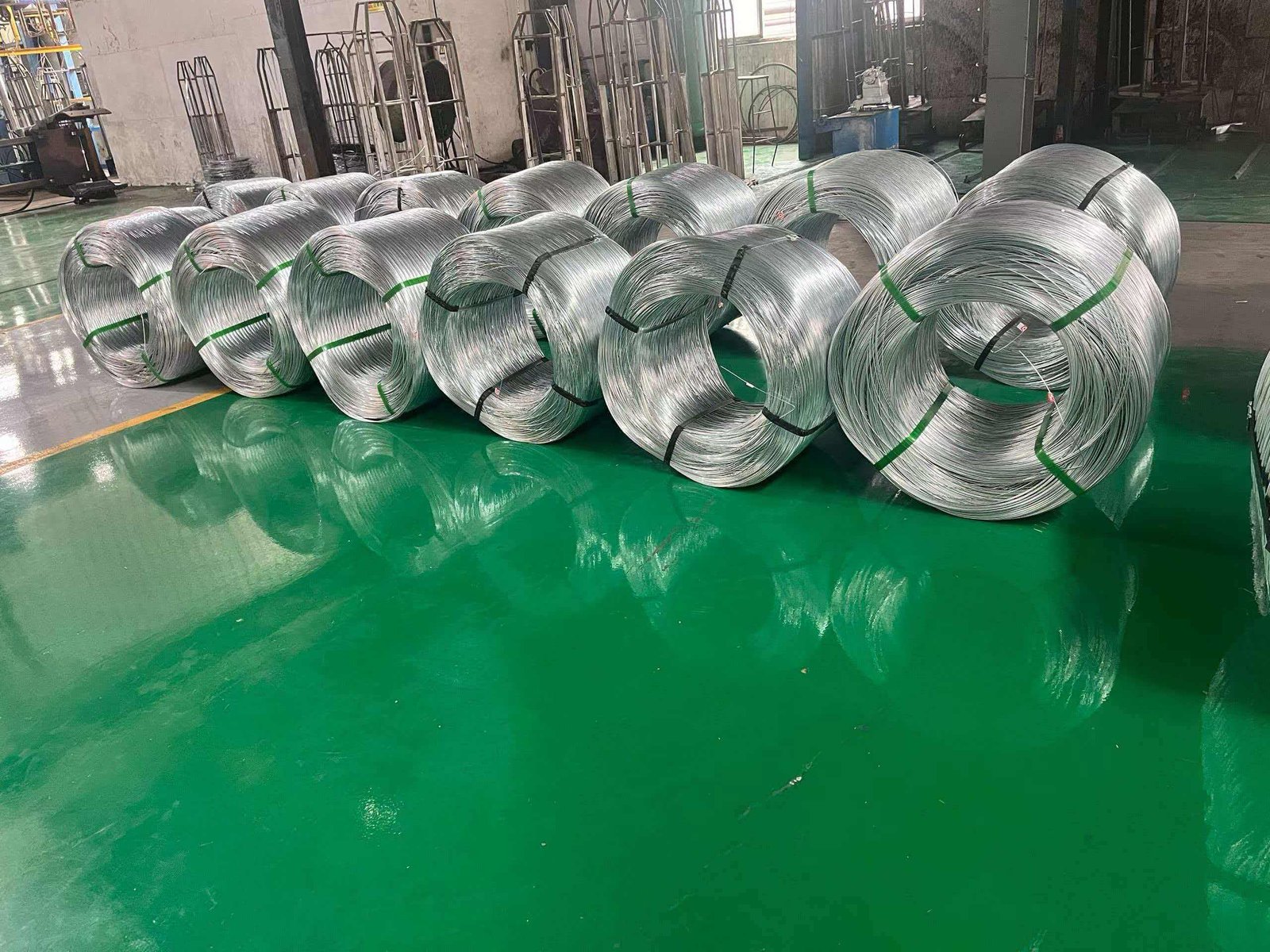
The manufacturing process determines the final product performance. Galvanized wire starts with steel wire that goes through a zinc bath. The zinc layer forms a protective barrier against moisture and oxygen. The thickness of this zinc coating typically ranges from 20 to 60 grams per square meter. Thicker coatings provide better protection but increase the cost.
Black annealed wire follows a different path. The wire goes through a controlled heating and cooling process. This heat treatment changes the internal structure of the steel. The wire becomes softer and easier to bend. Workers can twist it with bare hands. No coating is applied, which keeps the production cost lower.
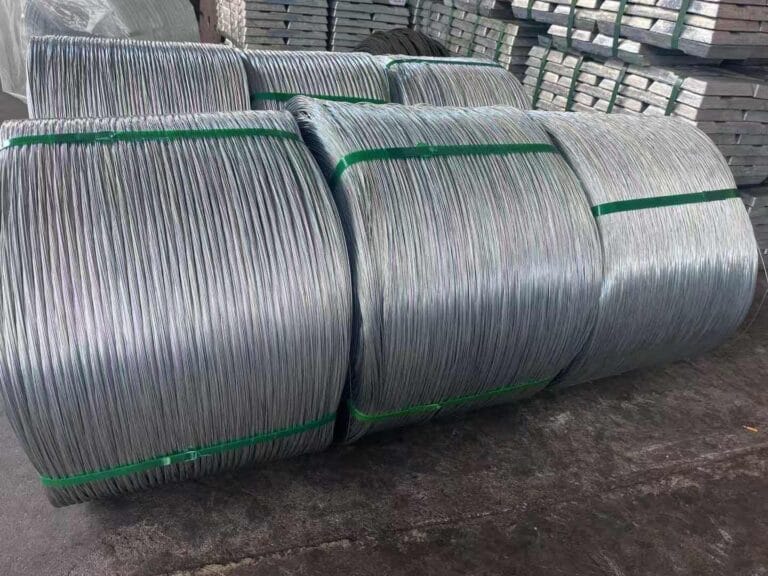
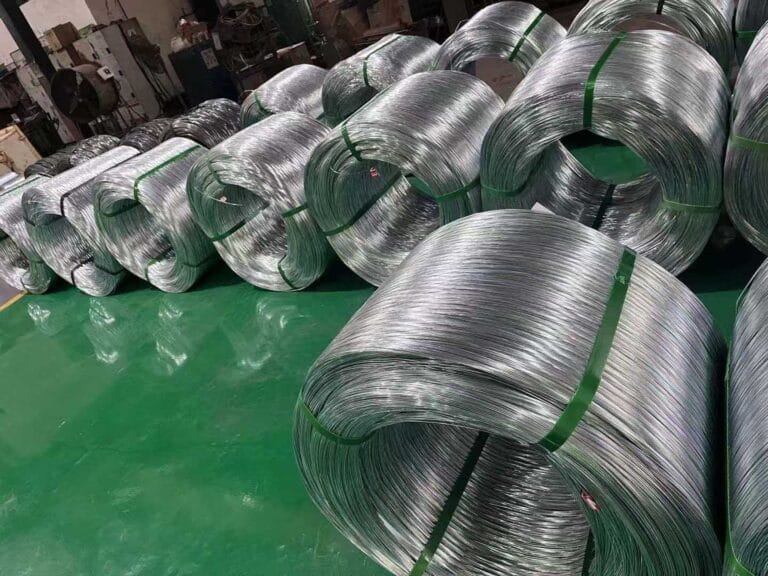
The color difference is obvious. Galvanized wire has a silver-gray metallic shine. Black annealed wire appears dark gray to black. This color comes from the oxide layer that forms during the annealing process.
| Feature | Galvanized Wire | Black Annealed Wire |
|---|---|---|
| Coating | Zinc layer (20-60 g/m²) | No coating |
| Color | Silver-gray | Dark gray/black |
| Flexibility | Stiffer | Very soft |
| Rust Resistance | High | Low |
| Typical Cost | Higher | Lower (10-15% less) |
| Best Application | Outdoor/exposed areas | Indoor/covered areas |
How Does Weather Affect Each Wire Type?
Uganda has two rainy seasons. East African coastal regions face constant humidity. These environmental factors directly impact wire performance. I have seen projects where the wrong wire choice led to structural concerns before concrete pouring even started.
Galvanized binding wire maintains structural integrity in wet conditions due to zinc's sacrificial protection, while black annealed wire oxidizes rapidly when exposed to moisture. For rainy climates, galvanized wire prevents premature failure of binding points in exposed rebar assemblies.
Moses told me about his experience in Kampala. The main structure rebar stayed exposed for six weeks during the rainy season. He used 2.0mm galvanized wire with 40+ grams per square meter zinc coating. When the concrete team arrived, all binding points remained tight and secure. No rust stains appeared on the rebar.
Zinc provides protection through a process called galvanic corrosion. When moisture reaches the wire, the zinc layer corrodes first. This sacrificial action protects the underlying steel. The zinc coating can last several months to years depending on the environment and coating thickness.
Black annealed wire behaves differently. Without protective coating, moisture reaches the steel directly. Rust forms within days in humid conditions. The rust layer weakens the wire and stains the concrete. For outdoor applications in tropical climates, this creates problems.
However, black annealed wire performs well in covered areas. Interior partitions, pipe fixing, and temporary formwork support rarely face direct weather exposure. The wire maintains its binding strength in these conditions. The lower cost makes it a practical choice for such applications.
I recommend tracking weather patterns when planning wire purchases. If your project timeline extends through rainy seasons, factor in the exposure duration. Structural elements that stay exposed for more than two weeks benefit from galvanized wire protection.
Which Wire Works Better for Different Construction Tasks?
Construction sites use binding wire for various purposes. Each application has specific requirements. Wire flexibility, strength, and durability needs vary by location and function. Matching these requirements to wire characteristics improves both efficiency and outcomes.
Structural rebar binding requires galvanized wire for durability in exposed conditions, while interior partition work benefits from black annealed wire's flexibility and cost efficiency. The application environment and exposure duration determine the optimal wire choice.
Moses developed a systematic approach. He categorizes his binding needs into three groups. First, main structural elements—columns, beams, foundation rebar. These use galvanized wire exclusively. Second, interior work—partition walls, suspended ceiling support, MEP (Mechanical, Electrical, and Plumbing) fixing. These use black annealed wire. Third, temporary applications—formwork ties, material bundling. These also use annealed wire.
For structural binding, wire gauge selection matters. Main columns and beams typically use 18-20 gauge (1.2-0.9mm) galvanized wire. Foundation work often requires thicker 16 gauge (1.6mm) wire. The zinc coating should be at least 40 grams per square meter for tropical climates. This ensures protection through typical construction delays.
Interior partition binding allows more flexibility. Workers prefer 16-18 gauge black annealed wire for this work. The soft wire reduces hand fatigue during long binding sessions. A skilled worker can bind 30-40% faster with annealed wire compared to galvanized wire. This speed improvement translates to labor cost savings.
Pipe and conduit fixing represents another common application. I suggest black annealed wire for interior MEP work. The wire wraps easily around pipes without special tools. Workers can hand-twist it tight. For exterior pipe runs or underground installations, switch to galvanized wire.
Temporary formwork ties create a decision point. These ties stay in place for a few weeks at most. Black annealed wire costs less and provides adequate strength. However, if formwork removal might be delayed, galvanized wire prevents rust stains on the concrete surface.
| Application | Recommended Wire | Typical Gauge | Key Reason |
|---|---|---|---|
| Column rebar | Galvanized | 18-20 (0.9-1.2mm) | Weather exposure |
| Foundation | Galvanized | 16 (1.6mm) | Underground moisture |
| Interior partition | Black annealed | 16-18 (1.2-1.6mm) | Flexibility, cost |
| MEP fixing (indoor) | Black annealed | 16-18 (1.2-1.6mm) | Easy handling |
| Exterior pipes | Galvanized | 16-18 (1.2-1.6mm) | Weather protection |
| Temporary formwork | Black annealed | 18 (1.2mm) | Short-term use |
How Do Cost Differences Impact Project Budgets?
Wire procurement represents a significant line item in construction material budgets. The price difference between galvanized and annealed wire affects total project costs. However, the cheapest option does not always deliver the best value. Total cost includes material price, labor efficiency, and potential rework.
Black annealed wire costs 10-15% less than galvanized wire per ton, but the total project cost depends on application suitability and labor efficiency. Strategic wire selection based on application requirements optimizes both material spending and installation productivity.
Current market prices in East African ports show this pattern. Galvanized binding wire ranges from $650-750 per ton depending on zinc coating thickness and gauge. Black annealed wire typically costs $580-650 per ton for comparable gauges. The price gap narrows for thinner gauges and widens for thicker ones.
I calculate wire requirements based on project size. A typical medium-rise residential building (8-10 floors, 2000 square meters per floor) consumes approximately 15-20 tons of binding wire. Using galvanized wire throughout costs roughly $10,500-15,000 for wire alone. Switching to a mixed approach saves money.
Moses shared his budget breakdown. His recent project used 12 tons of galvanized wire for structural work and 6 tons of black annealed for interior applications. Structural wire cost $700 per ton ($8,400 total). Interior wire cost $600 per ton ($3,600 total). Total wire cost: $12,000. If he had used all galvanized wire, the cost would have reached $12,600-13,800. His mixed approach saved $600-1,800.
Labor costs tell another story. Black annealed wire's flexibility speeds up binding work. Workers complete interior binding tasks faster. Moses calculated his interior binding team finished approximately 35% faster with annealed wire. This saved roughly 40 man-hours on his project. At typical East African labor rates ($3-5 per hour), this represented $120-200 in labor savings.
The calculation changes if you use the wrong wire type. Galvanized wire for interior work wastes money on unnecessary zinc coating. Workers also work slower due to wire stiffness. Black annealed wire for exposed structural work creates even bigger problems. Corroded binding points may require replacement before concrete pouring. This rework costs far more than the initial material savings.
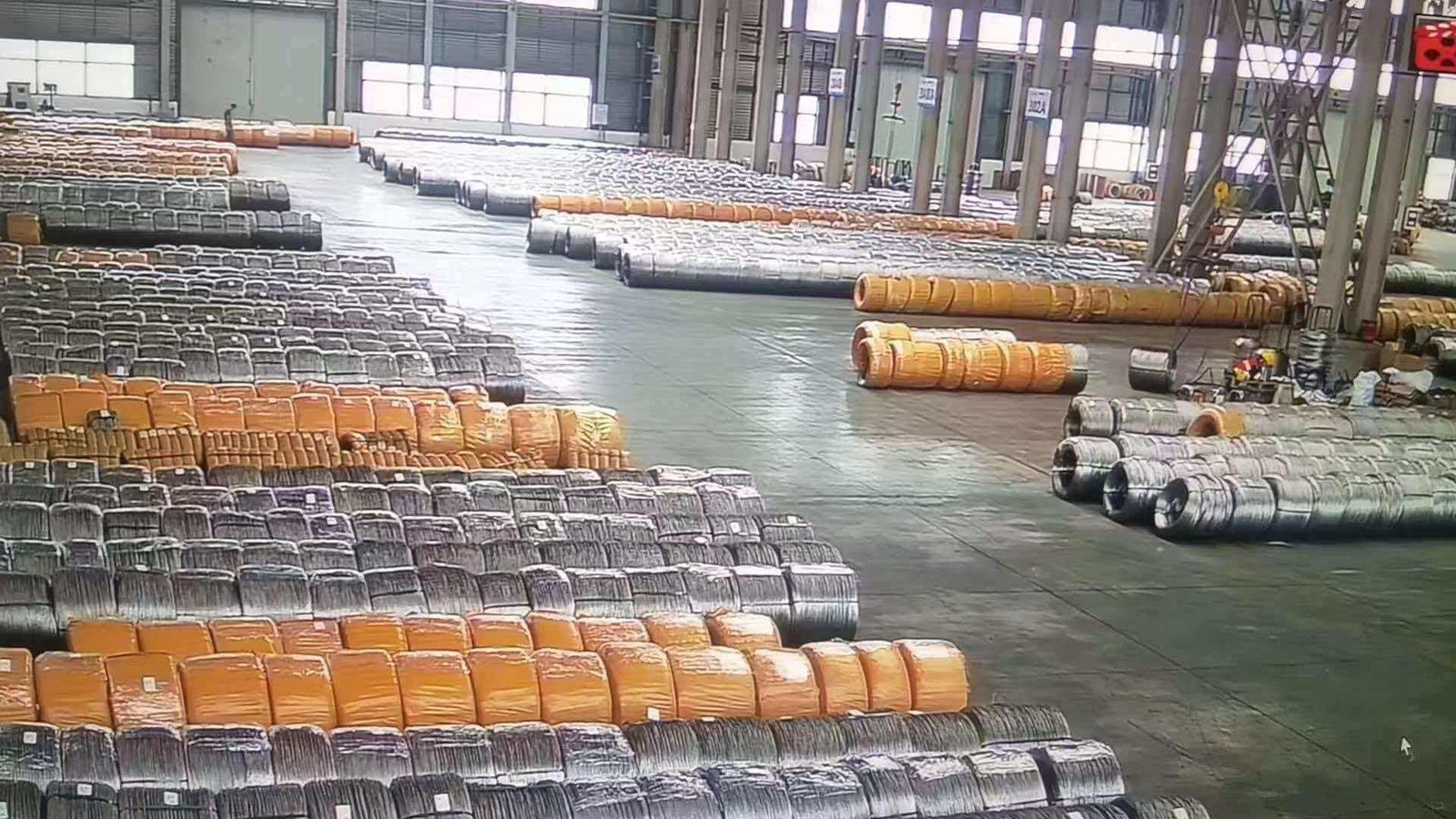
Container loading calculations also matter. A 20-foot container holds approximately 22-25 tons of binding wire in standard coils. Mixing both wire types in one container optimizes your inventory. You can split one container between 15 tons galvanized and 8 tons annealed, matching typical project ratios.
I recommend requesting detailed quotations that break down costs by wire type and specification. Compare total landed costs including freight and clearance. Some suppliers offer better pricing on mixed orders. Build relationships with suppliers who understand your application needs and can suggest optimal product combinations.
What Quality Indicators Should You Check Before Purchasing?
Wire quality varies significantly between suppliers. Poor quality wire breaks during binding, has inconsistent diameter, or corrodes prematurely. Quality checks before purchase prevent these problems. I have seen contractors receive wire that looked acceptable but failed during actual use.
Check zinc coating thickness for galvanized wire using a coating thickness gauge (minimum 40 g/m² for tropical use), verify wire diameter consistency with a micrometer (tolerance ±0.05mm), and test tensile strength through sample breaking. Request MTC (Mill Test Certificate) documenting these specifications.
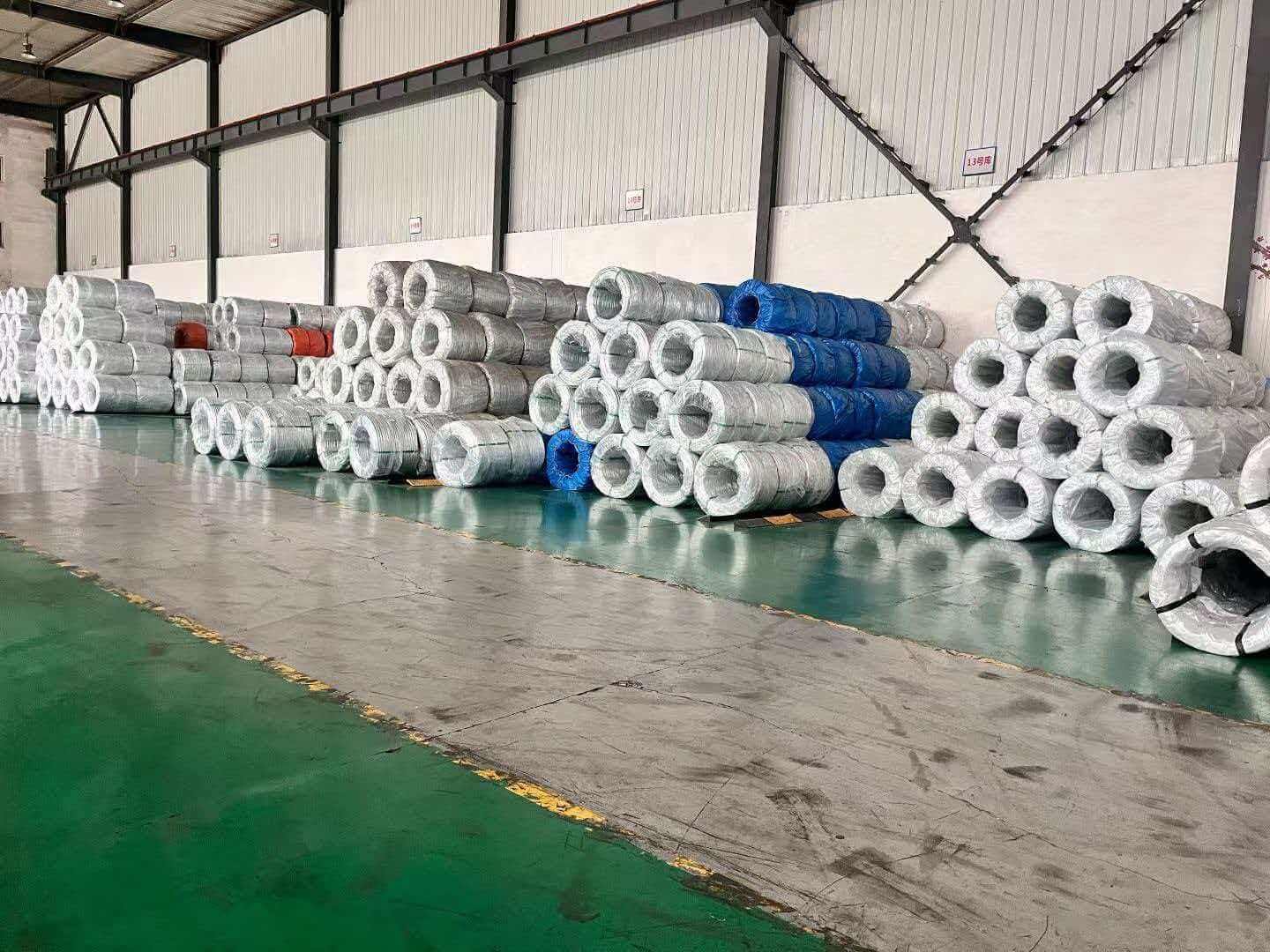
Zinc coating thickness is the first critical parameter for galvanized wire. The supplier should provide a coating weight specification. Standard options include 20-30 g/m² for light duty, 30-40 g/m² for standard use, and 40-60+ g/m² for heavy-duty applications. I always request samples and measure coating thickness myself using a magnetic gauge before finalizing large orders.
The coating quality also matters. Hot-dip galvanized wire produces a thicker, more durable coating than electro-galvanized wire. Hot-dip coating appears slightly rougher and brighter. Electro-galvanized coating looks smoother but typically measures only 15-25 g/m². For East African climates, I specify hot-dip galvanized wire with minimum 40 g/m² coating.
Wire diameter consistency affects binding reliability. Nominal diameter and actual diameter should match within ±0.05mm tolerance. Inconsistent diameter means some sections are too thin and break easily. I check diameter at multiple points along sample coils using a digital micrometer. Any variation beyond 0.05mm triggers a quality discussion with the supplier.
For black annealed wire, softness indicates proper heat treatment. The wire should bend easily without cracking or breaking. I test this by wrapping sample wire tightly around a rod with diameter 3-4 times the wire diameter. Properly annealed wire bends smoothly without surface cracks. Under-annealed wire feels stiff and may crack at the bend.
Tensile strength testing requires simple equipment. Take a 30cm wire sample and pull it until it breaks. The breaking force should match the specification for that wire gauge. Standard binding wire typically breaks at 350-550 MPa (Megapascals) tensile strength. Too low indicates poor steel quality. Too high suggests inadequate annealing for black wire.
Surface condition reveals manufacturing quality. Galvanized wire should show uniform coating without bare spots, drips, or flaking. The zinc surface may have a normal spangled pattern—this is acceptable. Black annealed wire should appear uniformly dark without rust spots or oil residue. Oil residue indicates poor cleaning after annealing.
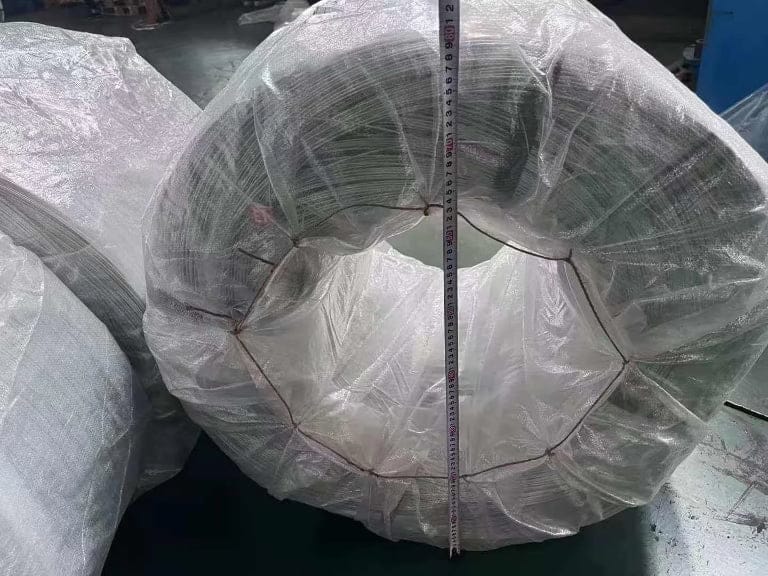
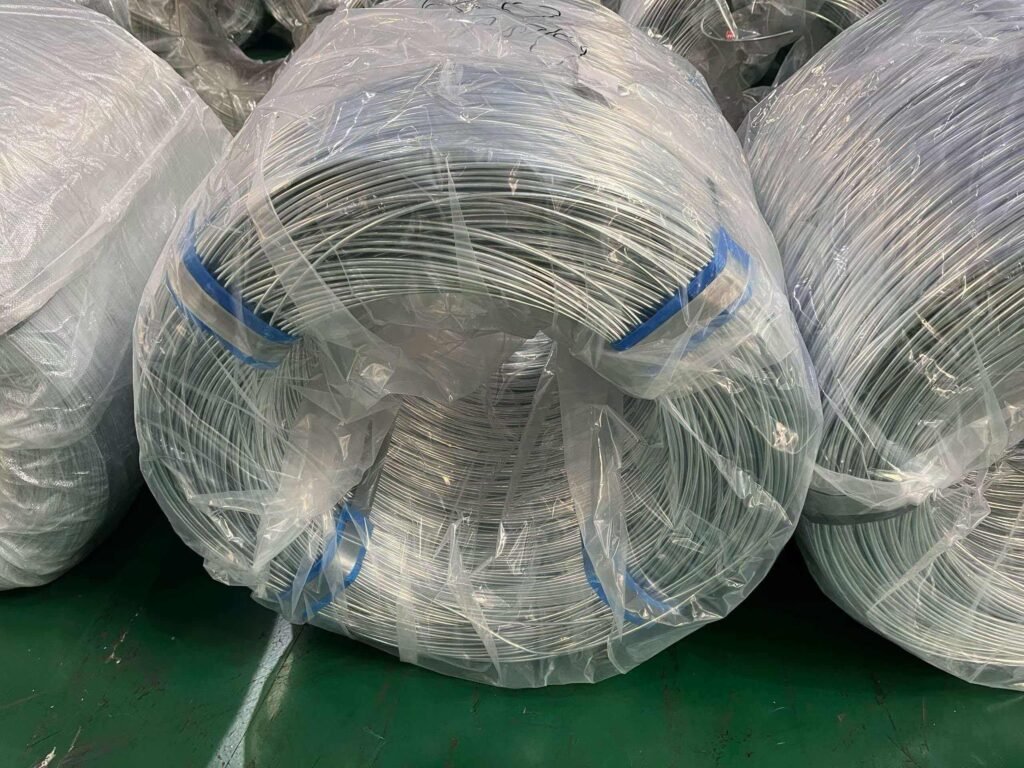
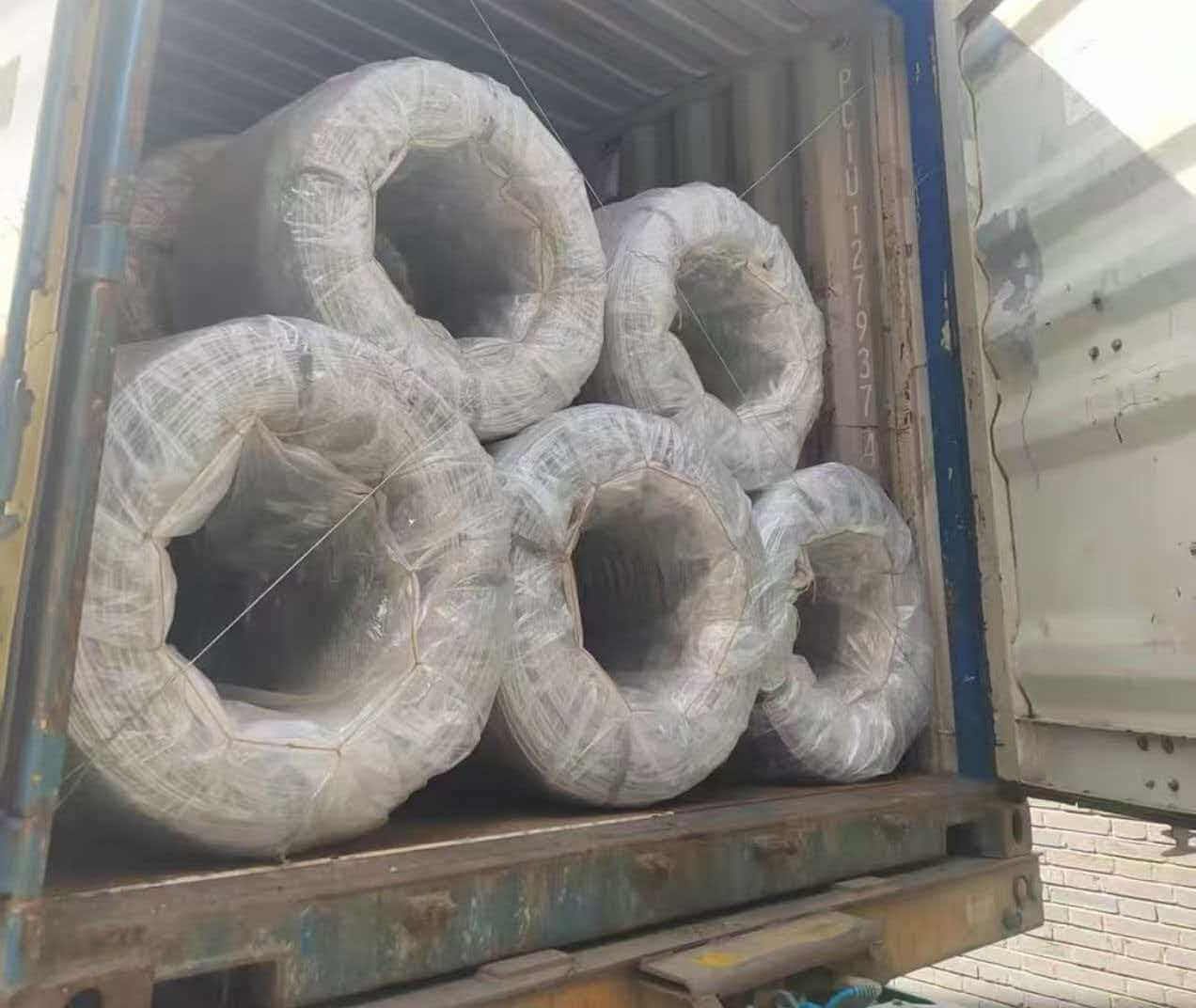
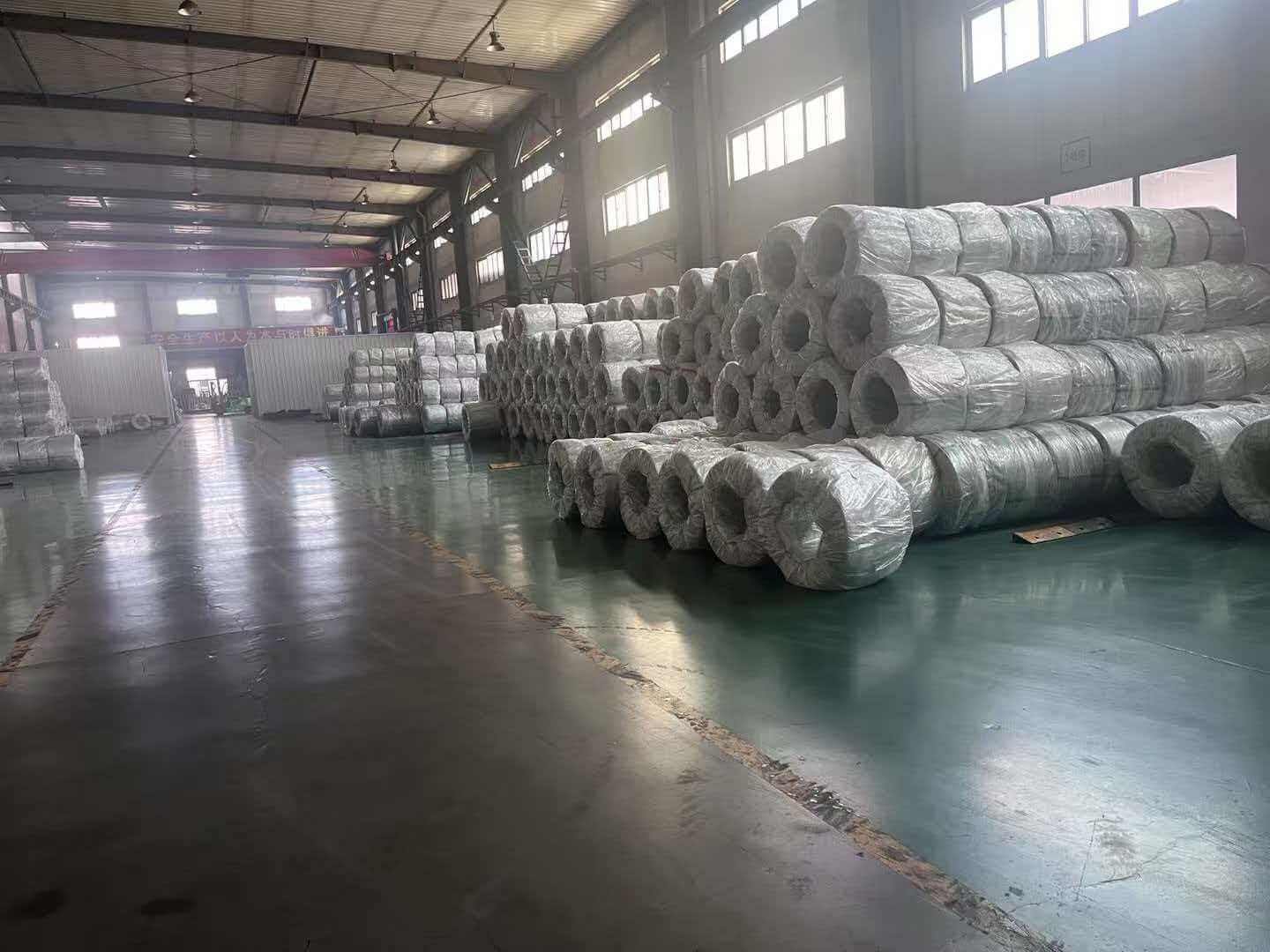
Packaging quality protects the wire during shipping and storage. Coils should be tightly wound and secured with multiple tie wires. Each coil needs waterproof wrapping. Palletized loads require shrink wrap and moisture barrier. For sea freight to East Africa, double wrapping prevents rust damage during the 25-35 day voyage.
Documentation provides accountability. Request an MTC that specifies:
- Wire grade and chemical composition
- Tensile strength test results
- Coating weight (for galvanized wire)
- Manufacturing date and batch number
- Factory certification marks
Moses now maintains a quality inspection checklist. Before accepting any wire delivery, his team checks random coils for diameter, coating thickness, and flexibility. Any deviation from specifications goes back to the supplier. This practice reduced his wire-related delays by approximately 60%.
| Quality Parameter | Galvanized Wire Standard | Black Annealed Wire Standard | Testing Method |
|---|---|---|---|
| Zinc coating | 40-60 g/m² (hot-dip) | Not applicable | Magnetic gauge |
| Diameter tolerance | ±0.05mm | ±0.05mm | Digital micrometer |
| Tensile strength | 350-550 MPa | 350-500 MPa | Pull test |
| Flexibility | Moderate | High (no cracks at 3x diameter bend) | Bend test |
| Surface quality | Uniform coating, no bare spots | Uniform color, no rust | Visual inspection |
| Coil weight | ±2% of stated weight | ±2% of stated weight | Weighing scale |
Conclusion
Choose galvanized binding wire for structural and outdoor applications where weather resistance matters. Use black annealed wire for interior work where flexibility and cost efficiency take priority. Match your wire selection to specific application requirements rather than choosing one type for everything. This strategic approach optimizes both performance and budget.
We provide full MTC (Mill Test Certificate) and Certificate of Origin with every shipment.
We provide a full range of construction binding wire for African projects. Galvanized Iron Wire: https://mfgwiremesh.com/metal-wire/galvanized-iron-wire/ Black Annealed Iron Wire: https://mfgwiremesh.com/metal-wire/black-annealed-iron-wire/ 201 Stainless Steel Wire: https://mfgwiremesh.com/metal-wire/201-stainless-steel-wire/ Mix container loading supported.
If you are sourcing construction binding wire for Uganda or any African market, we are happy to provide a specification-based quotation. Contact us via WhatsApp: +86 15383180672.
FAQ:
Q1: Choosing between galvanized and black annealed binding wire for different applications.
A1: Galvanized binding wire is the right choice for structural rebar tying and any application exposed to weather before concrete pouring. Black annealed wire works best for indoor applications like partition walls, pipe fixing, and temporary formwork where moisture exposure is minimal and tying speed matters more. Moses uses galvanized wire for all structural columns and beams, and black annealed wire for interior MEP (Mechanical, Electrical, and Plumbing) fixing, saving 10-15% on material costs for interior work.
Q2: Checking zinc coating quality on galvanized binding wire.
A2: Request hot-dip galvanized wire with minimum 40 g/m² zinc coating for tropical climates like Uganda. Use a magnetic coating thickness gauge to verify the coating weight on sample coils before accepting large orders. Hot-dip coating appears slightly rougher and brighter than electro-galvanized coating, which typically measures only 15-25 g/m² and provides insufficient protection for outdoor structural work during rainy seasons.
Q3: Testing black annealed wire flexibility and quality.
A3: Test black annealed wire by wrapping it tightly around a rod with diameter 3-4 times the wire diameter. Properly annealed wire bends smoothly without surface cracks or breaking. Under-annealed wire feels stiff and may crack at the bend. Check the surface for uniform dark color without rust spots or oil residue, which indicates proper heat treatment and cleaning after annealing. Tensile strength should fall between 350-500 MPa (Megapascals).