


Many East African contractors use the terms "binding wire" and "tie wire" interchangeably, but some suppliers still treat them as different products. Understanding this naming difference can save you from losing customers and help you serve a wider market.
Moses, a contractor from Kampala, frequently hears both terms from his clients. Buyers like him, who need clear guidance on construction binding wire and tie wire for East African projects, can find detailed specifications on our product page: https://mfgwiremesh.com/metal-wire/galvanized-iron-wire/
Last month, I got a call that made me pause. A new client asked if I had "tie wire" in stock. I sell binding wire every day, but the term "tie wire" threw me off for a second. I asked him what diameter he needed. He wasn't sure. I asked about the material. He still couldn't say. He just kept saying he needed tie wire for his construction site.
Binding wire and tie wire are the same product. They are both galvanized or annealed iron wires used to tie rebar on construction sites. The only difference is the name. British English uses "binding wire" while American English prefers "tie wire." In East Africa, you will hear both terms depending on the country's colonial history.
I learned this lesson the hard way. Before that call, I only knew the term "binding wire" from my suppliers in China. When Moses, a contractor from Kampala, asked for tie wire, I almost told him I didn't carry that product. Then I realized we were talking about the same wire that I ship to construction sites every week. That moment taught me something valuable about working in the African market. Knowing the right terms matters just as much as knowing the product specs.
Why Do People Call It Different Names?
I used to think construction terms were universal. They are not. The name you use for binding wire depends on where you learned English and who taught you about construction.
British colonies like Kenya, Zambia, and Malawi use "binding wire" because British engineers brought that term when they built the first railways and buildings. American-influenced regions use "tie wire" because U.S. construction manuals and training programs introduced that vocabulary. Uganda uses both names because contractors learn from different sources.
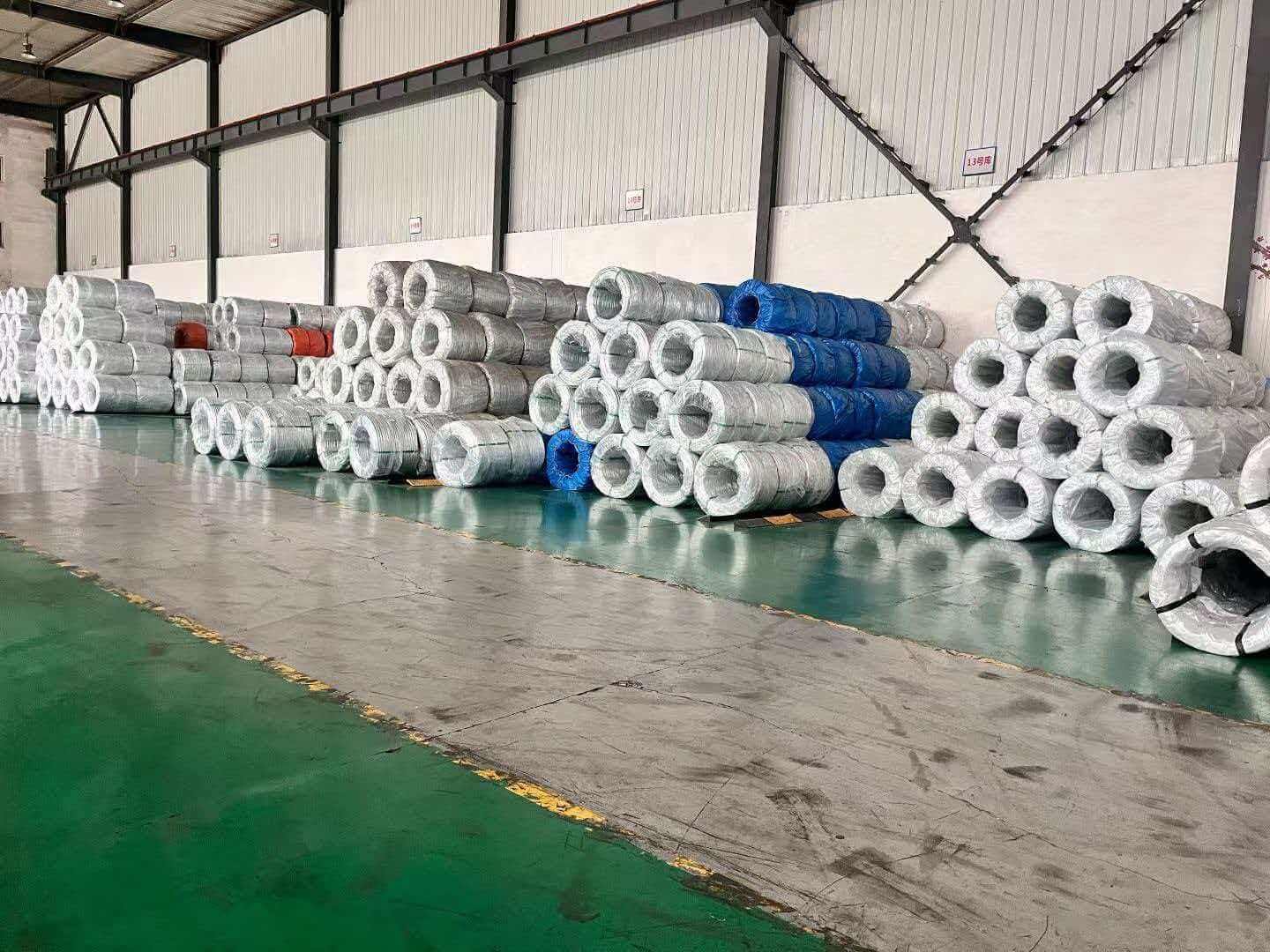
The history explains why the names differ, but it does not change what the product does. I once shipped a container to Rwanda. The purchase order said "binding wire." The customer's WhatsApp messages called it "tie wire." The customs documents used "construction wire." All three terms described the same 1.6mm galvanized wire sitting in those coils.
This naming confusion creates real problems. I have seen suppliers lose orders because they did not recognize a term. A contractor in Lusaka told me he once rejected a quote because the supplier kept correcting him. He said "tie wire" and the supplier kept insisting it was called "binding wire." He thought they were talking about different products and went to another factory.
Regional Usage Patterns
Let me show you how the terms break down across East Africa:
| Country | Primary Term | Secondary Term | Colonial Influence |
|---|---|---|---|
| Kenya | Binding wire | Tie wire | British |
| Uganda | Both equally | None | Mixed British/American |
| Tanzania | Binding wire | Construction wire | British/German |
| Rwanda | Binding wire | Tie wire | Belgian/French |
| Zambia | Binding wire | Tie wire | British |
I keep this table in my phone. When a new customer contacts me, I check which country they are calling from. If they are from Kenya, I use "binding wire" in my emails. If they use "tie wire" first, I switch to match their language. This small adjustment makes them feel understood.
The terms also vary by generation. Older contractors who learned from British-trained engineers say "binding wire." Younger ones who watch YouTube tutorials from American channels say "tie wire." I met a 28-year-old project manager in Kigali who exclusively said "tie wire" because he studied construction management through online courses from Texas.
Is There Any Physical Difference Between Them?
I get this question all the time. Customers want to know if tie wire has different specs from binding wire. The answer is simple.
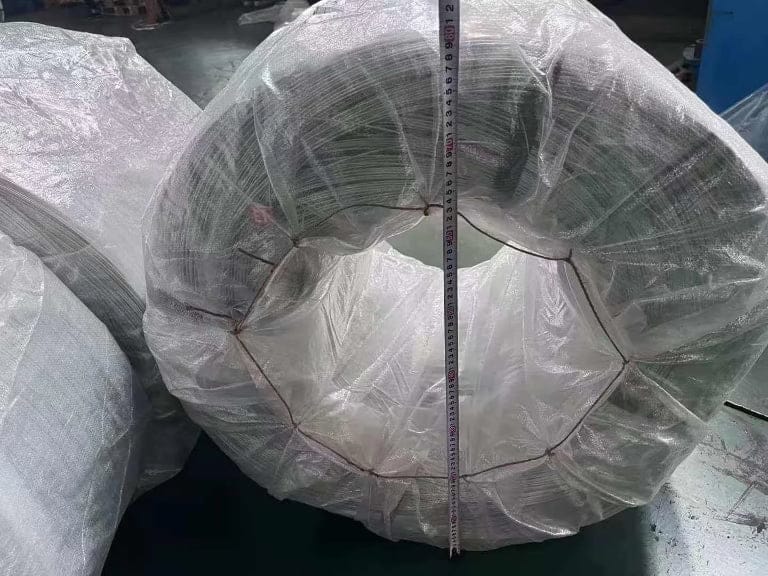
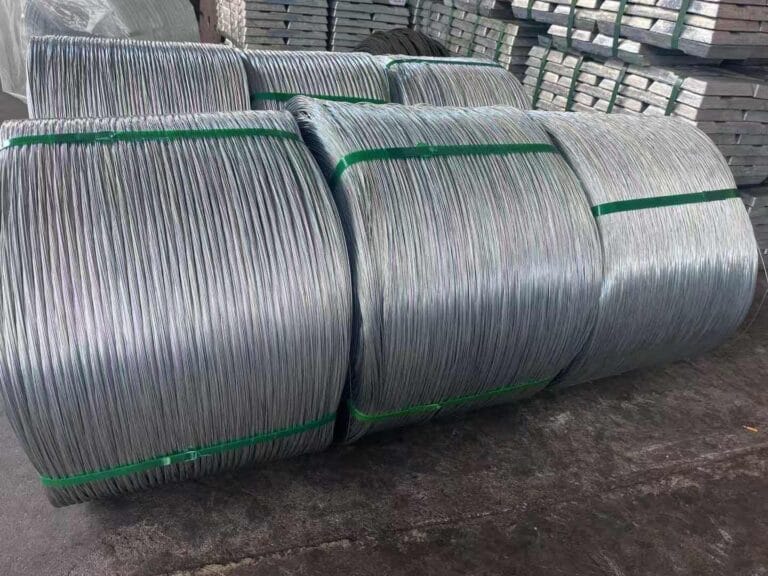
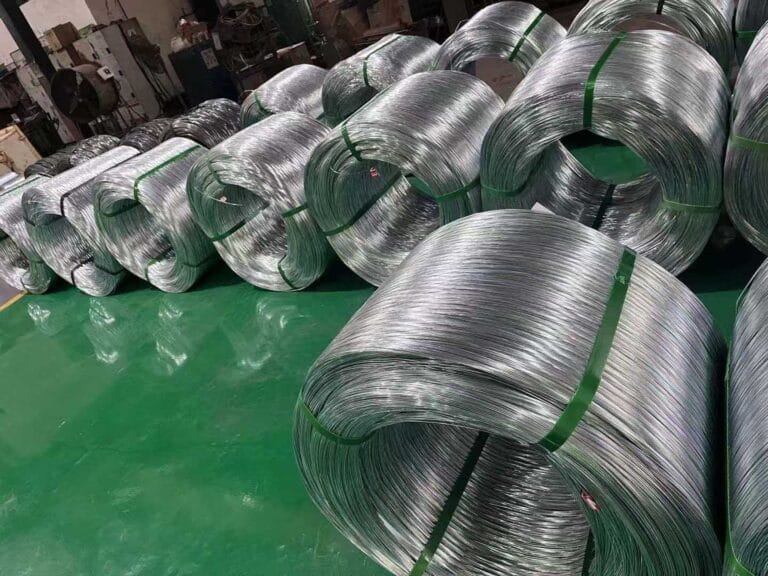
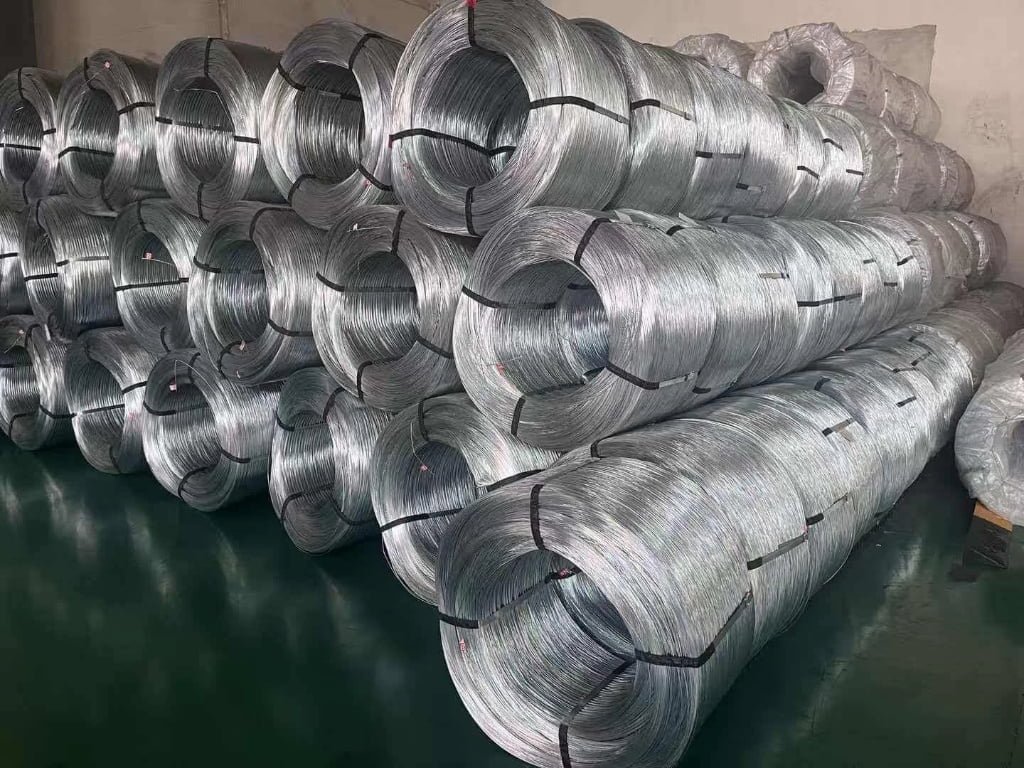
Binding wire and tie wire have identical specifications. Both come in the same diameters (usually 0.7mm to 2.0mm), use the same materials (galvanized or black annealed iron), and serve the same purpose (tying rebar together). The only difference is the name printed on the packaging or used in conversation.
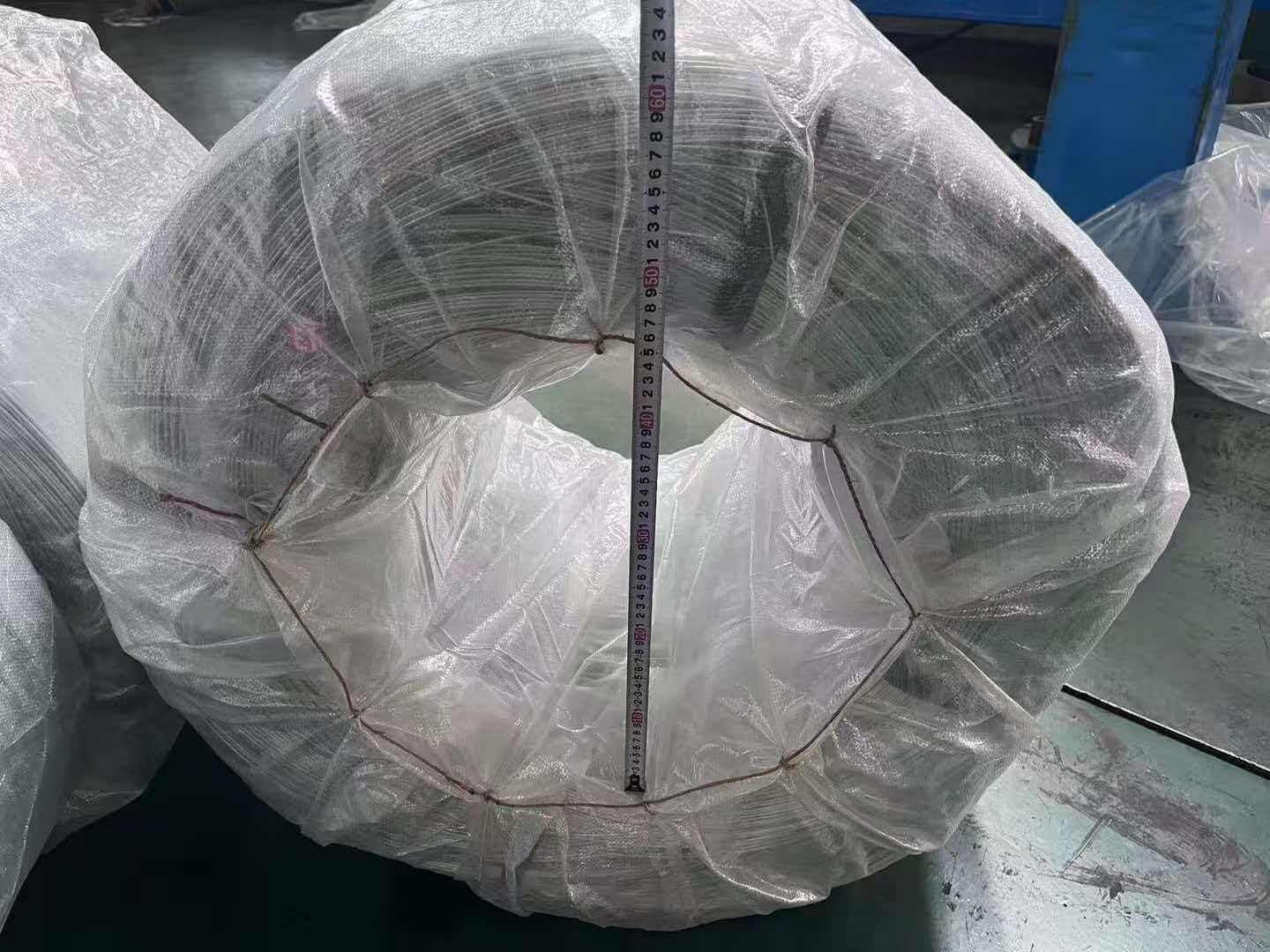
I tested this with my suppliers. I asked three different factories to send samples. I told one factory I needed binding wire. I told another I needed tie wire. I told the third I needed rebar tying wire. All three sent me the exact same product. Same gauge. Same zinc coating. Same tensile strength. Same coil weight.
The confusion happens because customers think different names mean different products. I once had a client insist that tie wire must be stronger than binding wire because it had a "more serious" name. I sent him the material test certificates for both. The numbers were identical. He placed the order after that.
Common Specifications for Both
Here are the standard specifications I see for both binding wire and tie wire:
| Specification | Standard Range | Purpose |
|---|---|---|
| Wire Diameter | 0.7mm - 2.0mm | Thicker wire for larger rebar |
| Zinc Coating | 20g/m² - 50g/m² | Higher coating for outdoor projects |
| Tensile Strength | 350 - 550 MPa (Megapascals) | Stronger wire for heavy-duty tying |
| Coil Weight | 25kg - 100kg | Larger coils for big projects |
| Carbon Content | 0.06% - 0.08% | Affects flexibility and strength |
I use these specs in all my quotes. It does not matter if the customer calls it binding wire or tie wire. The specs stay the same. A contractor in Mombasa orders 1.2mm "binding wire" and a contractor in Entebbe orders 1.2mm "tie wire." I ship them from the same production batch.
The material also stays consistent. Both names refer to either galvanized wire (silver/grey with zinc coating) or black annealed wire (dark grey, softer and more flexible). I have never seen a factory make "tie wire" with special materials that differ from "binding wire."
How Do I Know Which Term to Use?
I learned to let the customer lead. When someone contacts me, I pay attention to the exact words they use. If they say "tie wire," I say "tie wire" in my response. If they say "binding wire," I match that term.
Use the term your customer uses. If you are unsure, ask which country they are from. British-influenced markets prefer "binding wire." American-influenced markets prefer "tie wire." When in doubt, say "binding wire for rebar tying" to cover both bases.
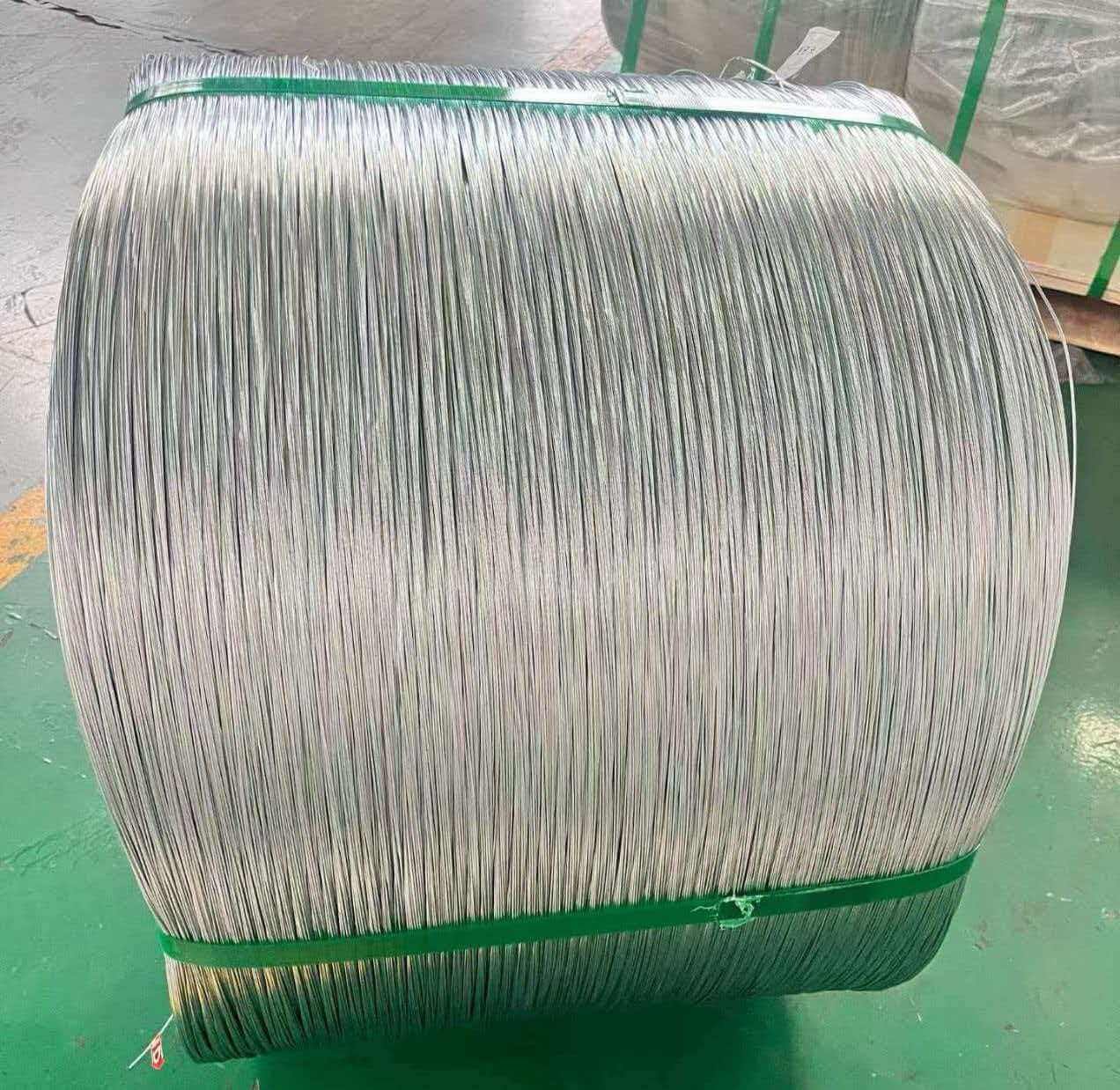
This approach saved me from losing orders. I remember a contractor from Lilongwe who sent an inquiry asking for "tie wire." In my first reply, I wrote "binding wire" three times because that was the term I was used to. He wrote back asking if we also had tie wire. I realized my mistake and immediately replied: "Yes, we supply tie wire. It is the same as binding wire. What diameter do you need?" He understood right away and ordered two containers.
Some customers mix the terms in the same conversation. A project manager in Kampala sent me a WhatsApp message asking for "tie wire" but his official purchase order said "binding wire." I did not correct him. I just confirmed the specs and sent the invoice using both terms: "50 tons of binding wire (tie wire) - 1.6mm diameter."
Practical Communication Tips
Here is what works for me when talking to customers:
- In your first message: Use the exact term they used in their inquiry
- In technical documents: Include both terms like "binding wire / tie wire" to avoid confusion
- On your website: List both terms in product descriptions so search engines find you either way
- In verbal conversations: Ask "You mean the wire for tying rebar, correct?" to confirm
- With new markets: Default to "binding wire" for British-influenced countries, research first
I also add a note in my email signature that says "Binding Wire = Tie Wire = Rebar Tying Wire." This small addition has cleared up confusion before it starts. Customers appreciate that I acknowledge the different terms upfront.
When I quote prices, I write: "Price for 1.6mm galvanized binding wire (also called tie wire): $650/ton FOB (Free on Board) Tianjin." This covers both terms and makes sure the customer knows we are talking about the same product.
Does the Name Affect Price or Quality?
This question comes up in negotiations. Some customers think one name means premium quality and the other means cheaper material. This is not true.
The name does not affect price or quality. A factory does not charge more for "tie wire" than "binding wire." The price depends on wire diameter, material quality, zinc coating thickness, and order quantity. The term you use makes no difference to the cost.
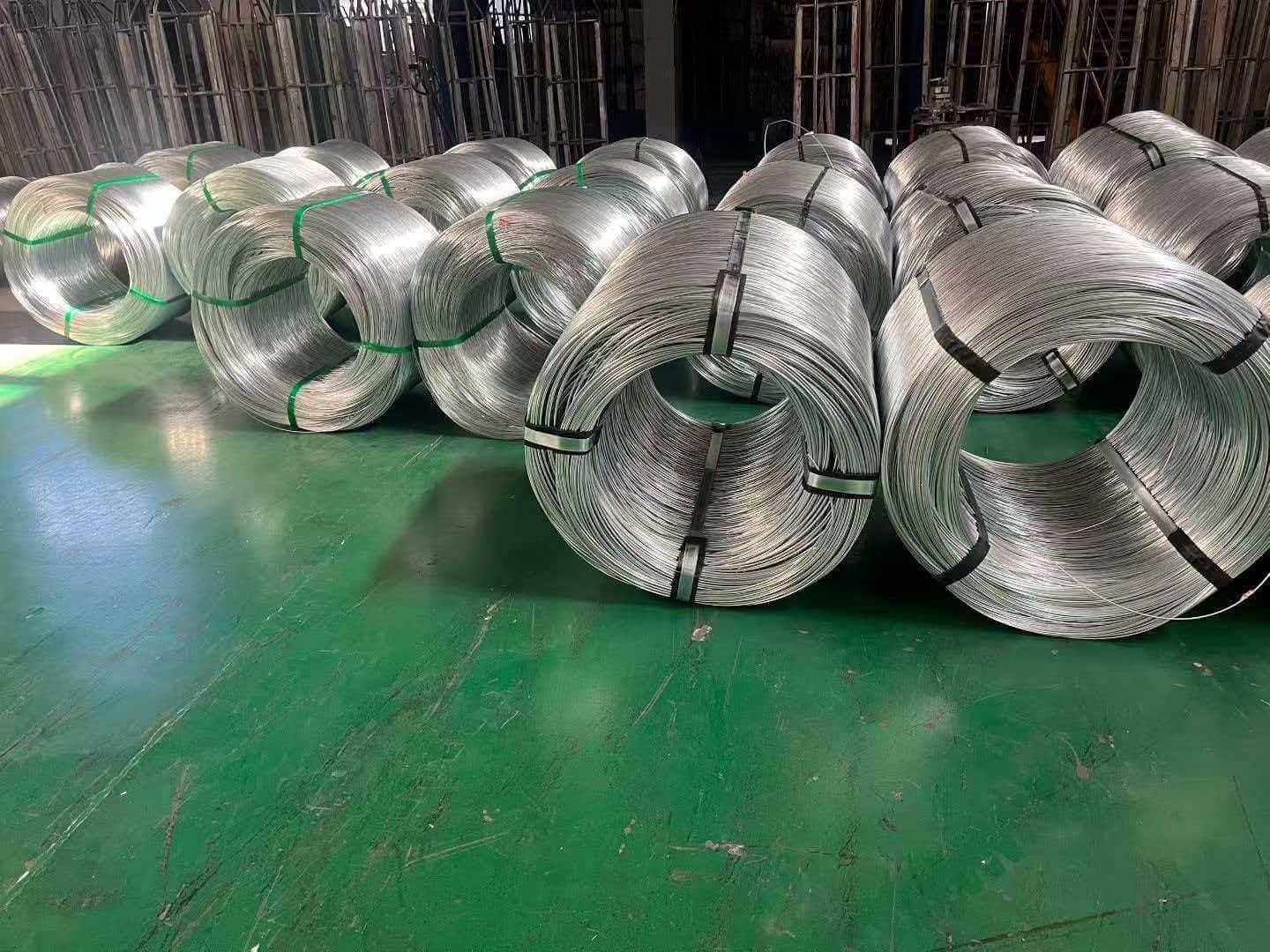
I had a customer once ask for separate quotes for binding wire and tie wire. He thought they were different products with different prices. I explained they were the same and sent one quote with both terms listed. He was relieved because he had budgeted differently for each item.
The quality also stays the same. A 1.4mm galvanized wire with 40g/m² zinc coating has those specs no matter what you call it. I source from the same factory for all my orders. The production line does not change when I tell them the customer uses the term "tie wire" instead of "binding wire."
Price Factors That Actually Matter
Here are the factors that change your price:
| Factor | Impact on Price | Why It Matters |
|---|---|---|
| Wire Diameter | Larger diameter costs more | More raw material per meter |
| Zinc Coating | Thicker coating costs more | Extra zinc adds weight and processing |
| Order Quantity | Larger orders cost less per ton | Economies of scale in production |
| Packaging Type | Special packing costs more | Custom coil sizes or carton boxes |
| Delivery Terms | FOB cheaper than CIF | Ocean freight and insurance add cost |
I always explain these factors to new customers. When they understand that the name does not affect the price, they focus on the specs that actually matter. A contractor in Nairobi wanted "tie wire" and assumed it cost more because it sounded American. I showed him that 1.0mm wire costs the same whether he calls it binding wire or tie wire. He appreciated the transparency and became a repeat customer.
Conclusion
Binding wire and tie wire are the same product with different names. The term you use depends on regional language habits, not on product specifications. When you understand this, you avoid confusion and win more orders in the East African market.
We provide full MTC (Mill Test Certificate) and Certificate of Origin with every shipment.
We provide a full range of construction binding wire for African projects. Galvanized Iron Wire: https://mfgwiremesh.com/metal-wire/galvanized-iron-wire/ Black Annealed Iron Wire: https://mfgwiremesh.com/metal-wire/black-annealed-iron-wire/ 201 Stainless Steel Wire: https://mfgwiremesh.com/metal-wire/201-stainless-steel-wire/ Mix container loading supported.
If you are sourcing construction binding wire for any East African market, we are happy to provide a specification-based quotation. Contact us via WhatsApp: +86 15383180672.
FAQ:
Q1: Are binding wire and tie wire the same product?
A1: Yes, they are the same. Both are galvanized or black annealed iron wires used for tying rebar on construction sites. The only difference is regional terminology: British-influenced markets like Kenya and Zambia use "binding wire," while American-influenced markets use "tie wire." The specifications and quality are identical, and factories do not produce them differently.
Q2: Which term should I use when contacting suppliers in East Africa?
A2: Use the term your supplier or customer uses. In Uganda, both terms are common. In Kenya and Zambia, "binding wire" is more widely used. If unsure, you can say "binding wire for rebar tying" or simply "construction wire" to cover both possibilities. Matching your customer's language helps build trust and avoids confusion.
Q3: Does the term affect the price or specifications of the wire?
A3: No, the price depends on wire diameter, material quality, zinc coating thickness, and order quantity. Factories do not charge more for "tie wire" than for "binding wire." Always confirm the technical specifications—such as tensile strength and coating weight—rather than relying on the name alone. The production process is identical for both terms.