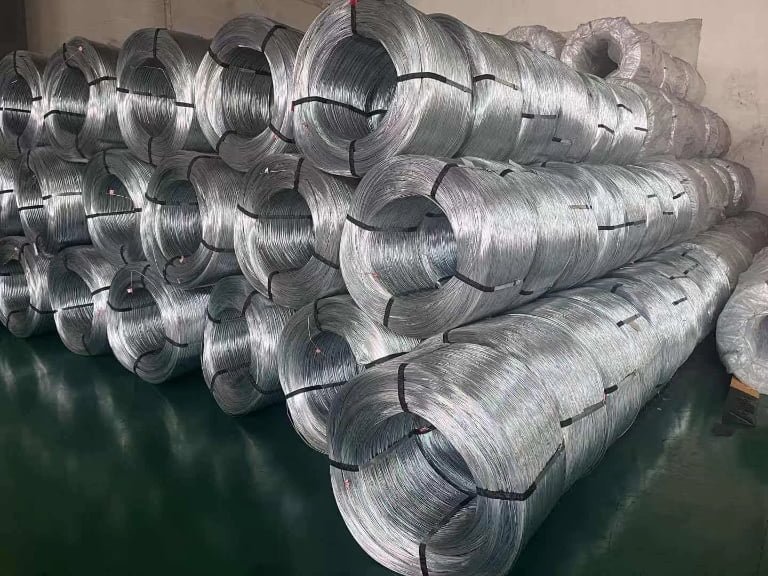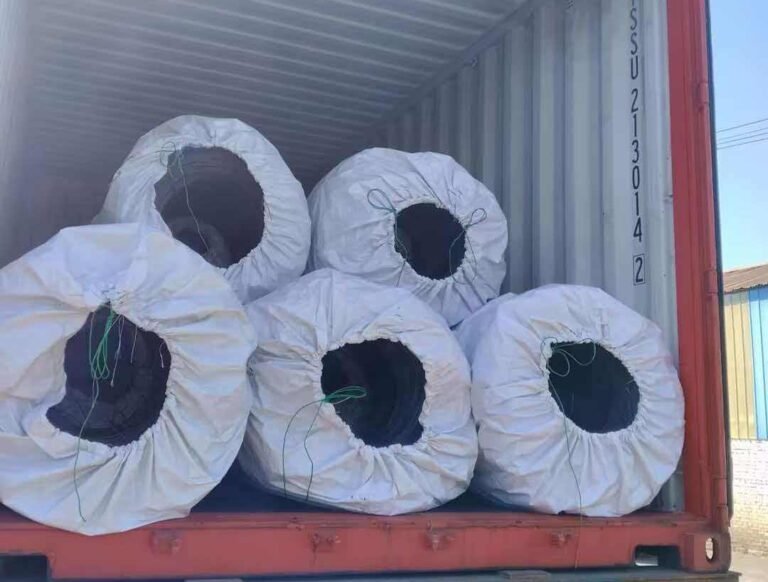



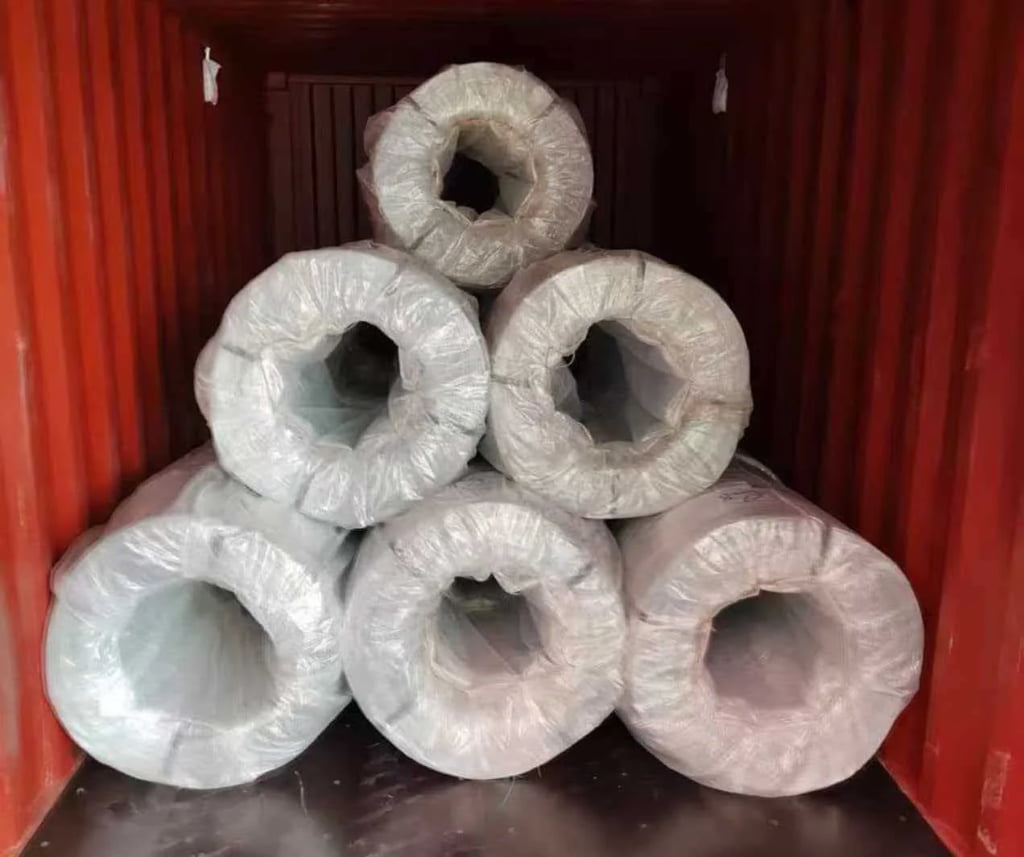
Importing binding wire to Zambia comes with unique challenges - long inland transit, moisture exposure, document complexity, and port delays. Importers looking for reliable galvanized binding wire for Zambia need to understand these risks before placing their orders.
You ordered binding wire from China. The price looked good. The delivery time seemed fine. But when your container finally arrived in Lusaka, you opened it and found rust stains, damaged packaging, and coils you couldn't sell. This happens more often than you think.
Zambia's inland location creates unique challenges for binding wire imports. The main issues include long-distance transit damage, packaging degradation during the Dar es Salaam route, customs document mismatches causing port delays, and moisture exposure during rainy seasons. Proper packaging standards and advance customs preparation can reduce losses from 5% to under 1%.
I have worked with building material importers across East Africa for years. The Zambia route always stands out. It is not just about finding cheap wire. It is about making sure that wire arrives in sellable condition. Let me walk you through what really happens on the ground and how you can avoid expensive mistakes.
Why Does Binding Wire Get Damaged on the Way to Zambia?
Most suppliers focus on production quality. They test tensile strength. They check zinc coating thickness. But they forget about the 1,900-kilometer journey from Dar es Salaam port to Lusaka.
The Dar es Salaam-Lusaka corridor is one of East Africa's longest inland routes. Binding wire travels through multiple climate zones, faces rough road conditions, and changes hands at several checkpoints. Without proper protection, moisture seeps in, packaging tears, and coils shift inside containers during transit.
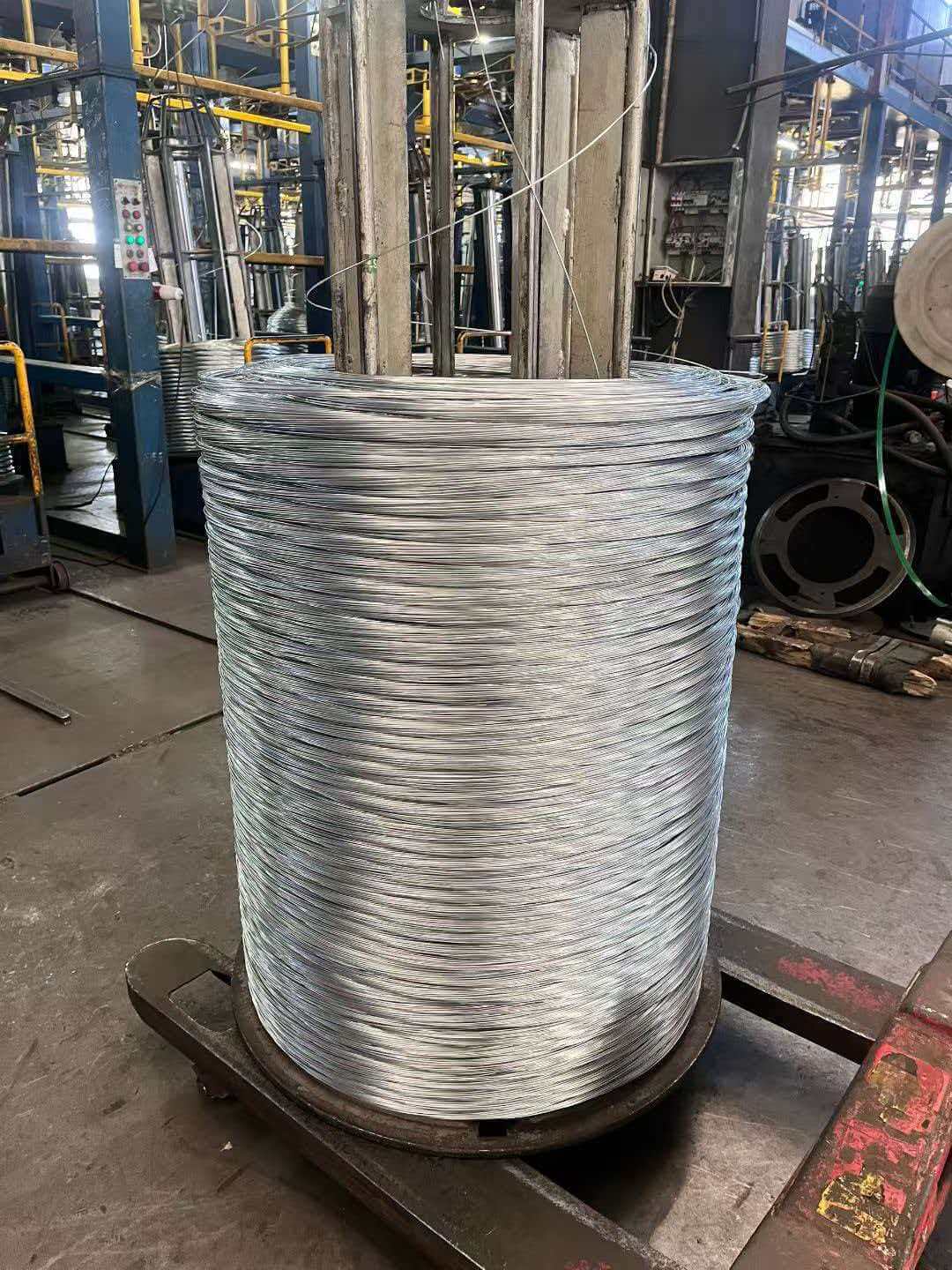
What Happens During the Five to Seven Day Journey
I spoke with Banda, an importer in Lusaka who has been bringing in binding wire for five years. He told me about his early shipments. His first supplier used basic woven bags. Nothing else. Just wire coils wrapped in single-layer polypropylene (PP).
The truck left Dar es Salaam. It crossed into Zambia. Rain started on day three. By the time the cargo reached his warehouse, water had soaked through the bags. When he cut them open, the outer layers of the coils already showed rust spots. He had to throw away several coils completely.
Here is what happens step by step:
| Transit Stage | Duration | Risk Factor |
|---|---|---|
| Port to border | 2-3 days | Coastal humidity exposure |
| Border crossing | 4-8 hours | Cargo inspection delays |
| Border to Lusaka | 2-3 days | Road vibration and weather |
| Warehouse storage | Variable | Improper storage conditions |
The problem is not just water. Road conditions create constant vibration. Coils shift inside loose packaging. Steel bands can snap. Once the outer protection fails, the wire inside starts oxidizing within hours.
Think about your own warehouse. How many times have you received a shipment where the packaging looked beaten up? That damage did not happen at the factory. It happened on the road.
Why Single-Layer Packaging Fails in African Climate
China has dry winters. Many Chinese factories test their packaging in local conditions. But Zambia's rainy season is different. November to April brings heavy rainfall. Trucks do not stop because of weather.
Standard woven bags absorb moisture. They tear at stress points. Once water gets to the wire, zinc coating cannot save it. Galvanized binding wire can resist light moisture. But sustained exposure creates white rust within 48 hours.
I have seen importers lose 5% of their shipment value just from transit damage. On a 20-ton container, that is one full ton of unusable wire. At current prices, you are looking at $800 to $1,000 in direct losses. Add the cost of disposal and the damage to your reputation with customers.
How Do Customs Issues Delay Your Shipment at Dar es Salaam Port?
You think your cargo problems start when the truck leaves the port. Actually, they start before your container even gets released. Port delays cost money in two ways - demurrage fees and market timing.
Document mismatches are the leading cause of customs delays at Dar es Salaam port. When commercial invoice details do not match the bill of lading (B/L), customs officers hold the container for verification. Each day of delay adds $80-100 in port charges, and peak season delays can extend to 5-7 days.
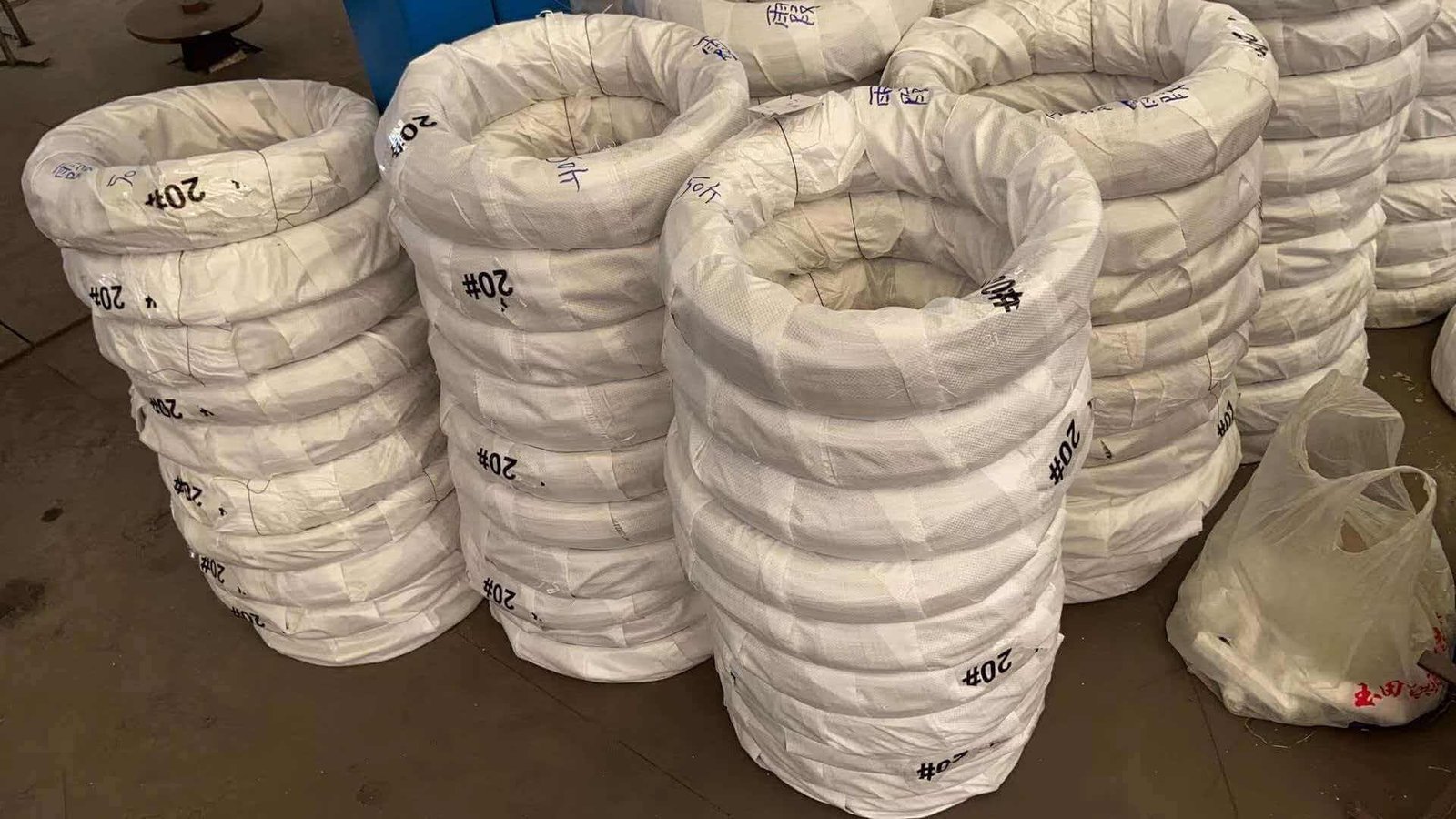
The Real Cost of a Five Day Port Delay
Banda learned this lesson the hard way. His supplier sent the commercial invoice with his trading company name. But the bill of lading showed his personal name as the consignee. A small mistake. The shipping agent said it was fine. It was not fine.
Customs flagged the discrepancy. They asked for additional documentation. Banda had to get a letter from his supplier explaining the relationship between his company and his name. That letter took three days to prepare and courier. By the time customs cleared it, his container had been sitting at the port for five extra days.
The demurrage charges came to $380. But the real cost was higher. He had promised his customer delivery by a certain date. That customer had a construction project starting. When Banda's wire arrived late, the customer bought emergency supplies from a local competitor at 15% markup. Banda lost that customer for the next three orders.
Here is what typically causes customs delays:
| Document Issue | Frequency | Average Delay |
|---|---|---|
| Name mismatch (invoice vs B/L) | Very common | 3-5 days |
| HS code classification dispute | Common | 2-4 days |
| Missing MTC (Mill Test Certificate) | Occasional | 1-3 days |
| Payment proof discrepancy | Rare | 5-7 days |
The solution is simple but most suppliers skip it. Send all customs documents to your clearing agent three days before the ship arrives. Not on the day of arrival. Three full business days before.
How to Prepare Documents That Pass First-Time Clearance
I tell all my customers the same thing. Customs officers are not trying to make your life difficult. They have rules to follow. If your paperwork is clean, they process it fast.
Your commercial invoice needs exact consistency with your bill of lading. Same company name spelling. Same address format. Same product description. If your B/L says "galvanized binding wire," do not write "construction wire" on the invoice.
Include your supplier's Material Test Certificate (MTC) with the initial document package. Zambia does not require mandatory PVoC (Pre-Export Verification of Conformity) certification for binding wire. But customs may ask for quality documentation. Having the MTC ready saves time.
Your clearing agent should file the pre-arrival declaration as soon as they receive your documents. This puts your shipment in the system before the vessel docks. When the container is offloaded, customs already has your information. Processing happens faster.
I have seen shipments clear in 24 hours when documents are prepared correctly. I have also seen shipments sit for two weeks because someone saved $50 by skipping the pre-clearance process.
What Packaging Standards Actually Protect Your Wire During Transit?
After Banda lost money on damaged shipments, he changed suppliers. Not because of price. Because of packaging. The new supplier's packaging system looked excessive at first. It was not excessive. It was necessary.
Professional binding wire packaging for Zambia requires four layers of protection: inner plastic film for moisture seal, outer woven bag for physical protection, steel strapping for coil stability, and pallet wrapping for container security. This system reduces transit damage from 5% to under 1%.
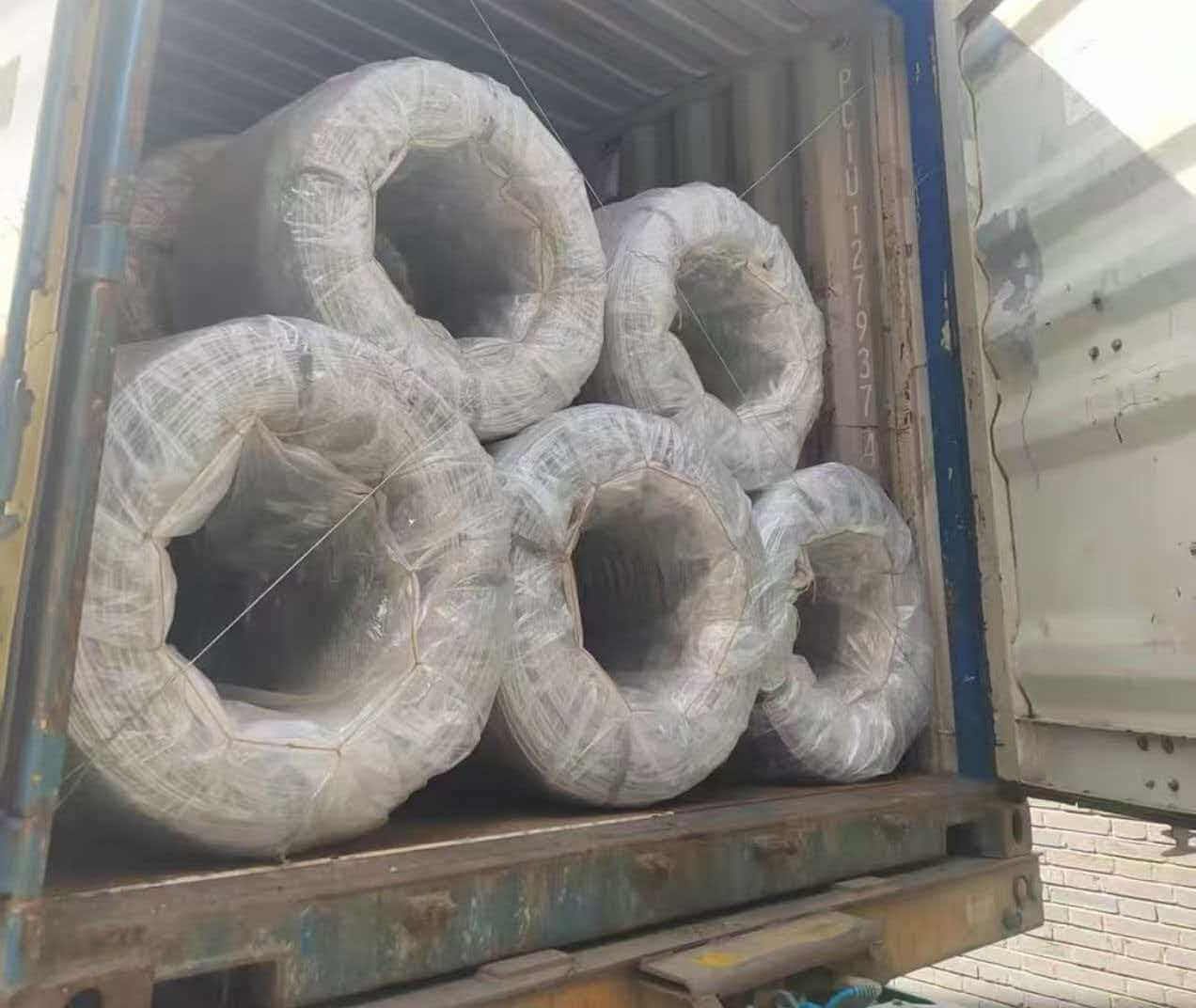
The Four Layer Protection System
Let me break down each layer and why it matters.
Layer 1: Inner Plastic Film This is your first defense against moisture. Not just any plastic. Heavy-duty polyethylene (PE) film, minimum 80 microns thick. The supplier wraps each coil individually before putting it in the outer bag. This creates a sealed environment around the wire.
When rain hits the truck during transit, water may get past the woven bag. But it stops at the plastic film. The wire inside stays dry.
Layer 2: Outer Woven Bag Standard polypropylene (PP) woven bags work, but they need to be virgin material, not recycled. Recycled bags have weak points where they tear under stress. Each bag should have reinforced stitching at the closure point.
The bag protects against physical abrasion. When coils shift in the container, they rub against each other. Without the bag, plastic film can tear. The bag takes the friction instead.
Layer 3: Steel Strapping This keeps coils from unwinding during transit. Even small amounts of unwinding can cause tangling. Once wire tangles, you cannot sell it as binding wire anymore.
Two steel bands per coil, positioned at one-third and two-thirds points. Not at the edges. Positioning matters because road vibration concentrates force at coil centers.
Layer 4: Pallet Wrapping Multiple coils go on a single pallet. The entire pallet gets wrapped with stretch film. This creates a stable unit that forklifts can handle without disturbing individual coils.
Pallet wrapping also prevents moisture from entering through the bottom of the stack. Ground water in containers is more common than people think. When containers sit at the port, condensation forms. Water pools at container floors. Pallets lift your cargo above this water layer.
How Much Does Professional Packaging Really Cost
Banda told me his first supplier charged $730 per ton, basic packaging included. His current supplier charges $750 per ton with full protection packaging. That is a $20 difference.
On a 20-ton container, the packaging upgrade costs $400. Banda used to lose one ton per shipment to damage. That was $730 in lost product. Now he loses maybe 100kg if anything goes wrong. His actual loss reduction is $600-650 per container.
The math is simple. You pay $400 extra for packaging. You save $600 in damage prevention. Net benefit: $200 per container, plus you keep your customers happy because they get clean, sellable wire.
Here is the cost breakdown:
| Packaging Component | Cost per Ton | Protection Value |
|---|---|---|
| Basic woven bag only | $0 (included) | Low - 5% loss rate |
| + Inner plastic film | +$8 | Medium - 2-3% loss |
| + Steel strapping | +$6 | High - 1-2% loss |
| + Pallet wrapping | +$6 | Very high - <1% loss |
| Total upgrade | +$20 | $35-40 saved per ton |
Some suppliers will tell you the extra packaging is unnecessary. They will say their wire quality is good enough to handle normal transit. This is not about wire quality. Steel does not care how good it is when water touches it. It rusts.
How Can You Reduce Total Transit Time to 35 Days Consistently?
Banda's shipments now arrive in 35 days, consistently. Not 40 days one time and 50 days the next. Consistent timing. This did not happen by luck. It happened because his supplier follows a specific timeline process.
Consistent 35-day transit requires coordination across five stages: production completion to port loading (7 days), sea freight to Dar es Salaam (18-20 days), customs clearance (2-3 days), inland transport to Lusaka (5-7 days), and warehouse delivery (1 day). The key is document preparation and agent communication.
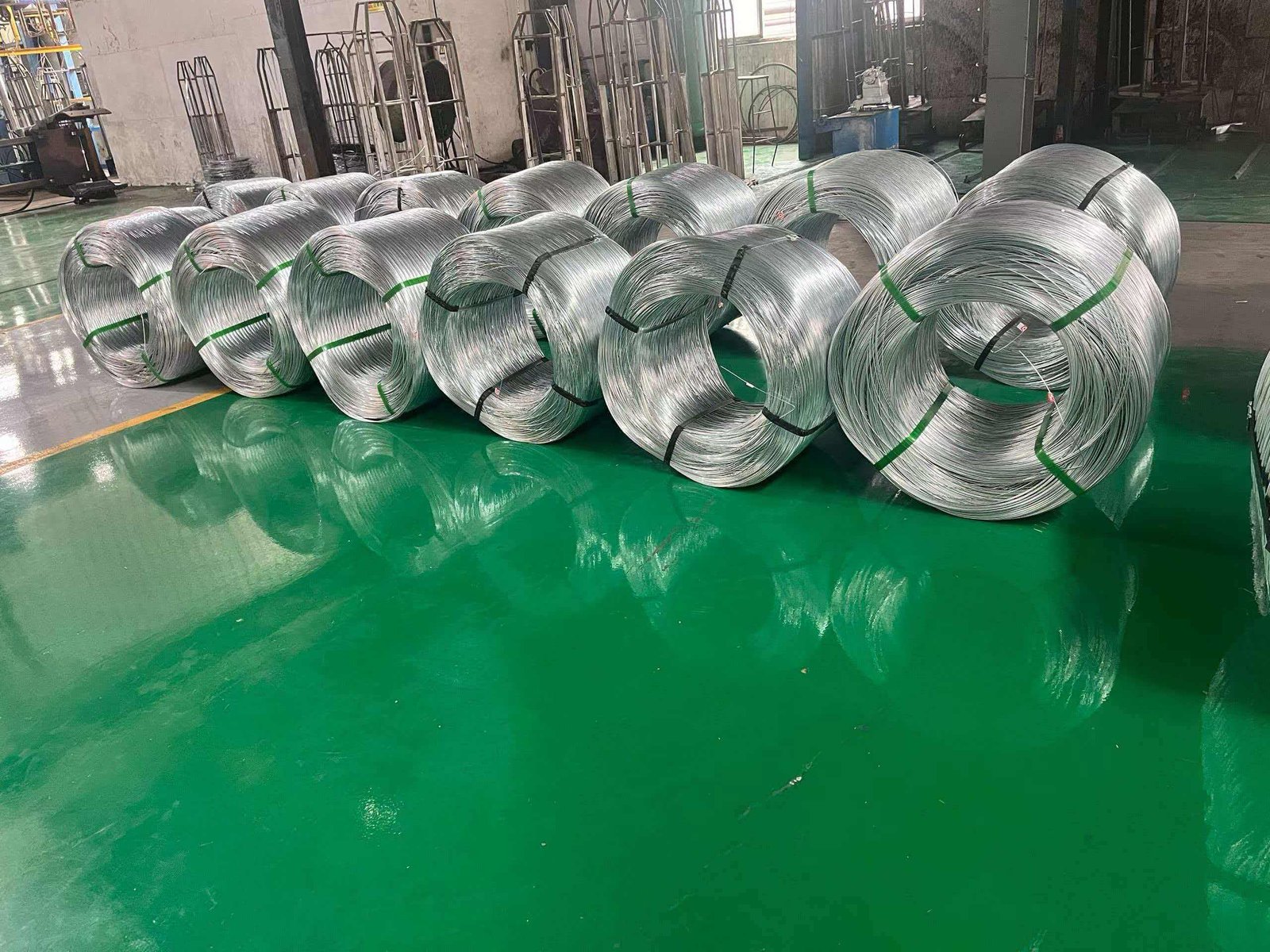
The Timeline Breakdown That Works
Most delays happen because someone waits for someone else to act. Your supplier waits for payment confirmation. Your freight forwarder waits for documents. Your customs agent waits for instructions. Meanwhile, days pass.
Days 1-7: Factory to Port Loading Production finishes. The supplier should load the container within three days. Not seven days. Three days. During these three days, they prepare all commercial documents - invoice, packing list, Certificate of Origin, MTC.
These documents go to your freight forwarder immediately. Not when the container arrives at port. The day they finish packing the container.
Days 8-28: Sea Freight The actual sailing time from Chinese ports to Dar es Salaam is 18-20 days. Nothing you can do to speed this up. But you can use this time productively.
Your freight forwarder sends the bill of lading to your customs agent in Dar es Salaam. Your agent files the pre-arrival declaration. By the time the ship approaches port, customs already has your information in their system.
Days 29-31: Port Clearance If documents are clean and pre-filed, clearance takes 2-3 days maximum. Your agent picks up the container release order on day one. Physical inspection (if required) happens on day two. Container exits the port on day three.
Banda's agent starts this process 48 hours before the ship docks. When the container is offloaded, they already have preliminary approval. They just need the final stamp.
Days 32-38: Inland Transport The truck departs Dar es Salaam heading to Lusaka. This leg typically takes 5-7 days depending on border crossing time. The Tunduma border between Tanzania and Zambia can add 4-8 hours during peak periods.
Good trucking companies know the border officials. They know the best crossing times. They do not arrive at the border at 4 PM when officials are tired and slow. They arrive at 9 AM when processing is faster.
Day 39: Warehouse Delivery The truck reaches your warehouse in Lusaka. You offload and inspect. If everything was done correctly up to this point, your cargo is clean, dry, and sellable.
The One Change That Saved Banda Five Days
The biggest improvement Banda made was not changing suppliers. It was changing how he communicated with his clearing agent. He used to send documents when the ship was already at port. Now he sends them three days before arrival.
That simple change eliminated customs processing delays. His agent files everything in advance. When the container is ready for pickup, they already have approval. No waiting. No back-and-forth with customs officers.
He also set up a WhatsApp group with his supplier, freight forwarder, and customs agent. When the container loads at origin port, his supplier posts a photo in the group. When the ship departs, the forwarder shares the vessel schedule. When documents are filed, the agent confirms.
Everyone knows the status at every stage. If something goes wrong, they catch it early. Last month, the customs agent noticed a small error in the Harmonized System (HS) code before filing. He messaged the group. Banda's supplier corrected it within two hours. If they had caught this after filing, it would have caused a three-day delay.
We provide full MTC (Mill Test Certificate) and Certificate of Origin with every shipment.
We provide a full range of construction binding wire for African projects:
- Galvanized Iron Wire: https://mfgwiremesh.com/metal-wire/galvanized-iron-wire/
- Black Annealed Iron Wire: https://mfgwiremesh.com/metal-wire/black-annealed-iron-wire/
- 201 Stainless Steel Wire: https://mfgwiremesh.com/metal-wire/201-stainless-steel-wire/
Mix container loading supported.
If you are sourcing construction binding wire for Zambia or any African market, we are happy to provide a specification-based quotation. Contact us via WhatsApp: +86 15383180672.
FAQ: Binding Wire Import Challenges for Zambia
Q1: What are the main causes of binding wire damage during transit to Zambia?
A1: The primary causes are moisture exposure during the 5-7 day truck journey from Dar es Salaam to Lusaka, inadequate packaging that tears during handling, road vibration causing coils to shift inside containers, and condensation during temperature changes. Without proper four-layer protection (inner plastic film, outer woven bag, steel strapping, and pallet wrapping), transit damage can reach 5% of the shipment value. Professional packaging reduces this to under 1%.
Q2: How can I avoid customs delays at Dar es Salaam port?
A2: Send all customs documents (commercial invoice, bill of lading, packing list, MTC, and Certificate of Origin) to your clearing agent three full business days before the ship arrives. Ensure all document details match exactly - same company name spelling, address format, and product description. Pre-arrival declarations filed in advance typically clear within 24-48 hours, while late filings can cause 5-7 day delays with $80-100 daily demurrage charges.
Q3: What packaging standards should I require from my binding wire supplier for Zambia shipments?
A3: Require four-layer protection: inner heavy-duty polyethylene film (minimum 80 microns) for moisture seal, outer virgin polypropylene woven bag with reinforced stitching, two steel bands per coil positioned at one-third and two-thirds points for stability, and pallet wrapping with stretch film to create secure handling units. This system typically costs $20 extra per ton but saves $35-40 per ton in damage prevention.
Q4: How can I achieve consistent 35-day delivery to Lusaka?
A4: Work with your supplier on a coordinated timeline: production to port loading within 7 days, sea freight (18-20 days), pre-arranged customs clearance (2-3 days), inland transport from Dar es Salaam to Lusaka (5-7 days), and warehouse delivery (1 day). The critical factor is sending all documents to your clearing agent 48-72 hours before the vessel arrives, enabling pre-arrival declaration filing that eliminates processing bottlenecks.
Q5: What should I do if my binding wire shipment arrives with rust or damage?
A5: Document the damage thoroughly with photos and measurements before unloading. Note the issues on the delivery papers and do not sign acceptance until inspection is complete. Contact your supplier immediately with evidence and review your contract terms regarding damage liability. If the damage exceeds acceptable levels (typically over 2% loss), negotiate compensation or return arrangements. Keep one-meter samples from the damaged shipment for evidence and future quality comparisons with the supplier.