


Moses, a Kampala contractor, recently adjusted his binding wire gauge selection after discovering that matching wire thickness to rebar size prevents breakage and saves costs. Buyers like him, who need clear guidance on construction binding wire specifications for Uganda, can find detailed specifications on our product page: https://mfgwiremesh.com/metal-wire/galvanized-iron-wire/
Last month, I got a call from Moses, a contractor in Kampala. He told me his workers complained about binding wire being too stiff to twist. I asked him what gauge he was using. He said 2.0mm for everything. That was his problem right there.
Choosing the right gauge of binding wire depends on your rebar diameter. Thin rebars need thinner wire (1.2mm), medium rebars use 1.6mm wire, and thick rebars require 2.0mm wire. Using the correct gauge makes binding faster, reduces wire breakage, and saves material costs.
Many contractors think thicker wire is always better. But that is not true. The right wire gauge matches your rebar size. Use wire that is too thick, and your workers will struggle. Use wire that is too thin, and it will snap during concrete pouring. Let me show you how to match them correctly.
What Does Wire Gauge Actually Mean?
When I first started selling binding wire, customers asked me about gauge numbers. Some said 18 gauge, others said 1.6mm. I got confused too.
Wire gauge refers to the diameter of the binding wire, measured in millimeters or gauge numbers. Lower gauge numbers mean thicker wire. For construction, we usually use millimeter measurements like 1.2mm, 1.6mm, or 2.0mm because they are clearer than gauge numbers.
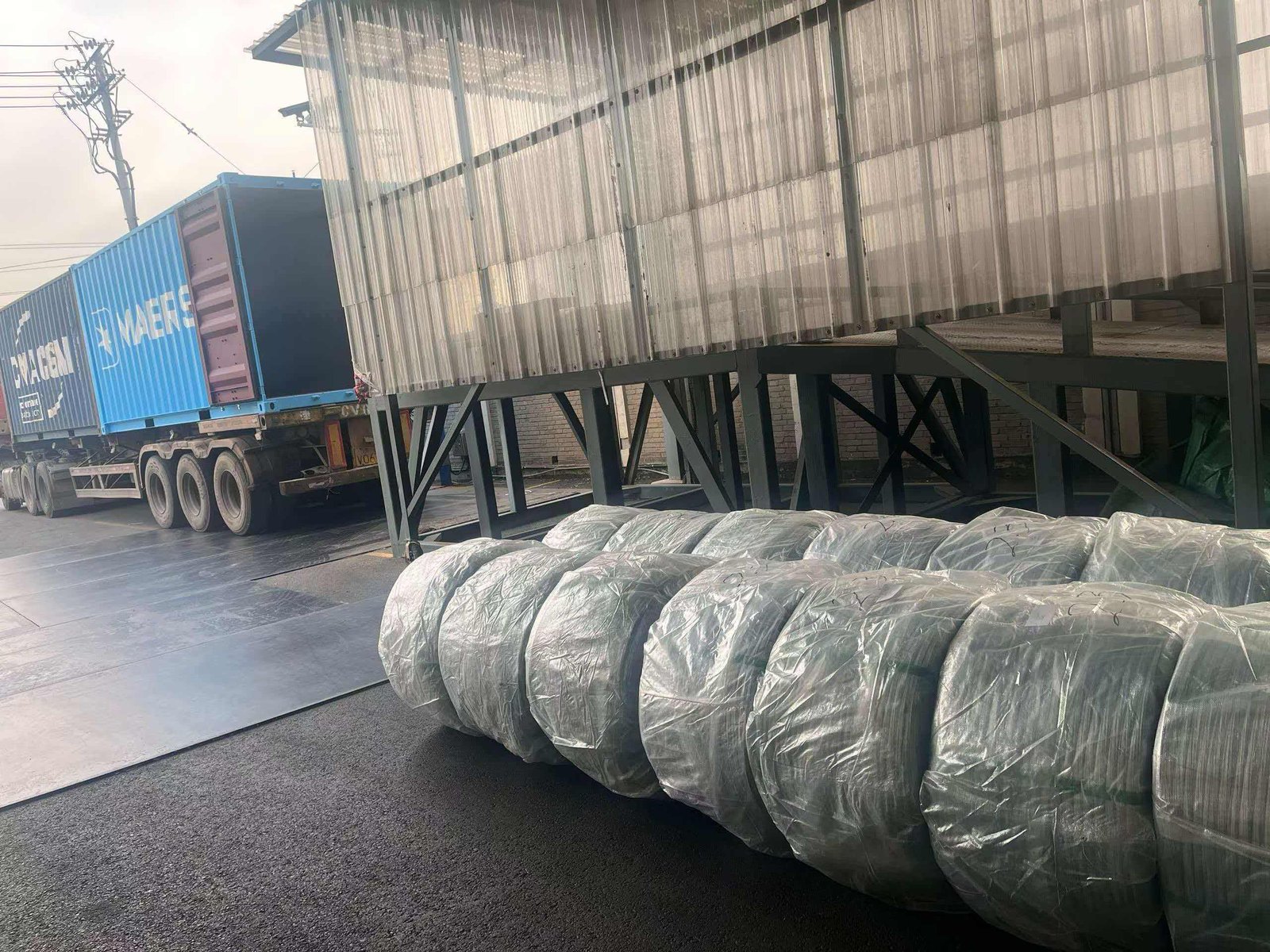
Different countries use different systems. In Africa, most contractors prefer millimeter measurements. In the US, they use gauge numbers. Here is a quick conversion table:
| Gauge Number | Diameter (mm) | Common Use |
|---|---|---|
| 18 | 1.2mm | Thin rebars (under 12mm) |
| 16 | 1.6mm | Medium rebars (12-20mm) |
| 14 | 2.0mm | Thick rebars (over 20mm) |
| 12 | 2.5mm | Heavy structural work |
I always recommend using millimeter measurements. When you order from China, tell your supplier the exact diameter. Do not use gauge numbers because they can get mixed up between different standards. I have seen orders go wrong because of this confusion.
The diameter affects two main things. First, it determines how strong the wire is. Thicker wire holds better under stress. Second, it affects how easy the wire is to twist. Thinner wire bends easily but breaks faster. Thicker wire holds better but requires more force to twist.
How Do I Match Wire Gauge to Rebar Size?
Moses learned this the hard way. He bought 100 tons of 2.0mm wire for a housing project. His workers complained every day. The wire was too stiff for the thin 10mm rebars in the slab. They had to use pliers for every tie. The job took twice as long.
Match your wire gauge to your rebar diameter using this rule: for rebars under 12mm, use 1.2mm wire; for rebars between 12mm and 20mm, use 1.6mm wire; for rebars over 20mm, use 2.0mm wire. This matching ensures easy twisting and strong holding.
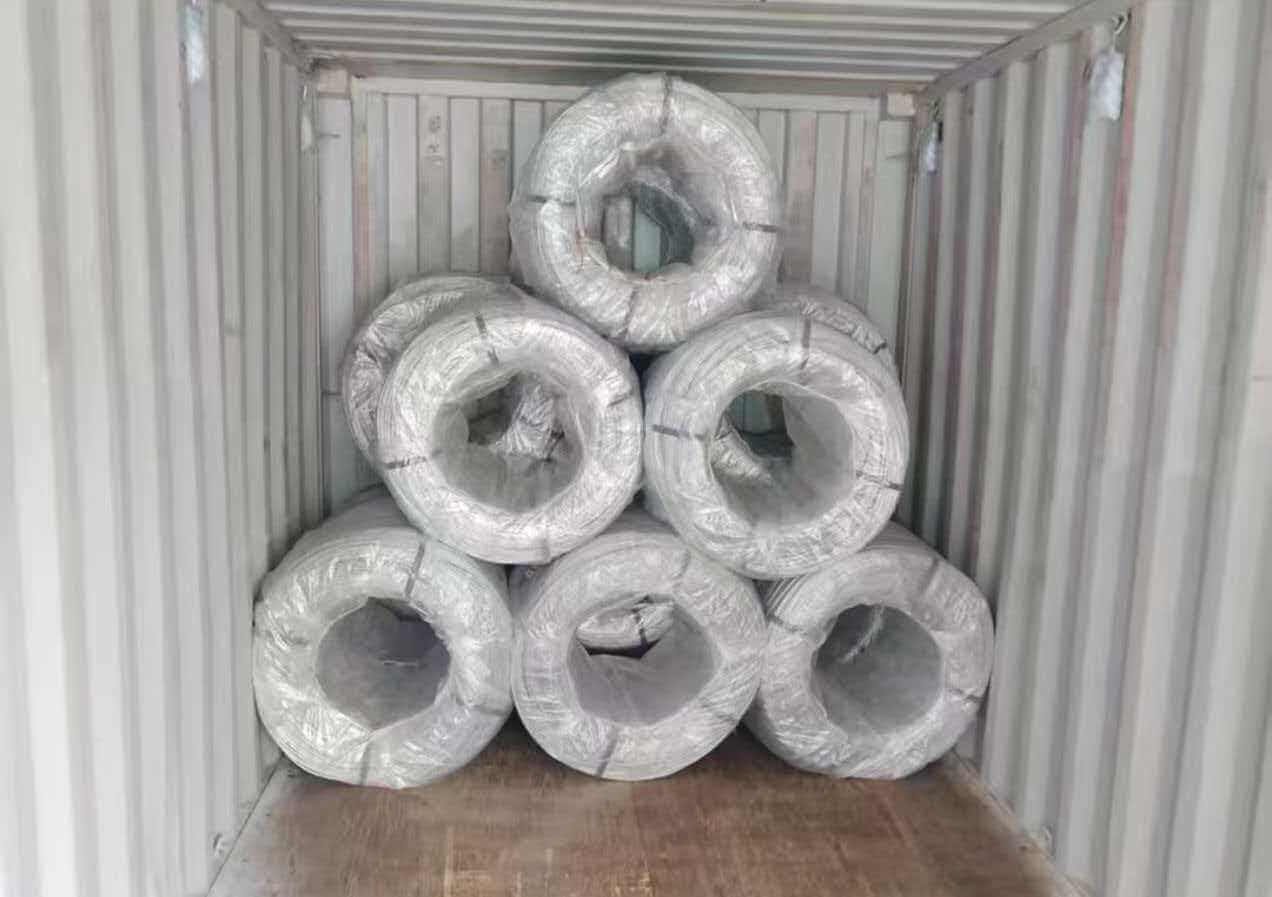
Let me break down why this matching works. Thin rebars like 8mm or 10mm do not need strong wire. They are light and do not carry heavy loads. Using 1.2mm wire gives you easy twisting and enough strength. Workers can tie them by hand without tools.
Medium rebars from 12mm to 20mm are the most common. They carry structural loads but are not too heavy. The 1.6mm wire is perfect here. It gives good strength without being too stiff. Workers can still twist it by hand, maybe with a small hook tool.
Thick rebars over 20mm need serious holding power. These are column rebars or heavy beams. Use 2.0mm wire here. Yes, it is stiffer. But these rebars move during concrete pouring. You need that extra strength to keep them in place.
Here is a detailed matching table:
| Rebar Diameter | Wire Gauge | Binding Method | Wire Consumption |
|---|---|---|---|
| 6-10mm | 1.2mm | Hand twist | 8-10 kg per ton |
| 12-16mm | 1.6mm | Hook tool | 10-12 kg per ton |
| 18-20mm | 1.6-2.0mm | Hook tool | 12-15 kg per ton |
| 22mm+ | 2.0mm | Pliers or gun | 15-20 kg per ton |
I always tell contractors to buy different gauges for different parts of their project. Do not try to use one size for everything. Keep 1.2mm for slabs, 1.6mm for beams, and 2.0mm for columns. Your workers will thank you.
Does Wire Type Affect My Gauge Choice?
A customer from Rwanda once asked me if galvanized wire and black annealed wire have the same strength at the same gauge. Good question. The answer surprised him.
Galvanized wire and black annealed wire at the same gauge have similar tensile strength, but black annealed wire is softer and easier to twist. If you use black annealed wire, you can sometimes go one gauge thinner than galvanized wire for the same job.
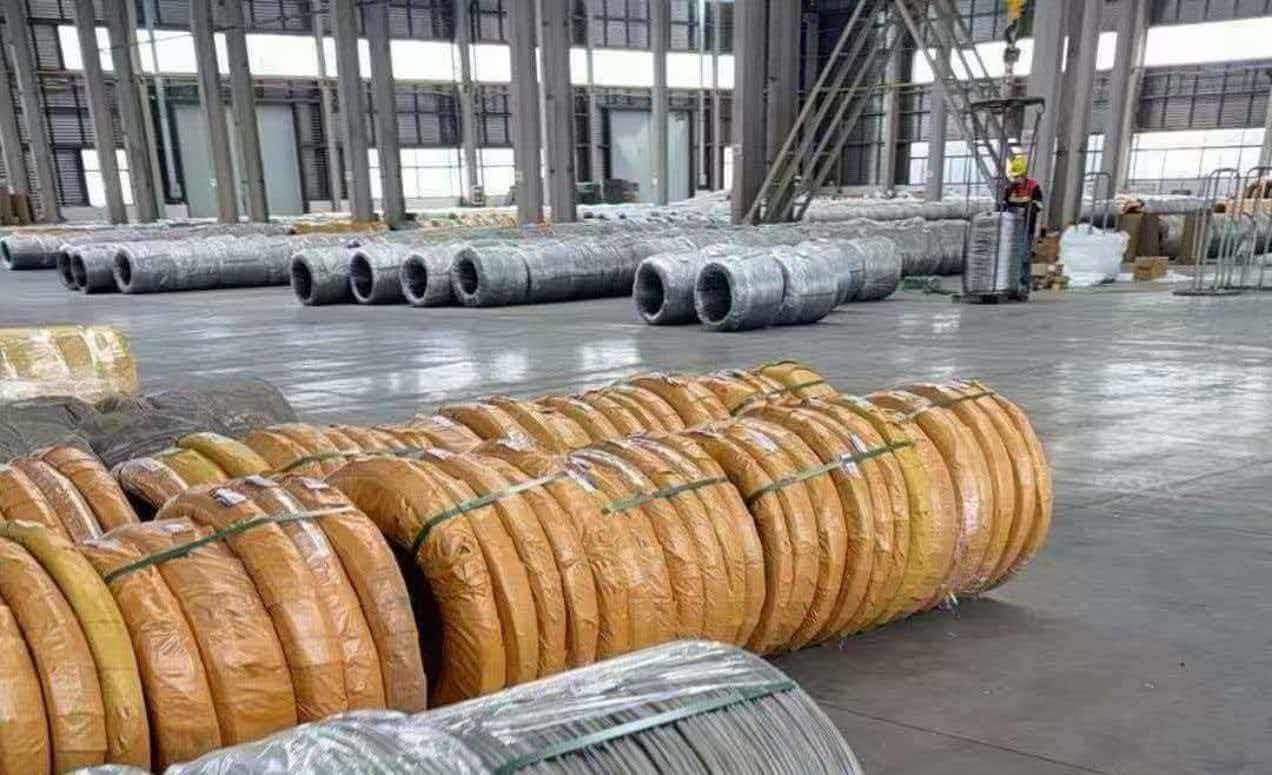
Let me explain the difference. Galvanized wire has a zinc coating. This coating makes the wire slightly stiffer. The wire also has higher tensile strength because the galvanizing process hardens it. Black annealed wire goes through a heating process that softens the metal. This makes it much easier to bend and twist.
For the same rebar size, you have two options. Use 1.6mm galvanized wire, or use 1.2mm black annealed wire. The thinner annealed wire twists easier and still holds well enough. I have seen many contractors switch to thinner annealed wire to save money and improve worker speed.
But there is a trade-off. Black annealed wire rusts faster. If your rebars will sit exposed before concrete pouring, use galvanized wire. The zinc coating protects against rust. In rainy seasons, this matters a lot. I remember a project in Kampala that got delayed by two weeks. The rebars sat in the rain. The black annealed wire rusted badly. They had to recut and retie everything.
Here is my recommendation table:
| Project Condition | Wire Type | Gauge Choice | Reason |
|---|---|---|---|
| Fast pour, dry season | Black annealed | One gauge thinner | Easier twisting, lower cost |
| Delayed pour, rainy | Galvanized | Standard gauge | Rust protection |
| Coastal areas | Galvanized | Standard or thicker | High salt corrosion |
| Interior dry areas | Either | Standard gauge | No special concerns |
Stainless steel wire is different. Some high-end projects use it for special structures. Stainless steel is much harder than regular steel wire. Even at 1.2mm, it feels stiffer than 1.6mm black annealed wire. If you must use stainless steel wire, add 0.2mm to your normal gauge choice.
Can Using Wrong Gauge Waste Money?
David from Kigali called me frustrated last year. His wire costs were too high. He showed me his purchase records. Everything was 2.0mm galvanized wire. His project used mostly 12mm rebars. I told him he was wasting money.
Using wire that is too thick for your rebars wastes 20-30% more material than necessary. Thicker wire weighs more, costs more, and workers use more length per tie because it is harder to twist tight. Switching to the correct gauge can save $200-300 per ton of rebar work.
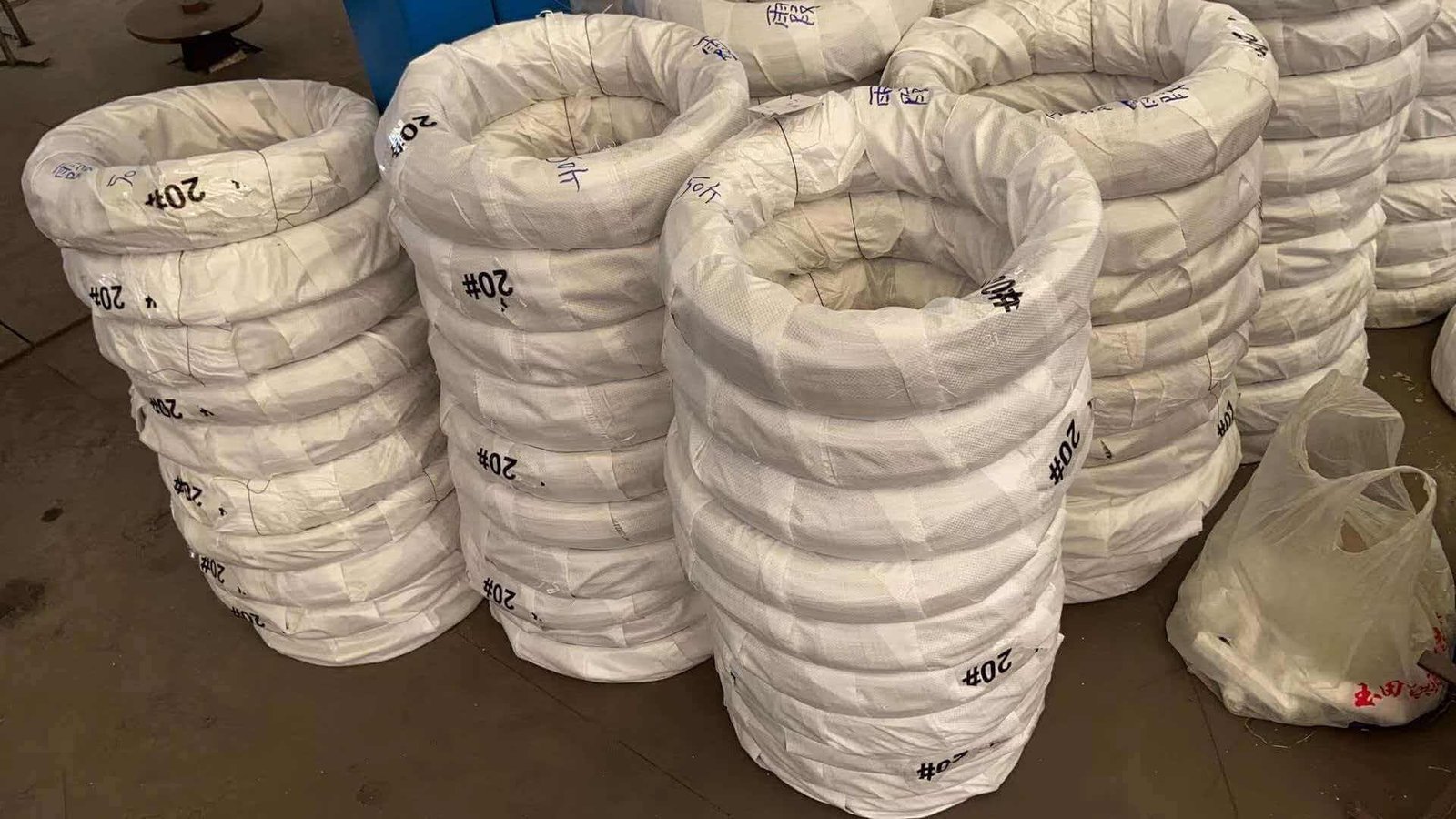
Let me show you the math. One ton of 12mm rebar needs about 10-12 kg of binding wire. If you use the correct 1.6mm wire, that is 10kg at normal price. But if you use 2.0mm wire, your workers will use 13-15kg because the thicker wire does not twist as tight. They need more wraps to secure it.
The cost difference adds up fast. Say 1.6mm wire costs $650 per ton. The 2.0mm wire costs $680 per ton. For 10 tons of rebar work, correct gauge uses 100kg wire ($65). Wrong gauge uses 130kg wire ($88.40). You waste $23.40 just on wire cost. Multiply this across a whole building project, and you waste hundreds of dollars.
But wire cost is not the only waste. Worker time costs money too. I watched two workers on Moses's site. One used correct 1.6mm wire on 14mm rebars. He tied 50 joints in 20 minutes. The other worker used 2.0mm wire on the same rebars. He tied 30 joints in 20 minutes. That is 40% slower. If you pay workers by the day, this delay costs real money.
Broken wires waste money too. Thin wire on thick rebars breaks during concrete vibration. Workers have to stop, retie, and check everything. I saw one project lose two days because thin wire broke during a column pour. The concrete was already in. They had to chip it out, retie the rebars, and repour. That cost thousands of dollars.
Here is a cost breakdown for 50 tons of rebar work:
| Cost Factor | Correct Gauge | Wrong Gauge | Waste |
|---|---|---|---|
| Wire material | $325 | $442 | $117 |
| Labor time | $800 | $1,120 | $320 |
| Rework cost | $0 | $500 | $500 |
| Total | $1,125 | $2,062 | $937 |
Using correct gauge saves almost $1,000 on just 50 tons of work. Most buildings use 200-500 tons of rebar. You can save $4,000 to $10,000 by simply choosing the right wire gauge.
How Do I Test If My Wire Gauge Is Right?
A contractor from Kampala asked me how to know if his wire gauge choice is working. He wanted a simple test before buying in bulk. I gave him three quick checks.
Test your wire gauge by having a worker tie 10 rebars by hand. If the wire breaks more than once, it is too thin. If the worker struggles to twist it without pliers, it is too thick. The correct gauge twists easily by hand or with a simple hook tool and holds tight without breaking.
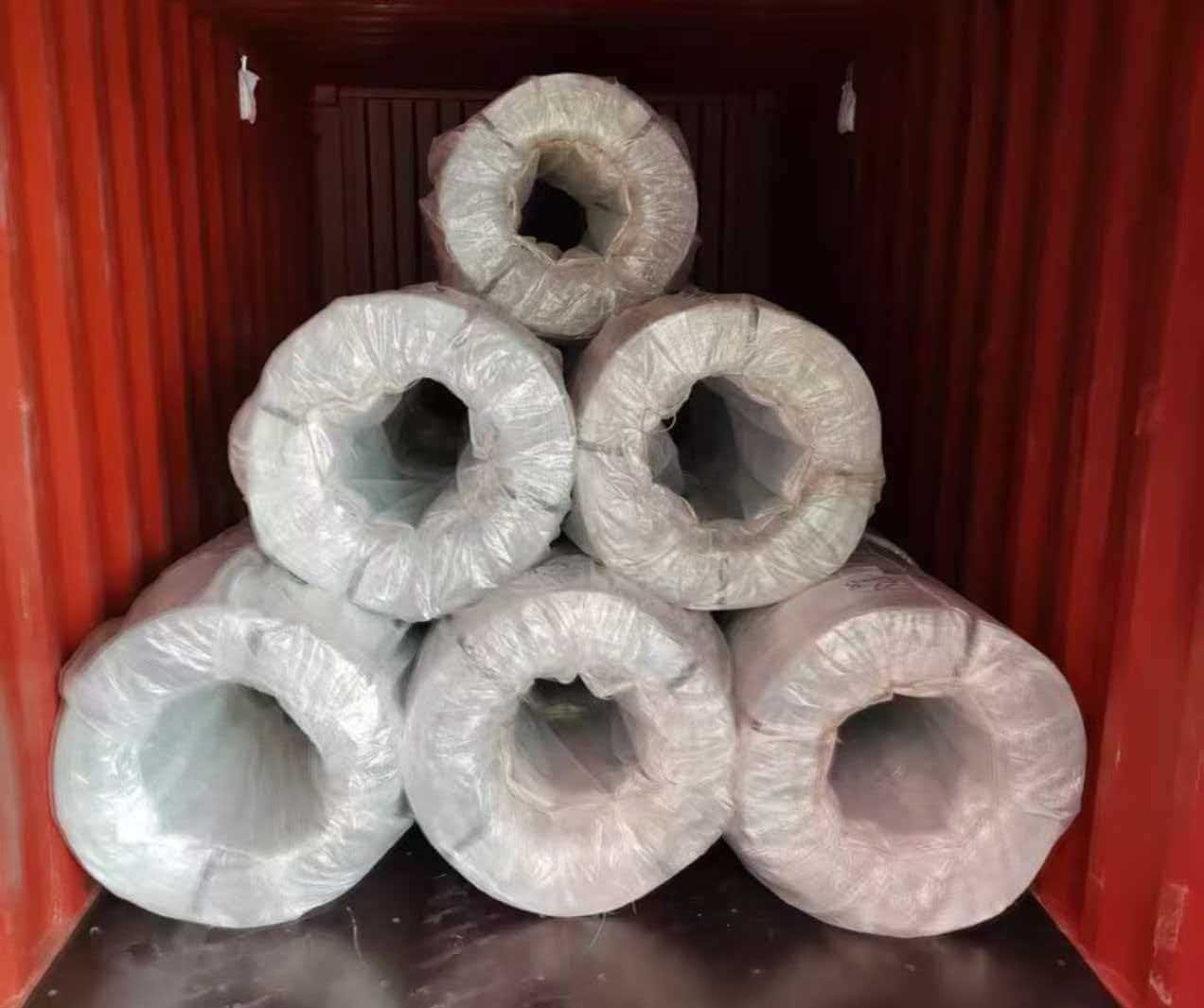
The first test is the twist test. Give your worker a piece of wire and a rebar joint. Tell him to tie it like normal. Watch his face. If he grimaces or reaches for pliers immediately, the wire is too thick. If the wire snaps during twisting, it is too thin. The right wire twists with normal hand strength, maybe with a binding hook for leverage.
The second test is the hold test. After tying 10 joints, grab each one and try to slide it along the rebar. It should not move. Push the rebars apart slightly. The wire should hold without deforming. If wires bend or joints slip, you need thicker wire. If everything holds rock solid but took forever to tie, you might be using wire that is too thick.
The third test is the vibration test. This is important but many contractors skip it. Tie a small section of rebar cage. Pour some concrete around it. Use a concrete vibrator on it for 30 seconds. Check the wire ties afterwards. Any broken? Any loosened? If yes, go one gauge thicker. This test saved Moses thousands of dollars on his last project.
I also recommend the efficiency test. Time your workers for one hour of tying. Count how many joints they complete. Then try the next gauge size up or down. Time another hour. Compare the numbers. The gauge that gives the highest joint count while maintaining strength is your best choice.
Keep records of what works. I have a customer in Uganda who keeps a simple log book. Each project, he notes rebar sizes, wire gauge used, and any problems. After three projects, he knows exactly what to order for each building type. This saves him from making the same mistakes twice.
What About Special Project Requirements?
Last month, a customer asked about a water treatment plant project. The specifications required corrosion-resistant wire. He wanted to know if he should change his gauge choice for stainless steel wire.
Special projects like water structures, coastal buildings, or high-rise buildings may require adjusted wire gauges. Stainless steel wire at the same gauge is stiffer than regular wire, so you might need one gauge thinner. For underwater structures or very long cure times, use one gauge thicker for extra security.
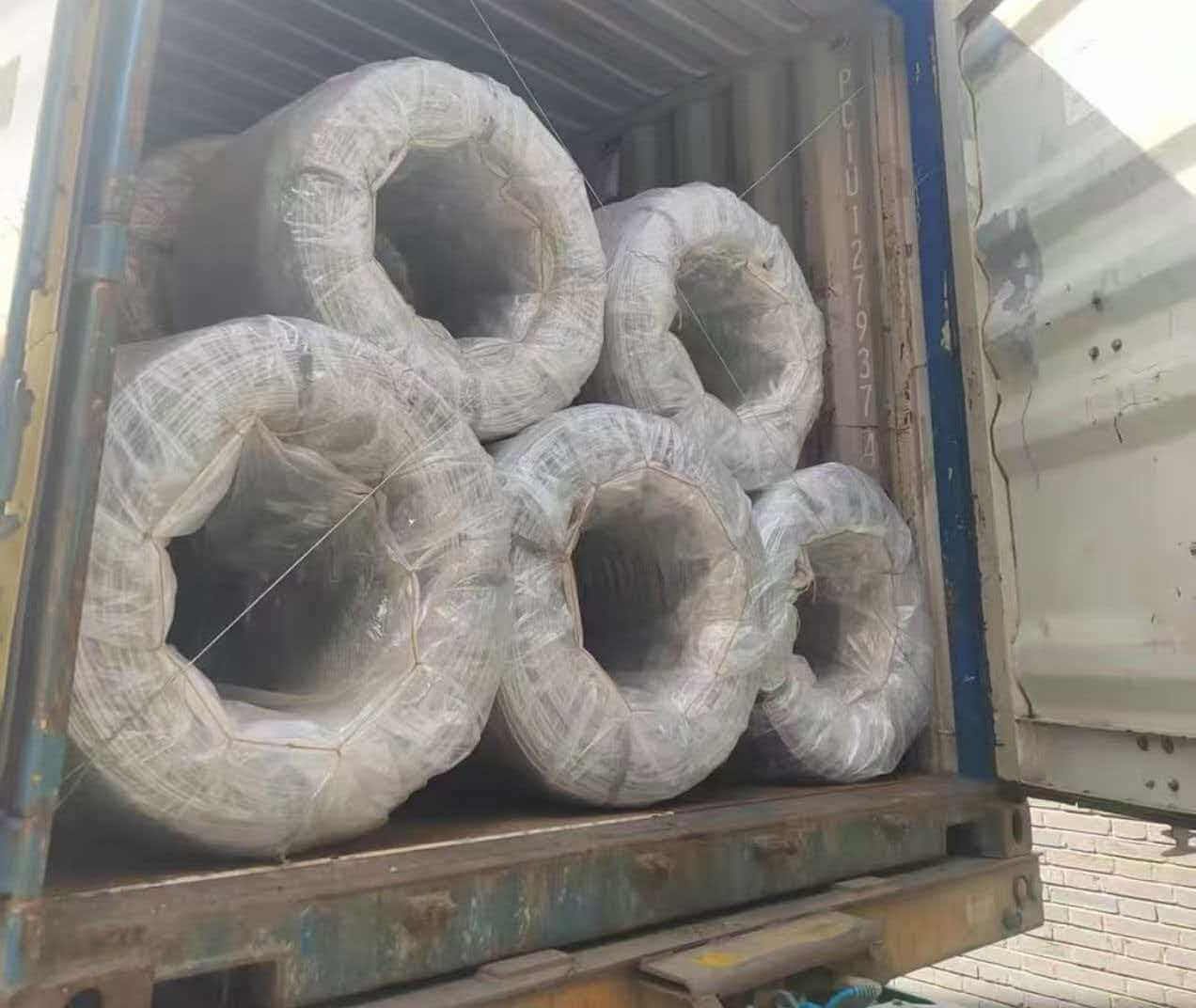
Water structures need corrosion resistance. Regular galvanized wire will rust over time in constant moisture. Stainless steel wire is the right choice. But stainless steel is much harder. A 1.6mm stainless steel wire feels like a 2.0mm galvanized wire. For 12-16mm rebars that normally use 1.6mm galvanized wire, I recommend 1.2mm stainless steel wire. It provides the same strength with easier twisting.
Coastal projects face salt air corrosion. Even galvanized wire degrades faster there. Some contractors use thicker galvanized wire for extra protection. If you normally use 1.6mm wire, bump it to 2.0mm for coastal work. The extra thickness gives more zinc coating, which means longer protection time before rust reaches the steel core.
High-rise buildings have special needs. The rebar cages need to hold position for weeks while construction moves up floor by floor. I recommend going one gauge thicker than normal. The extra strength prevents wires from creeping or loosening over time. Moses worked on a 15-story building in Kampala. They used 2.0mm wire for all joints, even the small ones. The cages stayed perfectly aligned for two months of construction.
Projects with very large pours need consideration too. When you pour concrete for a whole floor at once, the vibration goes on for hours. This is hard on wire ties. A project in Rwanda had problems with this. They used standard 1.6mm wire on 16mm rebars. During a 200 cubic meter slab pour, 15% of ties broke from extended vibration. They went to 2.0mm wire for the next floor. No more breaks.
Here is a special requirements guide:
| Project Type | Environment | Gauge Adjustment | Wire Type |
|---|---|---|---|
| Water tanks | Wet, enclosed | +0 to +0.2mm | Stainless steel |
| Coastal buildings | Salt air | +0.2 to +0.4mm | Heavy galvanized |
| High-rise (10+ floors) | Extended exposure | +0.2mm | Galvanized |
| Bridge structures | Outdoor, long-term | +0.4mm | Hot-dip galvanized |
| Industrial floors | Heavy vibration | +0.2mm | Black annealed |
Some international projects have specific standards. European standards might specify exact wire grades and gauges. Middle East projects often require test certificates. Before you order wire for these projects, get the specifications in writing. Check if they use gauge numbers or millimeters. Verify if they require special certifications.
I had a customer lose a whole shipment because he ordered 16 gauge wire, but the project specs required 1.6mm wire. He thought they were the same. They are not. 16 gauge is 1.29mm. His wire got rejected at the site inspection. Always double-check measurements and standards before ordering.
Conclusion
Choosing the right binding wire gauge is simple once you know the rule: match wire thickness to rebar diameter. Use 1.2mm for thin rebars, 1.6mm for medium rebars, and 2.0mm for thick rebars. Test your choice on site before buying in bulk. The correct gauge saves money, speeds up work, and prevents problems during concrete pouring. Moses now keeps three gauges on every site and has not had a broken wire complaint in six months.
We provide full MTC (Mill Test Certificate) and Certificate of Origin with every shipment.
We provide a full range of construction binding wire for African projects. Galvanized Iron Wire: https://mfgwiremesh.com/metal-wire/galvanized-iron-wire/ Black Annealed Iron Wire: https://mfgwiremesh.com/metal-wire/black-annealed-iron-wire/ 201 Stainless Steel Wire: https://mfgwiremesh.com/metal-wire/201-stainless-steel-wire/ Mix container loading supported.
If you are sourcing construction binding wire for Uganda or any African market, we are happy to provide a specification-based quotation. Contact us via WhatsApp: +86 15383180672.
FAQ:
Q1: Matching binding wire gauge to rebar diameter for Uganda construction.
A1: Use 1.2mm wire for rebars under 12mm diameter, 1.6mm wire for rebars between 12mm and 20mm, and 2.0mm wire for rebars over 20mm. Moses learned this after workers complained about 2.0mm wire being too stiff for thin 10mm slab rebars. Using the correct gauge prevents wire breakage during concrete vibration and speeds up hand-tying by 30-40%. Keep all three gauges on site for different structural elements.
Q2: Testing whether your binding wire gauge choice is correct.
A2: Three quick field tests verify your gauge selection. First, the twist test—have a worker tie 10 rebars by hand. If wire snaps more than once, it is too thin. If the worker needs pliers immediately, it is too thick. Second, the hold test—try to slide tied joints along the rebar. They should not move. Third, the vibration test—pour concrete around a tied section and vibrate for 30 seconds. Broken ties indicate wire too thin. Correct gauge twists easily and holds tight.
Q3: Cost savings from using the correct binding wire gauge.
A3: Using wire that is too thick for your rebars wastes 20-30% more material because workers use extra length per tie. For 50 tons of rebar work, correct gauge selection saves approximately $937 in combined material, labor, and rework costs. Moses reduced his wire costs by switching from 2.0mm to 1.6mm wire for medium rebars, saving $200-300 per ton of rebar work. Black annealed wire at one gauge thinner than galvanized provides similar strength with easier twisting for indoor applications.