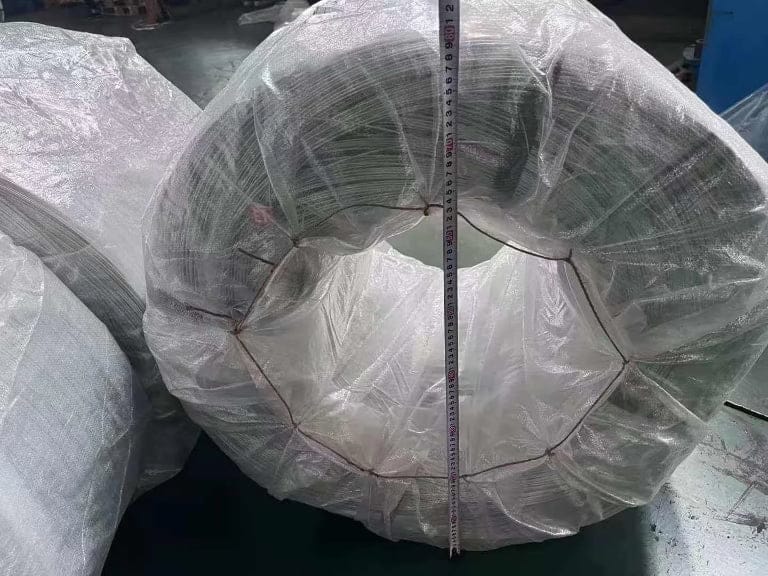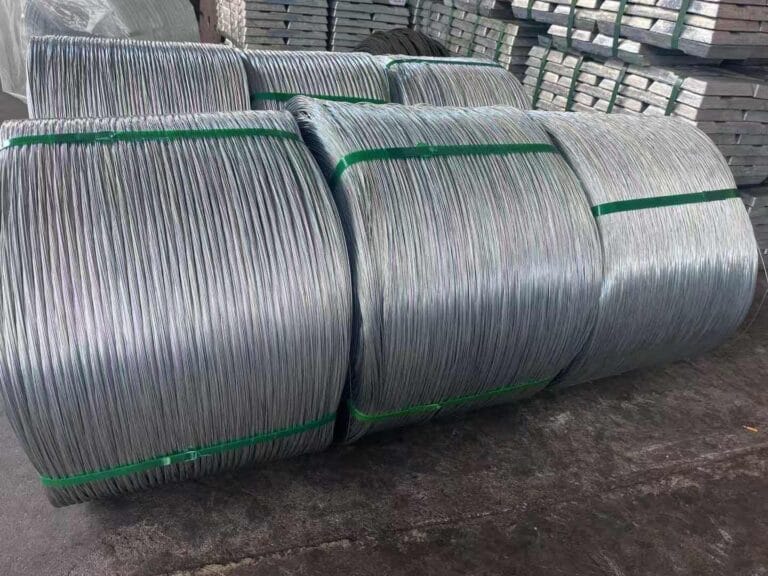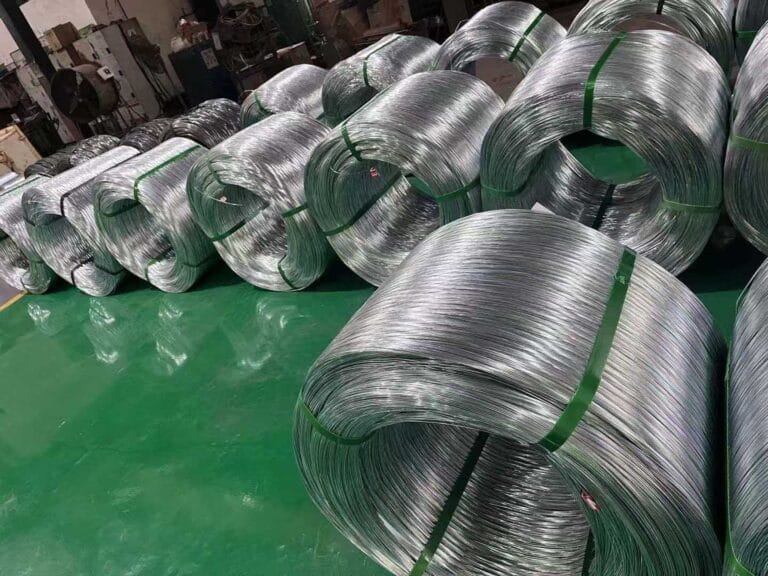




Jean adjusted his inventory strategy after discovering that single-product stocking was costing him orders. Rwanda's construction market uses both galvanized and black annealed wire, and customers expect to find both at their supplier. His shift to a mixed inventory approach solved storage problems and improved customer retention.
Jean now stocks both types of construction binding wire and adjusts the ratio by season. Buyers like him, who need reliable supply of galvanized and black annealed wire for Rwanda's market, can find detailed specifications on our product page: https://mfgwiremesh.com/metal-wire/galvanized-iron-wire/
I met Jean last year in Kigali. He runs a building materials shop. He told me he lost several orders because his stock did not match what customers wanted. His story made me think about how wholesalers in Rwanda should manage their binding wire inventory.
Jean changed his inventory structure in 2024. He used to stock only galvanized binding wire. Now he keeps 60% galvanized wire and 40% black annealed wire. This mix helps him serve more customers and reduces storage problems during Rwanda's rainy seasons.
Let me share what I learned from Jean's experience. His inventory adjustment shows how local climate and customer demands shape stock decisions in East African markets.
Why Did Single Product Inventory Fail in Kigali?
Jean started his business five years ago. He only stocked galvanized binding wire at first. He thought one product type would keep things simple.
Jean faced two main problems with single product inventory. Galvanized wire zinc coating darkened after long storage in humid conditions. Some customers specifically asked for black annealed wire but he had none in stock.
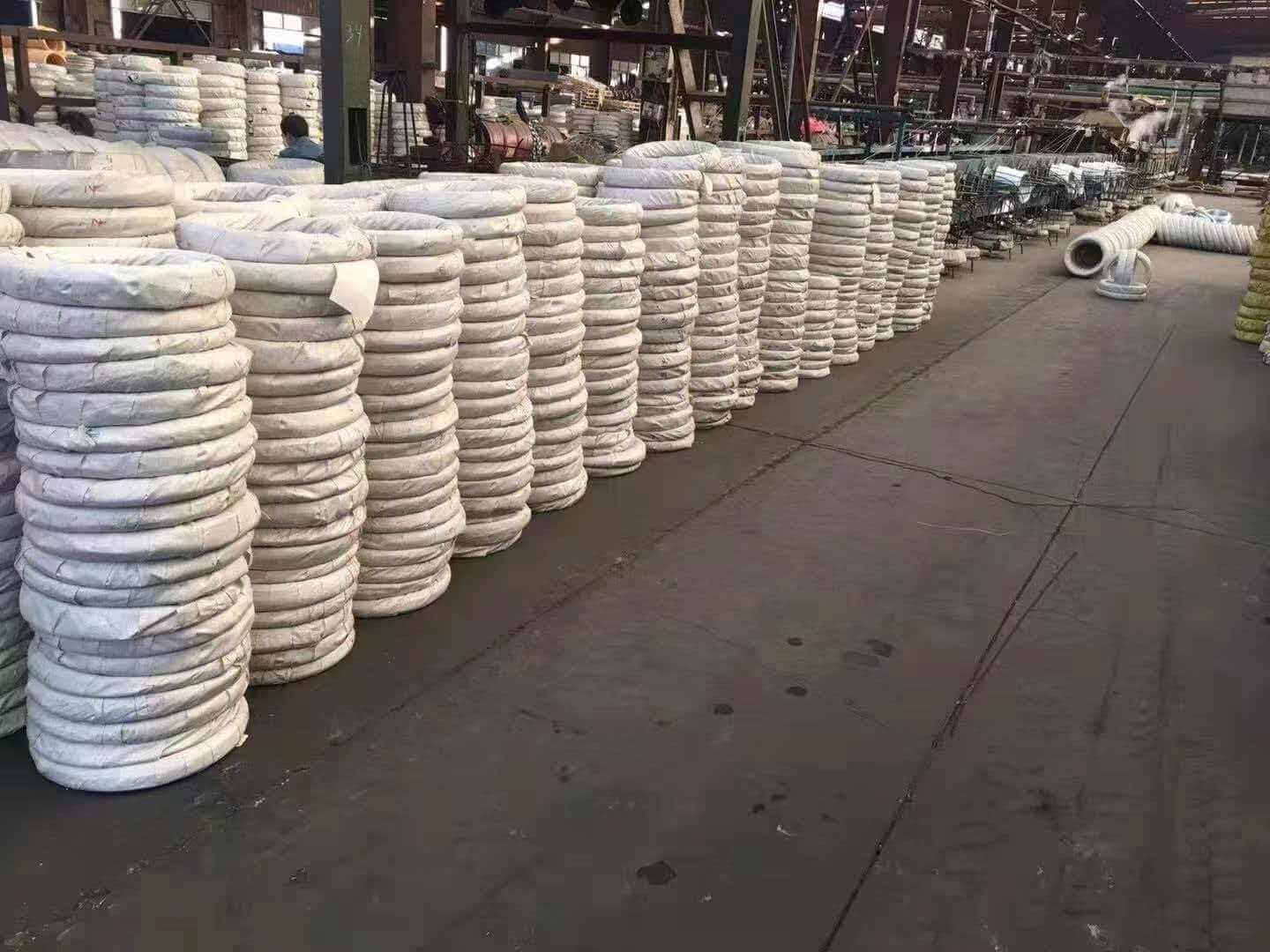
I visited Jean's warehouse in March 2024. The building had good ventilation but Rwanda's humidity still affected his stock. The outer coils of galvanized wire showed visible zinc layer oxidation. The wire still worked fine but customers hesitated when they saw the dark coating.
Jean showed me his sales records. Between June and September 2023, he lost at least six orders. These customers wanted black annealed wire for interior partition work and pipe fixing. Jean did not have this product. These customers went to his competitors.
| Problem Type | Impact on Business | Frequency |
|---|---|---|
| Zinc layer darkening | Customer complaints, price negotiation | Monthly during rainy season |
| Missing black annealed wire | Lost orders | 6+ times in 2023 |
| Extended storage time | Capital tied up, quality concerns | Continuous |
Rwanda has two rainy seasons each year. The long rains come from March to May. The short rains arrive in October and November. Jean's warehouse humidity stayed above 70% during these months. His galvanized wire stock turnover took three to four months. This timing created quality perception issues even though the wire met technical standards.
The single product strategy looked cost effective at first. Jean bought larger quantities to get better prices. But slow turnover and lost orders actually hurt his profits. He needed to match his inventory to actual market demand patterns.
What Inventory Mix Works in Rwanda's Climate?
Jean talked to me several times in late 2023. We discussed how to restructure his binding wire inventory. The solution needed to address both storage challenges and customer variety.
Jean now maintains a 60-40 inventory split between galvanized and black annealed binding wire. He keeps only two months of galvanized wire stock and focuses on 2.0mm and 1.5mm diameters. Black annealed wire inventory includes BWG (Birmingham Wire Gauge) 16 and BWG 18 gauges.
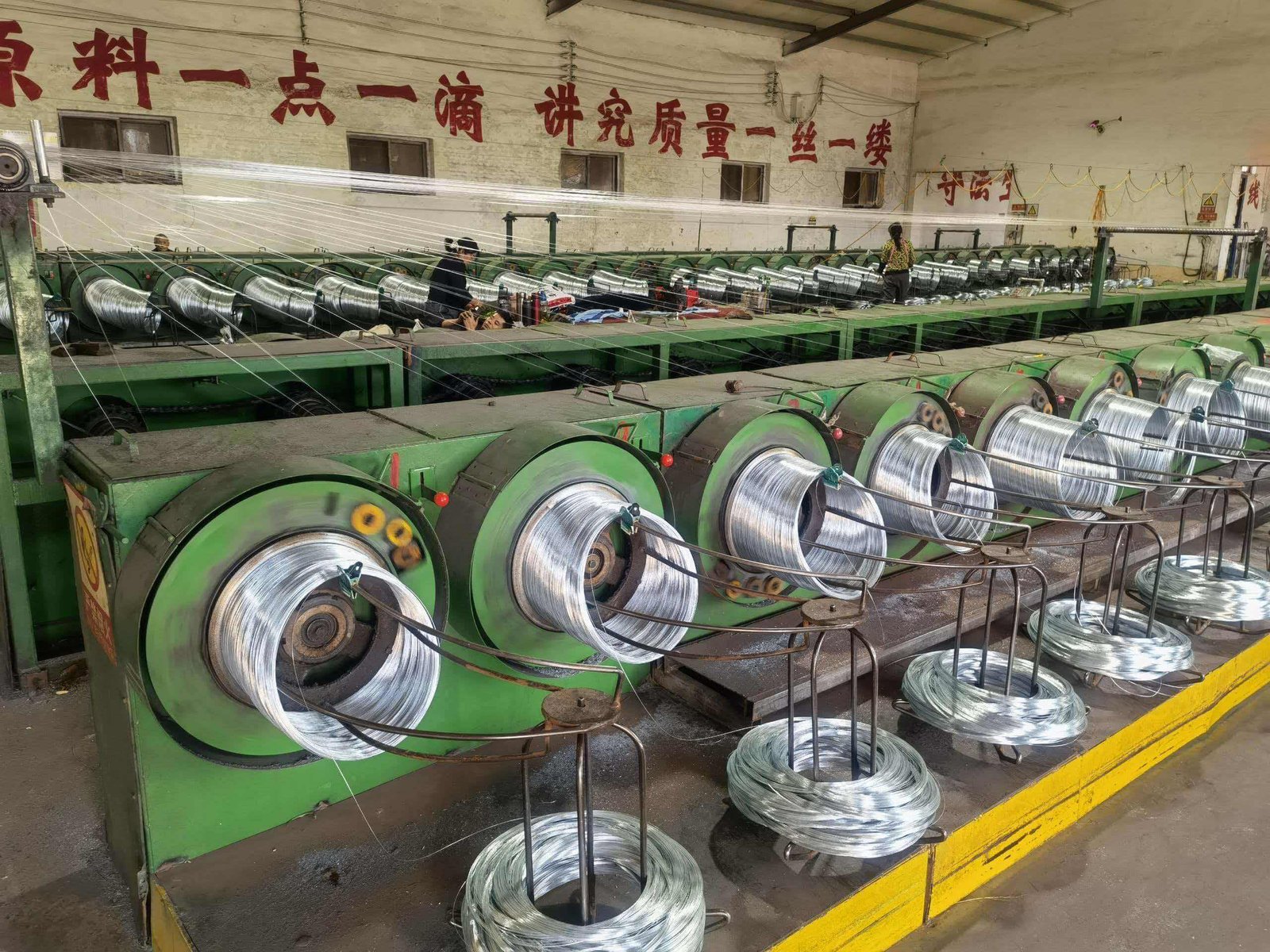
The 60-40 ratio works because it reflects actual customer demand in Kigali. Jean analyzed his 2023 sales data. Construction sites ordering materials for concrete reinforcement work made up 60% of his customers. These buyers wanted galvanized wire for outdoor durability. Interior contractors and electrical installers made up the remaining 40%. They preferred black annealed wire because it bends easier and costs less.
Jean adjusted his galvanized wire inventory strategy. He reduced stock duration from four months to two months. This change meant ordering more frequently but keeping each batch smaller. The shorter storage time prevented zinc coating oxidation problems. His customers no longer complained about dark coatings on wire coils.
| Wire Type | Stock Percentage | Storage Duration | Main Specifications |
|---|---|---|---|
| Galvanized binding wire | 60% | 2 months | 2.0mm, 1.5mm diameter |
| Black annealed wire | 40% | 2-3 months | BWG 16, BWG 18 |
I asked Jean why he chose specific wire diameters and gauges. He explained that 2.0mm galvanized wire works for most concrete formwork binding. The 1.5mm diameter serves smaller residential projects. BWG 16 black annealed wire handles heavy duty interior work. BWG 18 provides flexibility for detailed electrical and plumbing installations.
Jean also adjusts his inventory ratio based on seasons. During dry months from June to September, he increases galvanized wire stock to 65-70%. More construction happens in dry weather. Before rainy seasons, he raises black annealed wire inventory to 45%. Interior work continues when outdoor construction slows down.
The new inventory mix required Jean to manage relationships with two supplier types. I helped him establish connections with factories in China that produce both product lines. Having reliable suppliers for both galvanized and black annealed wire became essential to his inventory strategy.
How Does Jean Handle Storage for Different Wire Types?
Storage conditions make a big difference in East Africa. Jean learned this the hard way with his old inventory approach. Now he treats galvanized and black annealed wire differently in his warehouse.
Jean stores galvanized binding wire on raised pallets with plastic sheeting underneath. Black annealed wire goes in a separate section with better ventilation. He rotates stock using FIFO (First-In, First-Out) method and inspects wire coils every two weeks.
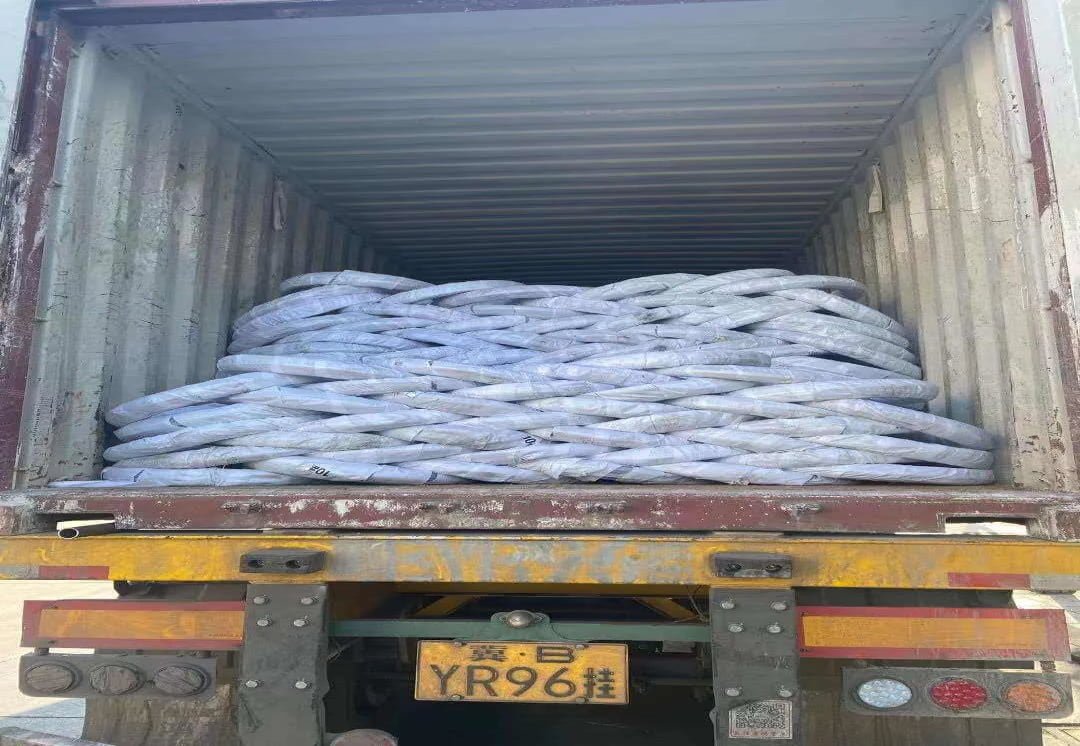
When I visited Jean's warehouse after his reorganization, I noticed clear improvements. The galvanized wire section had wooden pallets that kept coils 15 centimeters above the concrete floor. Plastic sheeting created a moisture barrier. Jean positioned galvanized wire away from the warehouse walls where condensation often occurs.
Black annealed wire requires different handling. This wire type has no protective coating. Surface rust forms quickly in humid conditions. Jean keeps black annealed wire in the driest section of his warehouse. He installed additional roof vents in this area. The increased air circulation helps reduce moisture accumulation.
Jean's inspection routine caught problems early. Every two weeks, he or his staff check the outer layers of wire coils. They look for signs of rust, corrosion, or packaging damage. Finding issues early means moving affected coils to the front of the queue for faster sale. Sometimes Jean offers small discounts on wire with minor surface issues. Contractors who use the wire immediately do not mind slight discoloration.
| Storage Practice | Galvanized Wire | Black Annealed Wire |
|---|---|---|
| Floor protection | Raised pallets with plastic | Double layer pallets |
| Position | Away from walls | Driest warehouse section |
| Ventilation | Standard | Enhanced with extra vents |
| Inspection frequency | Every 2 weeks | Every 2 weeks |
| Stock rotation | FIFO method | FIFO method, faster turnover |
Jean told me about an issue he faced in April 2024. Heavy rains that month caused humidity spikes. He noticed moisture condensation on some galvanized wire coils. Jean immediately moved these coils to a temporary storage area with dehumidifiers. He sold them within ten days at a 3% discount. This quick action prevented major quality deterioration.
The FIFO method works well for both wire types. Jean marks each delivery batch with arrival dates. His staff always pick from the oldest stock first. This simple system prevents any batch from sitting too long. Jean said his current average storage time dropped to 45 days for galvanized wire and 50 days for black annealed wire.
Proper storage adds some costs. Jean invested in pallets, plastic sheeting, and ventilation improvements. But these expenses proved worthwhile. He reduced customer complaints to almost zero. His wire quality reputation in Kigali improved significantly.
What Seasonal Adjustments Work for Rwanda Markets?
Rwanda's climate creates distinct patterns in construction activity. Jean discovered he needed to anticipate these changes rather than just react to them.
Jean increases galvanized wire inventory to 65-70% during June through September dry season. He raises black annealed wire stock to 45% before March and October rainy seasons. These adjustments match construction activity patterns in Kigali.
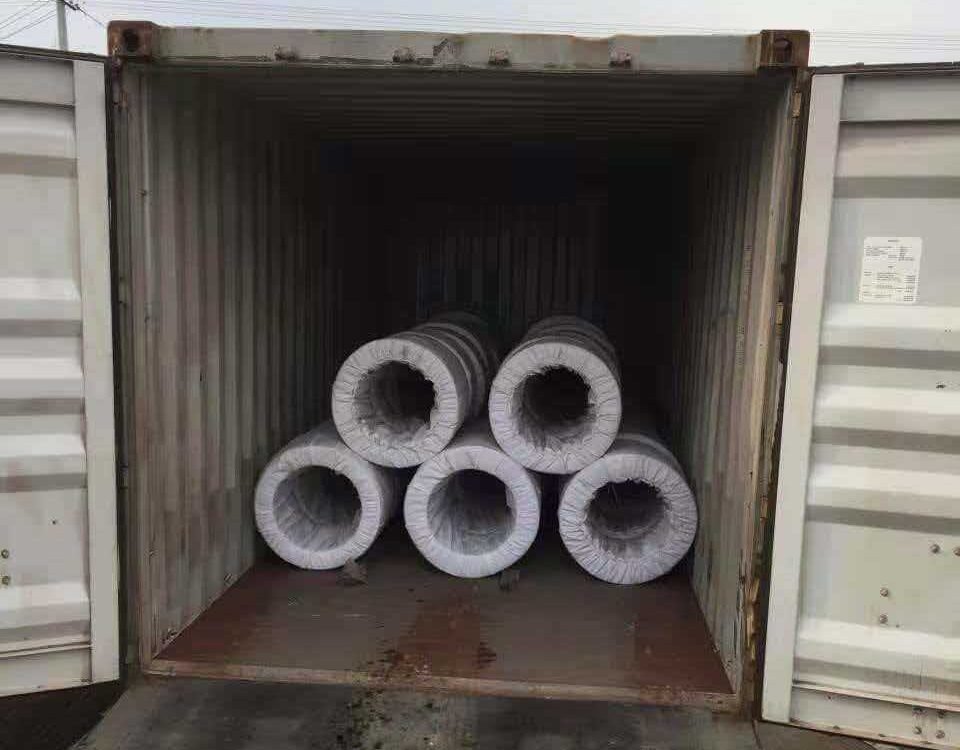
I helped Jean create a simple calendar system for inventory planning. June marks the beginning of the long dry season in Rwanda. Construction activity peaks during these months. Contractors rush to complete outdoor foundation and structural work. Demand for galvanized binding wire jumps during this period.
Jean now places larger galvanized wire orders in May. He stocks up before the rush begins. His galvanized inventory reaches 8 to 10 tons during dry months. This level covers about ten weeks of peak season sales. Black annealed wire inventory drops to about 4 tons during the same period.
The pattern reverses before rainy seasons. March and October bring regular rainfall. Outdoor construction slows down. Interior finishing work continues. Contractors focus on partition walls, ceiling installations, and utility pipe fixing. These applications use black annealed wire more than galvanized wire.
Jean adjusts his purchasing two weeks before each rainy season starts. He reduces galvanized wire orders and increases black annealed wire stock. His black annealed inventory rises to about 6 tons. Galvanized stock drops to 8 tons. This 57-43 split better matches rainy season demand.
| Season | Period | Galvanized % | Black Annealed % | Total Inventory |
|---|---|---|---|---|
| Long dry season | June-September | 65-70% | 30-35% | 12-14 tons |
| Short dry season | January-February | 65% | 35% | 11-13 tons |
| Long rainy season | March-May | 55-57% | 43-45% | 11-12 tons |
| Short rainy season | October-December | 57-60% | 40-43% | 12-13 tons |
Jean tracks his sales data monthly. He showed me his records from 2024. Galvanized wire sales in July reached 4.2 tons. Black annealed wire sales that month were only 1.8 tons. Compare this to April figures. Galvanized sales dropped to 2.8 tons while black annealed sales rose to 2.4 tons.
These seasonal adjustments required Jean to communicate better with his Chinese suppliers. I connected him with our factory. We agreed on flexible ordering schedules. Jean places smaller orders more frequently rather than large quarterly purchases. This approach gives him agility to adjust inventory mix as seasons change.
Weather patterns do not always follow exact calendar schedules. Jean monitors local weather forecasts and construction industry news. If rainy season arrives early or late, he adjusts his orders accordingly. This responsive approach prevents both stockouts and excess inventory.
The seasonal strategy also affects Jean's cash flow positively. He no longer ties up excessive capital in slow moving inventory during off peak periods. His working capital turns over faster. Jean can use savings to expand his product range or negotiate better payment terms with suppliers.
How Does Inventory Mix Affect Customer Retention?
Jean told me something interesting in our last conversation. His customer retention rate jumped after inventory restructuring. This outcome surprised him because he expected only modest improvements.
Jean's customer retention rate increased from 68% to 87% after implementing the mixed inventory strategy. He stopped losing orders to competitors. His customers appreciate finding both galvanized and black annealed wire at his shop.
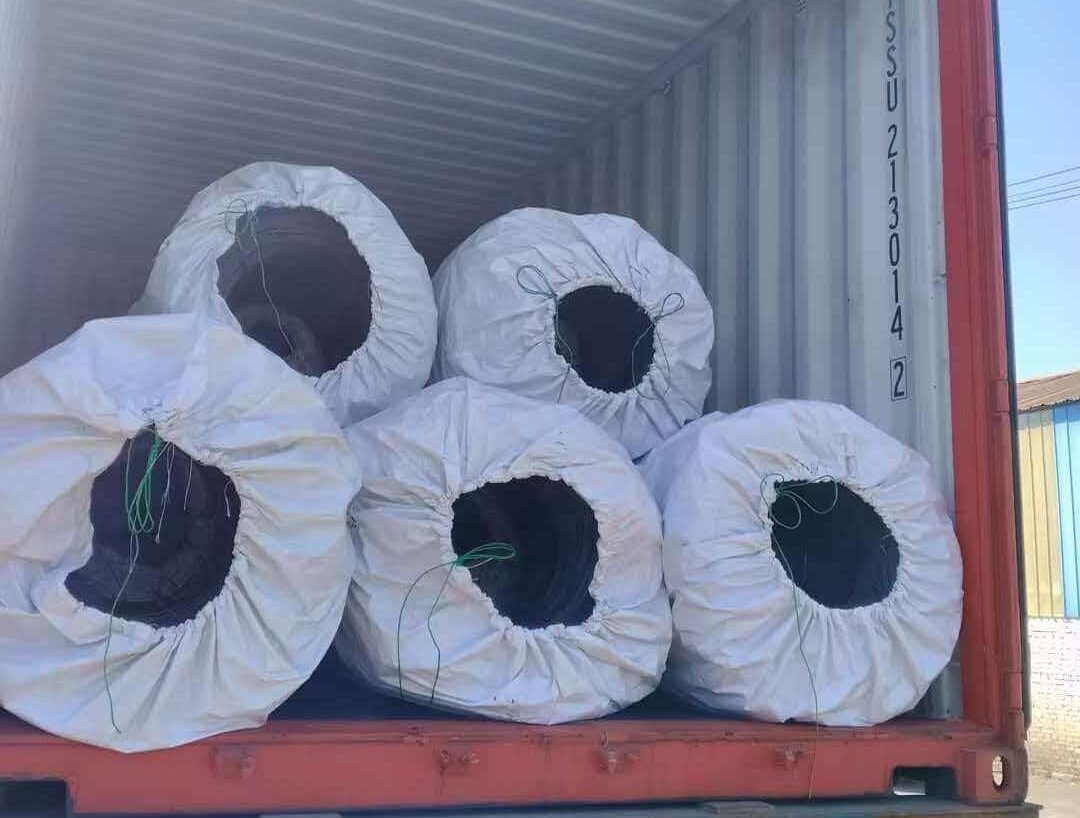
I asked Jean to explain why the inventory mix made such a difference. He said customers value convenience above small price differences. Kigali has about fifteen building material wholesalers. Most stock only galvanized binding wire. Contractors often need to visit multiple shops to complete their material lists.
Jean's shop became a one stop solution for binding wire needs. A contractor working on a commercial building project can buy both galvanized wire for formwork and black annealed wire for interior utilities. This convenience saves customers time and transportation costs. They develop a habit of checking Jean's shop first.
The retention improvement showed up clearly in repeat customer data. Jean had 45 regular customers in 2023. By mid 2024, this number grew to 78. Many new regular customers specifically mentioned the product variety. They appreciated not having to search elsewhere for different wire types.
| Metric | 2023 | 2024 | Change |
|---|---|---|---|
| Customer retention rate | 68% | 87% | +19 points |
| Regular customers | 45 | 78 | +73% |
| Average order value | $850 | $1,240 | +46% |
| Lost orders due to stockout | 6+ | 0 | -100% |
Jean also noticed his average order value increased. Customers buying both wire types in one transaction spend more per visit. A typical mixed order includes 500kg of galvanized wire plus 300kg of black annealed wire. This combined purchase totals about $1,200. Before the inventory change, single product orders averaged only $850.
I saw another benefit during my warehouse visits. Jean's staff became more knowledgeable about different wire applications. They can now advise customers on which wire type works better for specific jobs. This consultative approach builds stronger relationships. Customers trust Jean's team to recommend appropriate products rather than just take orders.
The inventory mix strategy required Jean to invest more upfront capital. Stocking two product lines instead of one means higher working capital needs. But the payoff came through higher sales volume and better margins. Jean's monthly revenue increased by 35% comparing 2023 to 2024. His profit margin also improved by about 4 percentage points because he reduced clearance sales of aging stock.
Word of mouth marketing helped too. Satisfied customers recommended Jean's shop to other contractors. Jean did not increase his advertising budget. New customers found him through referrals from existing clients. This organic growth cost him nothing but came directly from his improved inventory strategy.
Conclusion
Jean's experience shows that inventory mix matters as much as product quality and price. Matching stock to local climate conditions and customer needs creates competitive advantage. His 60-40 split between galvanized and black annealed wire, combined with seasonal adjustments, turned his business around. Rwanda wholesalers can learn from his practical approach to inventory management.
We provide full MTC (Mill Test Certificate) and Certificate of Origin with every shipment.
We provide a full range of construction binding wire for African projects. Galvanized Iron Wire: https://mfgwiremesh.com/metal-wire/galvanized-iron-wire/ Black Annealed Iron Wire: https://mfgwiremesh.com/metal-wire/black-annealed-iron-wire/ 201 Stainless Steel Wire: https://mfgwiremesh.com/metal-wire/201-stainless-steel-wire/ Mix container loading supported.
If you are sourcing construction binding wire for Rwanda or any African market, we are happy to provide a specification-based quotation. Contact us via WhatsApp: +86 15383180672.
FAQ:
Q1: Setting up a mixed inventory of galvanized and black annealed wire for Rwanda's climate.
A1: Maintain a 60-40 split between galvanized and black annealed binding wire, keeping only two months of galvanized stock to prevent zinc coating oxidation during Rwanda's humid rainy seasons. Focus on 2.0mm and 1.5mm galvanized wire for structural work, and BWG 16 and BWG 18 black annealed wire for interior applications. Adjust the ratio seasonally—increase galvanized to 65-70% during dry months (June-September) and raise black annealed to 45% before rainy seasons.
Q2: Storing different binding wire types properly in humid warehouse conditions.
A2: Store galvanized wire on raised pallets with plastic sheeting underneath, positioned away from warehouse walls where condensation forms. Keep black annealed wire in the driest section with enhanced ventilation, as it has no protective coating. Use FIFO (First-In, First-Out) rotation and inspect coils every two weeks for rust or packaging damage. Jean reduced average storage time to 45-50 days and eliminated customer complaints about coating quality.
Q3: How inventory mix affects customer retention for Rwanda wholesalers.
A3: Jean's customer retention rate improved from 68% to 87% after implementing mixed inventory. Regular customers grew from 45 to 78, and average order value increased by 46% as buyers purchased both wire types in single transactions. Being a one-stop supplier for binding wire saves contractors time and transportation costs, creating loyalty that competitors with single-product stock cannot match.